Remember when a song on the radio meant you had to be ready with a blank tape? Growing up in the 1980s came with a long list of little rituals that shaped daily life.
Some of them were silly, some were loud, and a few were just plain colorful. Here are twenty everyday things that defined the decade, plus a look at how each one compares with life today.
Flipping Through Vinyl Records
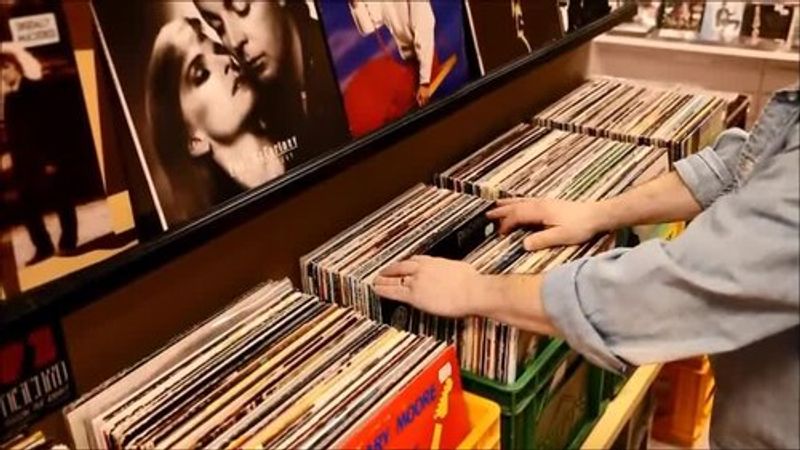
Vinyl was still an important music format at the start of the 1980s, and browsing record-store racks offered an experience streaming cannot quite copy. Album artwork was large enough to study, liner notes mattered, and picking a record could turn into an afternoon activity.
Here is a twist that surprises many people. Vinyl was actually losing ground during the decade.
U.S. cassette revenue passed LP revenue in 1983, and CDs overtook LPs later in the decade.
That is not the end of the story, though. Vinyl has since enjoyed a genuine modern revival, and many shoppers once again enjoy flipping through crates to find an album.
Holding a big cover and reading the credits while the record spins is a slower way to listen, and for many fans that is the whole point.
Waiting All Week for Saturday Morning Cartoons
For many kids in the 1980s, Saturday morning meant one thing: cartoons. Shows such as He-Man and the Masters of the Universe and The Transformers became fixtures of children’s television during the decade.
Kids woke up early, grabbed a bowl of cereal, and settled in front of the set.
There was no streaming service offering every episode whenever you wanted it. Missing the broadcast could mean waiting until the show aired again.
That made each episode feel like a small event.
Today’s children have an enormous library of entertainment available on demand. That is a great thing in many ways, since nobody has to miss a favorite show.
Even so, the weekly ritual of gathering around the television has largely faded away, and plenty of grown-ups still remember it fondly.
Fashion That Was Impossible to Ignore
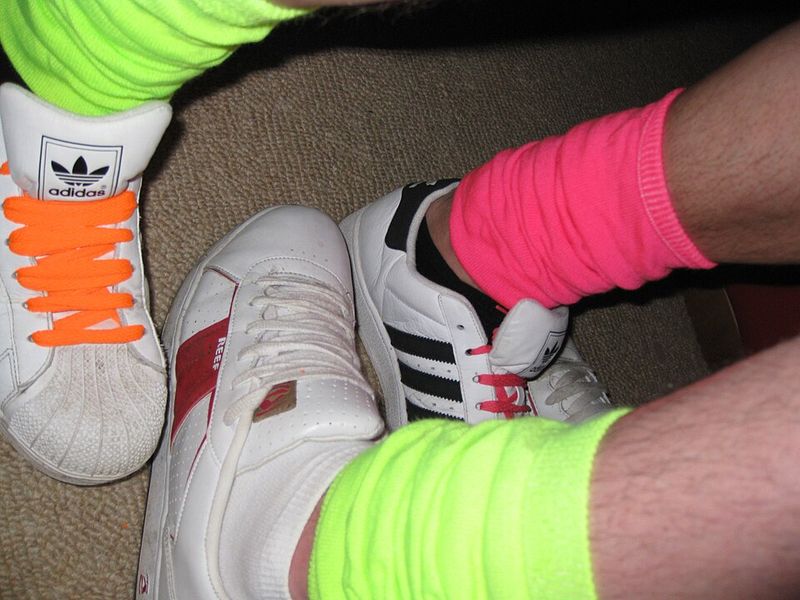
Subtlety was not exactly the defining feature of 1980s fashion. Bright neon colors, oversized silhouettes, shoulder pads, leg warmers, acid-wash denim, bold jewelry, and dramatic hairstyles all became linked with the decade.
If an outfit did not get noticed, it probably was not trying hard enough.
Fashion today changes quickly through social media, and plenty of 1980s looks have cycled back into style. Acid-wash jeans and colorful windbreakers have shown up in stores again.
Still, there was something unmistakable about walking into a room filled with teased hair, colorful tracksuits, and oversized jackets. Everyone seemed to be dressing for a stage, even on an ordinary school day.
Old yearbook photos from the decade show just how far people were willing to go with color, volume, and a generous can of hairspray.
Making the Perfect Mixtape
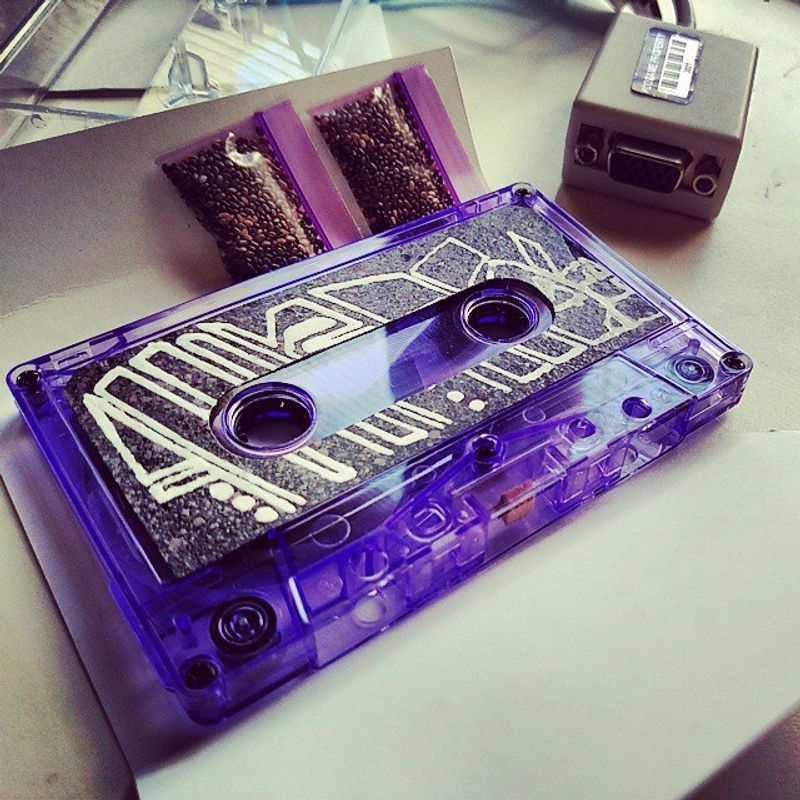
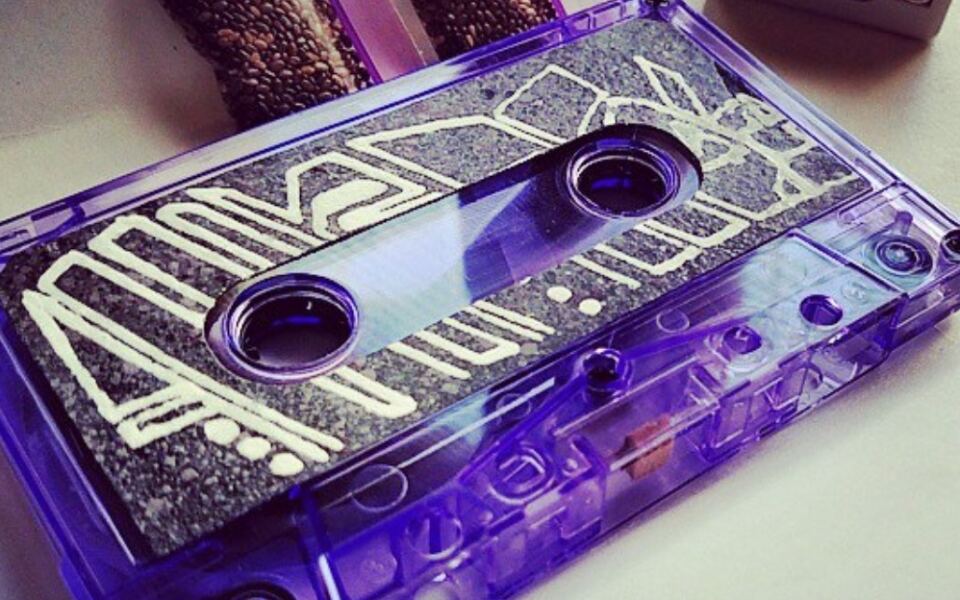
Patience was the secret ingredient in every mixtape. Songs had to be recorded onto a cassette, sometimes straight from the radio, and the track order mattered a lot.
Get it wrong, and the whole tape felt off.
A mixtape could also carry a personal message. Giving one to a friend or a crush meant picking songs, recording them one by one, and often decorating the cassette case.
Plenty of people added handwritten song lists, doodles, and stickers.
Today, a Spotify playlist can be built in a few minutes. That is easy and fun, and sharing it takes a single tap.
Still, digital playlists rarely ask for the same amount of effort, and that effort was exactly what made a mixtape feel like a real gift. Many people still keep a shoebox of old tapes at home, each one tied to a certain summer, a certain friend, or a certain song they played until the tape wore thin.
Going to the Video Store
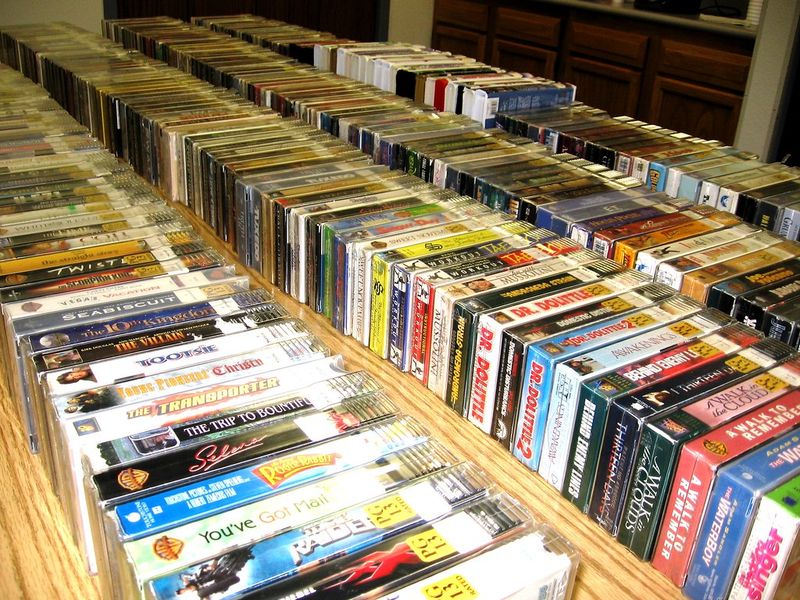
Movie night once began with a trip outside the house. Families wandered aisles filled with VHS boxes, debated which movie everyone could tolerate, and sometimes found a surprise pick just because the cover looked interesting.
Video rental became especially visible during the second half of the 1980s. The first Blockbuster opened in Dallas on October 19, 1985, carrying roughly 8,000 tapes.
That was a huge selection for the time.
Streaming later turned the same decision into something that can be made from the couch. There is no drive, no late fee, and no need to rewind.
Yet many people still remember the thrill of reaching for the last copy of a favorite title, or the small disappointment of finding the shelf empty and having to pick something new.
Spending an Afternoon at the Arcade
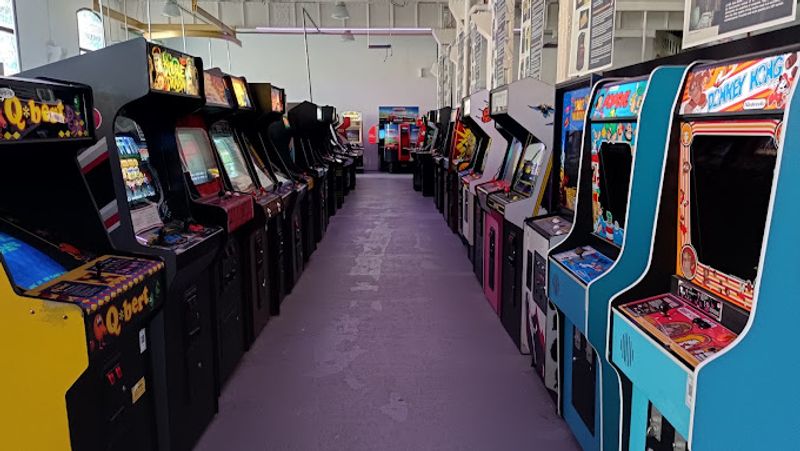
Arcades were not simply places to play games. They were gathering spots where friends watched one another chase high scores on machines such as Pac-Man, Donkey Kong, and Galaga.
A good run could draw a small crowd.
Playing meant carrying quarters or tokens and standing right beside other competitors. If someone wanted a turn, they put their coin on the edge of the screen and waited.
Home consoles and later online multiplayer gaming changed that experience. Arcades still exist today, including retro gaming venues and entertainment centers, so the fun has not vanished completely.
They simply no longer hold the same central place in youth culture that they once did, when a pocketful of quarters could fill an entire Saturday afternoon.
Hanging Out at the Roller Rink
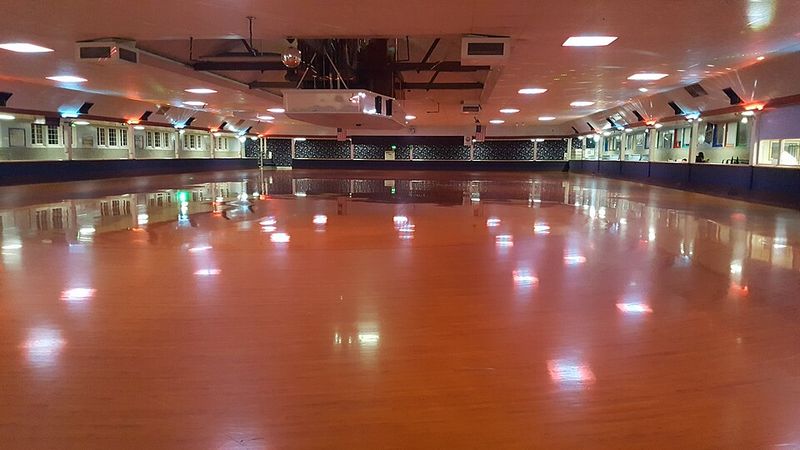
Roller rinks combined music, movement, and socializing in a way that made them ideal gathering spots. Skaters circled polished floors while DJs played popular songs.
The rink was as much about seeing friends as it was about skating.
Birthday parties, school fundraisers, and weekend meetups often landed there. Some skaters stuck close to the wall, while others showed off backward skating and quick turns in the middle.
Roller skating never completely disappeared and has periodically enjoyed new bursts of popularity. Still, the classic neighborhood rink is no longer the universal teenage meeting place it once was in many American communities.
Some rinks remain open and busy, so anyone who wants to relive the old days can still lace up a pair and take a lap or two around the floor.
Watching the Same TV Shows as Everyone Else
Television audiences had far fewer choices during the 1980s. That limit also created enormous shared audiences, and it gave people something to talk about the next day.
Shows such as Cheers, which premiered in 1982, and The A-Team, which arrived in 1983, became part of a common pop-culture conversation. People often watched episodes at the same scheduled time.
Then they talked about them at school, at work, or over the fence.
Streaming has given viewers far more control. You can watch what you want, when you want, and pause for a snack.
The tradeoff is that audiences are now split among hundreds of shows and services, so finding someone who just watched the same episode can take a little more luck than it once did.
Family Board Game Nights
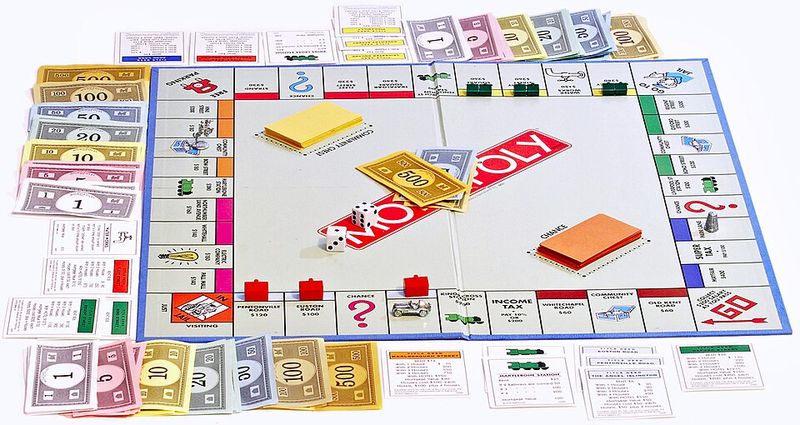
Long before everyone at the table had a smartphone, board games were an easy way to fill an evening. Older favorites such as Monopoly and Clue stayed fixtures in many homes alongside newer games.
A rainy night often ended with a long match and a few friendly arguments over the rules.
Board gaming has certainly not vanished. In fact, modern tabletop gaming has built an enormous enthusiast community, with thousands of creative new releases each year.
What has changed is the competition for attention. Families now choose among board games, phones, consoles, streaming services, and countless other options.
A game night takes a little planning today, but it can still bring everyone to the same table.
Carrying a Boombox
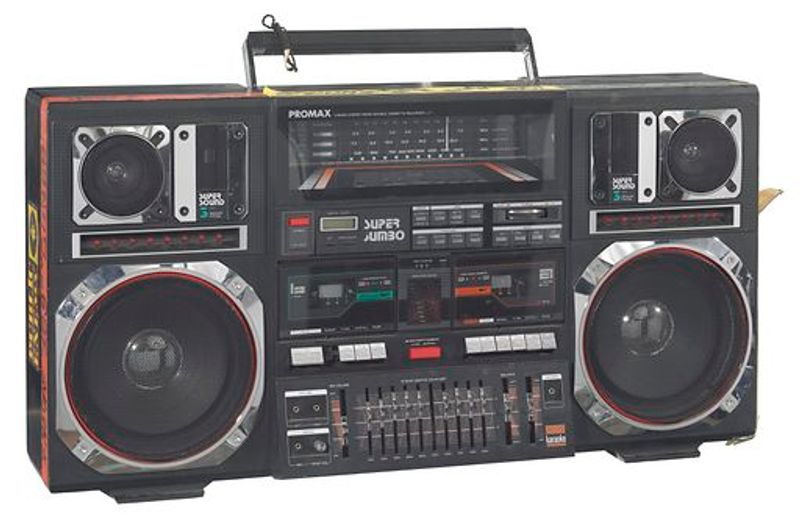
Few pieces of technology looked as unmistakably 1980s as a large portable boombox. Big speakers, a cassette deck, and a radio dial all fit in one chunky frame.
Battery-powered systems like these let people bring music to parks, streets, beaches, and parties. Some became particularly linked with hip-hop and street culture, and they often showed up in photos and videos from the era.
Portable speakers still do essentially the same job, only with far less weight. A Bluetooth speaker can reach millions of songs from a phone instead of needing a stack of cassettes and a fresh set of batteries.
Even so, the boombox remains a favorite symbol of the decade, and vintage models still turn heads at retro events and collector shows.
The Rubik’s Cube Craze
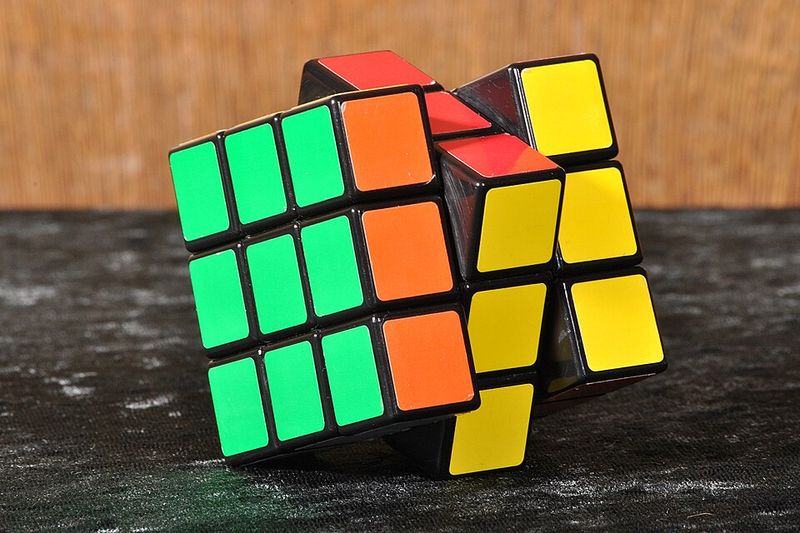
The Rubik’s Cube became one of the defining toys of the early 1980s. Ernő Rubik developed the puzzle in the 1970s, but it was renamed the Rubik’s Cube and launched internationally in 1980.
The craze grew so big that the first Rubik’s Cube World Championship was held in 1982. Kids carried cubes in backpacks and twisted them on school buses.
The cube is still very much alive today, complete with international speedcubing competitions and remarkably fast solving records. Anyone can pick one up and try.
What is hard to recreate is the novelty of watching seemingly everyone try to solve one for the first time, with no videos to explain the steps.
Taking a Walkman Everywhere
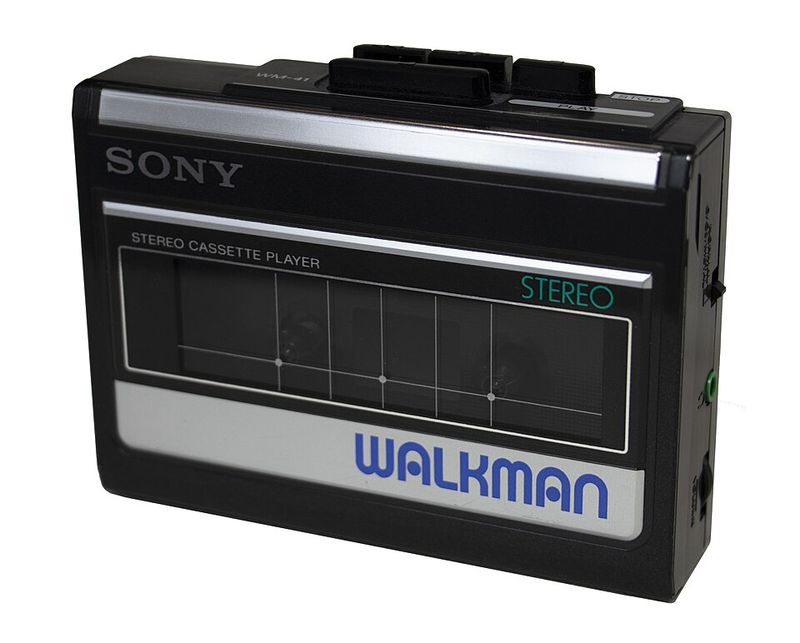
The Sony Walkman changed how people listened to music by making private, portable listening practical on a massive scale. Suddenly a favorite album could go along on a walk, a bus ride, or a jog.
Technically, the first TPS-L2 Walkman appeared in July 1979, just before the decade began. Its cultural explosion belongs firmly to the early 1980s, though.
Sony says the WM-2, released in 1981, further boosted the Walkman’s popularity.
Today’s smartphones and wireless earbuds are far more capable. Yet none of them require flipping a cassette, rewinding a song, or carrying extra tapes in a bag.
Those little chores were part of the charm, and they gave every listening session a hands-on feel.
Watching a Polaroid Develop
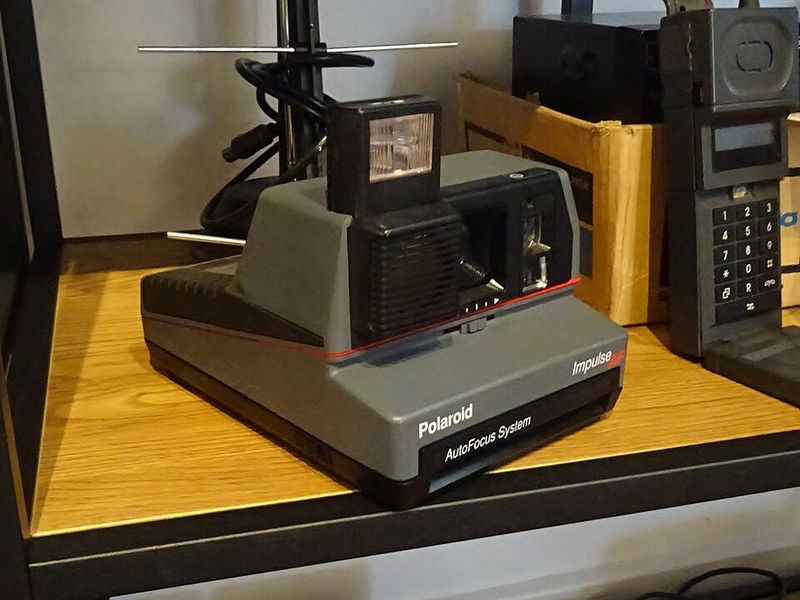
Instant photography felt genuinely magical before nearly everyone carried a digital camera in a pocket. There was no screen to check, only a small white square waiting to reveal itself.
Press the shutter on a Polaroid camera and a physical photograph slid out. Then came the waiting as the image slowly appeared.
Unlike today’s endless camera rolls, every exposure also cost money, which gave each photo a bit more weight.
Instant film has not disappeared, and modern Polaroid and Fujifilm Instax cameras have helped revive interest. Today, though, they are a creative choice rather than the closest thing available to instant photography.
Many people tape the prints to walls or tuck them into scrapbooks, just as families did decades ago.
Playing Atari in the Living Room
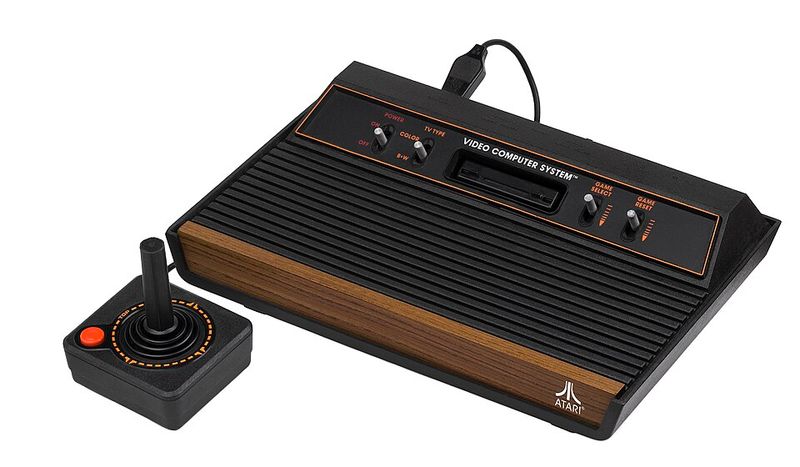
Atari helped bring video games out of arcades and into American homes. The Atari Video Computer System, later known as the Atari 2600, became enormously influential around the turn of the decade.
Kids could finally play without a pocket of quarters.
Its simple graphics look primitive beside today’s games, but that simplicity was once cutting-edge entertainment. Blocky shapes on the screen were enough to hold a family’s attention for hours.
Atari’s dominance did not last through the entire decade. The U.S. video-game crash beginning in 1982 badly hurt the company and helped create an opening later filled by Japanese console makers, particularly Nintendo.
The story is a reminder that even the biggest names in gaming can change fast.
The Age of Hair Metal

Few musical movements embraced excess quite like 1980s glam and hair metal. Everything was turned up, from the guitars to the hairstyles.
Bands such as Mötley Crüe and Poison paired loud guitars with huge hair, theatrical clothing, arena shows, and memorable music videos. By the latter half of the decade, the style had become deeply connected with MTV and mainstream rock culture.
Rock never went away, and many of the era’s bands still have enthusiastic audiences. Concert tours and reunion shows keep the songs alive.
Still, hair metal’s spot near the center of popular culture belongs unmistakably to its time, when a big chorus and a bigger hairdo could land a band on every teenager’s bedroom wall.
Taking Sides in the Pepsi vs. Coke Wars
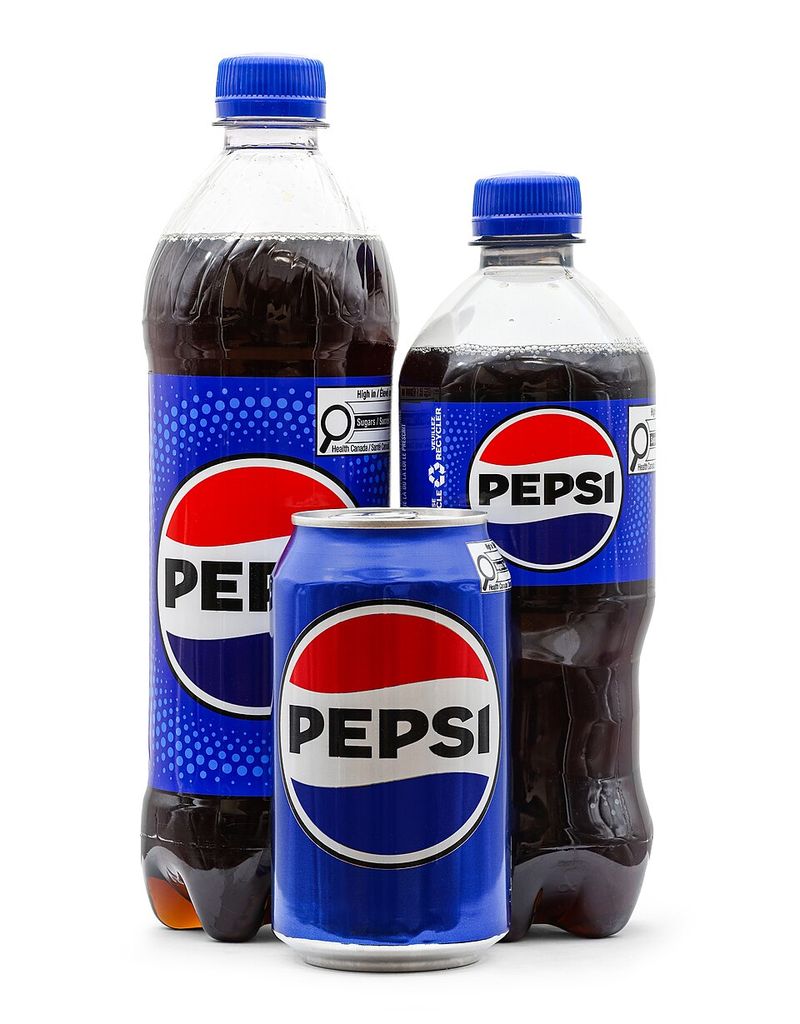
Choosing Coke or Pepsi sometimes felt like joining a team. Lunch tables had their loyalists, and friendly arguments were common.
The companies had competed for decades, but the rivalry became especially visible in the 1980s through major advertising campaigns, celebrity endorsements, and Pepsi’s taste-test marketing.
Then came one of the decade’s biggest marketing stories. Coca-Cola replaced its traditional formula with New Coke in April 1985 after growing competitive pressure from Pepsi.
The backlash became legendary, and the original formula soon returned as Coca-Cola Classic. Marketing students still study the episode today as an example of how much people care about the familiar things they love.
Punk’s Rebellious Energy

Punk rock did not begin in the 1980s. Its roots and first major explosion came during the 1970s.
Even so, punk kept evolving throughout the following decade, especially through hardcore scenes in cities across the United States and elsewhere. Bands such as Dead Kennedys became tied to the era’s politically charged, DIY-minded underground culture.
Fans made their own flyers and traded tapes.
Punk still exists today, and its influence can be heard across many genres. What has changed is the world around it.
Finding underground music no longer requires tracking down records, flyers, clubs, or local scenes in quite the same way, but those who lived it remember the effort as part of the thrill.
Waiting for Your Favorite Video on MTV

MTV fundamentally changed the relationship between music and television. Songs were no longer just heard, they were seen.
The network launched on August 1, 1981, opening with The Buggles’ Video Killed the Radio Star. During the decade, music videos became increasingly important promotional tools, and MTV helped push artists including Madonna, Michael Jackson, Prince, and Duran Duran deeper into popular culture.
There was also something today’s internet cannot reproduce: waiting without knowing exactly when your favorite video would appear. Viewers sometimes sat for an hour hoping.
YouTube now lets anyone summon almost any video instantly, which is handy, but it removes the little burst of excitement when the right song finally came on.
Carrying a Trapper Keeper to School
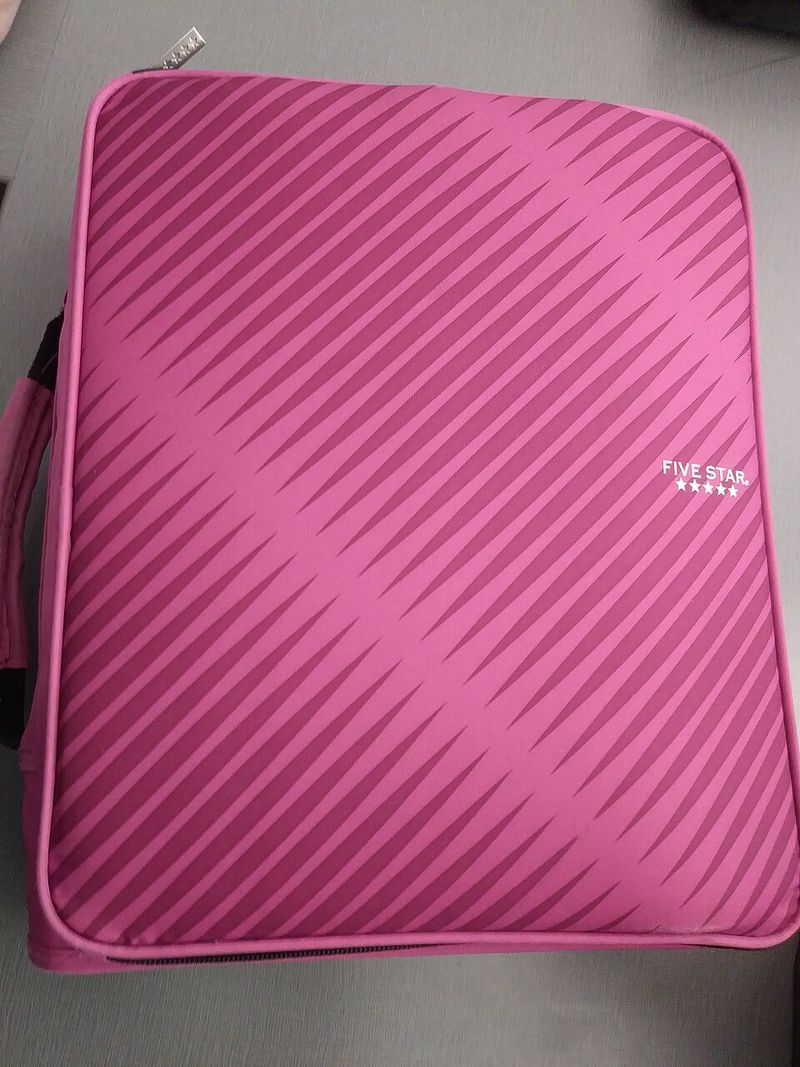
School supplies could double as fashion accessories, and few products showed that better than the Trapper Keeper. Students picked one the way they might pick a jacket.
Its colorful covers, folders, binder system, and distinctive closures made it instantly recognizable in 1980s classrooms. Kids could choose designs that matched their personalities, then fill the inside with homework, notes, drawings, and stickers.
Paper binders have not disappeared. Still, laptops, tablets, cloud storage, and online classroom platforms have changed how students organize their schoolwork.
A backpack today may hold a charger instead of a folder, and the days of a hook-and-loop closure ripping open in the hallway have mostly faded away.
Spending the Day at the Mall
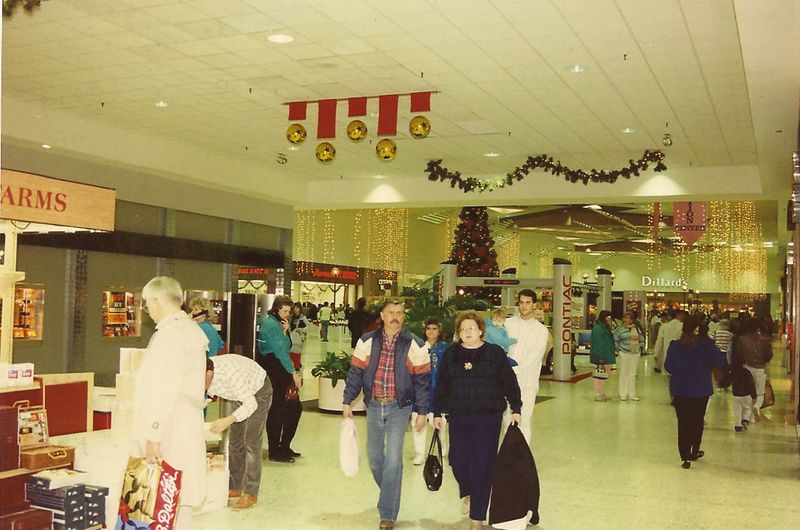
The mall was one of the defining social spaces of 1980s suburban America. It was a place to go when there was nowhere else to be.
Teenagers could shop, eat at the food court, visit the arcade, browse music stores, watch people, or simply spend hours walking around with friends. Buying something was not necessarily the main goal.
Malls still operate across the country, and some remain extremely busy. But e-commerce and changing habits have pushed many shopping centers to reinvent themselves around restaurants, entertainment, services, and experiences.
For anyone who remembers the 1980s, an afternoon at the mall can bring back a very specific kind of nostalgia: a time when simply meeting friends somewhere was entertainment enough.
Share this story