For most of history, reaching old age was rare. Disease, war, and hard living conditions meant many people did not see their sixtieth birthday.
Yet some famous artists, thinkers, and leaders lived well into their eighties and nineties. Here are twelve of them, along with what they did with their extra years.
1. Michelangelo (1475-1564), 88 Years Old
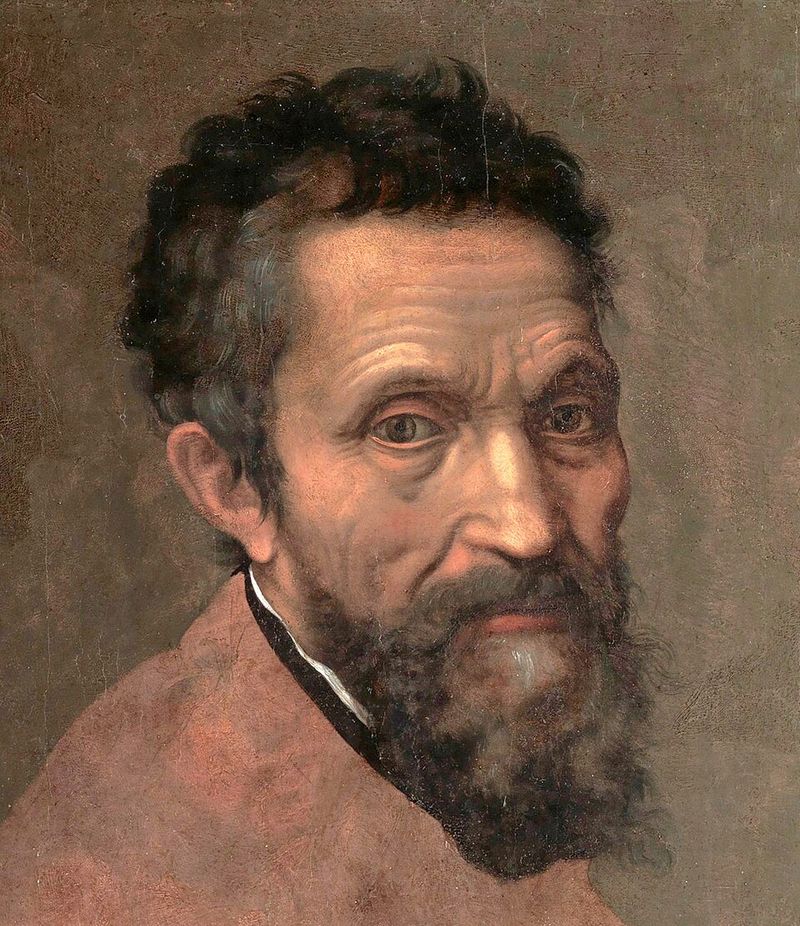
Even at 88, Michelangelo was still carving. Days before his death in 1564, he reportedly worked on the Rondanini Pietà, a marble sculpture he never finished.
Few artists have stayed so devoted to their craft for so long.
Born in 1475, he lived through the rise of the Renaissance and the reigns of many popes. He painted the Sistine Chapel ceiling in his thirties and later returned to paint The Last Judgment when he was in his sixties.
In his seventies, he took over the design of St. Peter’s Basilica in Rome and shaped its famous dome. He did the work without pay, saying it was for his faith.
Historians often point to his steady work habits and simple lifestyle. His long career gave the world sculpture, painting, poetry, and architecture spanning more than seven decades.
2. Titian (c. 1488/1490-1576), Around 86 to 88 Years Old
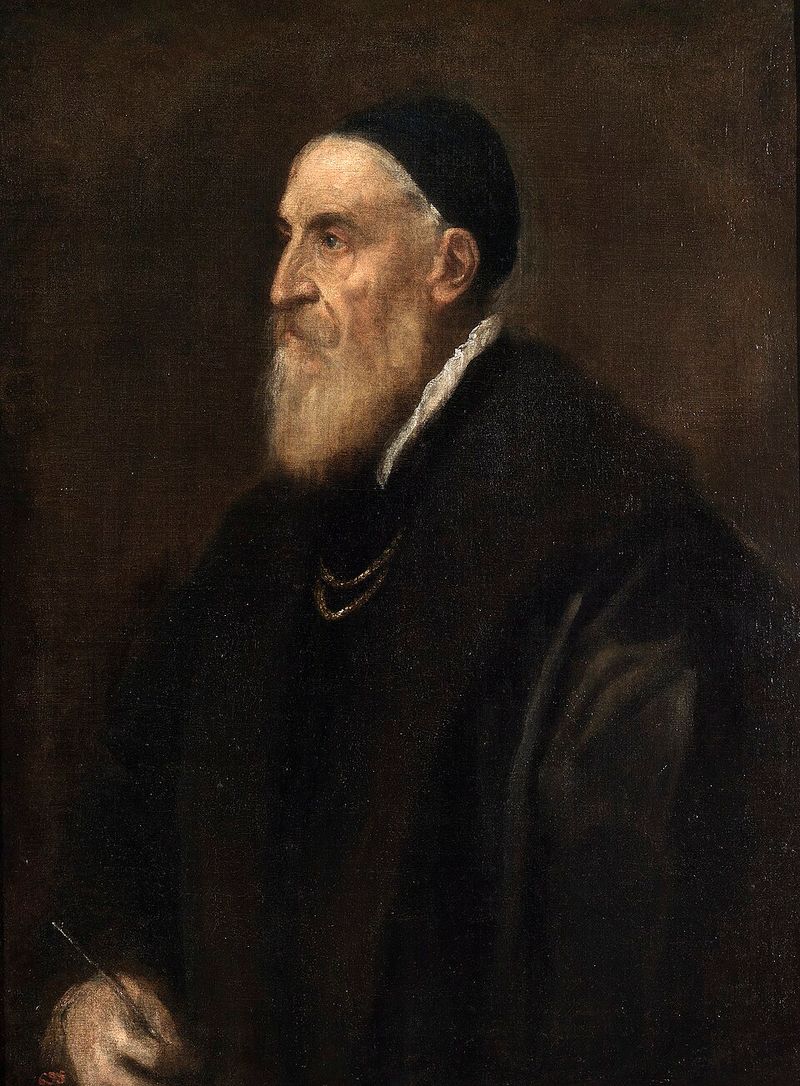
Venice was Titian’s canvas for nearly seventy years. Born around 1488 or 1490, the painter became the most sought-after artist in the city and a favorite of kings and emperors.
His career stretched from the early 1500s until the 1570s, which is remarkable for any era. Holy Roman Emperor Charles V and King Philip II of Spain both ordered works from him.
Late in life, his painting style grew looser and more daring. Visible brushstrokes and glowing color replaced the smooth finish of his youth, and later artists studied this approach closely.
He died in 1576 during a plague outbreak in Venice. Some historians note that he was around 86 to 88, though his exact birth year is uncertain.
Even so, he remained active until close to the end.
3. Isaac Newton (1643-1727), 84 Years Old
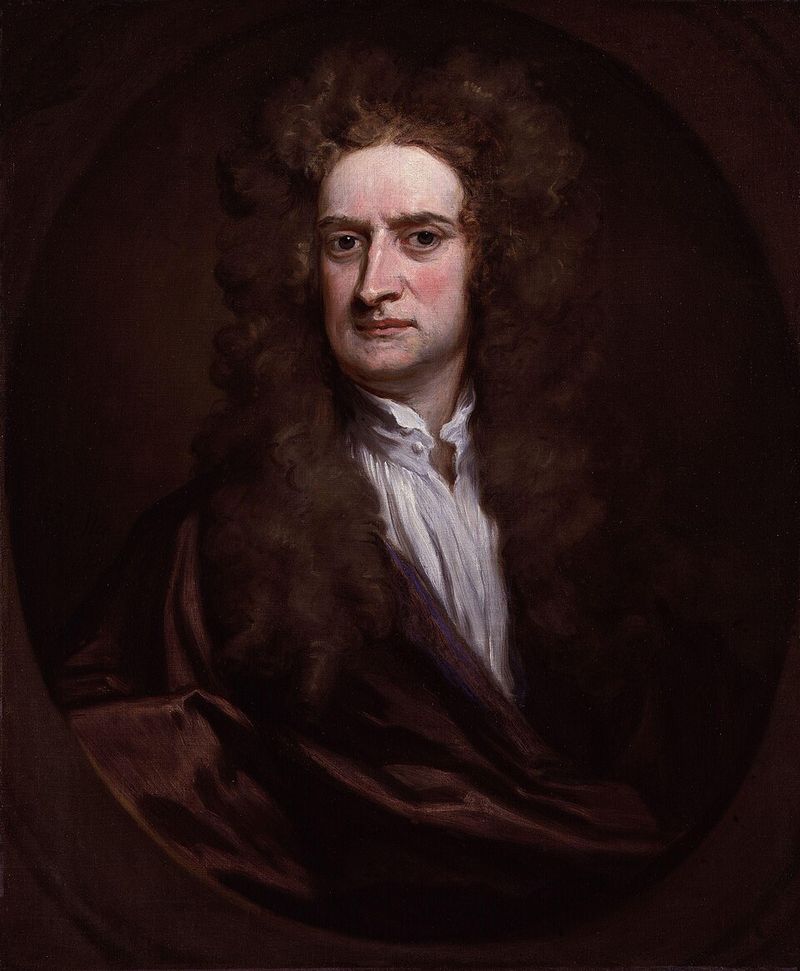
An apple may be the most famous part of his story, but Newton’s real legacy took decades to build. He published his major work on motion and gravity, the Principia, in 1687, when he was 44.
He then lived another forty years. In that time he led the Royal Society, served as Master of the Royal Mint, and was knighted by Queen Anne in 1705.
His long life allowed him to refine his ideas about light, mathematics, and the laws of nature. He also spent many hours on alchemy and religious studies, topics that surprise many modern readers.
Newton died in 1727 at age 84, a ripe old age for the time. He was given a grand funeral and buried in Westminster Abbey.
4. Benjamin Franklin (1706-1790), 84 Years Old
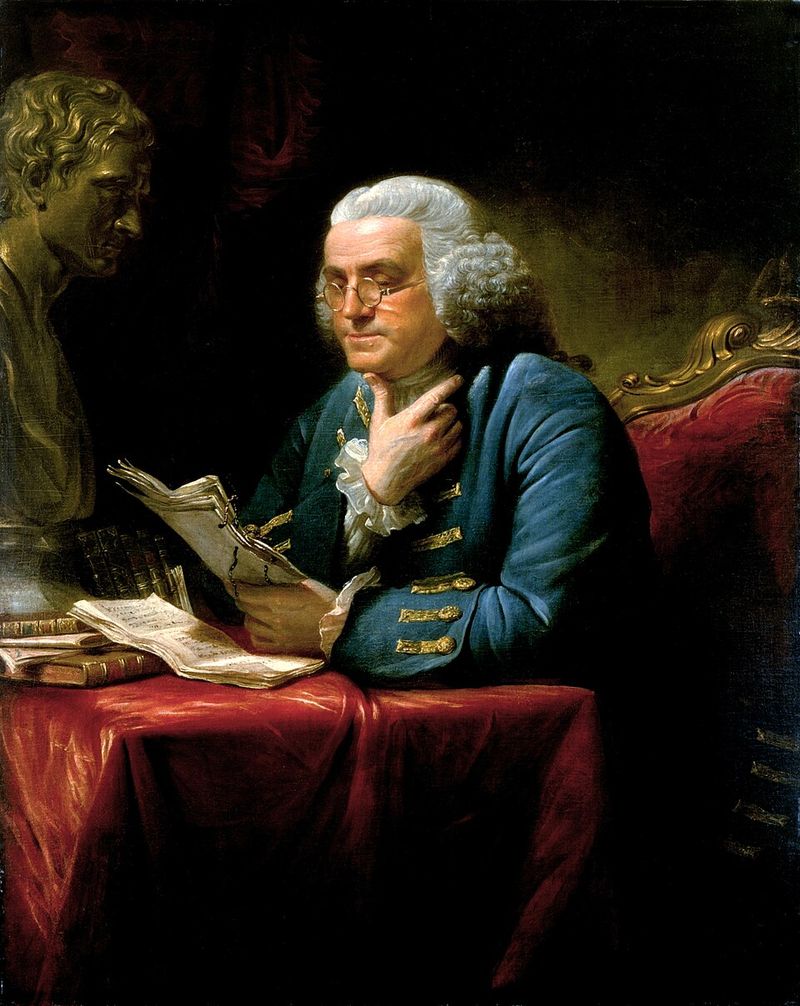
“Early to bed and early to rise” is one of many sayings Franklin gave the world, and he lived long enough to see many of his ideas succeed. Born in Boston in 1706, he became a printer, writer, inventor, and diplomat.
In his sixties and seventies, he was far from slowing down. He served as an American envoy in France and helped win crucial support during the Revolutionary War.
At 81, he took part in the Constitutional Convention in Philadelphia. He was the oldest delegate there.
He also invented bifocal glasses, partly to help his own aging eyes. Franklin died in 1790 at age 84, after a lifetime of curiosity and public service that few of his peers could match.
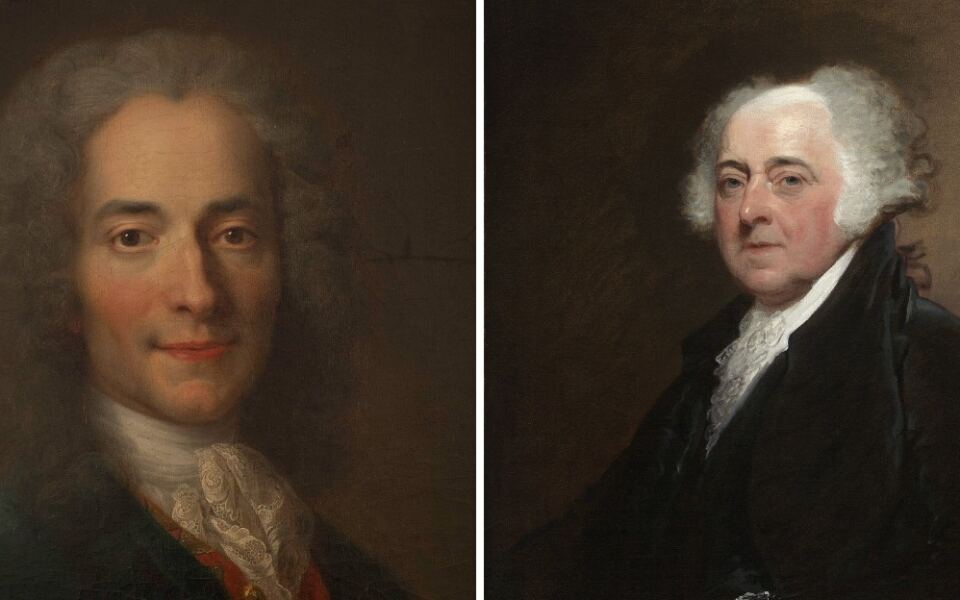
5. Voltaire (1694-1778), 83 Years Old
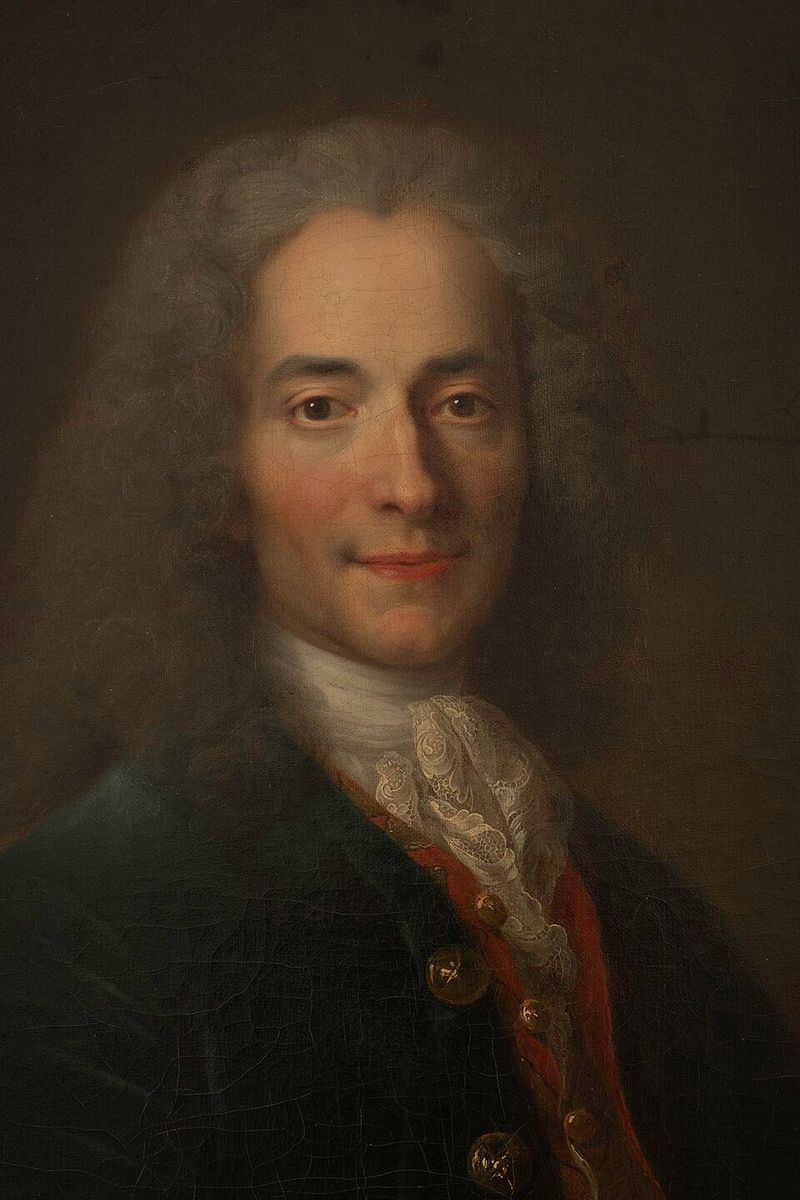
Sharp wit kept Voltaire in trouble for most of his life, yet he outlasted many of his critics. Born in Paris in 1694, the writer was jailed, exiled, and censored for his bold opinions.
He wrote plays, essays, histories, and the famous satire Candide. His letters alone fill many volumes, and he wrote well into his old age.
He argued for freedom of speech, religious tolerance, and fair trials. These ideas influenced thinkers in both France and America.
In 1778, at age 83, Voltaire returned to Paris for the first time in nearly three decades. Crowds welcomed him as a hero.
He died a few months later, having lived through the entire Age of Enlightenment.
6. Thomas Hobbes (1588-1679), 91 Years Old
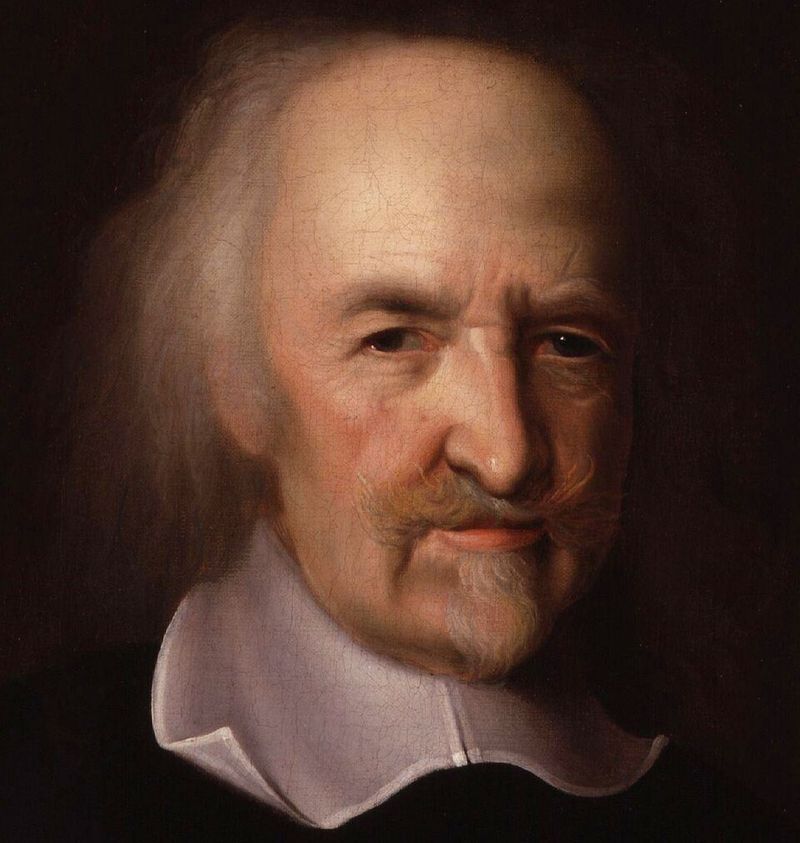
Hobbes was born early, reportedly because his mother went into labor from fear of the Spanish Armada. He joked that fear and he were born twins.
Despite that rough start, he lived to 91.
His most famous book, Leviathan, came out in 1651, when he was 63. It argued that people need a strong government to avoid chaos, an idea shaped by the English Civil War he witnessed.
He kept writing late in life. In his eighties, he translated the Iliad and the Odyssey into English verse.
He also stayed active in body, reportedly playing tennis into his seventies. Hobbes died in 1679, having lived through the reigns of Elizabeth I, James I, Charles I, and Charles II.
7. John Adams (1735-1826), 90 Years Old
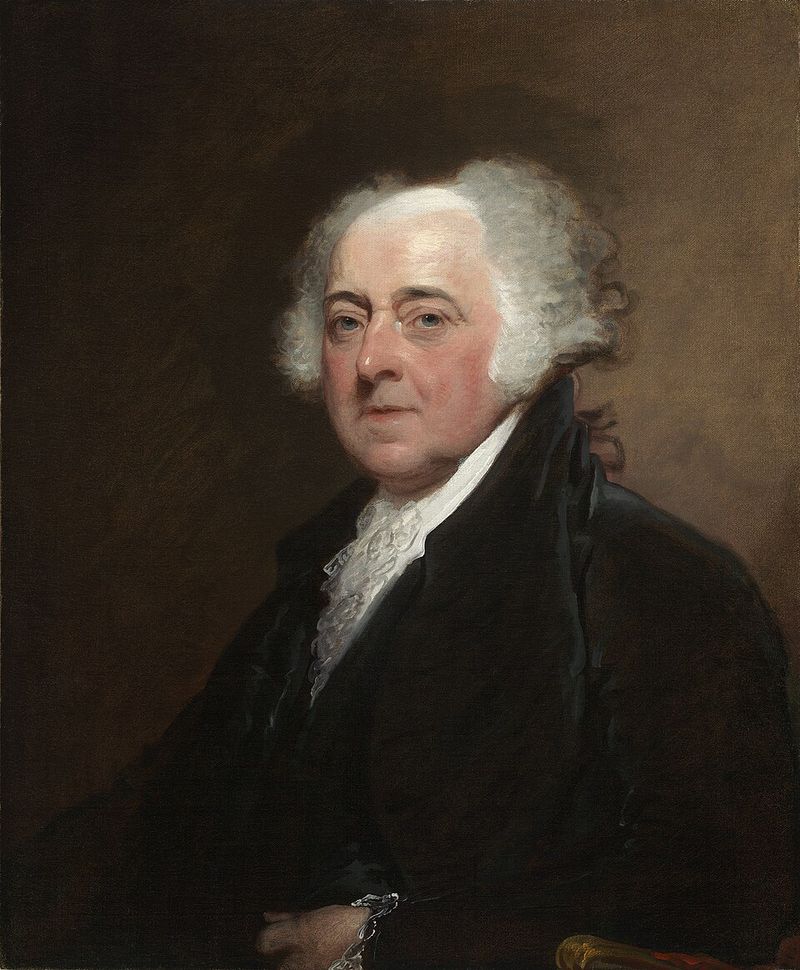
On July 4, 1826, exactly fifty years after the Declaration of Independence was adopted, John Adams passed away at 90. His reported last words were about his friend and rival Thomas Jefferson.
Jefferson had died only hours earlier.
Adams served as the second president of the United States and earlier helped push for independence in the Continental Congress. He also worked as a diplomat in Europe.
After leaving office in 1801, he enjoyed a long retirement in Quincy, Massachusetts. He read widely and wrote letters, including a famous correspondence with Jefferson.
He lived longer than any other U.S. president of his era. His son, John Quincy Adams, became the sixth president in 1825.
8. Sophocles (c. 496-406 BCE), Around 90 Years Old
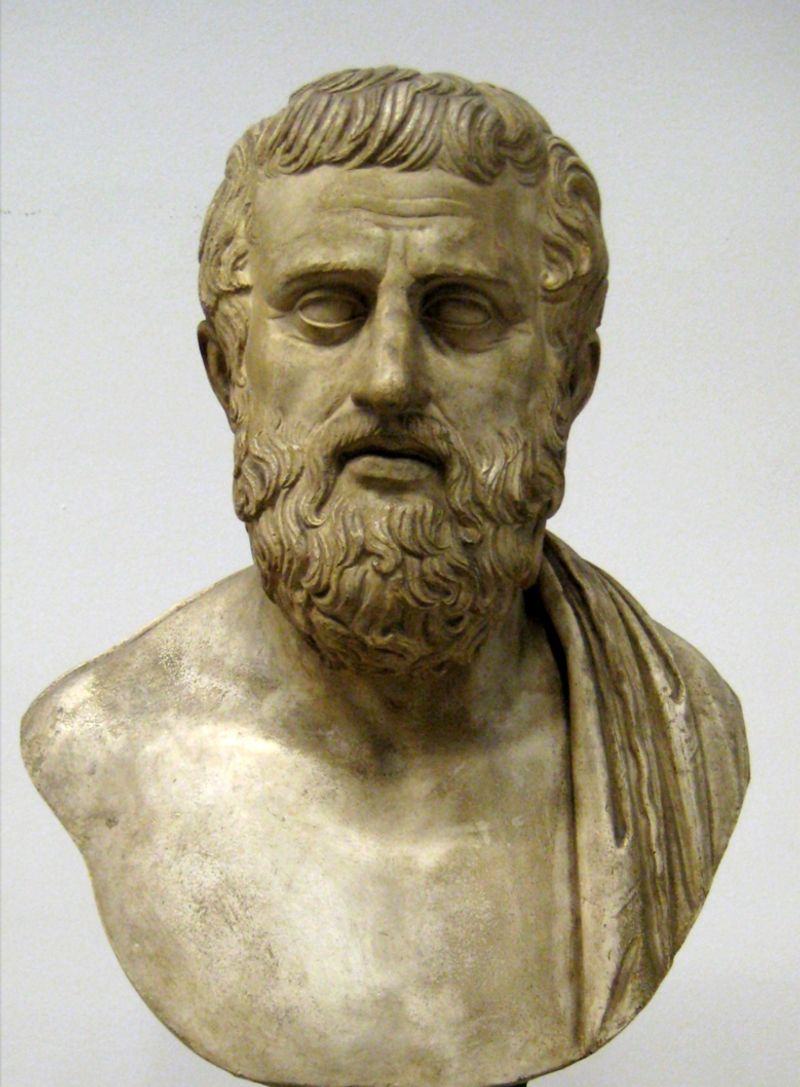
Ancient Athens was no easy place to grow old, but Sophocles did it with a pen in his hand. He lived about 90 years and wrote more than 120 plays, though only seven survive in full.
His best known works include Oedipus the King and Antigone. He won first prize at the great drama festivals many times, starting in 468 BCE.
He also served the city as a treasurer and a general. That shows he was trusted with more than poetry.
One of his greatest plays, Oedipus at Colonus, was written near the end of his life and staged after his death. Its themes of age and peace feel surprisingly personal for a writer in his nineties.
9. Cato the Elder (234-149 BCE), Around 85 Years Old
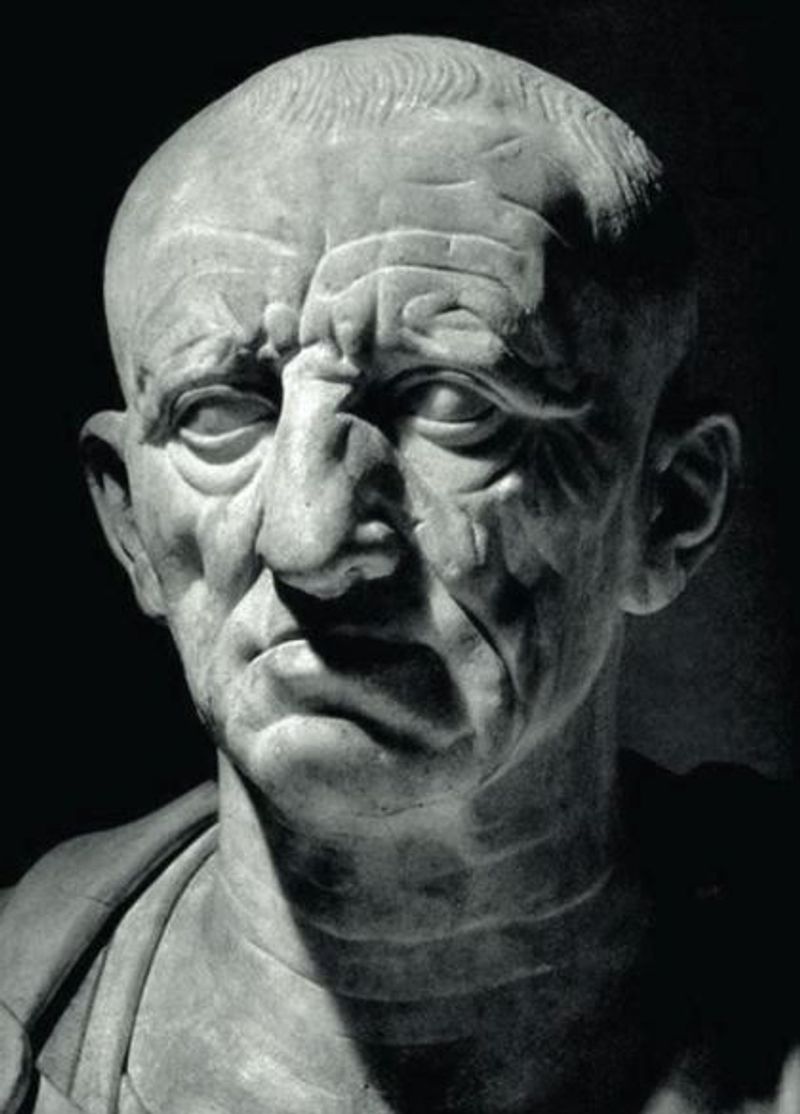
“Carthage must be destroyed.” Cato reportedly ended speeches with this line, even when the topic had nothing to do with it. He kept saying it into his eighties.
Born in 234 BCE, he fought in the Second Punic War, became a consul, and later served as censor, a powerful role overseeing public morals. He was known for his strict, old-fashioned values.
He also wrote. His book on farming is the oldest surviving work of Latin prose, and he wrote a history of Rome as well.
Cato stayed active in the Senate until his death in 149 BCE, around age 85. Rome began the Third Punic War soon after, and Carthage was finally destroyed in 146 BCE.
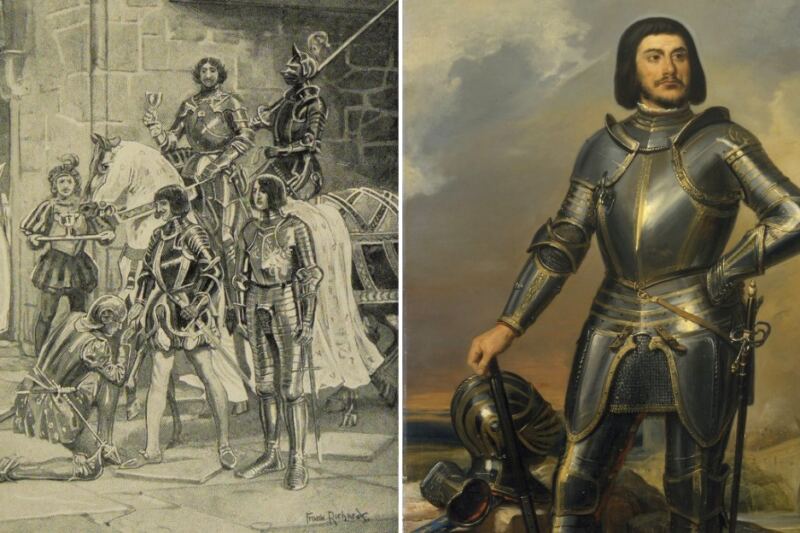
10. Doge Enrico Dandolo (c. 1107-1205), Around 98 Years Old
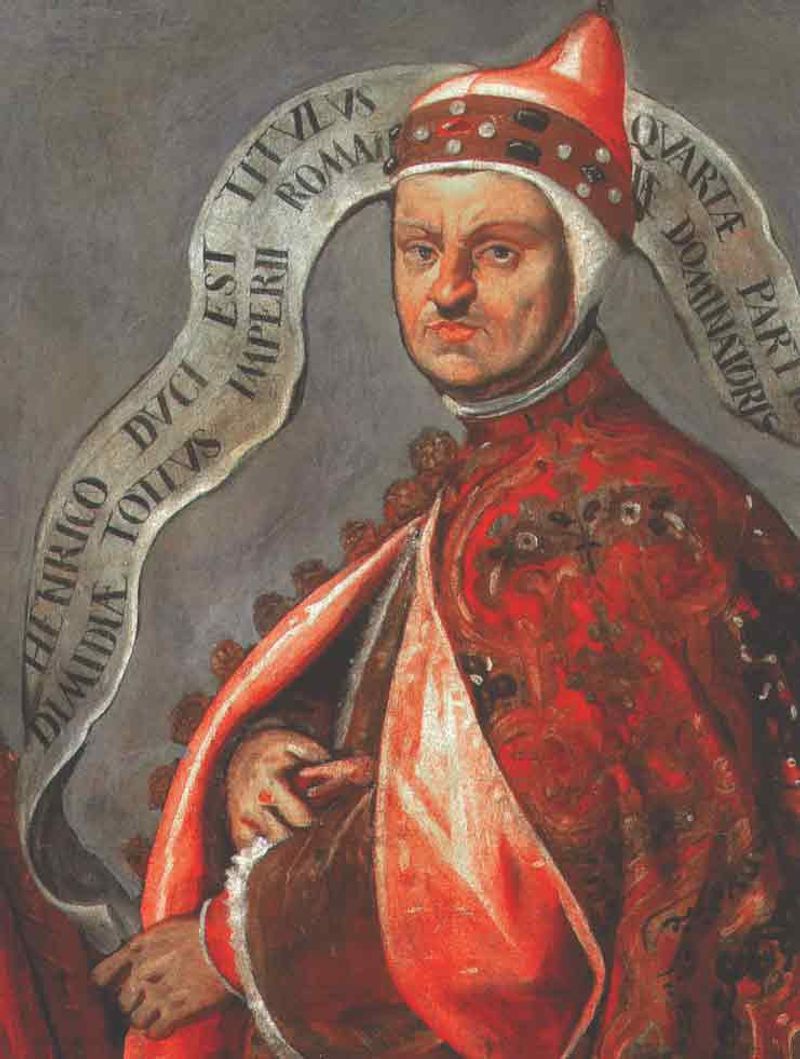
Few leaders have led an army at an age when most people would struggle to climb stairs. Enrico Dandolo became Doge of Venice in 1192 at a very advanced age.
Tradition says he was already in his eighties and nearly blind.
In 1202, he joined the Fourth Crusade and helped direct its path. The crusaders ended up attacking the city of Constantinople in 1204, a turning point in medieval history.
His birth year is not certain, and traditional estimates of about 98 years should be treated with some care. Even at a lower estimate, his age was extraordinary.
Dandolo died in 1205 in Constantinople and was buried in the Hagia Sophia. His leadership made Venice richer and more powerful.
11. Galileo Galilei (1564-1642), 77 Years Old
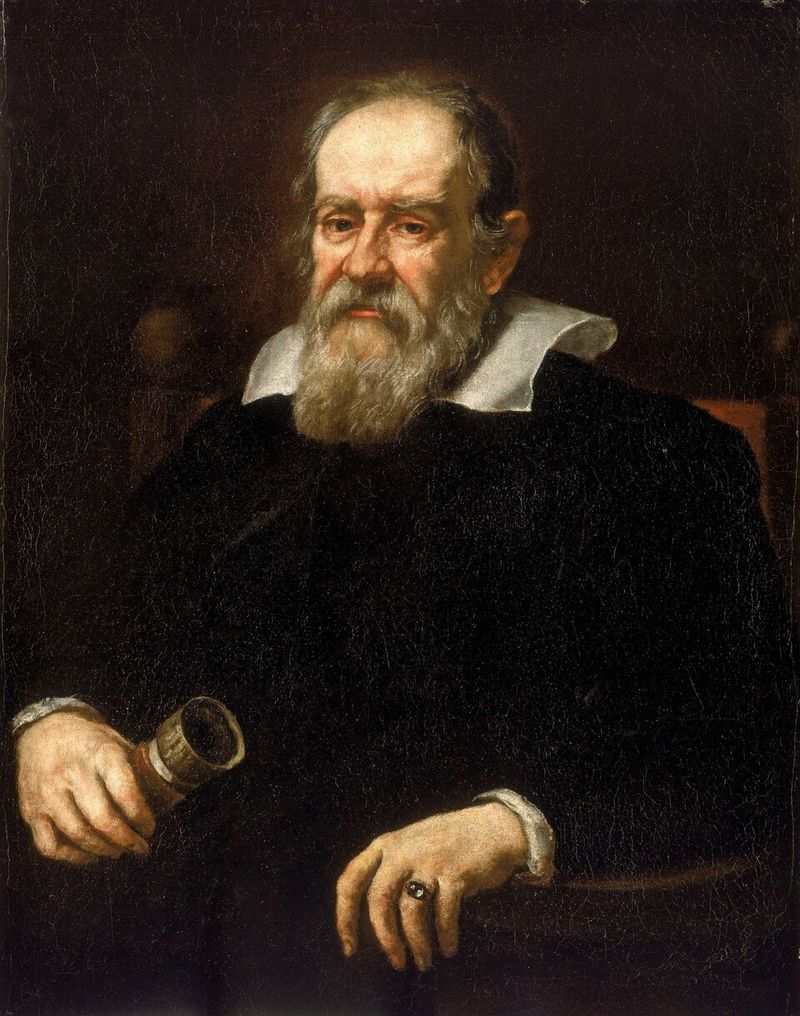
Seventy-seven may not sound old today, but for a man who lived under house arrest, it was a long journey. Galileo was born in Pisa in 1564 and became one of the founders of modern science.
With an improved telescope, he spotted the moons of Jupiter and studied the phases of Venus. These findings supported the idea that Earth moves around the Sun.
In 1633, church authorities forced him to renounce that view, and he lived his final years under house arrest near Florence. He grew blind but kept working.
His book on motion, Two New Sciences, was published in 1638. He died in 1642, and his later years show how determined he was to finish what he started.
12. Johann Wolfgang von Goethe (1749-1832), 82 Years Old
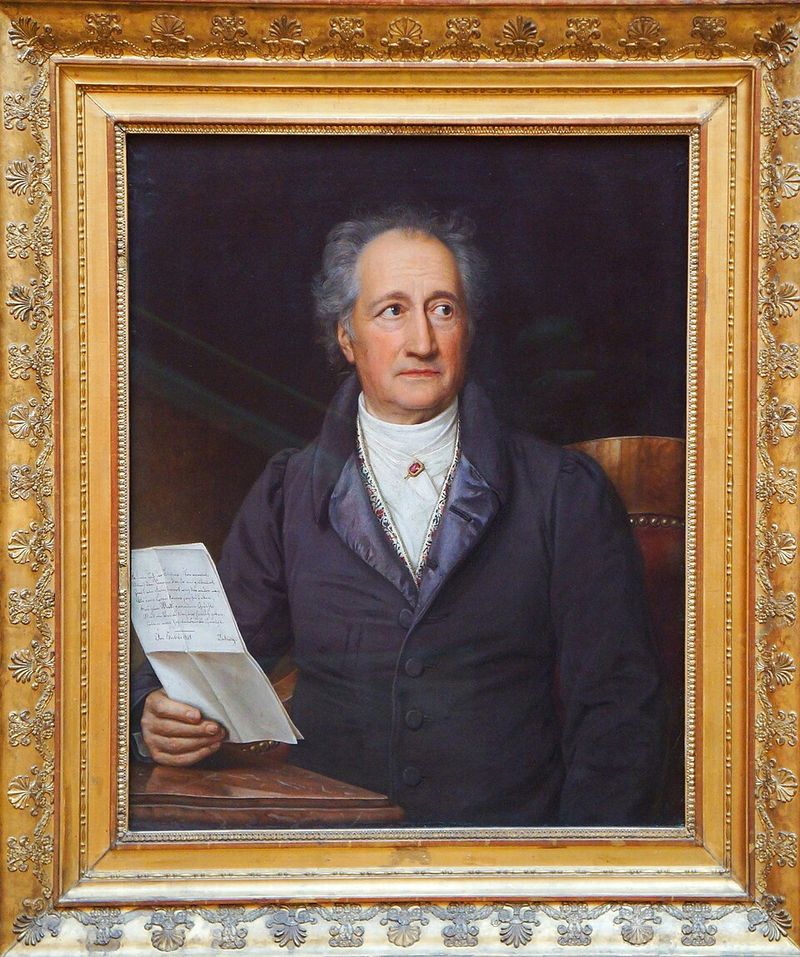
Goethe finished his greatest work just months before he died. The poet wrote Faust over about sixty years, starting as a young man and completing the second part in 1831, when he was 82.
Born in Frankfurt in 1749, he became Germany’s most celebrated writer. He wrote poems, novels, and plays, including The Sorrows of Young Werther, which made him famous at 24.
He was also curious about science. He studied plants, rocks, and color, and he held a government post in the duchy of Weimar for many years.
Goethe died in Weimar in 1832. His long life gave him time to produce an enormous body of work that still shapes German culture today.
Share this story