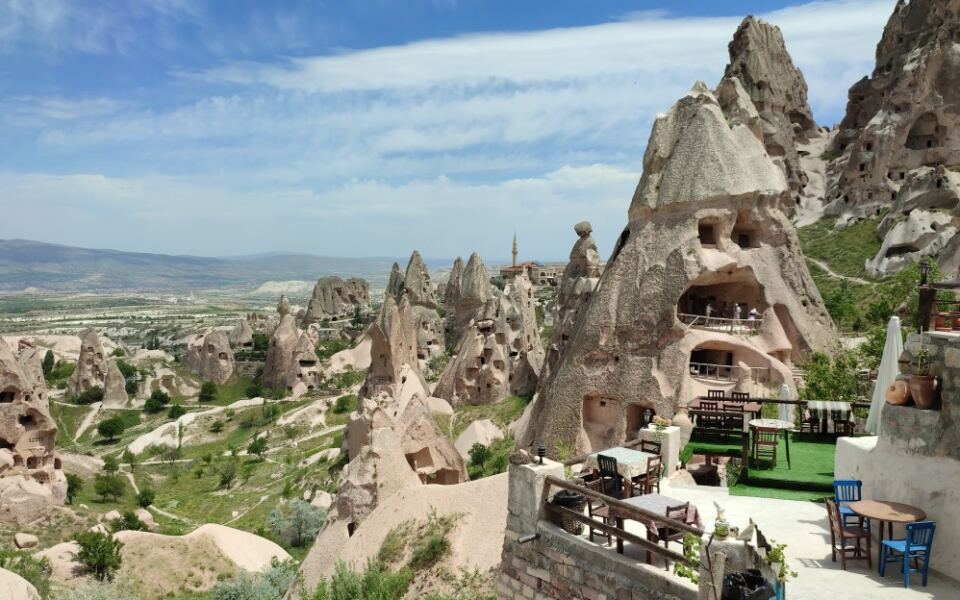
Imagine a place where rocks look like tall pointy hats and people once lived inside the hills. Cappadocia in central Turkey is exactly that kind of place.
It has cave churches, deep underground cities, and valleys that look like another planet. Here are ten spots and experiences that make it unforgettable.
Fairy Chimneys of Monks Valley
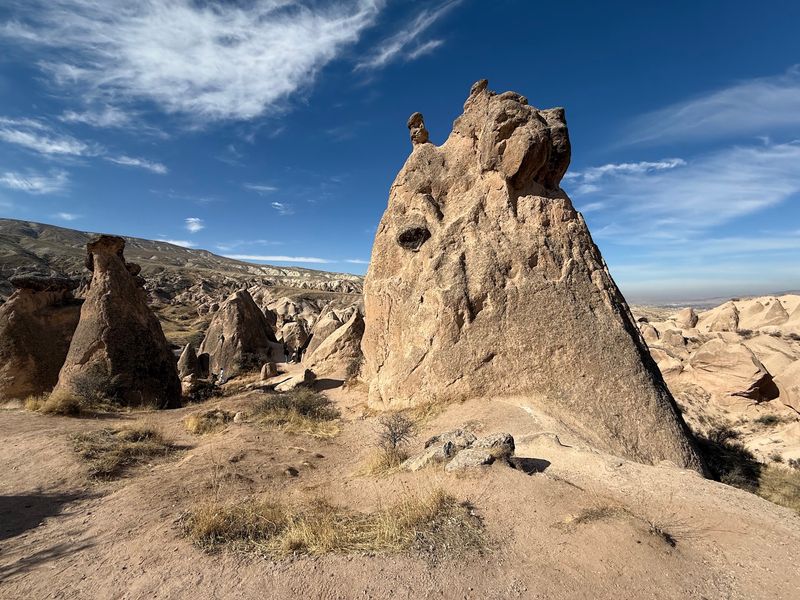
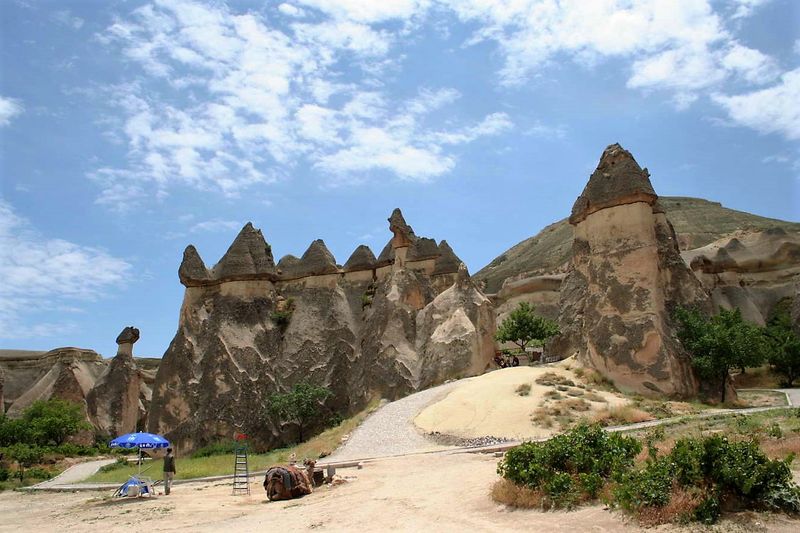
Squint a little and the rocks seem to wear pointy hats. Fairy chimneys are tall stone cones that rise from the valley floor, and Monks Valley near Pasabag has some of the best.
Many have caps of harder rock perched on top.
Wind and rain created them over millions of years. Soft volcanic ash wore away, while tougher stone on top shielded the column below.
The result looks like a crowd of sleepy giants frozen in place.
Some chimneys were hollowed out long ago. Monks carved rooms inside, and a few even have windows and doors.
You can walk right up to them and peek in, which kids love.
Go early in the morning. The light turns the stone pink and gold, and the crowds are smaller.
Wear sturdy shoes, since the paths are dusty and uneven in places.
Bring a hat and water too. Summer afternoons get hot, and shade is hard to find between the stone cones.
Take your time and snap lots of photos from different angles.
Goreme Open Air Museum
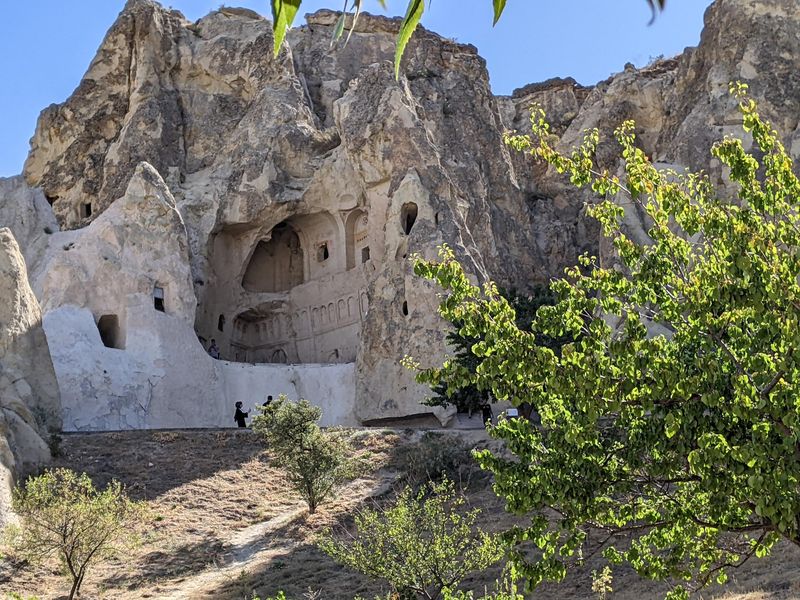
Hidden behind plain rock doors are some of the brightest paintings in Turkey. The Goreme Open Air Museum is a cluster of cave chapels and monasteries carved into the cliffs.
Inside, red, blue, and green frescoes tell Bible stories.
The Dark Church is a favorite. Because little light gets in, its colors stayed fresh for centuries.
It costs extra to enter, but many visitors say it is worth every lira.
Early Christians used these caves to pray and hide from threats. Monks even carved kitchens and dining halls out of the stone.
You can see long tables cut right into the floor.
Photos are not allowed inside the painted chapels, so just soak it in. Arrive when it opens to beat tour buses.
Plan about two hours, and wear shoes with good grip, because the stone steps can be slippery.
A guide can explain the symbols that you might otherwise miss. Their stories bring the walls to life.
Derinkuyu Underground City
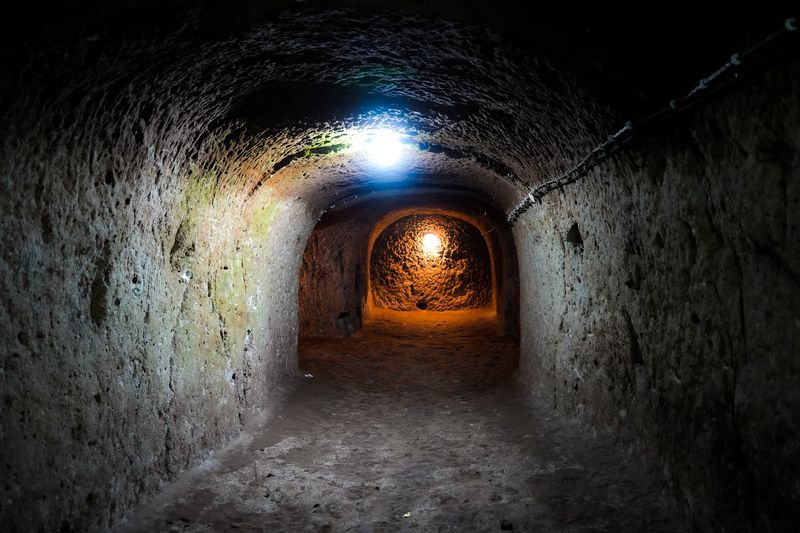
Ready to walk eight levels below your feet? Derinkuyu is a vast underground city that could shelter thousands of people.
It had stables, kitchens, wells, and even a chapel.
Round stone doors, like giant millstones, could be rolled across tunnels to block intruders. You can still see them in place.
Air shafts kept the rooms fresh, which is clever planning for a hidden home.
The passages are tight, and some are low. Expect to duck, squeeze, and shuffle sideways.
If tight spaces make you nervous, stay on the upper levels, which feel roomier.
The temperature stays cool all year, so a light jacket helps even in summer. Follow the arrows carefully, since the maze can confuse anyone.
Going with a guide gives you stories about the people who hid here.
Visit early or late in the day when tour groups thin out. Your knees will thank you for good shoes.
Hot Air Balloon Sunrise
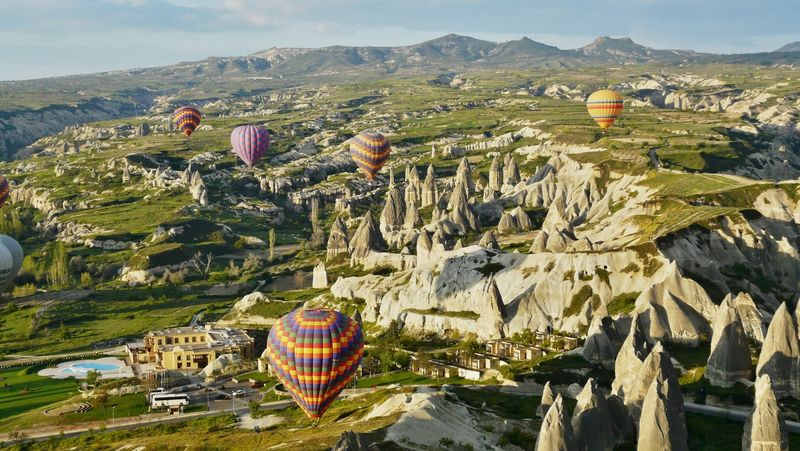
Picture 100 balloons rising together as the sun peeks over the hills. That is a normal morning in Cappadocia.
Flights lift off before dawn, so be ready for an early alarm.
Once you float up, the whole region spreads out below. Valleys, chimneys, and little towns look like a map come alive.
The ride is quiet, apart from the occasional whoosh of the burner.
Flights usually last about an hour. Pilots here are very experienced, and the baskets hold a small group.
Wind decides everything, so flights can be canceled. Book for your first days so you have backup mornings.
Dress in layers. It is chilly on the ground but warms up fast.
Bring a camera with a strap, and hold on to it tightly.
If the price feels steep, you can watch the show from a hilltop instead. It costs nothing, and the sky is just as full of color.
Ihlara Valley Walk
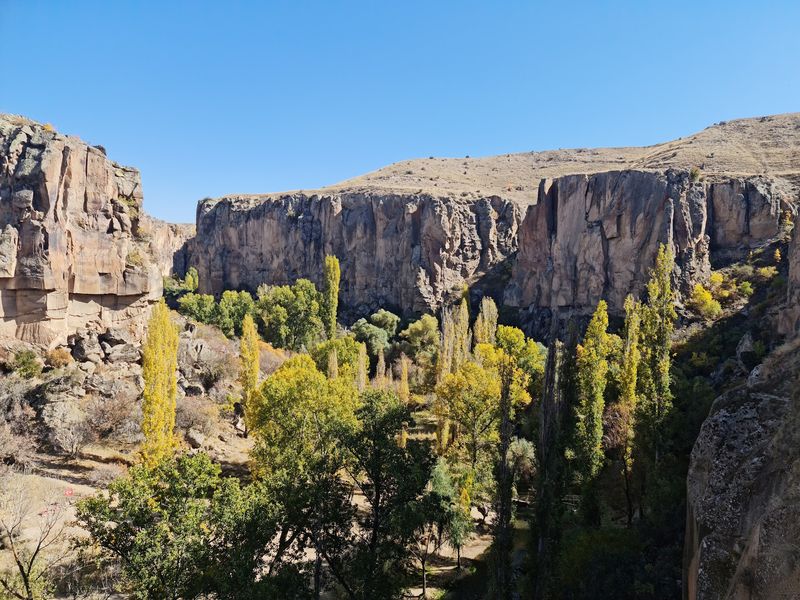
A river, a green canyon, and churches tucked into the cliffs: that is Ihlara Valley. The canyon is about 100 meters deep, and a trail runs along the bottom.
It feels like a cool, leafy escape from the dry plateau above.
Dozens of rock churches hide along the walls. Many still hold faded paintings of saints.
Look for small doors and stairs cut into the stone.
The full hike is long, around 14 kilometers, but you can do a short part. Start at the main stairs near Ihlara village and walk a few kilometers.
There are over 300 steps down, so save some energy for the climb back.
Small cafes by the river sell fresh juice and simple meals. Stop for a break and listen to the water.
Bring bug spray in summer, and wear shoes that can handle damp rocks.
Cave Hotels
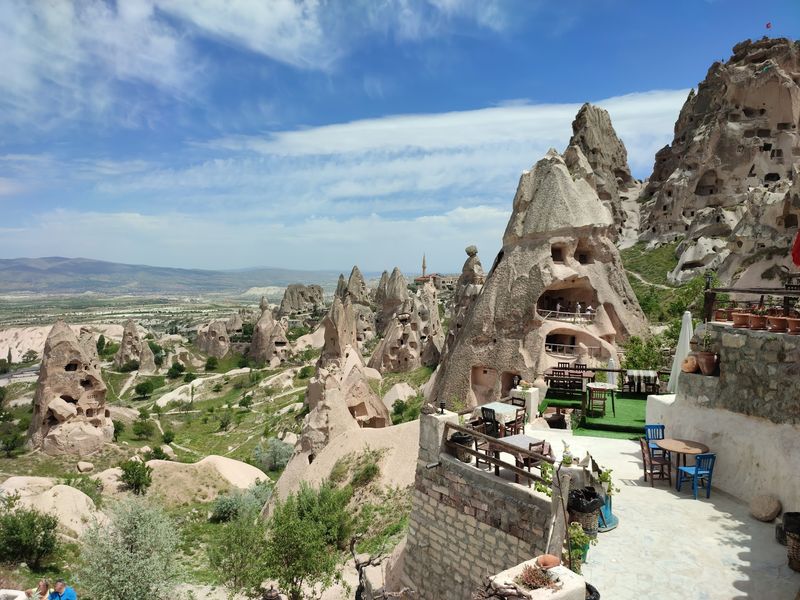
Ever wanted to sleep inside a hill? Cave hotels make it easy.
Rooms are carved into soft rock, with arched ceilings, thick walls, and often a terrace with a view.
Staying in one is quieter than you might expect. Stone blocks noise and keeps the room cool in summer and warm in winter.
Many have rugs, lanterns, and cozy nooks that feel like a storybook.
Goreme, Uchisar, and Urgup have the most choices. Prices range from budget to fancy, with some offering private hot tubs.
Ask about breakfast on the terrace, since watching balloons while eating is a real treat.
Some cave rooms have few windows. If you like bright rooms, check photos before booking.
Also ask about stairs, because many hotels climb up hillsides.
Book early for summer and for balloon season. The best rooms vanish fast, and the views are worth planning ahead for.
Uchisar Castle
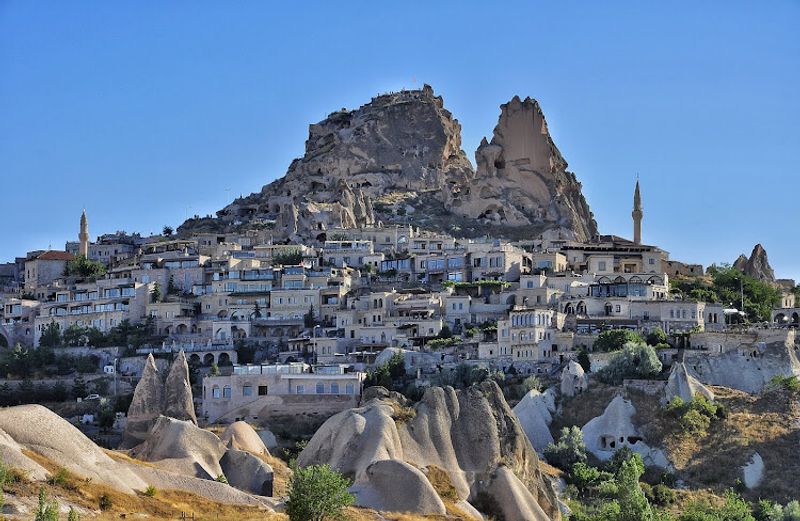
Cappadocia’s tallest lookout is a giant rock honeycomb. Uchisar Castle is a natural stone peak filled with tunnels and windows, rising high above the village.
Climb to the top and the whole region spreads out around you.
People once lived inside it, and the holes you see are old rooms and passages. Over time, much of it was left empty as families moved to modern homes.
Today, you can walk up a staircase and look out over the valleys.
Sunset here is a crowd favorite. The rocks glow orange, and the distant volcano peaks turn purple.
Arrive early to grab a good spot.
The final steps are steep, and railings can feel thin. Take your time and keep hold of small children.
Wear shoes with grip.
The village below has tea shops and little stalls. Grab a snack and relax after your climb.
Love Valley
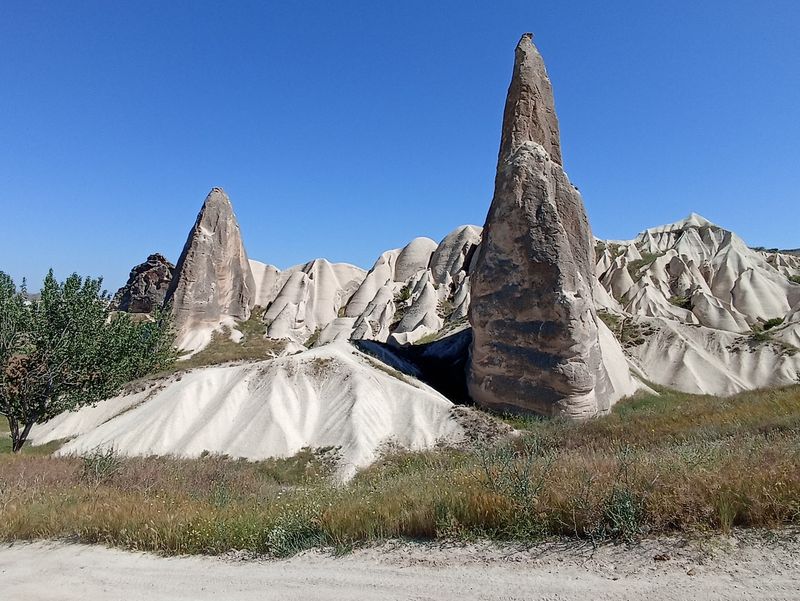
Locals picked the name with a wink. Love Valley is packed with tall, rounded rock pillars that make visitors giggle.
Guides love pointing them out, and so do photographers.
Beyond the jokes, the valley is a lovely place for a walk. A trail winds between the pillars, past apricot trees and small farm plots.
It is flat and easy, which suits families.
The best time is late afternoon. Shadows stretch across the stone, and the heat fades.
Sunrise is another good choice, with balloons overhead.
Bring water, since there are few shops along the trail. A hat helps too.
You can walk from Goreme in about an hour, or ride a bike or horse.
Some visitors rent ATVs, but walking lets you notice small details. Look for pigeon houses carved into the rock.
Farmers used the droppings as fertilizer for their vines and orchards.
Pottery in Avanos
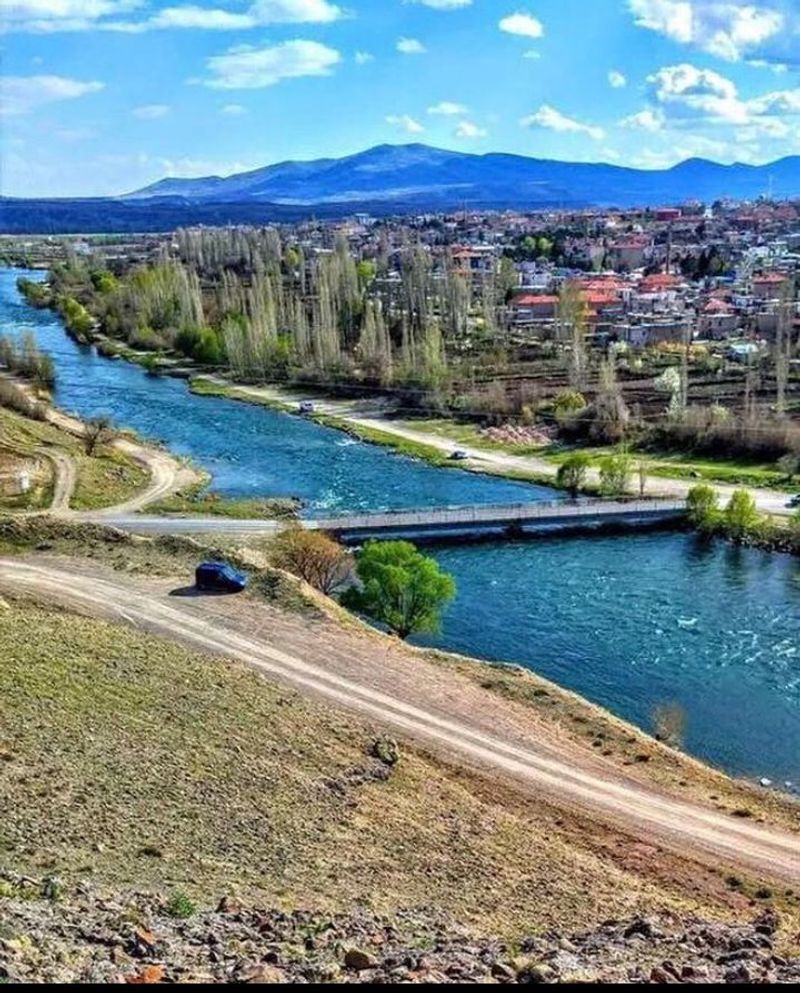
Red clay, a spinning wheel, and a master potter with steady hands: welcome to Avanos. This town sits beside the Kizilirmak River, whose red mud has fed pottery making for thousands of years.
Workshops line the streets.
Many studios let you try your hand at the wheel. It is harder than it looks, and your first bowl may wobble.
Everyone laughs, and the potters are patient teachers.
Some shops show off a famous trick. They carve a cave workshop and display plates in every color.
Patterns often come from old Anatolian designs.
If you want to bring something home, ask about shipping. Plates and bowls can break in a suitcase.
Prices vary, so look around before you buy.
Spend a morning here before heading to the valleys. It gives you a different view of how people have used this land.
Wash your hands, and enjoy the tea shops nearby.
Testi Kebab
The loudest dinner in Cappadocia comes in a sealed clay pot. Testi kebab is a slow-cooked stew of meat and vegetables, baked inside the jug.
When it arrives, the waiter taps it with a small hammer or knife and cracks it open at your table.
The first whiff is rich and savory. Tender beef or chicken falls apart, mixed with tomatoes, peppers, and onions.
Scoop it up with warm bread.
Many restaurants make a show of it, and some set the pot on fire first. Keep your phone ready for the big moment.
Tiny shards of clay can fall in, so go slowly and let the staff serve you.
Pair it with a glass of local wine. The region’s volcanic soil grows excellent grapes.
For dessert, try a sweet pumpkin dish topped with walnuts.
Book ahead on weekends. Good places fill quickly, especially at sunset.
Share this story