Throughout history, a number of people have said they were Jesus Christ, returned to Earth. Some led small groups, while others built movements that still exist today.
Their stories show how faith, hope, and belief can shape communities in surprising ways. Here is a look at twelve of these figures, based on historical records.
1. John Nichols Thom (1799–1838)
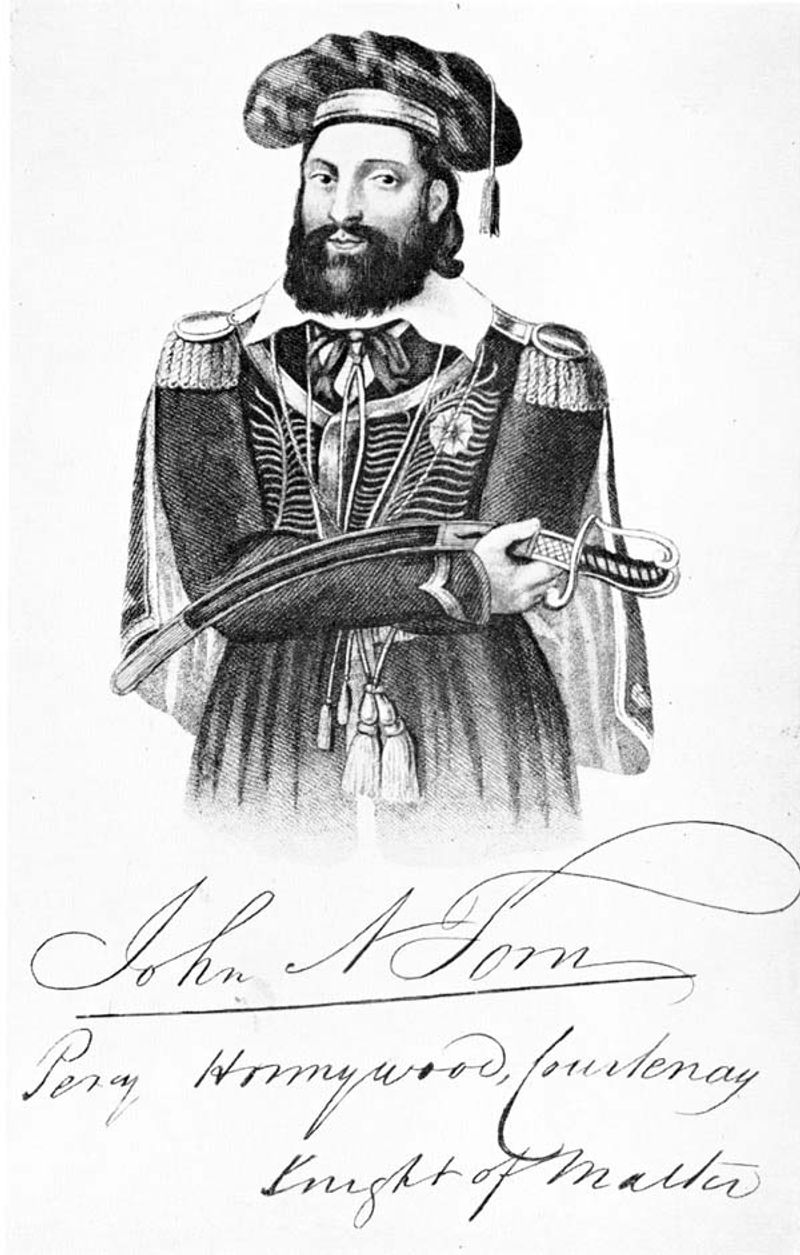
Few stories from rural England end as dramatically as his. Thom was a Cornish man who arrived in Kent in the 1830s and began calling himself Sir William Courtenay, a nobleman and later a messiah figure.
He gathered farm laborers who were struggling with poverty. He promised them relief from hardship, and many believed that he held special powers and a divine mission.
Authorities grew worried as his following expanded. In 1838, a confrontation near Canterbury, known as the Battle of Bossenden Wood, left Thom and several followers dead, along with a soldier and a constable.
Historians often see the event as a mix of religious belief and economic desperation. Thom’s story is still discussed as one of the last armed uprisings on English soil, and it shows how hard times can make people look for hope in unexpected leaders.
2. Jones Very (1813–1880)
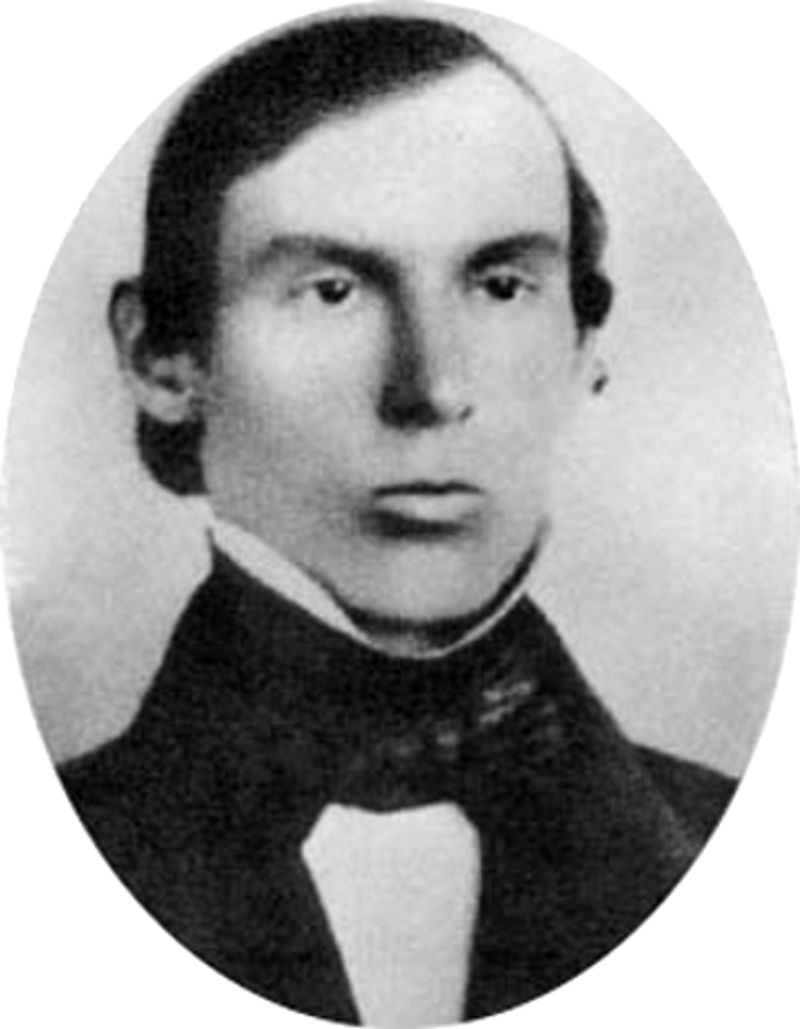
Poetry and divine claims rarely meet, yet Jones Very managed both. A respected poet and Harvard tutor from Massachusetts, he stunned colleagues in 1838 with spiritual visions.
Very believed the Holy Spirit spoke through him. At times he told people that he was the second coming of Christ, and he urged others to give up their own will.
After a short stay at McLean Asylum, he returned to writing. Ralph Waldo Emerson admired his sonnets and helped publish them.
Very spent his later years quietly in Salem. Unlike many on this list, he never built a movement.
His legacy lives mainly in his poems, which are still studied for their deep religious feeling.
3. Bahá’u’lláh (1817–1892)
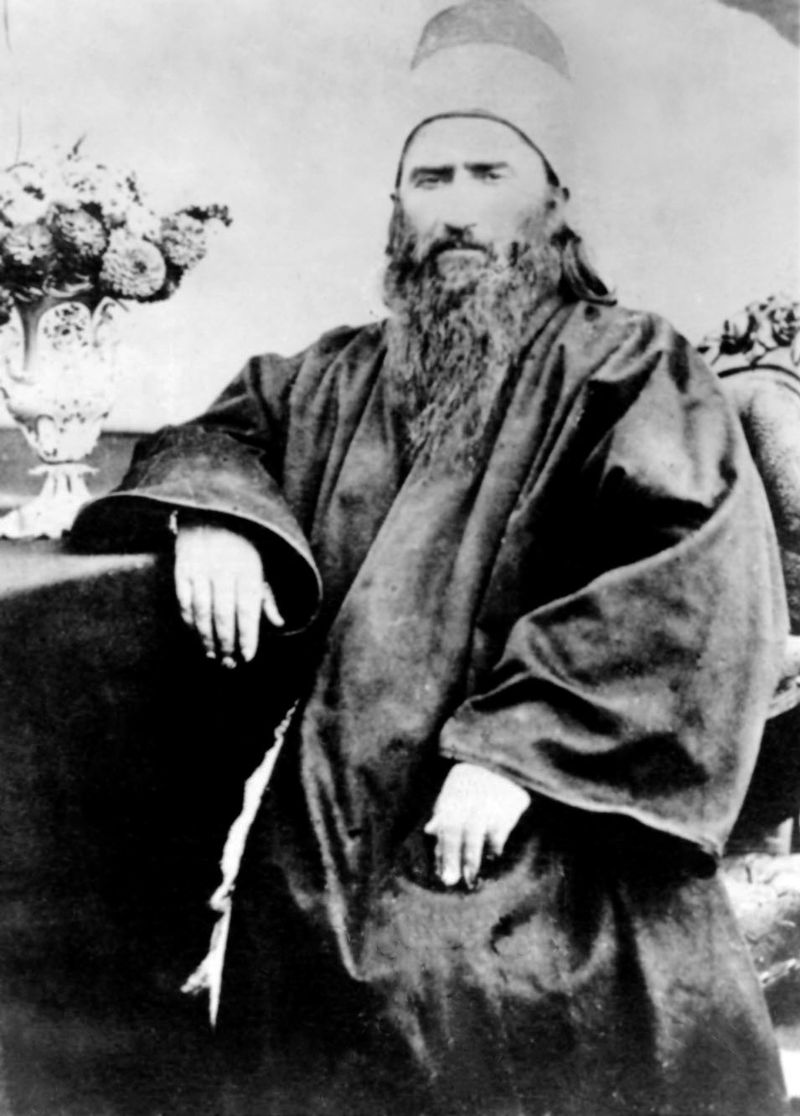
Here is a case where the label depends on who you ask. Bahá’u’lláh founded the Bahá’í Faith in the 1800s after being born in Persia, now Iran.
He taught that God sends messengers over time, including Moses, Jesus, and Muhammad. Some Bahá’ís have described him as the return of Christ in spirit, while he did not claim to be Jesus himself in a literal sense.
He faced imprisonment and exile for his beliefs, spending years in the Ottoman Empire and ending his life near Acre, in present-day Israel.
Today the Bahá’í Faith has millions of followers worldwide. It stresses unity, equality, and peace, which makes it quite different from many other groups in this list.
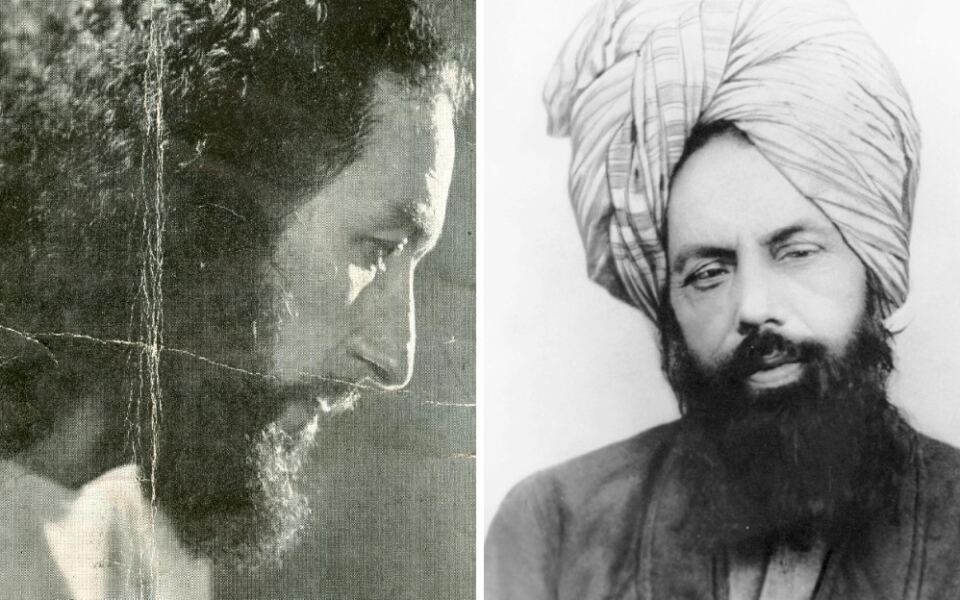
4. Mirza Ghulam Ahmad (1835–1908)
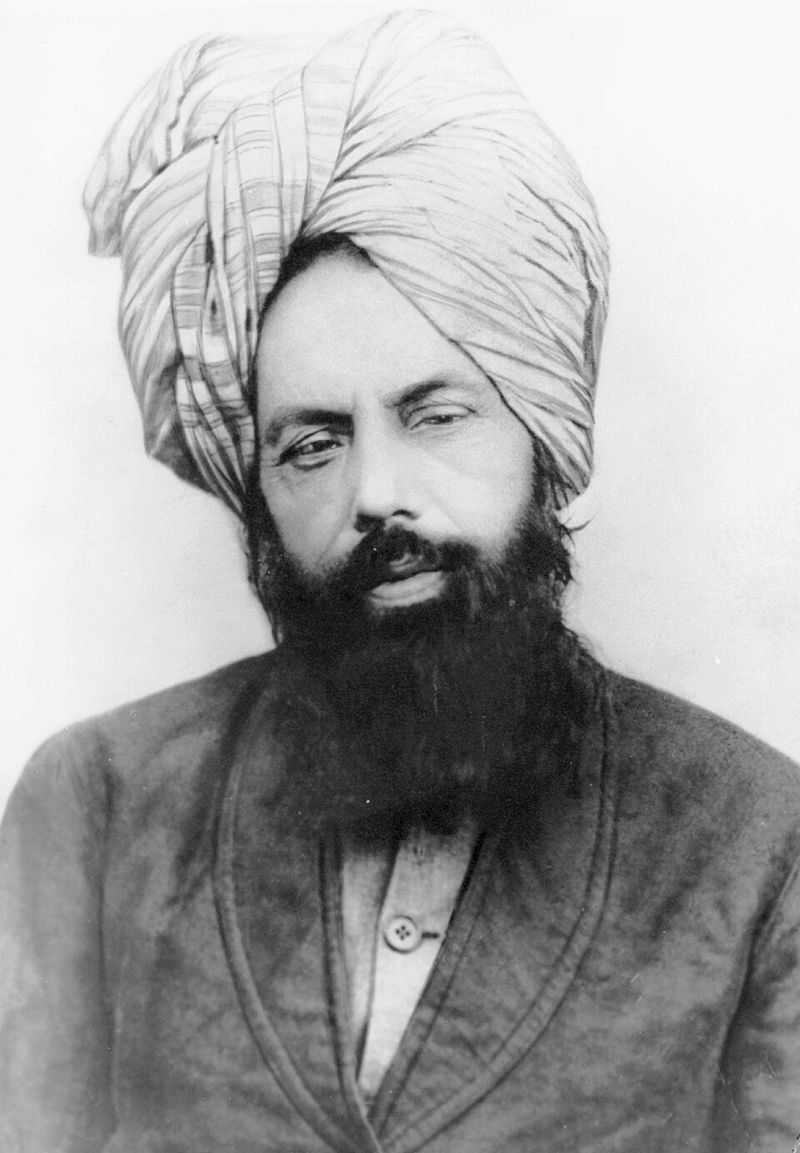
Born in Qadian, a small town in British India, Mirza Ghulam Ahmad grew up to become a religious scholar and writer. In 1889 he founded the Ahmadiyya movement.
He declared himself the Promised Messiah and the Mahdi. He also taught that Jesus survived the crucifixion and later died a natural death in Kashmir, so his own role was a spiritual return of the Messiah.
His claims drew strong criticism from many Muslim leaders and Christian missionaries. Debates and written challenges were common during his lifetime.
The Ahmadiyya community now exists in many countries and is known for charity work and publishing. Disagreements over his claims continue, and in some places members still face legal restrictions.
5. Cyrus Teed (1839–1908)
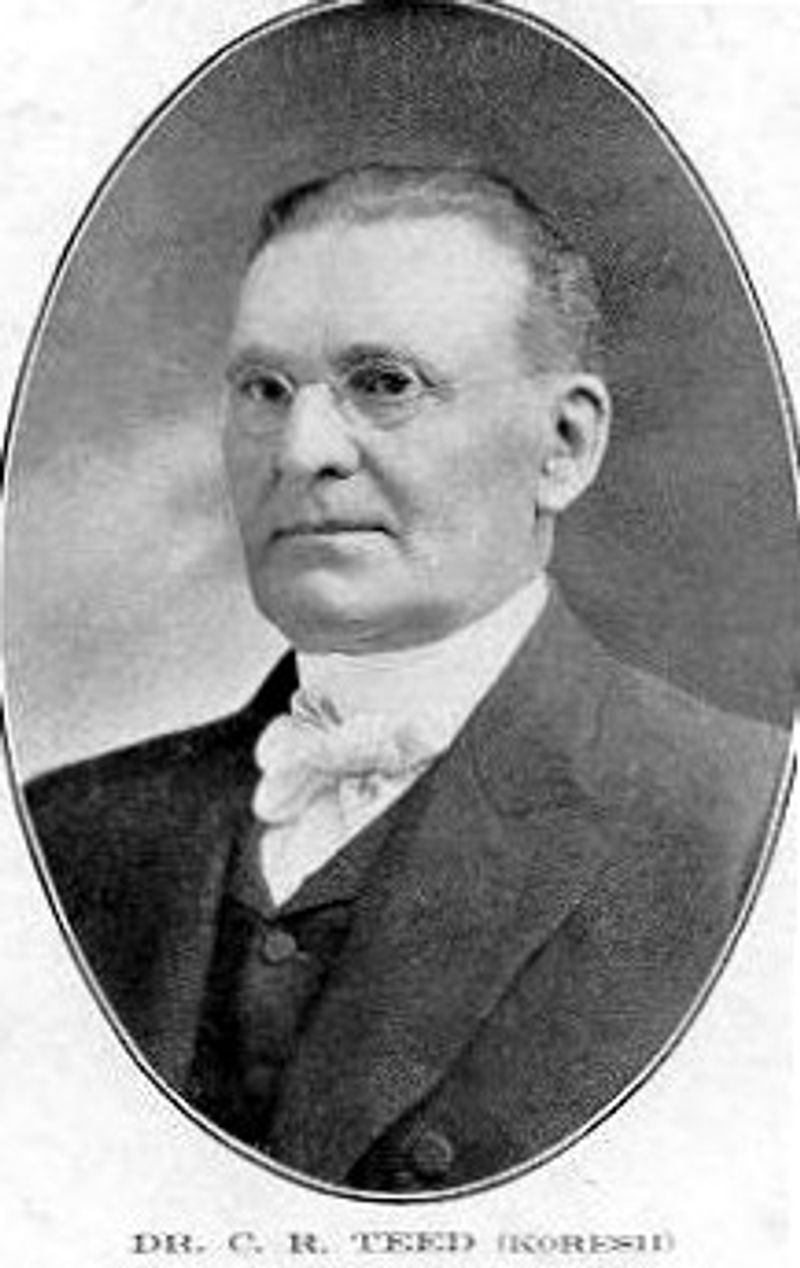
What if the world were hollow, and we lived on the inside? Cyrus Teed, a New York physician, believed exactly that and built a whole faith around it.
After a vision in 1869, he took the name Koresh and taught a belief system called Koreshanity. Followers viewed him as a messiah, and he said he was a new Christ for his age.
In 1894 he settled his group in Estero, Florida. They built a small town with gardens, a bakery, and a printing press, and they even ran experiments to prove the hollow Earth idea.
Teed died in 1908, and his followers waited for his resurrection that never came. The site is now Koreshan State Park, open to visitors.
6. Carl Browne (1849–1914)
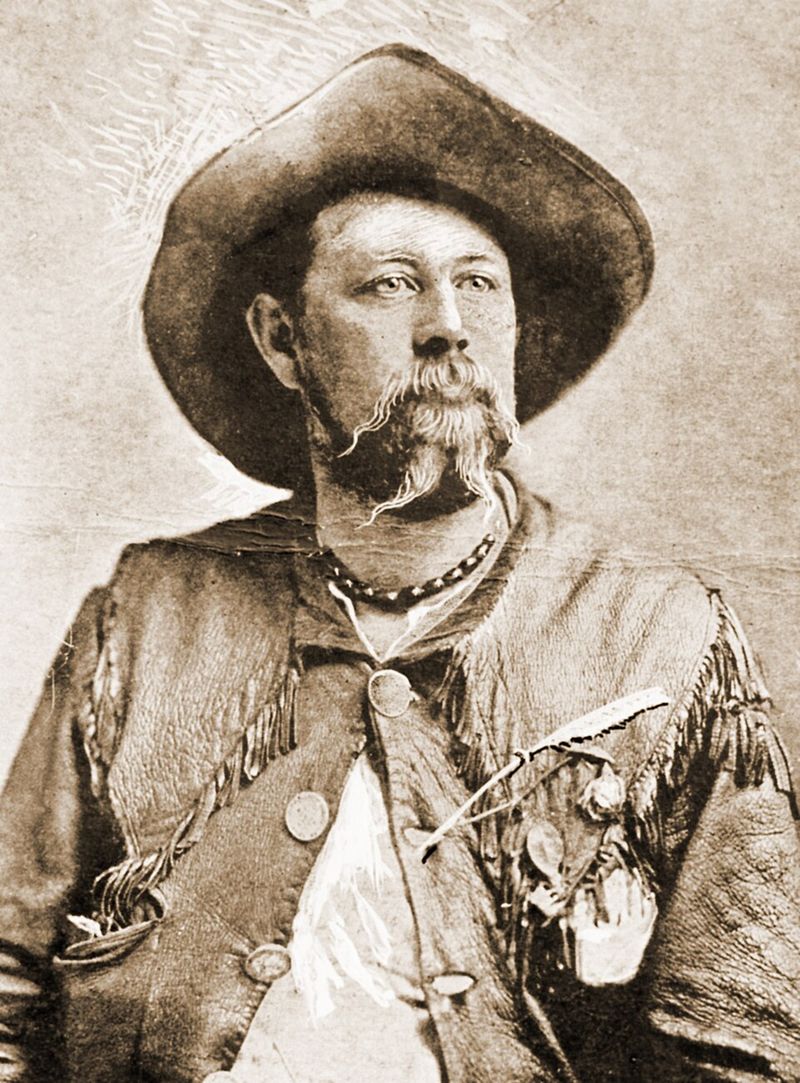
Marching across America in 1894 with a band of jobless workers, Carl Browne stood out for his long hair and fiery speeches. He was a key organizer of Coxey’s Army, a protest march to Washington, D.C.
Browne was also a believer in reincarnation. He claimed he was a reincarnation of Jesus Christ, and he even named his son Legal Tender Browne after the economic ideas he supported.
The march asked the government to create jobs through public works during a severe depression. It was one of the first large protest marches on the capital.
Browne later lived in California and kept promoting his views. His story blends labor history with unusual spiritual beliefs.
7. John Hugh Smyth-Pigott (1852–1927)
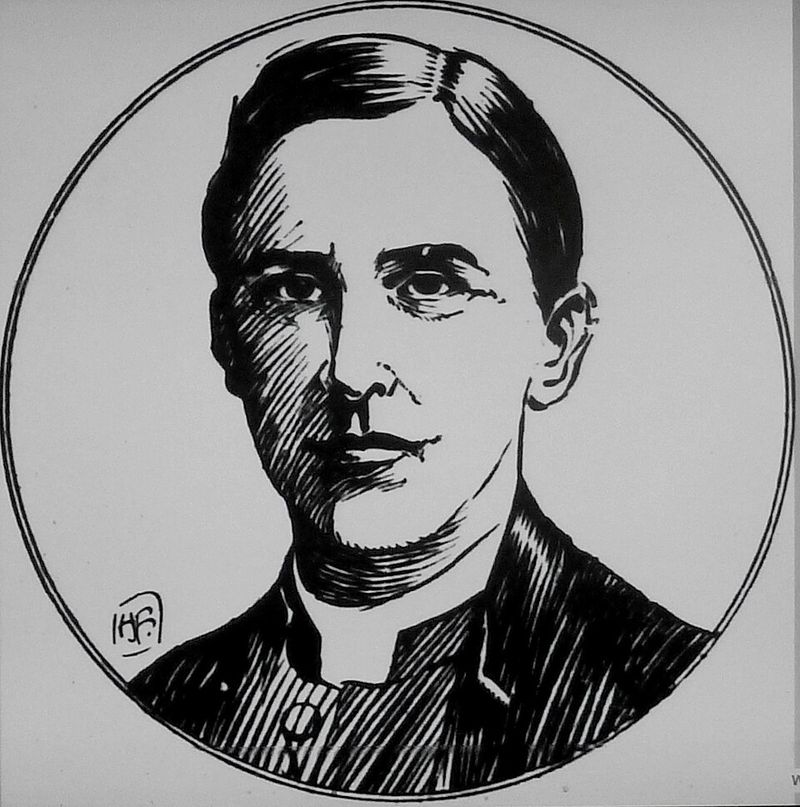
A church in Somerset, England, became the center of a scandal in the early 1900s. John Hugh Smyth-Pigott, an Anglican clergyman, had joined a group called the Agapemonites.
In 1902, he announced that he was the Messiah, which shocked the public. Newspapers covered the story widely, and crowds sometimes gathered at his chapel.
Smyth-Pigott led the group, based in Spaxton, called the Ark of the Covenant church. He married and had children there, which also drew attention from critics.
He remained leader until his death in 1927, and the group faded soon after. The unusual building in Clapton, London, still stands today and has been turned into housing.
8. Lou de Palingboer (1898–1968)
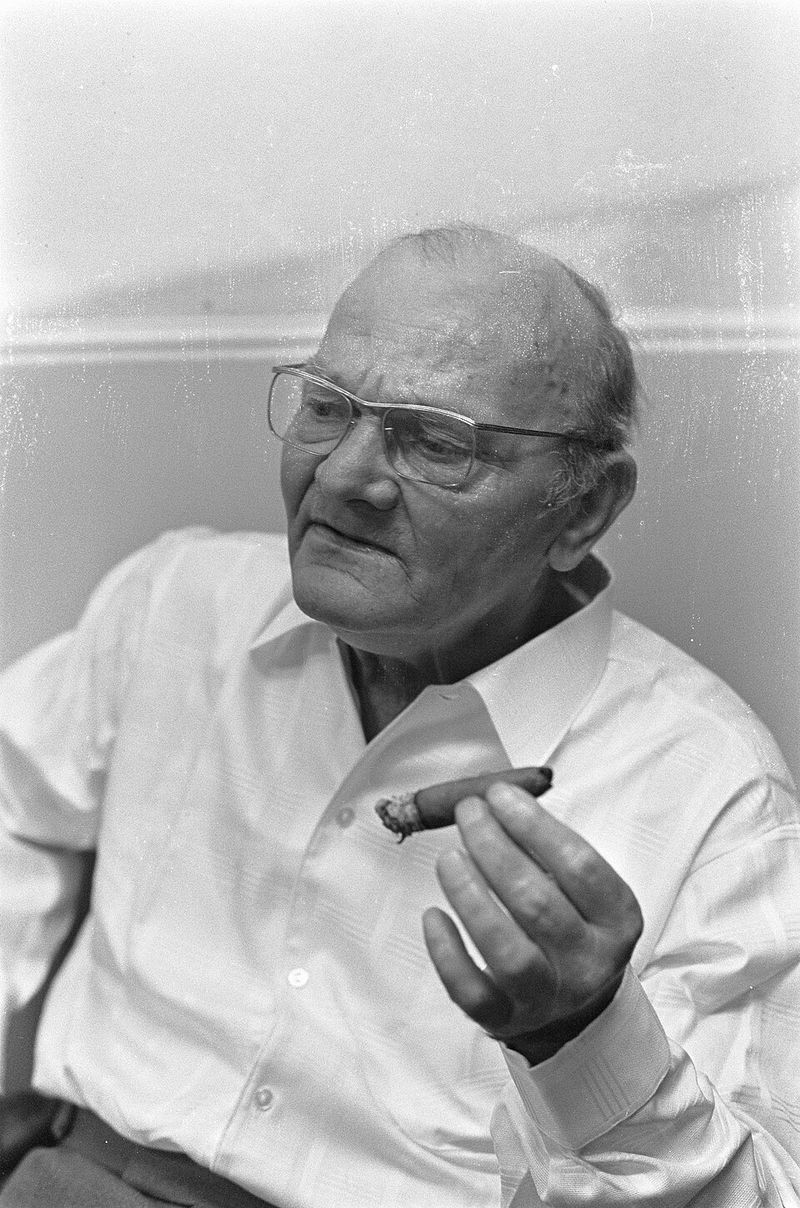
On the streets of Amsterdam, a former eel seller drew curious crowds. Louis Bos, better known as Lou de Palingboer, which means Lou the Eel Farmer, worked in the fish trade before his life took a spiritual turn.
In the 1950s and 1960s, he began telling people that he was Jesus Christ. He wore long robes, spoke to passersby, and gathered a small group of followers.
He became a well-known city character and appeared in the Dutch media. Many viewed him with affection, while others saw him as a curiosity.
De Palingboer died in 1968. A statue and local stories keep his memory alive in the Netherlands, where he is remembered as a colorful figure from postwar Amsterdam.
9. Krishna Venta (1911–1958)
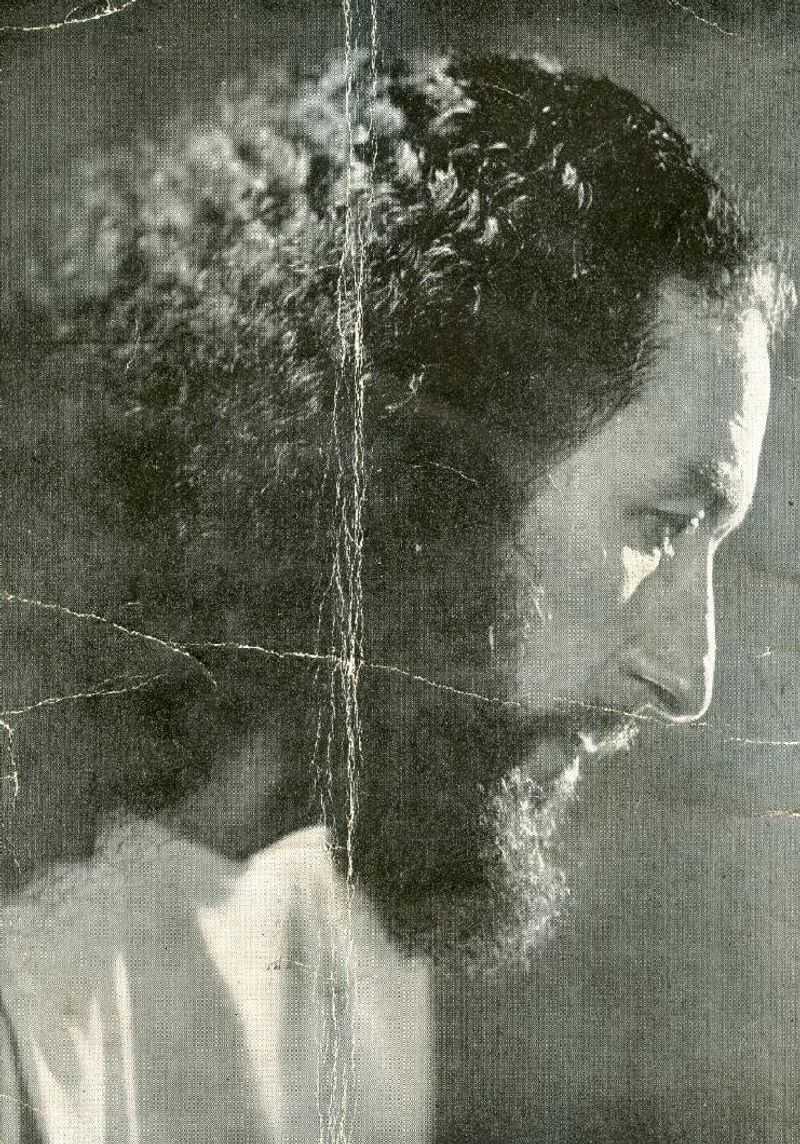
Born Francis Pencovic, he reinvented himself in California as Krishna Venta. By the 1940s he led a group called the WKFL Fountain of the World, based in the Simi Hills.
He told followers he was Christ returned, and claimed he came from another world. Members gave up their possessions and lived together, helping with charity and farm work.
His life took a dark turn in 1958 when two former members detonated dynamite at the group’s compound. Venta and several others died in the blast.
The event made national news. The Fountain of the World organization continued for years afterward, shifting its focus toward helping children and families.
Share this story