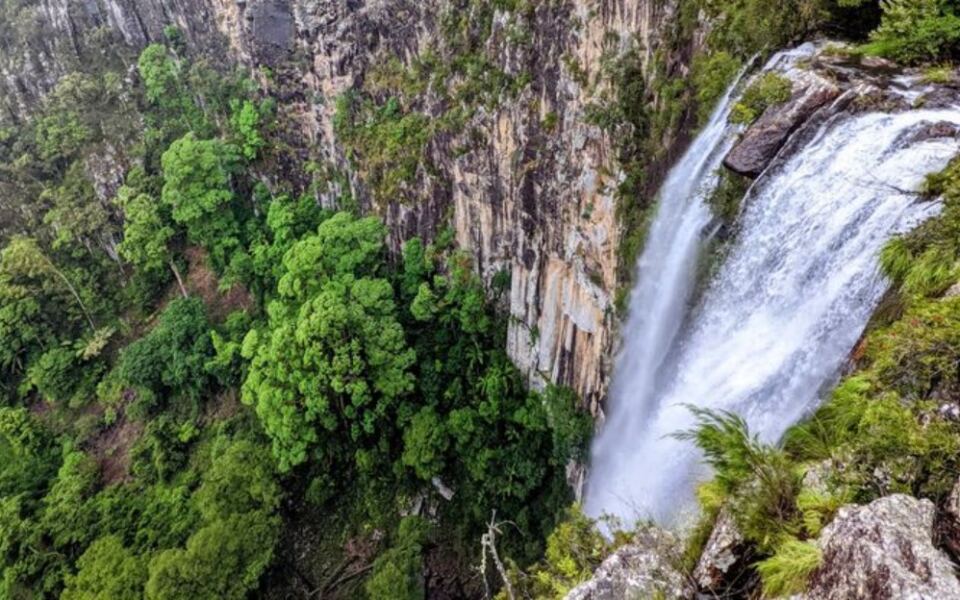
Australia is known for deserts and beaches, but its waterfalls are just as memorable. From tropical rainforest pools to tall cliffs in the Blue Mountains, each one offers a different kind of scenery.
Here are fifteen falls across five states and territories that are worth adding to a travel list. Knowing a little about each one can help you plan a safer and more enjoyable visit.
1. Wallaman Falls – Queensland
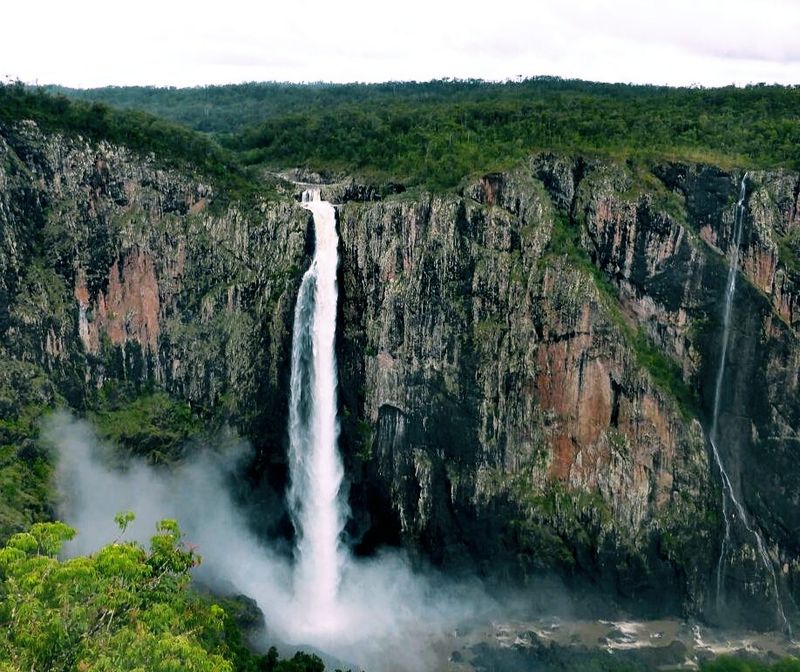
Standing at the lookout, you can hear Wallaman Falls long before your eyes take in the full drop. At 268 metres, it is the tallest permanent single-drop waterfall in Australia.
The water falls into a deep pool in Girringun National Park, west of Ingham.
Two main viewing points are available. The top lookout is close to the car park and gives a wide view of the gorge.
A steeper walking track leads down to the base, where mist cools the air and the roar feels much louder.
Plan your visit for the months after the wet season, when the flow is strong but roads are easier to drive. Bring water and sturdy shoes for the descent, because the climb back up takes effort.
Early morning often brings clearer views before clouds settle into the valley.
Camping is available nearby, which makes it easy to stay for sunset and stargazing.
2. Millaa Millaa Falls – Queensland
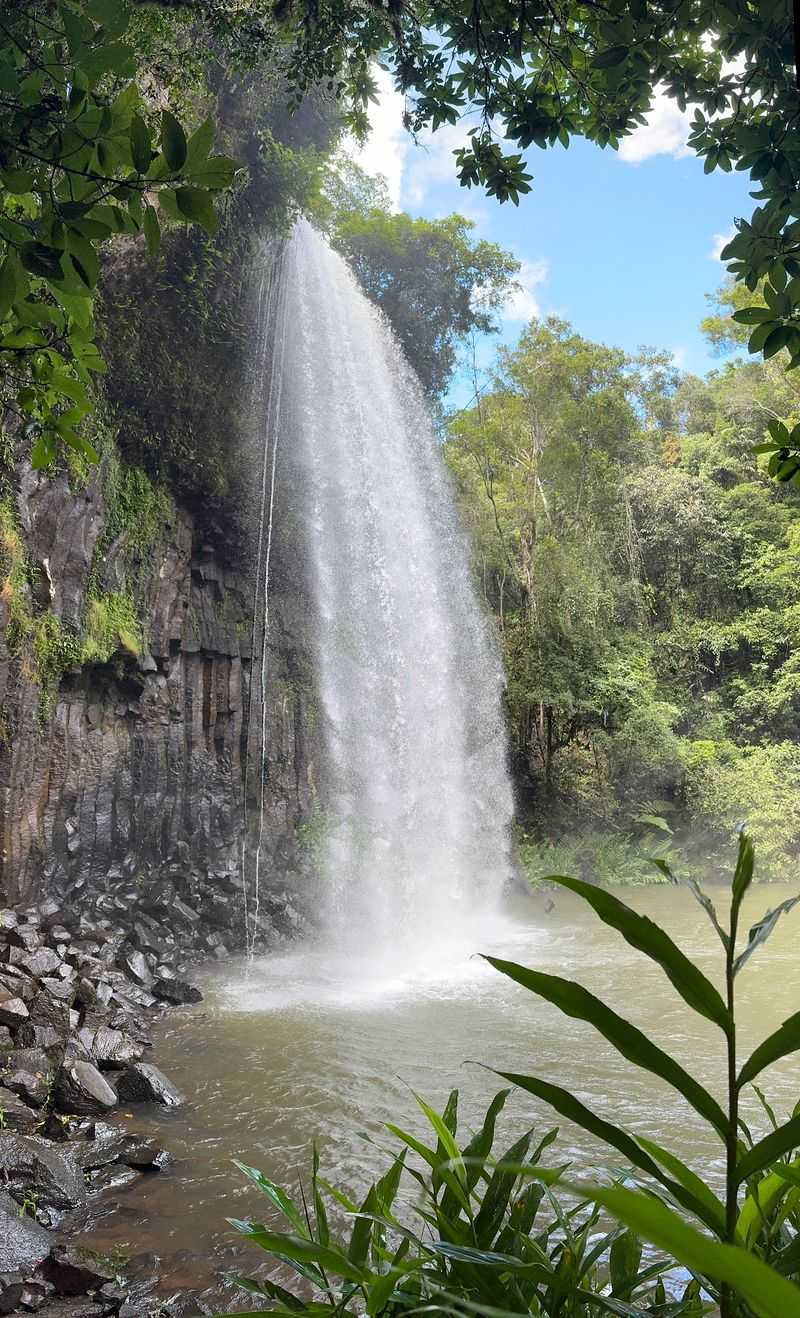
Many people recognize Millaa Millaa Falls from travel posters and shampoo ads. It is easy to see why.
The water drops about 18 metres in a neat curtain into a round, inviting pool on the Atherton Tablelands.
The falls sit along the Waterfall Circuit, a short scenic drive that also includes Zillie Falls and Ellinjaa Falls. A paved path leads from the car park to the water, so the visit suits families and anyone who prefers a gentle stroll.
Swimming is popular here, and the water is cool and refreshing on warm days. Arrive early in the morning if you want fewer people in your photos.
Weekends can get busy.
Keep an eye on the weather, since heavy rain can raise the water level and make the rocks slippery. Pack a towel and a picnic, because the grassy area nearby is a lovely spot to rest.
3. Josephine Falls – Queensland
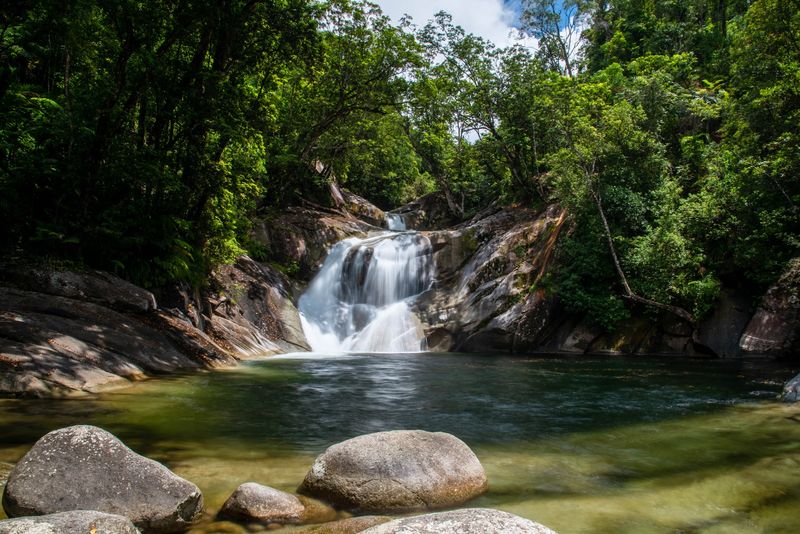
Smooth granite boulders turn Josephine Falls into a natural water slide, at least in photos. In reality, the polished rocks are very slippery, and visitors should treat them with respect.
Still, the scene is beautiful.
The falls are found in Wooroonooran National Park, south of Cairns, at the foot of Queensland’s highest mountain, Mount Bartle Frere. A walk of about 700 metres through rainforest leads to the viewing platform.
The path is well kept and mostly flat.
Water flows in several tiers into clear pools. Birdwatchers may spot colorful species in the trees, and the forest often hums with insects.
Check the park notices before you go, because flash floods can happen after heavy rain. If the water is rising or brown, stay back.
Visiting on a weekday morning gives you a calmer atmosphere and better light for pictures under the forest canopy.
4. Barron Falls – Queensland
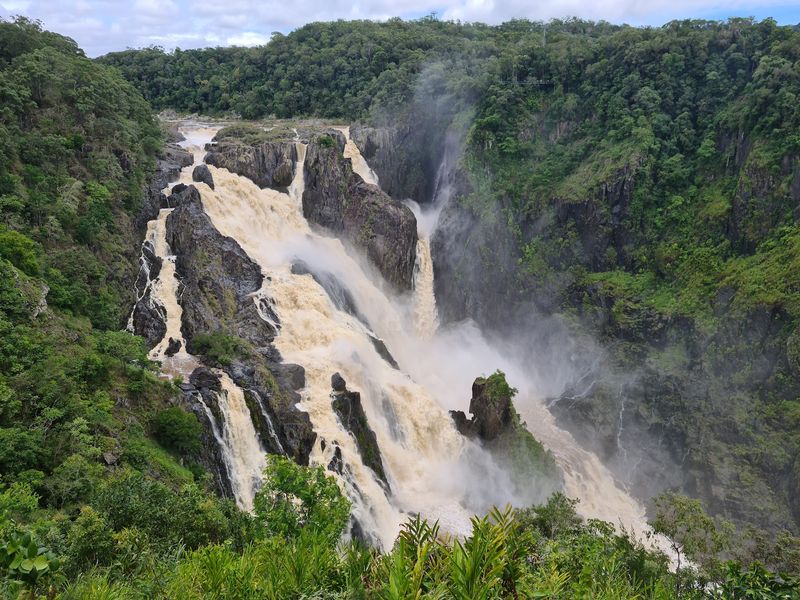
Getting to Barron Falls can be half the fun. You can ride the Kuranda Scenic Railway or float above the treetops on the Skyrail Rainforest Cableway, and both routes pause at lookouts near the gorge.
The falls drop roughly 260 metres through Barron Gorge National Park, near Kuranda. After the wet season, the water pours in a loud, brown sheet.
During the dry months the flow thins, but the views of the gorge remain impressive.
The falls also have a link to energy. A hydroelectric station in the gorge uses the river to make power, so the water level changes with the season and with use.
For the best view, go in February or March, when rain has filled the river. Take insect repellent and a light rain jacket, since the tropical weather can shift quickly during an afternoon.
5. Nandroya Falls – Queensland
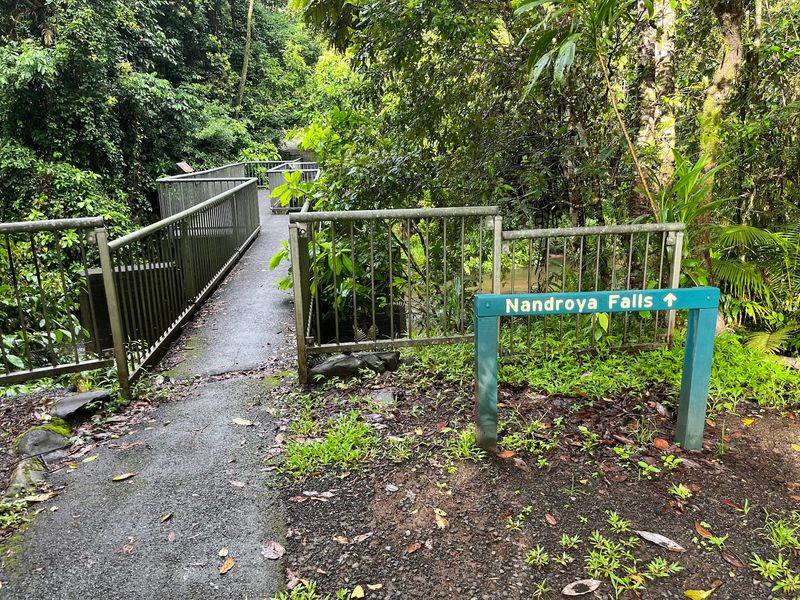
A forest walk that ends at a hidden waterfall always feels like a small reward. Nandroya Falls delivers just that in Wooroonooran National Park, near Palmerston, west of Innisfail.
The circuit track is about 7 kilometres and passes through thick rainforest and across Douglas Creek. Walkers can also choose a shorter out-and-back route to the falls.
Along the way, you may see giant fig trees, ferns, and perhaps a cassowary, so keep your distance if you spot one.
The falls drop around 50 metres into a pool that is good for a cool dip on a hot day. Water quality is usually clear, though conditions change after storms.
Wear shoes with strong grip and bring plenty of water. Allow around three hours for the full loop, and start early so you are not rushing back before dark.
6. Purling Brook Falls – Queensland
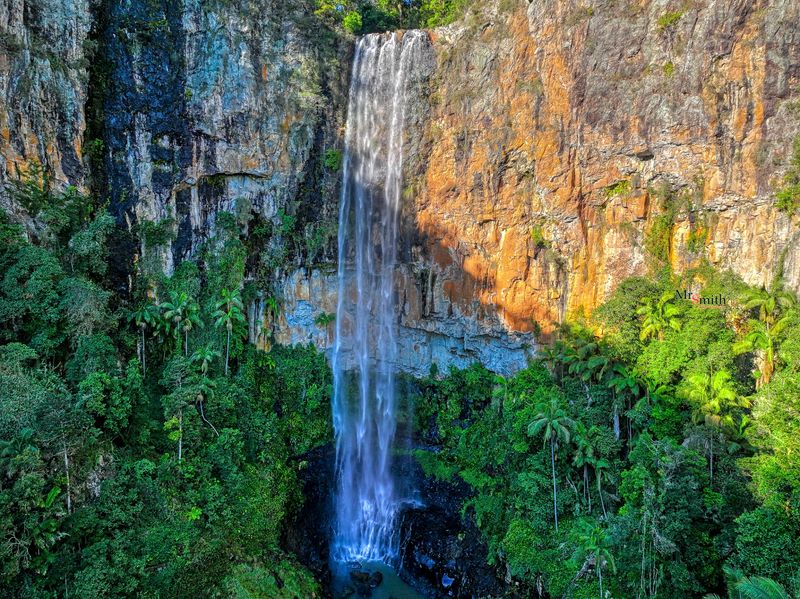
Local legend says the Gold Coast hinterland keeps some of its best scenes away from the beach. Purling Brook Falls is a fine example, sliding about 109 metres over a cliff in Springbrook National Park.
A circuit walk of around 4 kilometres starts near the Gwongorella picnic area. It passes the top of the falls, descends to the base, and loops back through forest.
Steps can be steep, so allow time and take breaks.
After rain, the water spreads in a bold white ribbon. In dry spells, it narrows, yet the cliff itself remains striking.
Look for glowworms in the nearby caves after dark if you join a guided tour.
The picnic area has tables and barbecues, so it suits a relaxed family day. Bring a jacket, because the mountain air is often cooler than the coast.
7. Wentworth Falls – New South Wales
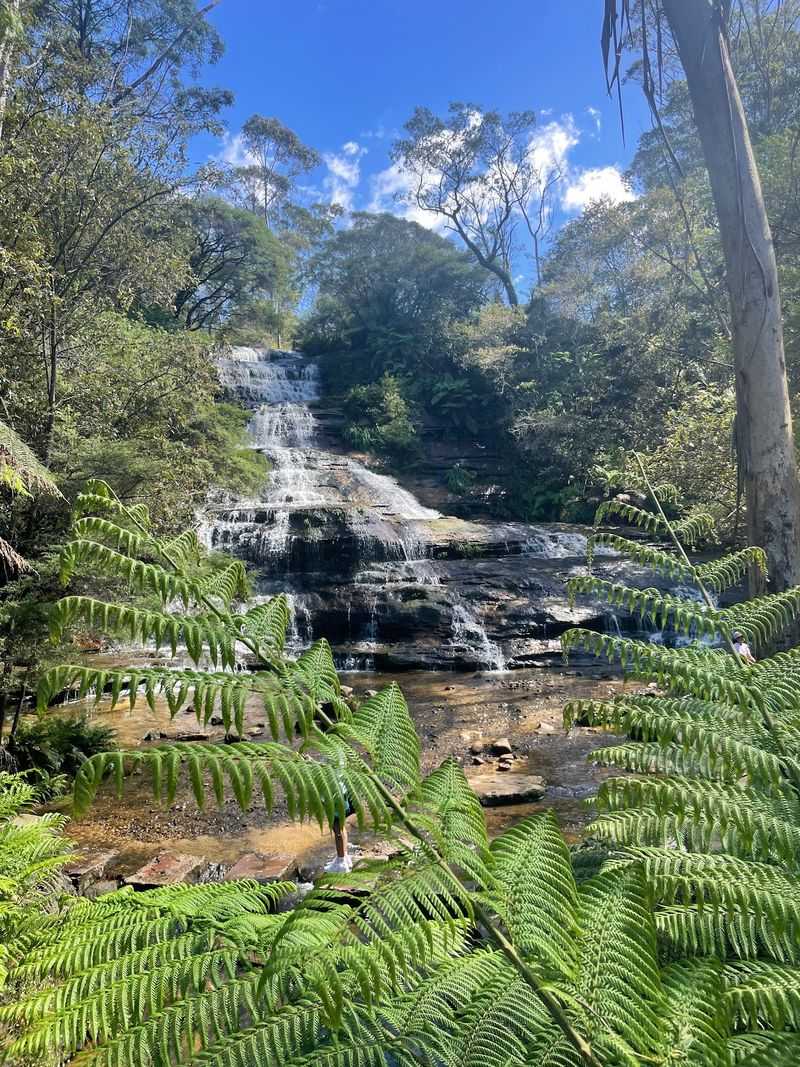
Charles Darwin visited Wentworth Falls in 1836 and wrote about the view over the valley. Today, visitors can follow in his footsteps in the Blue Mountains, about two hours from Sydney by road.
The water falls in stages, with a total drop of about 187 metres into the Jamison Valley. Several walks begin at Wentworth Falls Picnic Area.
The Overcliff and Undercliff tracks give wide views, while the National Pass is a historic track cut into the cliff face.
Some steps are steep, so good shoes matter. Check the track status online, because parts are sometimes closed for repairs.
For photos, try the Fletchers Lookout or Falls Reserve in the morning, when light warms the sandstone. Pack water and layers, as mountain weather can change quickly.
A cafe in town makes a handy finish to the day.
8. Fitzroy Falls – New South Wales
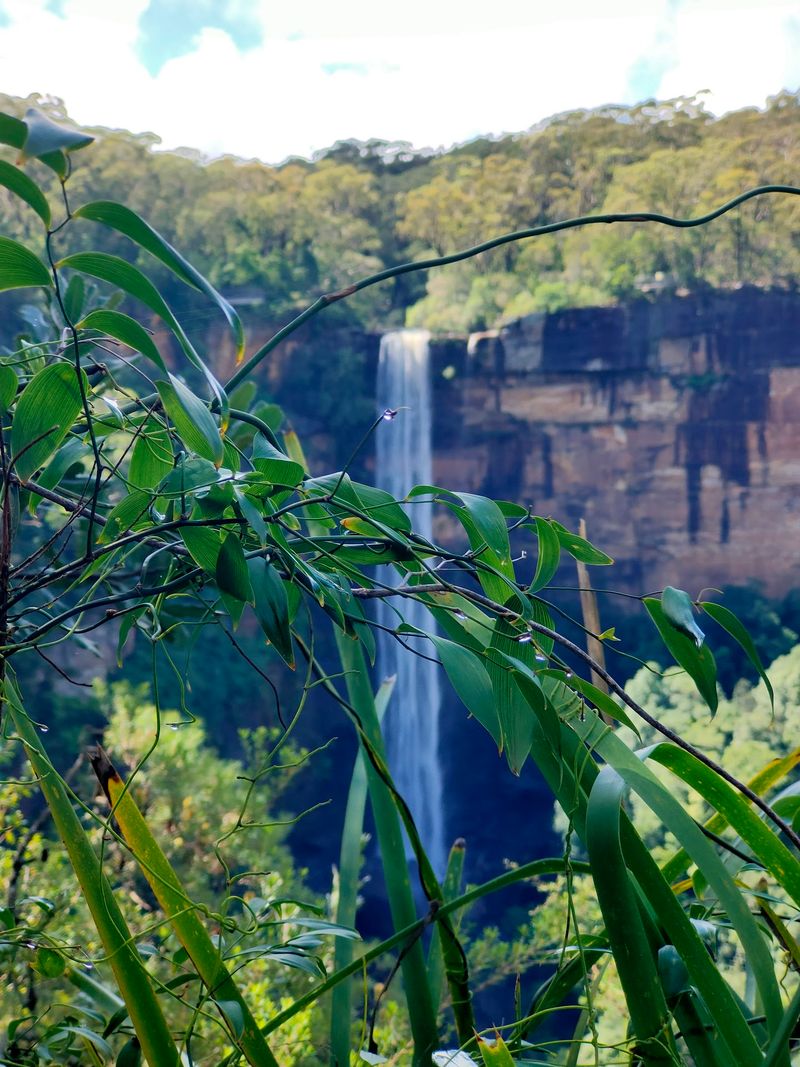
Fitzroy Falls is where the Southern Highlands meet a dramatic edge. Here, Yarrunga Creek flows to a cliff and drops about 81 metres into the valley below, inside Morton National Park.
Boardwalks and lookouts start near the visitor centre, making this one of the easiest waterfalls to enjoy. The East Rim and West Rim tracks offer different angles, and both are fairly short.
Some viewing platforms hang over the gorge for wide scenery.
On windy days, the water can blow back upward, creating a sight that surprises first-time visitors. The visitor centre also has displays about local wildlife and history, plus a cafe.
Plan to visit after rain for a stronger flow. Fog sometimes fills the valley in winter, so check forecasts if you want a clear view.
Bring a camera and a warm top for cooler days.
9. Ellenborough Falls – New South Wales
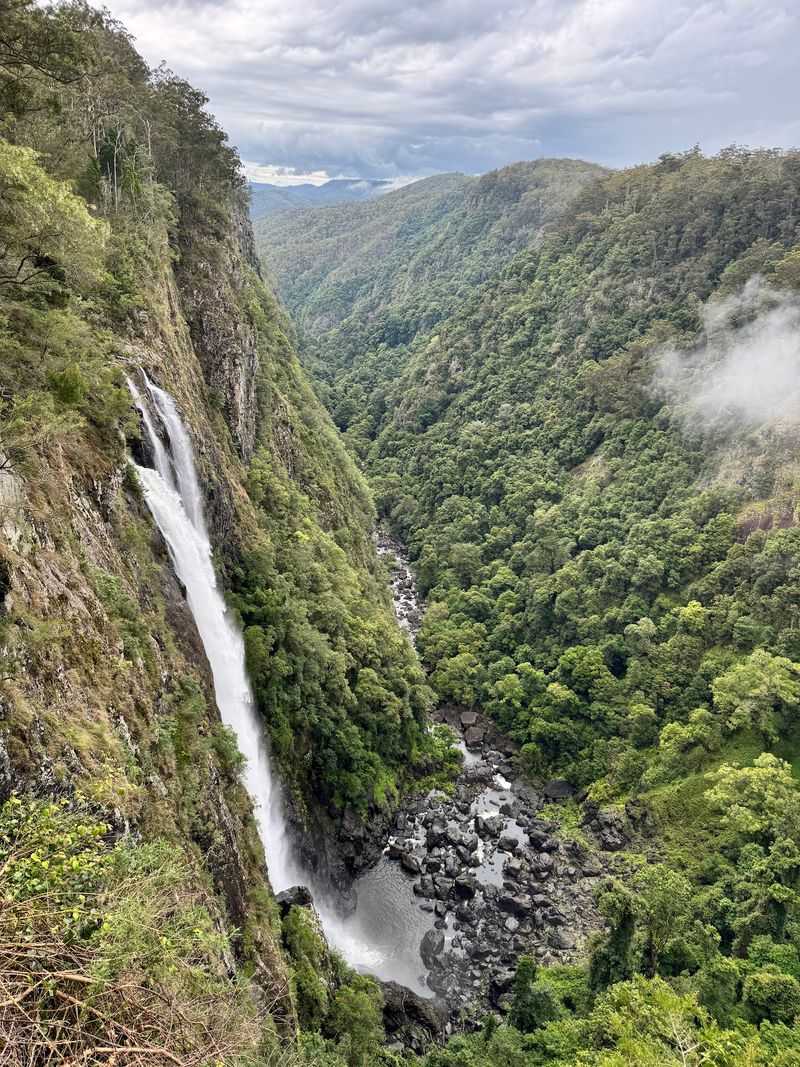
Few waterfalls in the Southern Hemisphere fall as far in one clean line as Ellenborough Falls. The drop is about 160 metres, and it sits near Elands, in the Manning Valley of New South Wales.
A short walk from the picnic area leads to the main lookout, and a longer track descends toward the gorge. Steps are plentiful, so take your time on the way back up.
The view from the platform gives a clear sense of the height.
Fog may cover the lookout in the early morning, but it often clears by mid-day. After heavy rain, the falls can look especially powerful.
Bring lunch, as the picnic area has tables and shade. Wear closed shoes, and keep children close near fenced edges.
The drive from Taree is scenic and gives a pleasant taste of rural life.
10. Minyon Falls – New South Wales
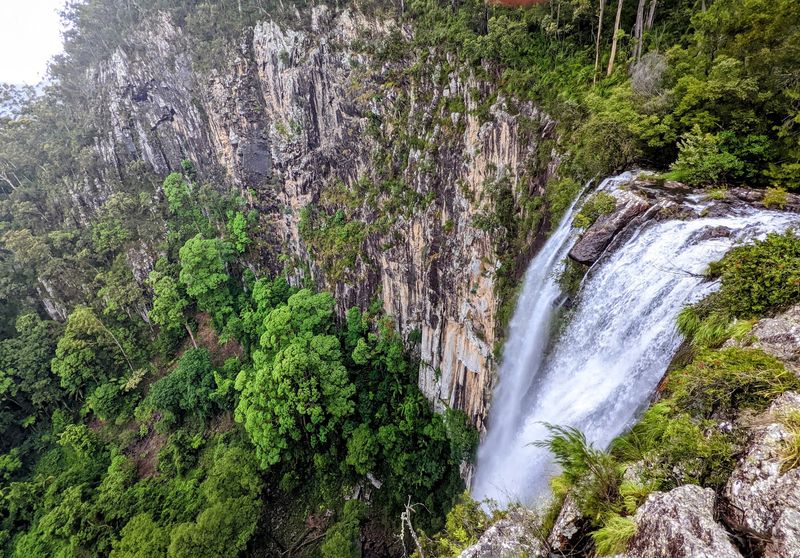
Close to Byron Bay, Minyon Falls offers a break from the busy coast. The water drops about 100 metres over an ancient volcanic cliff in Nightcap National Park, part of the Gondwana Rainforests of Australia.
Start at the picnic area near the top, where a lookout shows the full length of the fall. For a longer outing, the Minyon Grass Track runs about 7.5 kilometres return and leads to the base of the cliff and the pool.
Expect some steep sections.
The forest here is rich with birds, and you may hear whipbirds calling from the shade. Wildlife is part of the charm, and so are the giant trees.
Bring leech protection in wet weather, and check the park alerts before leaving. Late morning light often hits the cliff well, creating strong contrast for photos.
11. Russell Falls – Tasmania
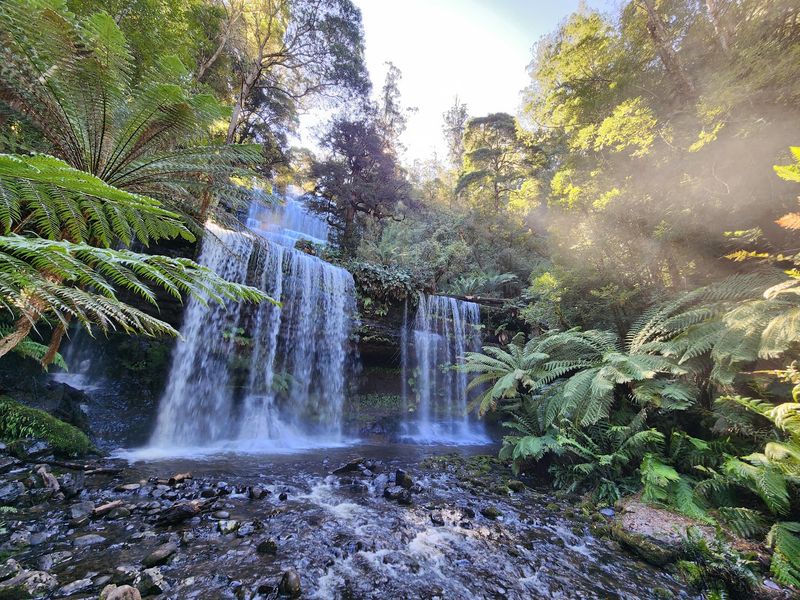
It has been drawing visitors since the 1800s, and Russell Falls still feels like a storybook scene. Found in Mount Field National Park, about 90 minutes from Hobart, it spills in two graceful tiers over mossy rock.
The path from the visitor centre is sealed and about 10 minutes each way, with a section that suits wheelchairs and prams. Giant tree ferns and some of the tallest swamp gums in the world line the way.
Many people continue on to Horseshoe Falls and Lady Barron Falls, which makes a longer circuit through the forest. After dark, glowworms can sometimes be seen along the track.
Visit in the morning for softer light and fewer crowds. Tasmania’s weather can be cool and damp even in summer, so bring a rain jacket and warm layers for the walk.
12. Montezuma Falls – Tasmania
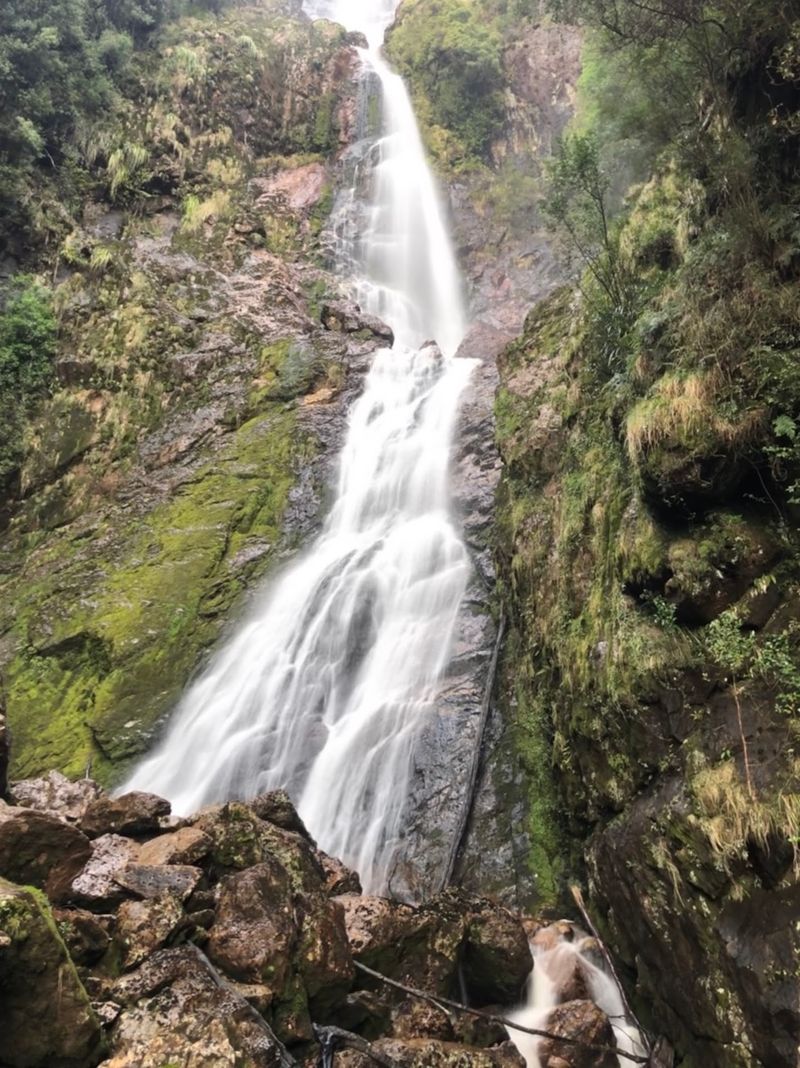
Tasmania’s west coast has a rugged feel, and Montezuma Falls fits right in. At about 104 metres, it is among the tallest waterfalls on the island, hidden in rainforest near Rosebery.
The walk follows an old tramway route used by miners, so the track is wide and mostly gentle. It takes about 1.5 hours each way.
Along the path, you cross a suspension bridge that gives a close view of the falls and sways a little underfoot.
Moss, ferns, and myrtle trees make the forest feel quiet and ancient. Rain is common here, so the track can be muddy.
Wear waterproof shoes and carry a jacket, even if the sky looks clear at the start. Bring snacks, too, because there are no shops along the route.
The effort pays off with a view that few visitors forget.
13. Liffey Falls – Tasmania
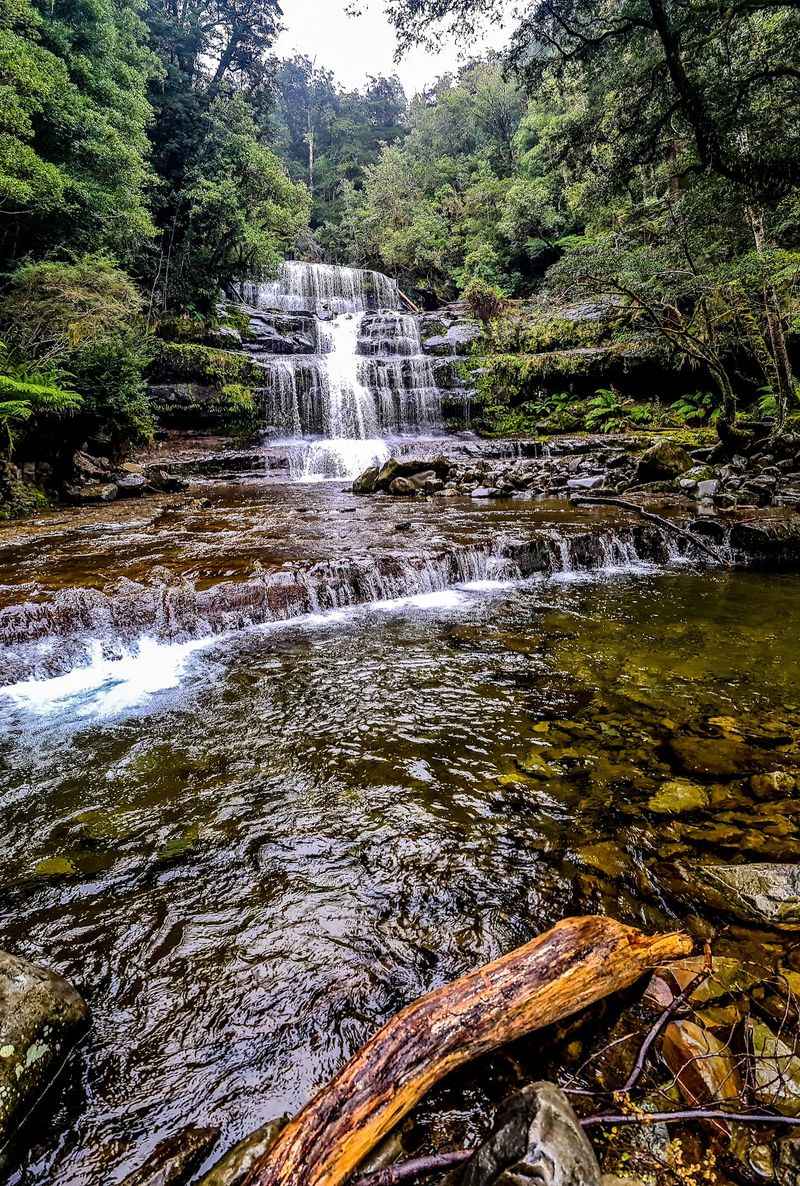
Moss covers nearly every surface at Liffey Falls, giving the forest a deep green glow. The river tumbles down a series of steps in the Great Western Tiers, south of Deloraine, and each tier has its own charm.
Two walking options are available. From the upper car park, a track of about 45 minutes return leads through rainforest to the main viewing area.
A longer route starts at the lower car park along the river and adds more scenery.
The forest holds tall myrtle trees, tree ferns, and the occasional platypus in nearby waters if you are patient and quiet.
Tasmanian weather can be cool, so pack a layer. The last stretch of the road to the upper car park is unsealed, so drive slowly.
Photographers often enjoy using a slow shutter to turn the water into soft silk.
14. MacKenzie Falls – Victoria
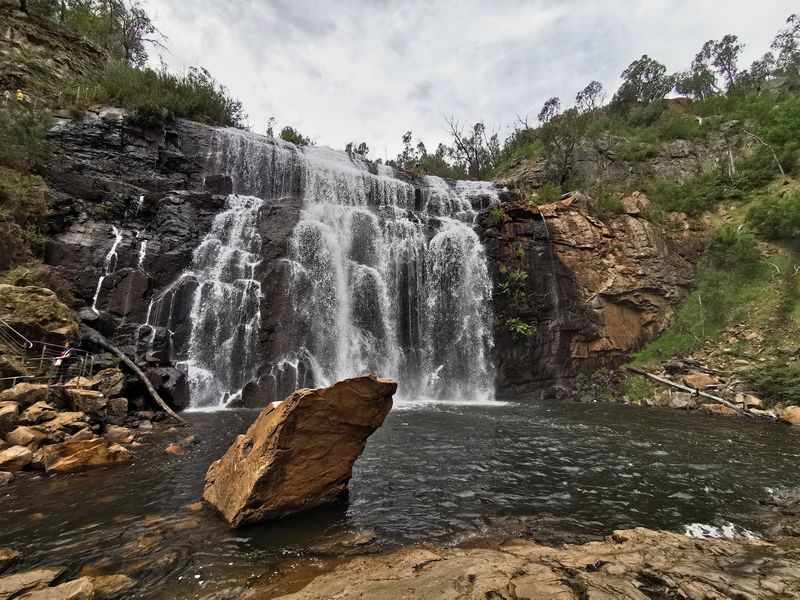
The Grampians are best known for rugged peaks, yet MacKenzie Falls may be their finest feature. It is often called Victoria’s largest waterfall, with water spreading across a wide rock lip before dropping about 30 metres into a deep plunge pool.
A viewing platform near the car park gives a quick look. For a closer view, a stairway of around 260 steps leads down to the base.
The climb back is tiring, so take your time and rest when needed.
Flow is strongest in winter and spring. In late summer, it can thin out or slow to a trickle, so check recent reports before you travel.
Swimming is not permitted at the base, and the rocks are slippery. Stay on marked paths.
Pair your trip with nearby Wonderland or Halls Gap for extra scenery and a good meal.
15. Jim Jim Falls – Northern Territory
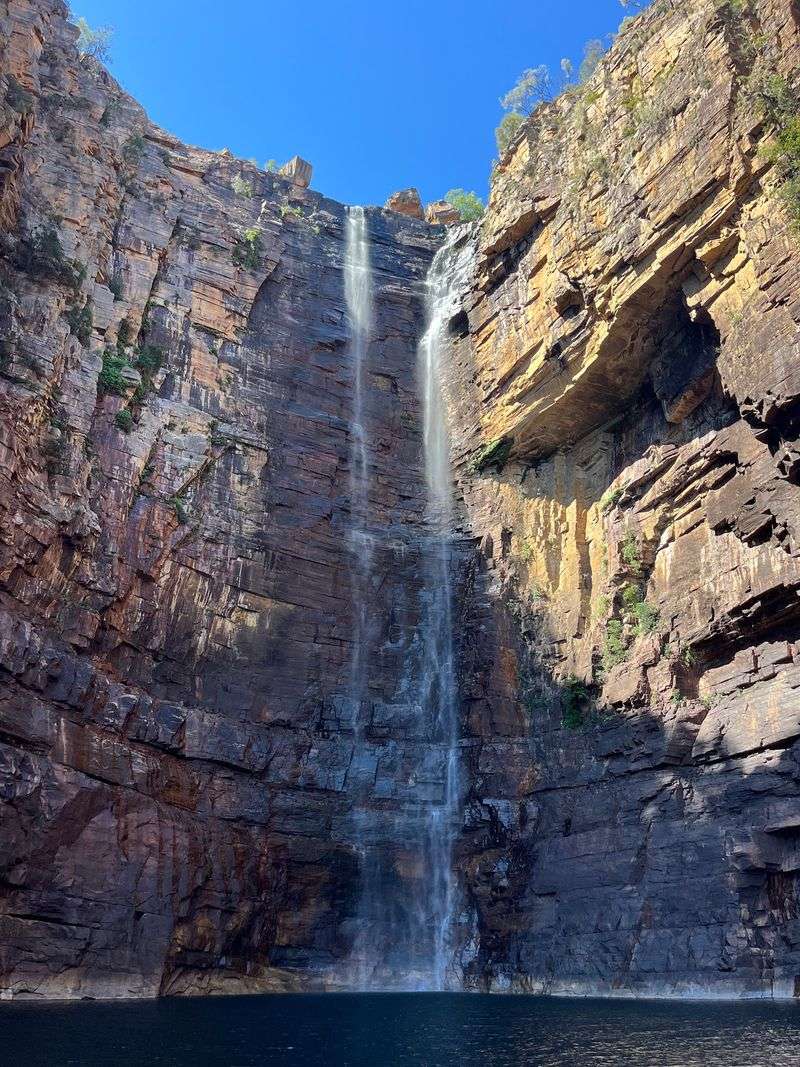
Reaching Jim Jim Falls takes some planning, but the result is unforgettable. In Kakadu National Park, the water drops around 200 metres down a sheer red cliff into a deep plunge pool with a small sandy beach.
The road in is rough and usually needs a high-clearance four-wheel drive. After that, a rocky walk of about one kilometre leads to the pool.
The falls flow strongly in the wet season, though access is usually closed then. By the late dry season, the flow can fade to a trickle.
Visit in the early dry season, from about May to July, for a balance of water and access. Check Parks Australia updates before leaving, since conditions change often.
Crocodile safety matters in Kakadu, so follow all signs and swim only where officially allowed. Bring water, sun protection, and sturdy shoes.
Share this story