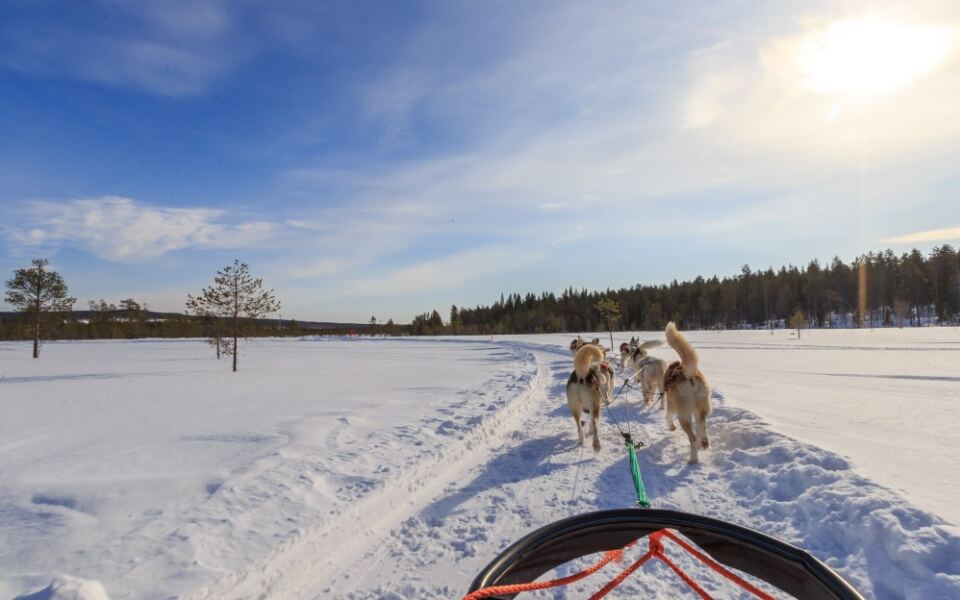
Winter can turn a regular vacation into something unforgettable. Snowy peaks, glowing old cities, frozen lakes and Arctic skies all wait for you.
Even sun lovers get a turn, thanks to warm deserts and tropical islands. Here are 15 places where the season itself is the reason to go.
Banff and Lake Louise, Canada
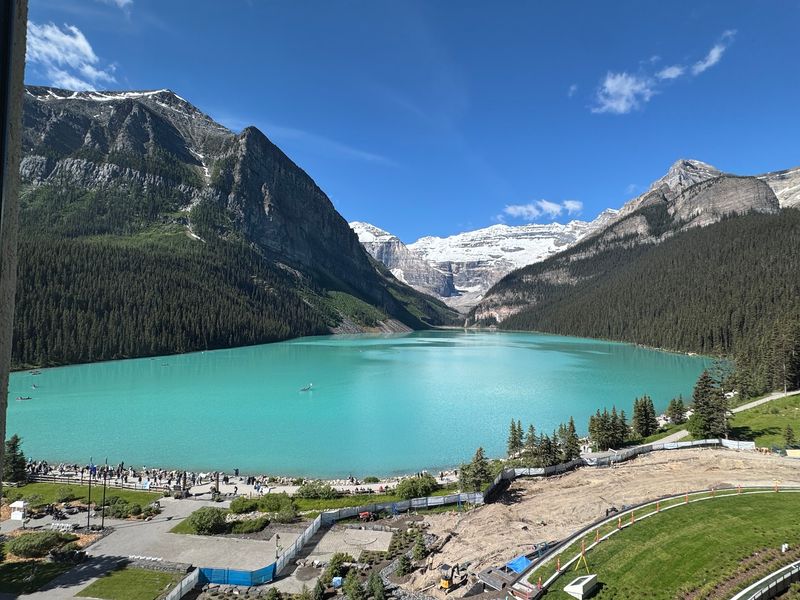
Skating on a frozen lake with giant mountains staring down at you feels a bit unreal. At Lake Louise, it is simply a winter afternoon.
The Canadian Rockies around Banff get even more dramatic once snow arrives. Peaks tower above icy lakes, and forests vanish under fresh powder.
Three major ski resorts give snow lovers plenty of room to roam.
Not into skiing? Walk through icy Johnston Canyon, or glide along a dogsled trail through quiet wilderness.
Local tourism officials describe November through March as the core winter season, with January and February offering especially reliable snow and frozen lakes.
Bring layers, because mountain weather changes quickly and the wind can bite. Hand warmers are cheap and surprisingly heroic.
Many visitors stay in Banff town for its restaurants and shops, then make day trips to Lake Louise.
Give yourself time here. A weekend feels rushed, while a full week feels entirely reasonable.
Between the slopes, the skating and the hot chocolate stops, the days fill up fast and still leave you wanting one more.
Tromsø, Norway
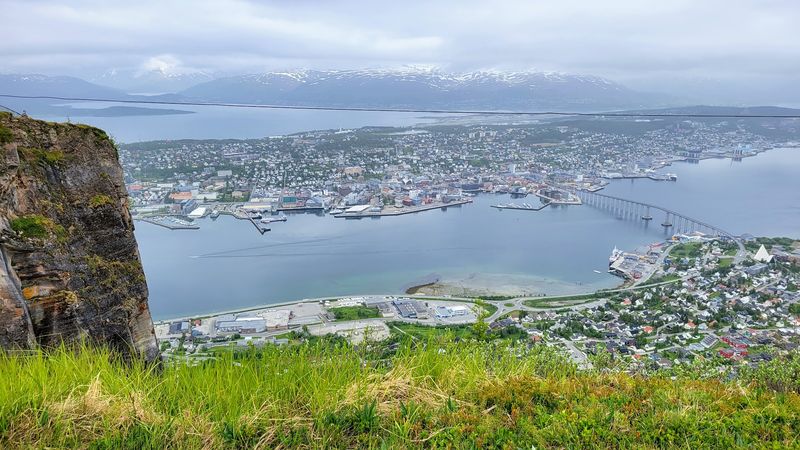
Tromsø sits right beneath the auroral oval, which is a fancy way of saying the lights love to visit. When skies cooperate, green ribbons can dance above the rooftops.
The aurora season runs from late August to early April. During the Polar Night, which begins in late November, the sun stays below the horizon.
Even so, a few hours of soft blue and pink twilight light up the mountains and fjords.
You will not be stuck waiting in the dark, either. Days can be filled with dog sledding, wildlife trips and snowshoeing.
Evenings invite you into warm local restaurants for hearty seafood and a hot drink.
Here is a smart tip: stay several nights. The tourism board recommends it because clouds are the real villain, and more nights mean better odds of a clear sky.
Book an aurora tour with a guide who tracks weather and moves to find open skies.
Dress in thick layers, and bring a camera that handles low light. A tripod helps a lot.
Tromsø gives you a true Arctic adventure with city comforts close by.
Rovaniemi, Finland
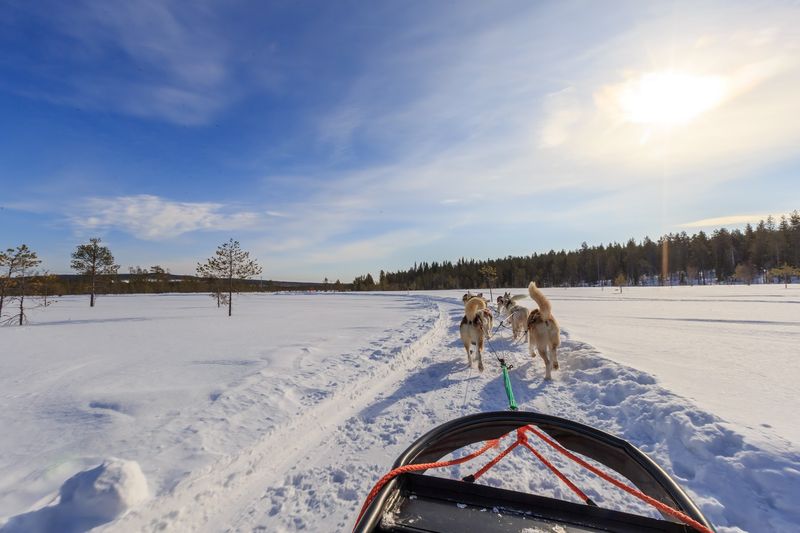
Picture a reindeer trotting past your sled while the forest sleeps under a thick white blanket. That is everyday winter life in Rovaniemi, a city sitting right on the Arctic Circle in Finnish Lapland.
Here you can ride husky sleds, travel behind reindeer, try snowmobiling and hunt for the northern lights after dark. Snow activities run for months, and December through March is the prime window.
Families love December in particular, because Santa Claus Village is a big draw.
Now for the chilly part. Winter temperatures often drop between -10°C and -20°C, so pack serious gear.
Wool base layers, insulated boots, warm mittens and a windproof outer coat are not optional here. Rental snowsuits are often offered on tours, which can save luggage space.
Plan a few nights so you have more than one chance at clear skies. Mix active days with slow ones, like a cozy sauna or a warm berry drink by the fire.
Rovaniemi rewards travelers who embrace the cold instead of hiding from it, and the memories stay warm for years afterward. Book popular tours early, especially near the holidays, because spots fill fast.
Hokkaido, Japan
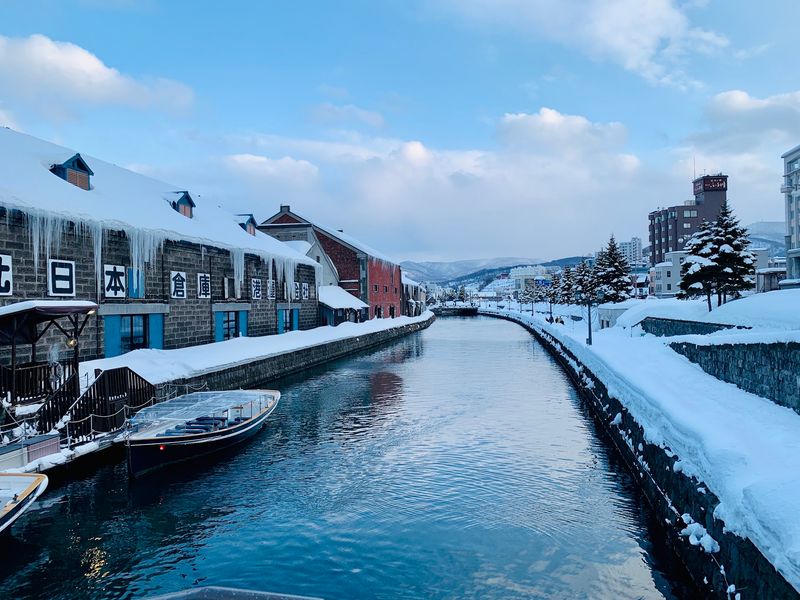
Skiers whisper about Hokkaido powder the way chefs whisper about rare truffles. The snow here is famously light and fluffy, and resorts like Niseko, Rusutsu and Furano draw fans from everywhere.
Skiing is only half the story. Each February, Sapporo hosts its giant Snow Festival, filling the city with huge snow and ice sculptures.
Walking among them at night, lit up and glittering, is a treat.
After a freezing day outside, hot springs called onsen feel like pure magic. Soaking in steamy water while snowflakes land on your hair is a Hokkaido classic.
Then comes dinner, with fresh seafood and steaming bowls of ramen.
You can also take a drift-ice cruise and see winter landscapes across the island. Japan’s national tourism group highlights these experiences for good reason.
Plan ahead, since popular resorts book up early. Learn onsen manners before you go, such as washing first and keeping towels out of the water.
Few places mix winter sports, city culture, food and hot springs as well as this island does.
Zermatt, Switzerland
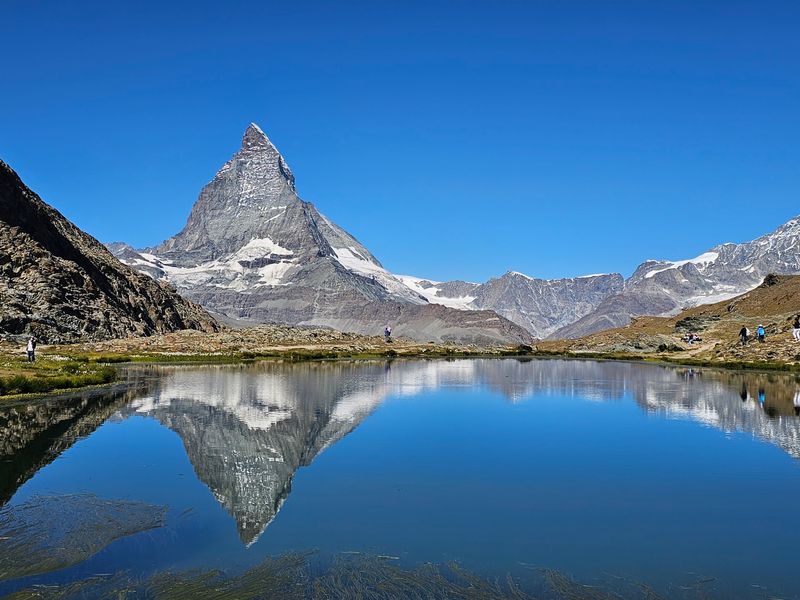
One glance at the Matterhorn and you understand why people plan whole trips around Zermatt. The pointed peak looms over this car-free Swiss village like a famous guest at a party.
In winter, the village turns into a scene of snowy chalets, ski slopes and cozy mountain restaurants. Zermatt has long been tied to skiing and mountaineering.
Still, you do not have to spend every day on skis.
Scenic mountain railways and cable cars lift you to jaw-dropping viewpoints. Walking routes wind through the snow, and lunch huts serve up warm, filling meals with a view.
Evenings bring that classic Alpine mood many travelers dream about.
Let’s be honest, Switzerland is rarely cheap. Save money by picking a lunch hut over a fancy dinner, or by traveling outside peak holiday weeks.
Buying lift passes for several days at once can also help.
Since cars are banned in the village, electric taxis and shuttles carry you around. Pack warm boots with good grip.
The scenery and mountain access make the splurge feel fair.
The Dolomites, Italy
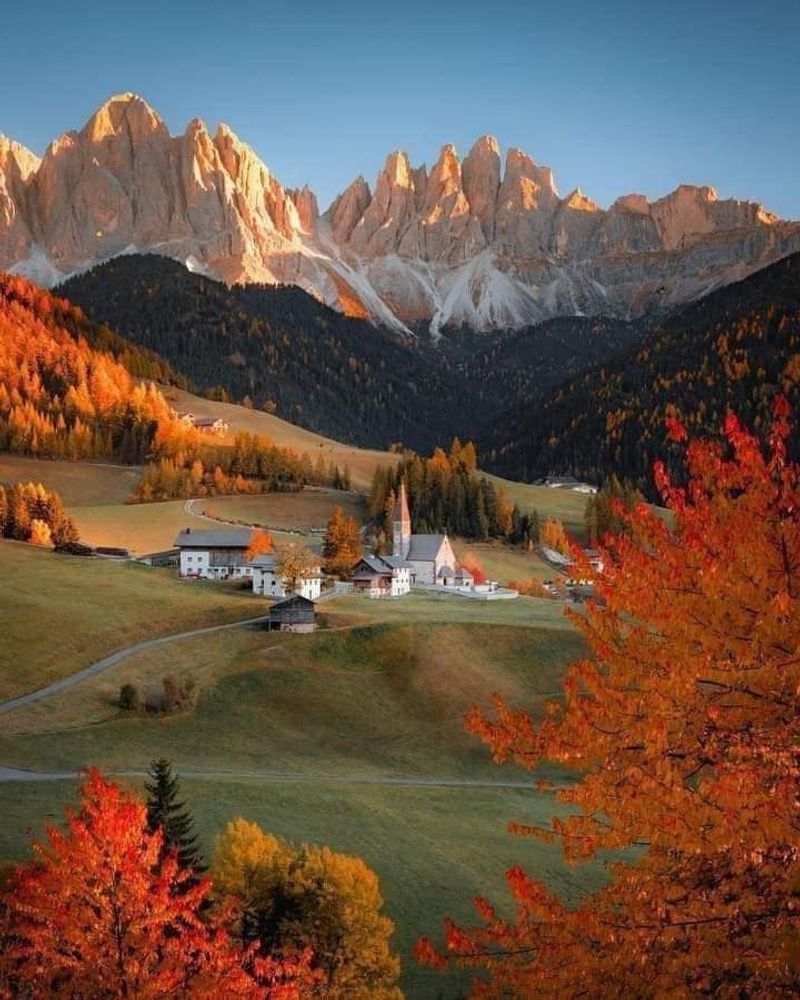
At sunset, the Dolomites can glow pink and orange, a show locals call enrosadira. In winter, with snow on the ledges, it looks even better.
These Italian peaks are steep walls of pale limestone, unlike most of the Alps. Valleys below hold villages, forests and mountain lodges.
Areas such as Val Gardena, Alta Badia and the Three Peaks region offer skiing, cross-country trails and snowshoeing.
The huge Dolomiti Superski network links 15 ski areas and about 1,200 kilometers of pistes. That is a lot of ground to cover, so pick a home base and explore from there.
You can enjoy the region even if you never click into a ski binding. Groomed winter paths wind through scenic spots, and mountain huts serve warm meals with big views.
Food is a highlight. The mix of Italian and Alpine cooking means you might enjoy dumplings, polenta and rich pasta in one weekend.
Try the local pastries too. Winter days here usually end with a very good dinner.
Québec City, Canada
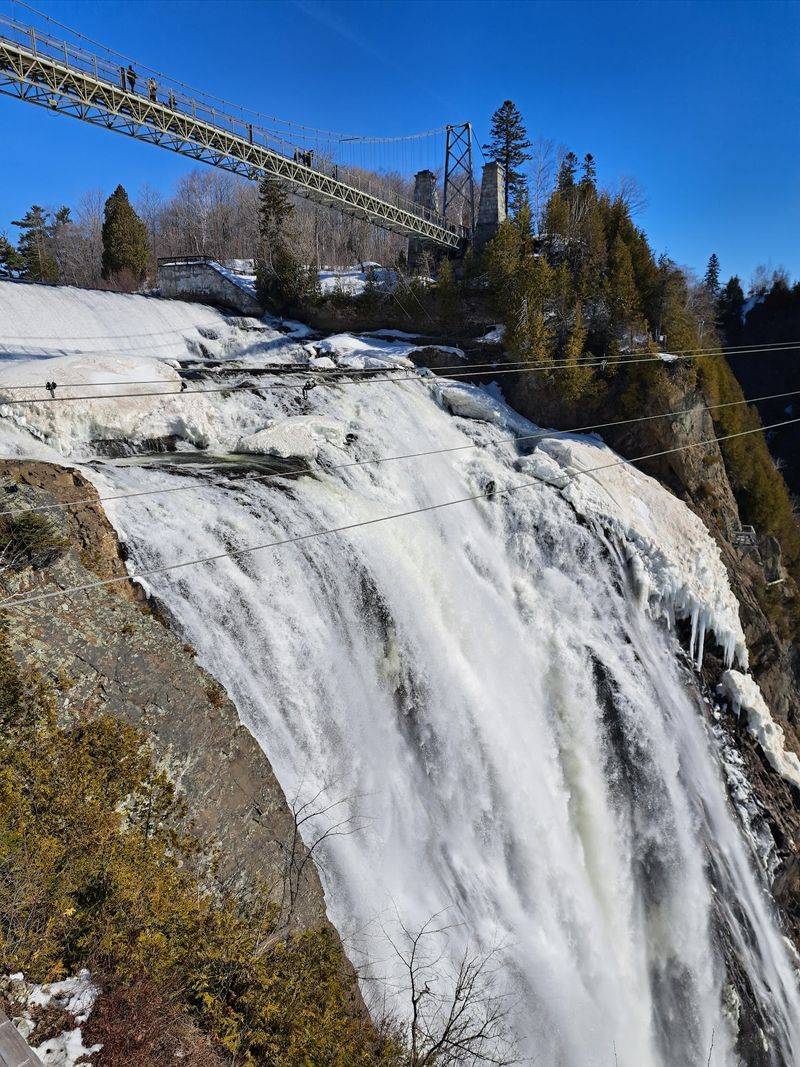
Cobblestone lanes, stone walls and a dusting of snow: Québec City could pass for a European village. Add a few French phrases and the illusion is complete.
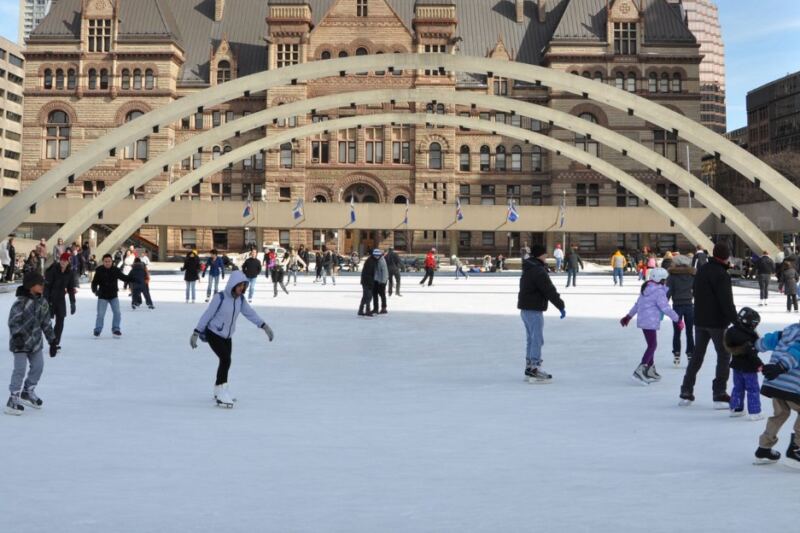
From early December into March, Old Québec becomes a true winter destination. Skate near the old fortifications, visit frozen Montmorency Falls and wander through Christmas markets.
You can even stay at the Hôtel de Glace, North America’s only ice hotel.
February brings the famous Winter Carnival, packed with parades, snow sculptures and a good deal of cheerful noise. Nearby resorts add skiing and other outdoor fun for the more active crowd.
The city’s official tourism group calls winter one of the best times to see Old Québec, since snow adds extra atmosphere to the historic buildings.
Wear boots with strong grip, because the old streets can get slippery. Duck into cafés often to warm up, and try hearty local dishes like poutine or tourtière.
Even a short trip here feels like a storybook escape.
Iceland
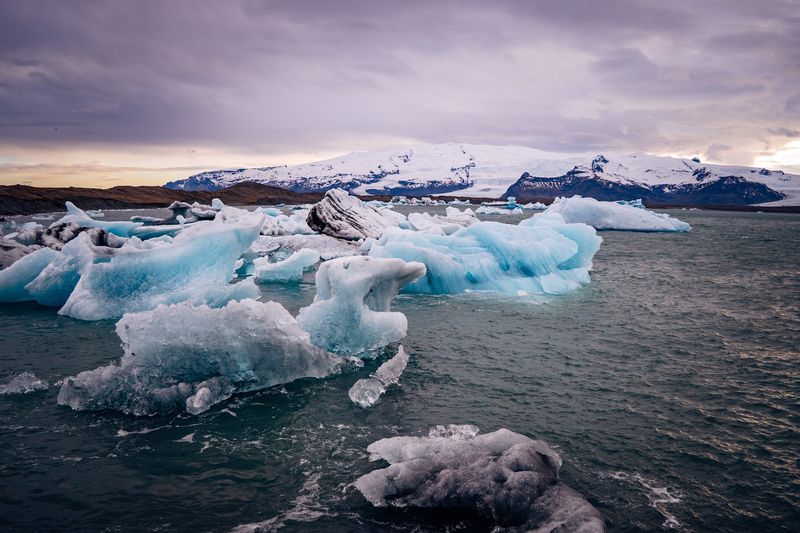
Ice-wrapped waterfalls, heavy snow on the peaks and long dark evenings: winter gives Iceland a whole new personality.
Travelers can follow the South Coast, stroll black-sand beaches and gaze at Jökulsárlón Glacier Lagoon. After that, warm up in a geothermal pool while steam curls into the cold air.
Natural ice caves become a signature experience in the right conditions, and local guides know when they are safe.
Here is the catch. Winter road travel needs flexibility, because storms can disrupt plans, especially outside the Reykjavík area.
Visit Iceland recommends allowing extra time when exploring farther from the capital.
Check road and weather updates every morning, and keep a loose schedule. Build in buffer days so one storm does not wreck the whole trip.
Pack waterproof layers and sturdy boots.
If you can work with the weather, the reward is huge. Glaciers, volcanoes, hot water and aurora viewing all meet on one island.
Few places feel this wild and this welcoming at once.
Ilulissat, Greenland
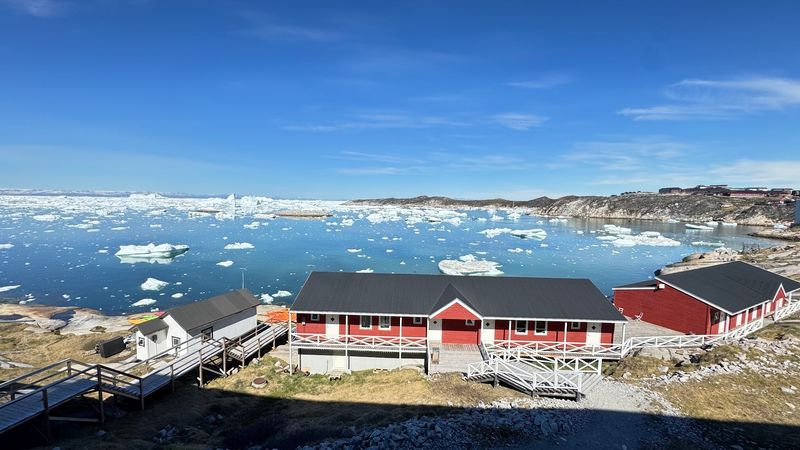
Icebergs the size of apartment buildings float quietly just outside town. Ilulissat plays on a different scale than most winter spots.
The town sits beside the huge Ilulissat Icefjord, surrounded by Arctic wilderness. Gigantic icebergs remain visible year round, so the view never really takes a break.
Visit Greenland recommends January through April for winter experiences. Choose from dog sledding, snowmobiling, snowshoeing, skiing and northern lights viewing.
Each one feels more like an expedition than a vacation activity.
Getting there takes more planning than a typical city break. In winter, travelers usually connect through Greenland’s domestic air network, so build in extra days in case flights shift.
Check baggage limits on small planes too.
That remoteness is the point. Ilulissat suits people who have done the usual snow trips and want something bigger.
Bring top-quality cold gear, patience and a sense of wonder. Standing beside an Arctic icefjord in silence is not something you forget.
Lofoten Islands, Norway
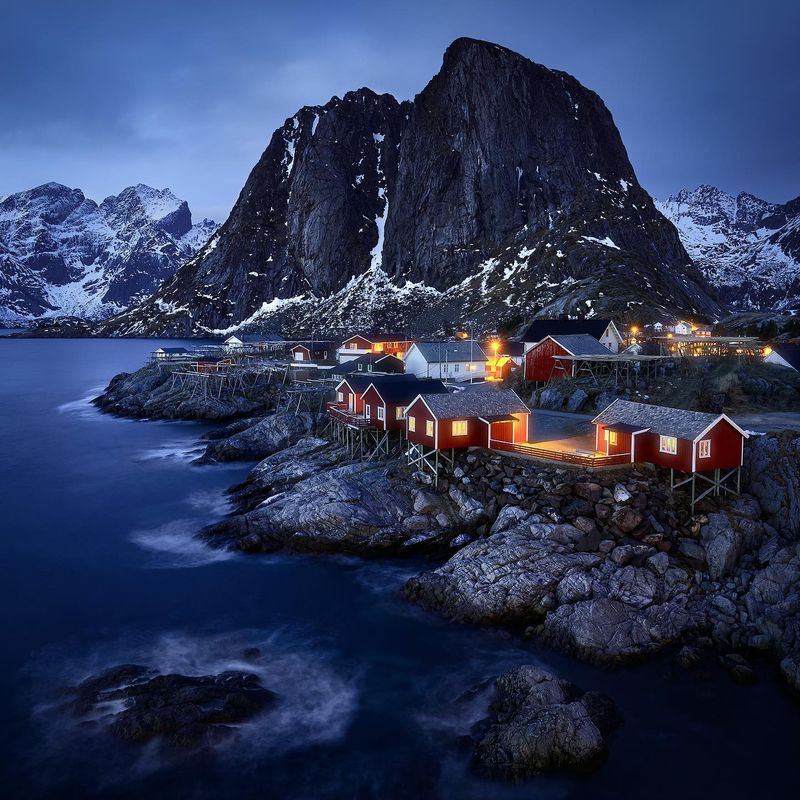
Mountains here leap straight out of the sea, and snow only makes the leap more dramatic. The Lofoten Islands look like a painting that someone left out in the cold.
Fishing villages such as Reine, Henningsvær and Nusfjord sit beneath snowy peaks. Long northern nights give you chances to spot the aurora over the water.
Red cabins on stilts glow warmly against the dark.
Winter ties closely to Lofoten’s fishing culture, so you also get a peek at local life. Racks of drying cod are a classic sight.
Svolvær makes a handy base for boat trips and other outdoor excursions.
This is no polished ski resort. Lofoten feels raw and coastal, with changing weather and amazing light.
One minute brings sunshine, and the next brings sideways snow.
Visit Norway highlights the quieter villages and special mood of the colder months. Rent a car if you can, drive carefully and pack waterproof layers.
The islands reward the curious.
Vienna, Austria
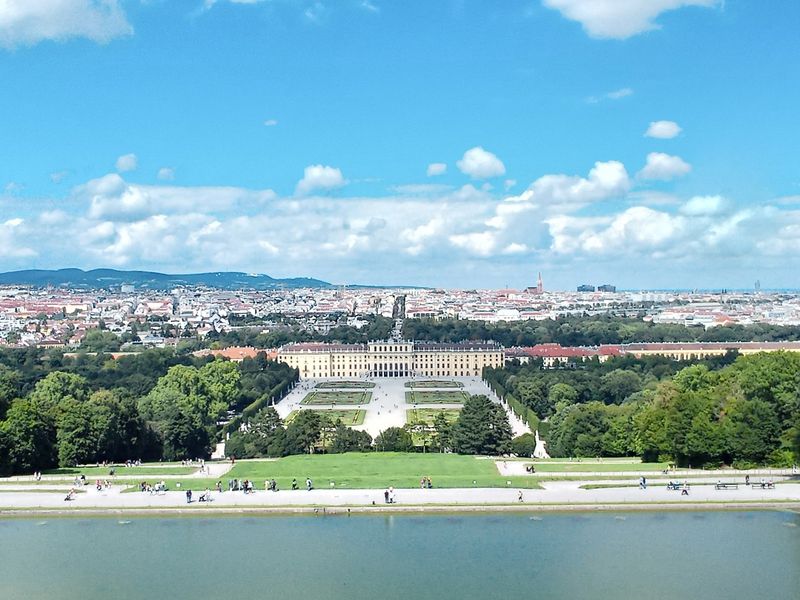
Hot punch in hand, lights glowing overhead, and a palace in the background: Vienna was made for winter evenings.
From mid-November, historic squares fill with Christmas markets. Palace façades light up, and cafés feel extra inviting after dark.
The main market at Rathausplatz runs from November 13 through December 26 in 2026. Schönbunn’s market continues through January 6, 2027.
Even after Christmas, the city has plenty to offer. Visit museums, catch a concert, relax in a coffee house or lace up skates at an outdoor rink.
Cold weather simply gives you a reason to linger indoors.
Vienna suits travelers who want winter mood without a rugged outdoor adventure. A perfect day might start in an imperial museum, move to a café for cake, and end with punch under festive lights.
Walking is easy, and public transport is excellent. Bring comfy boots and a warm hat.
Sample a slice of Sachertorte, because winter calories do not count here.
Prague, Czechia
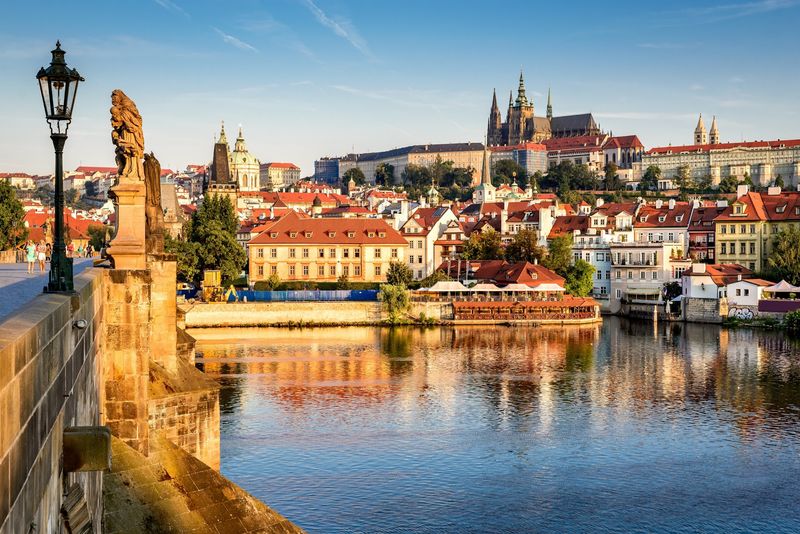
Gothic spires, Baroque fronts and lantern-lit lanes make Prague look like a movie set once winter settles in.
The city’s main Christmas celebrations center on Old Town Square and Wenceslas Square. Lit stalls and a huge tree transform the historic center during Advent.
The smell of roasted treats drifts across the crowds.
After the holidays, streets get quieter. You can enjoy warm Czech food, hearty stews and dumplings, then spend evenings in traditional pubs or concert halls.
Prices often dip outside the festive weeks too.
Snow is never promised. When it does fall, the views over Charles Bridge and Prague Castle become especially memorable.
Try an early morning walk, when fewer people crowd the bridge.
Prague is compact, so major landmarks sit close together. You can see a lot without burning half the day on transit.
That makes it ideal for a focused winter city break. Pack warm socks, since cobblestones hold the cold.
Torres del Paine, Chile
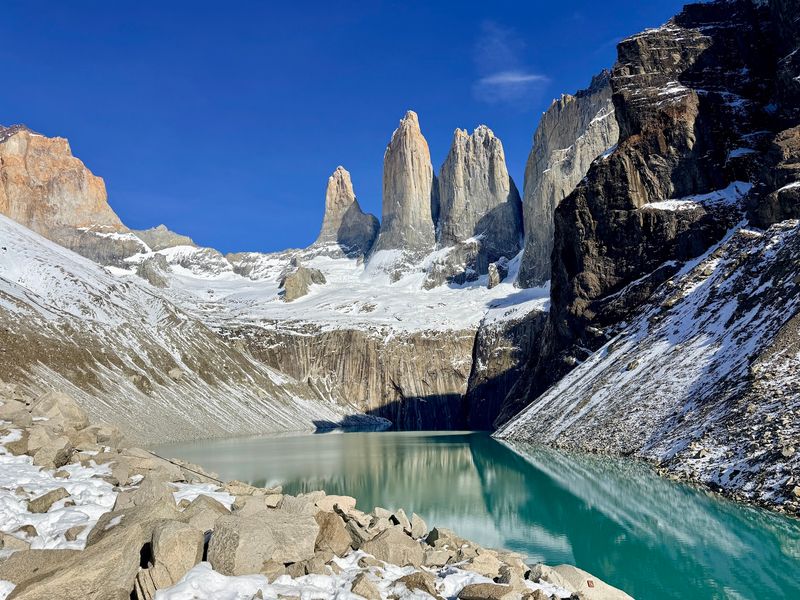
While the north shivers, Patagonia is in full summer mode. December through February is prime time for southern Chile.
Torres del Paine National Park mixes granite towers, glaciers, turquoise lakes and wide open land. The whole trip feels like a true expedition.
Guanacos graze by the roadside, and condors glide overhead.
Long daylight hours let hikers make the most of famous trails, including routes around the Torres and Grey Glacier. You can start early and still have light left for a relaxed dinner.
Do not let the word summer fool you. Patagonia’s weather stays unpredictable, with strong winds and quick changes.
Pack layers, waterproof gear and sturdy hiking shoes, and keep an eye on forecasts.
Book lodging and park permits well in advance, since the best spots fill early. If you want to skip winter altogether without choosing a beach resort, this is one of the most striking options on Earth.
Bring a good camera.
Dubai, United Arab Emirates
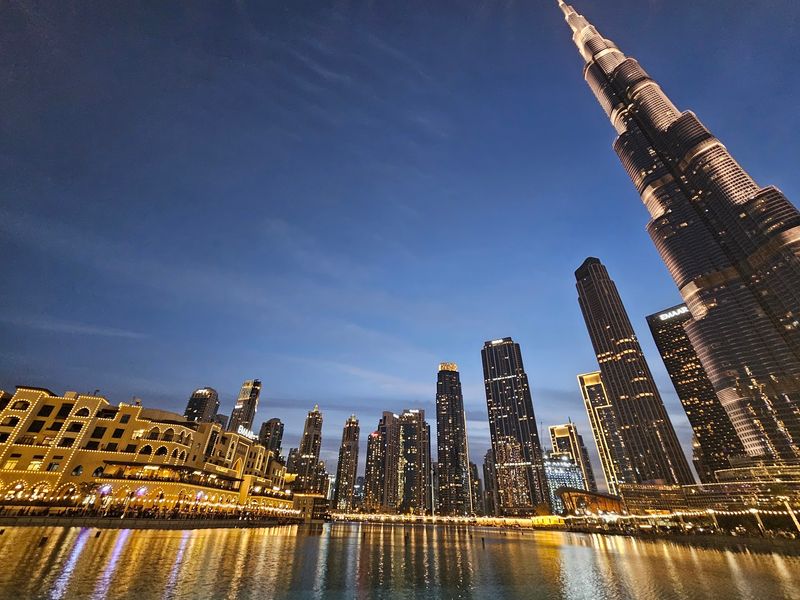
Dubai flips the winter script. Instead of bundling up, you finally get to enjoy the outdoors without melting.
From October through April, Visit Dubai describes conditions as especially good for sightseeing and outdoor attractions. Mix beach time and hotel pools with desert excursions, rooftop dinners and big shopping districts.
Downtown Dubai and Palm Jumeirah are favorite stops.
Winter also brings a packed events calendar. Evenings are comfortable enough for strolling Al Seef or Dubai Marina, with plenty of places to grab a bite along the way.
Try a desert safari at sunset, when the dunes turn golden and the air cools down. Book popular attractions ahead to skip long lines.
Pack light clothes, but bring a thin layer for air-conditioned malls and cooler nights.
For travelers who would happily trade snow boots for sunshine, Dubai makes winter easy. You still get fine restaurants, lively nightlife and big sights.
It is a warm break from cold, gray weather.
Maldives
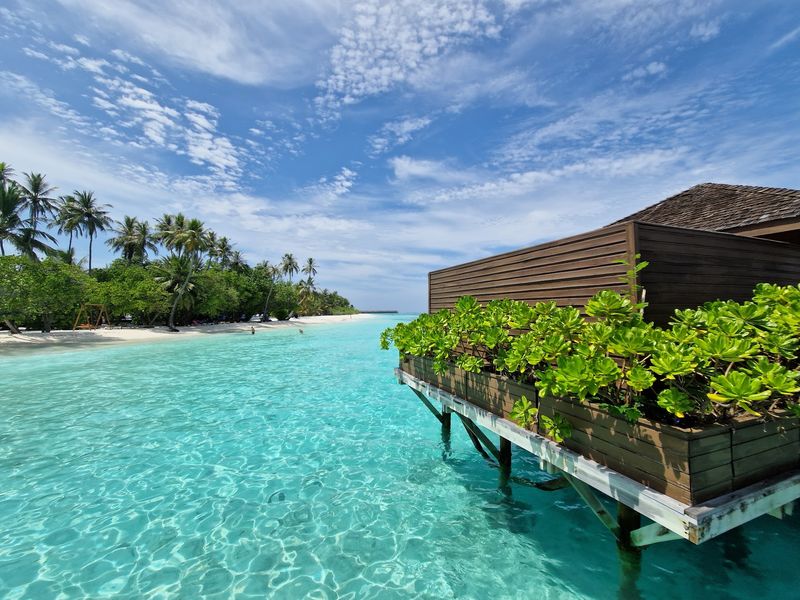
Swap your scarf for a snorkel mask. The Maldives offers the clearest escape from northern winter that you can find.
Instead of snow and early dark, you get warm Indian Ocean water, coral reefs and island resorts ringed by bright blue lagoons. Winter also lines up with one of the most popular times to visit, especially around December and the New Year.
Resorts often build elaborate festive programs for the holidays. Expect special dinners, water activities and island celebrations, sometimes with your toes in the sand.
Visit Maldives is already promoting festive programs running through late December 2026 and early January 2027.
Snorkeling, diving and lazy beach days remain the main attractions. Reef fish, rays and even turtles can show up right off the shore.
Bring reef-safe sunscreen to protect both your skin and the corals.
Book early, since holiday weeks sell out quickly. Choose a resort with a house reef if you love snorkeling.
For a warm-weather winter trip, the islands are a natural pick.
Share this story