Some gardens do much more than grow pretty flowers. They protect rare plants, recreate rainforests and bring species from far corners of the planet together in one spot.
From glass domes to mountain slopes, each garden here shows how wild and wonderful the plant world can be. Pack your curiosity and get ready for a leafy world tour.
Royal Botanic Gardens, Kew, London, England
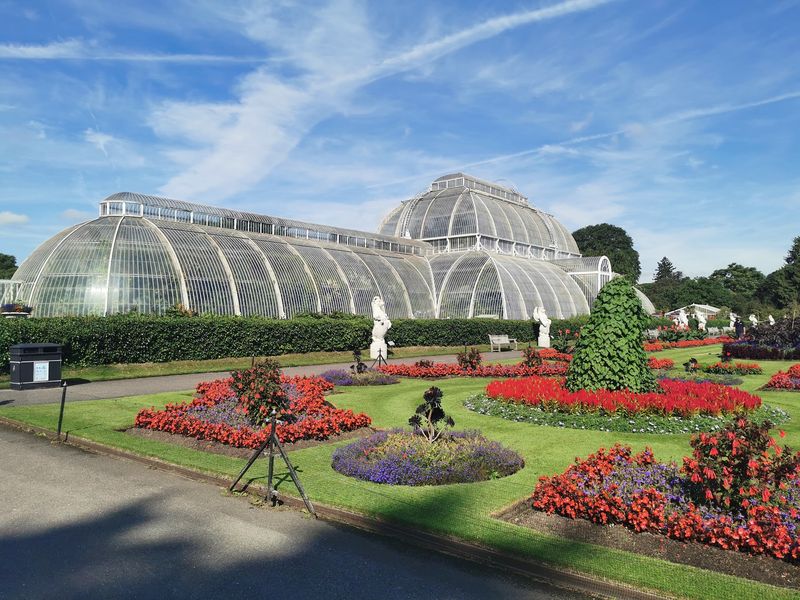
Picture a glass palace packed with palm trees, standing proudly in the middle of London. That is the Victorian Palm House, and it is only one star at Kew.
The garden stretches across more than 300 acres beside the River Thames.
Kew began in 1759 as a royal garden. Over time it grew into a world leader in plant research and conservation.
UNESCO has praised its huge influence on botany and garden design, and its collections hold tens of thousands of plant species.
Walkers can wander into the giant Temperate House, which is full of plants from cooler parts of the world. Then they can climb up to the treetop walkway and look at leaves from above.
It feels a bit like spying on the forest.
Plan for a full day, because the grounds are enormous. Comfortable shoes are a smart idea.
Start with the glasshouses if the weather turns rainy, then save the open lawns and tree paths for sunnier moments. Bring a camera, since the glass buildings look stunning in any light.
Few places mix history, science and plant variety so well.
Singapore Botanic Gardens, Singapore
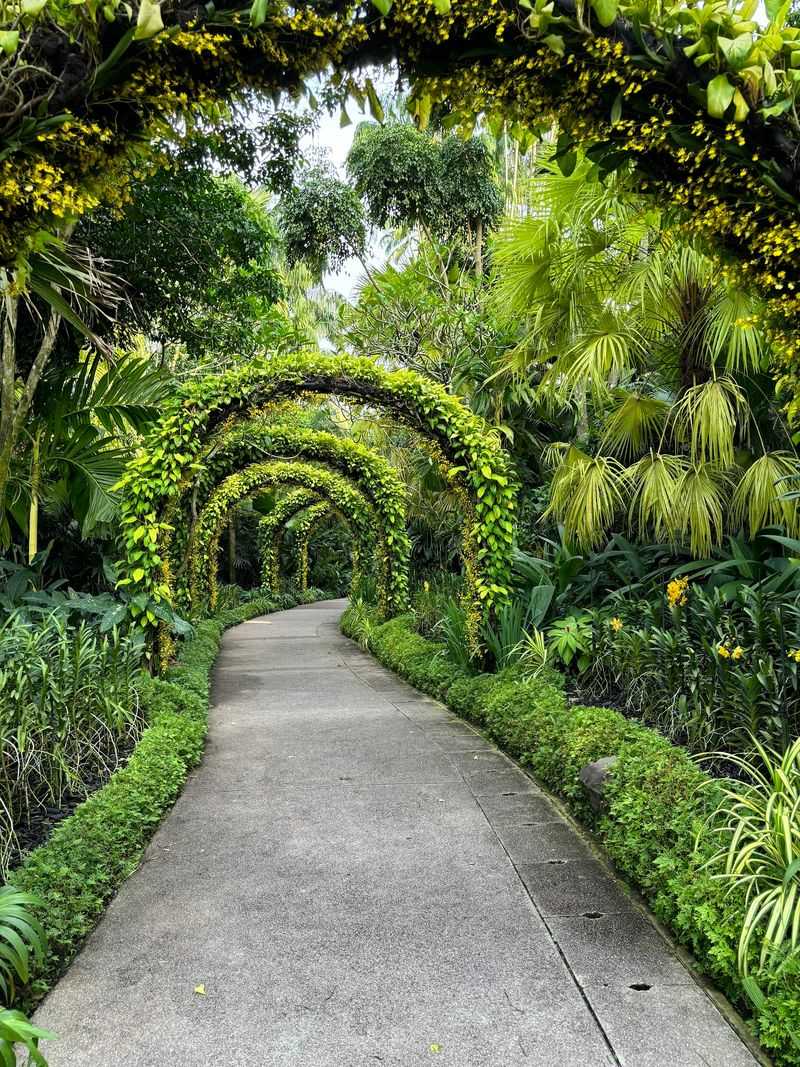
Step outside the busy city streets and the air suddenly turns green, damp and sweet. That is the magic of the Singapore Botanic Gardens, a UNESCO-listed spot that feels like a rainforest tucked inside a modern city.
The garden opened in 1859 and helped shape tropical gardening across Southeast Asia. It also played a big part in the region’s rubber industry.
Quite a résumé for a place full of flowers.
The headline act is the National Orchid Garden. Thousands of orchids fill the terraces in shades of purple, yellow, pink and white.
Nearby, the Tropical Montane Orchidetum offers cooler conditions for orchids that usually grow high in the mountains.
Beyond the orchids, look up at the old giant trees and tall palms. Their shade makes the paths comfortable even on warm days.
Early morning is a lovely time to visit, when the air is cooler and the light is soft.
UNESCO calls it an outstanding example of a tropical botanical garden that grew from a colonial garden into a modern science center.
Kirstenbosch National Botanical Garden, Cape Town, South Africa
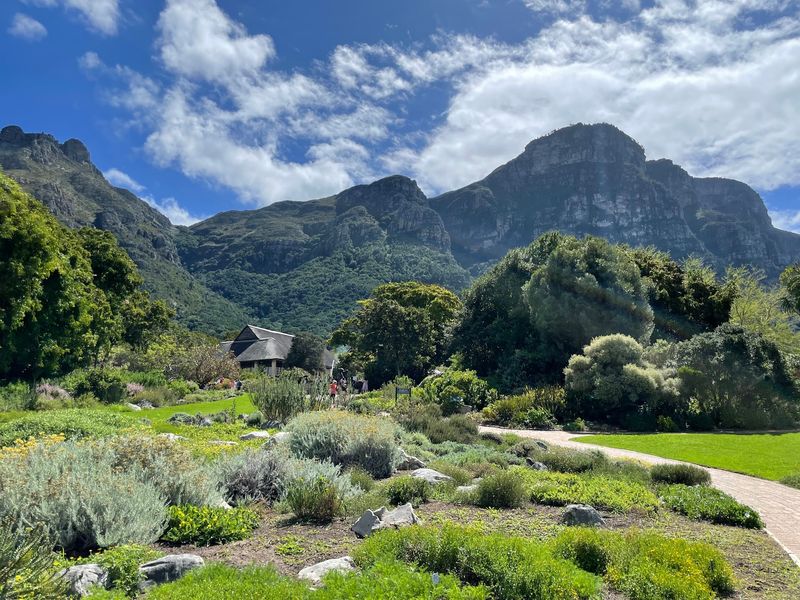
Table Mountain makes a pretty good backdrop, and Kirstenbosch knows it. The garden climbs the eastern slopes of the mountain, so planted beds slide gently into wild hillside plants without any obvious border.
Many botanical gardens collect plants from all over the globe. Kirstenbosch does something different.
It celebrates the amazing native plants of southern Africa. Proteas, cycads and species from the Cape Floristic Region take center stage.
Proteas are especially fun to spot. Their big, spiky blooms look like something from another planet.
Cycads, meanwhile, are ancient plants that look tough enough to have met the dinosaurs.
Do not miss the Tree Canopy Walkway. This curved bridge lifts you above the garden and gives a bird’s eye view of the trees and the mountain beyond.
Bring a picnic and settle on the lawn afterward.
South Africa’s National Biodiversity Institute calls Kirstenbosch one of the great botanical gardens of the world. After one visit, you will probably agree.
Montréal Botanical Garden, Montréal, Canada
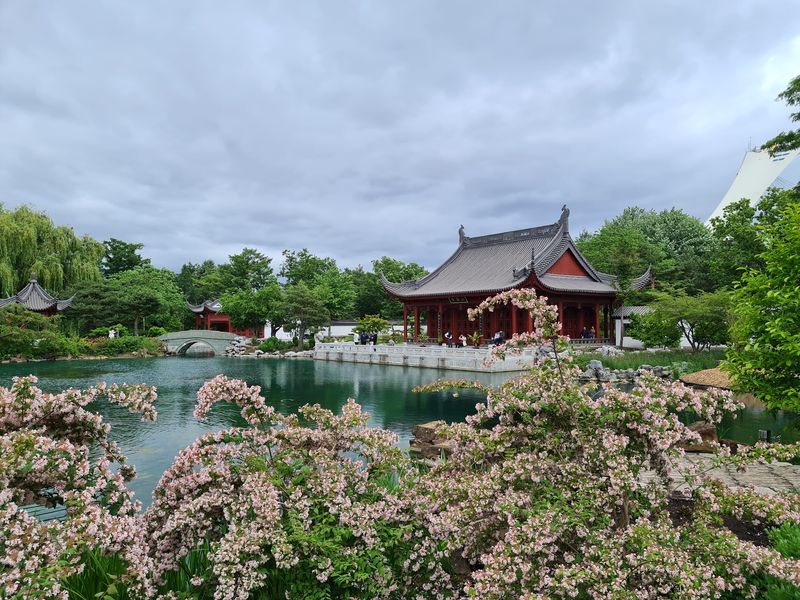
Eighteen thousand kinds of plants in one place sounds like a lot, because it is. Montréal’s botanical garden packs about 18,000 taxa into 75 hectares, so there is always something new around the corner.
Greenhouses, an arboretum and more than 20 themed gardens fill the grounds. You can stroll from alpine plants to roses, then step into peaceful Chinese, Japanese and First Nations gardens.
It is like a world tour on foot.
The Japanese Garden is a favorite, especially when autumn paints the leaves in warm colors. Winter visitors have a secret weapon too.
The exhibition greenhouses stay warm and green, with orchids, succulents and tropical plants blooming while snow covers the city outside.
The garden also takes conservation seriously. Nearly 800 species in its collection are listed as threatened by the IUCN.
That means every walk here supports something bigger than a pretty view.
Visit in any season and you will find a different mood. Pack a jacket, a camera and plenty of curiosity.
Rio de Janeiro Botanical Garden, Brazil
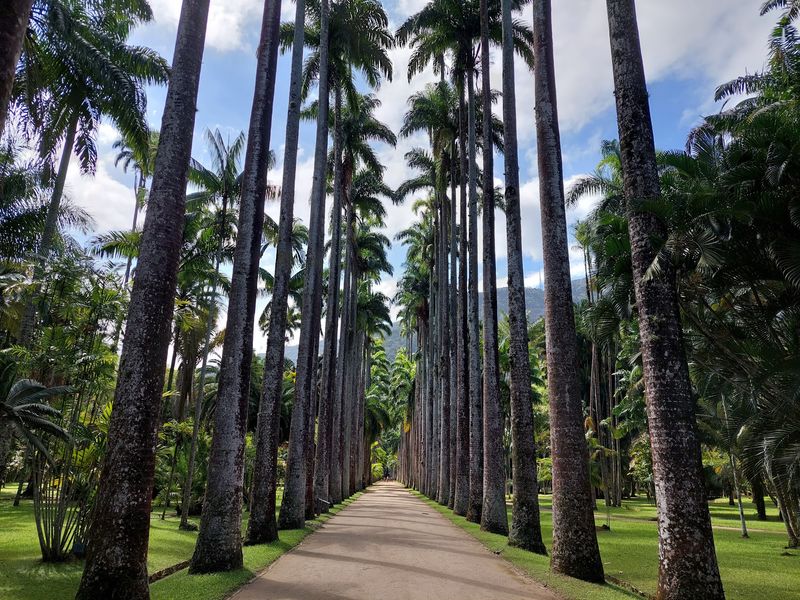
A long avenue of royal palms rises like a row of tall green pillars, and suddenly the busy city of Rio feels far away. This is the signature view of the Rio de Janeiro Botanical Garden.
Prince regent João of Portugal created the garden in 1808. He wanted a place to test and study plants brought from other lands.
That early work turned the site into an important center for plant science.
Today visitors can explore collections of orchids, bromeliads, ferns and meat-eating plants. The carnivorous plants always draw a crowd, since few people can resist a plant that snacks on insects.
Tall tropical trees make deep shade across much of the garden, which is a blessing on hot days. Listen closely and you may hear birds calling overhead, or spot a small monkey or other wildlife moving through the branches.
The garden is still a key place for Brazilian plant research. It helps protect the rich plant life of the Atlantic and Amazon forests.
Desert Botanical Garden, Phoenix, Arizona
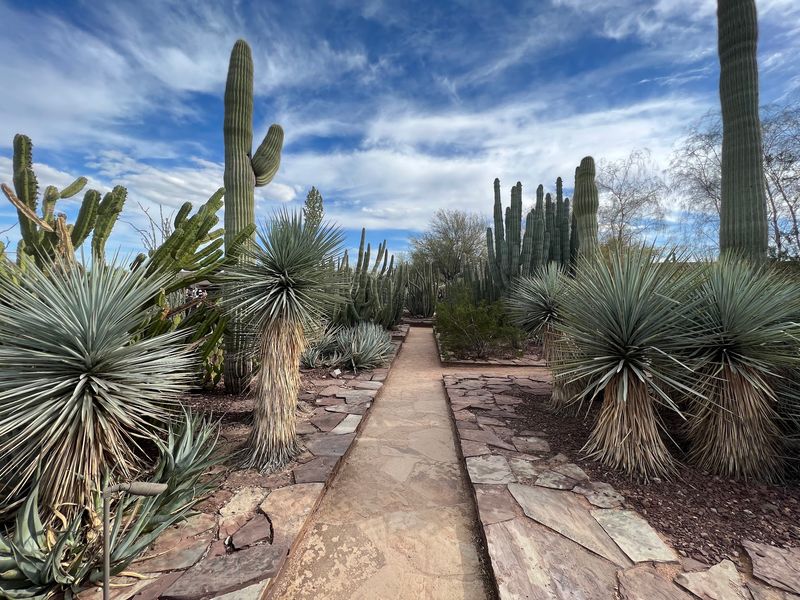
Who says a garden needs lush green lawns? In Phoenix, the stars wear spines.
The Desert Botanical Garden shows off plants that thrive where water is scarce and the sun is fierce.
Trails wind past towering saguaros, spiky agaves, yuccas, prickly pears and odd little succulents. Some plants look sculpted, while others look like they escaped from a cartoon.
Each one has clever ways to survive the heat.
The cactus collection is a real highlight. The garden says nearly three-quarters of the world’s known cactus species live in its collections.
Many are rare or threatened, so the displays matter for science as well as for looks.
Spring brings bright desert flowers in red, orange, yellow and pink. They pop against the tan soil and blue sky.
Visit early in the morning or near sunset to avoid the hottest hours, and carry water.
It feels unlike almost any other botanical garden, and that is exactly why it is special.
Missouri Botanical Garden, St. Louis, Missouri
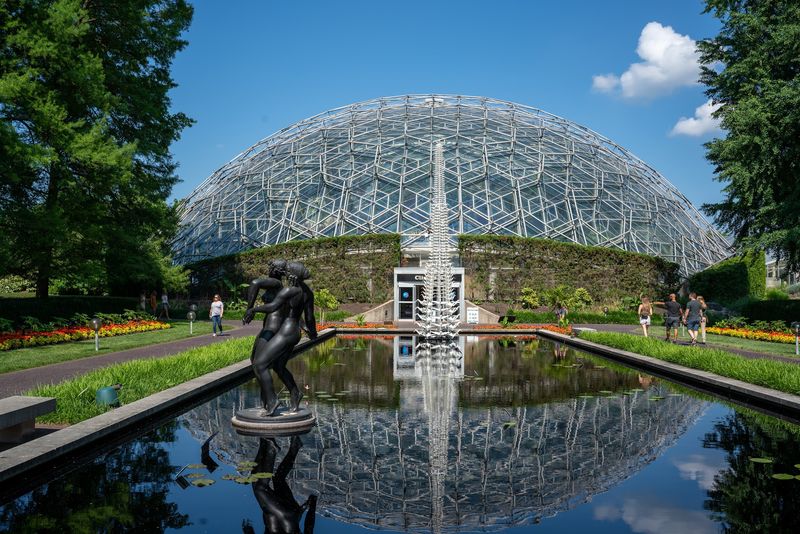
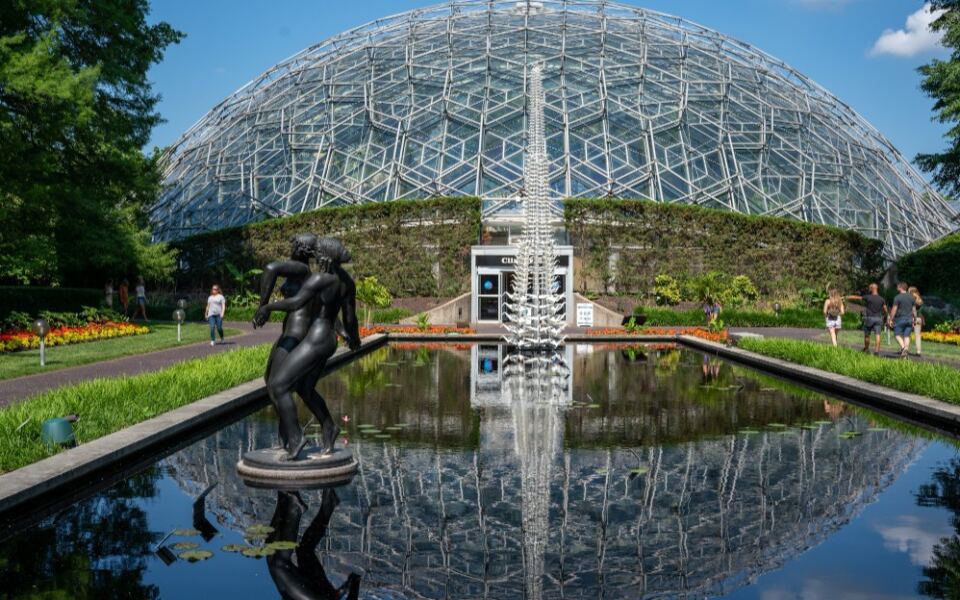
A giant geodesic dome sits in the middle of St. Louis, and inside it, a rainforest is growing. Meet the Climatron, the most famous feature of the Missouri Botanical Garden.
The garden dates back to the 19th century and covers 79 acres. Historic landscape design meets plants from around the globe.
Visitors pass Victorian buildings, Mediterranean plants and Chinese landscapes along the way.
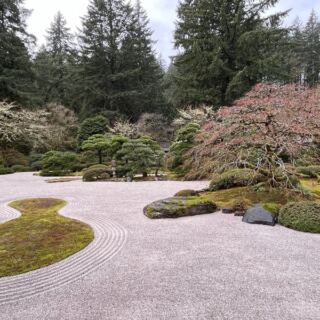
One highlight is a Japanese strolling garden, among the largest in North America. Paths curve around water and stones, inviting you to slow down and notice small details.
It is a great place to rest tired feet.
Plant fans will love the numbers. More than 27,000 plants can be found through the garden’s display database, and thousands of mature trees give the grounds a settled, grown-up feel.
Modern conservation work happens alongside the historic horticulture here. That blend makes this garden one of the most important botanical institutions in America.
Royal Botanic Gardens, Peradeniya, Sri Lanka
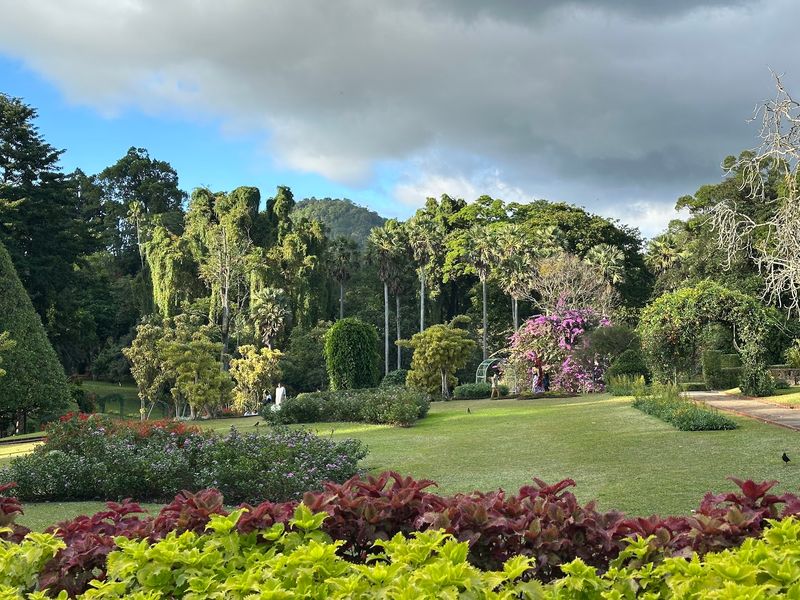
Peradeniya sits inside a wide bend of the Mahaweli River near Kandy, and the setting alone is worth the trip. Add more than 4,000 plant species across about 147 acres, and you have a tropical giant.
Orchids, palms, spices, medicinal plants and huge tropical trees all grow here. Walk the famous palm avenues and you will see long green tunnels that make perfect photos.
The palm collection includes more than 200 species.
Then there is the Java fig. This enormous tree spreads across the Great Lawn and casts a wide patch of shade. Families often sit beneath it, which says a lot about how inviting it feels.
The orchid house is another stop. It holds both cultivated varieties and tropical species, so the colors and shapes keep changing from one bench to the next.
The site was linked to Kandyan royalty long ago. It became a formal botanical garden during the British colonial period.
Jardín Botánico de Bogotá, Bogotá, Colombia
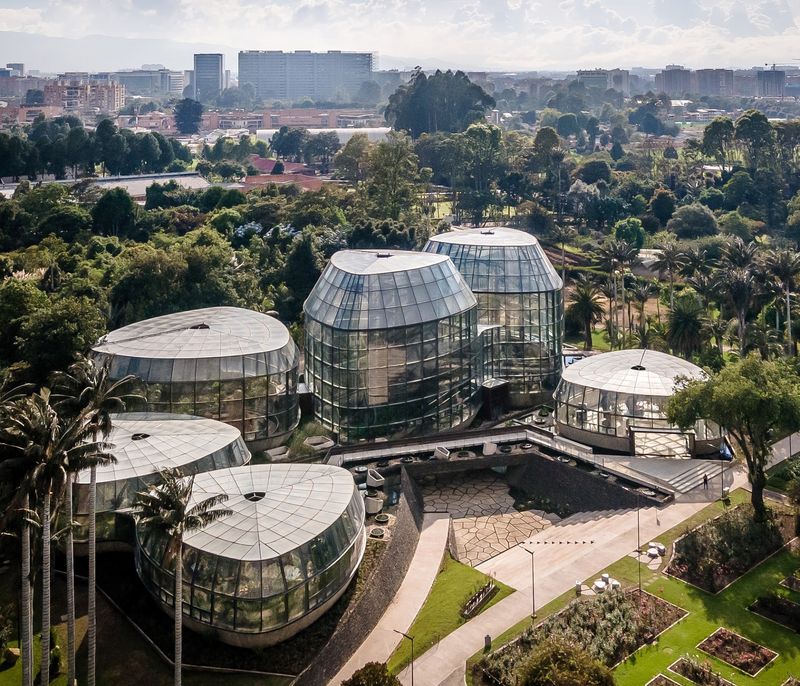
Colombia’s high Andes are packed with strange and beautiful ecosystems, and Bogotá’s botanical garden brings them together in the city. It is a clever way to meet a whole country’s nature in a single afternoon.
The living collections include cloud forest, high-Andean woodland, wetlands, dry-adapted plants and páramo. Páramo is a special ecosystem found above the tree line, where cool mist and fuzzy plants rule.
The Tropicario greenhouse complex adds more Colombian environments. You can move from one climate to another without leaving the capital.
Look for orchids, wax palms, Andean oaks and tree ferns along the way.
Elevation changes shape life in Colombia, and the garden shows how. A few hundred meters up or down can mean a very different set of plants.
The garden lists 34 living collections. For anyone curious about one of the most biologically diverse countries on Earth, it makes an excellent first stop.
Sir Seewoosagur Ramgoolam Botanic Garden, Pamplemousses, Mauritius
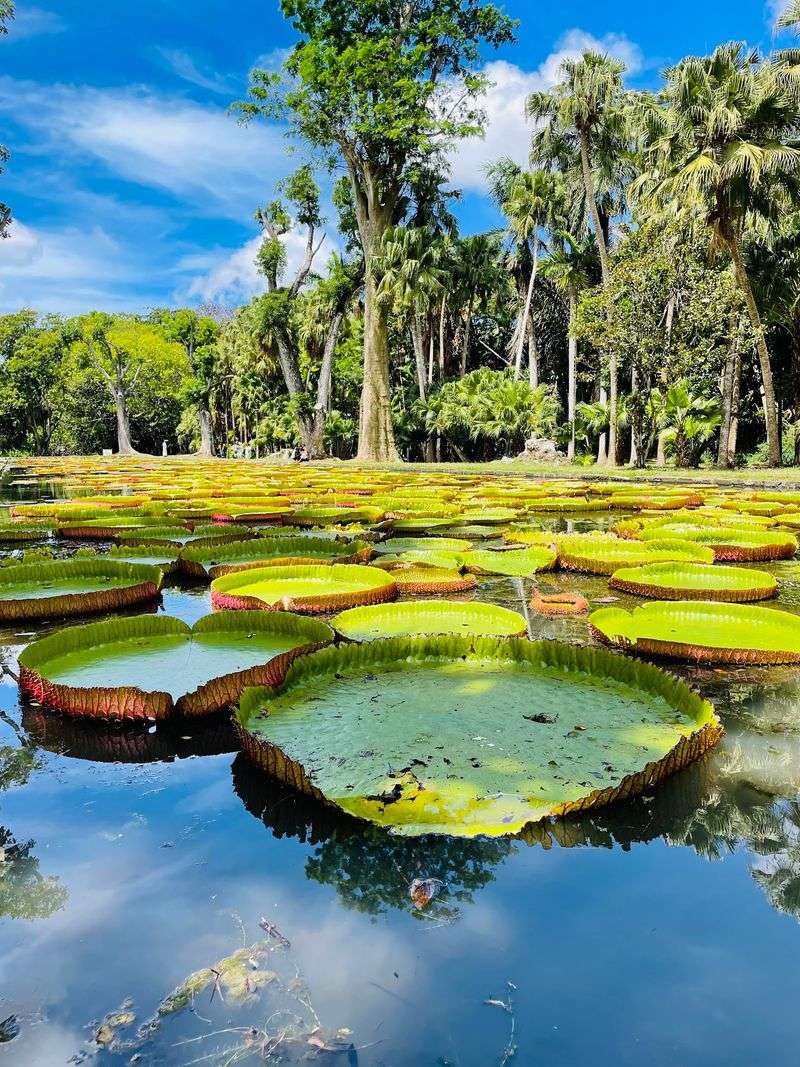
Giant floating leaves, wide enough to look fake, cover a pond in Mauritius. That famous scene belongs to the Pamplemousses garden, one of the oldest botanical gardens in the Southern Hemisphere.
In the 18th century, the garden became a hub for experimenting with tropical plants. That history gave it international importance.
Today its 33 hectares hold hundreds of species, including threatened plants from the Mascarene Islands.
Those Amazonian water lilies are the main attraction. Their huge round leaves float like green trays on the water.
Nearby, lotus ponds add soft pink blooms and a calm mood.
Palm lovers are in luck, too. The garden has around 80 palm species.
The talipot palm stands out, because it produces one of the largest flower clusters in the plant kingdom.
Go early to enjoy cooler air and fewer crowds. Bring a hat and keep your camera ready.
New York Botanical Garden, New York City
Old-growth woods in the Bronx? Yes, really.
More than 250 acres of gardens and forest sit inside New York City, and that surprise is part of the fun.
The New York Botanical Garden opened in 1891. Its living collections now top a million plants.
Visitors find magnolias, roses, azaleas, conifers, orchids and water lilies, plus seasonal displays that change through the year.
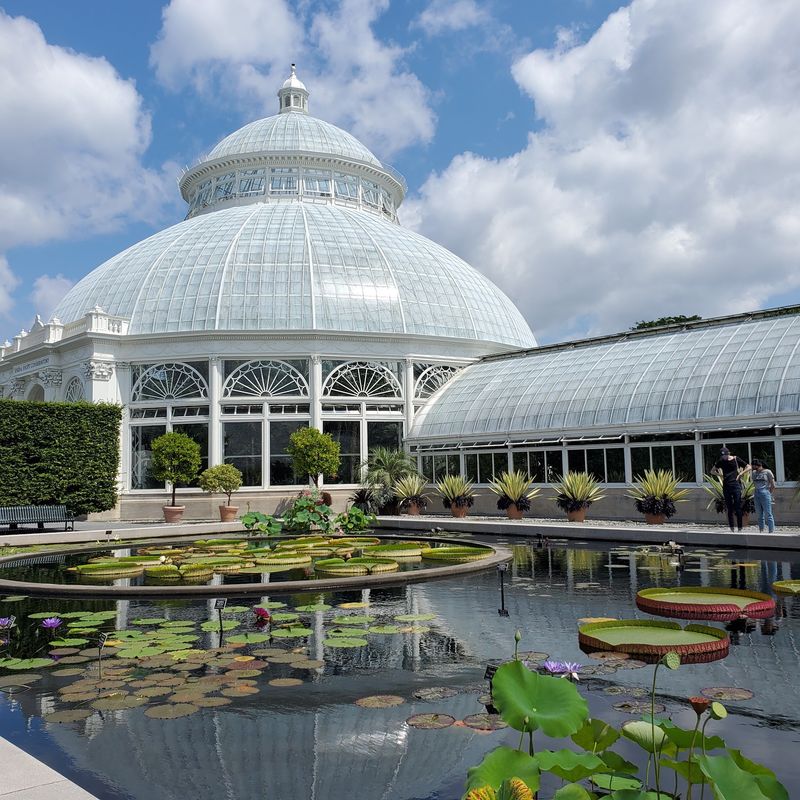
The Enid A. Haupt Conservatory is a landmark.
Under its glass, tropical and desert environments sit side by side, so you can go from steamy jungle to dry cactus land in minutes.
Then there is the 50-acre Thain Family Forest. It keeps a rare piece of the woodland that once covered much of the region.
Walking there, you may forget that skyscrapers are nearby.
Spring is a gorgeous time to go, when blossoms fill the grounds. Wear good shoes, because the garden is big.
Madeira Botanical Garden, Funchal, Portugal
Madeira is nicknamed the island of eternal spring, and its botanical garden shows why. Mild weather keeps colors popping for much of the year.
The garden opened in 1960 on a hillside above Funchal. It holds more than 2,000 exotic plants from around the world, including some that are threatened in the wild.
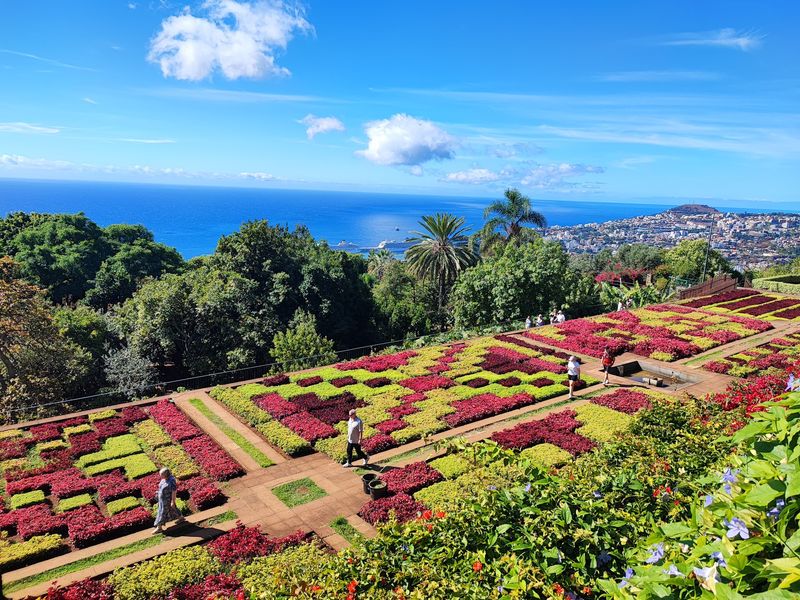
Orchids, ornamental shrubs and palms fill the beds, along with neatly patterned flower displays.
The views are a big part of the charm. From the viewpoints, you look over the city, the mountains and the blue Atlantic.
Funchal spreads below like a natural amphitheater, and it makes a great photo backdrop.
Paths move between carefully designed sections and open lookouts, so there is a nice rhythm of strolling and stopping. Take your time and let the scenery sink in.
Research and conservation remain central to the garden’s mission. Beauty and purpose grow together here.
National Botanic Garden of Wales, Carmarthenshire, Wales
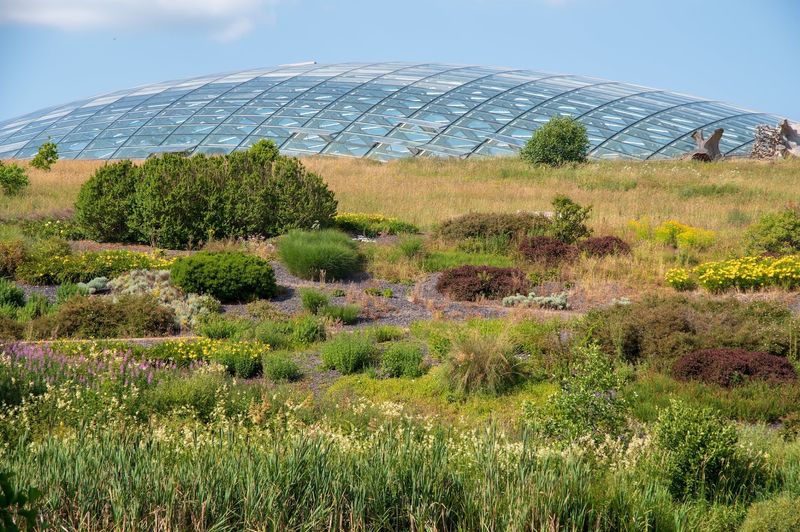
One enormous glass dome rules the National Botanic Garden of Wales. The Great Glasshouse was designed by Foster and Partners, and the garden calls it the world’s largest single-span glasshouse.
Do not expect a steamy rainforest inside. The plants come from Mediterranean-climate regions instead, including South Africa, Chile, California, Australia, the Canary Islands and the Mediterranean Basin.
Here is a neat fact. These regions cover only a small part of Earth, yet they hold a surprisingly large share of its flowering plant diversity.
That makes the glasshouse a treasure chest of blooms.
Inside, rocky terraces and carefully managed conditions mimic the places where many rare and threatened species grow. Wander the paths and you will pass flowers from several continents in a few easy minutes.
The dome is both a striking building and a showcase for plant conservation. Visit on a rainy Welsh day and you will barely notice the weather.
Share this story