Gray skies and icy sidewalks can make anyone dream of a getaway. The good news is that you can chase the sun and still explore palaces, ruins, and museums.
From volcanic islands to desert capitals, these destinations offer warm light and rich history. Pack a light jacket, a curious mind, and sunglasses.
Seville, Spain
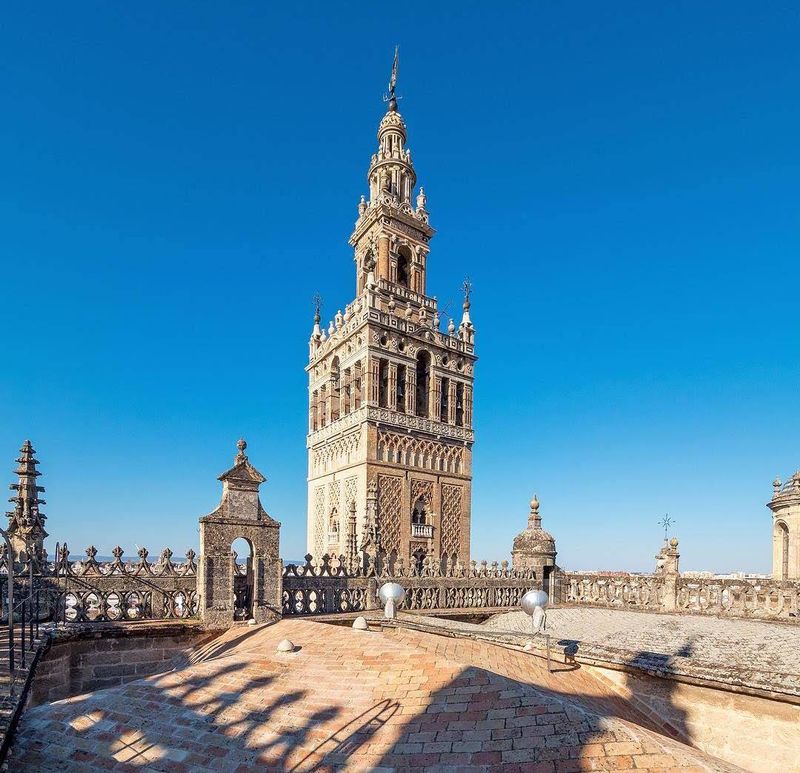
Orange trees line the streets of Seville in winter, and the fruit hangs like tiny lanterns against blue sky. Daytime weather is mild, so long walks feel easy instead of sweaty.
That makes the monumental center a joy to explore on foot.
The Alcázar, the cathedral, and the Archivo de Indias form a UNESCO-listed trio. Together they tell tales of kings, churches, and ships that sailed to the Americas.
Plan a full morning for the Alcázar alone, since its courtyards and gardens reward slow wandering.
Cross the river to Triana for ceramic shops and lively tapas bars. Many visitors say the neighborhood feels like a local secret, even though it sits just minutes from the big sights.
Evenings are the time for flamenco, when guitars and stomping feet fill small rooms with heat that no thermometer can measure.
Winter evenings can turn cool, so bring a scarf for outdoor dinners. Order a plate of jamón, some fried fish, and a small glass of sherry.
Reserve cathedral tickets ahead, because lines can still form even in the quieter months.
Marrakech, Morocco
Smell first, see second: that is how Marrakech greets you. Cinnamon, grilled meat, and mint tea drift through the medina alleys while scooters buzz past.
Winter days are bright and pleasantly warm, though nights can get chilly.
Jemaa el-Fna is the beating heart of the old city. By day it hosts snake charmers and juice sellers, and after sunset it becomes a giant open-air kitchen.
Grab a rooftop seat to watch the show from above and save your ears a little.
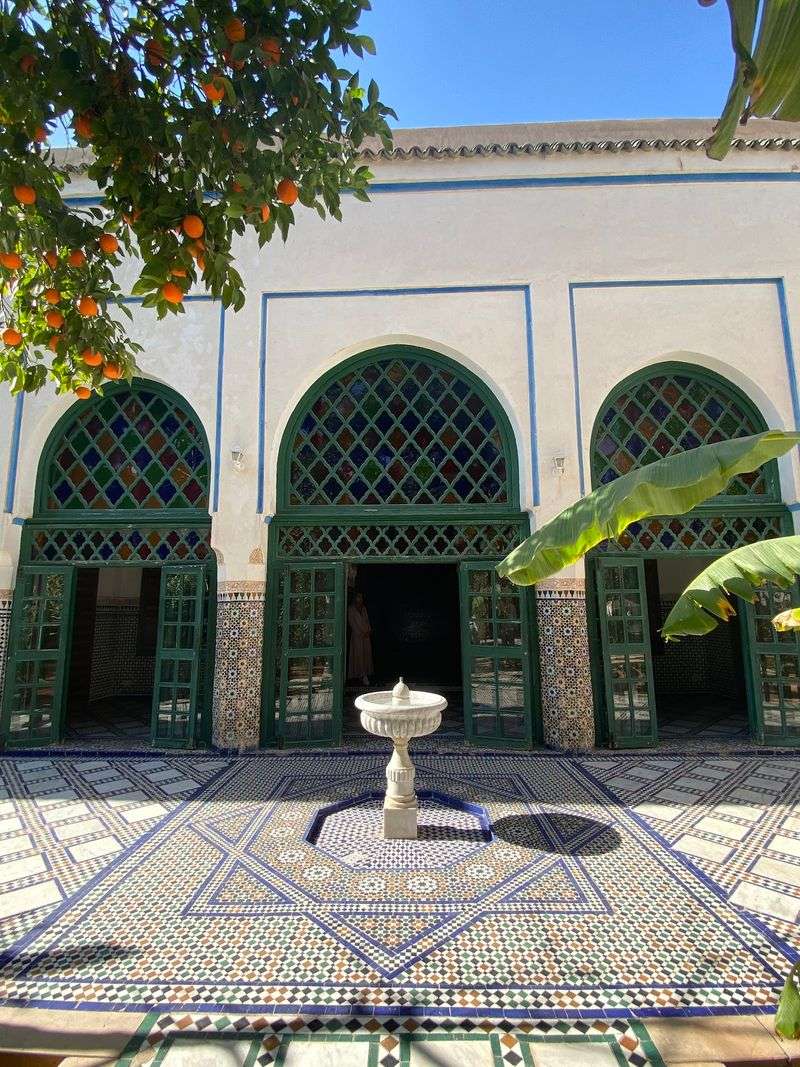
Visit the Bahia Palace for carved cedar ceilings and quiet courtyards. The Majorelle Garden offers cobalt blue walls and cactus lined paths.
Both are easier to enjoy in cooler months when queues are shorter.
Stay in a riad, a traditional house built around a courtyard. Many have tiny pools and breakfast terraces.
Bring layers for the evening and practice a few bargaining phrases before heading into the souks.
Valletta, Malta
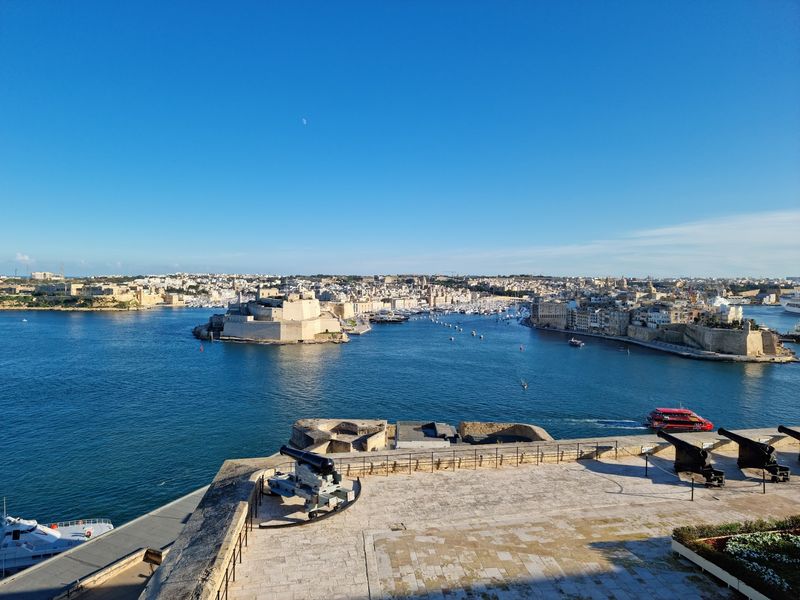
Honey-colored stone glows at sunset in Valletta, and the whole city seems lit from within. This tiny capital packs fortresses, churches, and palaces into a few walkable streets.
Winter weather calls for a light jacket, not a swimsuit.
St. John’s Co-Cathedral looks plain outside and astonishing inside. Its floor is made of inlaid tombstones, and the ceiling is covered in painted scenes.
Caravaggio’s famous painting hangs in the oratory next door.
Head to the Upper Barrakka Gardens for a view over the Grand Harbour. On clear days you can spot the fortified Three Cities across the water.
A noon cannon salute adds a loud, fun moment.
Crowds are thin in winter, so museums and cafés feel relaxed. Try a warm pastizzi from a corner shop for pocket change.
Wear comfortable shoes, since the streets are steep and the stairs are many.
Funchal and Madeira, Portugal
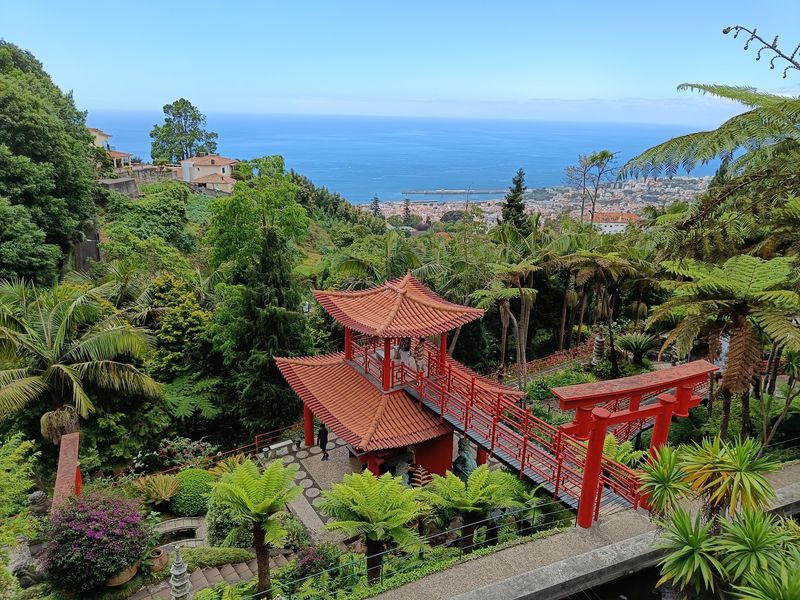
Madeira has a secret: it stays green while the rest of Europe turns brown and gray. Winter highs hover in the upper teens Celsius, which is perfect for hiking.
Pack sturdy shoes instead of flip-flops.
Funchal is the lively capital, with a flower-filled old town and a busy fruit market. Taste a custard apple or passion fruit straight from a stall.
Then try espetada, beef skewers grilled over a fire.
The island’s levadas are old irrigation channels with walking paths beside them. Some trails are easy and flat, while others cling to dramatic cliffs.
Check conditions locally, since rain can make paths slippery.
Boutique hotels with ocean terraces make evenings feel special. Sip a glass of Madeira wine, a fortified treat with a long history.
The cable car above Funchal gives wide views and a fun ride.
Muscat, Oman
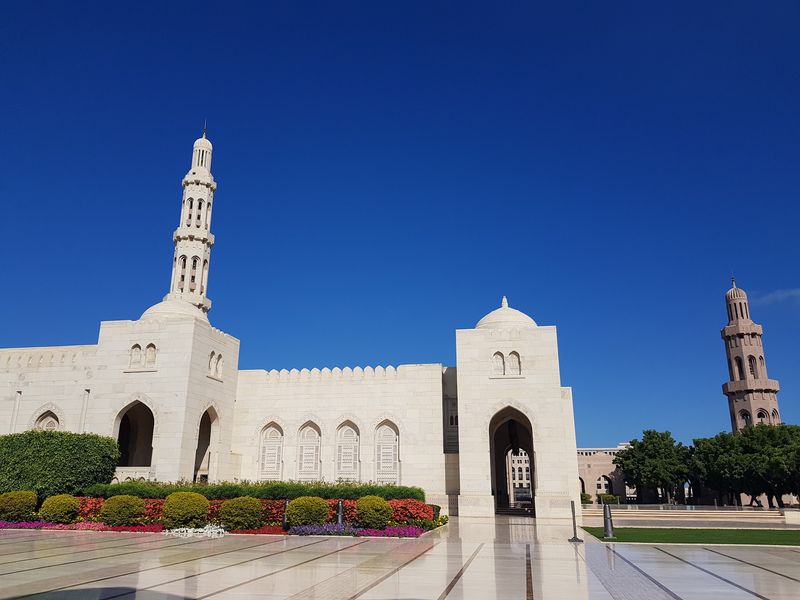
Winter in Muscat feels like a perfect summer day elsewhere. Highs sit around the mid-20s Celsius, with blue skies and a gentle sea breeze.
Rugged mountains meet the coast, giving the city a dramatic backdrop.
Sultan Qaboos Grand Mosque is the showpiece, with a giant chandelier and a hand-woven carpet. Visitors should dress modestly and check opening hours.
The marble courtyard is bright, so sunglasses help.
Mutrah Souq is the place for frankincense, silver daggers, and sweet dates. Follow your nose through the winding lanes and sample halwa, a sticky local dessert.
Then stroll the Corniche as fishing boats bob nearby.
Oman rewards those who go beyond the city. Desert camps offer star-filled nights, and mountain villages offer cool air and terraced gardens.
Muscat is calm, polite, and surprisingly easy for first-time visitors.
Palermo, Sicily, Italy
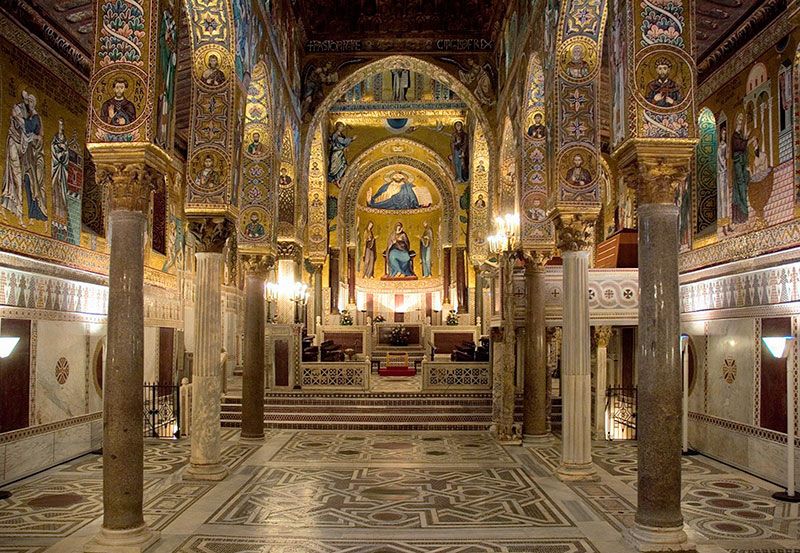
Palermo is a city that argues loudly, eats well, and never apologizes. Winter weather is mild, so sightseeing feels easy and breezy.
Hotel prices also drop compared with summer.
Arab, Norman, and Baroque styles are layered on top of each other here. The Palatine Chapel glitters with golden mosaics, and the nearby Norman Palace shows royal rooms.
The cathedral mixes several centuries in one mighty building.
Street food is half the fun. Try arancine, panelle, and a pastry filled with sweet ricotta.
Markets such as Ballarò and Capo burst with noise, color, and sellers shouting about fresh fish.
Walk the old center slowly and look up at crumbling palaces and iron balconies. Bring a light coat for evenings and a good appetite at all times.
Palermo is not polished, and that is exactly its charm.
Tenerife, Canary Islands, Spain
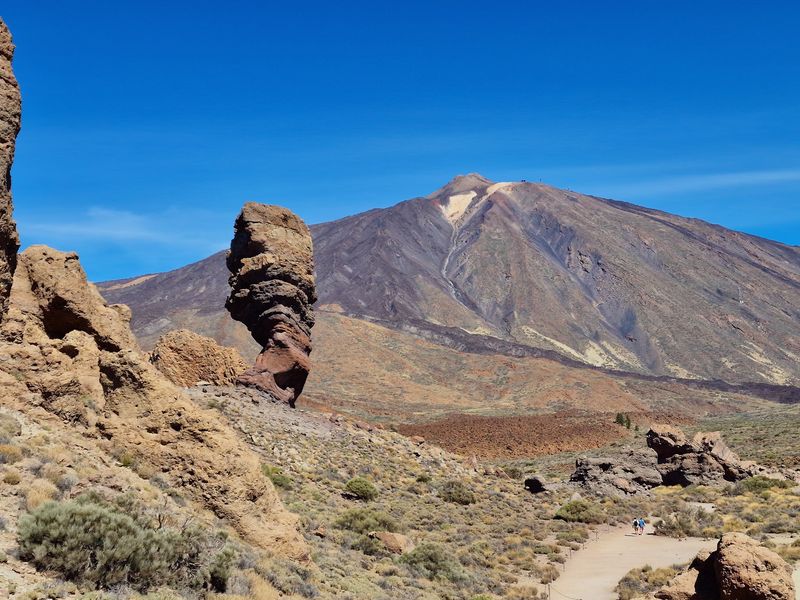
Tenerife has its own mountain weather machine. While the south bakes in sunshine, clouds may hug the northern slopes.
January highs in the south average around 22°C, so beach time is real.
Culture hides in the north. La Laguna is a UNESCO-listed town with colorful colonial houses and quiet plazas.
Wander its streets and peek into courtyards with carved wooden balconies.
Then head to Mount Teide, the tall volcano at the island’s center. The landscape looks like another planet, full of lava rocks and strange colors.
Take the cable car near the top, but book early and bring a jacket.
Canarian food is a treat. Try wrinkled potatoes with spicy mojo sauce and fresh grilled fish.
Rent a car to switch between pool, peak, and old town in a single day.
Paphos, Cyprus
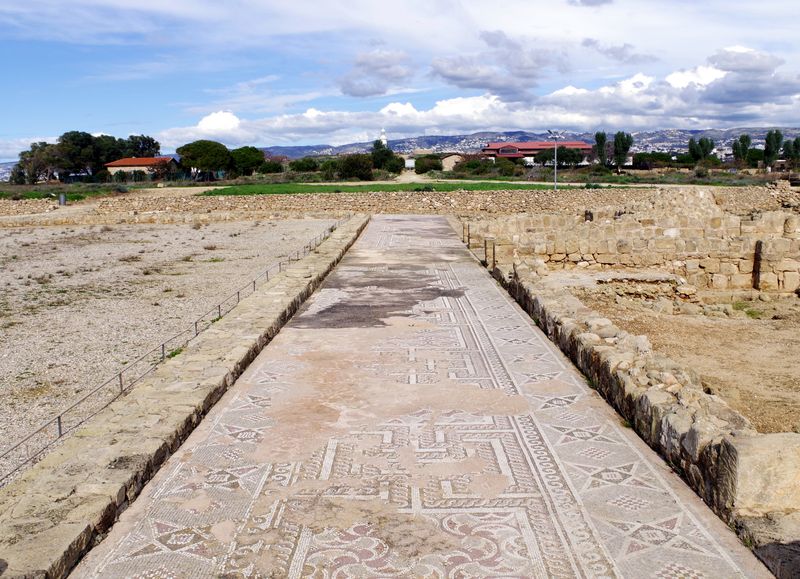
Under your feet in Paphos, ancient artists are still showing off. Roman villas here hold mosaics so well preserved that the colors still pop.
The whole archaeological park sits beside the sea.
Winter is gentle, with mild days that suit exploring. Beach swimming is not guaranteed, but sunny walks along the harbor are.
Pack a light sweater and sunglasses.
The Tombs of the Kings are carved into rock and look like underground palaces. Kids and adults love climbing in and out of the chambers.
Early morning is quietest and the light is lovely.
Drive the coast when skies are clear, stopping at rocky coves and small villages. Try halloumi, grilled and salty, with a squeeze of lemon.
Paphos feels relaxed, friendly, and refreshingly unhurried in the off season.
Luxor, Egypt
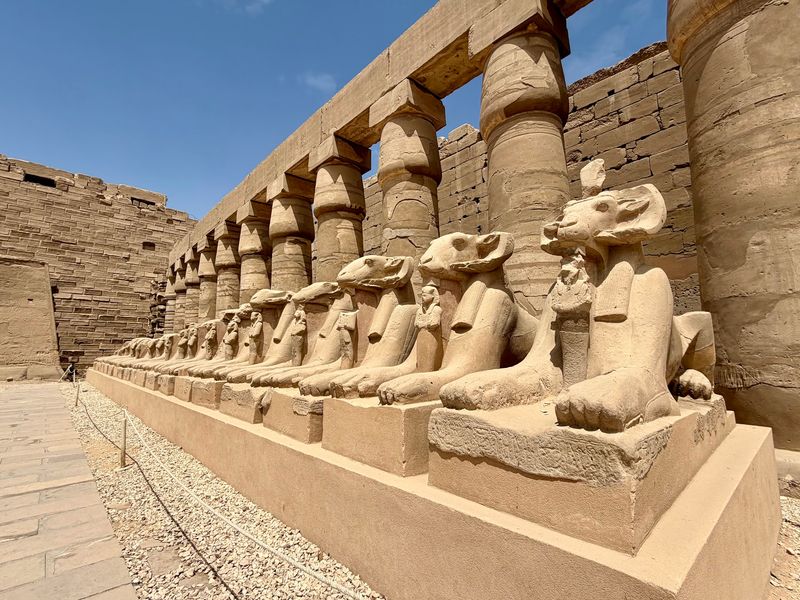
Imagine a museum with no roof and a river running through it. That is Luxor, where temples and tombs stretch across both banks of the Nile.
Winter skies are dry and clear.
On the east bank, Karnak Temple wows with a forest of giant columns. Luxor Temple glows at night when lights hit the stone.
Visit near sunset for softer light and cooler air.
The west bank holds the Valley of the Kings, where pharaohs were buried in painted tombs. Cameras are often limited inside, so just look and soak it in.
Bring water and a hat, since the sun is still strong.
A hot air balloon ride at dawn shows the whole landscape. Afterward, sip sweet tea at a riverside café.
Luxor is a place where warmth comes with a side of wonder.
Lanzarote, Canary Islands, Spain
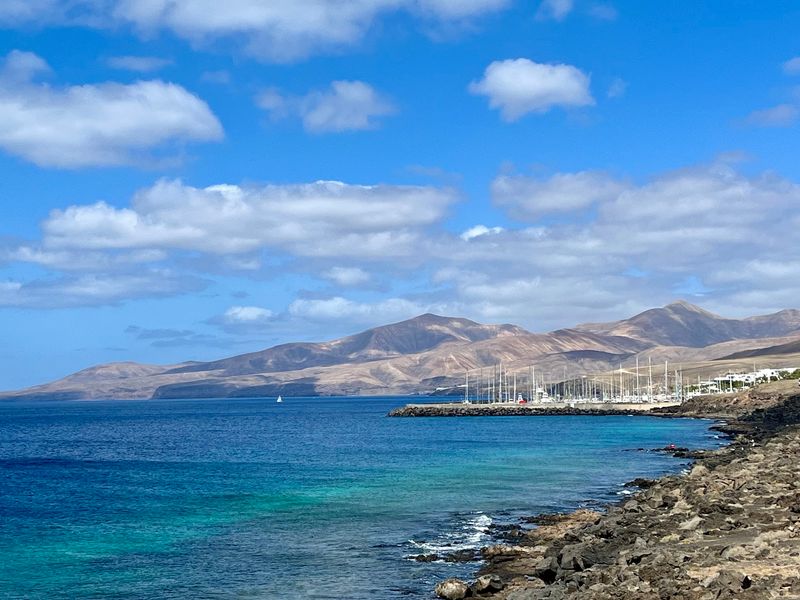
Black lava, white houses, and a blue sky: Lanzarote looks like a bold graphic poster. Winter temperatures hover around 20°C, with little rain.
It is a sunny, windswept island with plenty of character.
Artist César Manrique shaped much of what you see. He blended buildings into caves and lava tubes, and he kept ugly billboards away.
Jameos del Agua and his former home are favorites.
Timanfaya National Park shows how raw the island’s volcanic power is. Ground heat near the surface is strong enough to cook food.
Join a bus tour through the lunar scenery.
Vineyards grow in small pits lined with black ash. Visit a winery for a tasting of crisp white wine.
Beaches are lovely, but the real joy is the island’s strange beauty.
Málaga, Spain
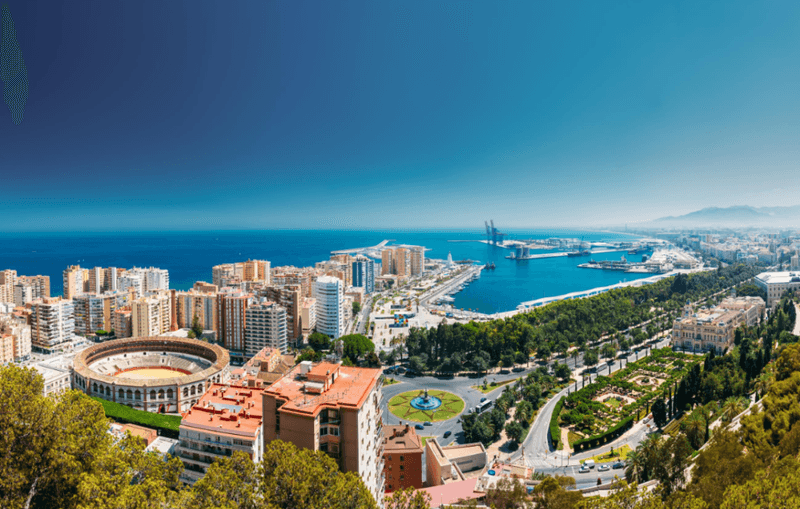
Picasso was born here, and the city has not stopped being creative since. Málaga mixes Roman, Moorish, and Renaissance sights in a compact center.
Winter afternoons are often warm enough for lunch outside.
The Alcazaba fortress rises above the old town, with a Roman theater at its base. Climb up for views of the port and the sea.
Gardens and fountains make the walk pleasant.
The Picasso Museum anchors a lively art scene. Newer galleries have popped up across the city, so rainy hours are easy to fill.
The waterfront promenade stays busy even when swimming is off the menu.
Sit down for fried anchovies and a glass of sweet Málaga wine. Tapas bars here are casual and cheap.
The city is flat and walkable, making it great for a relaxed winter break.
Gran Canaria, Canary Islands, Spain
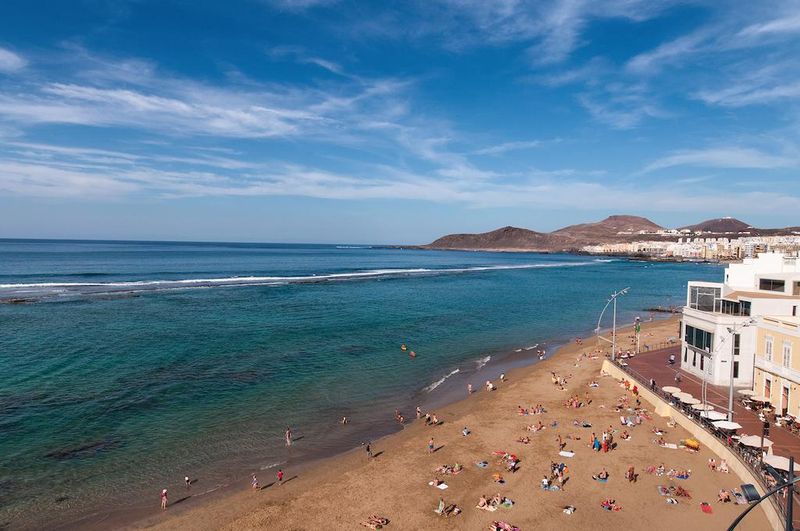
Gran Canaria is often called a miniature continent, and one day on the road proves it. Southern beaches stay warm, often above 20°C.
Mountains and old towns wait just a short drive away.
Start in Las Palmas, in the Vegueta district. Colonial houses, plazas, and small museums tell the island’s story.
Columbus is said to have stopped here, and a museum celebrates the link.
Inland, villages cling to hillsides and offer hearty stews. Archaeological sites show how the island’s first people lived in caves.
Volcanic landscapes bring dramatic photos and good hiking.
The Maspalomas dunes look like a mini Sahara beside the sea. Walk them at sunrise for cooler air and fewer people.
Splitting time between terrace and old town is simple and satisfying.
Athens, Greece
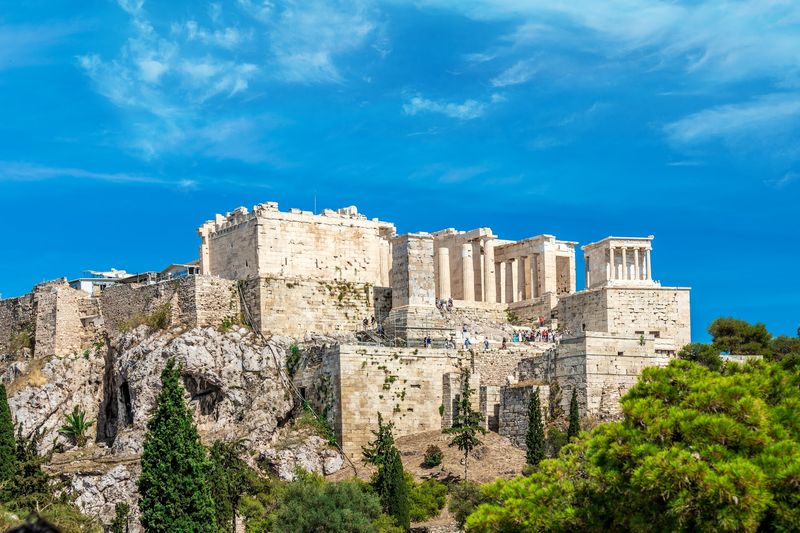
Winter in Athens comes with a bonus: elbow room. The Acropolis is far less crowded, and the light is clean and clear.
Weather is cooler than in the Canaries, but ideal for walking.
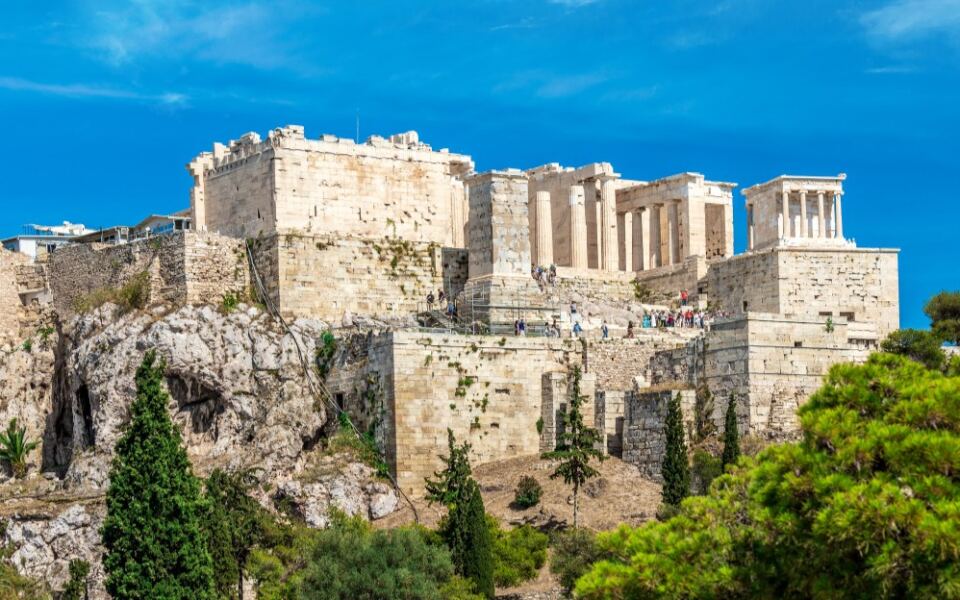
Climb to the Parthenon in the morning and let your eyes follow the city below. Then explore the Ancient Agora, where philosophers once argued in the open air.
The National Archaeological Museum is a perfect rainy-day backup.
Plaka and Monastiraki stay lively all season. Browse small shops, then stop for a hot cup of Greek coffee.
Tavernas serve grilled meats, salads, and warm bread year-round.
Bring a jacket for the evening and comfortable shoes for marble steps, which can be slick. Athens will not promise beach weather, but it delivers atmosphere.
Sunsets over the ancient hill are free and unforgettable.
Cartagena, Colombia
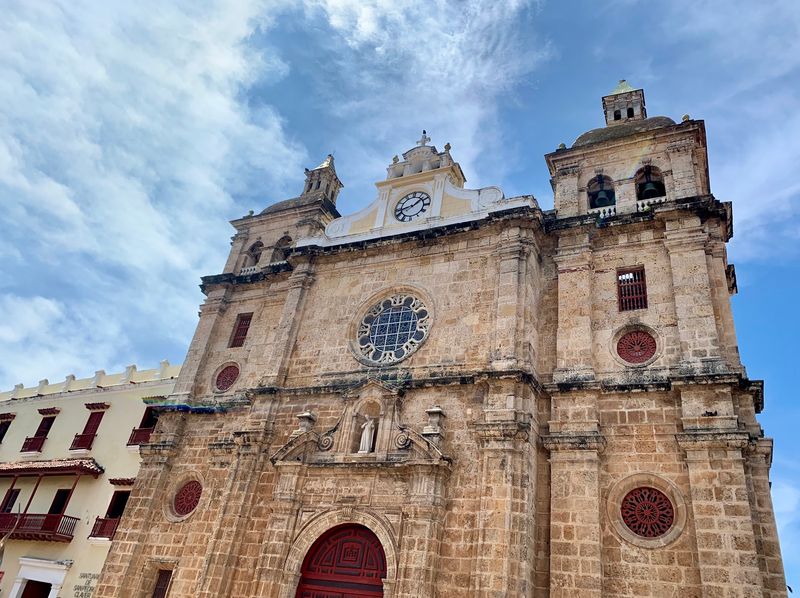
Salsa drifts out of open doorways, and flowers spill off every balcony. Cartagena is tropical, with daytime temperatures near 30°C.
Winter in Europe is one of the city’s drier seasons.
The walled old town is a UNESCO site full of colorful colonial buildings. Walk the thick fortress walls at sunset for sea breezes and big views.
Plazas fill with music and street snacks after dark.
The Castillo de San Felipe de Barajas shows off the city’s military past. Go early, because stone steps get hot.
Bring water and a hat.
Boat trips reach the Rosario Islands for clear water and beach time. Back in town, try fresh ceviche and a glass of lulo juice.
It is a long flight, but the payoff is real heat and real culture.
Crete, Greece
Crete in winter is quiet enough to hear the olive trees rustle. Temperatures sit in the mid-teens Celsius, which suits walking more than sunbathing.
Crowds are gone, and prices are friendlier.
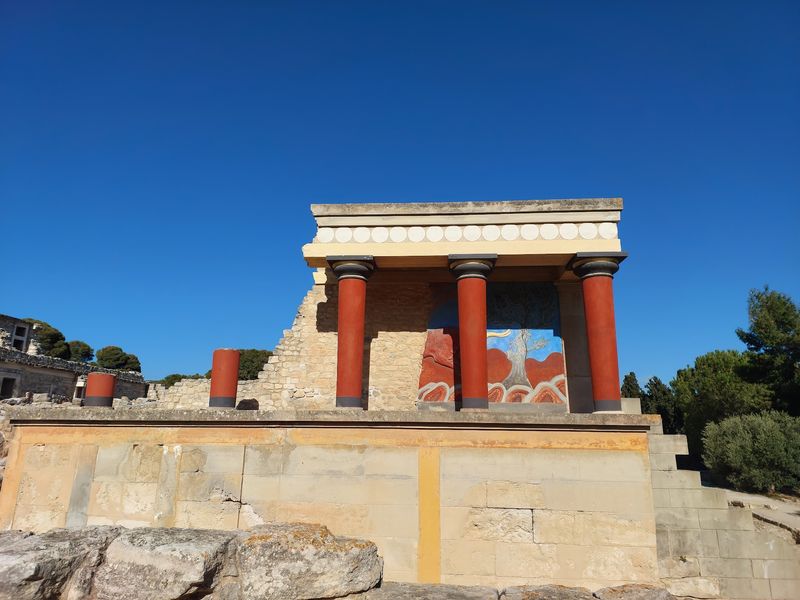
Heraklion is home to the Minoan palace of Knossos. Its red columns and painted walls reveal a civilization from thousands of years ago.
The city’s archaeological museum is one of the best in Greece.
Chania charms with its Venetian harbor and lanes full of small shops. Stroll the waterfront to the lighthouse, then duck into a café for warm pastry.
Mountain villages inland offer hearty stews and friendly locals.
Hiking is easier now that summer heat has vanished. Try the Samaria area if open, or choose a gentler coastal path.
Crete rewards slow travelers who love history, food, and calm.
Share this story