Imagine walking into a room where one candle can light up a whole ceiling like a night sky. That room is real, and it sits inside Amber Palace near Jaipur, India.
This hilltop fortress has mirrored halls, giant gates, and lake views that make visitors gasp. Here are ten things that make it unforgettable.
The Sheesh Mahal Sparkle Room
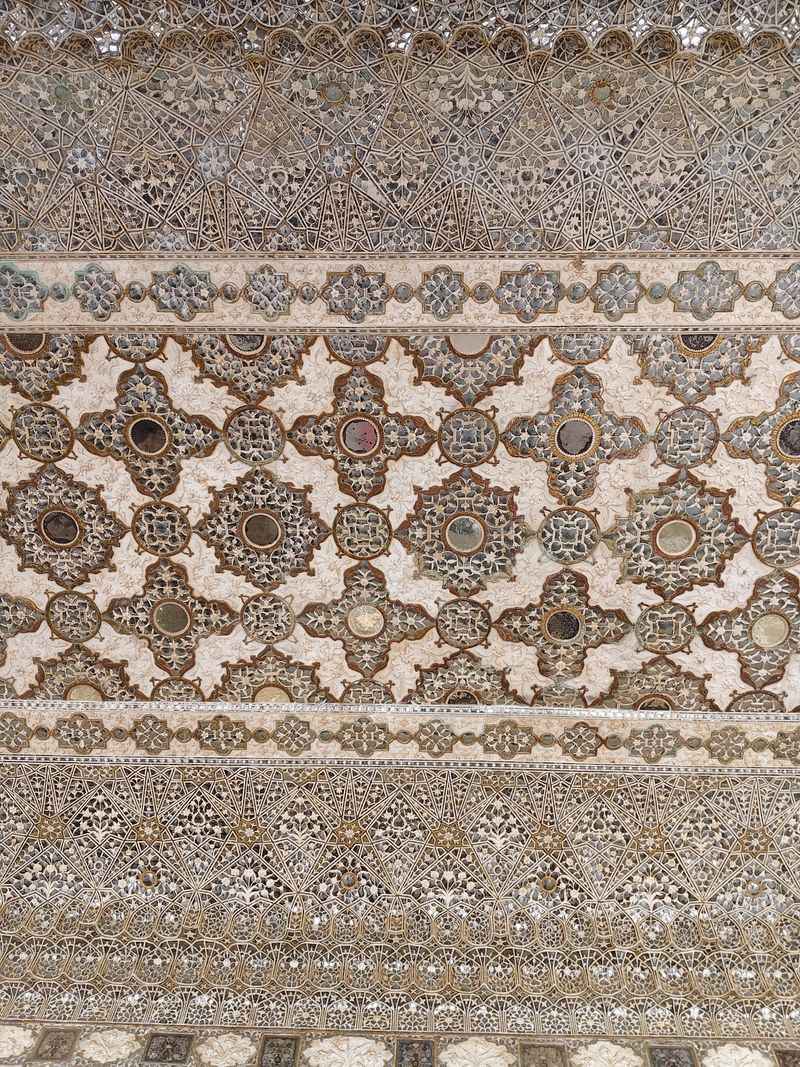
Step inside the Sheesh Mahal and the walls seem to glitter back at you. Thousands of tiny mirrors cover the ceiling and walls, set into smooth plaster in flowery patterns.
One reviewer said it felt magical, and honestly, that is hard to argue with.
Here is the clever part. Long ago, a single candle flame bounced off every little mirror and made the whole hall look like a sky full of stars.
Some visitors say the glass came from Murano in Venice, and some pieces are said to be quite large.
Photos can be tricky in here because the mirrors catch every light. Try stepping slowly and tilting your phone to avoid a flash blob.
A little patience pays off with some seriously dazzling shots.
Crowds gather fast in this hall, so go early if you can. Visiting in the morning gives you more room to stare upward without bumping elbows.
Look closely at the carved panels too, because the details are just as fancy as the glitter. Plan a few quiet minutes here, since many people call it the best part of the whole palace.
A Hilltop Fortress From the 1500s
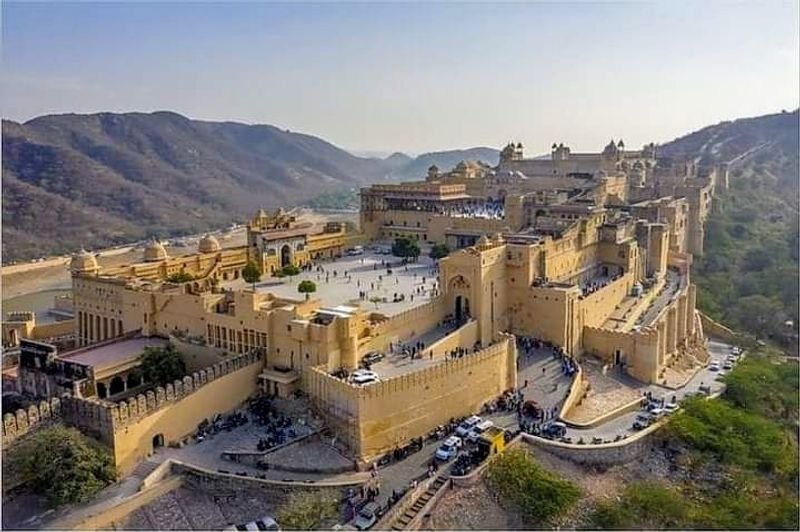
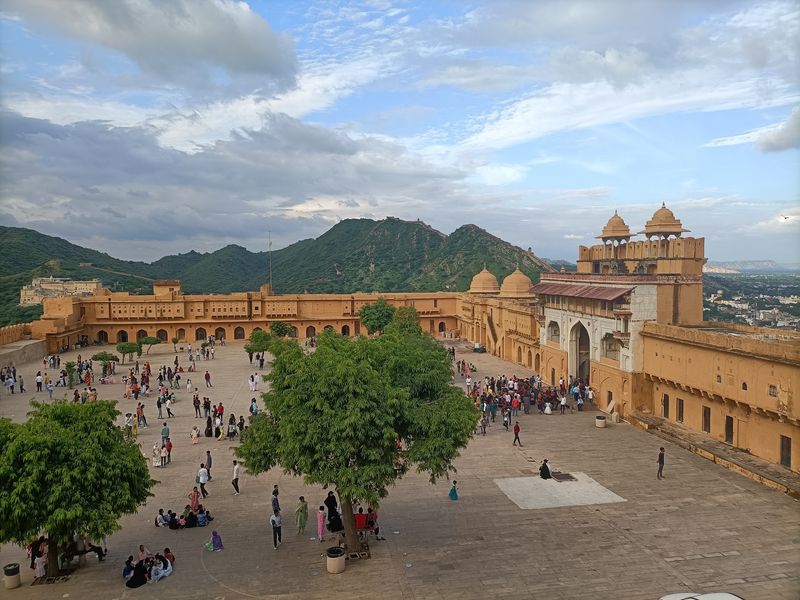
Back in 1590, builders began stacking stone on a rocky hill in Rajasthan. It took about 25 years to finish, and the result still looks mighty.
Amber Palace was a home for royal families and a place to meet guests.
Sometimes it is called Amer, and both names are correct. The palace mixes Hindu and Muslim styles, so you will spot arches, carved screens, and marble details side by side.
Kings used it as a summer palace, so the design helped keep rooms cooler. Water channels once ran through parts of it, which is pretty smart for a desert state.
Give yourself two to three hours to see it properly. The place is big, and the paths include stairs and ramps.
Comfortable shoes are a must, since your feet will be doing a lot of the work. Bring water too, because the sun gets strong by midday.
Standing in the courtyards, you can almost hear royal footsteps. History here feels close enough to touch.
Elephant Rides Up the Slope
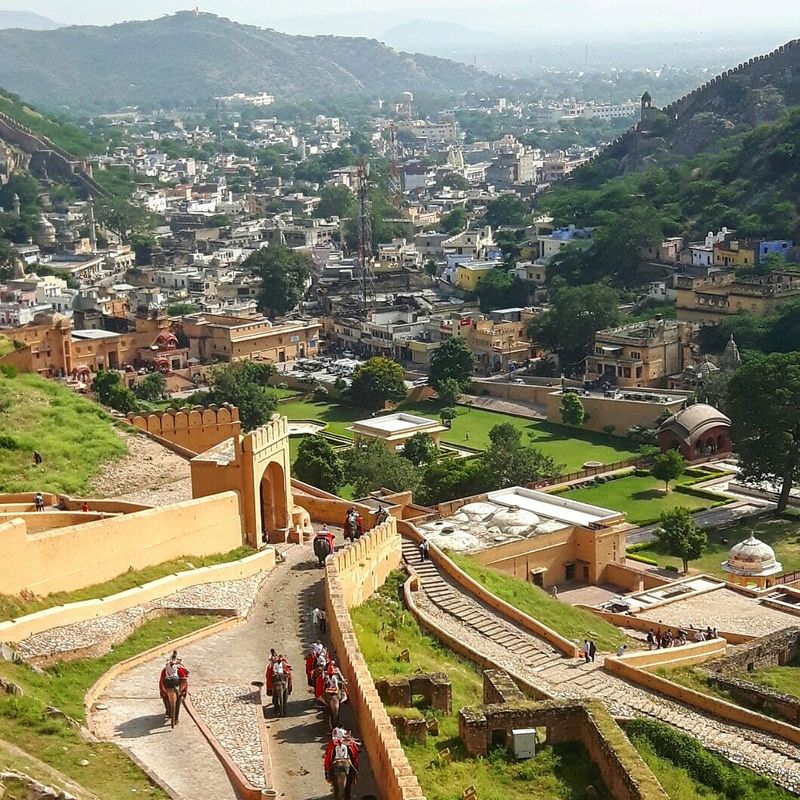
Nothing says arrival like swaying uphill on a painted elephant. This ride is one of the most talked-about parts of the visit, with well over a thousand mentions from travelers.
Many people remember it long after they leave.
The elephants climb the main ramp toward the palace entrance. It is slow, bumpy, and very photogenic.
Not everyone loves the idea, and that is fine. Plenty of visitors choose other ways up, so you have options.
Jeeps are a popular choice and cost around a few hundred rupees per ride, plus parking and tolls according to one traveler. Be ready for a very rough, bouncy trip.
If you have back or neck trouble, that might not be ideal.
Walking is another favorite. One visitor said the views on the climb are lovely and you notice more along the way.
A tip for jeep rides: many drivers expect about 100 rupees per person as a tip. Whatever you pick, start early so lines stay short.
Maota Lake Views
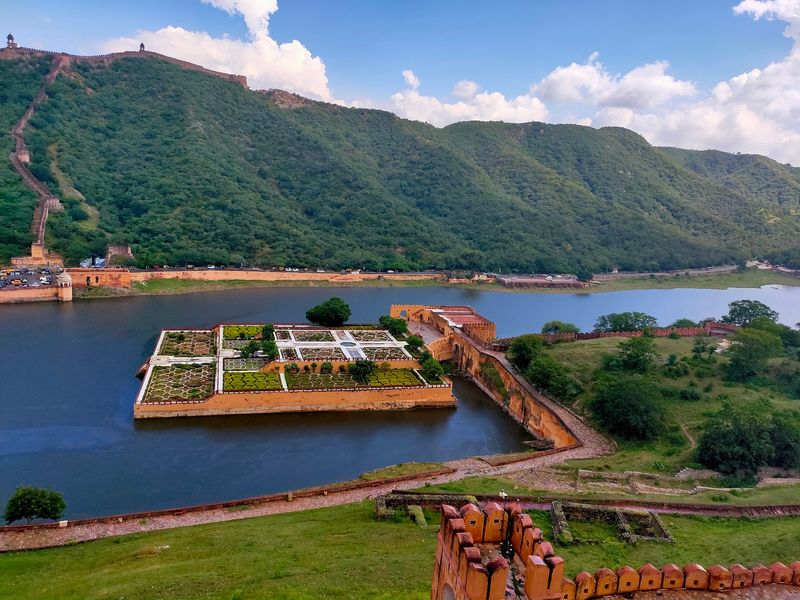
Lean over the wall and the whole valley opens up below you. Maota Lake shimmers at the foot of the hill, with a neat garden floating in its middle.
Visitors mention these views again and again.
The garden is called Kesar Kyari, and its patterns look tidy from above. Rugged green hills wrap around the scene like a frame.
Morning light is the best bet for photos. The air is cooler, the crowds are thinner, and the water looks calm and bright.
Every terrace gives a slightly different angle, so do not stop at the first one. Walk along the edges and keep your camera handy.
Late afternoon is lovely too, when the stone glows a warm gold.
Fun fact: the lake was once part of how the palace got its water. Take a moment to just stand still here.
A few quiet breaths while looking at that view might be the best souvenir you bring home.
Ganesh Pol, the Painted Gateway
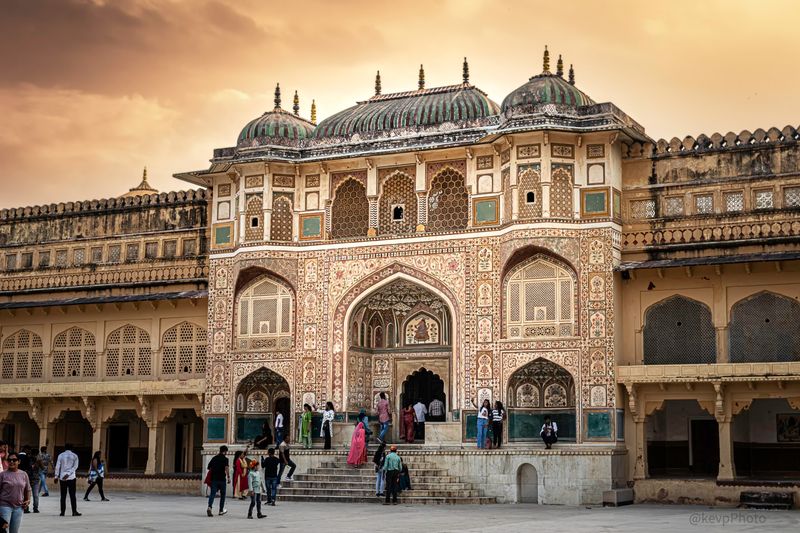
Look up before you walk through. Ganesh Pol is a grand gateway covered in painted designs and detailed mosaic work.
It leads into the private areas of the palace.
The gate is named for Lord Ganesh, who is shown above the entrance. Locals believe he brings good luck to anyone passing under him.
Colors here have lasted for centuries, which is rather impressive. Flowers, patterns, and tiny details fill nearly every inch.
Above the gate sits a lattice balcony. Royal women could watch events in the courtyard from there without being seen, which was a clever bit of planning.
Take your time under the arch. Most people rush through and miss the best carvings.
Stand a few steps back to take it all in, then move close to spot small details.
A guide can point out the hidden symbols if you are curious. Many reviewers say a guide at the fixed rate makes the stories come alive, so it can be a smart pick here.
Sukh Niwas and the Cooling Water Trick
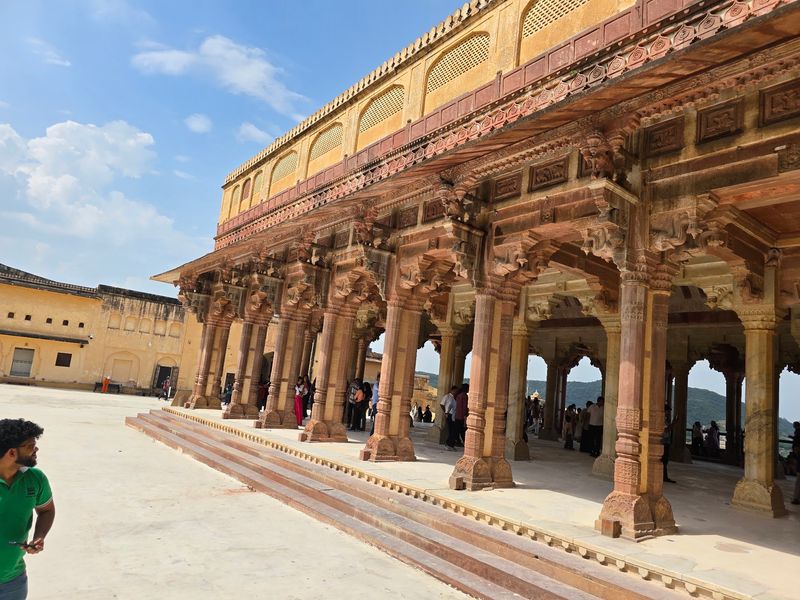
Long before air conditioners, Amber Palace had its own cooling plan. Sukh Niwas, the Hall of Pleasure, used flowing water to chill the rooms.
A channel ran through the marble, and cool breezes drifted across it.
The doors are carved from sandalwood and ivory in the style of that era. Even without the water, the hall feels calm and bright.
Rajasthan summers are fierce, so this design mattered. Royal families spent hot months here, and the clever airflow kept them comfortable.
One reviewer noted the full water system and marble interior, and that detail stuck with them. It is worth lingering to see how the channel works.
Photograph the pattern of the marble, then look for the small carved lines in the floor. Tilt your head and the design makes sense.
If you visit in warm months, you will understand why this room was a favorite. Even today, stepping inside feels a little cooler than the courtyard outside.
Rajput and Mughal Style Mix
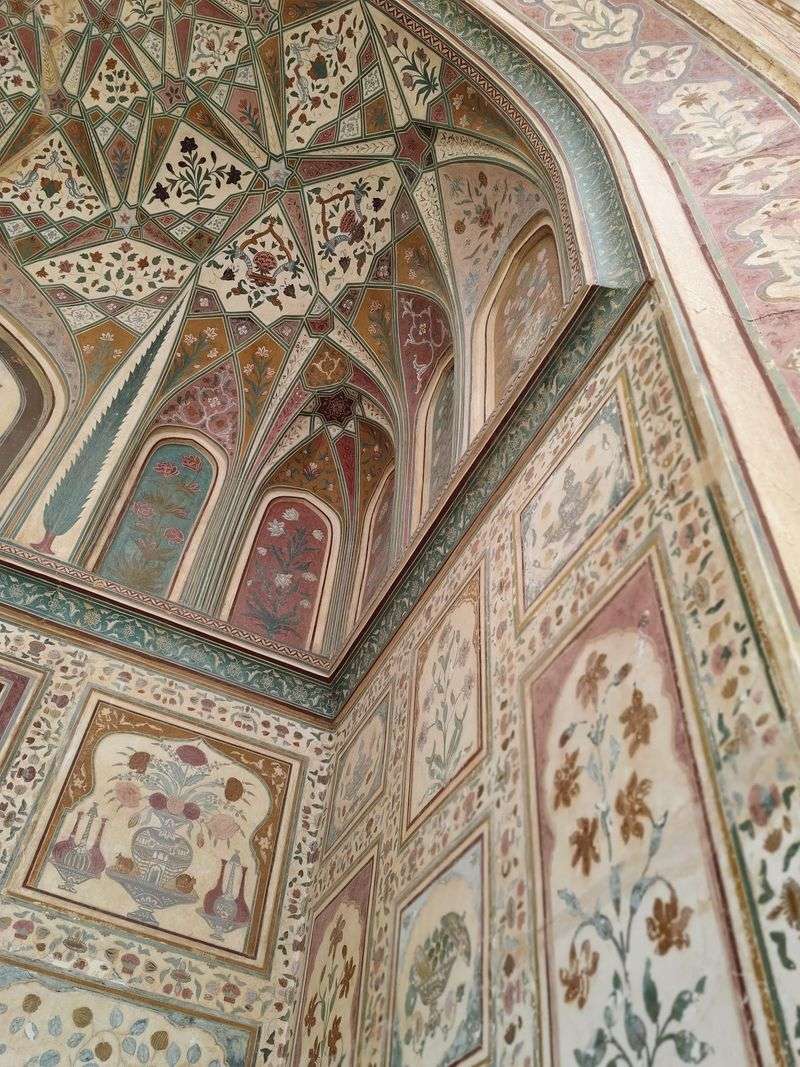
Two styles, one palace, zero arguments. Amber Palace blends Rajput strength with Mughal elegance, and the mix is a joy to spot.
One reviewer called it breathtaking, and many others agree.
Rajput touches include sturdy walls, balconies, and domed pavilions. Mughal influence shows in graceful arches, garden layouts, and fine marble work.
Try a small game as you walk. Pick out which parts look bold and blocky and which look soft and curved.
You will start to see the pattern everywhere.
Pink and golden sandstone sits beside white marble, giving the palace a warm color mix. The pink windows in particular are a favorite photo spot for many guests.
Courtyards are huge, so you get lots of space to look around. Bring a hat for shade.
If you love buildings, this is a great place to learn how cultures borrow ideas from each other. Even younger visitors can enjoy noticing the details.
Light and Sound Show After Dark
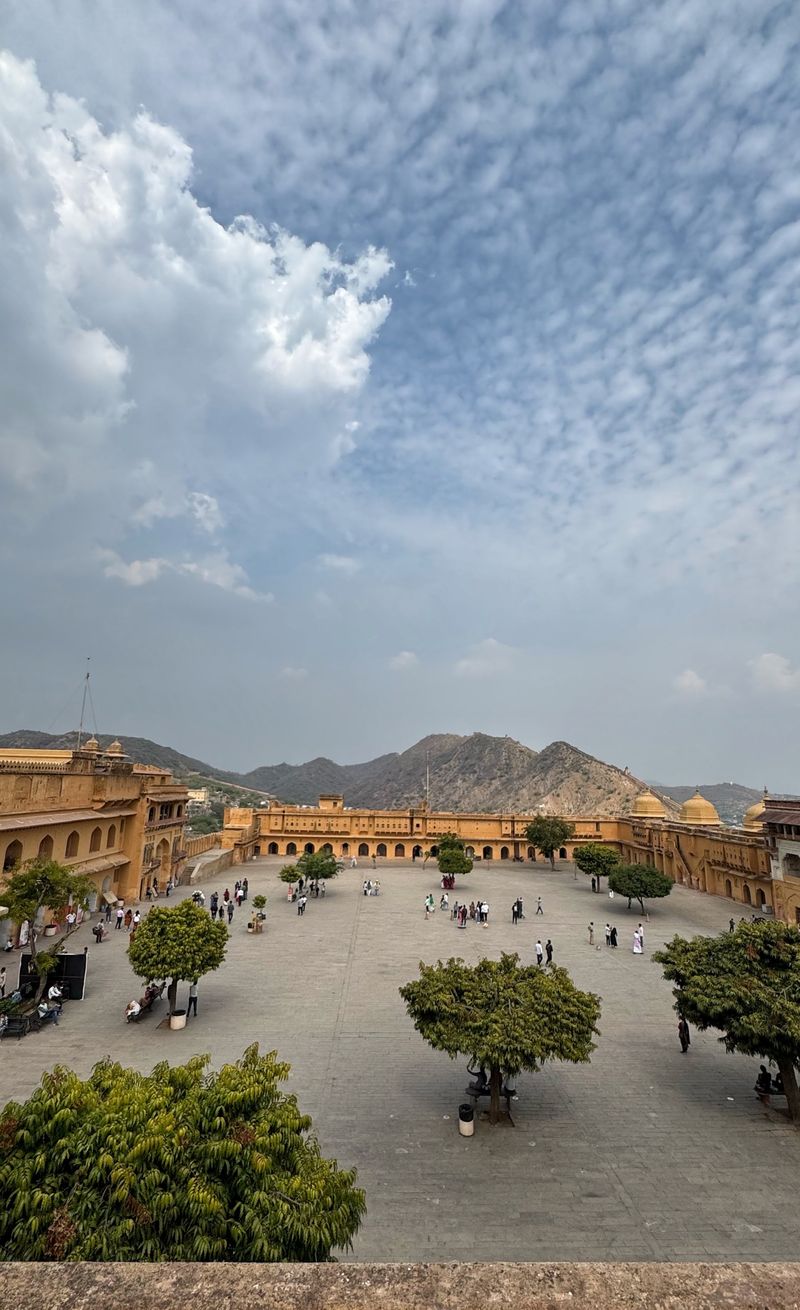
When the sun drops, the palace gets a second life. A light and sound show tells the story of the fort using colors, music, and voices.
More than four hundred visitors have mentioned it.
Walls glow in changing shades while the narration shares tales of kings and queens. It is a gentle way to learn history without reading a single sign.
Plan ahead, since the show runs in the evening and tickets can sell out. Check times when you arrive, because schedules may change with seasons.
Wear a light jacket in cooler months. The hilltop breeze can surprise you after dark.
Daytime visitors sometimes skip this, which is a shame. Seeing the same stones lit up in the night adds a new mood altogether.
The palace is open from morning until 9 pm, so you can stay late for the evening air. Bring a friend, find a good seat, and let the story wash over you.
Guides, Tickets, and Smart Budgeting
Money matters can feel confusing at a big attraction, so here is a quick cheat sheet. Reviewers mention a government fixed guide rate of about 400 rupees for a small group.
Some say you may get it lower with a polite chat.
Ticket prices vary for different visitors, and students may get a discount with an ID card. Always carry yours.
Guides are optional. Some visitors loved having one and said the stories made the trip.
Others explored alone and felt fine.
Watch out for people offering tours at much higher prices near the entrance. A friendly no works well.
One traveler warned that some guides lead you to shops afterward, so be clear about your plan. Buses from near Hawa Mahal cost only about 10 rupees per person, a very cheap way to reach the area.
Keep small change for restrooms and snacks. A little planning saves you money and stress.
Snacks, Shopping, and Smart Visit Tips
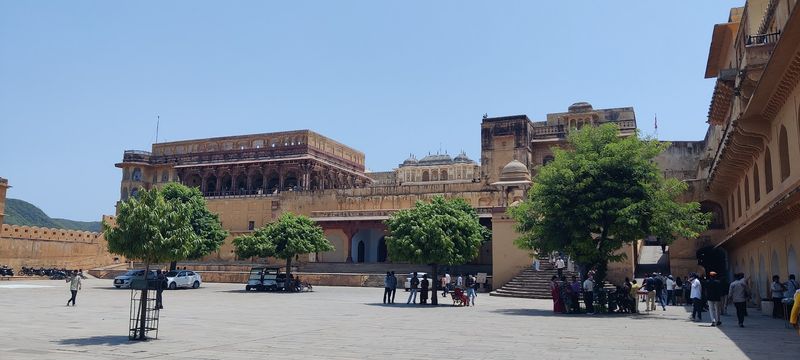
Hungry explorers, listen up. A small stall near the entrance sells kachoris, and one visitor said they were really tasty.
They make a perfect quick bite before the climb.
There is also a restaurant called Gadh by the entry gate, recommended by another traveler for lunch.
Sellers will approach you inside the fort, and some are very persistent. A calm head shake and keeping your eyes forward works wonders, according to one reviewer.
Some men in traditional guard outfits invite you to take photos. They expect a tip afterward, so say no politely if you do not want one.
Bring water, wear comfy shoes, and arrive early to beat the heat and crowds. Cobblestone paths have no railings in places, so go slowly, especially coming downhill.
If you have time, pair Amber with nearby Jaigarh and Nahargarh forts. With your own vehicle, you can see all three in one go.
Share this story