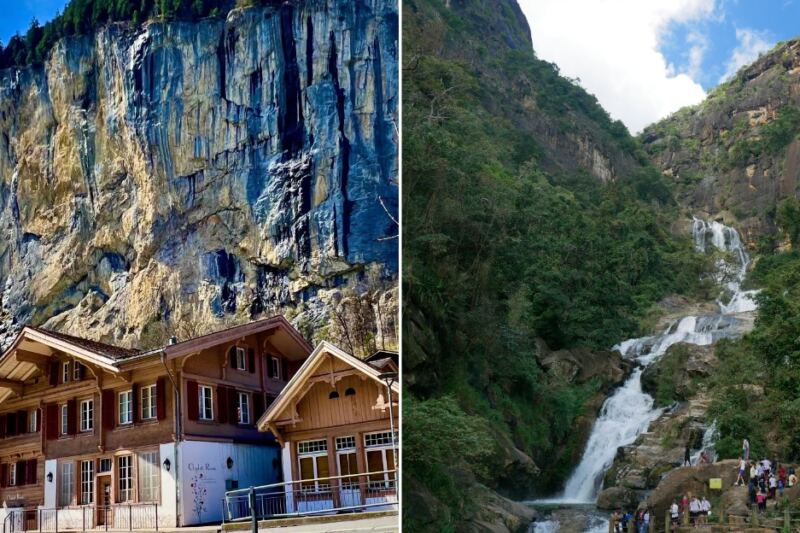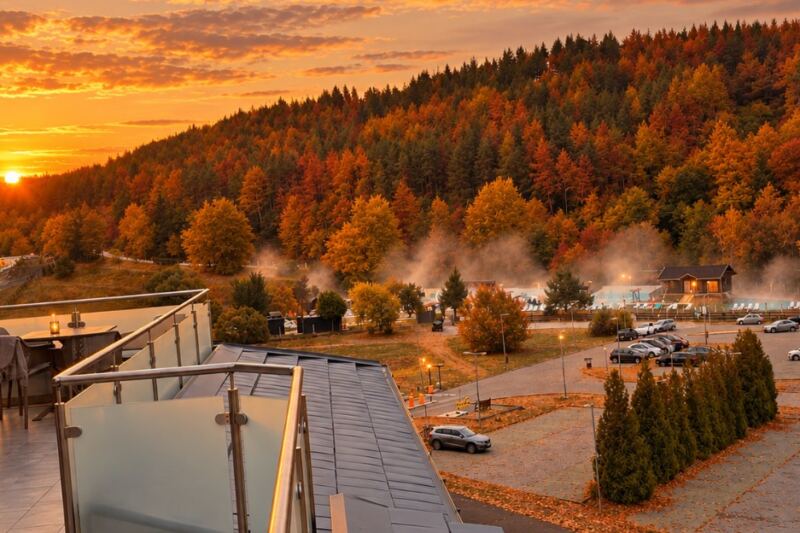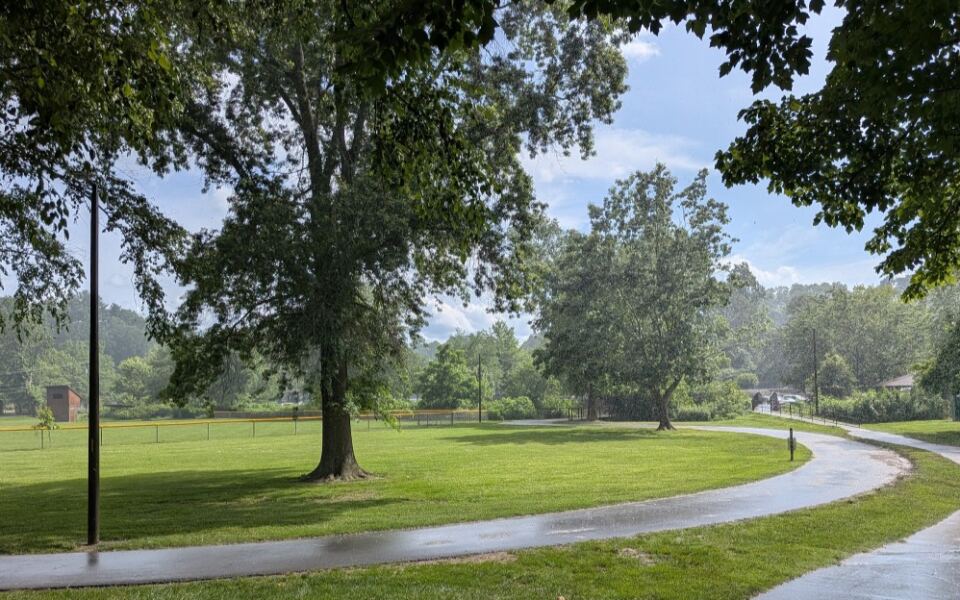
Retirement does not have to mean slowing down indoors. Across the country, mountain towns and lakeside communities make hiking, paddling, and morning walks part of everyday life.
For many retirees, nature access matters as much as housing costs or warm weather. Here are 13 towns where the scenery makes retirement feel like a permanent vacation.
Hendersonville, North Carolina
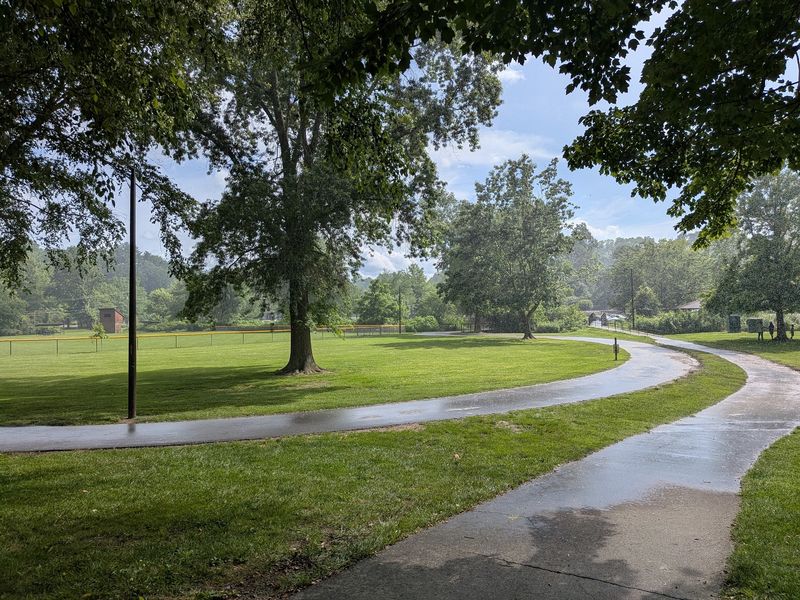
Mountains without the isolation: that is the Hendersonville deal. Downtown has restaurants, shops, and everyday services, and real adventure starts just a few miles away.
DuPont State Recreational Forest covers more than 10,000 acres and about 80 miles of roads and trails. Routes lead to Triple Falls and High Falls, which look great in photos and even better in person.
Pisgah National Forest adds hundreds of thousands of acres of waterfalls, streams, and paths, from easy strolls to tough climbs.
Need a flatter day? The paved Oklawaha Greenway is a friendly place for regular exercise, and you can walk it in sneakers without a second thought.
Retirees who like having a grocery store, a doctor, and a good dinner spot nearby will feel at home here. You get Blue Ridge views without living in a remote resort community.
Pack a water bottle, bring a camera, and plan on a few waterfall days each month. Many locals say the trails keep them fit, and the downtown keeps them fed.
It is a nicely balanced choice for anyone who wants forest air and city comforts in the same weekend.
Boone, North Carolina
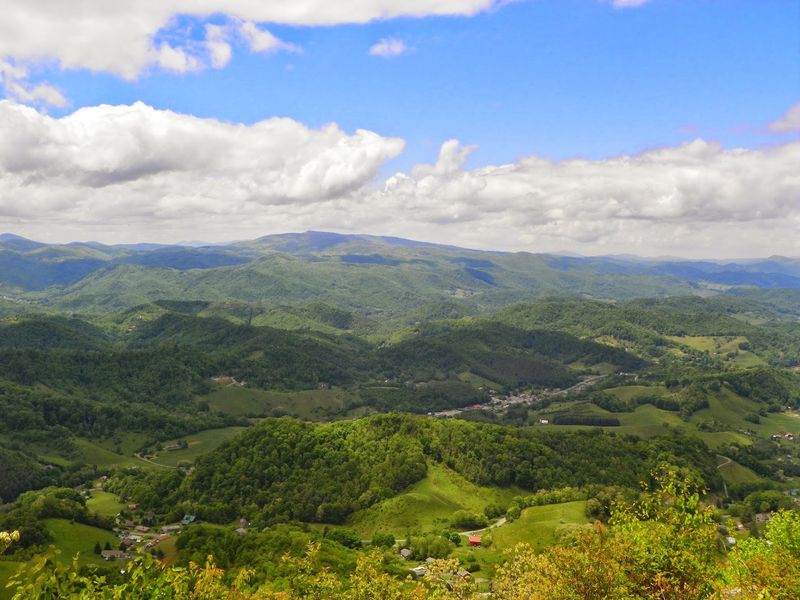
Locals in Boone brag that the air itself feels like a pep talk. The town sits in North Carolina’s High Country, where the Blue Ridge Parkway, Grandfather Mountain, and the Appalachian Trail are all close.
Hikers can pick an easy loop around Bass Lake or tackle steeper climbs toward MacRae Peak. Local greenways give everyday walkers smoother options when knees ask for a break.
Water is easy to find too. Price Lake is popular for paddling and lakeside strolls, and Watauga Lake spreads over more than 6,000 acres about 45 minutes away.
Recent retirement analysis praised Boone for livability and an outdoor-focused lifestyle. Housing costs more here than in some other Appalachian towns, so run the numbers before you fall in love with a cabin.
A college campus brings concerts, lectures, and sports to the calendar, which keeps the town lively all year. Bring a jacket, because mountain evenings can turn crisp fast.
For retirees who want big views and a busy community, Boone delivers both.
Maryville, Tennessee
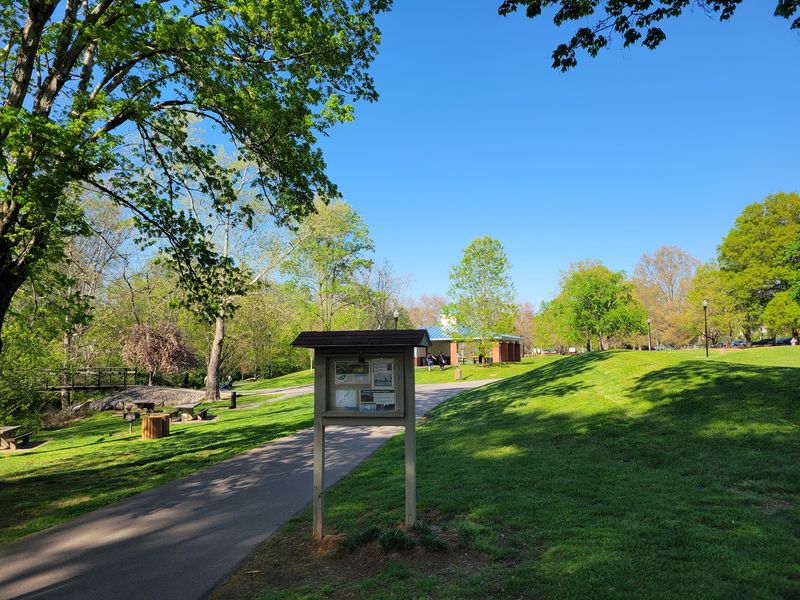
Maryville is the quiet neighbor of the Smokies, and it likes it that way. It sits in the foothills of the Great Smoky Mountains, so nature is close without the tourist crowds of busier mountain towns.
Nine miles of paved greenways start near downtown’s Greenbelt Park. Maryville College Woods adds more walking and hiking right near home.
Great Smoky Mountains National Park is an easy drive away. It opens up hundreds of miles of trails, scenic drives, rivers, and waterfalls, enough to keep a retiree busy for decades.
Money matters too, and Tennessee has no state individual income tax. That can make the budget math friendlier for people living on savings or pensions.
Recent retirement guides have called East Tennessee a strong region for active retirees who want regular hiking. Picture a morning walk on the greenway, a picnic by a mountain stream, and an evening back in a calm small city.
Not bad for a Tuesday.
Coeur d’Alene, Idaho
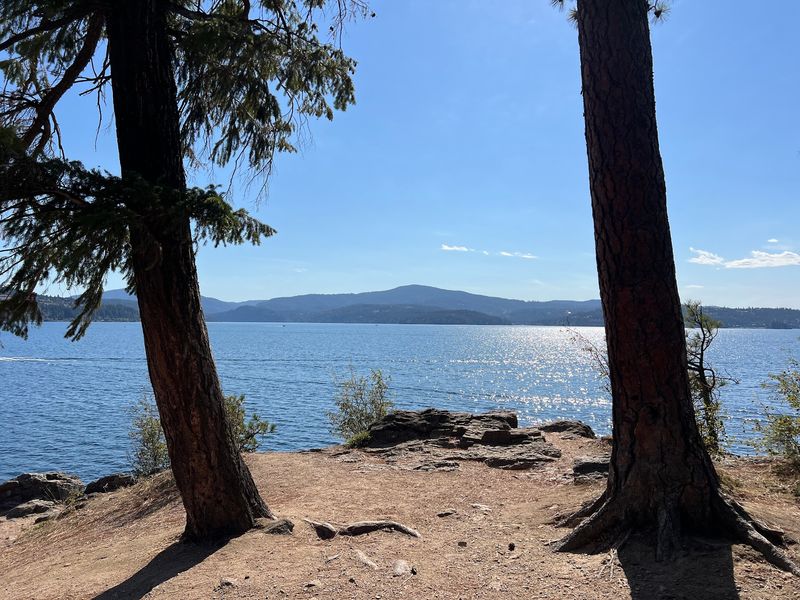
Picture a sparkling lake with a forest trail starting beside downtown. That is Coeur d’Alene, one of America’s great mountain lake towns.
Tubbs Hill is a 165-acre natural area with a roughly 2.2-mile loop trail. It serves up water and forest views without a long drive.
The paved North Idaho Centennial Trail stretches for miles through the region, perfect for walkers and cyclists. Lake Coeur d’Alene itself offers boating, fishing, swimming, and quiet shoreline scenery.
Recent retirement coverage has highlighted the town for older residents who want nature, a slower pace, and daily lake access. Sunsets here can make even the grumpiest neighbor stop and smile.
There is a catch, and it is the price tag. Housing has become much more expensive than in many traditional retirement communities, so budget carefully.
Still, for retirees who can make the numbers work, the daily lake view is hard to beat.
Prescott, Arizona
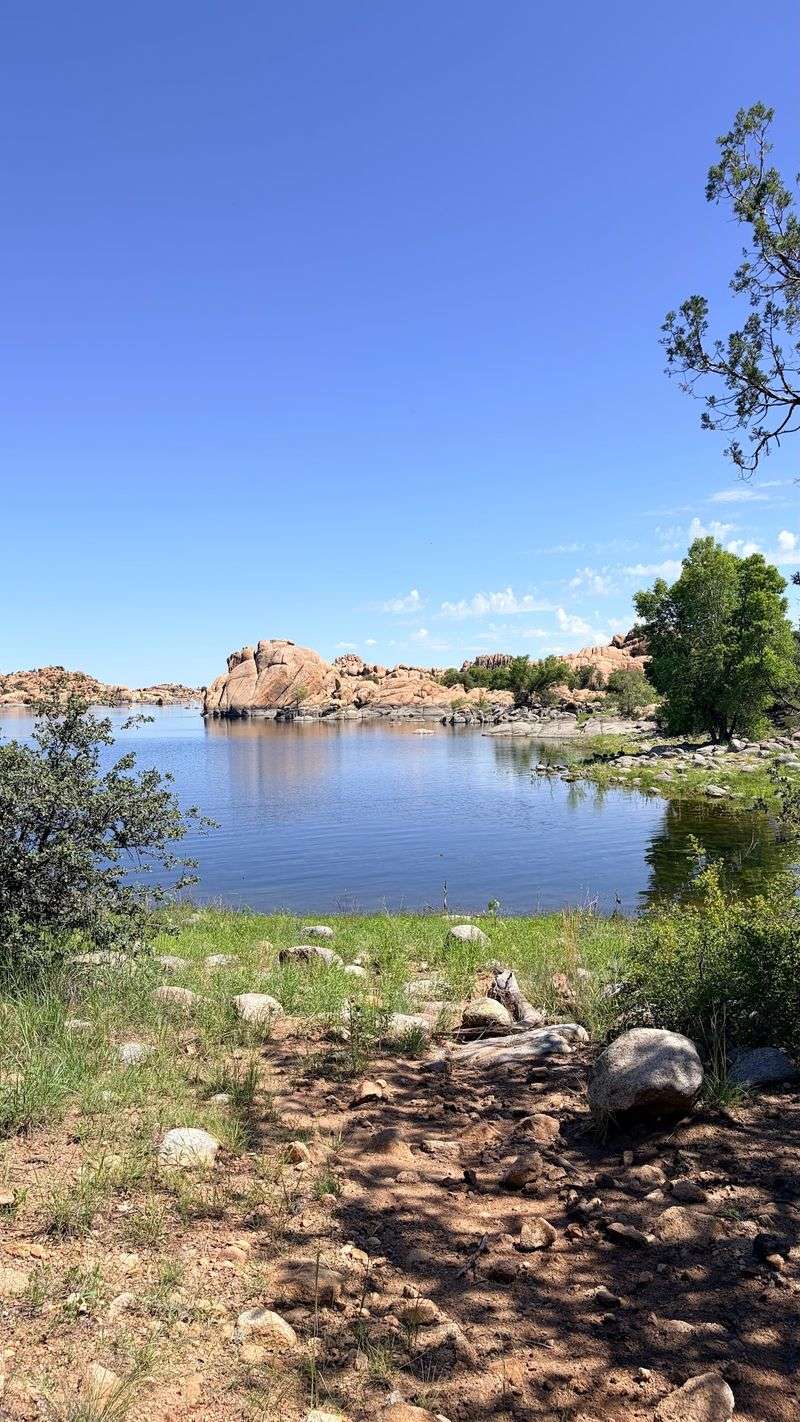
At about 5,300 feet, Prescott laughs at the scorching summers of southern Arizona. Cooler air makes outdoor plans far more pleasant.
The city is ringed by Prescott National Forest, where trails wind through ponderosa pine, granite formations, and high-desert hills. The forest holds hundreds of miles of paths, so variety is never a problem.
Lakes add another layer. Watson, Willow, and Goldwater lakes offer kayaking, fishing, walking, and picnics close to town.
Downtown centers on Courthouse Plaza, where restaurants and community events keep weekends full. Retirees can hike in the morning and catch a show or a festival by evening.
Prescott suits people who want an outdoor life without giving up the services of a regional center. Hospitals, shops, and neighborhood groups are all within reach.
Bring sunscreen and a hat, because the sun is still strong up here.
Roanoke, Virginia
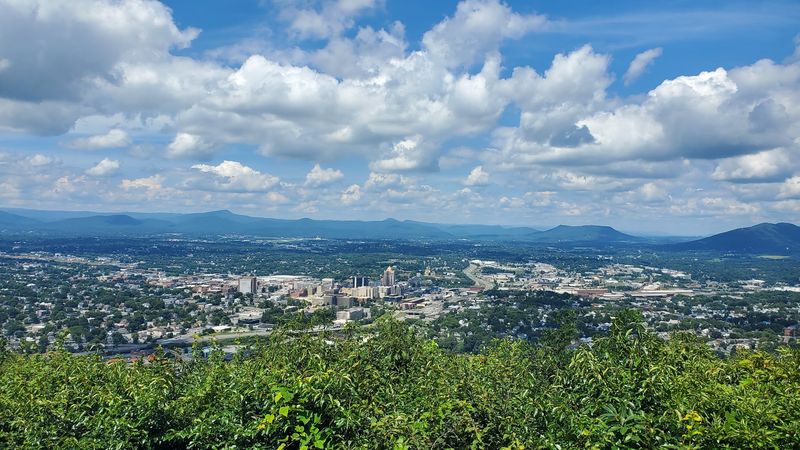
Ten minutes from downtown Roanoke, you can be standing on a mountain. Mill Mountain rises inside the city limits with more than 500 acres of parkland and roughly 10 miles of trails.
Then there is Carvins Cove Natural Reserve. It spans over 12,000 acres around a 630-acre reservoir and holds more than 60 miles of hiking, biking, and equestrian trails.
The Blue Ridge Parkway and the Appalachian Trail add even more options nearby. Weekend plans practically write themselves.
Recent retirement coverage has praised Roanoke for scenery, outdoor recreation, and practical amenities. Hospitals, restaurants, and cultural events are all part of the package.
That mix suits retirees who want mountains but not a tiny town. You can walk a ridge at sunrise and be at a farmers market by lunch.
Roanoke proves that city life and trail life can share the same zip code.
Brevard, North Carolina
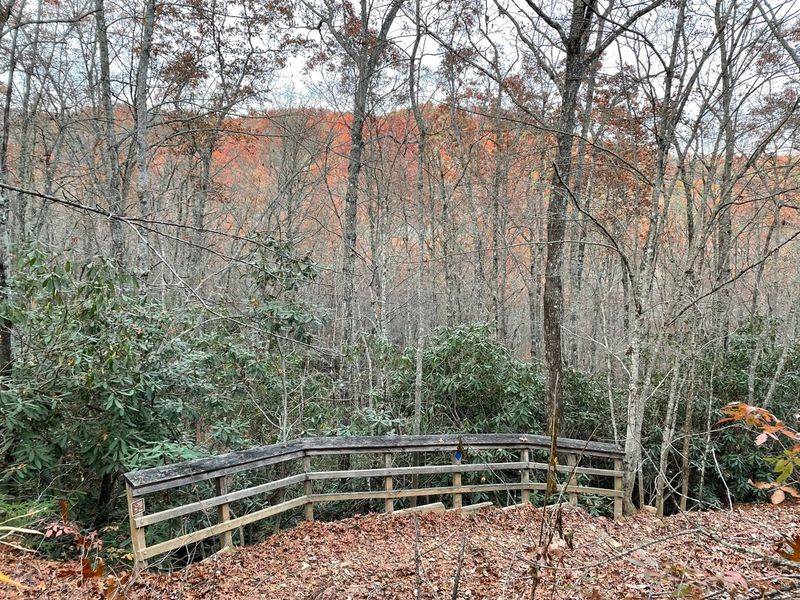
Over 1,000 miles of hiking trails and about 250 waterfalls: those are the numbers Transylvania County likes to share. Brevard sits right in the middle of them.
Trails weave through Pisgah National Forest, DuPont State Recreational Forest, Gorges State Park, and other public lands. Smaller lakes in DuPont Forest offer calm spots for fishing, paddling, and picnics.
Bracken Preserve puts 400 acres of trails only minutes from downtown. That means a quick walk before lunch is totally realistic.
When feet need a rest, Brevard has restaurants, music, galleries, and community events. The town stays busy without feeling crowded.
Retirees who want a calendar built around trail days instead of traffic will feel right at home. It is one of the strongest Appalachian choices for a truly active retirement.
Just keep a rain jacket in the car, since waterfalls like their water.
Sandpoint, Idaho
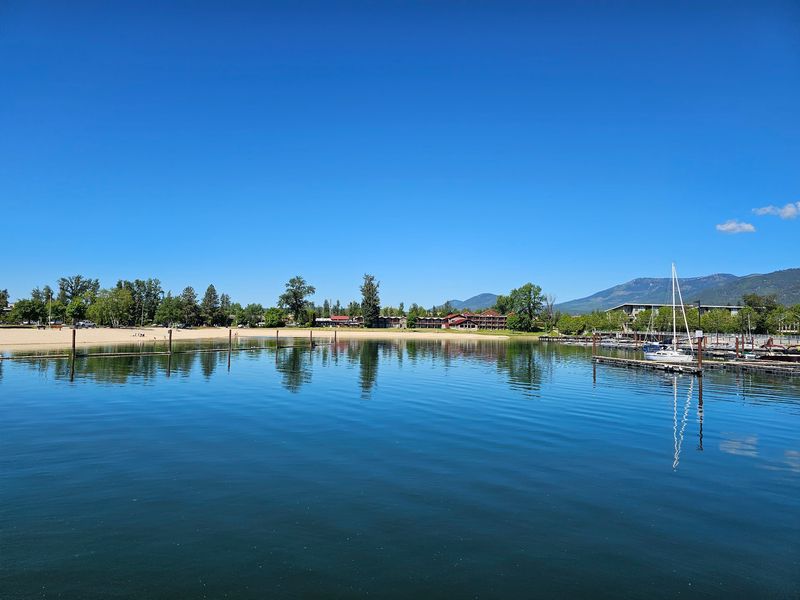
Lake Pend Oreille is so big that it makes sailboats look like toys. Sandpoint sits right on its shore, with the Selkirk and Cabinet Mountains rising nearby.
Boating, swimming, hiking, and mountain views are all part of daily life, and there is no resort wall around any of it. More than 200 trails lie within about an hour of town.
Options range from easy walks to strenuous climbs like Scotchman Peak.
Closer to home, the Pend d’Oreille Bay Trail offers a gentle lakeside route near downtown. Pine Street Woods has wider trails for different ability levels.
The lake adds sailing, paddling, fishing, and quiet coves for slower days. Bring a thermos and claim a bench.
Sandpoint gives retirees a real small town with real mountain scenery. Winter brings snow, so be ready for it.
Seneca, South Carolina
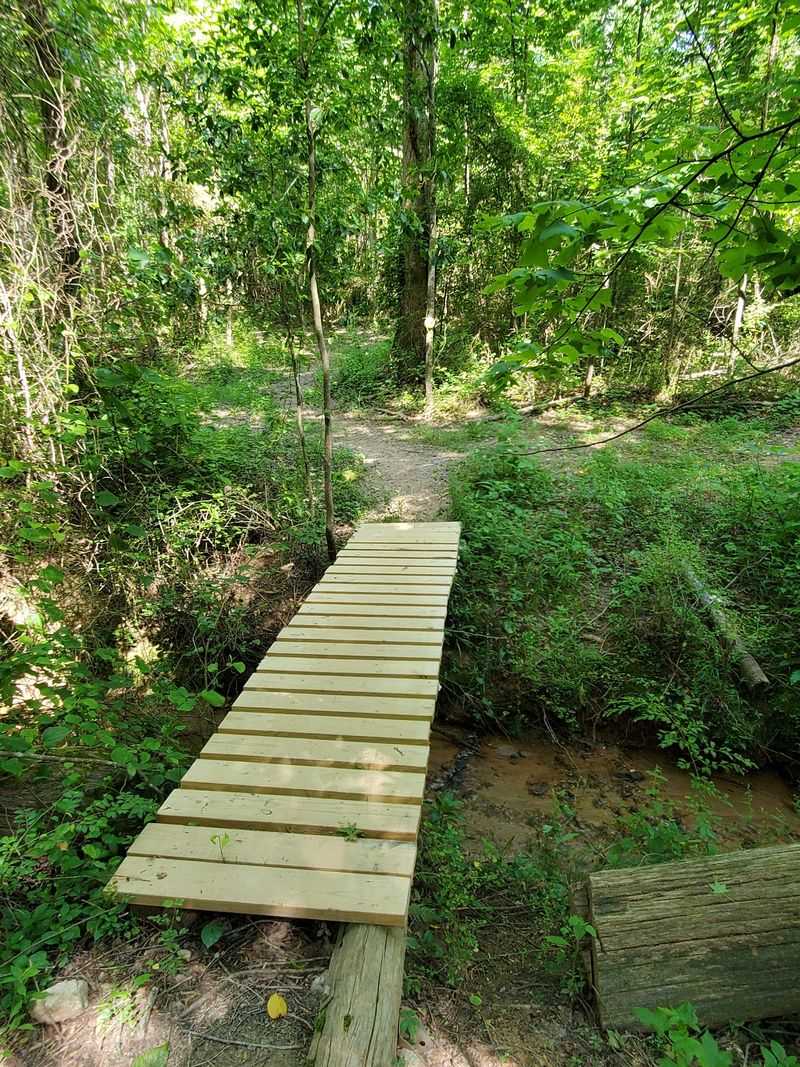
Mild winters and mountain views can share a ZIP code, and Seneca proves it. The town sits near Lake Keowee and Lake Hartwell, with Blue Ridge foothills rising to the north.
Lake Keowee alone holds more than 18,000 acres of water and roughly 300 miles of shoreline. Boating, fishing, swimming, and waterfront fun are easy to find.
Oconee County adds more than 200 miles of trails, 29 waterfalls, four major lakes, and lots of national forest land. That is plenty of ground for a lifetime of weekend exploring.
Downtown Seneca is compact and walkable compared with larger retirement hubs. Daily errands do not turn into road trips.
It is a smart pick for retirees who want a warmer climate than many mountain towns can offer. You can fish in the morning, hike a waterfall trail in the afternoon, and still be home for supper.
Eureka Springs, Arkansas
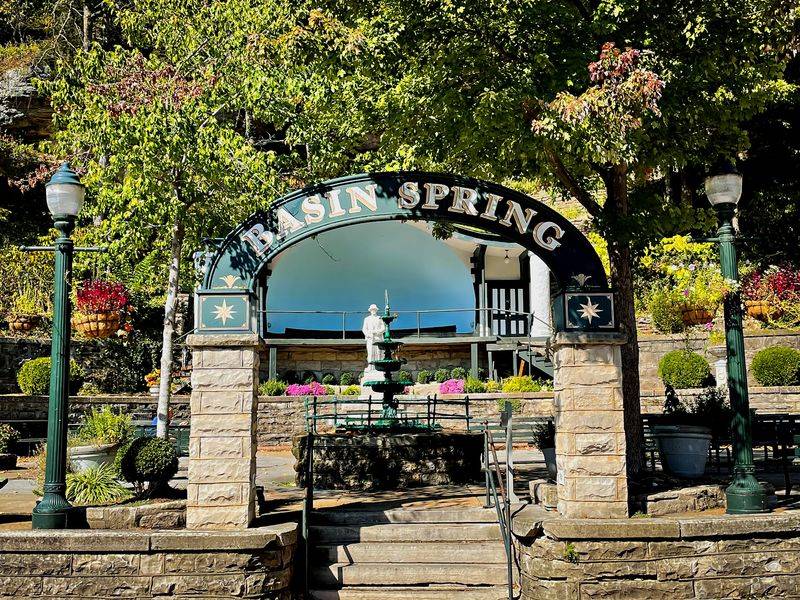
Streets in Eureka Springs twist and climb like they forgot to read the map. The Victorian center spreads across steep Ozark hills with springs and trails woven through town.
Local parks maintain many walking routes around the historic district. Lake Leatherwood City Park adds an 85-acre spring-fed lake with trails and kayaking.
Beaver Lake and Table Rock Lake are nearby for boating and swimming. Wide water and wooded hills are both easy to reach.
This town is quite unlike the broad mountain towns of the West. It is quirky, artistic, and full of character.
Retirees who want outdoor recreation along with galleries, historic buildings, restaurants, and a lively arts scene will love the mix. Most of it is walkable, though those hills will work your legs.
Good shoes are a smart investment.
Whitefish, Montana
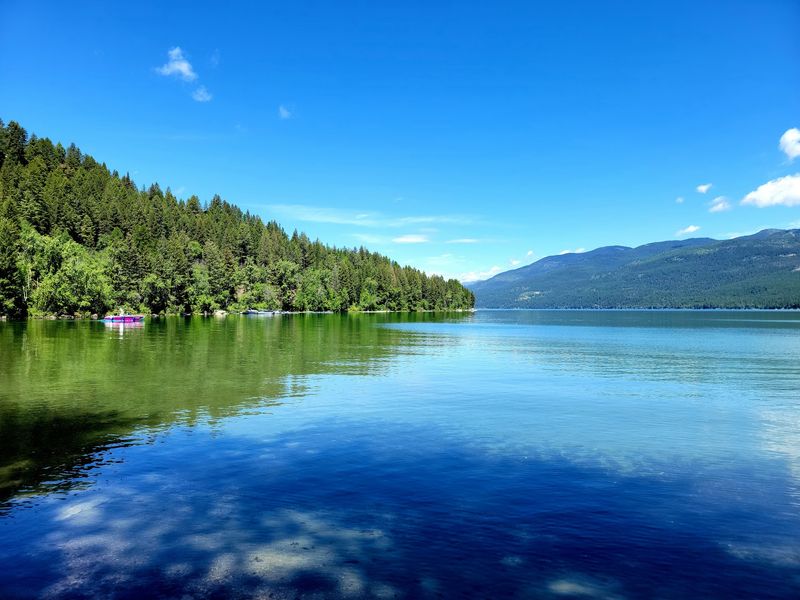
Few towns can claim a lake, a ski hill, and a national park as neighbors. Whitefish does, and it wears the title proudly.
Whitefish Lake offers swimming, boating, and shoreline fun in summer. The surrounding trail network ranges from gentle forest walks to demanding mountain routes.
The Whitefish Trail system links several local recreation areas. Glacier National Park opens up some of the most dramatic hiking scenery in the northern Rockies.
Nearby hikes lead to spots like Lupine Lake and mountain viewpoints. Winter flips the script with skiing and cross-country options.
Housing is not cheap here, so plan the budget with care. For retirees who want four-season outdoor access, though, Whitefish offers an unusually complete package.
Bring warm layers, because Montana winters mean business.
Durango, Colorado
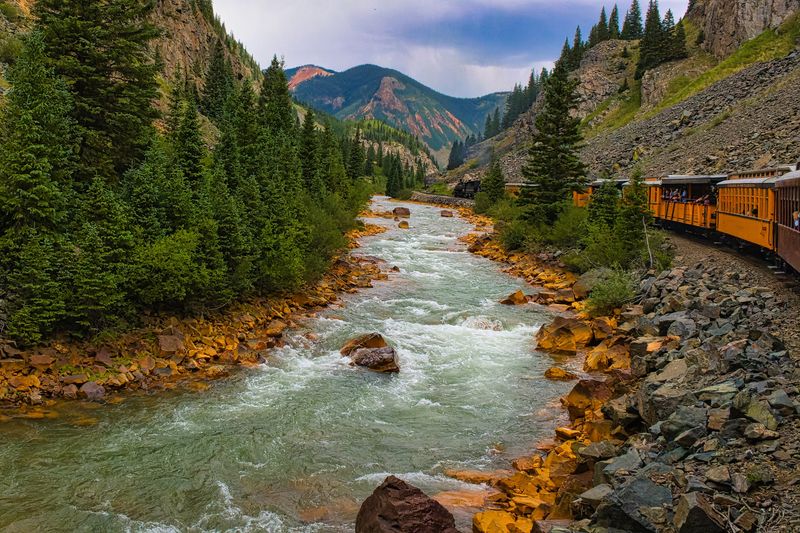
The San Juan Mountains stand over Durango like a front-row audience. They rise just north of town and create endless chances for hiking, fishing, cycling, and scenic drives.
Alpine lakes and high-country trails reward the more adventurous. Lower paths let outdoor fun start earlier in spring and last later into fall.
The Animas River flows right through town. Its corridor supports walking, cycling, and fishing without a long drive.
Durango also shows up in retirement hiking research as a strong mountain-town option for trail lovers. The historic downtown still works as a real community hub, not just a postcard.
Winters are real, though. Future residents should be comfortable with snow and seasonal driving conditions.
If shoveling sounds fine, this might be your spot.
Lake Lure, North Carolina
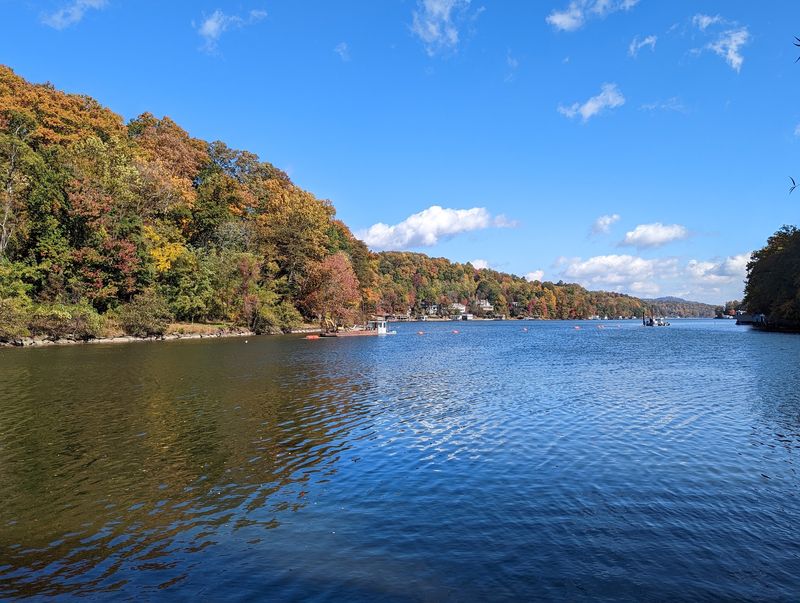
Lake Lure looks like the lake many people picture when they dream of a slower life. It sits beneath the Blue Ridge escarpment near Chimney Rock, with forested slopes around the shore.
Summer revolves around boating, paddling, fishing, and lakeside walks. Nearby mountain trails open up sweeping views across Hickory Nut Gorge.
The town has appeared on recent lists of Southern lake towns suited to retirement. It blends outdoor recreation with a small-town feel.
Lake Lure is quieter and more seasonal than Hendersonville or Boone. Fewer shops and services mean a longer drive for some errands.
That trade-off suits retirees who value scenery and privacy over a big menu of urban amenities. Sit on the dock, watch the light change on the water, and call it a productive day.
Share this story