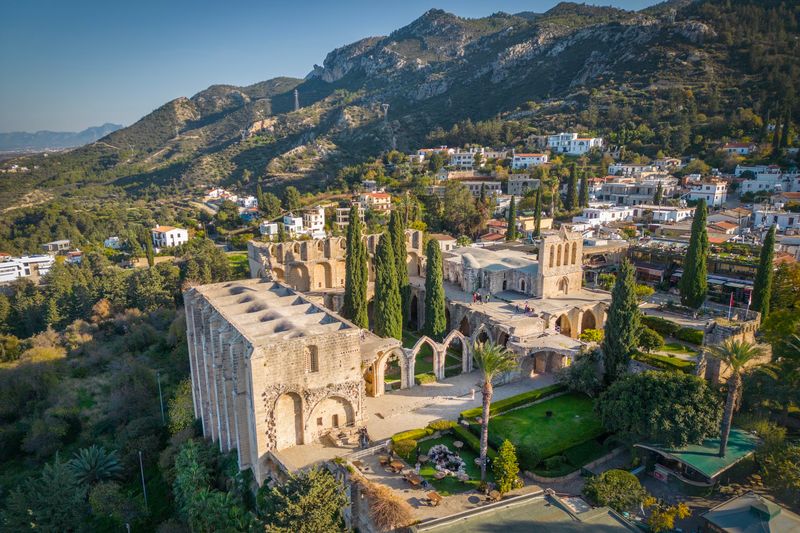
Perched on a mountainside above the Kyrenia coast, Bellapais Abbey has stood for more than 800 years. Its story begins with monks who left Jerusalem after the city fell in 1187 and found a new home in Cyprus.
Today the Gothic arches, quiet cloisters, and huge sea views draw visitors from everywhere. Here are ten things that make this old abbey so special.
A Escape Route from Jerusalem
History’s biggest plot twist for this abbey started in 1187. Jerusalem fell, and the Canons of the Holy Sepulchre had to pack up and leave.
Cyprus offered them a safe place to begin again.
The monks settled in the hills near Kyrenia, where the air was cool and the land was green. Over time they became part of the island’s story.
Later, Augustinian canons built the grand abbey that visitors see today in the 13th century.
Think about that for a moment. People who lost their home in one country ended up building something beautiful in another.
Their courage left a mark that has lasted for centuries.
When you walk through the gate, try to picture those first monks arriving tired and dusty. They could not have known their new home would become one of the most admired sites in the Eastern Mediterranean.
Reviewers often say the place feels like stepping back in time, and knowing the story behind it makes that feeling even stronger. Read a little history before you go, because it turns a pretty walk into a real adventure.
Gothic Architecture at Its Finest
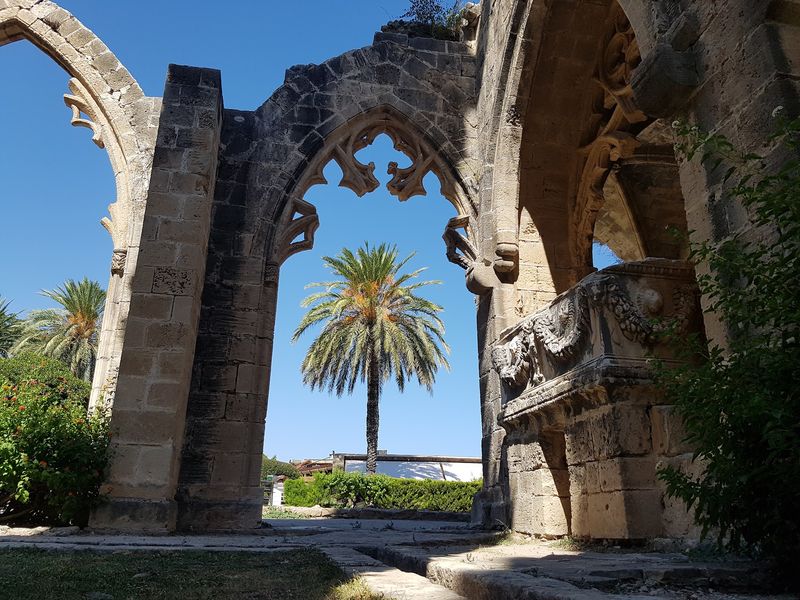
Pointed arches, ribbed vaults, and delicate stone carvings greet you everywhere. Many visitors call Bellapais one of the finest Gothic buildings in the Eastern Mediterranean.
Even without a roof in places, the design still feels grand.
Look closely at the church area, where the carvings are especially lovely. Each detail was shaped by hand, long before power tools existed.
That alone deserves a respectful nod.
Photographers love the open arches because they frame the mountains on one side and the sea on the other. Nearly every corner looks like a postcard, so keep your camera ready.
Late afternoon light turns the pale stone a soft gold.
You do not need to be an architecture expert to enjoy it. Just slow down and let your eyes wander upward.
Notice how the stone seems to climb toward the sky. Many guests say they were surprised that so much of the original structure survived, and honestly, it is hard not to feel a little amazed.
The Peaceful Cloister
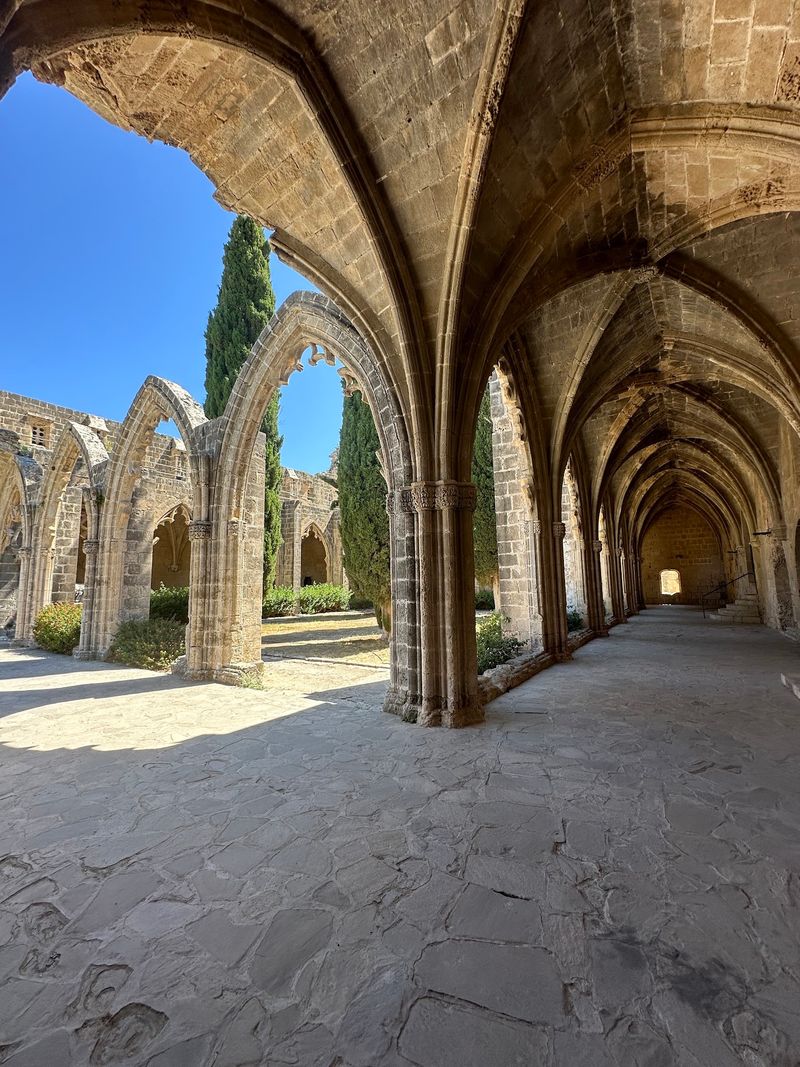
Silence has a sound here, and it is surprisingly relaxing. The cloister was the heart of monastic life, a covered walkway around an open courtyard.
Monks strolled here to think, pray, and stretch their legs.
Today you can follow the same path in the same stone corridors. The arches create cool shade, which feels wonderful on a warm Cypriot day.
A mountain breeze often drifts through, too.
Early visitors get the best experience. One traveler arrived at 9:30 and enjoyed the abbey before the tour buses showed up.
The calm that morning made the whole place feel like a private retreat.
Take a few minutes to sit and simply look around. Notice the worn steps and the patterns of light on the floor.
Some of the decoration has been lost over the years, but the bones of the cloister remain strong. It is an easy spot to slow down, breathe, and imagine the quiet rhythm of a monk’s day.
The Refectory and Its Concerts
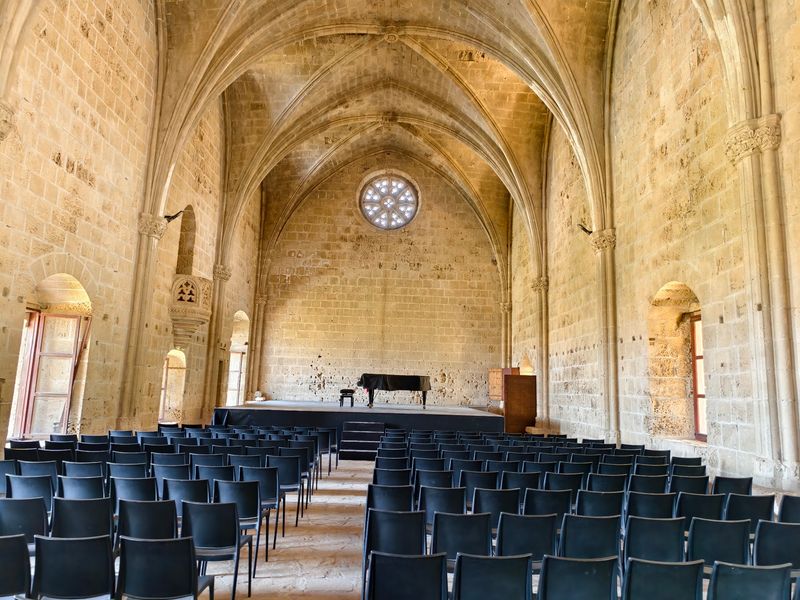
Dinner for the monks happened in a hall that now hosts music. The refectory is a long, high-ceilinged room where the canons once shared their meals.
Today it is still used for classical concerts.
Imagine violins echoing off stone walls that are centuries old. The acoustics are lovely, and evening events add a special glow to the abbey.
One reviewer called the atmosphere truly enchanting.
Even without a concert, the room is worth a long look. Tall windows pour in light, and the view outside is a bonus.
You can almost hear the clink of old wooden bowls.
Check the local schedule before your trip, since music events are held at the site. Ticket prices and dates change, so a quick search can save you from disappointment.
If your visit lines up with a concert, you get history, art, and mountain air in one evening. That is a pretty tasty combination for any traveler.
Views That Steal the Show
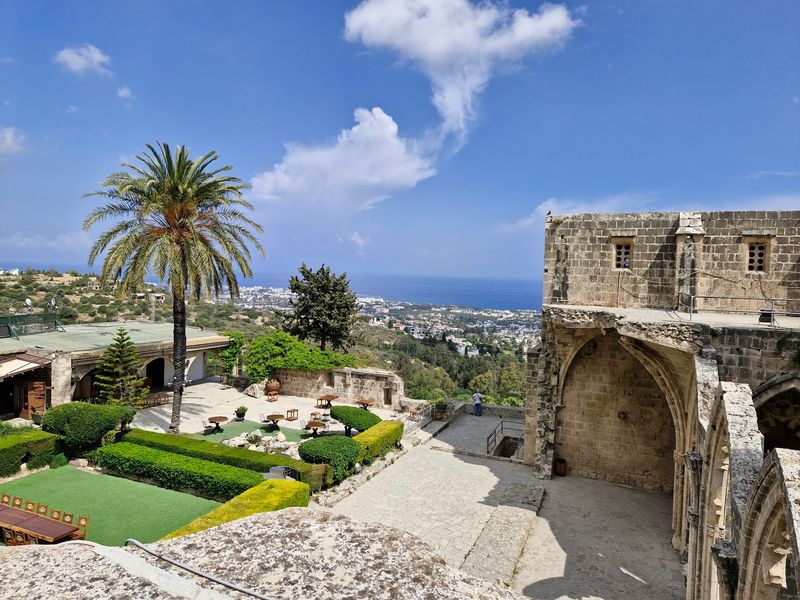
Few ruins come with a coastline included. From the abbey’s high perch you can gaze across the Kyrenia shore and the shining Mediterranean.
One visitor said it might be the best view in all of Northern Cyprus.
The terrace is a great place to linger. Sunset is especially popular, when the sky turns orange and pink.
Bring a camera, or just bring patience and enjoy it.
You can also climb up to the roof area for a higher look. The old roof is long gone, so what you walk on now offers a wide open outlook.
Be ready for steep, uneven steps on the way up.
Height brings a bonus, too. A lovely breeze often blows through, making the abbey cooler than many coastal sites.
That makes it a smart pick for a hot afternoon. Pack comfortable shoes and a bottle of water, and the climb will feel easy.
Hidden Staircases and a Cellar
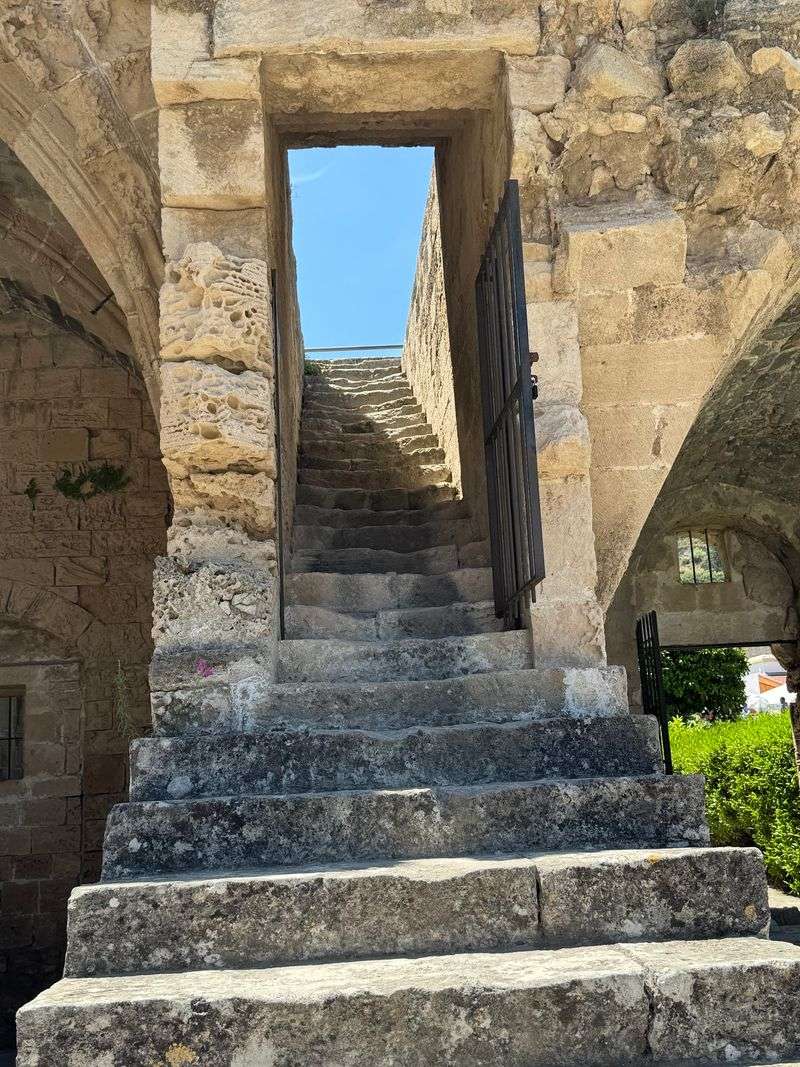
Explorers, this one is for you. Tucked inside the abbey are narrow staircases, shadowy corners, and an old cellar.
One visitor loved finding the hidden steps and wandering where the crowds did not.
The cellar is cool and quiet, a nice break from the sun. Stone walls rise around you, and the air feels different down there.
It is a small adventure inside a historic site.
A word of caution is useful. The upper areas and the cellar use steep, uneven steps.
Wear shoes with good grip and take your time.
Ground level spaces have ramps, which makes much of the abbey easier to reach for people with strollers or limited mobility. That thoughtful touch is not common at old sites.
Plan your route based on your comfort, and you can still enjoy plenty of the abbey. Curiosity is the only tool you really need for this part of the visit.
The Church Still Standing
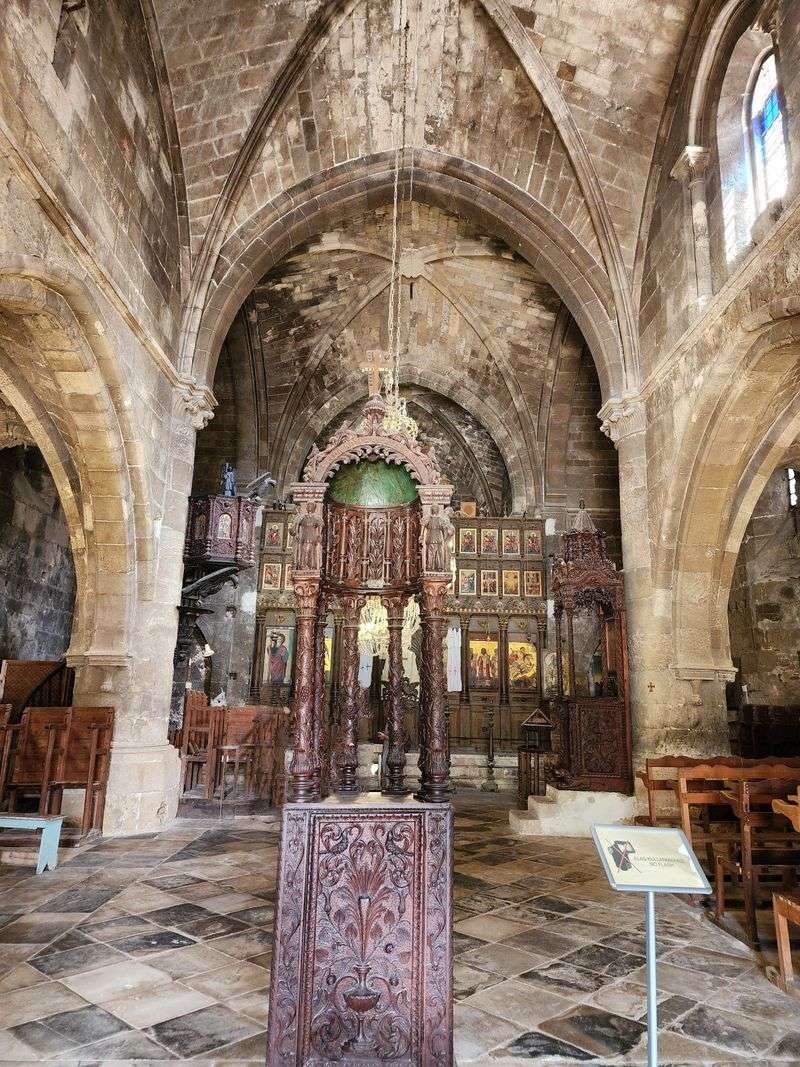
While much of the abbey is ruined, the church is remarkably intact. Step inside and you will find tall stone walls and a calm, solemn mood.
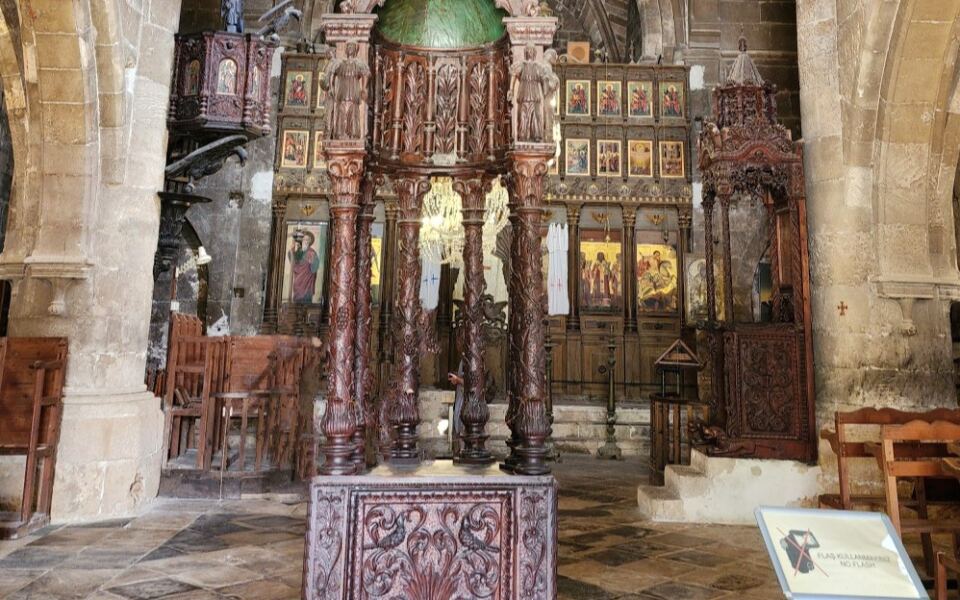
An Orthodox altar screen decorated with icons stands at the front.
That screen tells its own story. The abbey was run by various Catholic orders before the Ottoman conquest, and later the church served the local Orthodox community.
Layers of history sit side by side in one room.
Look for the fine carvings, which several visitors praised. Most of the other decoration around the abbey has been removed over time, so these surviving details feel extra precious.
Visitors should dress respectfully and speak softly, since the church still carries a sacred feeling. Take a moment near the entrance to let your eyes adjust.
Then look up, and notice how the vaults rise overhead. It is one of the abbey’s most moving spaces, and a favorite stop for many guests.
Kybele Restaurant and the Cafe
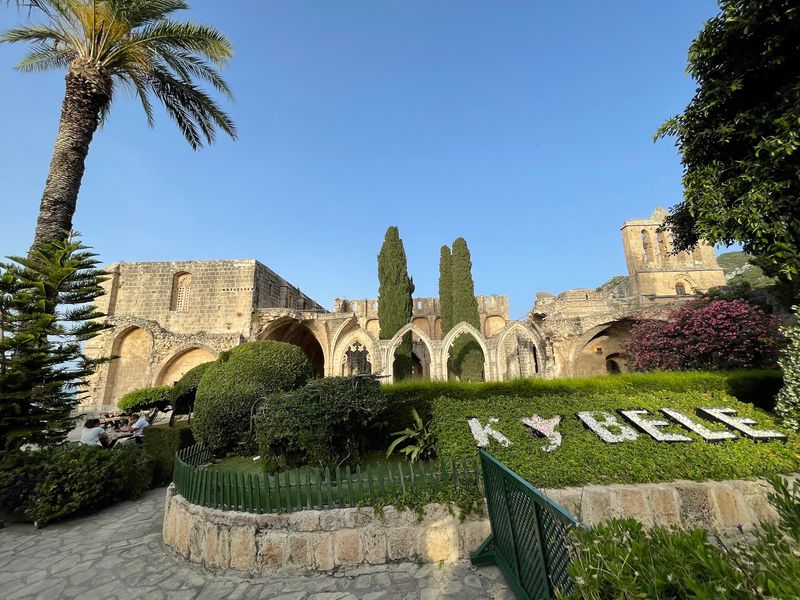
Ruin exploring builds an appetite. Right on the abbey grounds you will find Kybele Restaurant and a cafe, which makes a post-walk snack easy.
One reviewer called it the perfect place to relax and soak in the atmosphere.
The prices run a bit high, but fans say the view explains it. Tables near the edge are the prize.
If none are free, ask politely a couple of times, as one guest did with success.
A cold drink in the shade tastes extra good after climbing stairs. Locals love the spot too, which says a lot.
It adds a lively touch to a place of quiet stone.
Some travelers found it a little odd to have dining attached to an abbey. Others thought it was a charming bonus.
Either way, it gives you a comfortable spot to rest and look back at the arches you just explored.
Easy Planning Tips
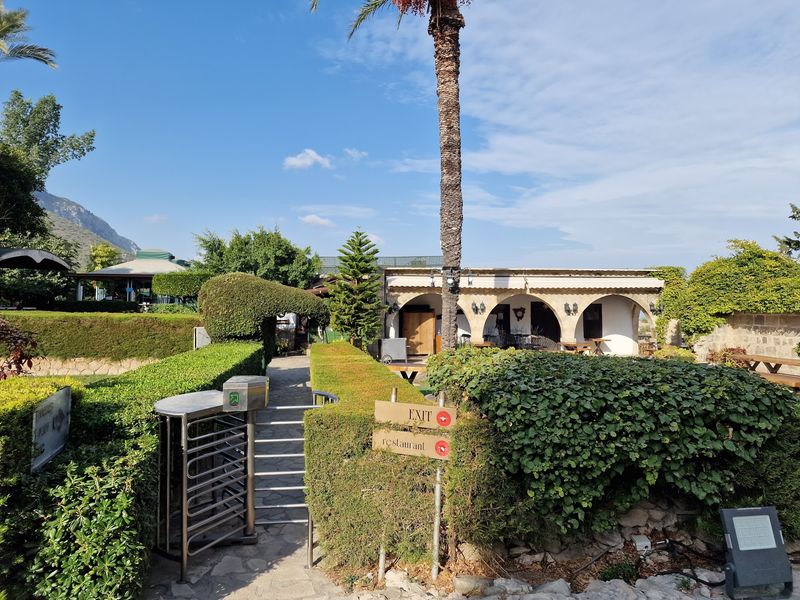
A little planning goes a long way here. The abbey opens at 8 AM and closes at 6 PM every day.
Arriving early helps you beat the crowds and the midday heat.
Parking is available near the abbey, though reviewers report cash is needed for it. Streets in the village are narrow, so some visitors park a short distance away and walk.
Tickets are sold at the entrance, and reviews mention cards being accepted there.
Prices change over time, so check the official website before you go. Information on site is limited, and one guest said the QR code was not very helpful.
A guided tour can fill in the gaps.
The abbey is only a short drive from Kyrenia, about 15 minutes. Most people finish in an hour or less.
That makes it easy to pair with nearby St. Hilarion Castle for a full day of sights.
The Village Around the Abbey
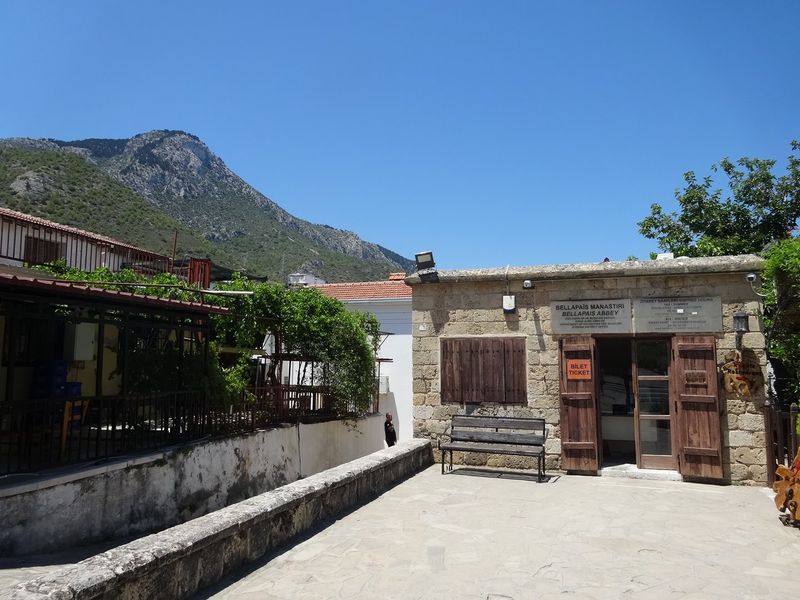
Step outside the gate and the fun keeps going. The village of Bellapais has tiny lanes, local shops, and cozy taverns.
It is a great place to stroll once you have finished the abbey.
Visitors mention a few cafes and restaurants nearby, plus hotels for those who want to stay longer. In quiet seasons some shops close, so winter visitors should expect a calmer scene.
That peace can be a treat of its own.
The surroundings are green, clean, and full of flowers. Even a short wander gives you a feel for local life.
Picking up a small souvenir or sipping a coffee is a nice way to end the day.
The abbey and village work as a team. History fills the morning, and relaxed village time fills the afternoon.
Leave a little extra room in your schedule, because many travelers say they wished they had stayed longer.
Share this story