Some people would rather spend a Saturday on a trail, a river or a snowy slope than inside a shopping mall. Where you live can make that dream easy or hard.
The right town puts hiking paths, lakes and mountains close enough for a quick after-work adventure. Here are 20 American towns where nature is never far from your front door.
Bend, Oregon
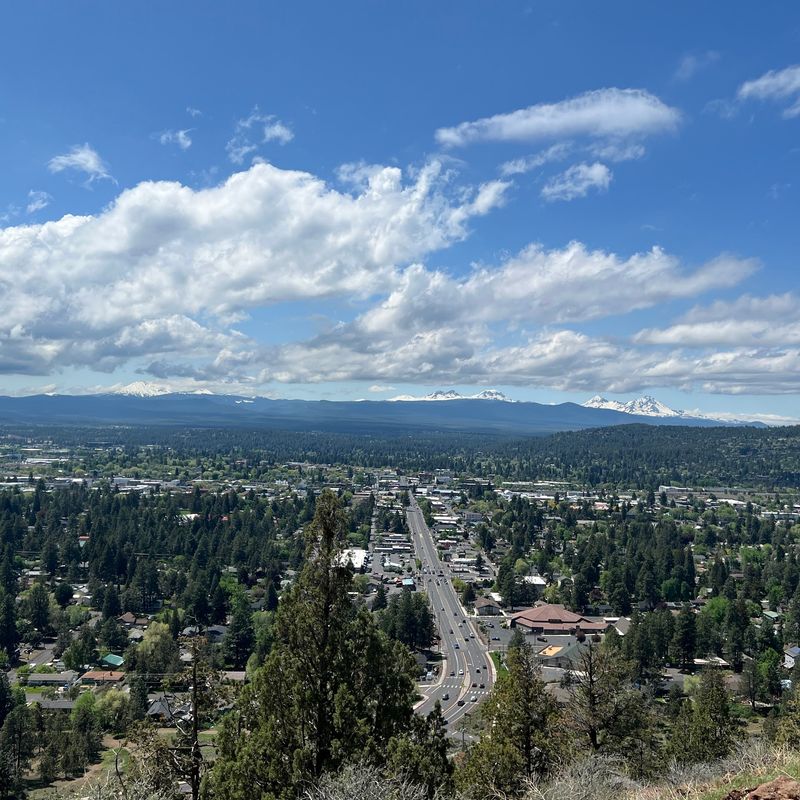
Picture finishing work, grabbing a paddleboard and floating down a river that runs right through town. In Bend, that is just a regular evening.
The Deschutes River offers paddling, floating and shady riverside trails, and the Deschutes River Trail stretches more than 12 miles through forests and canyon views.
Beyond the river, the Cascade Mountains rise close by. Winter brings skiing, while summer opens up climbing and alpine hiking.
Drivers can follow the Cascade Lakes Scenic Byway to sparkling lakes that are perfect for a picnic or a quick swim.
Fans of dirt will love the high-desert mountain biking and the volcanic landscapes that look like another planet. Locals swap between water, snow and rock without driving very far.
There is a catch, though. Bend is not cheap anymore, and housing costs have climbed.
Still, few places make hiking, biking, skiing and water fun feel so woven into everyday life. If you want a town where the gear closet is as important as the kitchen, Bend deserves a spot at the top of your list.
Boulder, Colorado
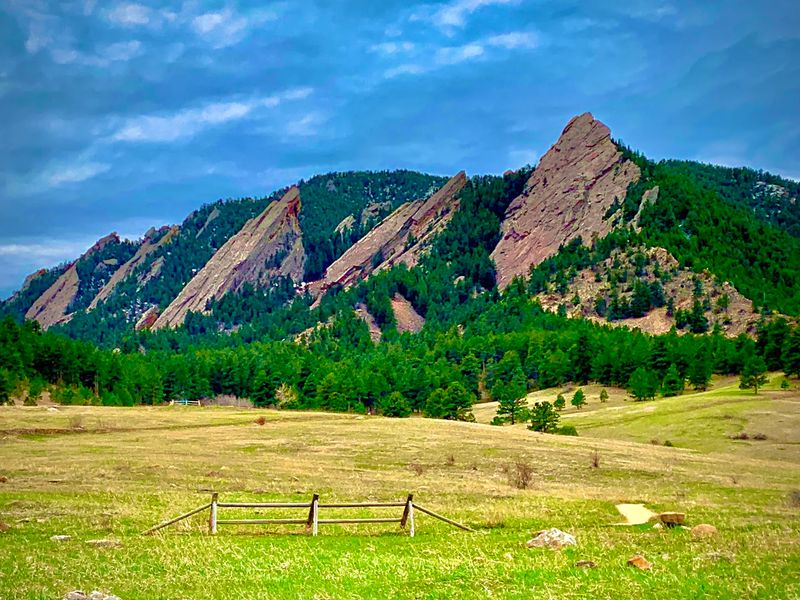
Step out the front door in Boulder and the mountains are practically waving hello. More than 46,000 acres of open space wrap around the city, and about 300 miles of trails link foothills, forests and neighborhoods.
Chautauqua Park puts you right at the base of the Flatirons, those tilted slabs of rock that climbers adore. Mount Sanitas, Wonderland Lake and Boulder Creek offer quick routes that fit into a normal weekday lunch break or sunset stroll.
The city also supports cycling, paddling and winter sports. When a weekend calls for something bigger, Rocky Mountain National Park is close enough for a day trip full of elk, alpine lakes and high peaks.
Fair warning: housing costs are steep, and that is the biggest drawback. But for trail access paired with great coffee shops, restaurants and city perks, Boulder is tough to beat.
Bring good shoes and a sense of humor about the price of a house.
Asheville, North Carolina
Craft beer, live music and more than a million acres of protected wilderness all share one zip code area. That is the magic of Asheville, tucked into the Blue Ridge Mountains.
Residents can hike along the Blue Ridge Parkway, paddle the French Broad River or chase waterfalls in nearby national forests. Mount Pisgah, Black Balsam and Graveyard Fields are easy to reach from the Parkway, and Mount Mitchell, the highest point east of the Mississippi, is also within range.
Mountain bikers find plenty of forest trails to rattle their teeth on. Some trails are still recovering from Hurricane Helene, yet outdoor access across the region remains huge.
What sets Asheville apart is the balance. After a long muddy hike, you can walk into a great restaurant, browse an art gallery or catch a show downtown.
For people who want nature without giving up city culture, this mountain town hits a sweet spot that is hard to find anywhere else.
Bellingham, Washington
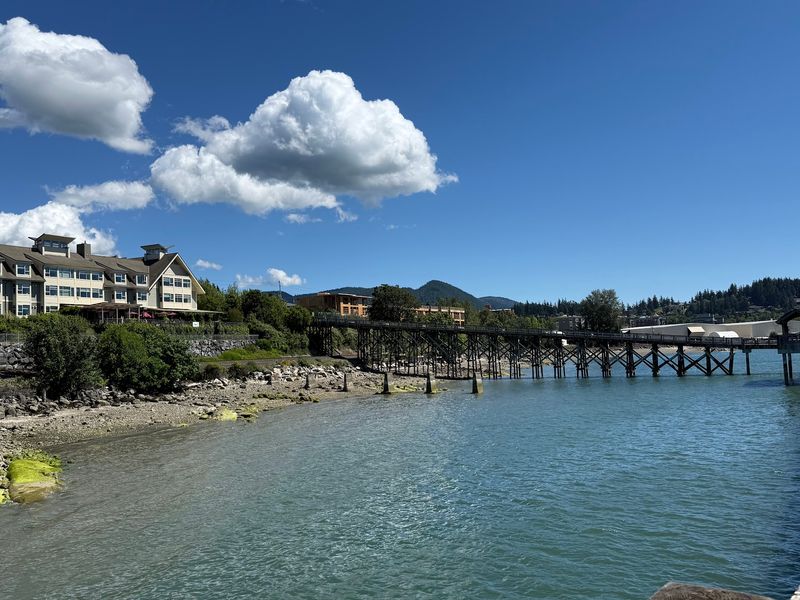
Salt water on one side, snowy peaks on the other: Bellingham refuses to make you choose. The town sits between Puget Sound and the North Cascades, which makes for a wonderfully complete mix of outdoor fun.
City parks and greenways bring trails close to neighborhoods. Farther out, the Chuckanut Mountains, Mount Baker-Snoqualmie National Forest and North Cascades National Park stretch the possibilities.
Hikers can head for Artist Point, Lake Ann or Heliotrope Ridge.
Winter brings deep snow around Mount Baker, a favorite for skiers and snowboarders. Closer to town, kayaking, sailing and shoreline walks give the water its turn.
Plenty of people want Pacific Northwest scenery but find Seattle too big and too pricey. Bellingham offers many of the same natural perks on a smaller scale, with a friendly college-town feel.
Pack a rain jacket, because this is the Northwest, but expect views that make the drizzle worth it.
Chattanooga, Tennessee
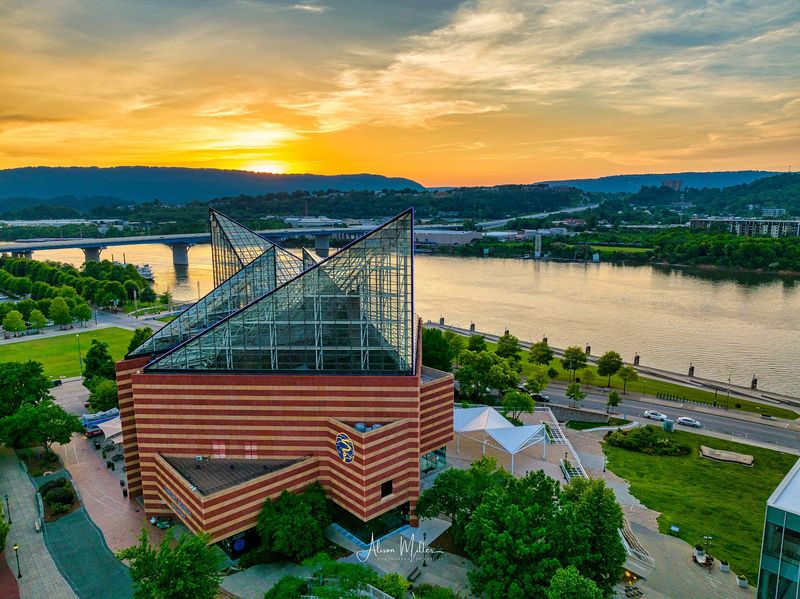
Where else can you hang glide in the morning and stroll a riverfront in the afternoon? Chattanooga has built much of its modern identity around outdoor fun, and it shows.
The Tennessee River runs right through the city, while mountains and sandstone cliffs surround downtown. The 13-mile Tennessee Riverwalk gives walkers and cyclists an easy everyday route.
For bigger thrills, try Lookout Mountain, the Tennessee River Gorge and nearby trail systems. The local tourism authority says more than 100 trails, plus climbing spots, rivers and caves, sit within roughly an hour of town.
Here is a bonus that many mountain lovers appreciate. Compared with Western outdoor hubs, Chattanooga can be much easier on the wallet.
That means more money left over for gear, gas and a few well-earned barbecue dinners. If you want adventure without the sticker shock, the Scenic City has your name on it.
Flagstaff, Arizona
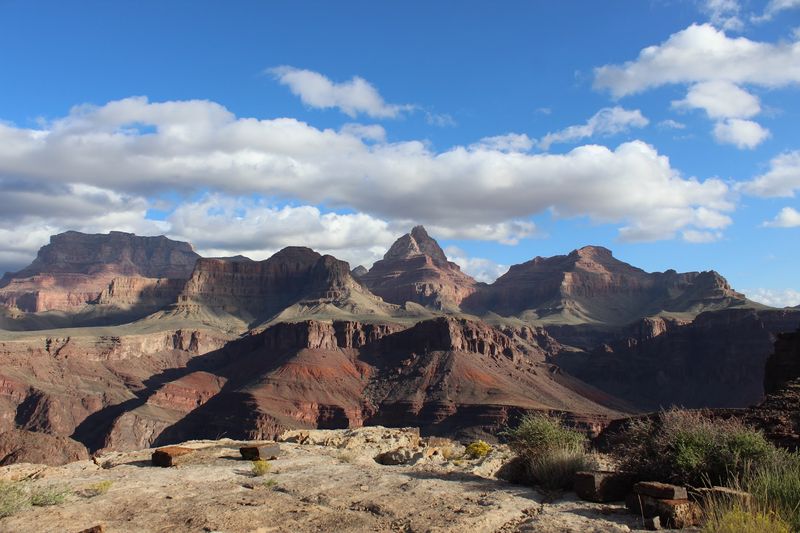
Tell someone you live in Arizona and they picture cactus and blazing heat. Then they visit Flagstaff and discover tall pine trees and snow.
This high-elevation town sits among ponderosa pine forests beneath the San Francisco Peaks, home to Arizona’s highest mountain. Hiking, trail running, mountain biking and climbing are all close by.
Winter brings real snow and skiing, which still surprises many newcomers. In summer, cooler mountain air offers a break from the desert below.
Then there is the neighbor down the road: the Grand Canyon. Flagstaff makes weekend trips to one of America’s greatest landscapes unusually easy.
In 2026, the International Mountain Bicycling Association named Flagstaff a Trail Town, praising the community for trail access and care. That recognition fits a place where locals treat the forest like an extended backyard.
Bring layers, because mountain weather loves to change its mind.
Durango, Colorado
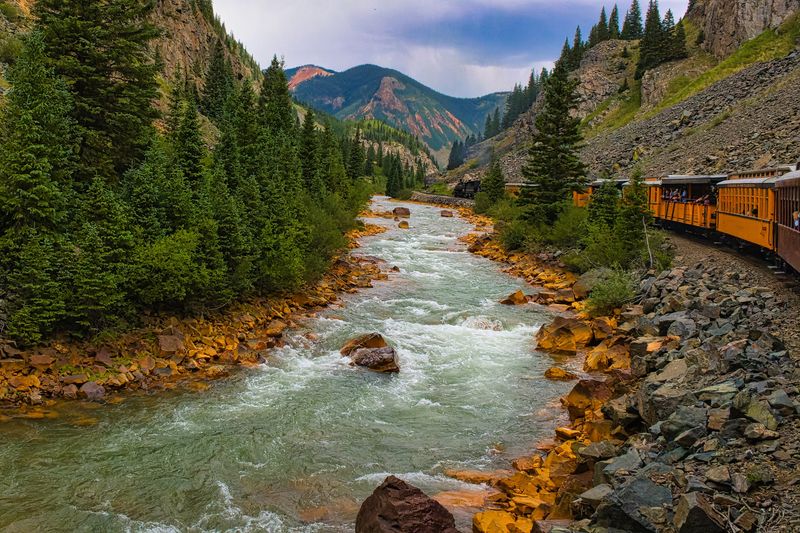
Roughly 300 miles of trails sit within 30 minutes of downtown Durango. That number alone makes plenty of outdoor fans start looking at real estate.
The Animas River flows through town beside a paved seven-mile trail that walkers, runners and cyclists share. Just to the north, the San Juan Mountains rise up like a giant welcome sign.
Hiking, mountain biking, climbing, fly-fishing, rafting and skiing all play big roles in local life. Lake Nighthorse and Haviland Lake offer extra water time, and Purgatory Resort handles the downhill skiing in winter.
Durango is more remote than Colorado’s Front Range cities, and that can mean longer drives for big-city errands. Yet that distance helps protect the outdoor-first lifestyle many people move here to find.
Expect friendly neighbors, muddy bikes on porches and a downtown with plenty of historic charm.
Whitefish, Montana
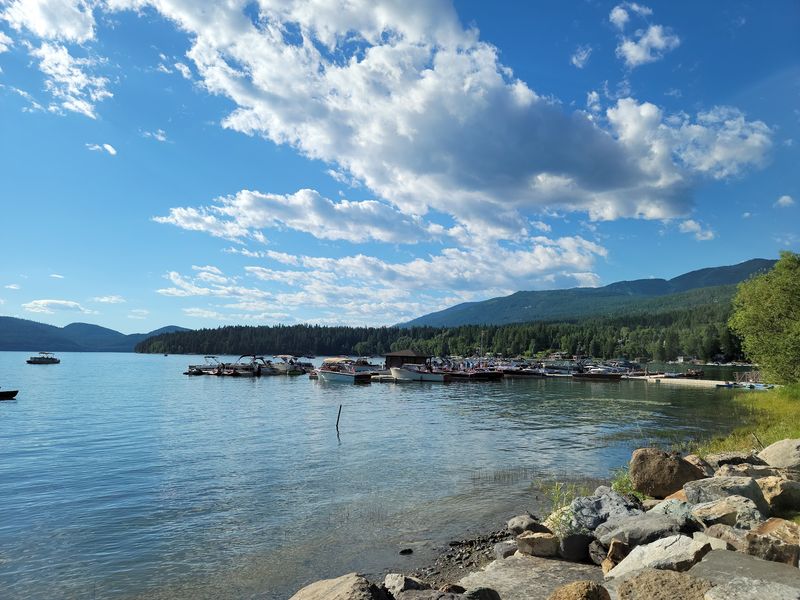
A cozy downtown, a sparkling lake and a ski mountain walk into a bar. In Whitefish, they all live within a few minutes of each other.
Whitefish Lake invites swimming, paddling and boating in warm months. When snow arrives, Whitefish Mountain Resort takes over with skiing and snowboarding.
Glacier National Park sits within easy driving distance, which opens the door to some of the most spectacular hiking routes in America. Think towering peaks, alpine meadows and the occasional mountain goat staring you down.
Real-estate experts surveyed by Travel + Leisure have named Whitefish among the country’s strongest places to live for people who love outdoor beauty. Prices have climbed a lot, so it is not a bargain pick.
Still, for four seasons of recreation and postcard views, Whitefish stands out as one of Montana’s finest communities.
Boise, Idaho
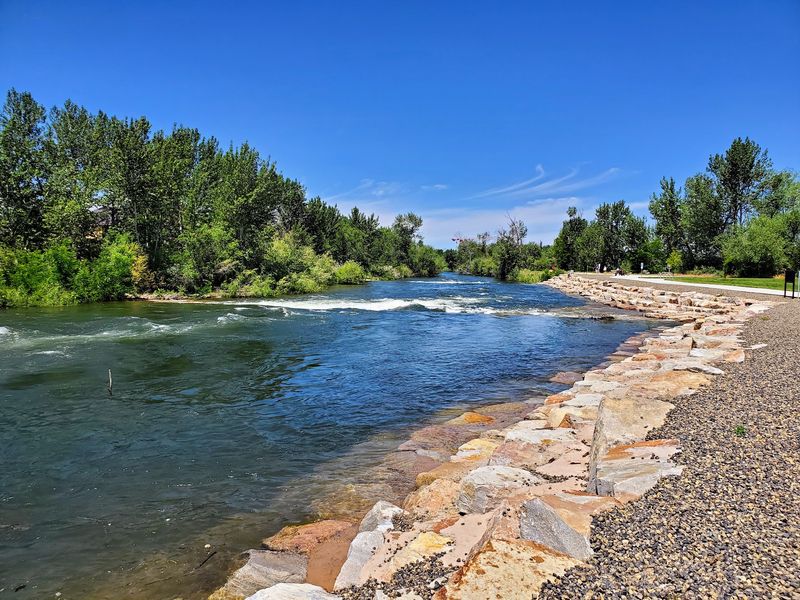
Big-city comforts and mountain trails usually don’t mix, but Boise proves they can. The Boise River runs through town beside a long paved Greenbelt, and foothills begin almost right outside downtown.
The Ridge to Rivers network offers more than 190 miles of trails for hiking and mountain biking. Many locals squeeze in a sunrise run before work, with views of the city waking up below.
Summer is the season of the float. People grab tubes, drift down the river and wave at neighbors along the banks.
The whitewater park adds action for surfers and kayakers.
When snow falls, nearby mountains offer skiing and snowshoeing. Visit Boise describes the city as a place where hundreds of miles of trails sit just beyond the urban center.
That makes outdoor time easy to add to a normal routine, no long road trip required.
Marquette, Michigan
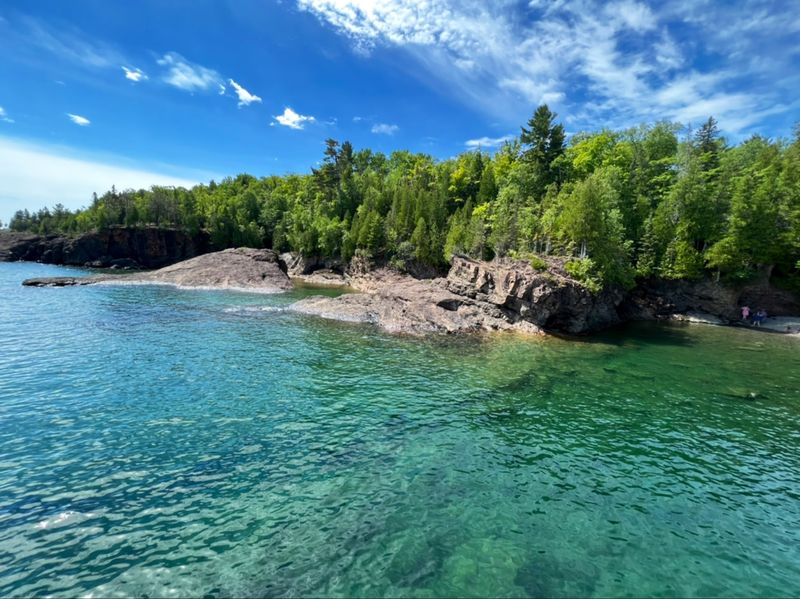
Lake Superior is so big that locals sometimes forget it is not an ocean. Marquette, in Michigan’s Upper Peninsula, lives by this giant lake’s rhythm.
Miles of shoreline offer kayaking, swimming and dramatic views, while forests and rocky hills circle the town. The 47-mile Iron Ore Heritage Trail welcomes walkers, runners and cyclists.
A short climb up Sugarloaf Mountain rewards hikers with a sweeping panorama of the lake. Presque Isle Park adds 324 acres of trails and shoreline almost inside the city limits.
Winter is long here, and the snow is serious. Instead of hiding indoors, locals head out for cross-country skiing, snowshoeing and snowmobiling.
If you are comfortable with cold and love year-round recreation, Marquette delivers the goods. Just bring a warm hat and a good attitude about shoveling.
Lake Placid, New York
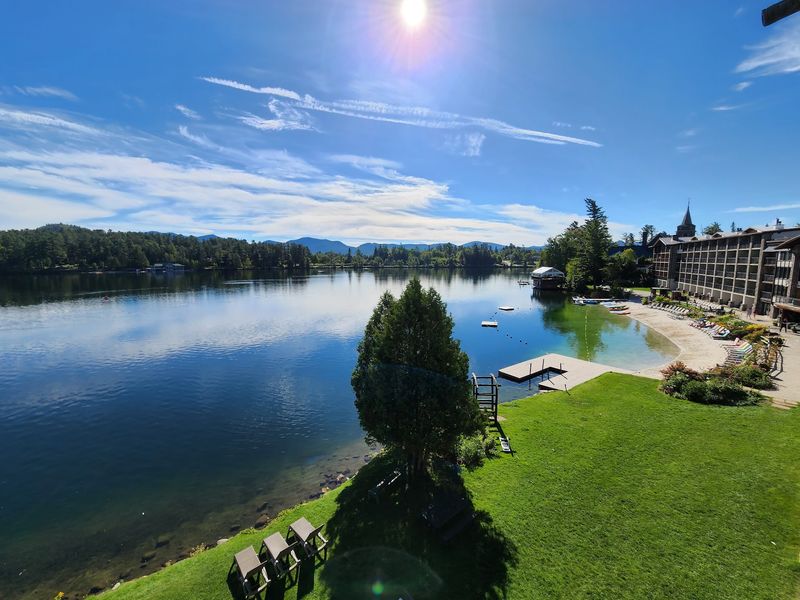
Two Winter Olympics left their mark on Lake Placid, and the town still wears the medals proudly. This small Adirondack community packs outdoor fun into nearly every season.
Summer visitors paddle Mirror Lake, hike nearby peaks, bike the Adirondack Rail Trail or camp across the High Peaks region. Winter shifts the spotlight to Whiteface Mountain, cross-country skiing, snowshoeing, skating and ice climbing.
The town keeps the sports facilities and identity created by hosting the Games, so there is always something athletic happening. Locals might be training, skating or simply walking the dog in the snow.
Unlike Western resort towns with wide-open alpine views, Lake Placid is wrapped in forest and lakes. That gives the Adirondacks a cozy, wooded character all their own.
It is a great pick for anyone who wants mountain life in the northeastern United States.
Taos, New Mexico
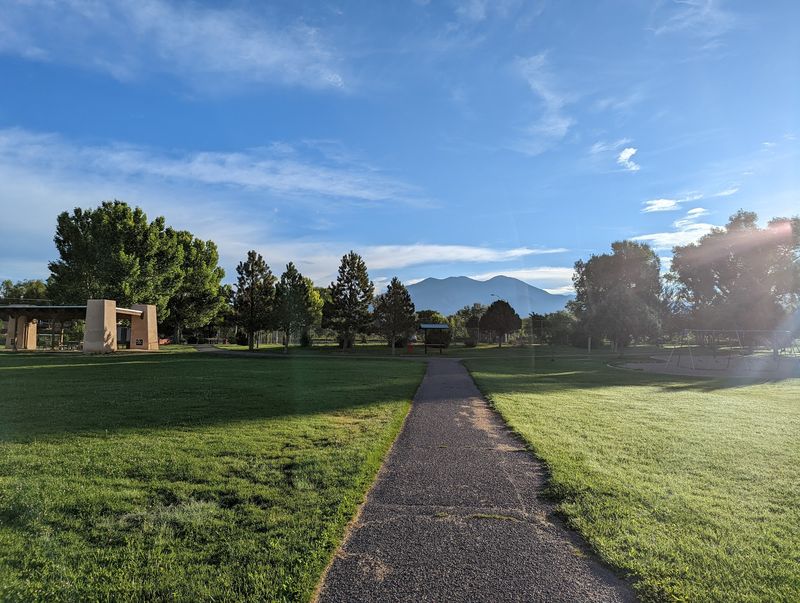
Mountains, mesas and a river canyon all fit into one view in Taos. Few places pack so much variety into a single landscape.
More than a thousand square miles of public wilderness land surround the area. The Rio Grande supports rafting, kayaking and fly-fishing, while hikers can explore the gorge or Carson National Forest.
Ambitious climbers can aim for Wheeler Peak, New Mexico’s highest point at 13,161 feet. In winter, Taos Ski Valley brings the snow action.
Here is a sunny bonus: the dry climate gives many years more than 300 days of sunshine. That means more days to get outside and fewer excuses to stay in.
Taos also has one of the most distinctive cultures on this list. Art galleries, adobe architecture and Native American history add depth to every outdoor adventure.
It is a place where a hike can end with a museum visit.
Sandpoint, Idaho
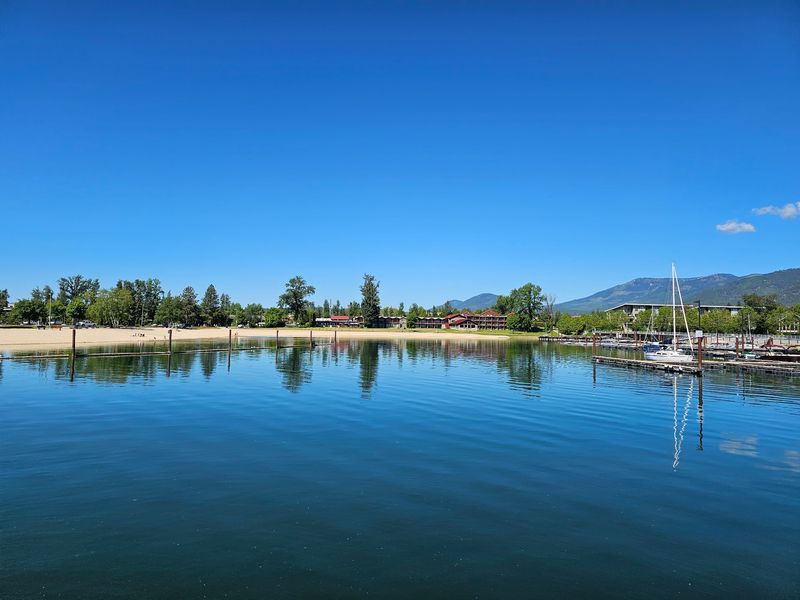
Lake Pend Oreille is so deep that the Navy once tested submarines in it. Sandpoint sits on its shore, beneath the Selkirk and Cabinet mountain ranges.
More than 200 hiking routes lie within about an hour of town. Options range from easy lakeside walks to the strenuous climb up Scotchman Peak.
On the water, residents kayak, sail, fish and swim. Come winter, Schweitzer offers roughly 2,900 acres of ski terrain for powder chasers.
Just a few miles from town, Pine Street Woods includes accessible trails for people who want gentler outings. That means grandparents, toddlers and trail runners can all find a path.
Sandpoint is a great choice for anyone who wants a smaller community built around year-round recreation. The pace is relaxed, the scenery is huge and the neighbors usually have a canoe.
Brevard, North Carolina
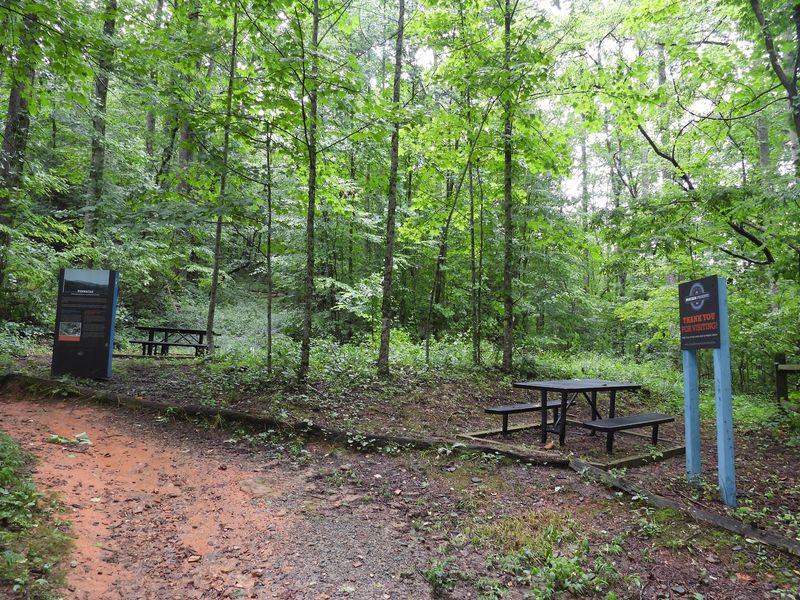
Waterfalls are practically a local hobby in Brevard. This small town sits between some of the richest outdoor areas in the southern Appalachians.
Pisgah National Forest provides extensive hiking and mountain biking. Nearby DuPont State Recreational Forest is famous for High Falls and Triple Falls, which fans of movies may recognize.
Farther southwest, Gorges State Park adds dramatic river and canyon scenery. Residents can pick short waterfall walks, tough mountain routes or some of the region’s best-known biking terrain, all without driving for hours.
Compared with nearby Asheville, Brevard has a smaller-town feel. Even so, it keeps restaurants, shops and community events close at hand.
Saturday might mean a farm stand, a hike and ice cream before sunset.
For people who want forests and falling water to shape their weekends, Brevard is hard to overlook.
Fayetteville, West Virginia
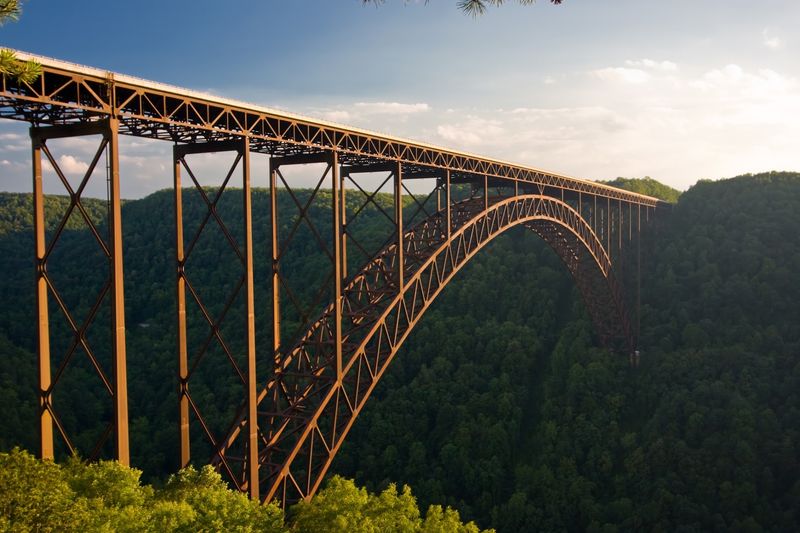
Once a year, people actually jump off the famous bridge here on purpose. Fayetteville sits right beside New River Gorge National Park and Preserve, and adventure is the local specialty.
The area offers hiking, world-class whitewater rafting, mountain biking and some of West Virginia’s best sandstone climbing. Trails overlook the huge gorge and its famous bridge, while rivers and wooded mountains wrap around the community.
Downtown is small and historic, with cafés, restaurants and local shops. It feels like a real town, not just a base camp for thrill seekers.
Many outdoor lovers find Western mountain towns too expensive. Southern West Virginia offers a friendly alternative, with big adventure and a lower price tag.
You can raft in the morning, climb in the afternoon and eat a hearty dinner at night.
Missoula, Montana
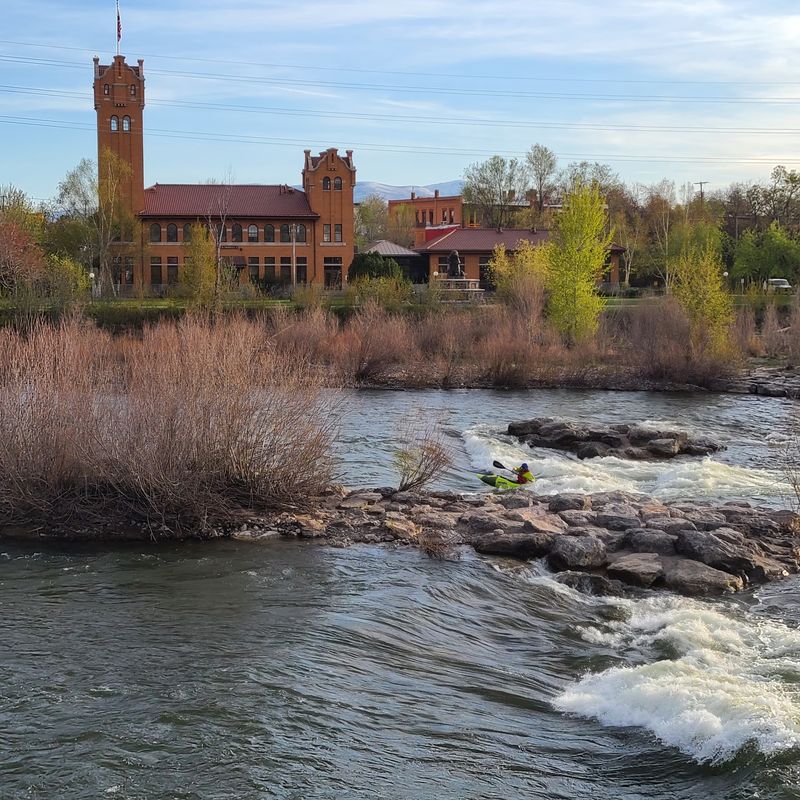
Trails in Missoula start almost in the neighbors’ backyards. Several mountain ranges and river valleys meet here, giving residents plenty of ways to play.
Paths climb directly from neighborhoods toward Mount Sentinel and Mount Jumbo. The Clark Fork River passes through downtown, perfect for fishing, paddling or watching surfers ride a standing wave.
Beyond the valley, larger wilderness areas and national forests open up nearly endless camping and backcountry trips.
The university population adds restaurants, music and cultural events. That gives Missoula a livelier feel than many mountain towns of similar size.
It works especially well for people who love Montana’s outdoor lifestyle but prefer a bigger year-round community to a resort town. You get a farmers market, a bookstore and a trailhead all within a short bike ride.
St. George, Utah
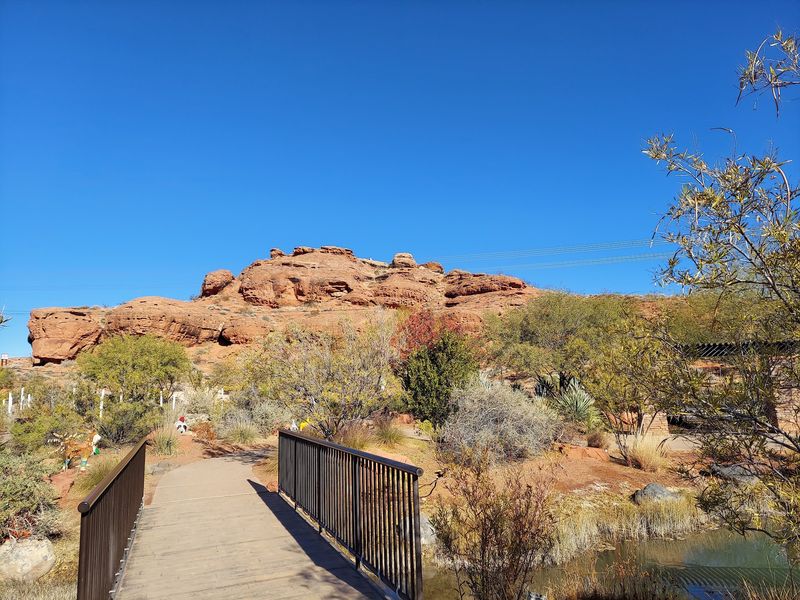
Forget pine trees. In St. George, the scenery is red, rocky and magnificent.
Sandstone cliffs and desert trails surround this southwestern Utah community, and Zion National Park sits within easy reach. Hiking, mountain biking and climbing are possible through much of the year thanks to mild winters.
Summer heat can be fierce, so local routines shift. Many people hit the trails in early mornings or evenings, or head to higher elevations to cool off.
For anyone who loves exploring canyon country, St. George places national parks, state parks and huge stretches of public land close to home. That turns big trips into regular weekend plans instead of rare vacations.
Pack sunscreen, a big water bottle and a camera. The sunsets here light up the rocks like a glowing campfire.
Prescott, Arizona
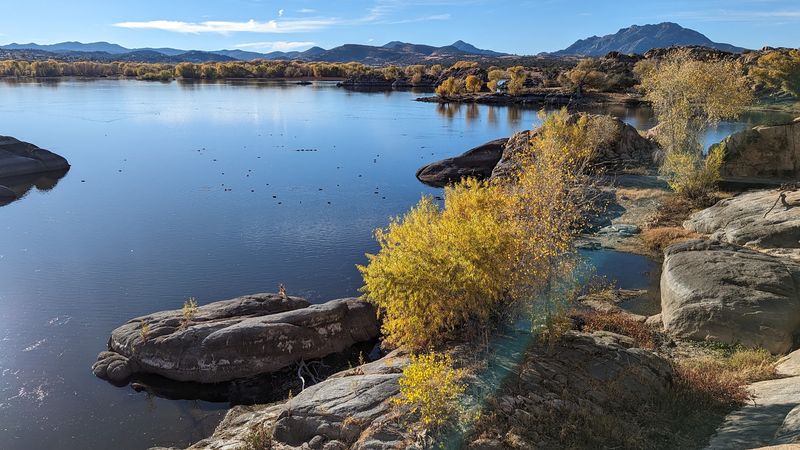
At about 5,300 feet, Prescott enjoys four real seasons while Phoenix sizzles below. That cooler air is a big part of the charm.
Pine forests surround the town, and Watson Lake, Willow Lake and Goldwater Lake offer paddling, fishing and shoreline fun. Watson Lake’s huge granite boulders look like something from a movie set.
Hundreds of miles of trails cross the surrounding Prescott National Forest. Hikers, trail runners, horseback riders and mountain bikers all find room to roam.
Prescott also has a historic downtown and regional services, so it works well for everyday living. Many isolated mountain towns cannot say the same.
For active residents, the variety of nearby terrain is the big prize. You can switch from lake to forest to rocky ridge in a single weekend.
Hood River, Oregon
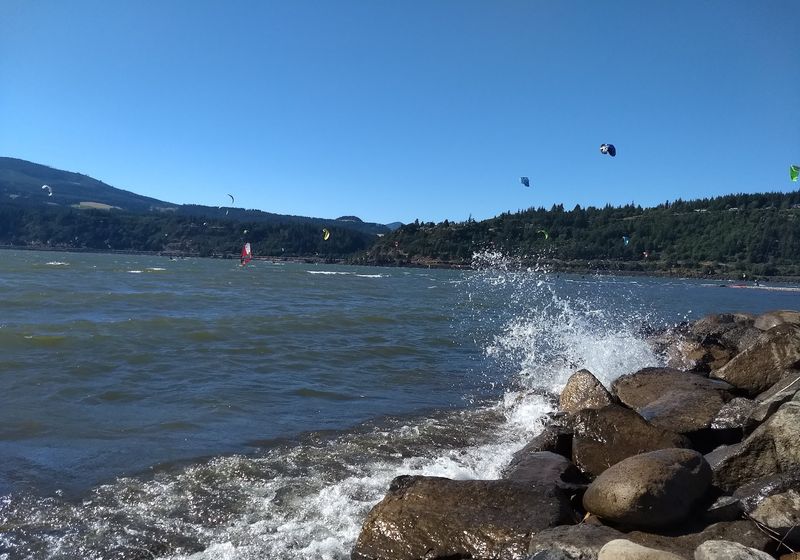
Wind is the local celebrity in Hood River. Tucked into the Columbia River Gorge, the town gets strong breezes, steep mountains and the nearby Cascades all in one spot.
The Columbia is known around the world for windsurfing and kiteboarding. On a good day, the water looks like it is covered in bright confetti.
Roads and trails around town support cycling, hiking and mountain biking. Mount Hood offers skiing and snowboarding within driving distance, and waterfalls line the gorge in both directions.
Fruit orchards and vineyards soften the landscape outside town. Even a quick errand can turn into a scenic drive.
Hood River is small, and housing can be costly. Still, people who want water sports and mountains in the same place will find few better options.
Bigfork, Montana
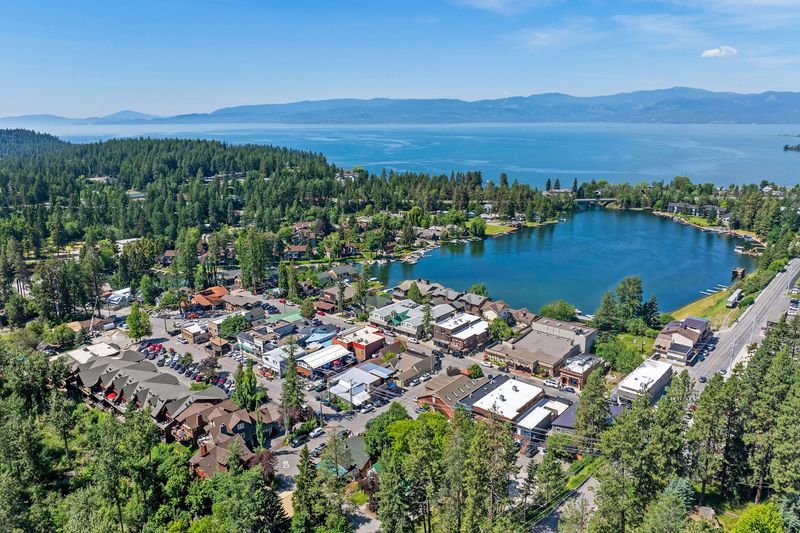
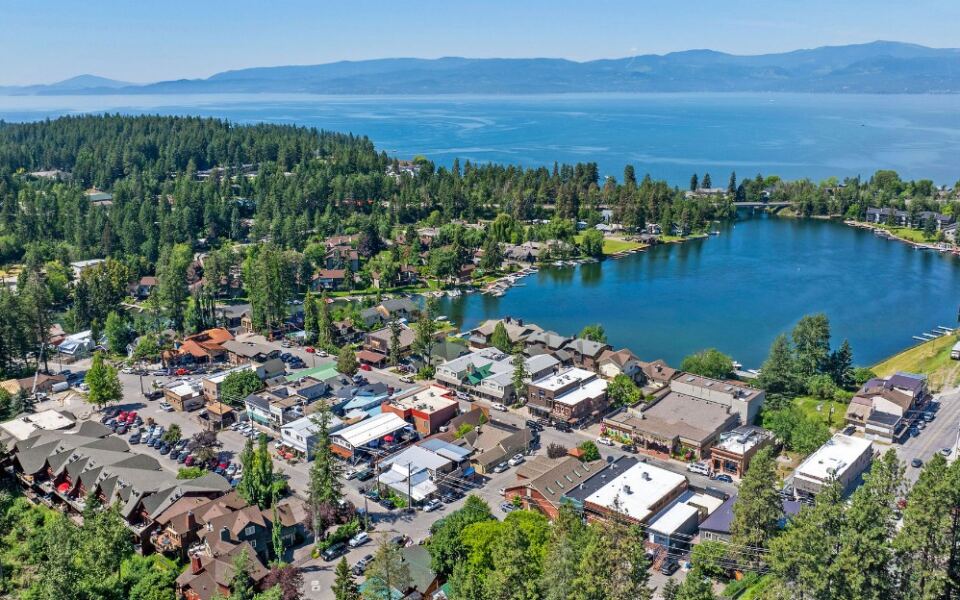
Flathead Lake is one of the largest freshwater lakes in the western United States, and Bigfork has a front-row seat. The village sits near the lake’s northeastern shore, with the Swan Mountains rising close by.
Boating, kayaking and fishing fill the warm months. Hiking routes stretch into the surrounding forest and mountain terrain, so there is always a new trail to try.
Glacier National Park is within reach too, making bigger weekend adventures easy to plan. Pack a lunch, a bear spray and a sense of wonder.
Travel + Leisure’s 2026 real-estate roundup highlighted Bigfork as a fit for people who value scenery, outdoor access and a slower pace of life. Slow is a good word here, as the days feel longer and calmer.
It is not a budget destination. Even so, the mix of lake access and small-town Montana character is exceptional.
Share this story