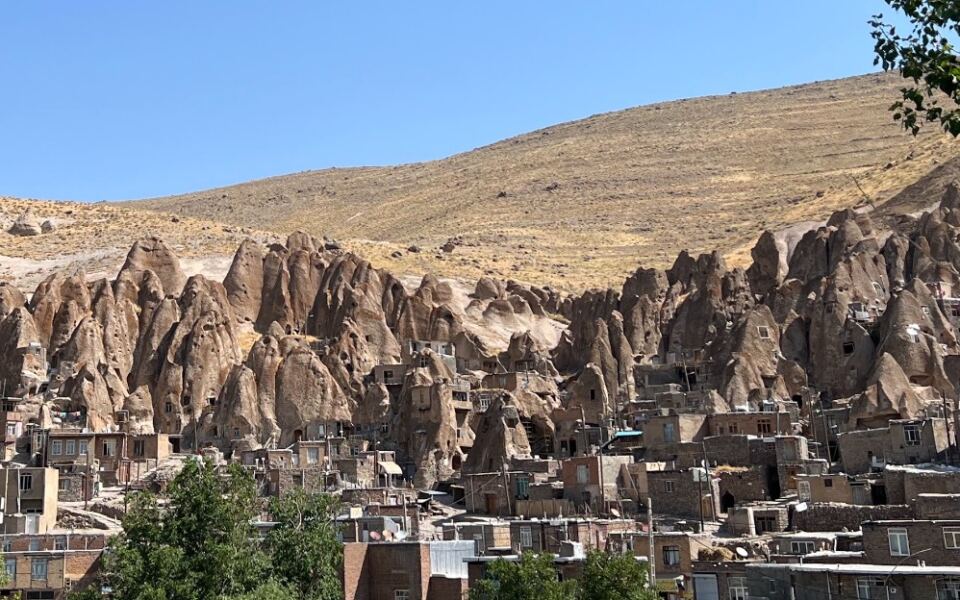
Imagine a village where the houses look like giant stone beehives poking out of a mountainside. That is Kandovan, a real place in northwestern Iran where people still live inside carved rock.
Its cone-shaped homes were shaped by volcanic eruptions and then hollowed out by hand. Here are ten things that make this rocky wonder so special.
Rock Cones Born From Fire
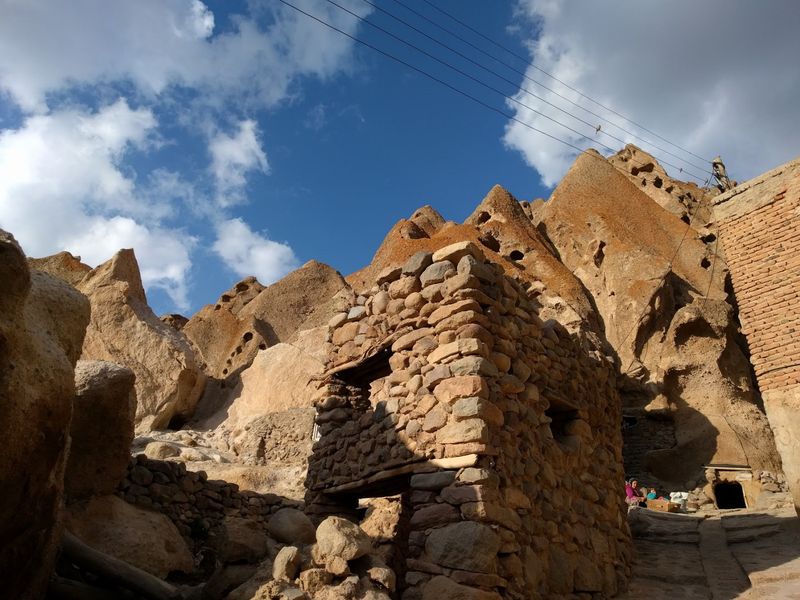
Picture a giant volcano sneezing ash across the land. That is roughly how Kandovan began, when Mount Sahand erupted long ago and covered the area in thick volcanic ash.
Over time the ash hardened into a soft, light stone called tuff.
Rain, snow, and wind then went to work like patient sculptors. They carved the tuff into tall, pointed cones that now stand shoulder to shoulder on the hillside.
Some rise several stories high and look almost like stone chimneys.
Here is a quirky fact: the rock is so porous that it is lighter than many types of stone. That makes it easier to carve, and it is the reason people chose it for homes.
Nature made the shapes, and people simply moved in.
Visitors often stop at the base of the village just to stare upward. Bring a camera and some patience, because every angle gives a new view of the cones.
Early morning light turns the rock a warm honey color that looks great in photos.
Homes Dug by Hand
Knock, knock. Who lives in a rock?
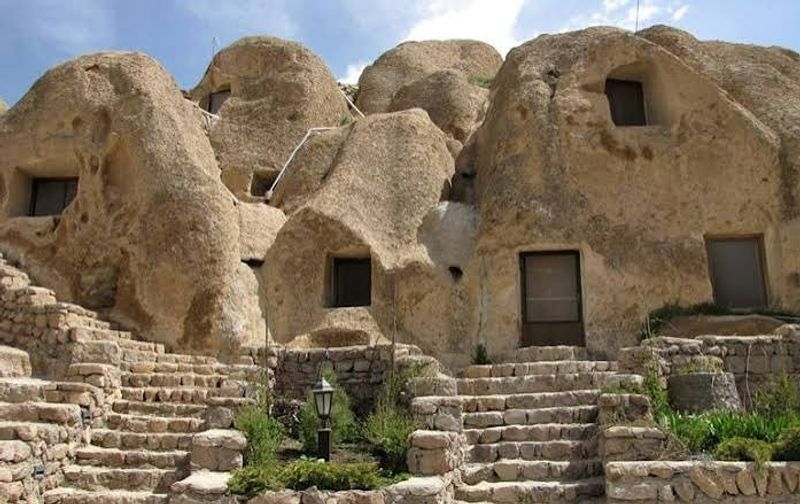
In Kandovan, plenty of families do, and their homes were hollowed out by hand over many centuries.
Villagers dug into the soft stone using simple tools. Each home usually has several levels, with rooms stacked inside the cone like floors in a tiny tower.
Small windows and wooden doors were cut right into the rock face.
Many of these dwellings are believed to be hundreds of years old, and some people say the village goes back even further. Families have passed the homes down from one generation to the next.
When a room is needed, people can simply carve a bit more space.
Walking past, you may spot laundry, flower pots, or a cat napping on a ledge. It is a reminder that this is not a museum frozen in time.
It is a real neighborhood where people still cook dinner, raise kids, and swap gossip over the garden wall.
Nature’s Air Conditioning
Step inside a Kandovan home on a hot July afternoon and you will feel the difference at once. The air is cool and calm, even when the sun is blazing outside.
The thick volcanic walls act as natural insulation. In summer they keep heat out, and in winter they hold warmth in.
Locals say the temperature inside stays steady all year, which saves a lot of energy.
This matters in a place where winters can be harsh. Snow often covers the slopes around Mount Sahand, and the nights get cold.
A rock home keeps the chill from sneaking in.
Some residents use their lower rooms as pantries and cool storage. Food stays fresh longer without a fridge humming away.
Smart builders figured all this out long before modern heating and cooling existed, and the lesson still holds up today.
A Mountain Backdrop Worth Framing
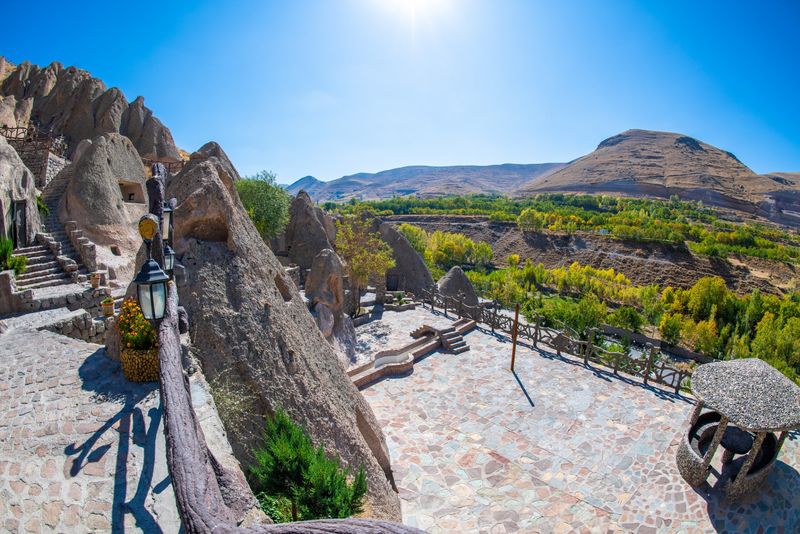
Few villages come with a volcano for a neighbor. Kandovan sits in the foothills of Mount Sahand, near the city of Osku, and the setting is hard to beat.
Sahand is a large, ancient volcano that rises above the region. Its slopes are green in spring and golden by late summer.
Snow dusts the peaks for much of the year.
The village sits in a small valley, so the rock cones seem to grow right out of the hills. From the upper paths, you can look across the whole cluster and see the landscape stretching away.
It is a great spot for a quiet picnic.
Spring and early summer are lovely times to visit. The weather is mild, and the hillsides look fresh.
Pack a light jacket, though, since mountain breezes can surprise you even on sunny days.
Stone Hotel Stays
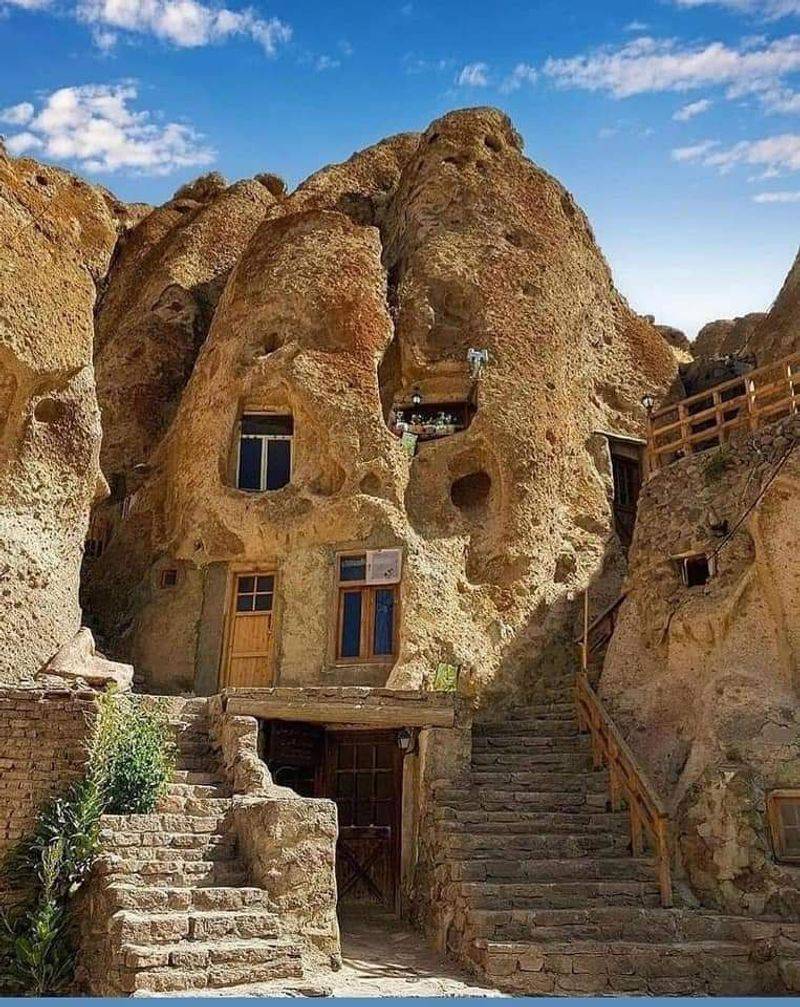
Ever wanted to sleep inside a rock? Kandovan lets you do it, and with a few comforts too.
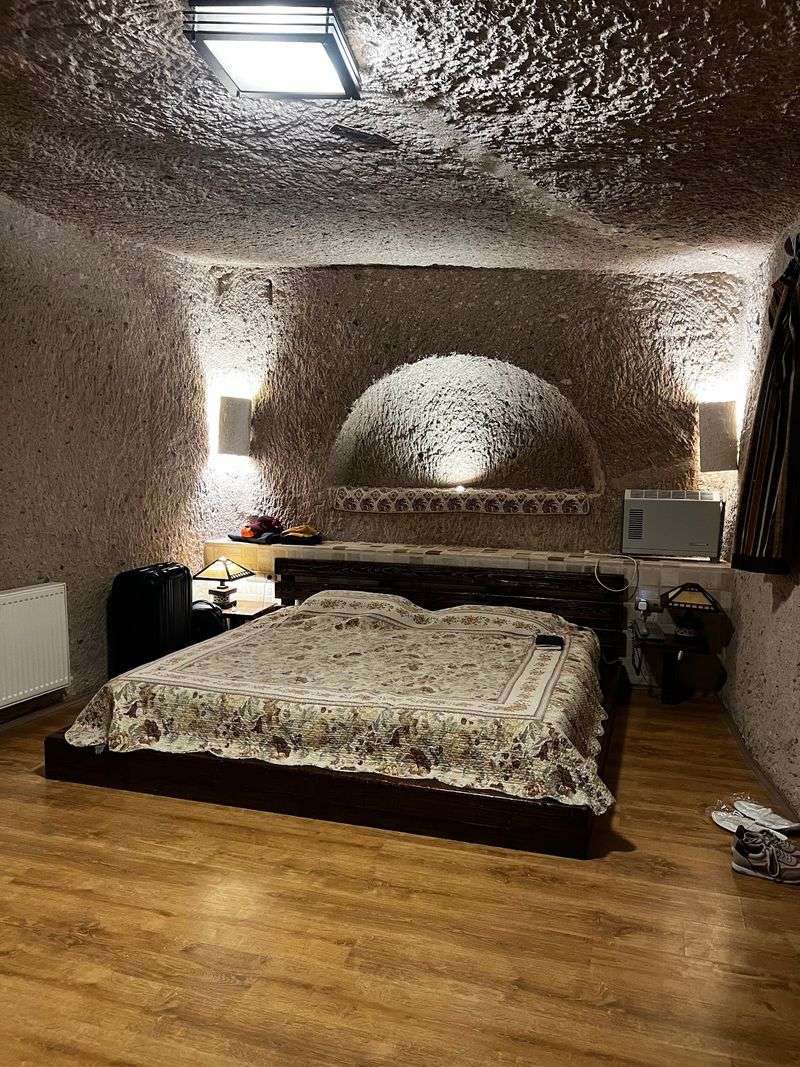
A rock-carved hotel here offers rooms set inside the old volcanic cones.
The rooms keep the cave feel, with rounded walls and chunky stone details. Add warm rugs, soft beds, and traditional decor, and you get a cozy mix of old and new.
Guests often say the quiet at night is the best part.
Booking ahead is wise, especially in summer and during holidays. Iranian travelers love the village, so rooms can fill up fast.
Ask for a room with a view if you can.
One tip: pack comfortable shoes. The paths between rooms are steep and sometimes uneven.
A stay here turns a quick day trip into a real adventure you will talk about for years.
Healing Spring Water
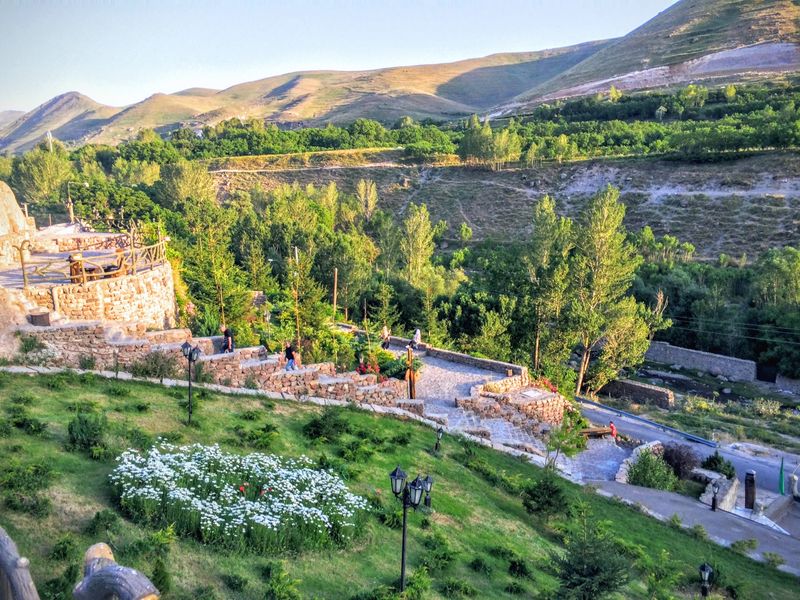
Locals will happily point you toward the village spring and tell you to take a sip. The water here is rich in minerals, and it has a famous reputation across the region.
It flows from the slopes of Mount Sahand and bubbles with a slightly fizzy, tangy taste. Some people say it helps with stomach troubles and kidney problems.
Science has not proven every claim, but the tradition runs deep.
Many visitors fill bottles to take home. You will see small stalls near the entrance too, selling local goods.
Bring a refillable bottle and try a cup straight from the source.
Do not be shocked by the mineral flavor. It is quite different from tap water, and first-timers sometimes make funny faces.
After a few sips, though, plenty of people decide they like it.
Souvenirs and Local Treats
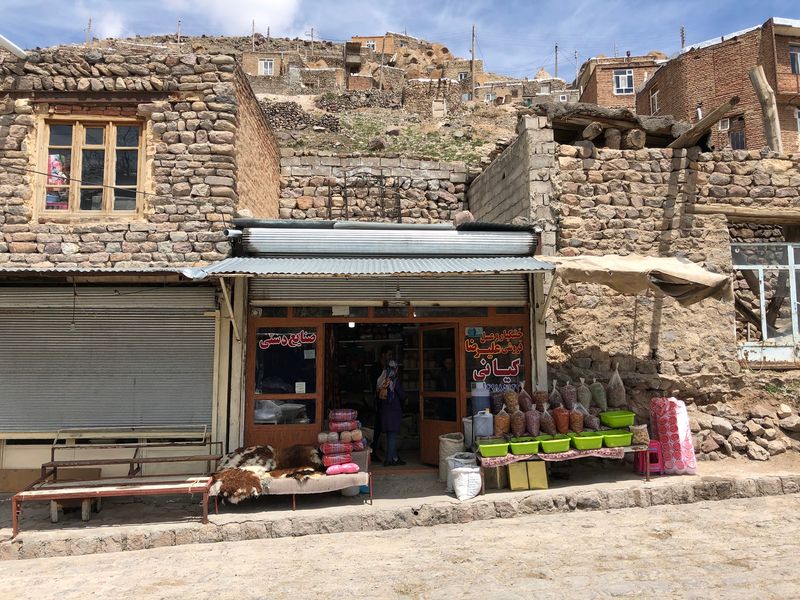
Your nose may find the market before your eyes do. Kandovan’s winding lanes are lined with small shops selling honey, herbal teas, dried fruit, and sweets.
Local honey is a star here. Bees feed on mountain flowers and herbs, and the result is a rich, fragrant spoonful.
Many sellers let you taste before you buy, so sample freely.
You will also find handmade crafts, woolen socks, and woven goods. Some shops are set inside the rock cones themselves, so even shopping feels like exploring a cave.
Prices are usually friendly, and a smile goes a long way.
Try a glass of hot tea with a sugar cube in a stone-walled cafe. It is a simple pleasure that fits the setting perfectly.
Leave a little room in your bag, because the souvenirs add up quickly.
Comparing Kandovan to Cappadocia
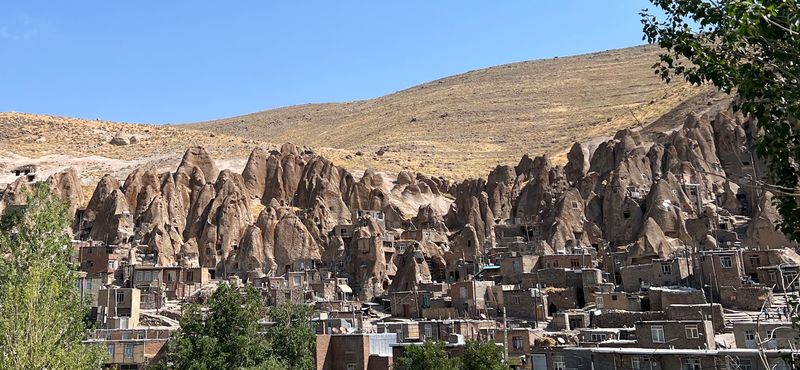
Kandovan often gets called Iran’s answer to Cappadocia in Turkey, and the comparison makes sense. Both places have cone-shaped rock formations that people turned into homes.
There is one big difference, though. Kandovan is still a living village, with families going about daily life inside the stone.
Many rock towns around the world are now empty or used only for tourism.
The crowds are different too. Kandovan feels smaller and calmer, so you can wander at your own speed.
You are more likely to chat with a shopkeeper than to jostle with a tour group.
Travelers who have seen both say Kandovan feels more personal. It may not have hot air balloons, but it has charm in bucketfuls.
If you love unusual places, this one deserves a spot on your list.
Climbing the Winding Paths
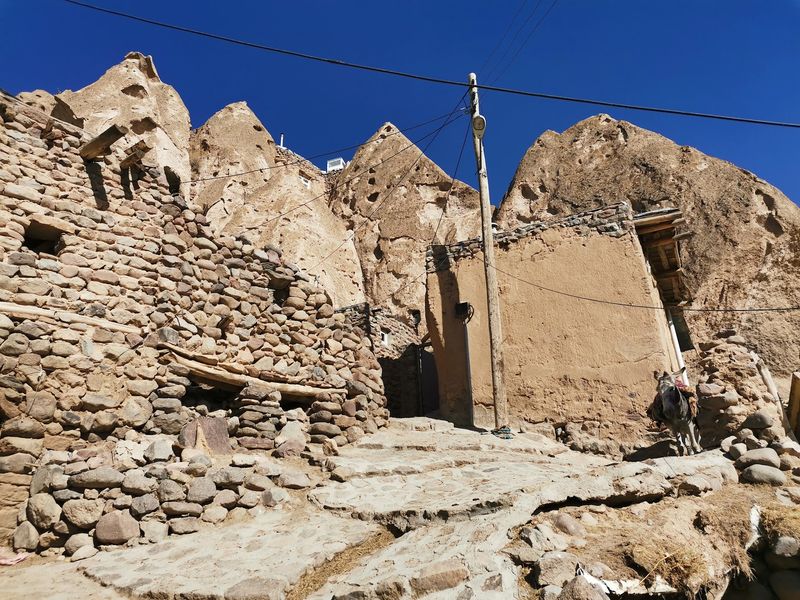
Your legs will get a workout here, so lace up those sneakers. Kandovan is built on a slope, and its paths twist, climb, and zigzag between the cones.
Stone steps lead up to higher homes, small shops, and lookout points. The rock can be slippery after rain or snow, so go slowly.
Shoes with good grip make a big difference.
Take breaks often. Each corner offers a new peek into a doorway or a view across the valley.
Kids tend to love it, since the whole place feels like a giant playground made of stone.
Some visitors like to start at the top and wander down. That way the climb is easy and the views stay in front of you.
Whichever way you go, bring water and leave time to look around.
Planning Your Visit
Getting to Kandovan is easier than you might think. The village lies about 50 kilometers from Tabriz, near the town of Osku in East Azerbaijan province.
Taxis, buses, and tours run from Tabriz regularly.
Plan for a half day at least. That gives you time to climb, shop, eat, and snap plenty of photos.
Staying overnight lets you enjoy the village after the day visitors leave.
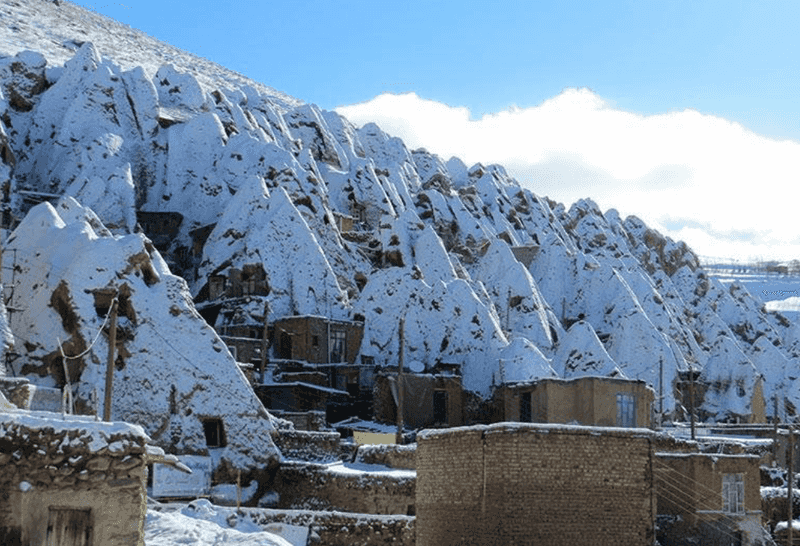
Late spring and early autumn bring the nicest weather. Winter can be snowy and beautiful, though it is also cold and slippery.
Summer is busy, so go early to dodge the crowds.
Dress in layers and be respectful of the residents. Remember that people live in these homes, so ask before photographing someone or stepping into a doorway.
A little courtesy makes the visit better for everyone.
Share this story