Roughly 1,000 pounds of donated craft supplies arrive at one Pennsylvania shop every single week. That means buttons, yarn, fabric scraps, picture frames, and sewing patterns, all saved from the trash and placed back on shelves for new projects.
The stock changes daily, so no two visits look quite the same.
The shop is run as a nonprofit, and its mission goes well beyond cheap glitter. Every spool and stamp that sells is one less item sitting in a landfill.
I like the idea of a store where the inventory depends on what people clean out of their closets. One week might bring a mountain of fabric.
The next might bring a used sewing machine or a box of floral stems.
So what happens to all those donations once they come through the door? The answer involves a surprising amount of sorting.
A Nonprofit Shop on Oregon Pike
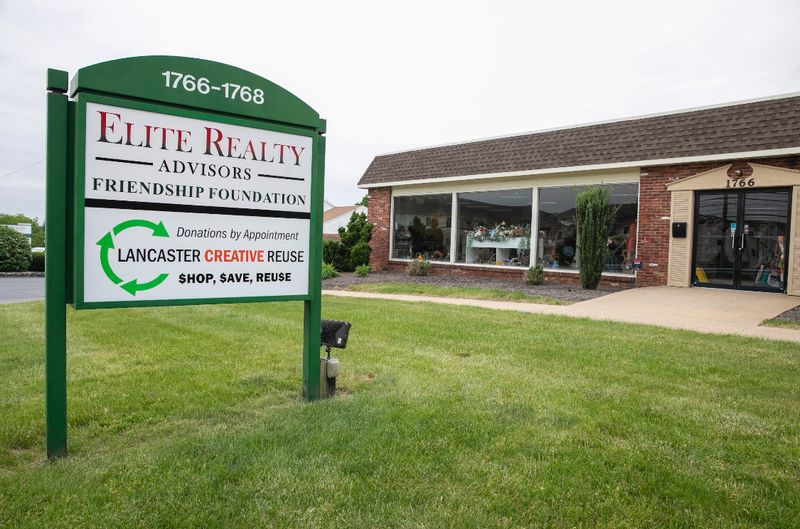
Lancaster Creative Reuse sits at 1766 Oregon Pike in Lancaster, Pennsylvania 17601. It works as a nonprofit organization, and its whole business is built around giving used and leftover craft supplies a second life.
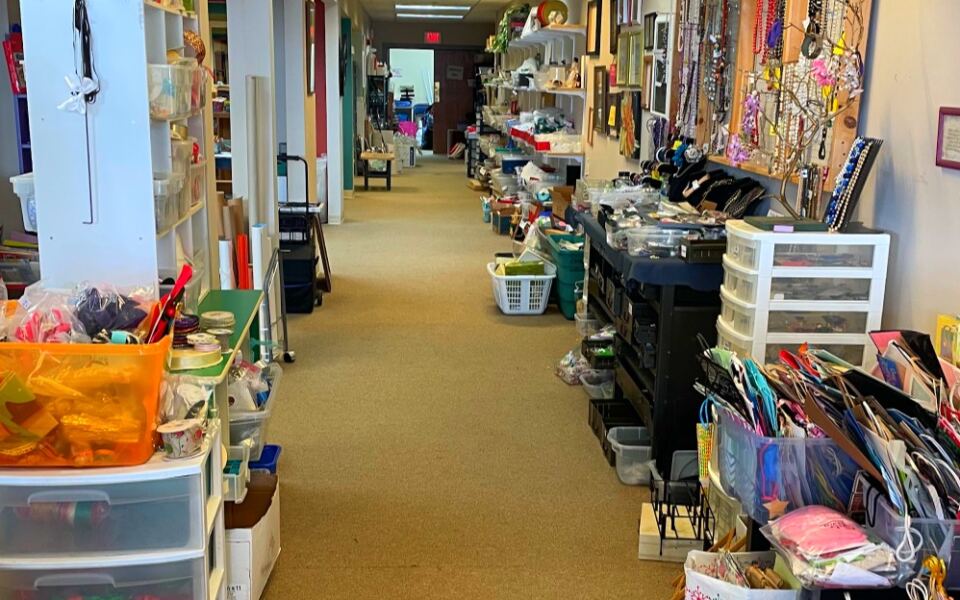
Think of it as a thrift store made just for makers. Instead of racks of clothes, you get bins of buttons, stacks of fabric, rolls of ribbon, and shelves of frames.
Almost everything here was once tucked in somebody’s sewing room, classroom closet, or attic.
The scale is what grabs me. Around 1,000 pounds of donated supplies come in each week.
That is a lot of yarn and paper that might otherwise be headed for the curb.
The shop keeps things simple. People drop off what they no longer need, volunteers and staff sort it, and shoppers carry it home for new projects.
Prices stay low because the goods are secondhand.
That steady flow of donations shapes everything about the place. It decides what hits the floor, how often shelves change, and why regular shoppers keep checking back.
To understand the store, you really have to start with where the stuff comes from.
Where 1,000 Pounds a Week Comes From
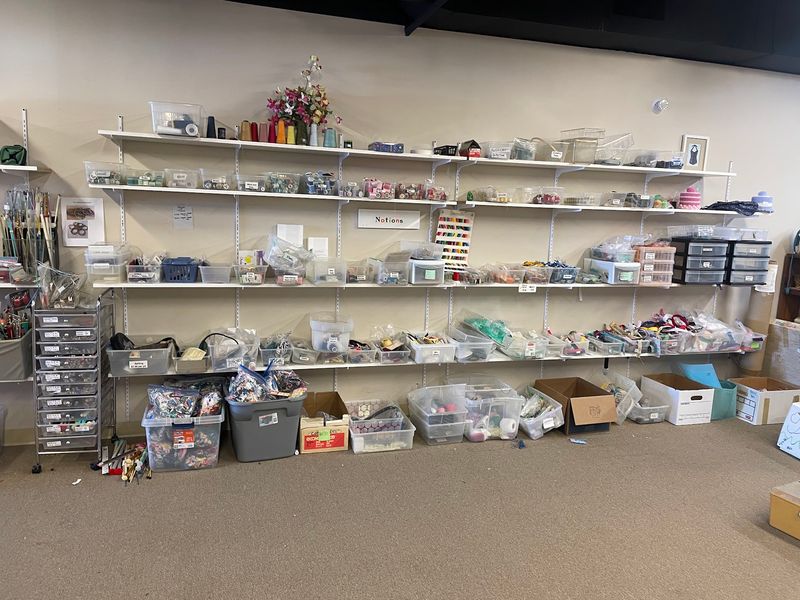
Half-finished hobbies are everywhere. Somebody buys a pile of knitting yarn, loses interest, and the skeins sit in a bin for years.
Multiply that by an entire county, and you can see how the donations add up so fast.
Lancaster Creative Reuse accepts leftover craft supplies from the community. Crafters clearing out their stash, families downsizing, and people sorting through a loved one’s collection all bring items here.
The result is roughly half a ton of material arriving every week.
For donors, it solves a real problem. Tossing usable fabric or craft materials feels wasteful, but storing them forever is not much better.
However, the shop cannot accept everything. Its donation guidelines currently exclude scrapbook paper, rubber stamps, sewing patterns, and sewing notions, even though some of these items may still appear in its secondhand inventory.
If you plan to donate, check the organization’s current donation guidelines before loading your car. Accepted materials and restrictions can change depending on available space and inventory needs.
A little preparation also helps. Group similar items together and make sure everything is clean and usable.
Of course, a thousand pounds of mixed supplies does not sort itself. Before anything reaches a shelf, it has to be inspected and organized.
That behind-the-scenes work is a big part of what keeps this place running.
Shelves That Change Every Single Day
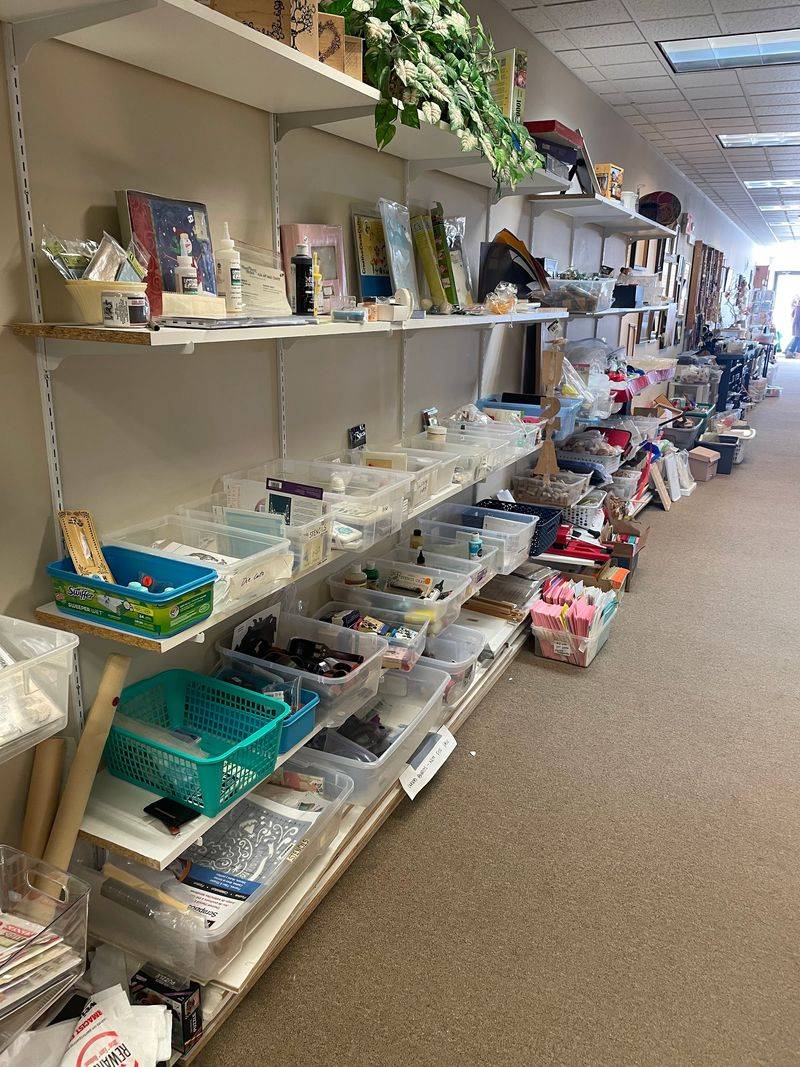
New stock goes out every day here. The shop says so directly, explaining that what is on the floor depends on what donations come in.
You truly never know what you will find.
That makes shopping feel a bit like a treasure hunt. A visit on Tuesday could look nothing like a visit on Thursday.
One trip might bring fresh scrapbook paper, while the next brings a stack of embroidery hoops.
There is a practical side to this, too. Since the stock is secondhand, you might not find the exact item on your list.
I would go in with a loose plan and an open mind rather than a strict shopping list.
Many people use the store as a first stop. Before heading to a big chain craft store, they check here to see if a used version exists for less.
It is an easy habit that can save money over time.
Frequent visits pay off. If you live nearby, stopping in now and then lets you catch new arrivals before someone else does.
And some of those arrivals are bigger than a bag of buttons, as the next section shows.
Sewing Machines, Fabric, and Patterns
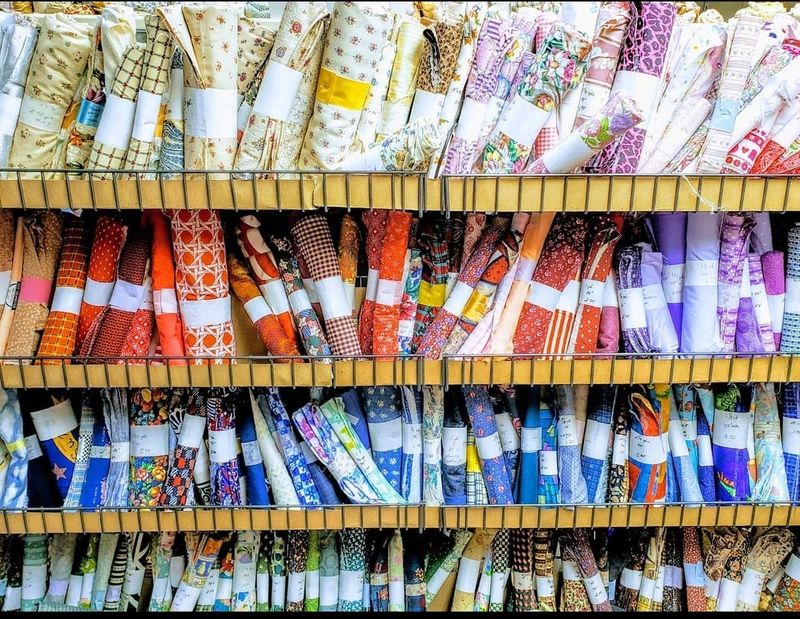
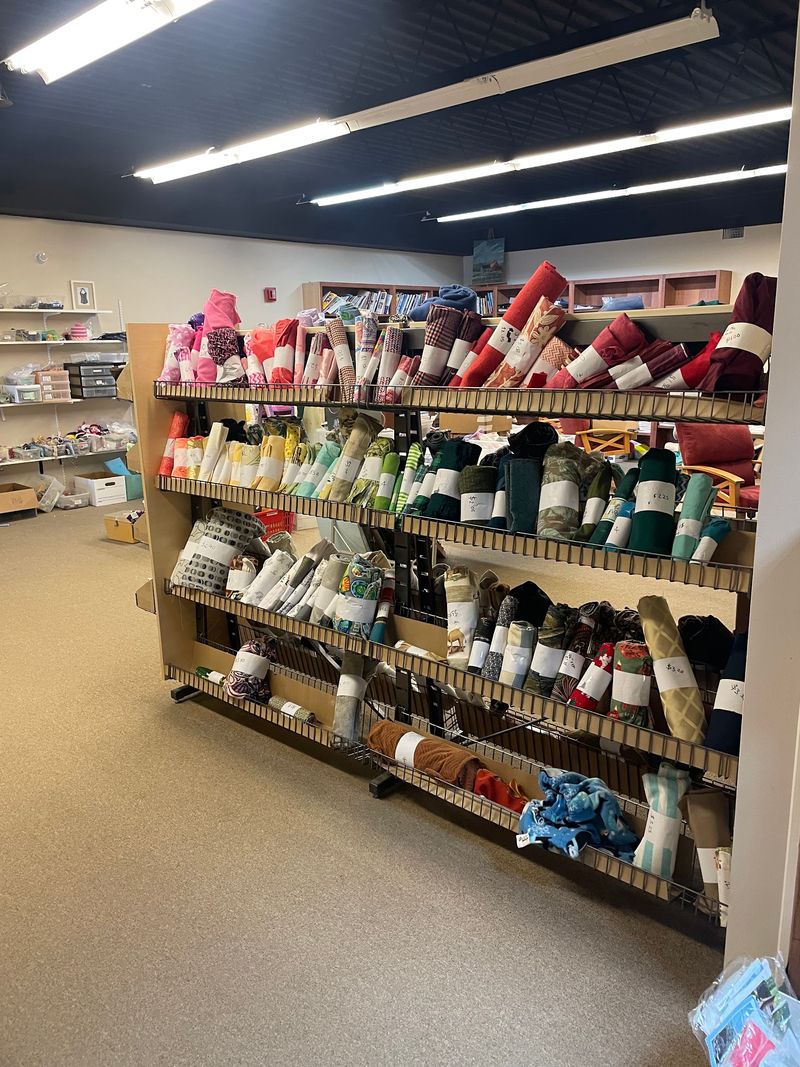
Sewers, take note. Fabric is one of the strongest categories at Lancaster Creative Reuse, with remnants, yardage, and fabric sample books showing up regularly.
Paper sewing patterns are another common find. Old patterns can be hard to track down, and a reuse shop is exactly where they tend to land after someone cleans out a sewing room.
Machines appear too. The shop has sold used sewing machines, which is a nice option if you want to try sewing without paying full price for new equipment.
Ask questions before buying, since staff can share what they know about a given machine.
Notions fill in the gaps. Thread, zippers, buttons, and trims are the small items that make or break a project.
Buying them secondhand keeps a simple pillow or tote bag affordable.
My tip would be to bring measurements. If you need a certain amount of fabric, write it down before you go.
Remnants come in all sizes, and knowing your numbers helps you decide quickly.
Fabric is only one corner of the store, though. Paper crafters have their own section worth a slow look.
Paper Lovers Get Their Own Corner
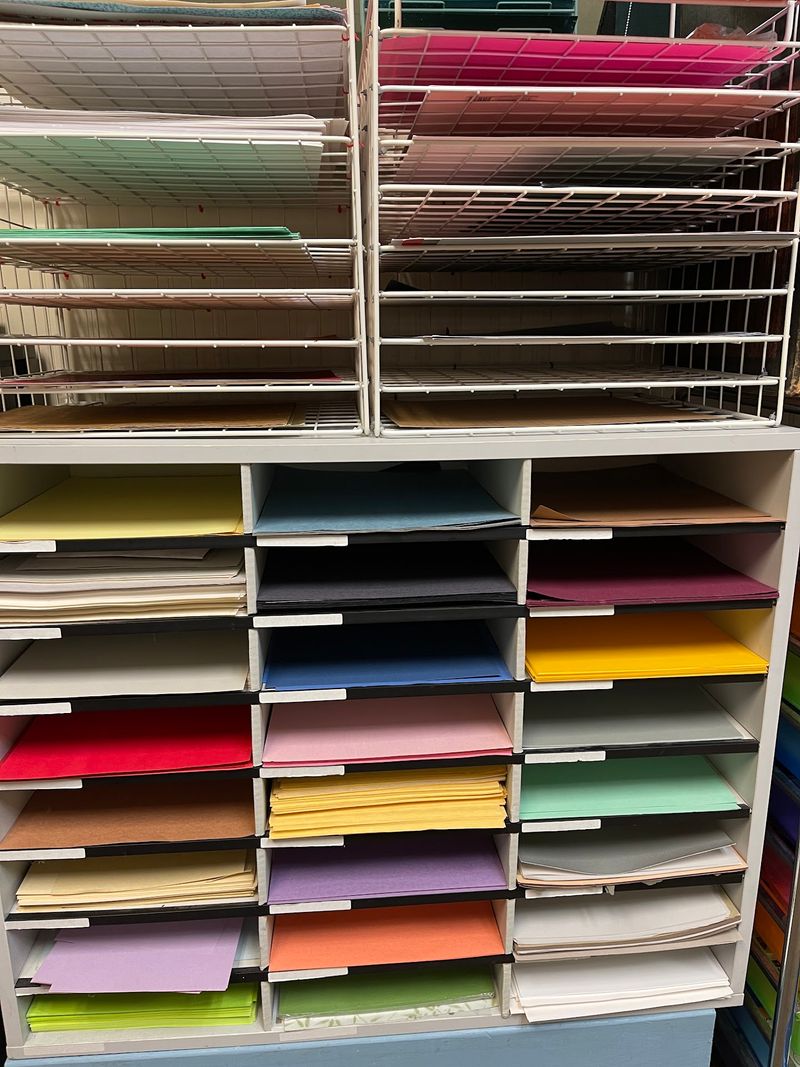
Scrapbook paper goes fast. It is one of those supplies people love to buy and rarely finish, which is great news for anyone shopping secondhand.
Lancaster Creative Reuse carries scrapbooking and card-making materials, rubber stamps, and other paper goods. Magazines and books also turn up, and they can be handy for collage work or cutting out images.
Card makers in particular can stretch a budget here. A handmade birthday card needs only a few sheets of nice paper, a stamp, and maybe some ribbon.
Buying those pieces used makes it easy to experiment without worry.
One honest note: general stationery, like office-style notebooks and envelopes, is not always heavily stocked. The shop leans toward craft paper rather than desk supplies.
Plan accordingly if that is your main goal.
I would treat this section as a browsing zone. Flip through the stacks, check the stamp bins, and see what sparks an idea.
Inspiration often comes from what you stumble on, not what you planned.
Speaking of stumbling onto things, jewelry makers have a whole category of tiny treasures waiting for them.
Tiny Parts for Jewelry and Small Projects
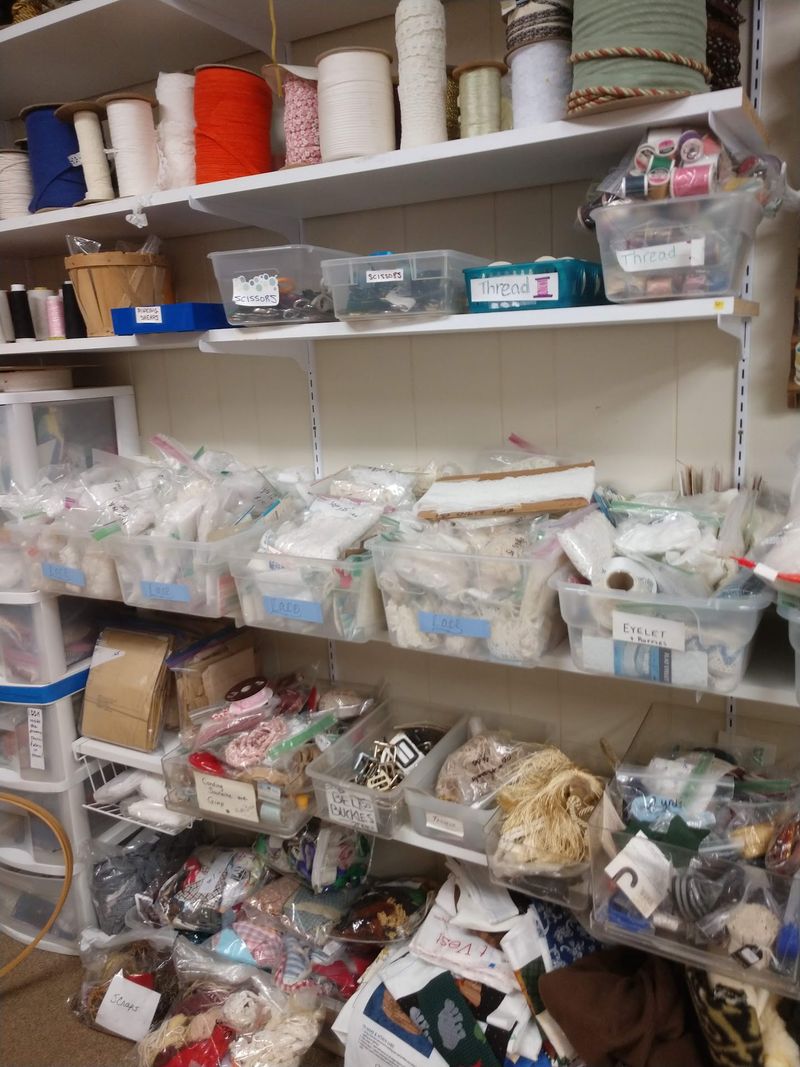
Small things add up. A single bead seems minor, but a jar of them can become a dozen bracelets.
Jewelry and jewelry parts are part of the mix at Lancaster Creative Reuse. Beads, findings, and old pieces you can take apart all count as useful material.
Buttons are another popular find, and they work for far more than shirts.
Kids especially enjoy this kind of stuff. Buttons and beads are great for simple crafts like sorting, stringing, or gluing onto cardboard.
Parents can grab a mixed batch without spending much.
Here is an idea I like. Look for old costume jewelry and think of it as raw material.
A broken necklace might hold enough beads for a new design, or a single brooch could decorate a hat.
Bring a small container if you plan to buy lots of loose pieces. It keeps everything from spilling in your bag on the ride home.
Not all the finds are tiny, though. Some of the most useful items in the shop are frames and home decor pieces, and one section recently got a fresh makeover.
Frames, Florals, and Seasonal Supplies
Picture frames are a sleeper hit. New frames can cost more than you expect, and a reuse shop is one of the easiest places to find them for less.
Lancaster Creative Reuse regularly stocks frames, which work for art, photos, or DIY projects like painted memo boards. A slightly scuffed frame can look brand new with a quick coat of paint.
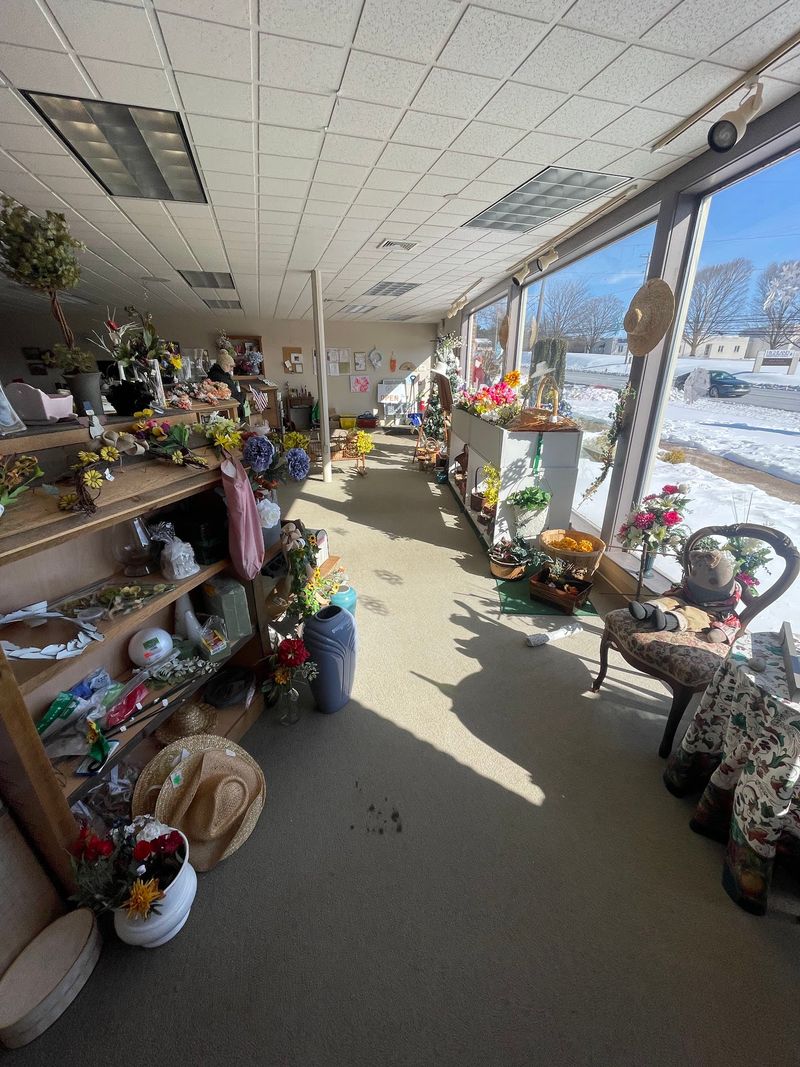
Faux florals have their own area too. The shop redid its floral section, so the artificial flowers are easier to browse.
Wreath makers and table decorators will want to stop here.
Seasonal crafts appear throughout the year as donations allow. Leftover holiday supplies are common donations, since people often buy more than they need.
Woodcraft items show up as well. Unfinished wood shapes and project pieces are fun for painting with kids or making simple signs.
I would think ahead when shopping for holidays. Since stock depends on donations, picking up seasonal items when you see them is better than waiting until the last minute.
All these categories create a big, busy space. Yarn, though, deserves its own spotlight.
Yarn Skeins, Stitchery, and Paint
Knitters and crocheters tend to collect yarn faster than they use it. That habit is exactly why so many skeins find their way into this shop.
Yarn is a regular category at Lancaster Creative Reuse. You might find full skeins, partial balls, or bags of mixed colors.
Partial skeins are perfect for small projects like hats, coasters, or granny squares.
Stitchery supplies are here too. Embroidery floss, cross-stitch materials, and needlework kits often come in as donations.
For beginners, buying these used is a low-risk way to try a new hobby.
Painters can find supplies as well, along with crayons and other basics. Teachers and parents will appreciate those, especially for big group projects.
One tip for yarn shoppers: check fiber labels when they are available, and grab enough of one color for your project. Matching dye lots later can be tricky with secondhand yarn.
Speaking of teachers, the shop has a reputation for supporting educators and local groups. That community side is a big piece of why it exists at all.
Keeping Crafts Out of the Landfill
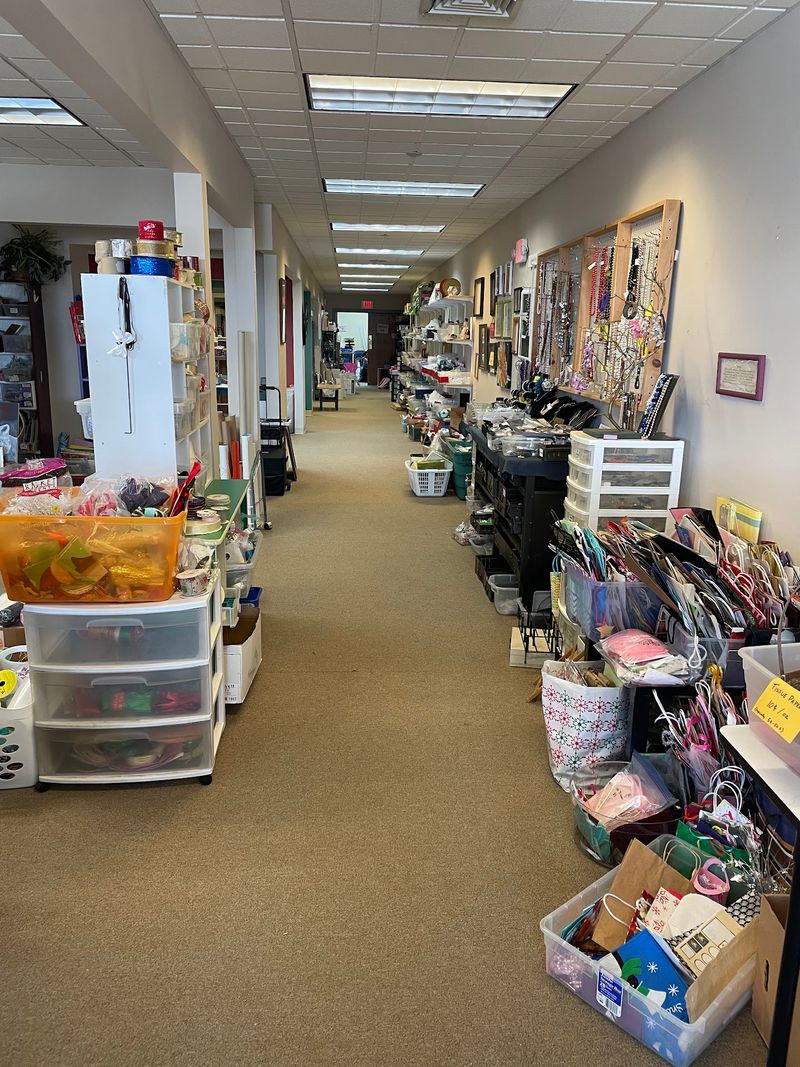
Creative reuse is a simple idea with big results. Instead of throwing away usable materials, you pass them along to someone who can use them.
That is the heart of Lancaster Creative Reuse. The shop describes its goal as getting craft supplies into good hands and out of the landfill.
With roughly 1,000 pounds coming in each week, that adds up to a lot of material saved.
Shopping here is an easy way to make your hobby greener. You still get to create, but you are using what already exists instead of buying something new.
The store has also been known to support teachers and nonprofits, which makes sense for an organization built around community. Teachers often pay for classroom supplies themselves, so affordable materials matter.
I find this angle more convincing than any lecture about waste. People get a fun shopping trip, low prices, and the satisfaction of reuse all at once.
If you have a classroom, club, or nonprofit, ask the staff about current programs. Details can change, so it is better to check directly than to assume.
Staff, it turns out, are one of the shop’s strong points.
Planning Your Visit to the Shop
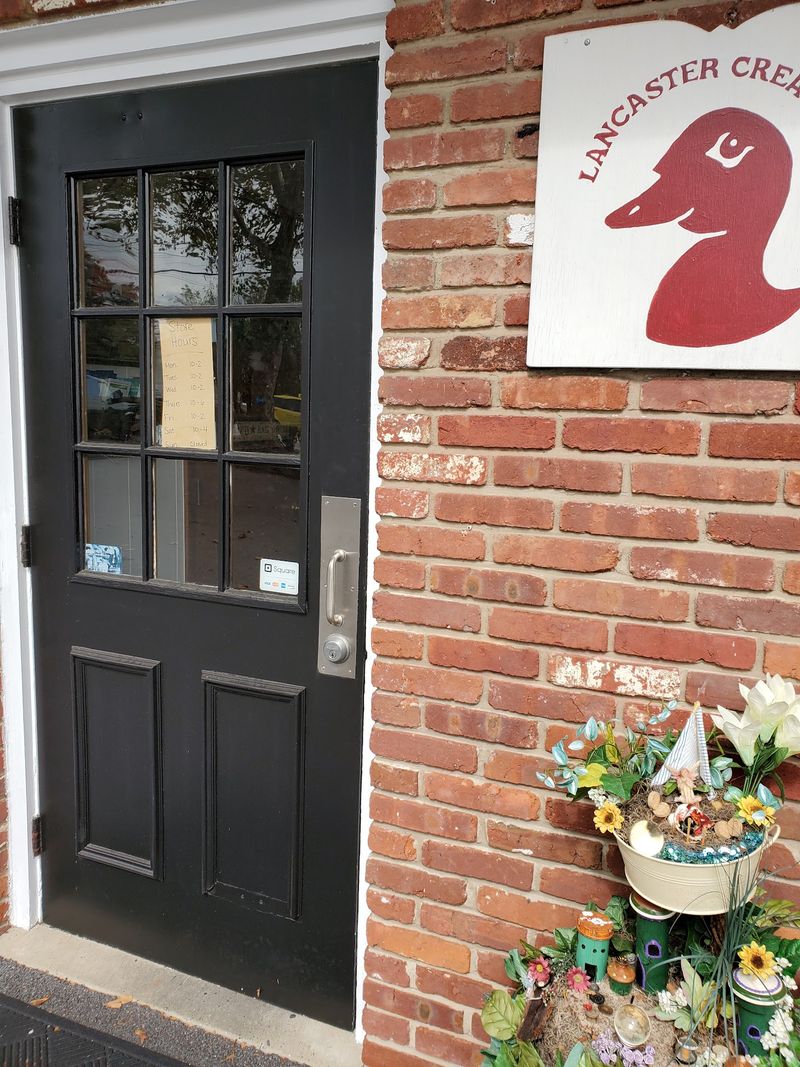
Timing matters here. The shop keeps limited hours and is closed on Sundays and Mondays, so check the current schedule before you head out.
Thursday is usually the longest day, running into the early evening. That can be handy if you work during the day.
Other weekdays and Saturdays generally close in the afternoon.
The location along Oregon Pike is easy to find, and the staff are known for being helpful. Do not hesitate to ask where something is.
With so much variety, a quick question can save you a lot of wandering.
Pricing on secondhand goods can vary, and the shop has said it is working toward simpler, clearer pricing. If you are unsure about a cost, just ask at the counter.
A few habits make a trip smoother. Bring a reusable bag, a list of project ideas, and some patience for browsing.
If you have supplies to donate, consider bringing them along on the same trip.
And give yourself time. Part of the fun is poking around shelves you did not plan to visit.
With stock changing daily, the next trip will look different anyway.
Share this story