Venice is one of the most visited cities in the world, and it is easy to see why. The Grand Canal, the ornate palaces, and the winding streets create an image of elegance that has drawn travelers for centuries. But the republic that ruled this lagoon city for over a thousand years was also a place of political surveillance, forced segregation, commercial exploitation, and military aggression. The history behind the beauty is complicated, specific, and worth knowing.
These 14 chapters cover the parts of Venetian history that most tour guides skip, from a crusade that went badly off course to the quiet morning when a republic simply stopped existing. Understanding them does not make Venice less impressive. If anything, it makes the city harder to look away from.
1. Venice Helped Turn the Fourth Crusade Against Constantinople
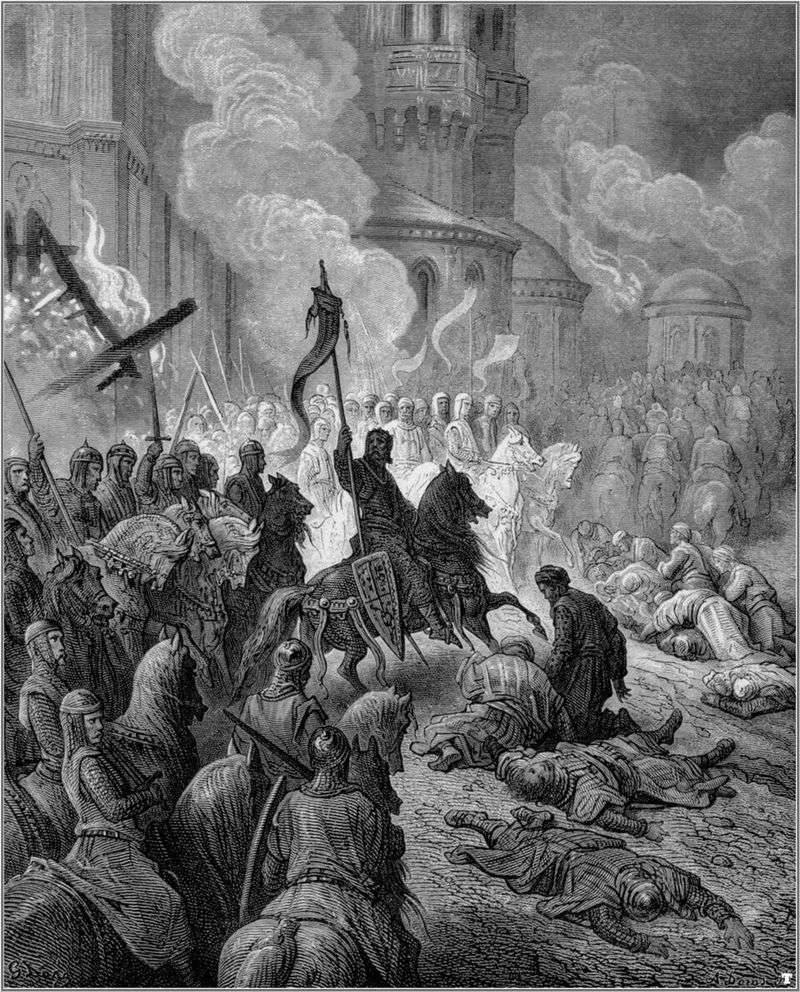
A military campaign launched in the name of religious purpose ended up attacking one of Christianity’s most important cities, and Venice was at the center of how that happened. The Fourth Crusade set out in 1202 with the Holy Land as its destination. When crusaders could not pay for the fleet they had ordered from Venice, Doge Enrico Dandolo, reportedly around 90 years old and nearly blind, negotiated a detour.
Crusaders first helped Venice capture the Christian port of Zara on the Adriatic coast. Then a succession dispute in Constantinople pulled them further off course. In 1204, the crusaders captured and extensively looted the Byzantine capital.
Venice walked away with territorial rights, commercial advantages, and famous treasures. The bronze horses now displayed at St. Mark’s Basilica are among the objects linked to that conquest. The expedition permanently weakened the Byzantine Empire.
2. The Republic Created One of Europe’s First Jewish Ghettos
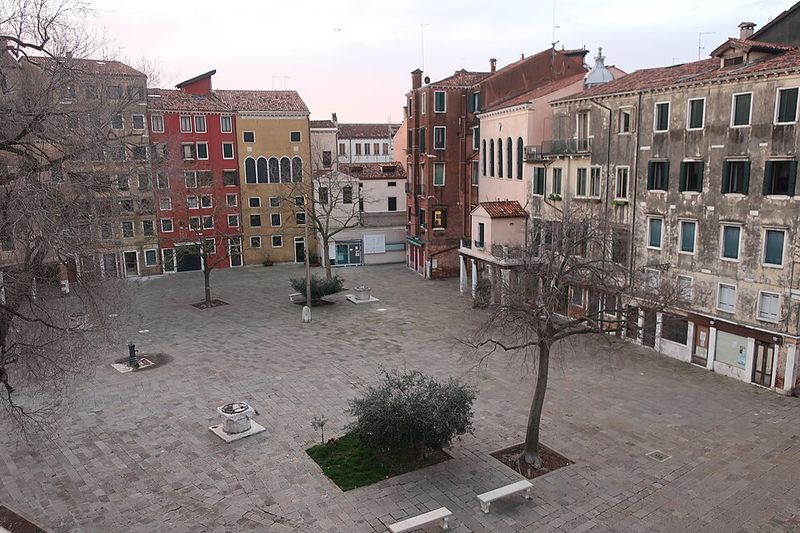
In 1516, the Venetian government issued a decree forcing most of the city’s Jewish residents into a confined district in Cannaregio. The area took its name from a former foundry, known locally as the “geto.” That word would eventually travel across Europe and carry far heavier meaning wherever it landed.
Gates sealed the neighborhood at night, and paid guards monitored the entrances. Jewish residents were restricted in which professions they could hold and required to follow specific dress regulations. At the same time, authorities permitted them to stay because their financial services were considered economically useful to the republic.
As the population grew inside the fixed boundaries, buildings climbed to seven or eight stories to fit more residents into limited space. That vertical architecture is still visible today. The Venetian Ghetto set a precedent that other European cities would follow in the decades ahead.
3. Venice Profited From the Slave Trade
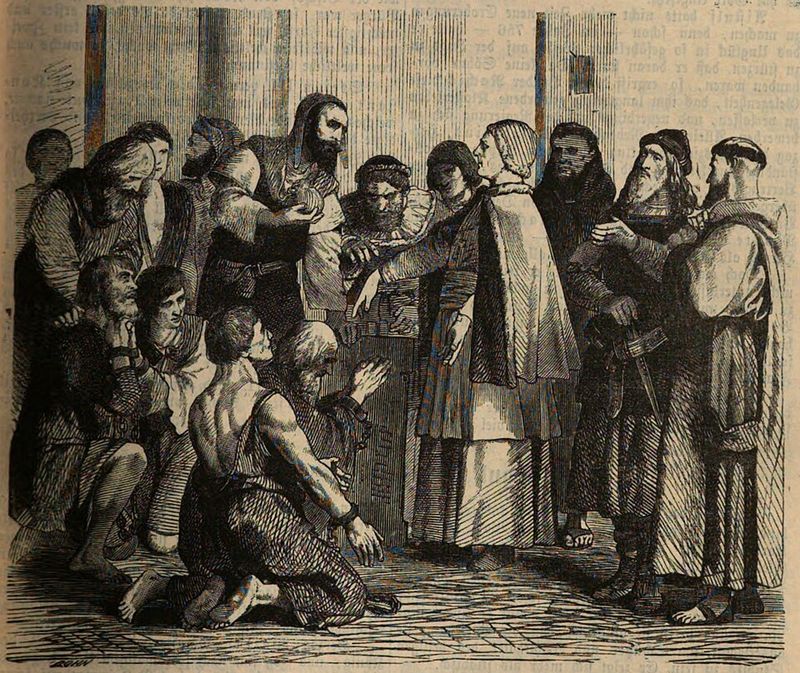
Medieval Venice is often pictured through its architecture and merchant wealth, but the commercial networks that built that wealth included the buying and selling of enslaved people. Venetian traders operated in both the Mediterranean and Black Sea markets, acquiring individuals from the Balkans, Central Europe, and the Caucasus region.
Some enslaved people were transported onward to markets in Egypt, Morocco, Crete, and Cyprus. Others worked inside Venetian households as domestic servants. The Rialto market was among the known locations where these transactions took place.
The scale of the trade shifted over time, and demand increased sharply after the Black Death reduced available labor across Southern Europe. The Venetian state did not simply tolerate the trade from a distance. It levied a tax on slave owners during the War of Chioggia to help fund military operations. The republic’s prosperity was built on more than spices and silk.
4. The Council of Ten Became a Symbol of Secretive Justice
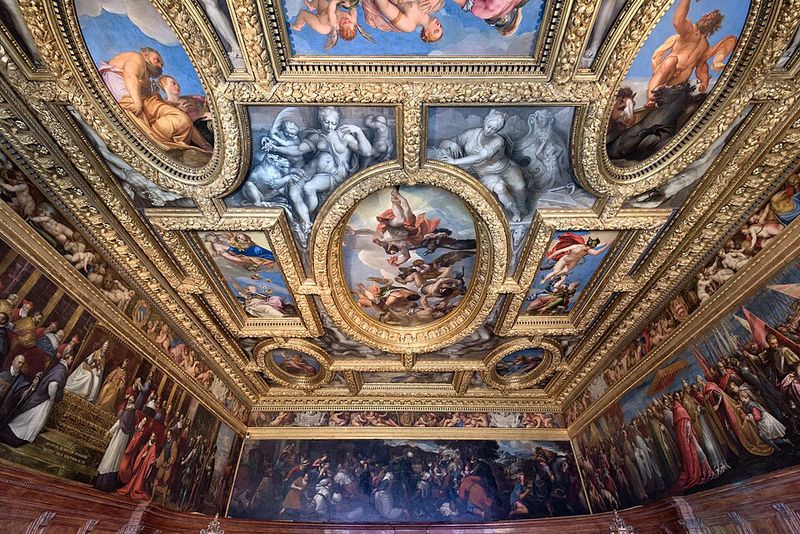
After a failed coup attempt in 1310 led by Bajamonte Tiepolo, Venetian authorities created a new body to handle threats against the state. The Council of Ten was supposed to be temporary. By 1334 it had become permanent, and over the following centuries it became one of the most feared institutions in the republic.
The council oversaw state security, monitored the patrician class, and could investigate and punish with a speed that regular courts could not match. Its small size made secrecy easier to maintain. Proceedings could involve confidential witnesses and undisclosed investigations.
In 1539, the council created the State Inquisitors, a trio of judges drawn from its own membership, with authority equal to the full council and access to a wide network of informants inside and outside Venice. Political stability in the republic came partly at the cost of constant internal surveillance.
5. Venetians Could Secretly Denounce Their Neighbors
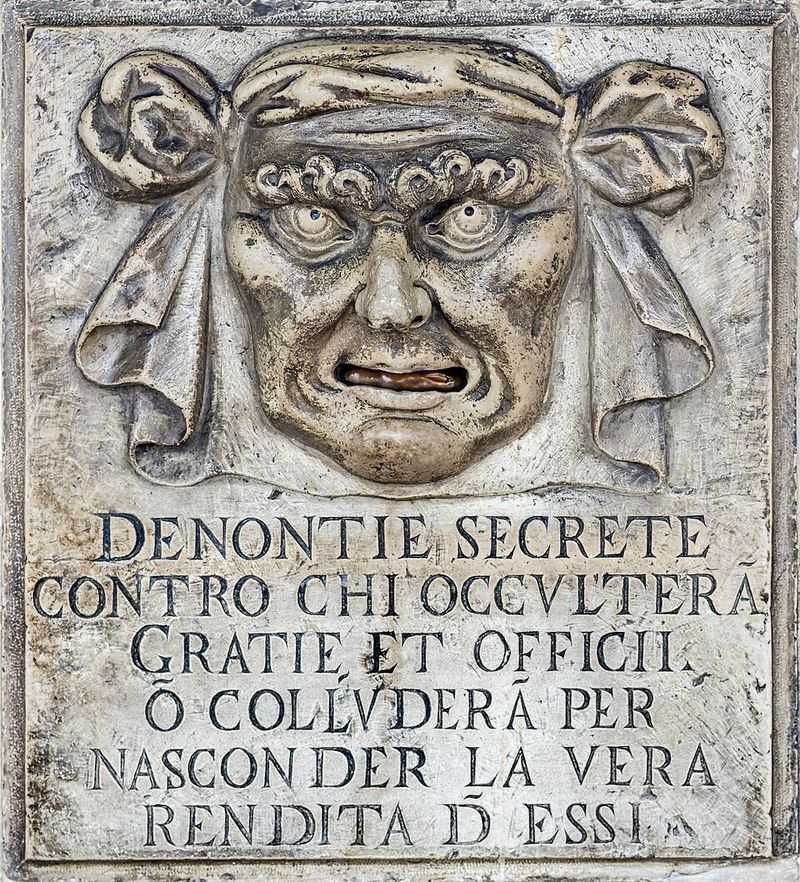
Carved into walls across Venice, the bocche di leone, or lion’s mouths, were stone receptacles designed to receive written accusations. Visitors can still find some of them today, particularly in the Doge’s Palace. Each box was typically designated for a specific category of offense, including tax evasion, fraud, blasphemy, trade violations, or plotting against the government.
The system had procedures attached to it. Signed accusations supported by witnesses were taken more seriously than anonymous notes. Anonymous submissions were primarily accepted when they concerned public officials suspected of abusing their positions, not ordinary private disputes.
Still, the existence of the boxes shaped daily life in the republic. Residents understood that suspicious behavior could be reported quietly and reach the Council of Ten without any public confrontation. The boxes were introduced directly after the 1310 coup attempt and reflect how seriously Venice treated threats to its political order.
6. Doge Marino Faliero Was Beheaded for Treason
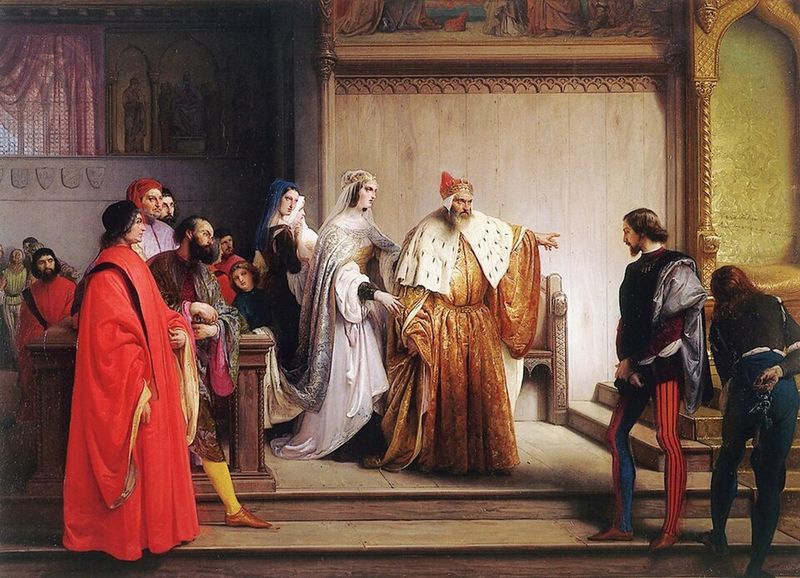
Marino Faliero held the highest office in the Venetian Republic, but that position offered no protection when he turned against the political order that had placed him there. In 1355, the elderly doge became involved in a conspiracy aimed at restructuring power in Venice. The plot was uncovered before it succeeded.
A special tribunal, including members of the Council of Ten, conducted the trial. Faliero was found guilty of treason and executed inside the Doge’s Palace, a setting that underscored how seriously the republic treated the offense. No sitting doge had faced anything like it before.
In the Sala del Maggior Consiglio, where portraits of Venice’s doges line the walls, Faliero’s designated space was covered with a dark veil rather than an honorable image. The inscription made his disgrace explicit. For a republic built on collective governance, the message was deliberate and permanent.
7. Venice Used Torture During Criminal Investigations
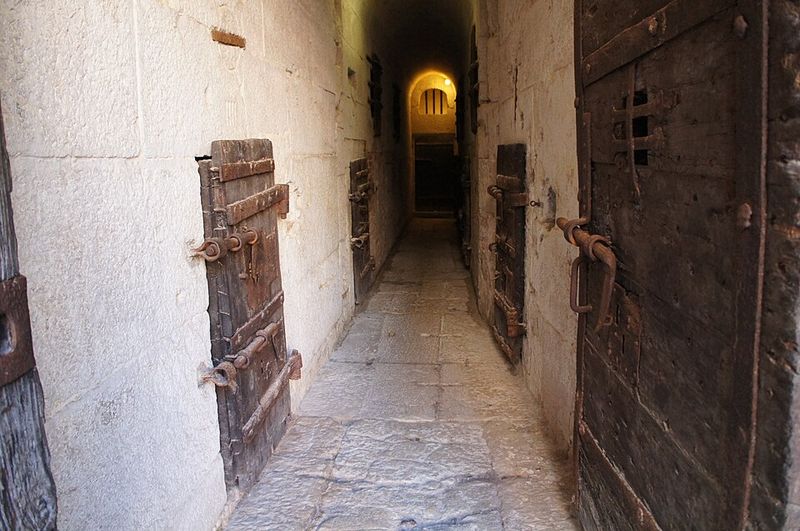
The Doge’s Palace contains some of the most elaborately decorated rooms in Europe. It also contained spaces used for purposes far removed from ceremony and diplomacy. Venetian legal practice, consistent with most European judicial systems of the period, permitted torture as a tool for extracting confessions or information from suspects under investigation.
The strappado was among the methods documented in use. A prisoner’s arms were tied behind the back before being hoisted by a rope attached to the wrists, placing extreme stress on the shoulders and joints. Legal protocols governed when and how it could be applied, though those rules did not make the experience less severe for those subjected to it.
The same building that housed the Grand Council chamber and the offices of senior magistrates also connected directly to prison facilities and interrogation rooms. The elegant exterior of Venetian governance had a considerably harder interior.
8. Prisoners Crossed the Bridge of Sighs Toward Confinement
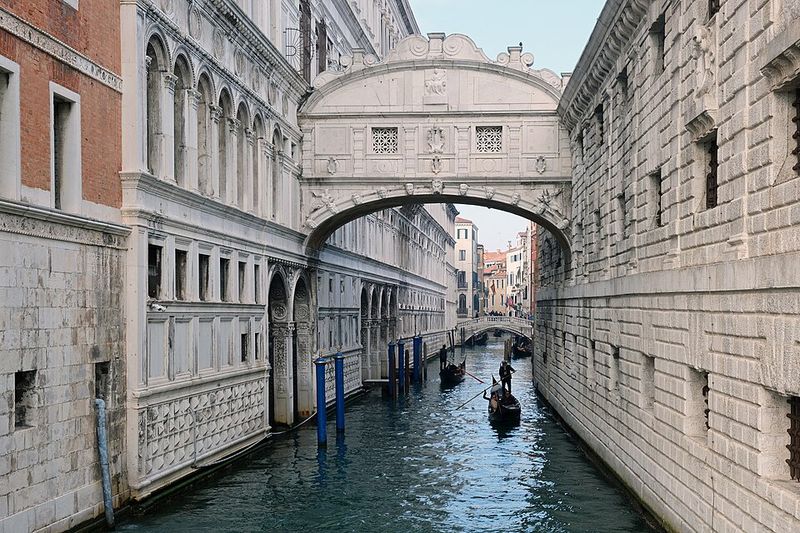
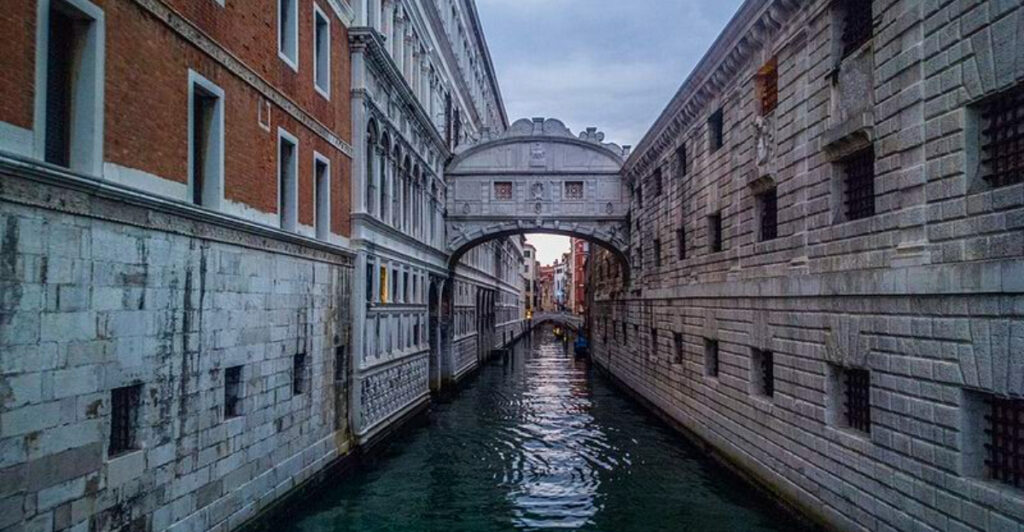
The Bridge of Sighs is one of the most photographed structures in Venice, and the story attached to it, that condemned prisoners sighed at their final view of the city, has been repeated so often it feels like established fact. Lord Byron helped popularize that version in the 19th century. The romantic framing stuck.
The actual history is more straightforward. Completed around 1603 and designed by Antonio Contino, the enclosed limestone bridge connected the judicial chambers of the Doge’s Palace to the Prigioni Nuove, the New Prison. Prisoners crossed it while being transferred between interrogation and confinement. The bridge’s interior ran as two separate corridors divided by a wall, preventing prisoners from communicating with each other.
The small barred windows offered limited visibility by design, not as a cruel final glimpse of freedom. The bridge’s connection to imprisonment is real and documented, even if the legend around it is considerably softer than the reality.
9. The Plague Repeatedly Devastated Venice
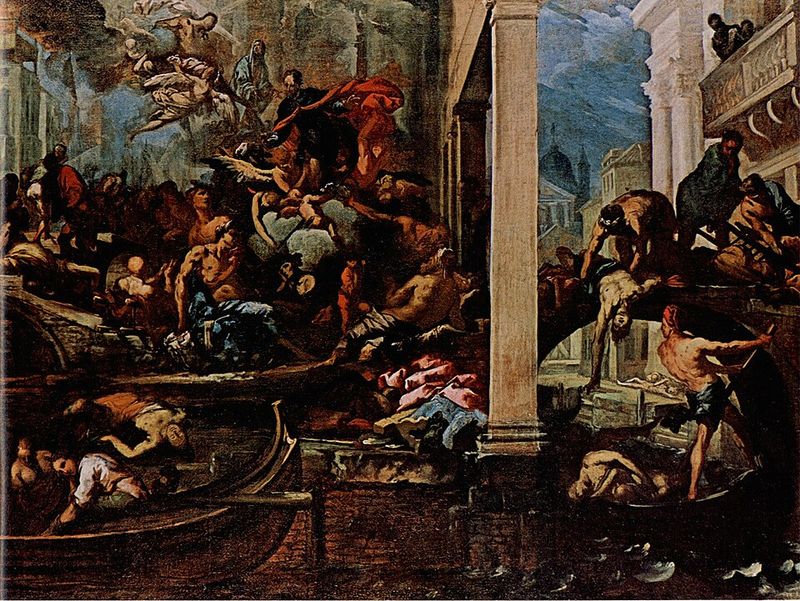
Venice’s position as a major trading hub meant ships from across the Mediterranean and beyond arrived constantly, and with them came disease. The Black Death reached Venice in 1348 and is estimated to have killed roughly half the city’s population. That was not the last major outbreak.
The epidemic of 1575 to 1577 killed more than 60,000 people, approximately one-third of Venice’s inhabitants at the time. The plague of 1630 to 1631 followed, taking over 43,000 lives in under three years. Commerce contracted sharply during each outbreak, and public fear reshaped daily behavior in ways that lasted long after the immediate crisis passed.
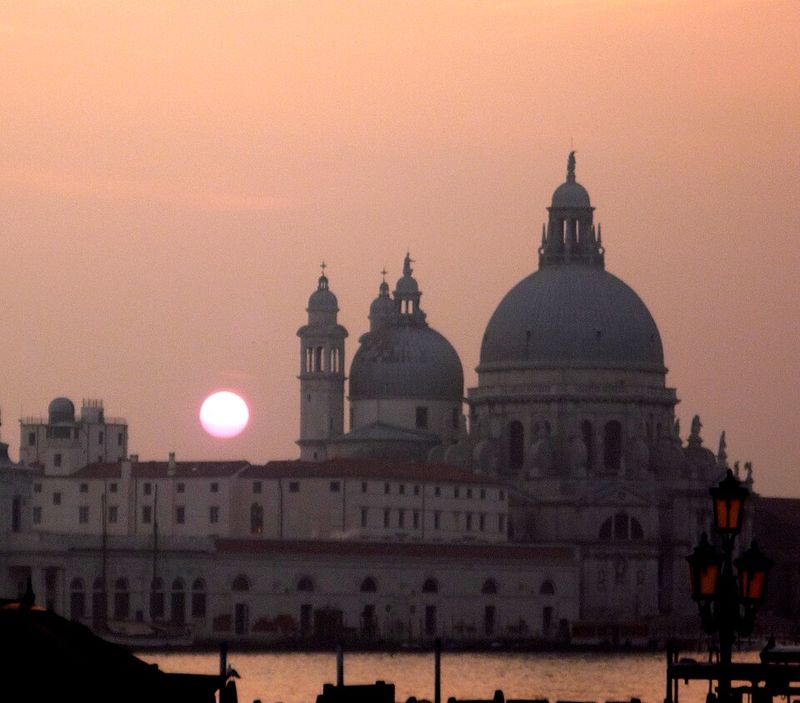
The church of Santa Maria della Salute was built as a votive offering after the 1630 epidemic, constructed as an act of collective gratitude for the city’s survival. Many of Venice’s most striking religious buildings carry that same origin, monuments shaped directly by repeated encounters with epidemic disease.
10. Venice Helped Pioneer the Quarantine System
Facing repeated epidemics with no reliable treatment, Venice developed one of the most organized public health responses in medieval Europe. The republic established dedicated isolation facilities on islands in the lagoon where ships, passengers, and cargo suspected of carrying disease could be held away from the city’s population.
The Lazzaretto Vecchio was established in 1423. The Lazzaretto Nuovo followed in 1468. Together they formed a system for separating potentially infected people and goods from the rest of the city while still allowing commerce to continue where possible. The term quarantine is connected to the Italian quaranta giorni, meaning forty days, the period of enforced isolation.
Venice also created a permanent public health office, the Provveditori alla sanita, to coordinate responses to outbreaks and manage broader hygiene policy. For merchants, isolation on a lagoon island could mean weeks of uncertainty. For the republic, it was a calculated attempt to protect the city’s population and its trade simultaneously.
11. The Inquisition Operated in Venice
Venice had a well-earned reputation as a center of trade, publishing, and cosmopolitan life. It was also home to an active Inquisition that investigated suspected heresy, monitored religious expression, and controlled the circulation of books considered dangerous to Catholic orthodoxy. The Venetian Holy Office operated within a political environment where the republic jealously guarded its independence from Rome, which created a complicated set of competing interests.
The Venetian Inquisition was generally considered less severe than the Spanish or Roman versions, but it still exercised real authority over intellectual and religious life. Printers and booksellers operated under particular scrutiny because Venice was one of Europe’s most productive publishing centers. A press that could distribute ideas across the continent was also a press that could spread prohibited ones.
Censorship and commerce existed side by side in the same city. The same network of presses that spread Renaissance scholarship also operated under formal systems of review and restriction.
12. Venice Fought Brutal Wars for Its Commercial Empire
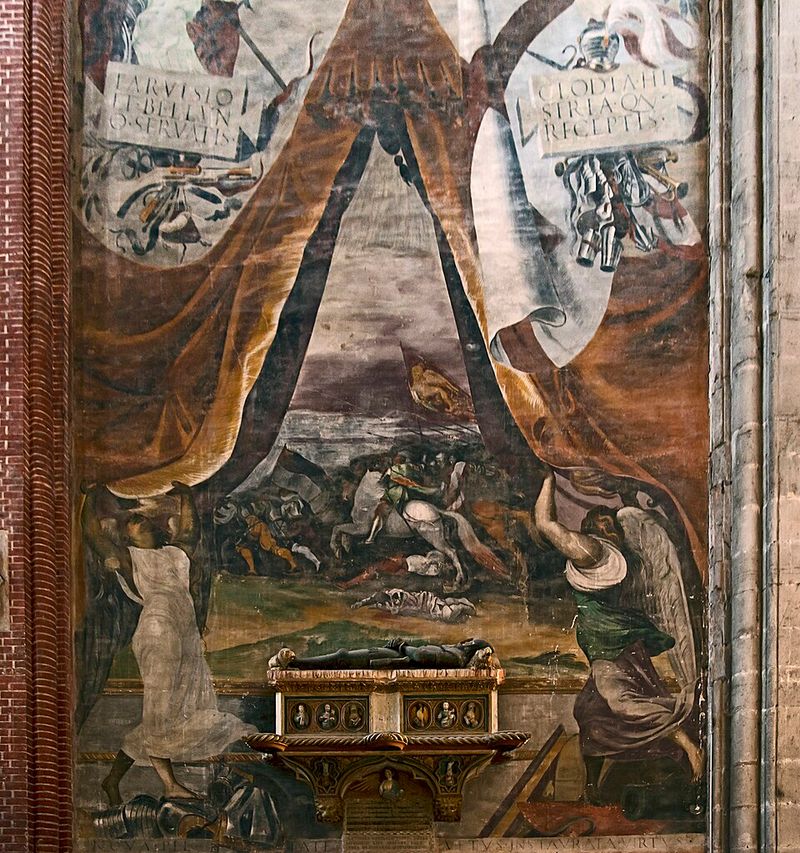
Building a maritime empire required more than skilled merchants and well-designed ships. Venice spent centuries in active military conflict to establish and protect its commercial position across the Mediterranean. Genoa was the most persistent rival, and the competition between the two republics produced a series of naval wars that stretched over generations.
The War of Chioggia, fought between 1378 and 1381, brought Genoese forces directly into the Venetian lagoon and came close to ending the republic. Venice recovered and ultimately prevailed, but the conflict illustrated how precarious even a wealthy and established power could become. Later, prolonged wars against the Ottoman Empire cost Venice major territories in the eastern Mediterranean over the course of the 15th through 17th centuries.
Each conflict consumed enormous resources and required Venice to maintain a military establishment that the republic could barely sustain alongside its commercial operations. The palaces on the Grand Canal were partly built on the proceeds of an empire that had to be defended constantly.
13. The Fall of Crete Ended With a Devastating 21-Year Siege
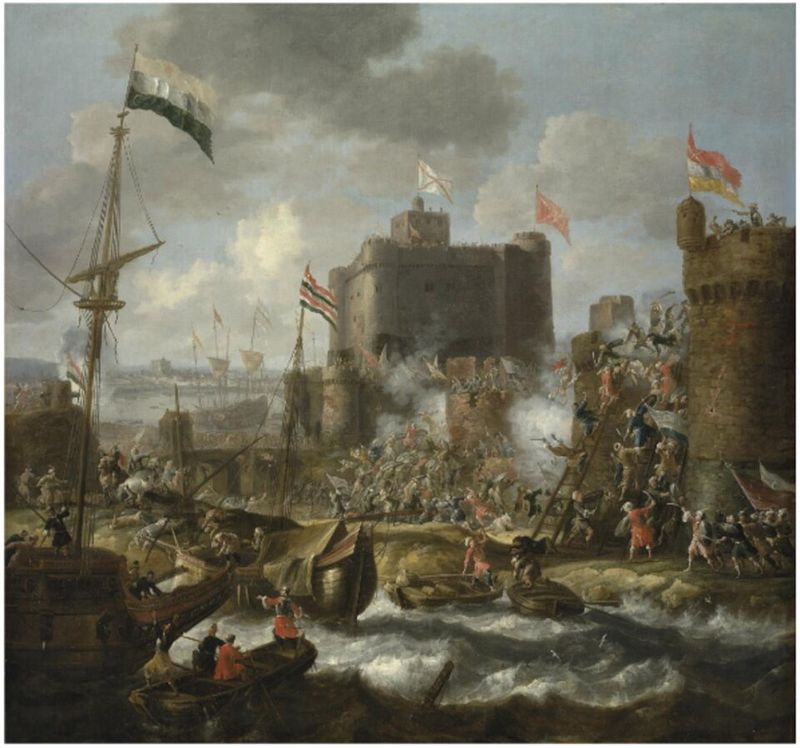
When the Ottoman Empire invaded Venetian-controlled Crete in 1645, most of the island fell within a few years. The capital, Candia, known today as Heraklion, was a different matter. Its fortifications held, and what followed became one of the longest siege operations in recorded history.
From 1648 to 1669, both sides committed substantial resources to the struggle. Venice received limited support from allied European forces, including a French contingent, but those contributions were not enough to change the outcome. The Ottomans maintained their pressure, and Venetian supply lines grew increasingly strained over the decades.
In September 1669, Venetian Captain-General Francesco Morosini accepted terms and surrendered Candia to Grand Vizier Ahmed Koprulu. Venice retained some Aegean fortresses and gained territory in Dalmatia under the peace agreement, but the loss of Crete marked a serious contraction of the republic’s eastern Mediterranean empire. Morosini, accused of cowardice at the time, was later acquitted.
14. Napoleon Ended a Republic That Had Lasted More Than 1,000 Years
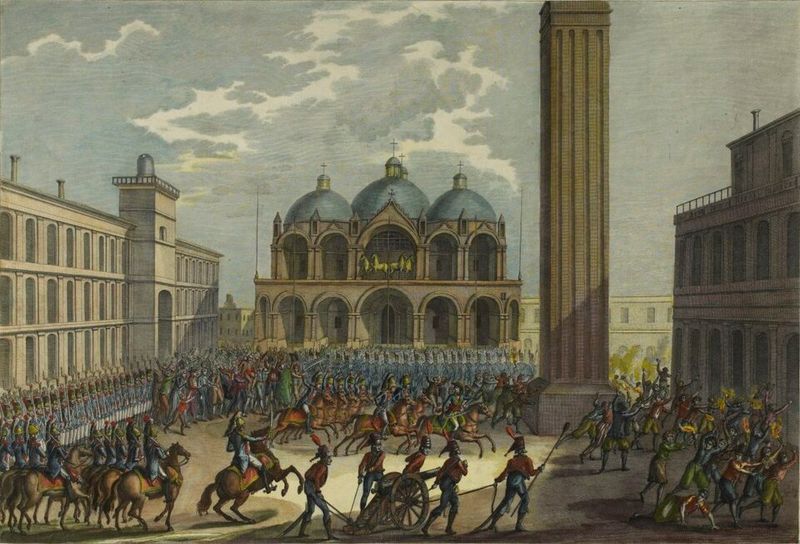
For more than a thousand years, Venice maintained its independence through careful diplomacy, military power, and a political system designed to prevent any single person from accumulating too much control. In the spring of 1797, that entire structure collapsed in a matter of weeks. Napoleon’s campaigns in northern Italy had already transformed the region, and Venice’s declared neutrality offered little protection.
On April 25, 1797, Napoleon issued an ultimatum demanding that Venice fundamentally alter its government. The Senate complied with several demands, but the situation deteriorated rapidly. Rebellions spread across Venetian mainland territories, and the republic’s military position was untenable. On May 12, 1797, the Senate voted to dissolve itself, ending approximately 1,100 years of political independence.
The last doge, Ludovico Manin, abdicated. Napoleon had already secretly agreed in the preliminary Treaty of Leoben to transfer Venice to Austria. The formal handover came with the Treaty of Campo Formio in October 1797, and one of Europe’s most durable republics was finished.
Share this story