Most people picture ancient Rome as a world of togas, gladiators, and marble statues, but the reality was far more familiar than that. Romans living in the first and second centuries CE dealt with crowded apartments, fast food counters, public infrastructure, and even city graffiti in ways that feel remarkably close to modern life. The gap between their daily routines and ours is much smaller than history textbooks tend to suggest. Read on to discover twelve concrete examples of how Romans handled everyday challenges with solutions that would not look out of place in any modern city today.
1. Newspapers

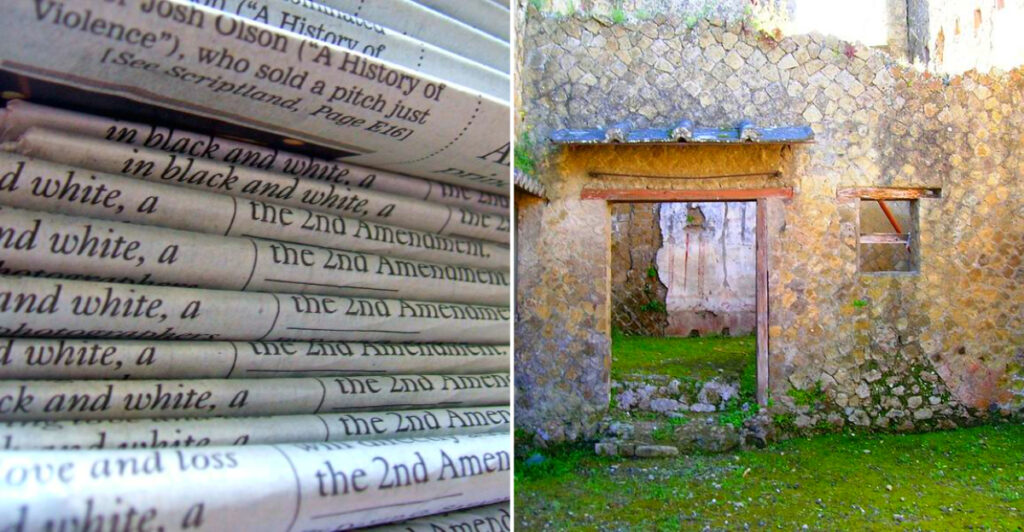
Julius Caesar ordered the creation of the Acta Diurna around 59 BCE, establishing what functioned as Rome’s official daily news bulletin. The name translates roughly to “Daily Acts,” and its content covered a wide range of public and governmental affairs that Romans were expected to know about.
Postings included Senate decrees, court rulings, election results, military appointments, public games schedules, births and deaths among notable families, and various civic announcements. These records were typically inscribed on stone, metal, or whitewashed wooden boards and displayed in high-traffic public areas, most commonly in the Roman Forum.
After a set display period, copies were archived for public reference. For Romans living outside the capital, scribes would copy the Acta and send versions to provincial governors or wealthy patrons across the empire, ensuring information traveled far beyond Rome’s city limits. Ancient writers including Suetonius and Tacitus referenced the Acta Diurna in their own works, confirming its role as a reliable public record. The phrase “publicare et propagare,” meaning to announce and spread, appeared regularly in these bulletins as a kind of early editorial mission statement.
2. Public Toilets
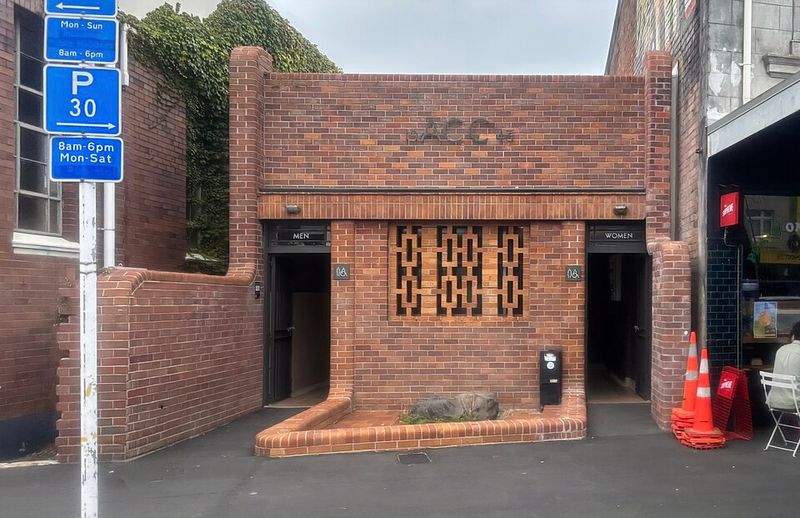
Roman cities took sanitation seriously enough to build dedicated public latrine facilities called foricae, and by the 4th century CE, Rome alone contained around 144 of them. These were not afterthoughts tucked into back alleys but structured, often well-maintained spaces integrated into the city’s broader sanitation network.
A typical forica featured long marble benches with keyhole-shaped openings, arranged in rows along the walls of a shared room. Beneath the seats, a continuous channel of flowing water, usually redirected from nearby bathhouse runoff, carried waste directly into the city’s main sewer system, including the famous Cloaca Maxima.
Using a public latrine in Rome was a social activity. Citizens sat side by side and held conversations, discussed politics, or conducted informal business without any expectation of privacy. In place of paper, users relied on a tersorium, a sponge fixed to a stick, rinsed in a channel of running water between uses. Some foricae connected to wealthier bath complexes featured mosaic floors and marble finishes, reflecting how seriously Romans treated even the most utilitarian aspects of public life.
3. Central Heating
Wealthy Romans and public bathhouse visitors in colder parts of the empire did not simply tolerate cold winters. They engineered a solution called the hypocaust, a word derived from Greek meaning “heated from below,” which circulated hot air beneath raised floors to warm interior spaces.
The system worked by elevating the main floor roughly two feet above the ground using small stacked tile columns called pilae. A furnace positioned outside the heated room burned wood or charcoal, and the resulting hot air traveled through the underfloor cavity, radiating warmth upward through the stone or tile surface above.
More advanced installations added hollow terracotta tiles called tubuli inside the walls, allowing hot air to rise through wall flues and escape through roof vents, heating the entire room from multiple directions. Maintaining a hypocaust required constant fuel and dedicated labor, making it a luxury primarily available to wealthy households and public baths. The hypocaust was especially common in the empire’s northern provinces, where winters were harsh enough to make the investment worthwhile. Modern radiant floor heating systems operate on nearly the same basic principle Romans figured out over two thousand years ago.
4. Concrete
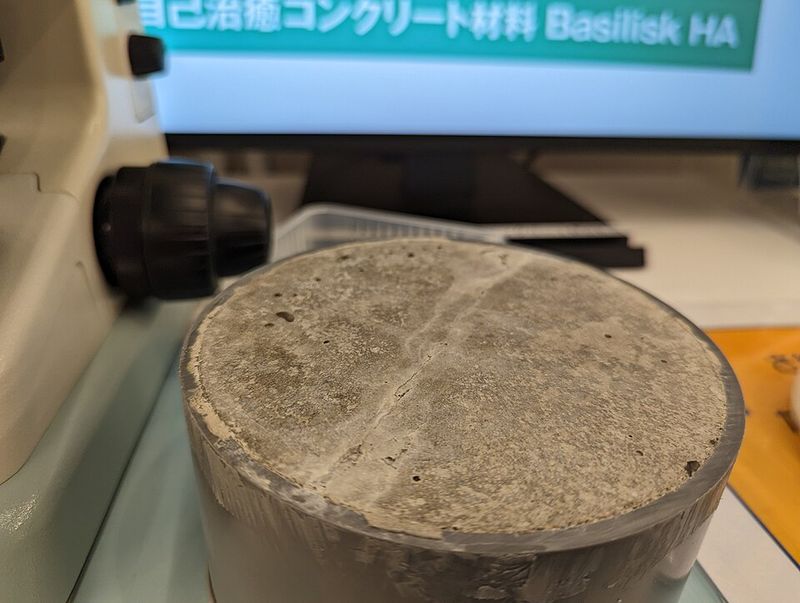
Of all the building materials that shaped the ancient world, none proved more transformative than the Roman version of concrete, known as opus caementicium. Roman engineers combined lime, aggregate, and volcanic ash called pozzolana, sourced near Pozzuoli in the Bay of Naples, to create a material that could harden even underwater.
This flexibility allowed architects to design thick walls, curved structures, and vast uninterrupted interiors that cut stone simply could not produce. The Pantheon’s dome, completed around 127 CE under Emperor Hadrian, remains the world’s largest unreinforced concrete dome and still stands today.
Roman engineers varied the concrete mix as the dome rose higher, using heavier travertine at the base and lighter pumice near the oculus to manage structural load. Recent research also suggests that “lime clasts” embedded in the mix allowed cracks to self-seal by releasing calcium carbonate crystals when exposed to water. This self-healing property, especially visible in ancient Roman seawalls, helps explain why so many Roman structures have outlasted nearly everything built after them.
5. Fast Food Restaurants
A large portion of Rome’s urban population lived in insulae without functional kitchens, which created a ready market for prepared food sold at street-level counters called thermopolia. The name comes from Greek roots meaning “a place where hot things are sold,” and these establishments were everywhere in Roman cities.
Each thermopolium featured a masonry counter with large ceramic jars called dolia sunk directly into the surface. These jars held prepared dishes, dry goods, and other ready-to-serve items that customers could purchase quickly and eat on the go. Excavations at Pompeii’s Regio V uncovered remnants of duck, goat, pig, fish, and land snails inside dolia, confirming a varied and protein-rich menu.
Some thermopolia included small back rooms where customers could sit, making them early versions of both takeaway counters and casual dining spots. Owners advertised offerings through painted wall frescoes, and at least one famous example depicted a dog on a leash near the entrance. These businesses were social hubs as much as food sources, gathering workers, travelers, and residents who wanted a quick, affordable meal without the effort of cooking at home.
6. Road Networks
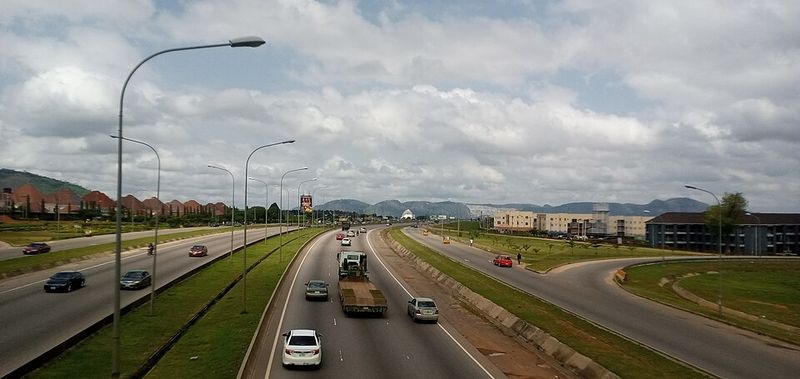
At its peak, the Roman road network stretched an estimated 200,000 to nearly 300,000 kilometers across Europe, North Africa, and the Middle East, connecting military outposts, provincial capitals, trading centers, and ports into one coherent system. The phrase “all roads lead to Rome” was not just a saying but a geographic reality.
Roman engineers built for permanence. Road construction typically began with deep ground preparation, followed by multiple compacted layers of gravel, sand, and crushed stone, all bound with lime mortar and finished with a durable stone surface. Drainage channels ran alongside roads to prevent water damage, and slight crowning in the road surface directed rainwater away from the center.
Bridges, tunnels, and viaducts allowed routes to maintain straight alignments regardless of terrain, reflecting a preference for direct paths over easier but longer alternatives. The Appian Way, begun in 312 BCE and known as the “Queen of Roads,” remains one of the most intact examples and still carries foot traffic today. Several European highways and country roads follow routes originally laid down by Roman surveyors, making this ancient infrastructure one of the longest-lasting public works projects in history.
7. Apartment Buildings
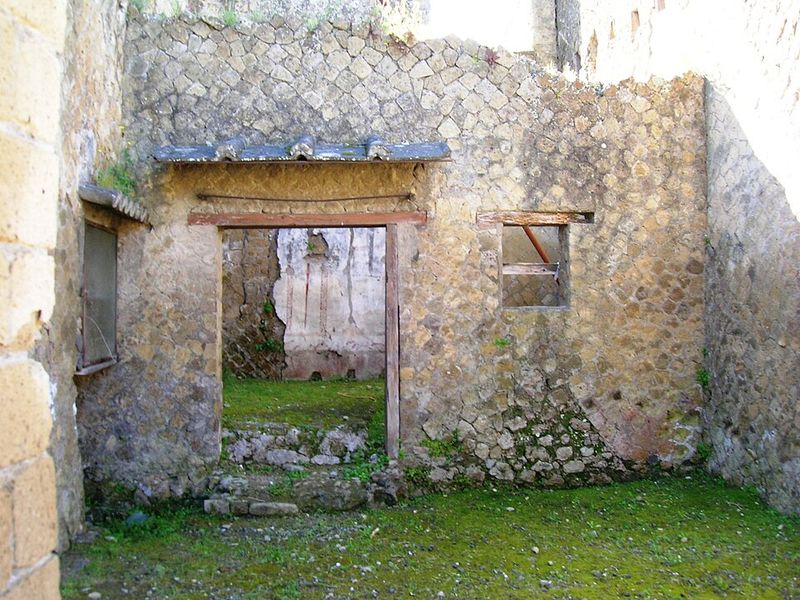
Before steel-framed skyscrapers existed, Roman cities solved the problem of dense urban populations with multi-story residential blocks called insulae, a Latin word meaning “island.” These buildings often occupied an entire city block and housed the majority of Rome’s working population, from laborers to lower-middle-class families.
Ground floors typically contained shops, workshops, and commercial spaces opening directly onto the street, while residential units occupied the floors above. Buildings could reach four to six stories, though emperors Augustus and Trajan both issued height restrictions after repeated structural collapses and fires raised serious safety concerns.
Wealthier tenants claimed the lower floors, which sometimes included running water and private latrines, while residents on upper floors hauled water from public fountains and climbed multiple flights of stairs daily. Speculative builders often cut costs on materials, creating thin walls and weak foundations that Roman satirist Juvenal complained about openly. The social mix inside a single insula, artisans, freedmen, shopkeepers, and laborers all sharing one building, mirrors urban apartment culture in ways that feel entirely recognizable today.
8. Bound Books

The modern book owes its basic format to a Roman innovation called the codex, a stack of pages bound along one edge between protective covers. While scrolls dominated written communication across the Greek and Roman world for centuries, the codex began gaining traction between roughly 150 and 450 CE as a more practical alternative.
Scrolls required horizontal unrolling to read, could only be written on one side, and made navigating to a specific passage genuinely awkward. A single long work often required multiple scrolls just to contain it. The codex solved all of these problems at once by allowing writing on both sides of each leaf and enabling readers to flip directly to any page.
Julius Caesar is among the earliest Romans credited with using a bound notebook format, and early Christian communities adopted the codex enthusiastically for compiling scriptures, partly because its format distinguished their texts from traditional Jewish and Greco-Roman scrolls. Pages were made from papyrus or vellum, a fine parchment produced from calf skin, and wooden boards often served as covers. This shift from scroll to codex fundamentally changed how knowledge was stored and retrieved, laying the structural foundation for every book produced since.
9. Shopping Centers
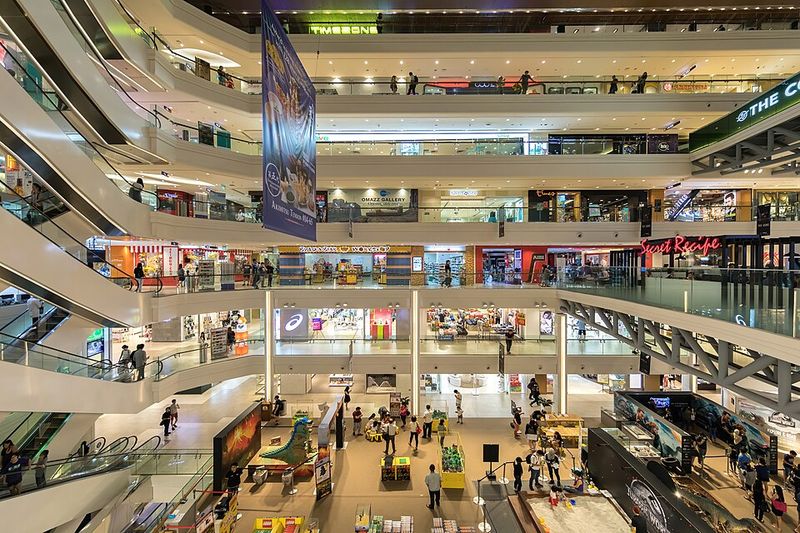
Trajan’s Market, constructed between 100 and 113 CE and designed by architect Apollodorus of Damascus, was a multi-level commercial and administrative complex built directly into the slope of Rome’s Quirinal Hill. With over 150 individual spaces spread across as many as six levels, it was one of the most organized retail environments the ancient world produced.
The lowest levels opened onto streets and housed tabernae, single-room shops with wide doorways where merchants sold oil, wine, grain, spices, and manufactured goods to passing customers. Upper levels contained administrative offices, storage areas, and possibly residential units, making the complex a genuinely mixed-use development by modern urban planning standards.
A covered internal street called the Via Biberatica ran through the middle levels, providing a sheltered route for shoppers and merchants moving between sections. The entire structure relied on advanced Roman brick and concrete construction, which allowed for complex vaulted ceilings and a robust multi-story design that has survived largely intact for nearly two thousand years. Calling it a shopping mall overstates the comparison, but Trajan’s Market demonstrates that organized, multi-vendor retail environments serving large urban populations are far from a modern invention.
10. Postal Services

Emperor Augustus established the cursus publicus around 20 BCE as a state-controlled courier and transportation network designed to keep the empire’s administration connected across enormous distances. The system was not open to ordinary citizens but served official government communications, military dispatches, and the movement of tax revenues between provinces.
Relay stations called mutationes provided fresh horses at regular intervals along the road network, while larger stations called mansiones offered overnight accommodation for traveling officials. Couriers typically covered 30 to 60 miles per day under normal conditions, though urgent dispatches could reportedly reach 100 miles in a single day using the relay system at full capacity.
Augustus considered adopting the Persian model of passing messages between multiple riders but chose instead to send a single courier the full distance, believing this preserved message security and allowed the carrier to provide additional verbal context if questioned upon arrival. Authorized couriers carried official documents called diplomata granting them access to stations and supplies. Private Romans who needed to send personal correspondence relied on their own slaves or hired messengers, as the cursus publicus remained a government-only resource throughout its operation, demonstrating how seriously Rome treated the logistics of large-scale communication.
11. Aqueduct Water Systems
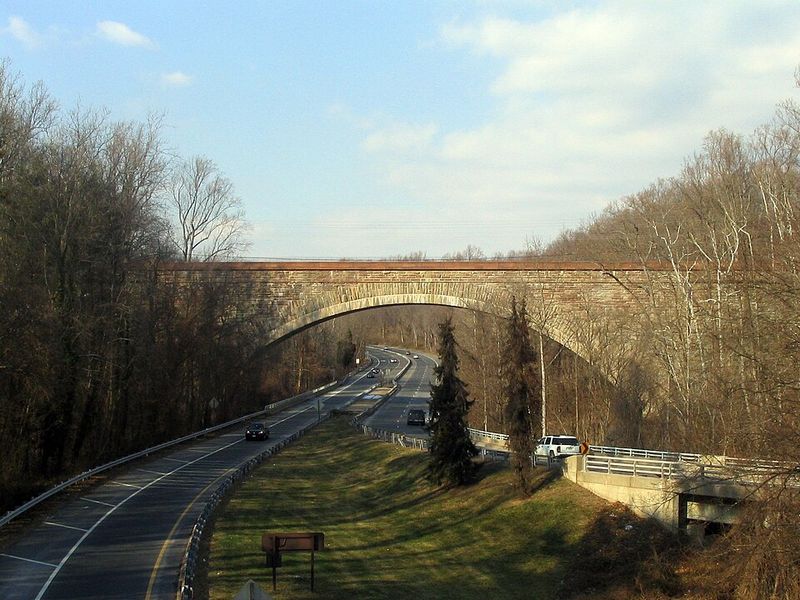
Rome’s water supply at its peak depended on around eleven separate aqueduct systems, with some sources located more than 92 kilometers from the city. At its height, the city housed over a million people, and keeping that population supplied with fresh water required engineering on a scale that had no real precedent in the ancient world.
Roman aqueducts worked entirely on gravity, using carefully calculated downhill gradients to move water continuously from springs or rivers to their destinations. Engineers used a surveying instrument called the chorobates to achieve the precise, gentle slopes needed to maintain flow across long distances without pumps or mechanical assistance.
Water delivered by aqueducts served hundreds of public fountains, filled public baths that functioned as major social centers, supplied private homes for a fee, and flushed public latrines through connected drainage channels. Aqueducts also powered mills and supported agricultural irrigation, extending their economic impact well beyond urban water consumption. Construction materials included stone, brick, and volcanic ash-based waterproof cement, which gave the structures exceptional durability. Several Roman aqueducts remained in active use for centuries after the empire declined, and fragments of these systems still stand across Europe, North Africa, and the Middle East today.
12. Graffiti
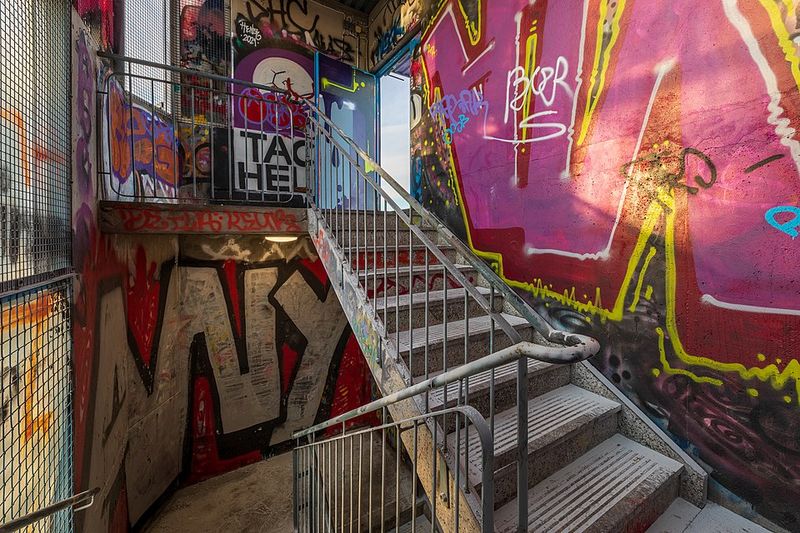
The walls of Pompeii alone preserve thousands of individual inscriptions left by ordinary Romans, and the range of what they wrote is striking. Political endorsements, election slogans, personal insults, love declarations, jokes, business advertisements, and simple “I was here” notes all appear side by side on the same plastered surfaces.
Writing on public walls was not treated as vandalism in the Roman world. It functioned as an accepted channel for public expression, particularly for people who had no other way to broadcast a message to a wide audience. Shopkeepers advertised services, candidates ran informal campaigns, and anonymous writers settled personal scores in full public view.
The literacy implied by this volume of everyday writing challenges older assumptions that reading and writing were strictly elite skills in the ancient world. Graffiti writers at Pompeii included soldiers, enslaved people, merchants, and women, based on the content and style of surviving examples. Some inscriptions even reference specific local events, prices, or names that historians would otherwise know nothing about. This layer of unofficial, unfiltered public communication gives Roman graffiti a quality that feels less like ancient history and more like a city’s comment section preserved in stone.
Share this story