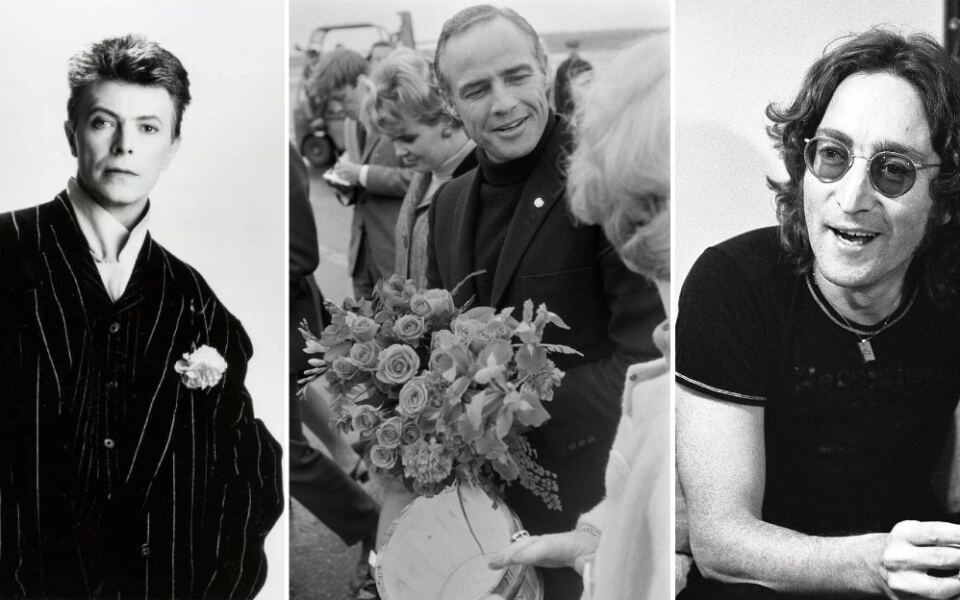
Most people spend their entire lives hoping someone important will notice their work and hand them a trophy, a title, or a medal. A knighthood, an Oscar, or a Nobel Prize represents the kind of recognition that careers are built around.
Yet a surprisingly long list of celebrated figures looked at those exact honors and said no. Some had political reasons, others had philosophical ones, and at least one reportedly just wanted a bigger prize. Their stories reveal how conviction, identity, and principle can matter more than prestige, and how saying no sometimes says more than any acceptance speech ever could.
1. Jean-Paul Sartre Refused the Nobel Prize
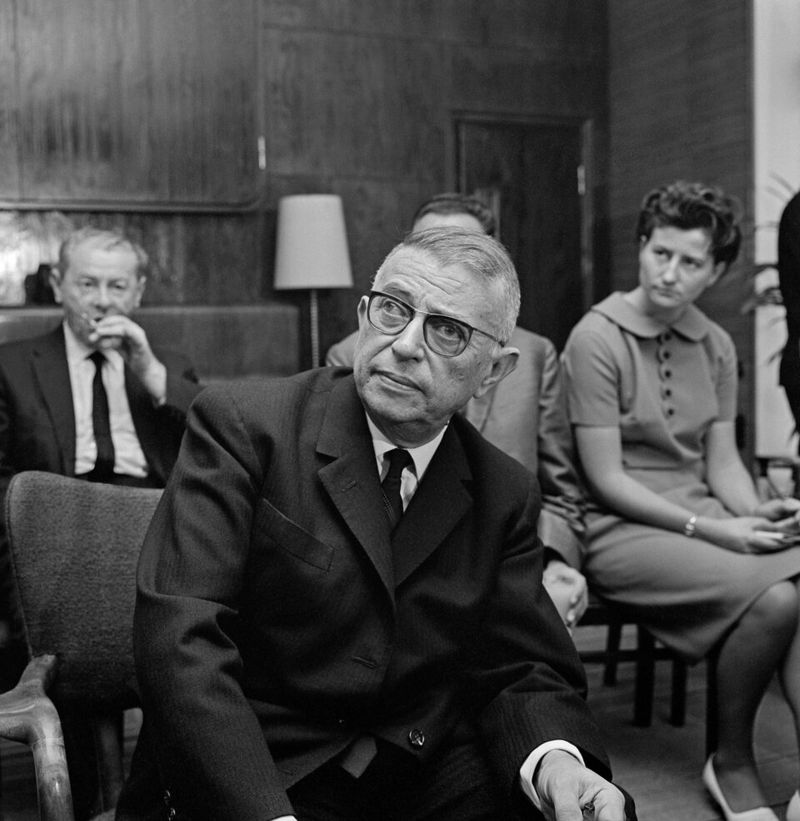
Refusing the Nobel Prize in Literature is almost unthinkable. The award carries global prestige, a formal ceremony in Stockholm, and in 1964, prize money equivalent to a small fortune.
Jean-Paul Sartre turned it down anyway.
The French philosopher had a longstanding policy of refusing official honors. He had already declined France’s Legion of Honor in 1945.
When the Swedish Academy awarded him the Nobel Prize in October 1964, Sartre had actually written to them beforehand asking not to be considered. The committee proceeded regardless.
Sartre believed that accepting major institutional honors would compromise a writer’s independence and risk turning that writer into an institution. He worried his readers would feel subtle pressure simply because of the title attached to his name.
For Sartre, philosophical integrity was not something to be traded for recognition, no matter how prestigious the source. His refusal placed him in an extraordinarily small category of people who said no to Stockholm.
2. Doris Lessing Declined Damehood
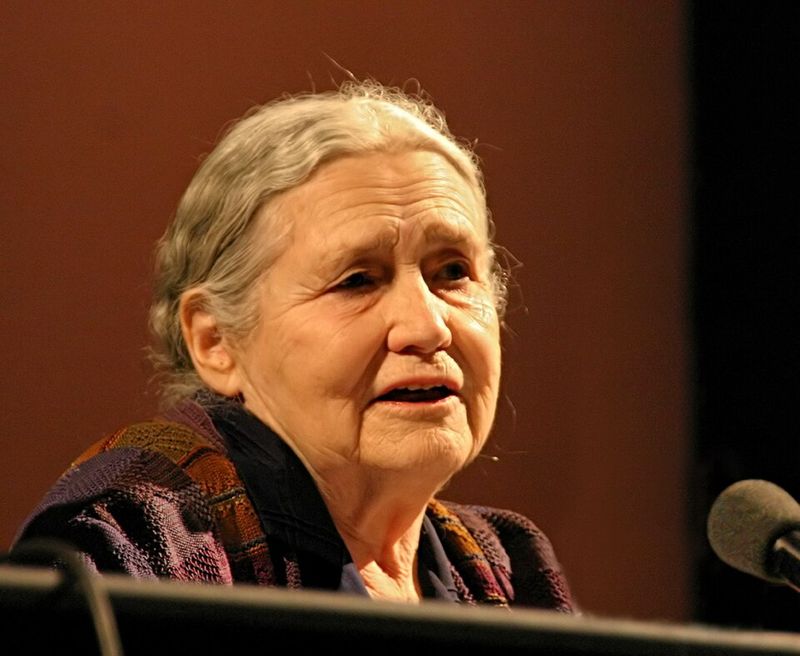
Doris Lessing grew up in Southern Rhodesia, a childhood that shaped a complicated and critical relationship with the British Empire. When the British government offered her appointment as a Dame Commander of the Order of the British Empire in the early 1990s, she declined.
The imperial language of the honor was reportedly difficult for her to accept, given her background. She later accepted a Companion of Honour in 2000, a distinction that recognized her literary contributions without attaching the word Empire to her name.
Then came 2007, when Lessing received the Nobel Prize in Literature. Photographers caught her arriving home by taxi to find reporters waiting outside.
Her reaction to the news became almost as famous as the prize itself. Rather than expressing the expected delight, she responded with characteristically dry skepticism.
Lessing had spent decades producing landmark fiction without needing a title to validate it, and a Nobel Prize was not going to change that disposition.
3. Marlon Brando Refused an Academy Award
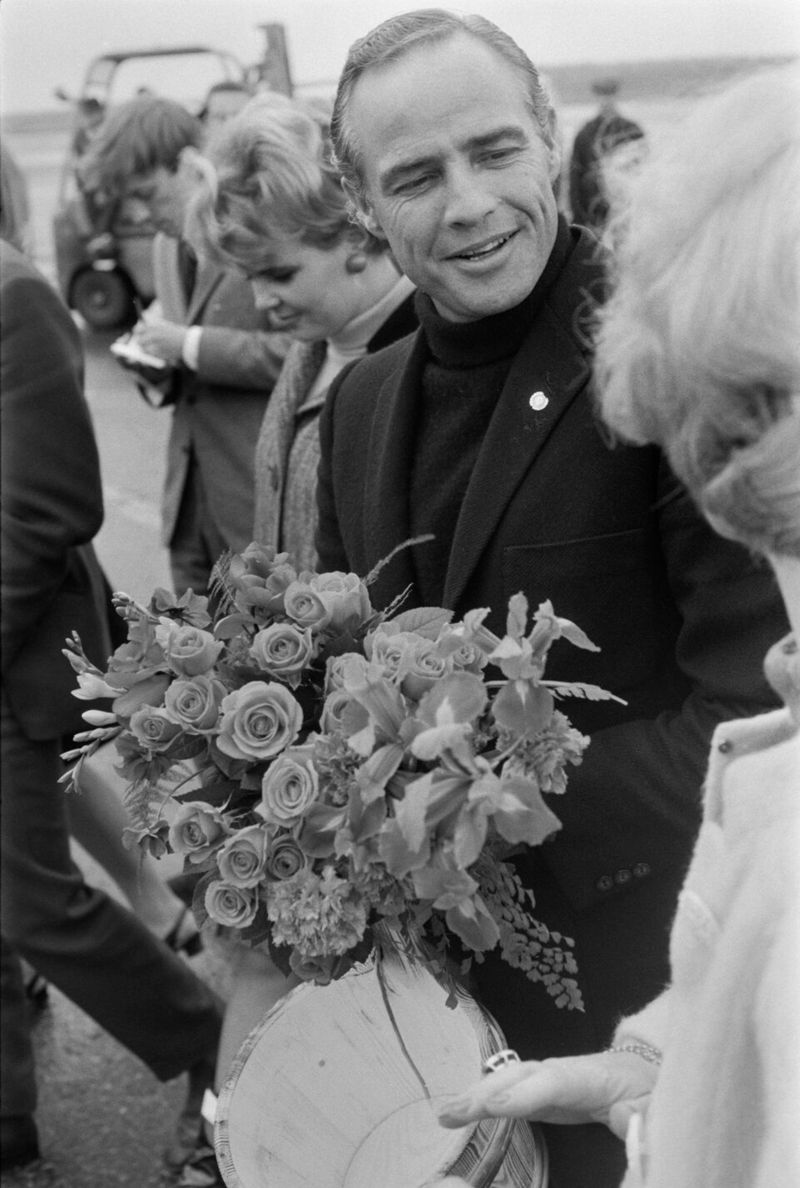
Winning an Oscar for playing Vito Corleone in The Godfather would have been the perfect Hollywood comeback story for Marlon Brando. His career had struggled through the 1960s, and the 1972 film had revitalized his standing in the industry completely.
Instead of attending the 1973 ceremony, Brando sent Sacheen Littlefeather, a Native American activist, to decline the award on his behalf. She read a portion of his statement, which protested Hollywood’s treatment of Native Americans and drew attention to the standoff at Wounded Knee, South Dakota.
The audience responded with both applause and boos. The moment became one of the most discussed scenes in Oscar history.
Brando had turned one of cinema’s biggest platforms into a political statement, choosing activism over a conventional industry triumph. His refusal remains one of the boldest acts of protest ever staged at an awards ceremony.
4. Muhammad Ali Reportedly Declined a Hollywood Walk of Fame Star on the Ground
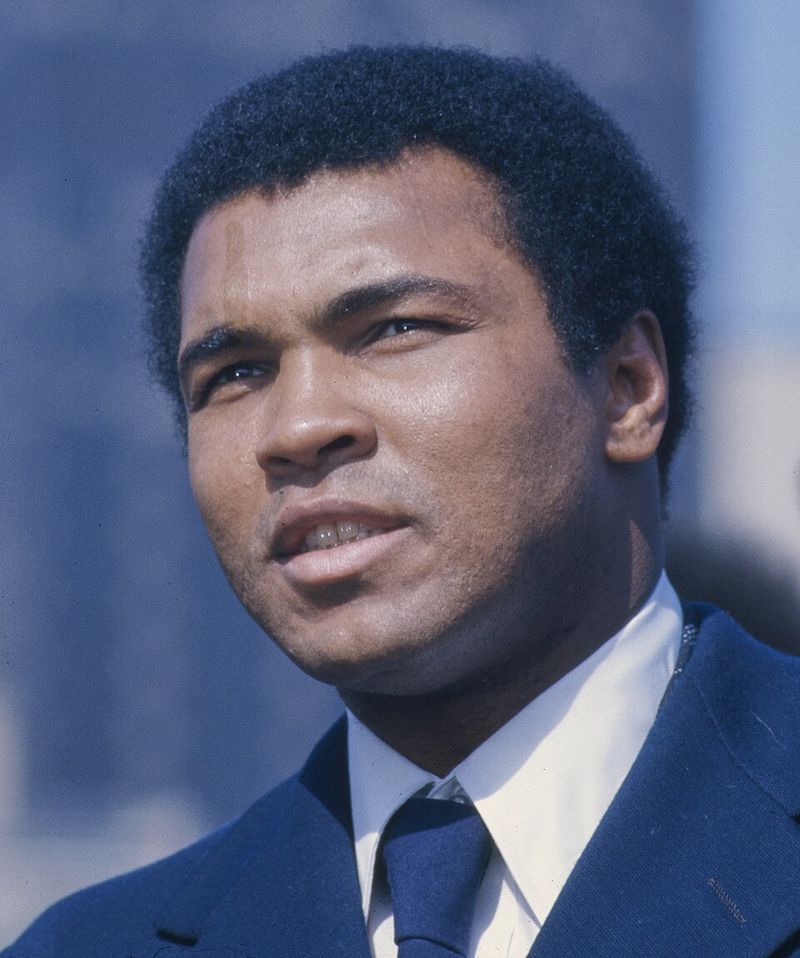
Muhammad Ali’s star on the Hollywood Walk of Fame exists, but it occupies a location unlike any other on the famous stretch of pavement. That difference was entirely intentional and rooted in his Islamic faith.
Ali reportedly objected to having his name embedded in the sidewalk because he shares the name Muhammad with the Prophet of Islam. Having people walk over that name was not something he was willing to accept.
The Hollywood Chamber of Commerce reached a compromise: when his star was installed in 2002, it was mounted vertically on a wall at the Dolby Theatre complex rather than set into the ground.
This case sits apart from the outright refusals on this list. Ali accepted the recognition.
He simply required the form of it to change. Millions of visitors step over celebrity names on the Walk of Fame every day without a second thought.
Ali’s star stands upright, a fitting detail for someone who spent his entire career refusing to be ordinary.
5. David Bowie Turned Down a Knighthood
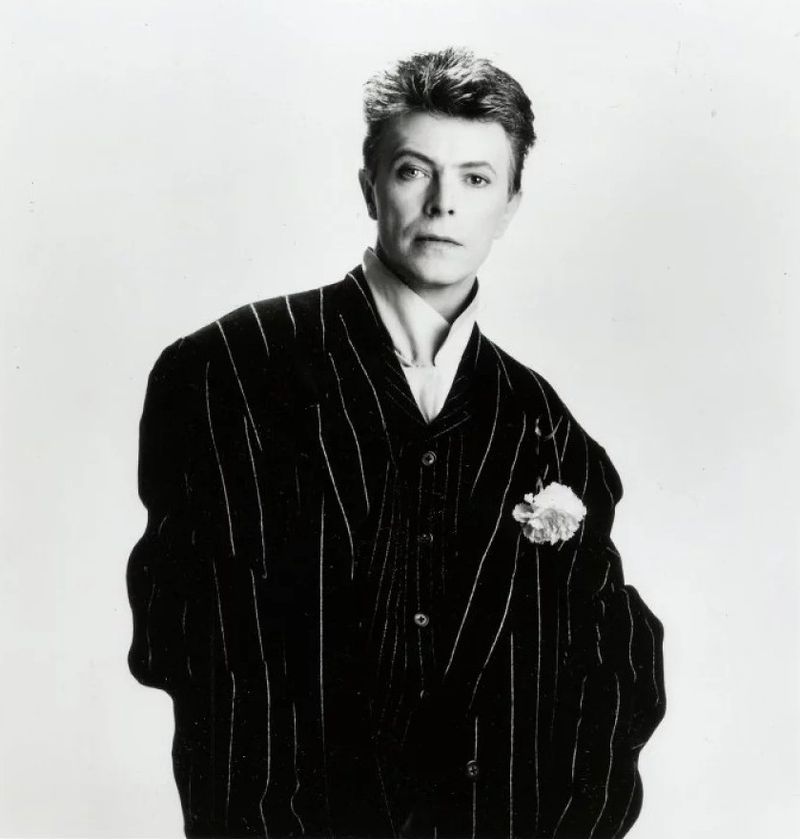
Few artists redefined themselves as often or as deliberately as David Bowie. From Ziggy Stardust to the Thin White Duke to his later work as a more subdued rock icon, Bowie spent decades building an identity entirely on his own terms.
When the British government offered him a Commander of the Order of the British Empire in 2000, he declined. Three years later, he also turned down a knighthood.
His explanation was characteristically direct: accepting such an honor simply was not what he had spent his life working toward.
Bowie could have joined Sir Mick Jagger, Sir Paul McCartney, and Sir Elton John as a knighted British rock legend. He chose to remain simply David Bowie.
For an artist whose entire career was built on refusing to settle into a fixed identity, declining an official title from the British establishment was entirely consistent with everything he stood for.
6. John Lennon Returned His MBE
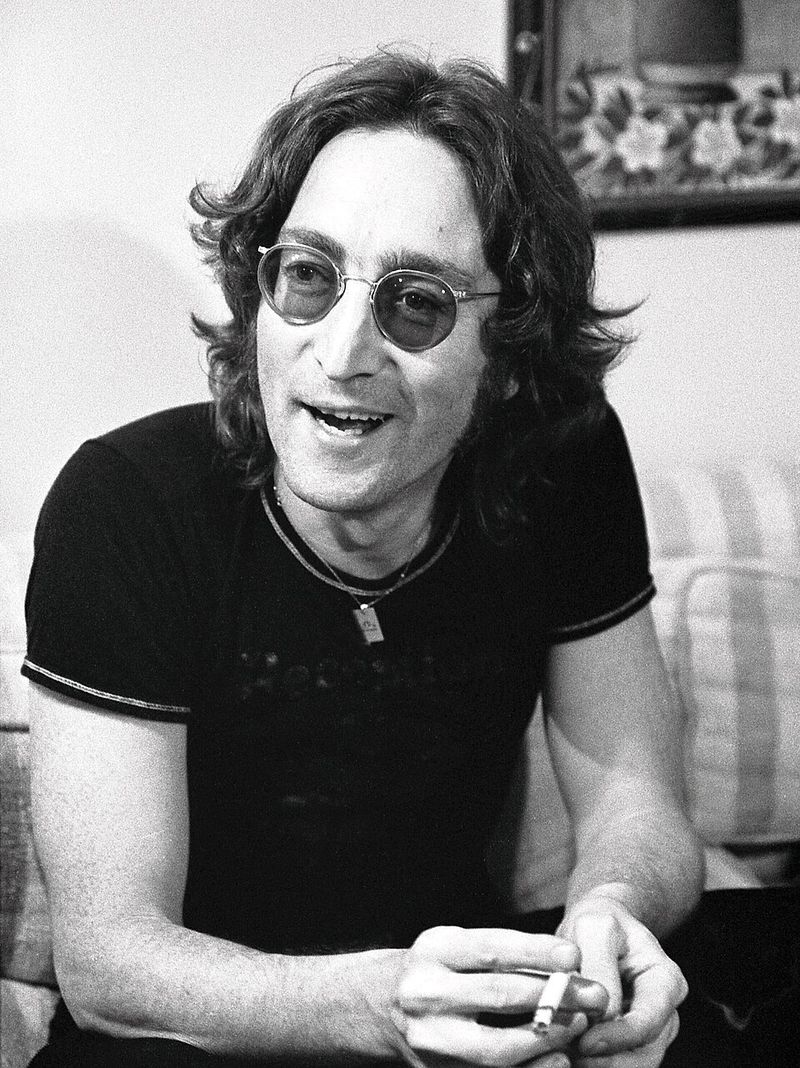
John Lennon initially accepted his honor without much resistance. In 1965, all four Beatles were appointed Members of the Order of the British Empire, a move that generated both celebration and controversy across Britain.
Four years later, on November 25, 1969, Lennon sent his medal back to Queen Elizabeth II. His accompanying note listed three reasons: Britain’s involvement in the Nigeria-Biafra conflict, American military involvement in Vietnam, and the poor chart performance of his single Cold Turkey.
That last reason was pure Lennon, blending genuine political anger with a dry, self-deprecating joke.
Technically, returning the physical medal did not erase his formal appointment to the order. But the gesture was what mattered publicly.
By 1969, Lennon had moved far from the era when the Beatles represented a new generation embraced by the British establishment. The medal went back.
His cultural footprint only continued to grow.
7. George C. Scott Refused an Oscar
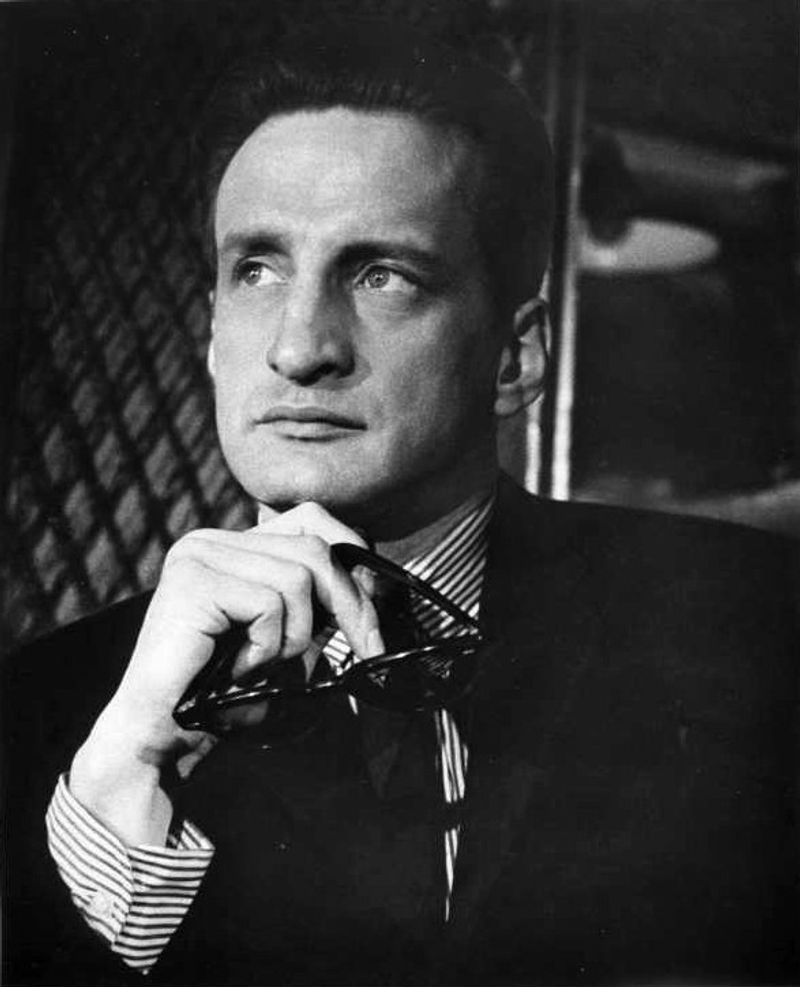
George C. Scott had strong feelings about competitive awards long before he won one.
He had already rejected a Best Supporting Actor nomination in 1962 for his role in The Hustler, arguing that performances should not be turned into a contest.
When he won Best Actor at the 1971 Academy Awards for his portrayal of General George S. Patton, Scott stayed home.
He had made his position clear well in advance. Producer Frank McCarthy accepted the statuette at the ceremony, but it was later returned to the Academy.
Scott called the Oscars a two-hour meat parade and criticized the ceremony as a commercially driven exercise in manufactured suspense. His objection was philosophical rather than political.
He simply believed that comparing one actor’s performance to another’s was a fundamentally flawed exercise. His portrayal of Patton is still considered one of the greatest performances in American cinema, unaffected by his refusal to collect the trophy.
8. John le Carré Turned Down a Knighthood
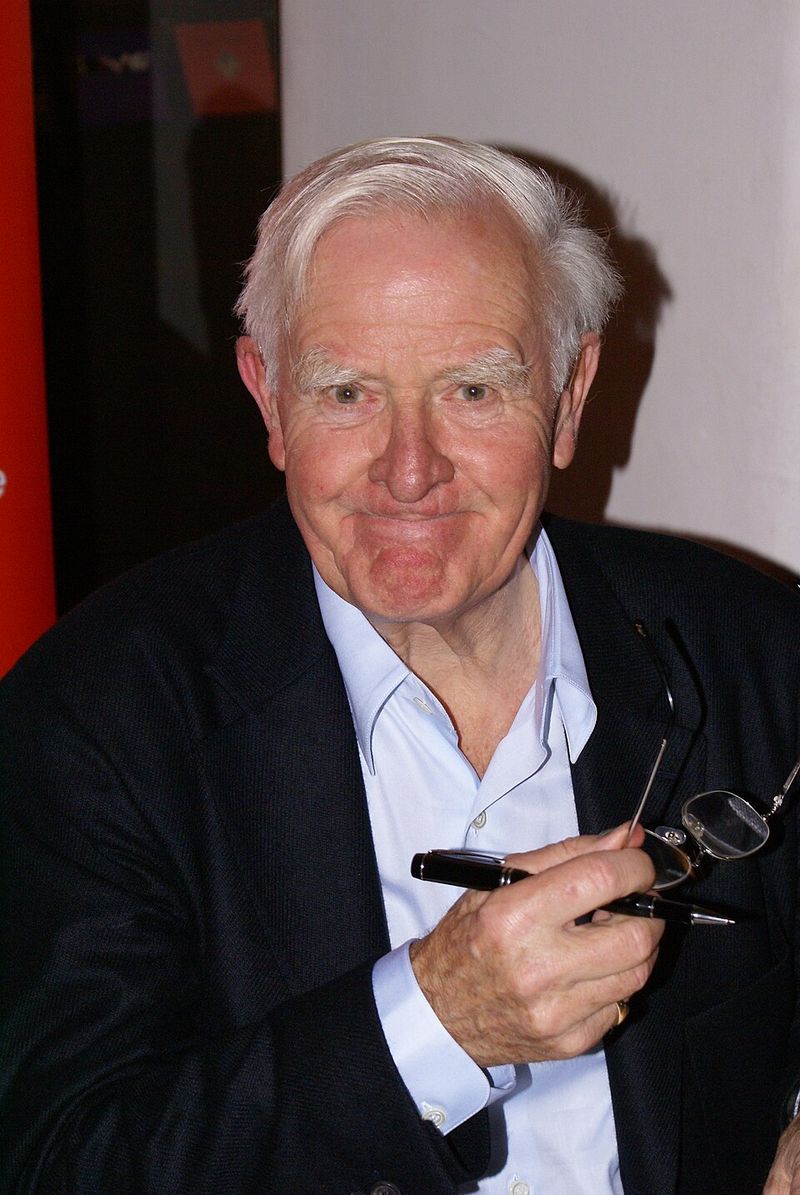
John le Carré spent his career writing fiction that treated British institutions with careful suspicion. His novels examined loyalty, secrecy, bureaucratic failure, and the moral compromises made by people operating inside powerful systems.
Before writing fiction, le Carré, whose real name was David Cornwell, had worked for British intelligence. That background gave his skepticism about state authority a grounded, firsthand quality.
When a knighthood was offered, he declined. Becoming Sir John did not align with the worldview he had spent decades putting into print.
He continued collecting literary honors throughout his career, including the Golden Dagger Award and the Grand Master Award from the Mystery Writers of America. A knighthood simply was not among them.
By the time of his passing in 2020, le Carré was widely credited with elevating the spy novel into serious literary territory. His reputation needed no title.
The work itself had already done that job thoroughly and durably.
9. Stephen Hawking Declined a Knighthood
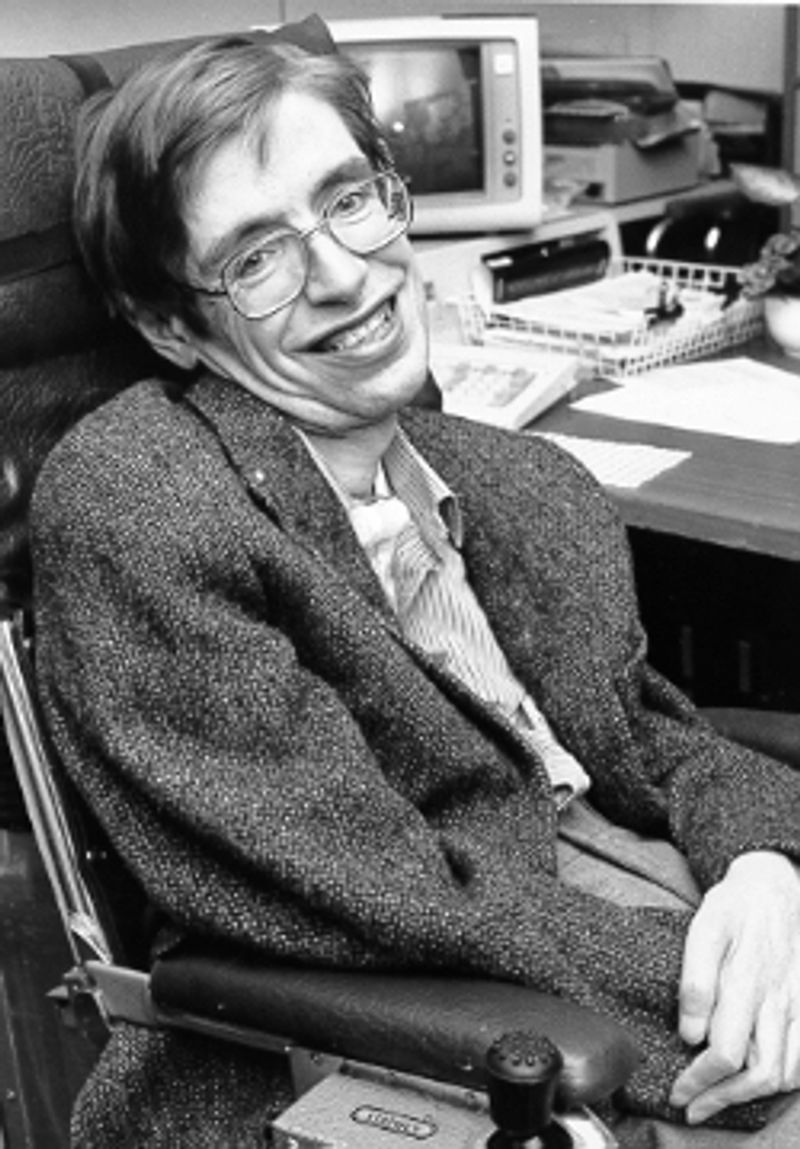
Stephen Hawking already held some of the most respected titles in science. He was Lucasian Professor of Mathematics at Cambridge, the same chair once held by Isaac Newton.
Adding Sir to his name would have changed very little about how the world saw him.
He reportedly declined a knighthood in the late 1990s, with his decision linked to dissatisfaction with the British government’s approach to science funding. Hawking was openly critical of what he viewed as mismanagement of research budgets and the restructuring of scientific councils.
Notably, Hawking had accepted other official distinctions. He received a CBE in 1982 and a Companion of Honour in 1989.
His refusal of a knighthood was therefore selective rather than a blanket rejection of recognition. For a man whose book A Brief History of Time had sold millions of copies worldwide and made cosmology accessible to general readers, the absence of a knighthood did nothing to reduce his extraordinary global standing.
10. Roald Dahl Turned Down an OBE
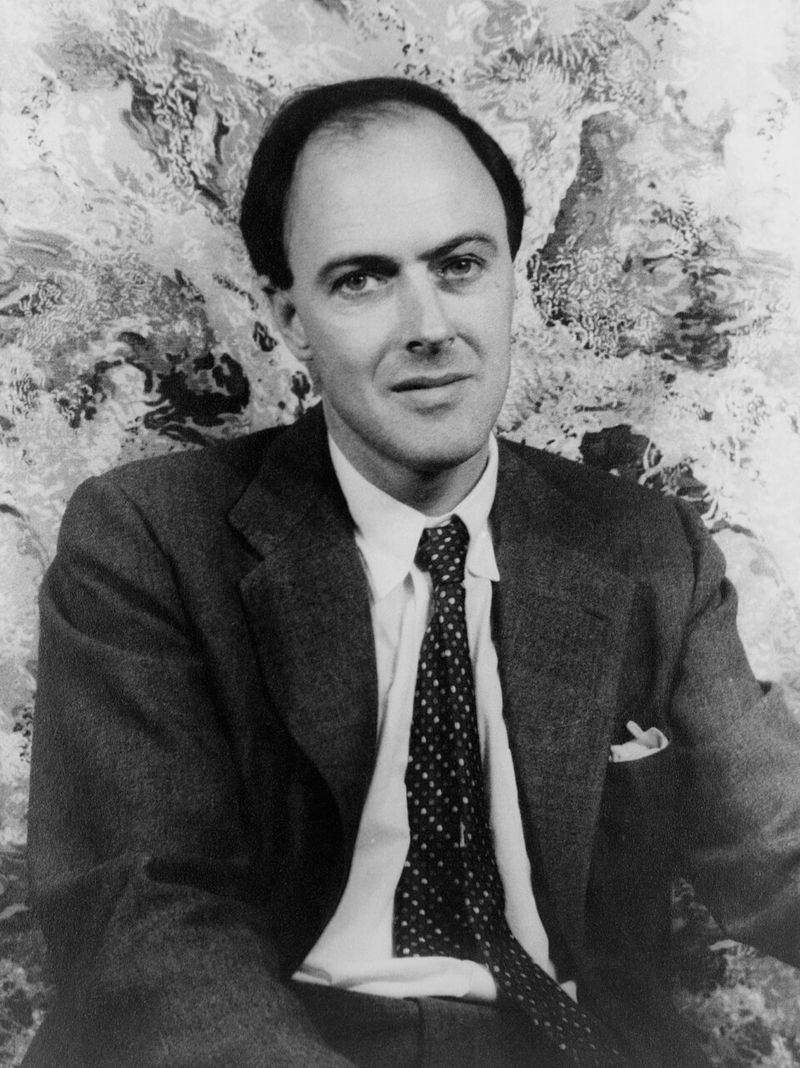
Roald Dahl’s reasons for declining an OBE in 1986 were reportedly less philosophical than those of others on this list. Accounts suggest he had been hoping for a knighthood, which would have allowed his wife at the time, Felicity, to use the title Lady Dahl.
An Officer of the Order of the British Empire carries no such benefit. When the lesser honor arrived, Dahl apparently found it insufficient and declined.
His refusal was not a rejection of the honors system itself, but rather a response to receiving what he considered the wrong level of recognition.
He passed away in 1990 without ever receiving a knighthood. His books, however, needed no official endorsement.
Charlie and the Chocolate Factory, Matilda, The BFG, and James and the Giant Peach have remained fixtures of childhood reading for decades, inspiring major films and theatrical productions worldwide. Whatever letters might have followed his name, the stories themselves became his most lasting and widely recognized distinction.
11. Aldous Huxley Declined a Knighthood
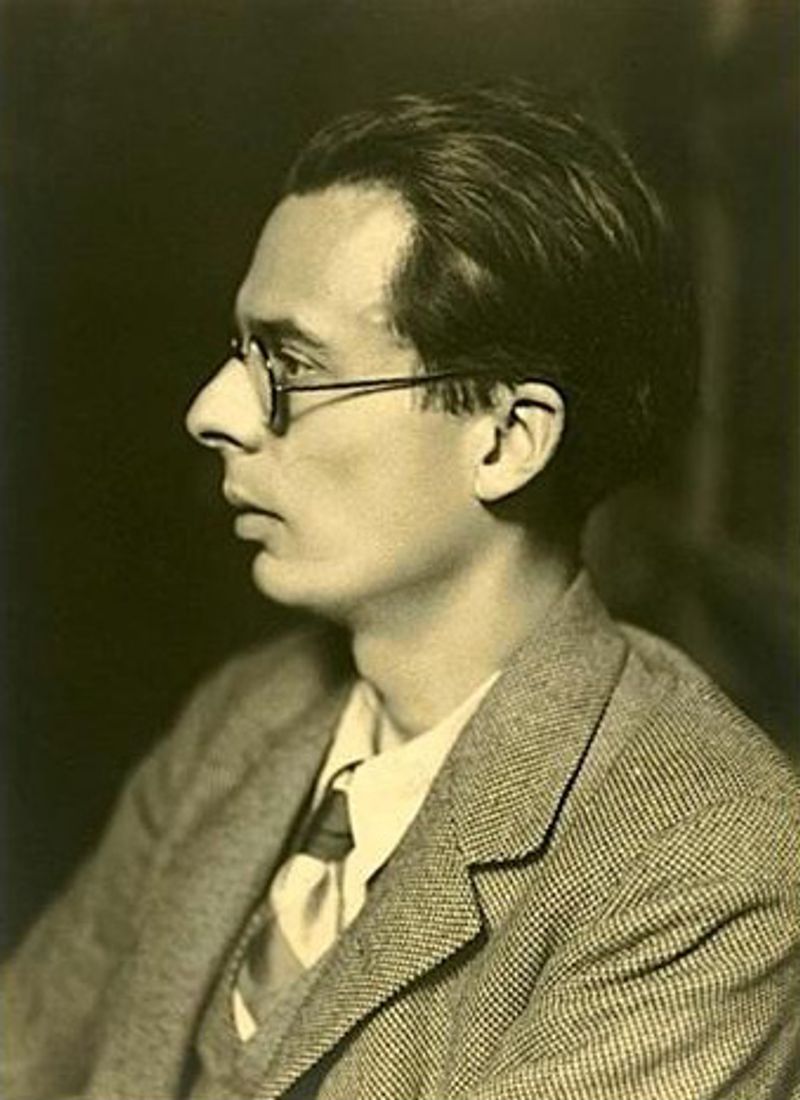
Aldous Huxley built his literary reputation on skepticism toward authority, institutional control, and the dangers of conformity. His 1932 novel Brave New World imagined a society managed not through force but through conditioning, consumerism, and carefully engineered contentment.
When a knighthood was reportedly offered to him in 1959, Huxley declined. The decision fit naturally with his established worldview.
Huxley described himself as a humanist and pacifist, and his writing consistently questioned the relationship between individuals and the systems that claimed authority over them.
Becoming Sir Aldous would have placed him squarely within the establishment he spent his career examining critically. Huxley continued writing essays, fiction, and nonfiction until his passing in 1963.
His work grew more influential over time as readers found Brave New World increasingly relevant to shifts in technology, media, and consumer culture. The book’s ideas outlasted any honor the British government might have attached to his name.
12. Rabindranath Tagore Returned His Knighthood
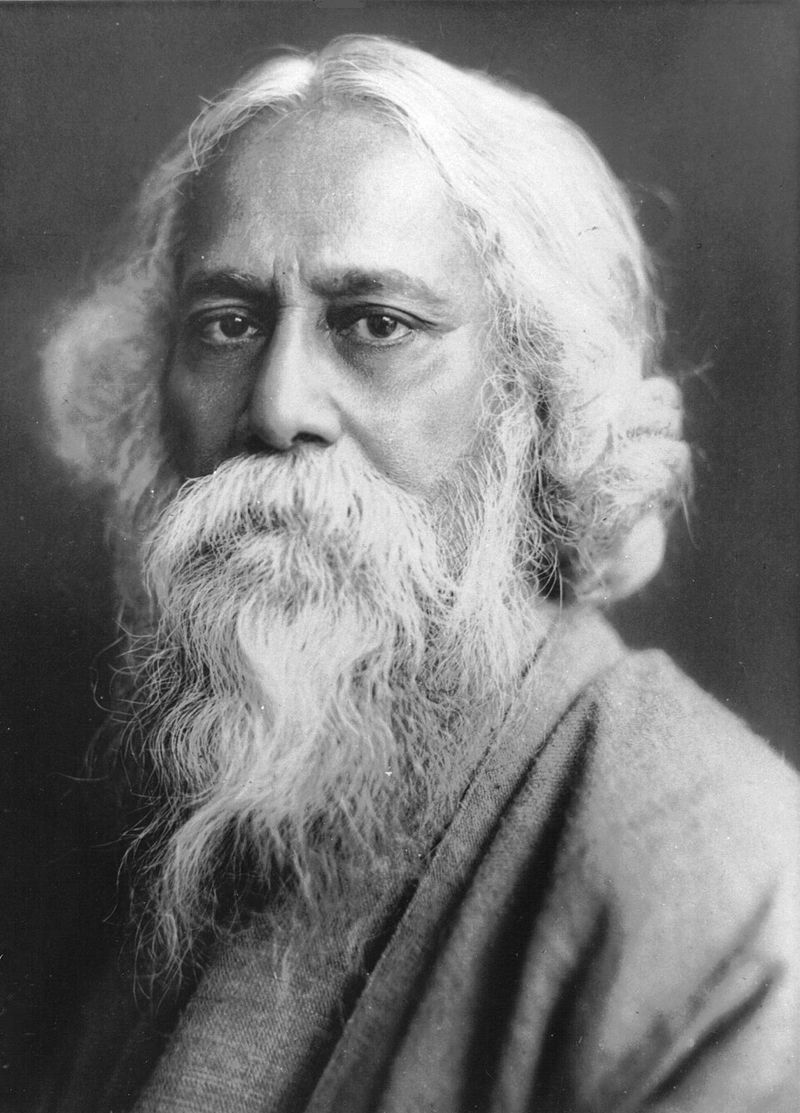
Rabindranath Tagore had already achieved global recognition before his act of protest. He became the first non-European recipient of the Nobel Prize in Literature in 1913, and the British Crown knighted him in 1915 for his contributions to literature.
Four years later, British troops opened fire on an unarmed crowd gathered at Jallianwala Bagh in Amritsar, India. The April 1919 event resulted in hundreds of people losing their lives.
Tagore responded on May 30, 1919, by formally renouncing his knighthood in a letter to the Viceroy of India, Lord Chelmsford.
Tagore wrote that the badges of honor became a source of shame when his countrymen were treated with such brutality. The British government reportedly never formally accepted his renunciation, worried that doing so would amplify the political damage.
Regardless, the act became one of the most powerful symbolic protests of the colonial era and remains a defining moment in Tagore’s legacy.
13. Sinead O’Connor Refused a Grammy
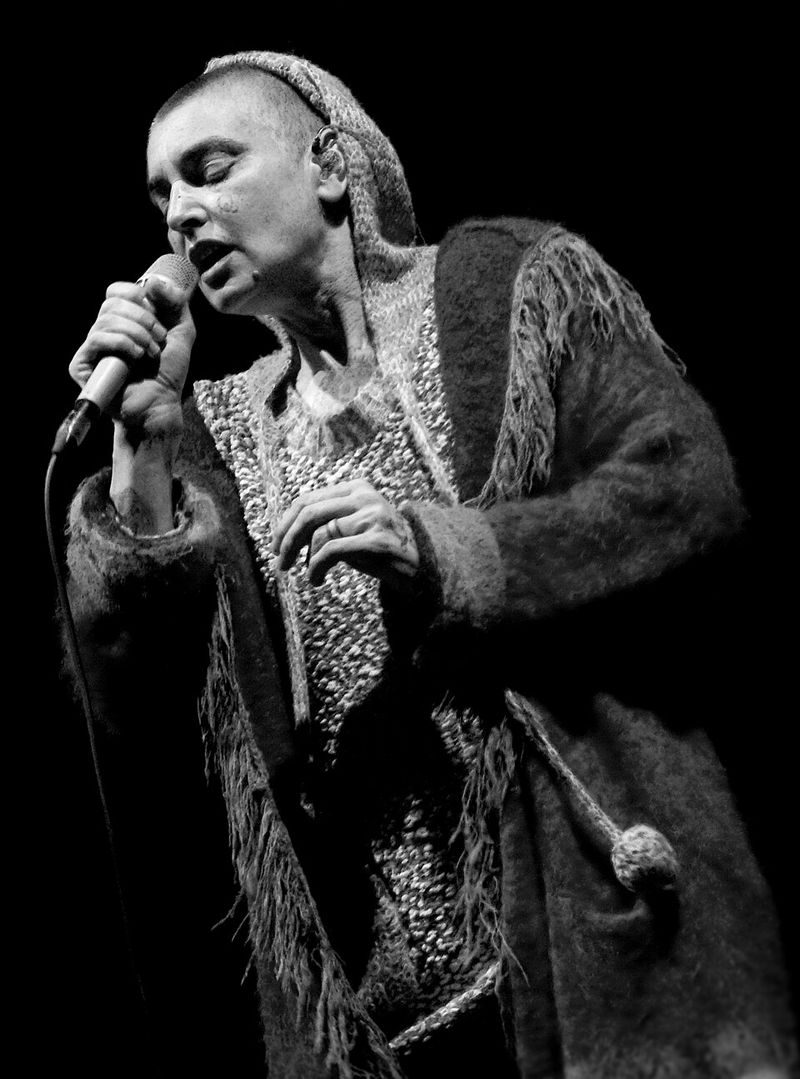
At the 33rd Grammy Awards in February 1991, Sinead O’Connor won Best Alternative Music Performance for her album I Do Not Want What I Haven’t Got. She was not there to accept it, and that absence was deliberate.
O’Connor had announced her boycott of the ceremony beforehand, criticizing the music industry’s focus on commercial achievement over artistic expression. In a letter to the Recording Academy, she argued that artists had a responsibility to guide and connect with audiences on a human level, not simply to compete for industry approval.
Her album had already become an international phenomenon, carried largely by the success of Nothing Compares 2 U. A Grammy win should have been a straightforward celebration of that achievement.
Instead, she rejected the ritual publicly and on principle. Her Grammy refusal was reportedly the first of its kind in the award’s history.
For O’Connor, the music clearly mattered far more than the trophy sitting on the podium.
Share this story