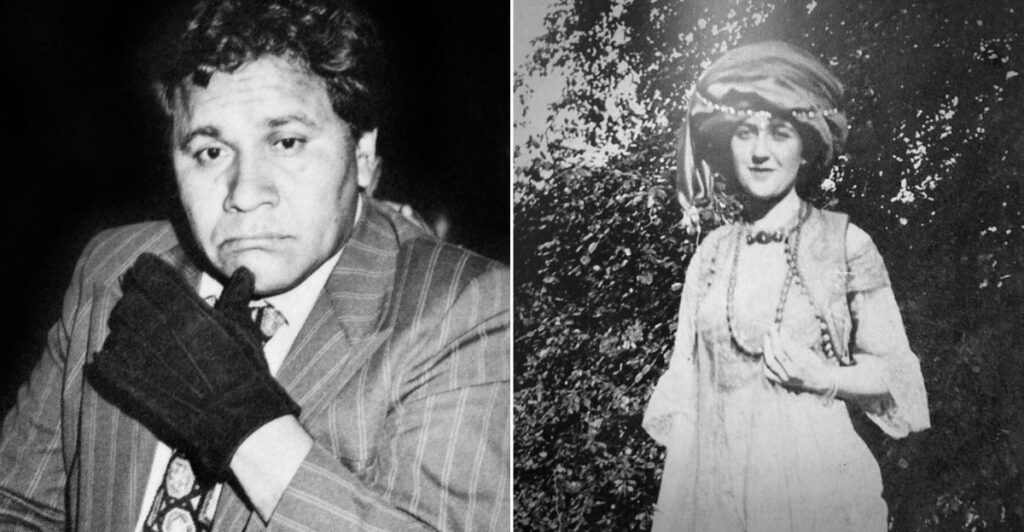
Some of history’s greatest writers left behind more than just their words. They left behind unanswered questions.
From medieval poets banished into the unknown to modern authors whose cars were found abandoned near famous bridges, these cases have fascinated readers and historians for generations. Each disappearance is different, but they all share the same unsettling quality: a story that never got a proper ending.
Whether the cause was war, wandering, personal crisis, or something darker, these writers vanished in ways that feel almost as strange as the stories they wrote.
Agatha Christie: The Mystery Queen Who Became a Mystery Herself
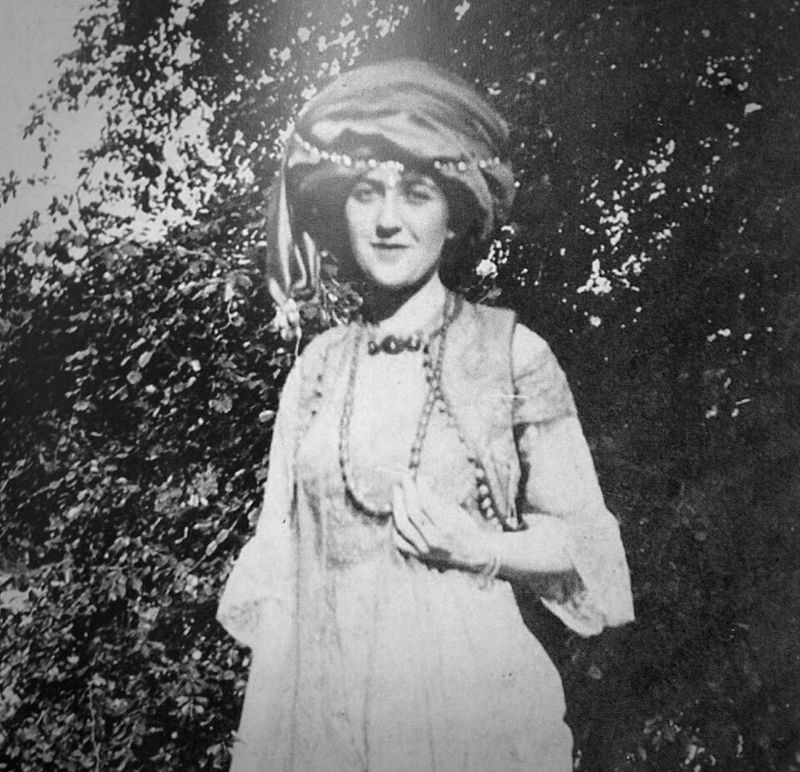
In December 1926, the woman who invented some of fiction’s most clever crimes suddenly became the subject of a real investigation. Agatha Christie left her home in Berkshire, England, and her car was found abandoned near Newlands Corner in Surrey.
For 11 days, police, reporters, and thousands of volunteers searched for her.
She was eventually found at the Swan Hydro hotel in Harrogate, where she had checked in under a different name. Christie never gave a full public explanation for what happened during those 11 days, and the mystery was never officially resolved.
Her official site acknowledges that 1926 was an extraordinarily difficult year. Her mother had died, her marriage to Archie Christie was falling apart, and the pressure of her rising career weighed heavily on her.
Christie went on to write dozens more novels and lived until 1976, but that strange 11-day gap remains one of literary history’s most famous unsolved episodes.
Ambrose Bierce: The Author Who Walked Into Mexico and Vanished
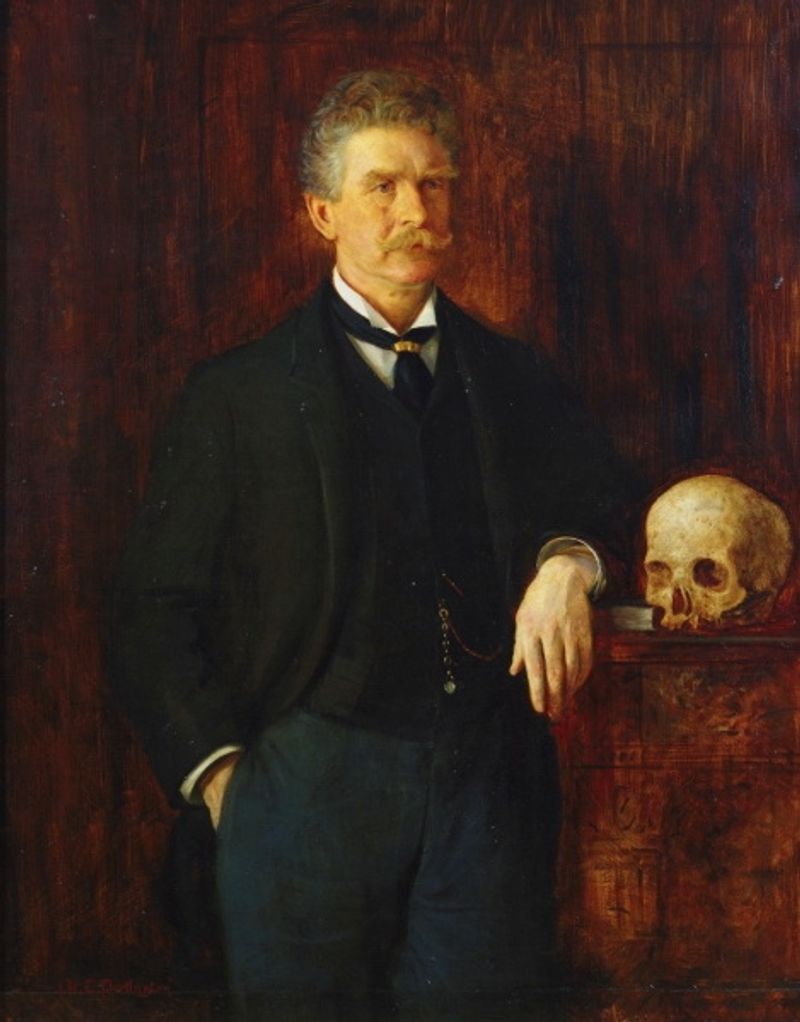
Ambrose Bierce had one of the sharpest, darkest minds in American literature. The author of “An Occurrence at Owl Creek Bridge” and The Devil’s Dictionary wrote about death, war, and human foolishness with a biting precision that few writers have matched.
In 1913, at around 71 years old, Bierce traveled south into Mexico during the revolution. He reportedly wanted to observe the conflict firsthand.
His final known letters suggest he was heading into uncertain and dangerous territory. After that, silence.
History.com lists Bierce among history’s most famous vanished figures, noting that he crossed into Mexico and was never heard from again. Theories have included execution, suicide, and death in battle, but none has ever been confirmed with solid evidence.
What makes the case feel almost literary is that Bierce himself had written darkly about aging and death for years. His disappearance reads like the final, unfinished chapter of a man who always seemed to be daring fate to catch up with him.
Antoine de Saint-Exupery: The Little Prince Author Lost in the Sky
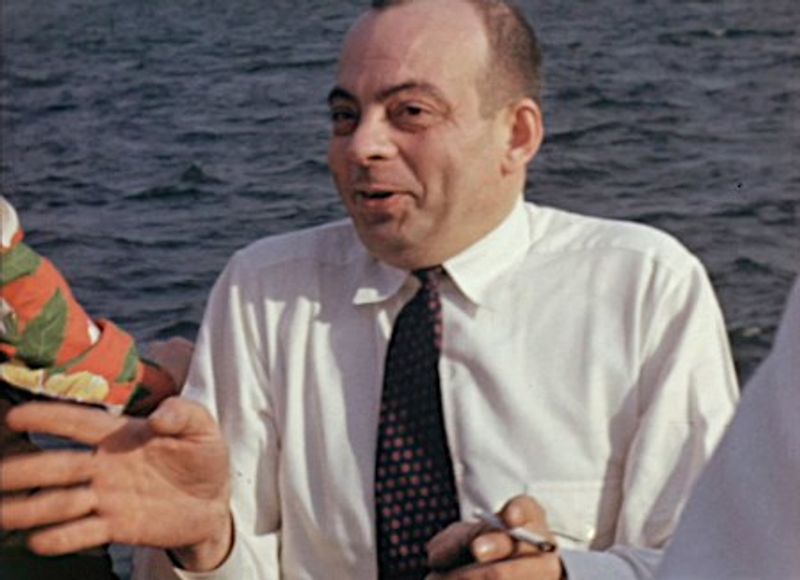
Antoine de Saint-Exupery gave the world The Little Prince, a story about loneliness, stars, and the things that truly matter. He was also a real aviator who flew dangerous missions long before and during World War II.
On July 31, 1944, he took off from Bastia on a reconnaissance mission over the Rhone Valley, Annecy, and Provence. He never returned.
France’s official underwater archaeology records confirm the date and mission details, and for decades the exact circumstances of his fate remained uncertain.
Years later, a bracelet connected to him was found near Marseille in 1998. Wreckage from his aircraft was later identified and confirmed.
The final moments of the flight, however, are still debated by historians and aviation researchers.
There is something quietly symbolic about how his story ended. The Little Prince is itself a book about vanishing into the stars.
Saint-Exupery’s real disappearance over the Mediterranean only deepened the mythology that already surrounded both the man and his most beloved work.
Weldon Kees: The Poet Whose Car Was Found at the Golden Gate Bridge
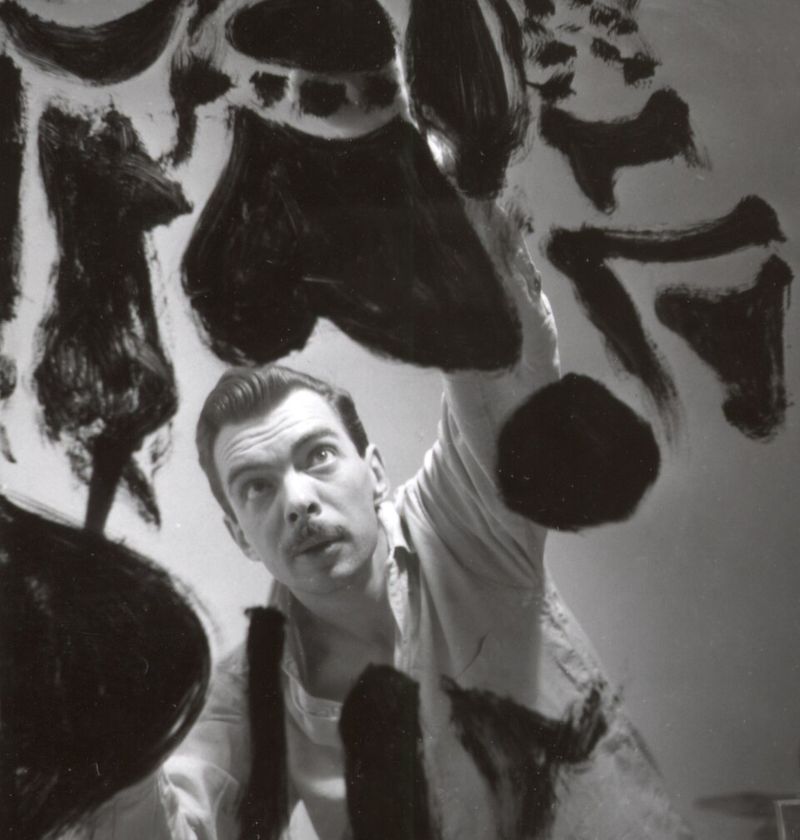
Weldon Kees was not just a poet. He was a painter, jazz musician, film critic, and filmmaker, a restlessly creative person who produced serious work across multiple forms.
His poetry, in particular, has grown in reputation over the decades since his disappearance.
On July 18, 1955, his car was found abandoned near the Golden Gate Bridge. Kees was never seen again.
The Poetry Foundation records this detail clearly and notes that he vanished following the discovery of the vehicle.
Many have assumed the worst, given the location and accounts of his troubled state of mind in the months before. But no body was ever recovered, and no final proof was ever established.
A quieter theory holds that Kees staged the whole thing and started a new life somewhere else entirely.
The uncertainty fits the tone of his work, which was elegant, anxious, and shadowed by a sense of things slipping away. His disappearance became the last, unresolved stanza in a body of work already preoccupied with loss.
Oscar Zeta Acosta: The Gonzo-Era Writer Who Disappeared in Mexico
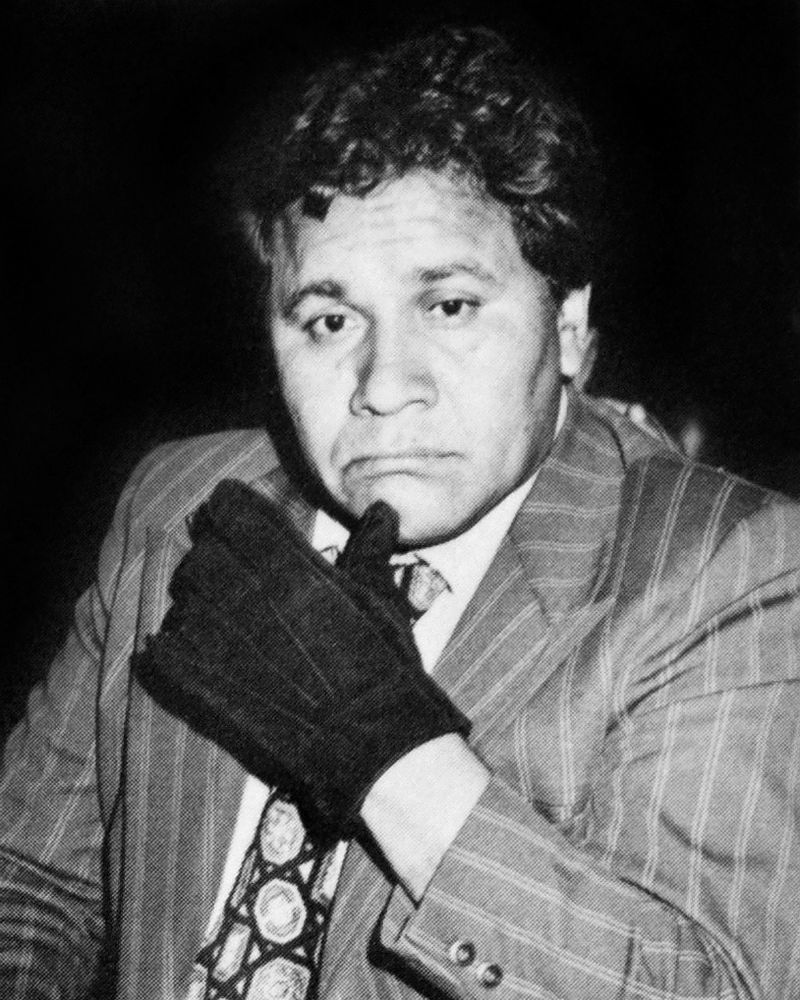
Oscar Zeta Acosta packed several lifetimes of intensity into a few short decades. He was a lawyer, a Chicano Movement activist, and the author of two fiercely original books: The Autobiography of a Brown Buffalo and The Revolt of the Cockroach People.
He also became famous as the inspiration for Dr. Gonzo in Hunter S. Thompson’s Fear and Loathing in Las Vegas.
In 1974, Acosta vanished while traveling in Mexico. TIME has noted this disappearance and the fact that the circumstances remain unclear to this day.
His life before that point had been loud, confrontational, and deeply political. He moved through activism, courtrooms, literary circles, and the counterculture world of the late 1960s and early 1970s with equal parts conviction and chaos.
Theories about his fate include foul play, drug-related violence, and accidental death, but none has been confirmed. Acosta lived at full volume, and then, without explanation, simply stopped.
The silence that followed feels completely at odds with the man he was.
Solomon Northup: The Memoirist Who Vanished from the Historical Record
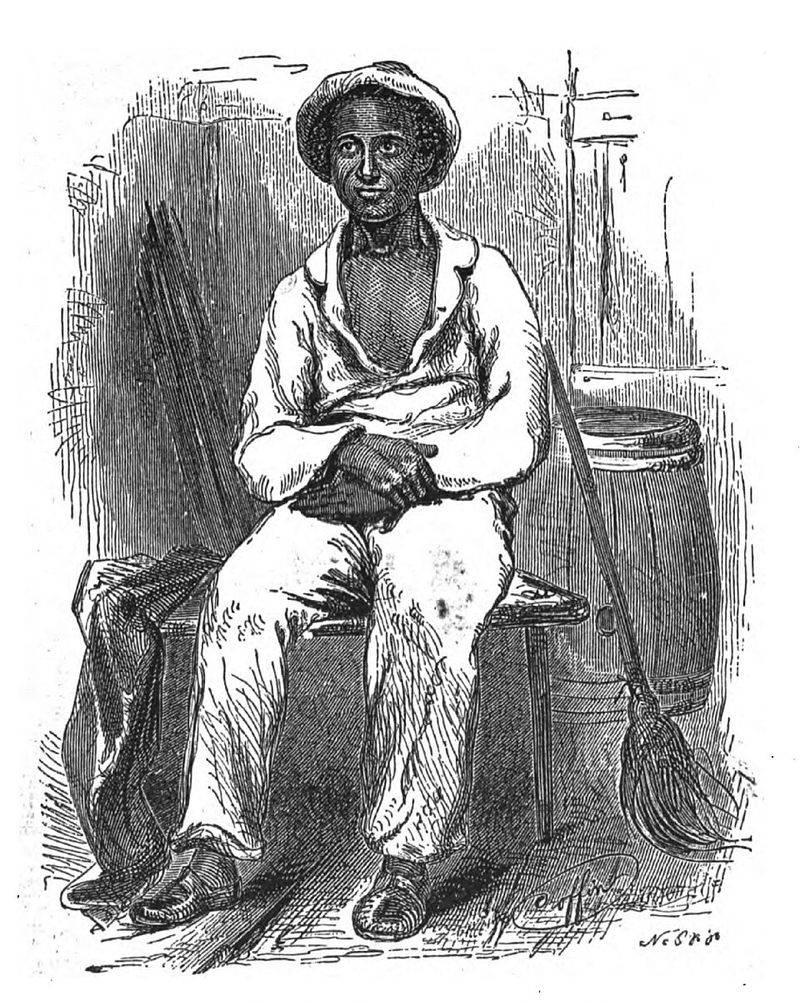
Solomon Northup survived something almost unimaginable. He was a free Black man living in New York who was kidnapped in 1841 and sold into slavery in Louisiana, where he spent twelve years before being rescued in 1853.
His memoir, Twelve Years a Slave, became one of the most important personal accounts of American slavery ever written.
After his rescue, Northup lectured publicly and continued to tell his story. Then, gradually, he faded from the historical record.
Smithsonian Magazine notes that his final confirmed public appearance was in Ontario, Canada, in August 1857, and that the circumstances and timing of his death remain unknown.
This is a different kind of disappearance from an abandoned car or a missing aircraft. Northup did not vanish suddenly.
He simply stopped appearing in documented history, and no one has been able to trace what happened to him after 1857.
His memoir endures as a landmark work. The silence around his final years, by contrast, remains one of American history’s quieter and more painful open questions.
Francois Villon: The Medieval Poet Who Vanished After Banishment
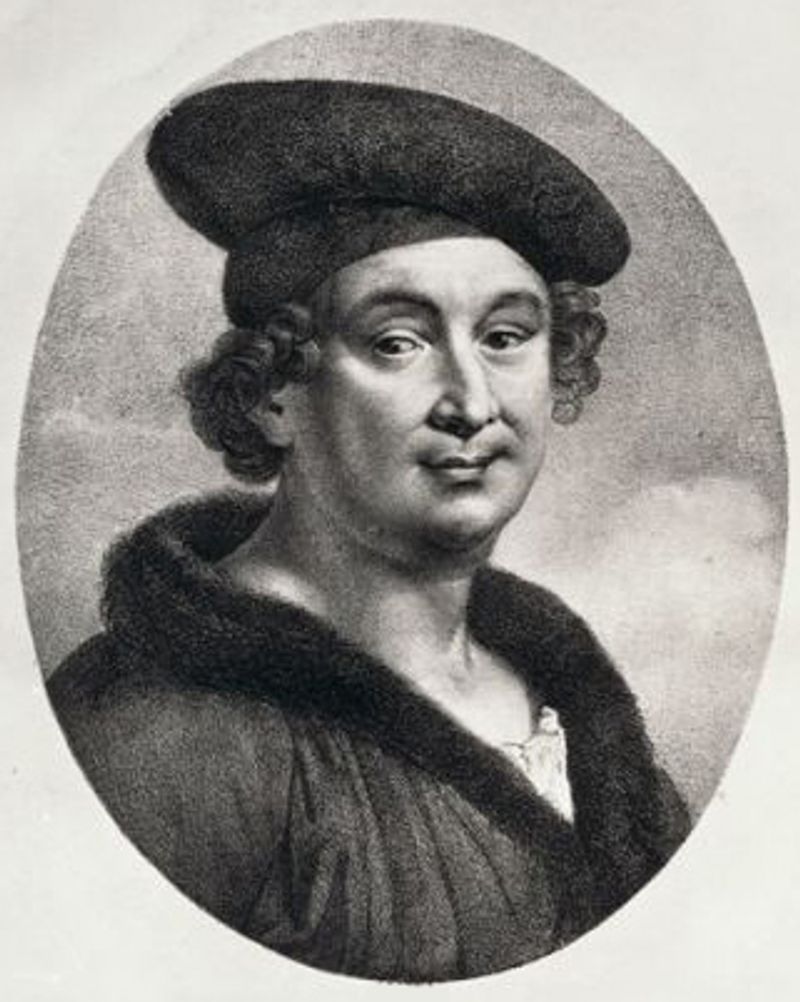
Francois Villon was medieval France’s most celebrated street-level poet, a man who wrote about poverty, crime, mortality, and the fragile nature of life with an honesty that still reads as startlingly modern. He was also a convicted criminal who spent time in prison and came close to execution more than once.
In 1463, after being condemned to hang in Paris, his sentence was reduced to banishment from the city. He walked out of Paris under that sentence, and history never found him again.
No confirmed record of his death exists. No verified account of where he went has ever been established.
His poetry often dwelled on the margins of society, on people who were overlooked, forgotten, or cast aside. That makes his own disappearance feel strangely consistent with the themes he spent his career exploring.
For a poet of the Middle Ages, uncertainty around the details of his life is not unusual. But the basic fact remains striking: one of France’s greatest medieval voices was exiled from Paris, and the historical record simply went quiet after that.
Arthur Cravan: The Dada Poet Who Disappeared at Sea
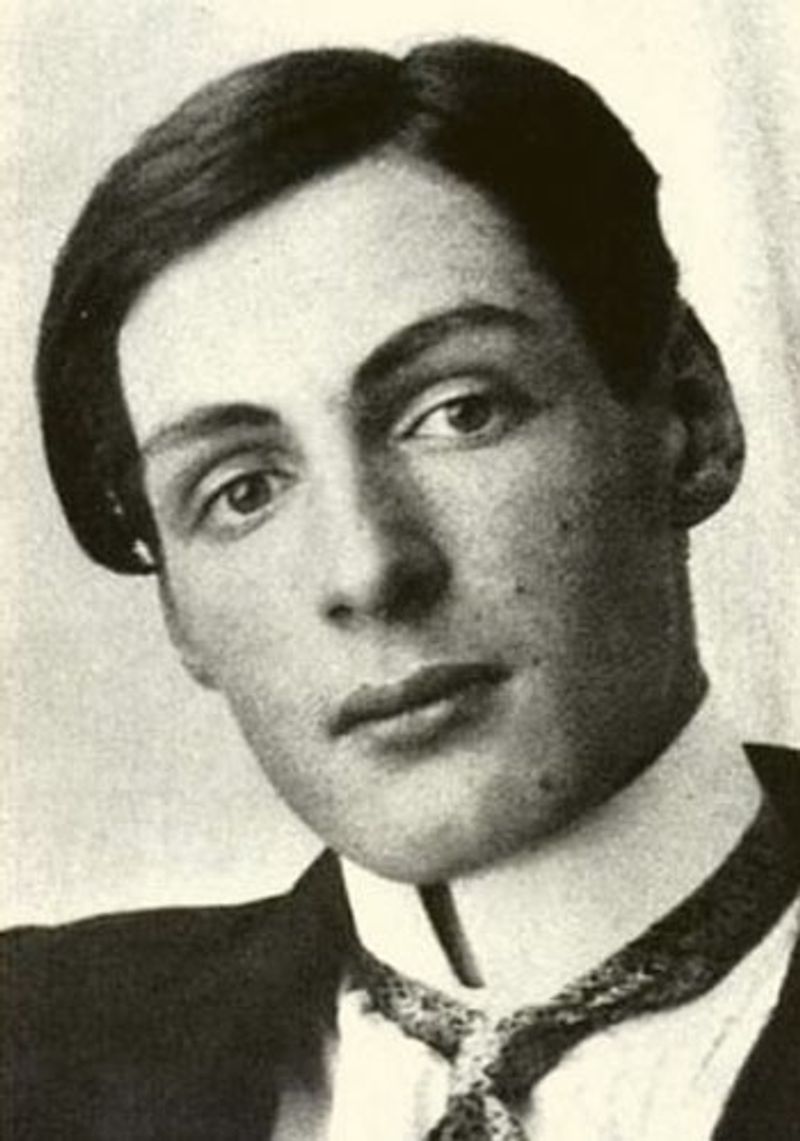
Arthur Cravan was impossible to categorize. He was a poet, a boxer, a provocateur, and one of the Dada movement’s most theatrical figures.
He was also the nephew of Constance Lloyd, Oscar Wilde’s wife, a connection he wore as part of a carefully constructed public identity that mixed art, scandal, and performance in roughly equal measure.
In 1918, Cravan disappeared in Mexico. The New Yorker has written about how he had fled to Mexico, married the poet Mina Loy, and then vanished not long afterward under murky circumstances.
The most widely told version of events holds that he disappeared while attempting to sail from Mexico toward South America. His body was never conclusively identified, and the details of what actually happened remain disputed.
For a man who turned his entire existence into a kind of ongoing performance, the disappearance feels almost deliberate. Whether it was tragedy or one final act of self-invention, Arthur Cravan left the stage without explanation and never came back to take a bow.
Share this story