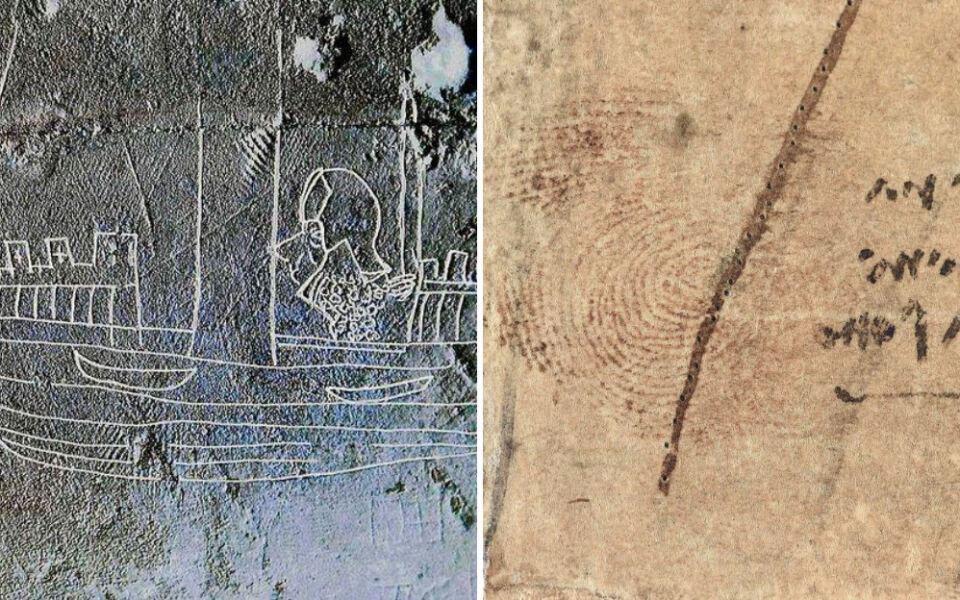
History does not always hide in locked vaults or buried beneath layers of soil. Sometimes the most revealing evidence has been sitting in a church gallery, carved into a cathedral wall, or folded inside a medieval prayer book for hundreds of years before anyone thought to look carefully.
Researchers using modern imaging tools, forensic analysis, and a fresh set of eyes have been uncovering secrets that were technically visible all along. From a Viking’s casual name scratched into marble to a Renaissance master’s fingerprints pressed into paint, these 14 discoveries prove that the past has a habit of leaving clues in the most ordinary places.
Each one reframes something familiar in a way that makes you rethink what you thought you already knew about history.
1. Viking Graffiti Inside Hagia Sophia
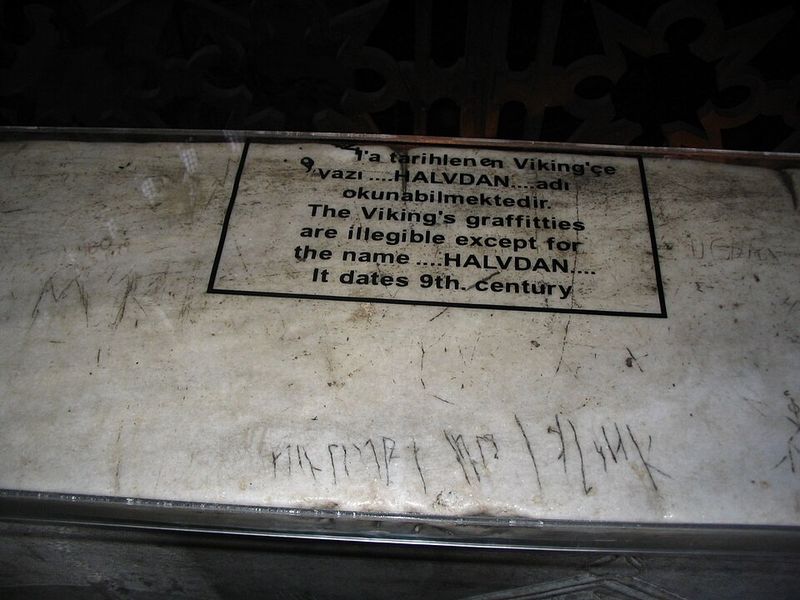
Somewhere in the upper galleries of Istanbul’s Hagia Sophia, a Viking once pulled out a sharp tool and carved his name into the marble railing like any bored tourist might doodle in a notebook.
Two runic inscriptions have been confirmed inside the building. The first, found in 1964 in the southern gallery, contains the Norse name Halfdan, with the readable portion spelling out “-ftan.” A second inscription, discovered in 1975 in the northern gallery, has been read as “Ari made” or a variation of that phrase.
Both were likely left by members of the Varangian Guard, Norse soldiers who served Byzantine emperors between the 9th and 11th centuries. These marks are not grand monuments.
They are the quiet, ordinary signatures of people far from home, working a job in one of the world’s most impressive buildings.
2. The Hidden Writing Beneath an Archimedes Manuscript
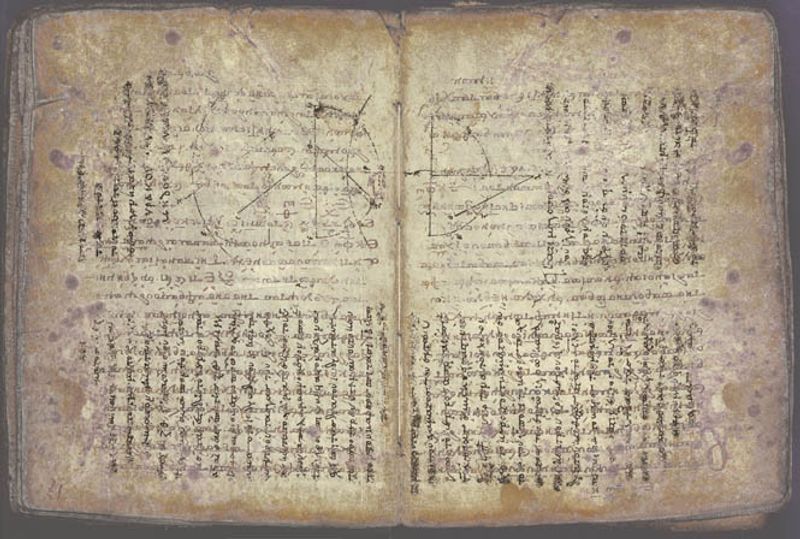
A 13th-century Byzantine prayer book looked completely unremarkable for centuries, yet it was hiding some of the most important mathematical writing from the ancient world.
The Archimedes Palimpsest was created in 1229 when a monk scraped and reused older parchment originally copied in 10th-century Constantinople. That original parchment contained treatises by Archimedes, including two works previously thought lost: “The Method of Mechanical Theorems” and “Stomachion.” It also preserved the only surviving Greek edition of “On Floating Bodies.”
After an anonymous collector purchased it in 1998 and deposited it at The Walters Art Museum, modern imaging techniques recovered the obscured texts. “The Method of Mechanical Theorems” revealed Archimedes working with concepts closely related to calculus, roughly 1,800 years before calculus was formally developed. “Stomachion” turned out to be the earliest known Western text on combinatorics.
3. Michelangelo’s Possible Anatomy Lessons in the Sistine Chapel
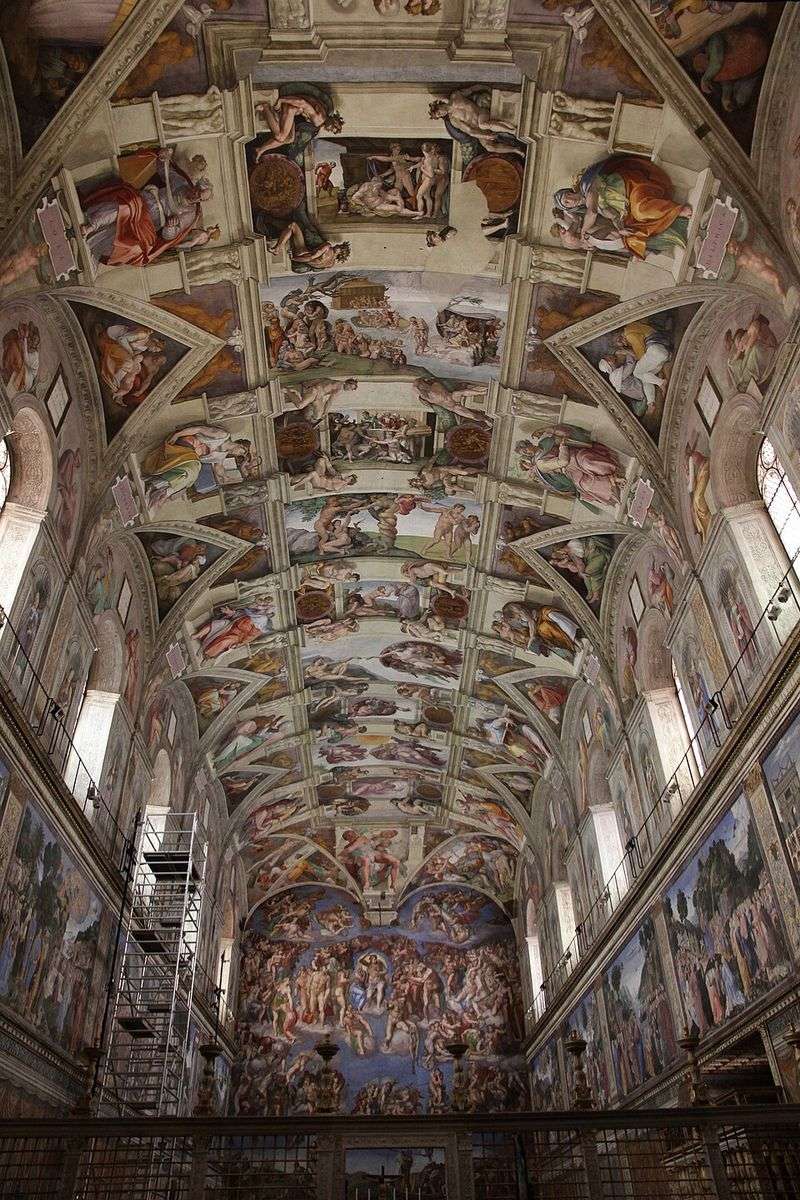
Most people look at the Sistine Chapel ceiling and see biblical scenes. A small group of physicians and art historians have been looking at the same images and seeing something else entirely.
The most discussed proposal concerns “The Creation of Adam.” Several researchers have argued that the shape formed by God, the surrounding angels, and the billowing cloak behind them closely mirrors a cross-section of the human brain, including identifiable anatomical features. Other anatomical theories have been proposed for additional sections of Michelangelo’s work.
None of these interpretations has achieved universal scholarly acceptance. What makes them genuinely interesting, rather than purely speculative, is the historical record.
Michelangelo is well documented to have conducted human dissections, and his understanding of anatomy was unusually detailed for the period. Whether he encoded that knowledge deliberately into the ceiling remains an open and fascinating question.
4. Medieval Ships Carved Into English Churches
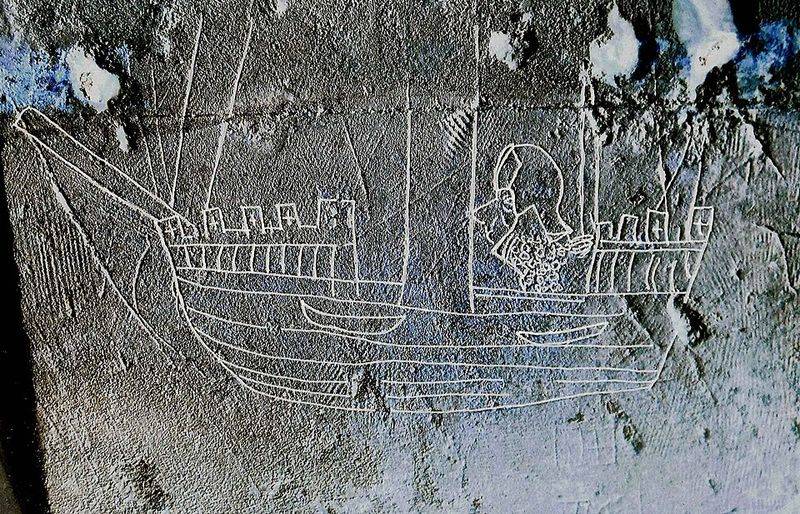
A careful look at the interior walls of some medieval English churches reveals something unexpected: fleets of ships, scratched into stone by hands that have been gone for centuries.
Historic graffiti researchers have documented numerous ship carvings, particularly in coastal regions of England. These marks are believed to have been made by people with direct connections to maritime life, including sailors, fishermen, and their families who worshipped in those buildings regularly.
Pinpointing the exact purpose of each carving is not always possible. Some historians suggest they functioned as visual prayers for safe voyages or expressions of gratitude after returning home.
Others may have simply been personal marks left during long services. Whatever the original intention, these carvings preserve direct evidence of ordinary people whose lives rarely made it into formal written records, making them unexpectedly valuable to historians studying everyday medieval life.
5. The Mysterious Handbags of Ancient Art
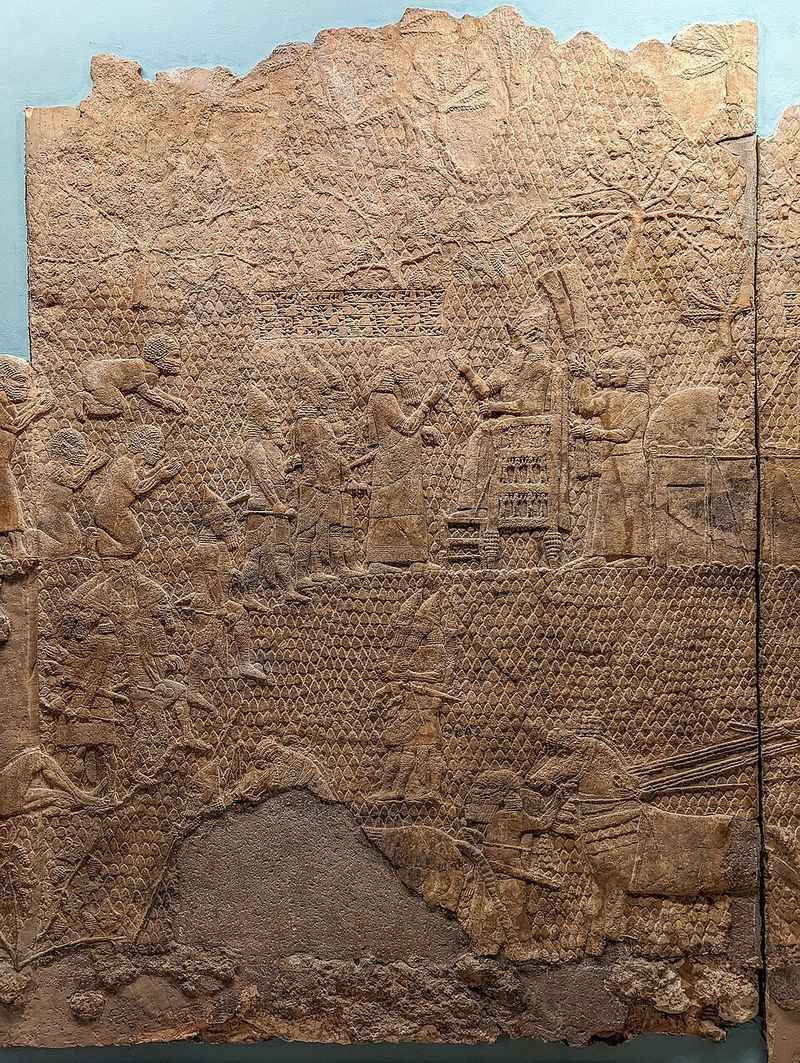
Long before anyone invented modern fashion accessories, ancient artists across multiple civilizations were carving small bucket-shaped objects into their most formal and ceremonial artwork.
These items appear repeatedly in Neo-Assyrian reliefs, where winged figures are shown holding a vessel that scholars call a banduddû. Similar objects turn up in art from other ancient cultures as well, and the visual similarity to a modern handbag has generated considerable online speculation about lost civilizations and secret knowledge.
The archaeological explanation is considerably more straightforward. These containers are widely understood to be ritual vessels used in purification ceremonies.
They carried substances used for religious cleansing rather than everyday items. The figures holding them were performing sacred roles, not running errands.
The real story behind these objects is actually more interesting than the internet theories, because it reveals how central ritual cleansing practices were to ancient Mesopotamian religious life.
6. Ancient Colors Still Clinging to Greek and Roman Statues
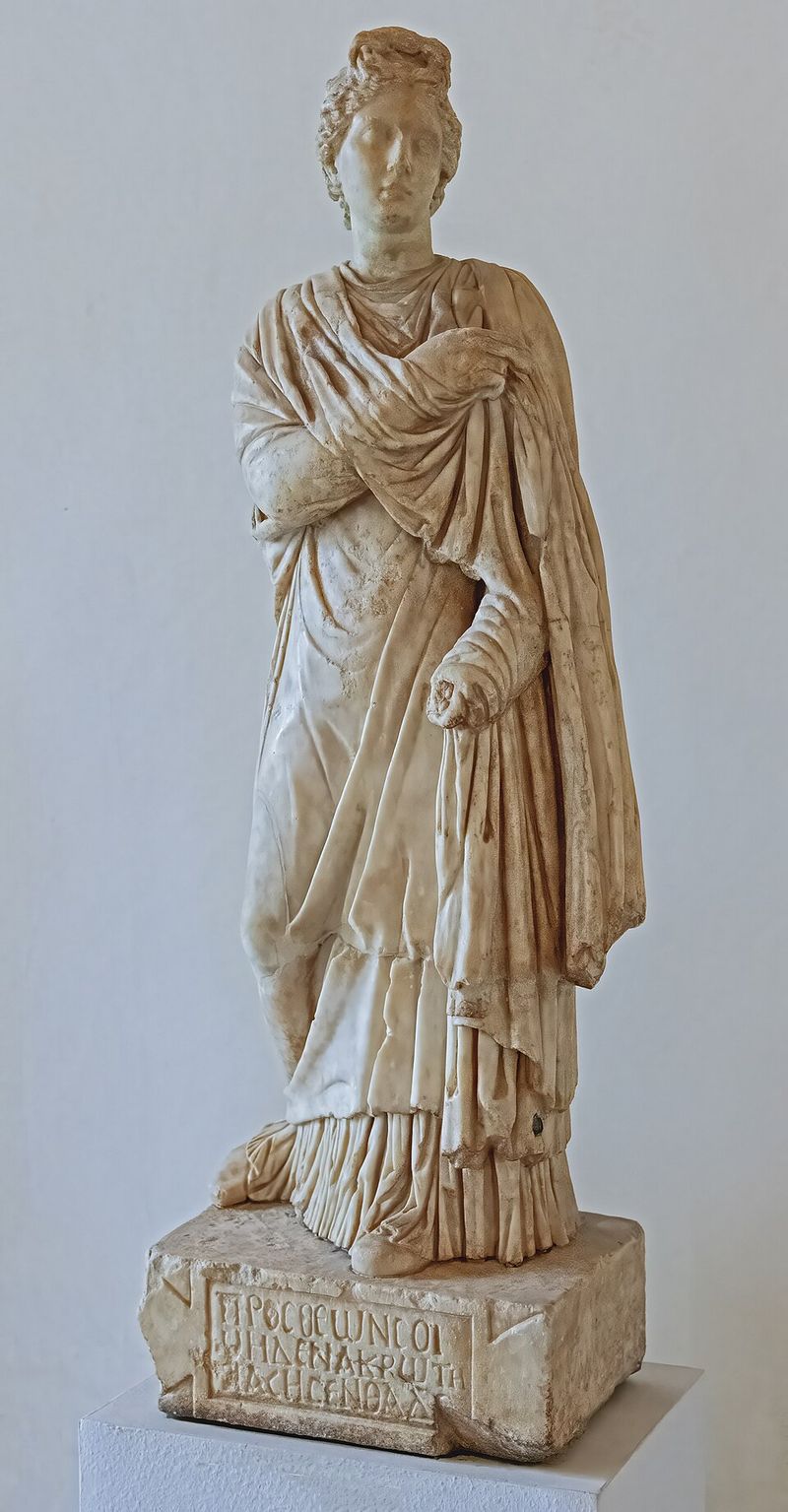
The image of ancient Greece as a world of pure white marble turns out to be one of history’s most persistent and widely accepted misconceptions.
Greek and Roman sculptors routinely painted their work in vivid colors. Skin tones, hair, clothing, and decorative patterns were all rendered in pigment.
Centuries of weathering, burial, cleaning, and well-intentioned restoration gradually stripped away most of that color, leaving the pale stone surfaces that later generations came to associate with classical beauty and sophistication.
Tiny traces of pigment survived on many sculptures even when they were invisible without specialized equipment. Using multispectral imaging and chemical analysis, researchers have identified original colors and produced reconstructions showing how these figures likely appeared.
The results suggest ancient public spaces were considerably more colorful than generations of architects, artists, and museum curators ever imagined when they drew inspiration from classical antiquity.
7. The Viking Message High Inside Maeshowe
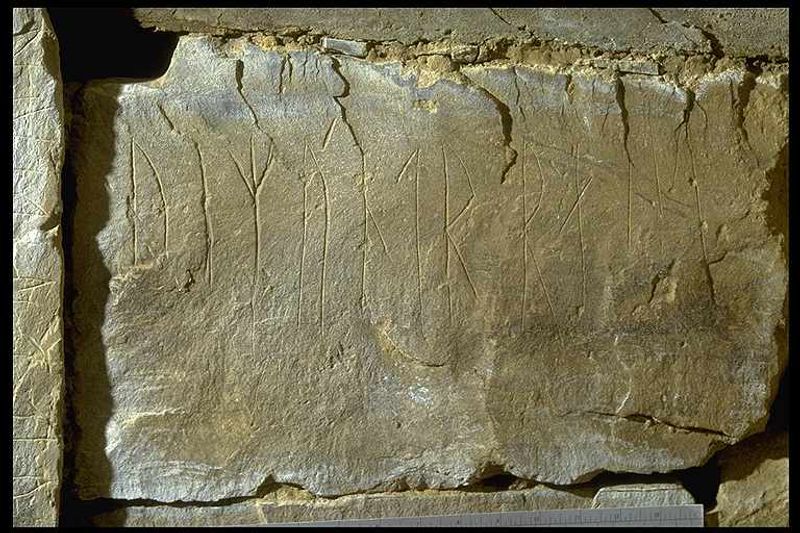
Maeshowe is a Neolithic chambered tomb in Orkney, Scotland, built roughly 5,000 years ago, making it older than the Egyptian pyramids. Medieval Vikings apparently found it a convenient place to leave messages.
More than 30 runic inscriptions survive inside, attributed to at least 15 different individuals. Some record names plainly, such as “Ottarfila carved these runes” or “Haermund Hardaxe carved these runes.” Others are considerably more personal.
One reads “Ingigerth is the most beautiful of all women” and is accompanied by a small drawing.
Another simply states “Thorni bedded, Helgi carved.”
Historians believe a group of Norse travelers sheltered inside the tomb around 1150 AD during a storm, while attempting to take control of Orkney. The inscriptions represent one of the largest collections of Norse runes found outside Scandinavia, written in multiple runic styles including classical futhork, Anglo-Saxon variations, and younger Scandinavian twig runes.
8. Witch Marks Carved Into Historic Buildings
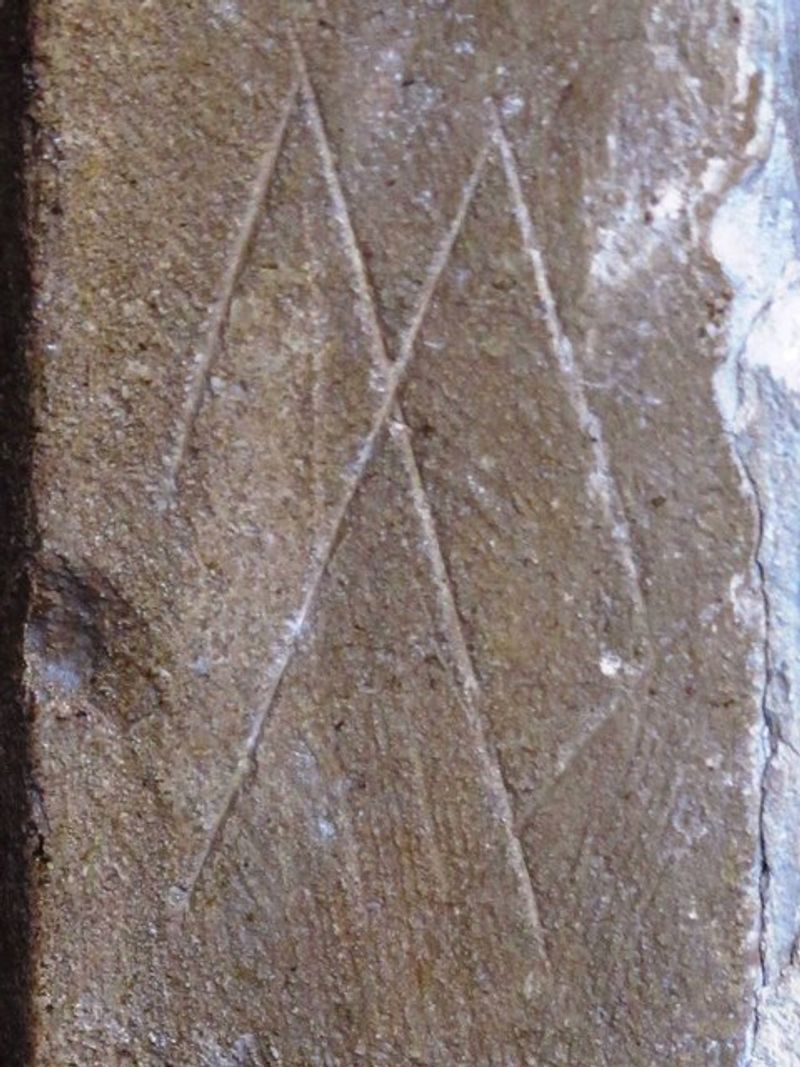
Not every scratch near an old doorway was made carelessly. Across Britain and parts of Europe, researchers have been cataloguing deliberate protective symbols carved into historic buildings for centuries without being noticed.
These marks, often called apotropaic marks or witch marks, feature overlapping circles, interlocking geometric patterns, and letter-like forms. An inverted W or M is a common design, possibly referencing the Virgin Mary.
They were placed near fireplaces, windows, and doors, the points where outsiders or harmful influences might enter a building.
The prevailing interpretation is that these marks were intended to protect a household from supernatural harm. People who carved them did so seriously, not as decoration.
Later occupants often lived alongside these symbols for generations without knowing what they were. Systematic recording efforts, particularly across England, have now documented thousands of examples in homes, barns, churches, and castles built between the 14th and 19th centuries.
9. The Hidden Portrait Beneath a Van Gogh Painting
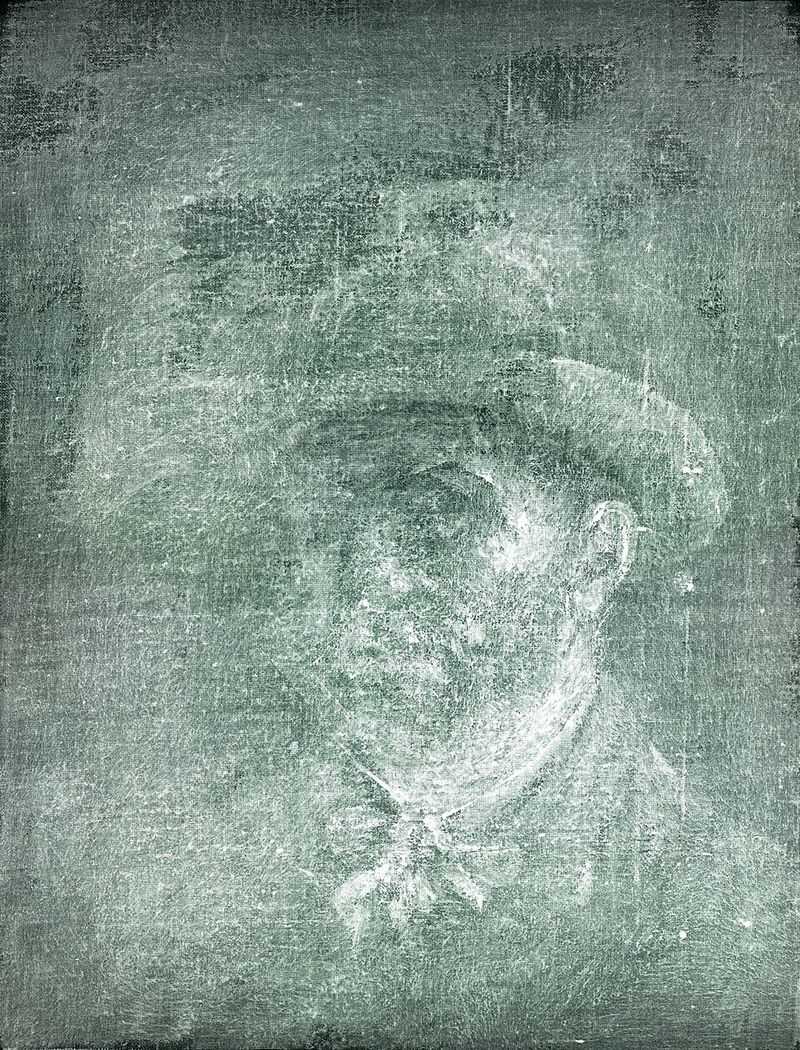
In 2022, conservators at the National Galleries of Scotland ran a routine X-ray on a Van Gogh canvas and found an entirely different painting looking back at them from the other side.
Beneath “Head of a Peasant Woman” from 1885, hidden under layers of glue and cardboard, was a previously unknown self-portrait of Van Gogh. The X-ray showed a bearded figure wearing a brimmed hat and neckerchief, with his left ear clearly visible.
The portrait is believed to date from 1887, when Van Gogh had moved to Paris and was absorbing the influence of French Impressionist painters.
The concealment likely happened in the early 20th century, possibly around 1905, when someone applied glue and cardboard to stabilize the canvas for framing. Van Gogh regularly painted on both sides of a canvas to save money.
The portrait had effectively been inside the artwork for over a century without anyone knowing it was there.
10. Leonardo da Vinci’s Fingerprints
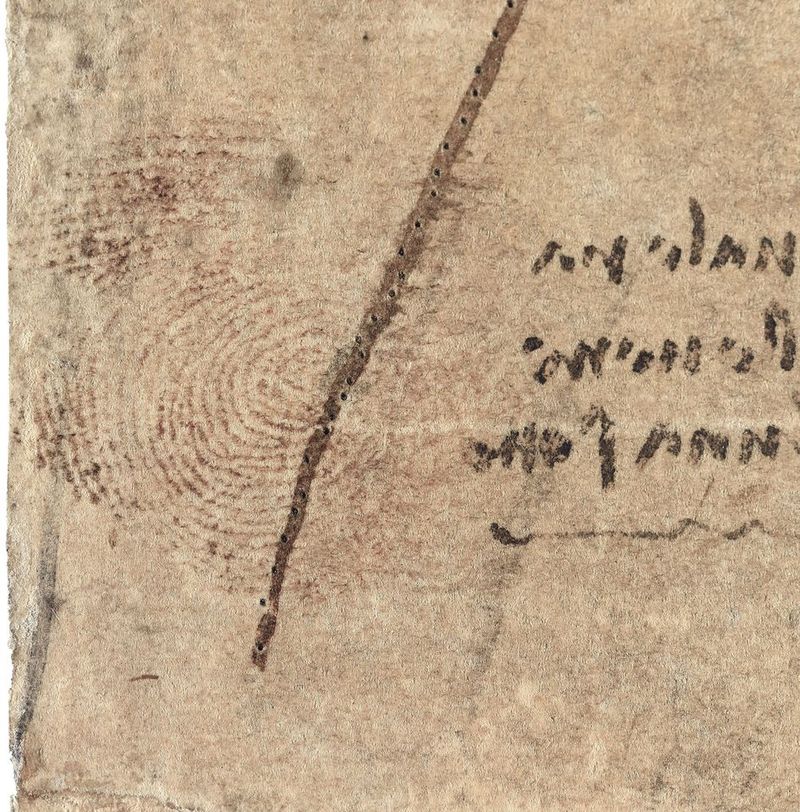
Technical analysis of several paintings attributed to Leonardo da Vinci has turned up something remarkably personal: his actual fingerprints, pressed into the paint surface during the creative process.
These biological traces appear in areas where paint layers were carefully blended, pointing directly to Leonardo’s habit of using his fingers rather than a brush to achieve smooth transitions. That technique connects directly to sfumato, his method of creating gradual shifts between light and shadow that give his figures their distinctively soft, almost hazy appearance.
Fingerprints have been identified on works including “Lady with an Ermine,” “St. Jerome in the Wilderness,” and “La Bella Principessa.” Advanced forensic tools, including multispectral imaging, were used to locate and compare these marks. A fingerprint is easy to overlook when a Renaissance masterpiece surrounds it, but it offers one of the most direct physical connections possible between a viewer and an artist who worked roughly 500 years ago.
11. The Ancient Repairs Holding the Parthenon Together
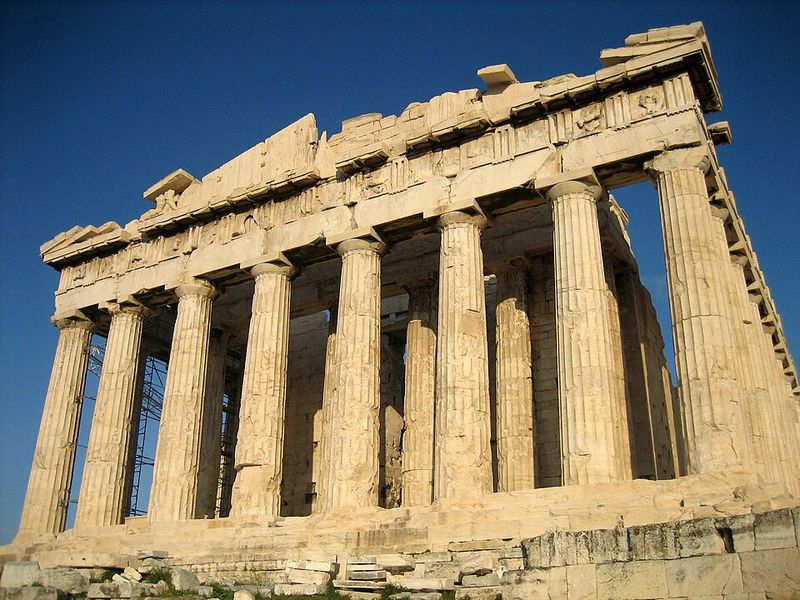
The Parthenon has stood on the Athenian Acropolis for roughly 2,500 years, and part of the reason its marble blocks held together as long as they did comes down to engineering details buried inside the stone itself.
Ancient Greek builders connected marble blocks using iron clamps and dowels fitted carefully into the stone. Crucially, they coated the iron with lead, which protected it from corrosion and allowed for slight structural movement without cracking the surrounding marble.
These internal connections were never meant to be seen by anyone viewing the finished monument.
Later restoration work, particularly the efforts led by engineer Nikolaos Balanos in the late 19th and early 20th centuries, used unprotected iron. That iron rusted and expanded, cracking and disintegrating the marble it was supposed to secure.
Modern restoration began in 1975 and has focused on removing those damaging iron components and replacing them with titanium rods that do not corrode.
12. Music Hidden in Leonardo’s Last Supper
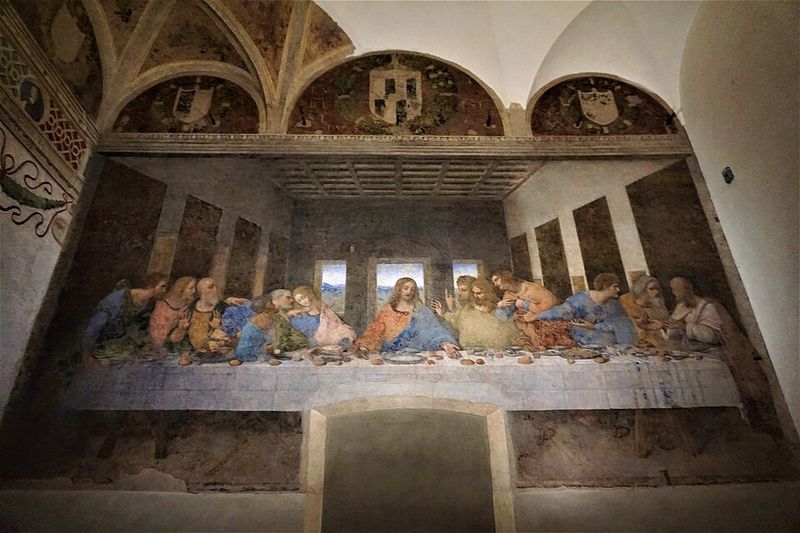
Italian musician Giovanni Maria Pala proposed something unusual about Leonardo’s famous mural: that the bread rolls and the positions of the disciples’ hands across the table could be read as musical notes.
His method involved placing a musical staff over the painting and reading the elements from right to left, consistent with Leonardo’s known habit of mirror writing. The result, he argued, formed a coherent short piece of music.
The theory attracted considerable media attention and sparked genuine curiosity about how Leonardo may have layered meaning into his compositions.
Scholars have not reached a consensus that Leonardo deliberately encoded a musical score into the mural, and the theory remains speculative. What it does demonstrate is how a 500-year-old artwork can still generate entirely new interpretations.
The real value of theories like this one is less about proving intent and more about showing how much people continue to study and engage with Renaissance masterworks.
13. Masons’ Marks on Medieval Cathedrals
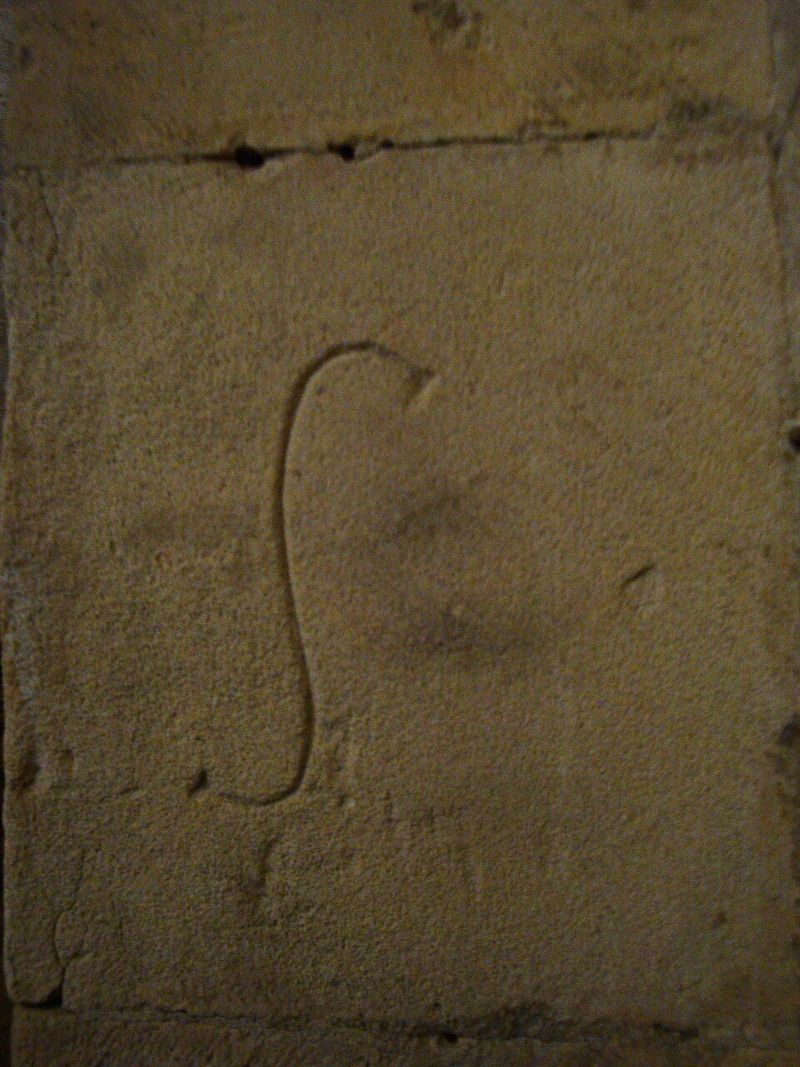
Carved into the individual stone blocks of medieval cathedrals and castles across Europe are small geometric marks that most visitors walk past without a second glance.
These masons’ marks served practical working purposes on construction sites. They identified individual stoneworkers, distinguished batches of cut stone, or indicated the output of specific workshops.
They also helped administrators calculate wages, since many masons were paid by the piece rather than by the day. Each mason typically maintained the same personal mark consistently throughout their career, functioning like a professional signature.
For historians, the patterns and distribution of these marks reveal how medieval construction projects were organized and how groups of craftsmen moved between different building sites across regions. A cathedral’s official story is told through its architecture and its records.
The smaller story of who actually cut each stone, and where that person came from, is written in dozens of tiny marks pressed into the walls themselves.
14. The Viking Runestone Used in a Swedish Church
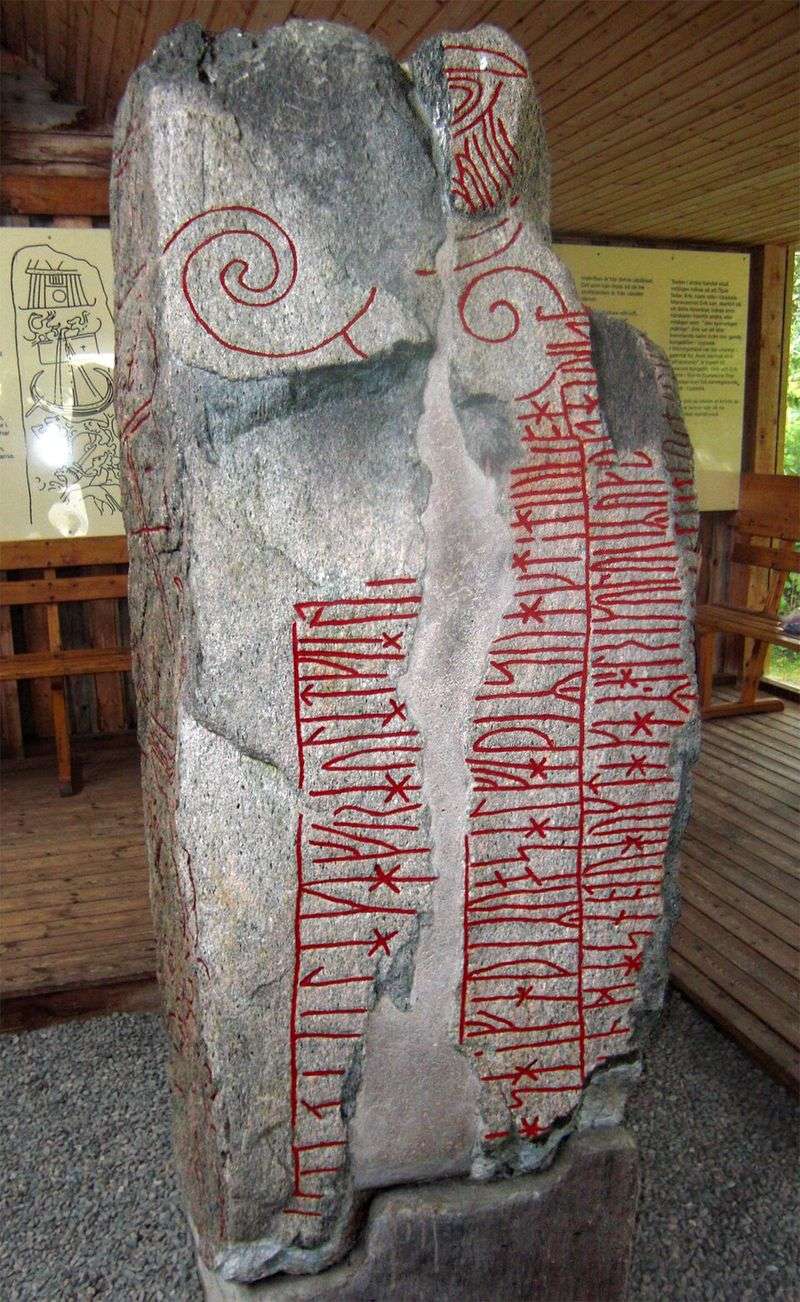
Across Scandinavia, medieval church builders occasionally incorporated Viking Age runestones directly into their new construction, treating ancient carved monuments as convenient building material.
Some of these stones ended up positioned with their inscriptions facing inward or partially obscured, effectively hiding centuries of recorded history inside walls, bridges, and foundations. Later antiquarians and archaeologists began recognizing what earlier builders had repurposed, and the recovery of these stones gradually revealed names, family relationships, journeys, and acts of commemoration from the Viking Age.
In some cases, a stone spent several hundred years functioning as an ordinary piece of architecture before someone paused to read what was carved into its surface. The inscriptions that survived this way are now among the most important sources for understanding Viking Age social life and memorial culture in Scandinavia.
The buildings that contained them had no idea what they were holding.
Share this story