History has a habit of preserving almost everything except the one piece of evidence that would settle the argument. A diary turns up with pages ripped out.
A manuscript gets tossed into a fireplace. A speech leaves the room with everyone who heard it but no written record behind.
These are not vague stories about ancient libraries crumbling into dust. Each mystery on this list centers on a specific document, whether destroyed, stolen, or simply never found, whose absence has kept historians guessing for decades or even centuries.
Some of these gaps were created on purpose, by people who understood exactly what they were doing. Others happened through carelessness, bad luck, or the chaos of historical events.
What they share is a frustrating quality: the missing piece is almost always the one that would have answered the most important question. Read on to find out which documents have shaped history most by not surviving it.
1. Nobody Wrote Down Lincoln’s Most Mysterious Speech
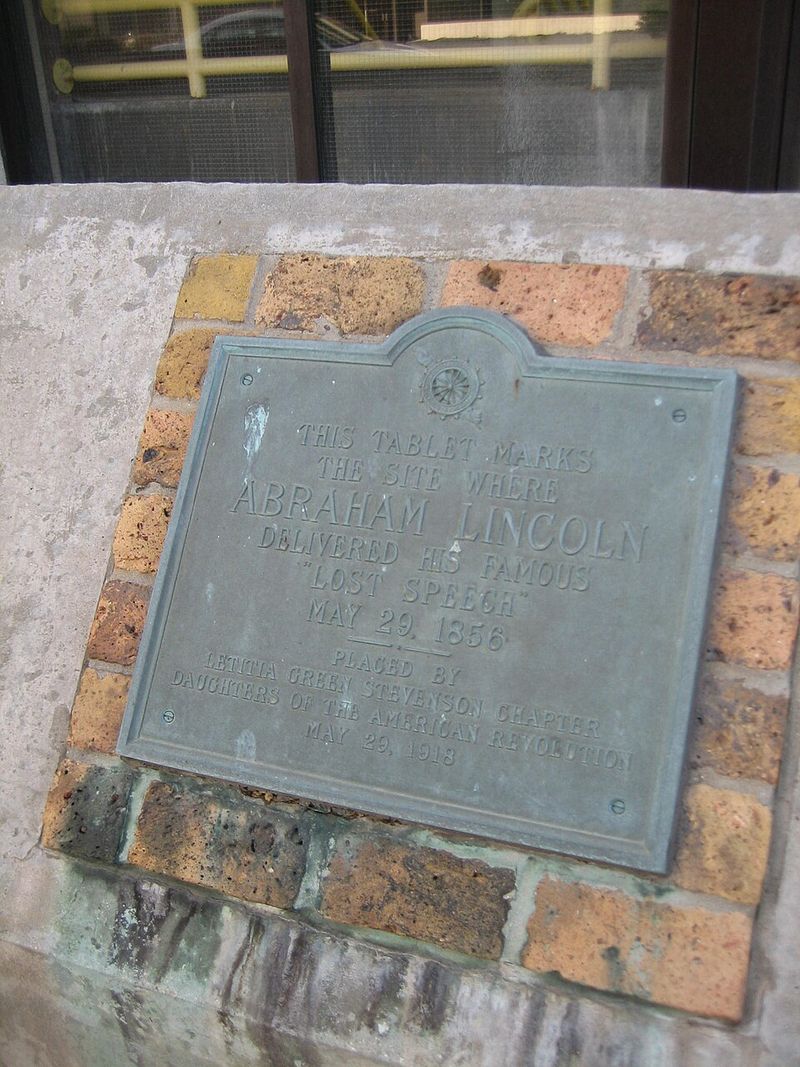
On May 29, 1856, Abraham Lincoln addressed the Anti-Nebraska Bloomington Convention in Illinois, and everyone who was there later agreed it was extraordinary. The speech helped shape the early Republican Party’s position on slavery, making it one of the more politically significant addresses Lincoln ever gave.
Yet no reliable complete transcript exists. The traditional explanation holds that reporters in the room became so absorbed in the speech that they stopped taking notes.
Lincoln’s law partner William Herndon reportedly attempted to transcribe it but gave up after roughly fifteen minutes.
A version published in 1896 by Henry Clay Whitney claimed to reconstruct the speech from notes, but Lincoln scholars have largely questioned its accuracy given the 40-year gap. There is also a theory that the speech was deliberately kept out of print because its anti-slavery positions were considered too politically risky for the new party’s broader ambitions at the time.
2. Robert Louis Stevenson Burned the First Jekyll and Hyde
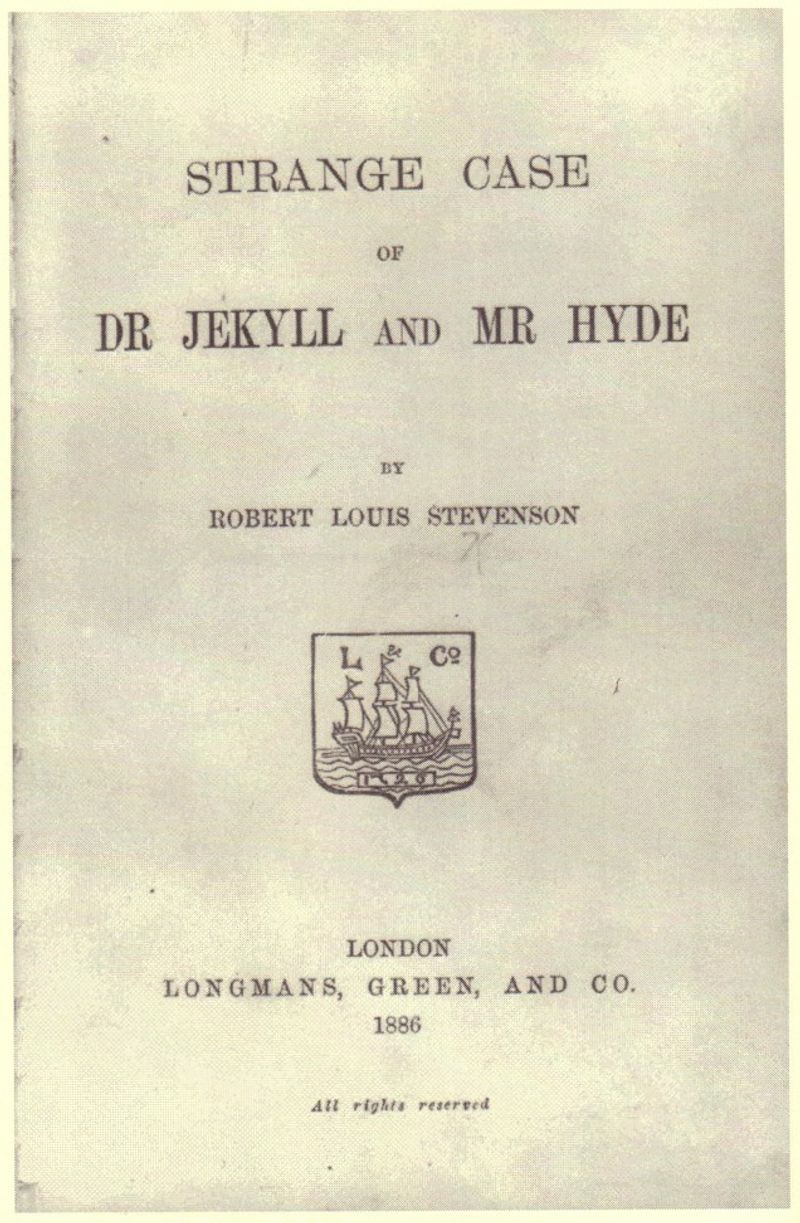
Robert Louis Stevenson reportedly wrote the first draft of one of literature’s most famous horror stories in just three days, producing roughly 30,000 words at remarkable speed after drawing inspiration from a dream. That original manuscript no longer exists, and its destruction was not an accident.
According to accounts from his stepson Lloyd Osbourne, Stevenson’s wife Fanny read the draft and criticized it sharply. She felt it read as a straightforward sensational story rather than the deeper moral allegory she believed it should be.
Stevenson, reportedly furious at the critique, threw the manuscript into the fireplace.
He then rewrote the entire story in another three-day stretch, producing the version that became “The Strange Case of Dr. Jekyll and Mr. Hyde.” Literary historians have no way to compare the two versions. The precise nature of Fanny’s objections and exactly what the first draft contained remain permanently out of reach.
3. Thomas Jefferson Apparently Destroyed His Wife’s Letters
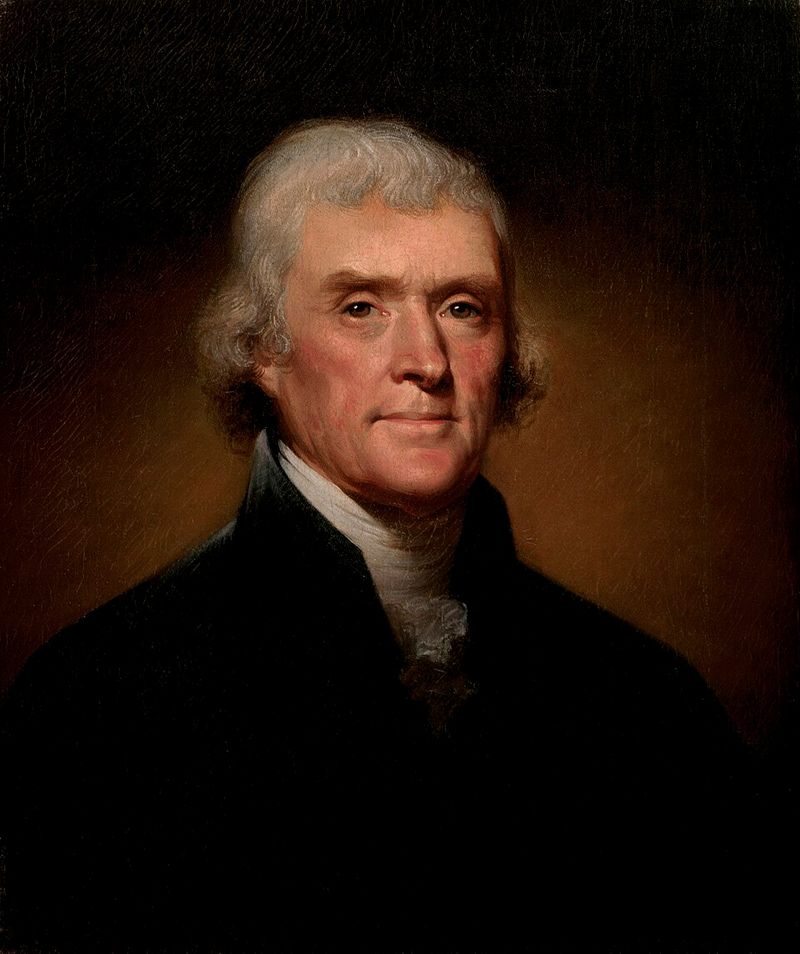
Thomas Jefferson left behind one of the most thoroughly documented personal archives in American presidential history, which makes one particular gap all the more striking. Almost no correspondence between Jefferson and his wife Martha survives from their ten years of marriage before her passing in 1782.
Family tradition and biographical accounts strongly suggest Jefferson destroyed their letters himself after Martha died. Biographer Dumas Malone noted that Jefferson was determined to keep the private exchanges between them away from any outside eyes, treating the letters as something too personal to be preserved for posterity.
Historians are left reconstructing Martha Jefferson’s life through farm records, a household journal written in her hand, and recollections from family members and visitors. For a figure married to one of America’s most scrutinized founders, that is a remarkably thin record.
The absence of her own letters means her direct voice, perspective, and personality remain largely beyond historical reach.
4. Lord Byron’s Memoirs Were Burned on Purpose
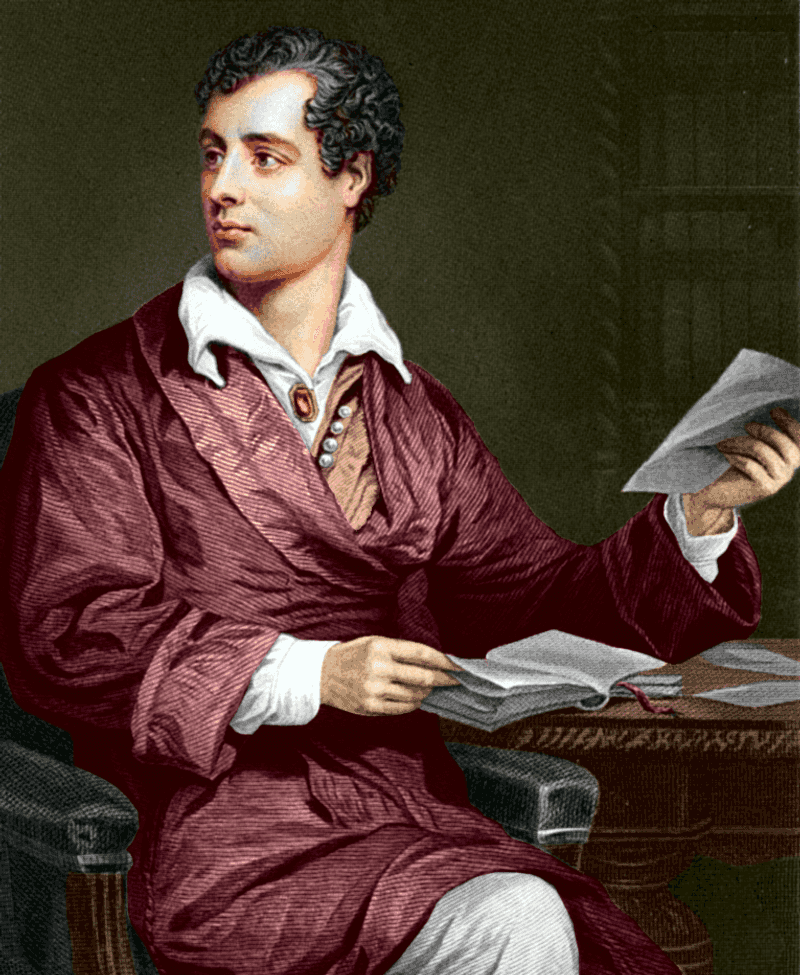
Few acts of literary destruction have been as deliberate or as lamented as what happened to Lord Byron’s personal memoirs on May 17, 1824. Byron had written the manuscript between 1818 and 1821, covering his life, relationships, and opinions in a way that no biography could replicate.
He entrusted the pages to his friend and fellow poet Thomas Moore.
After Byron’s passing, a gathering at publisher John Murray’s London office brought together friends, family representatives, and executors. The group decided the contents were too scandalous to publish.
Despite Moore’s protests, the original manuscript and the only known copy were torn apart and burned in Murray’s fireplace.
Scholars have called it one of the greatest literary losses in history. Byron was among the most famous and controversial figures of the 19th century, and his own account of his life simply no longer exists.
What he said about himself remains permanently unknown.
5. The Missing Pages From John Wilkes Booth’s Diary
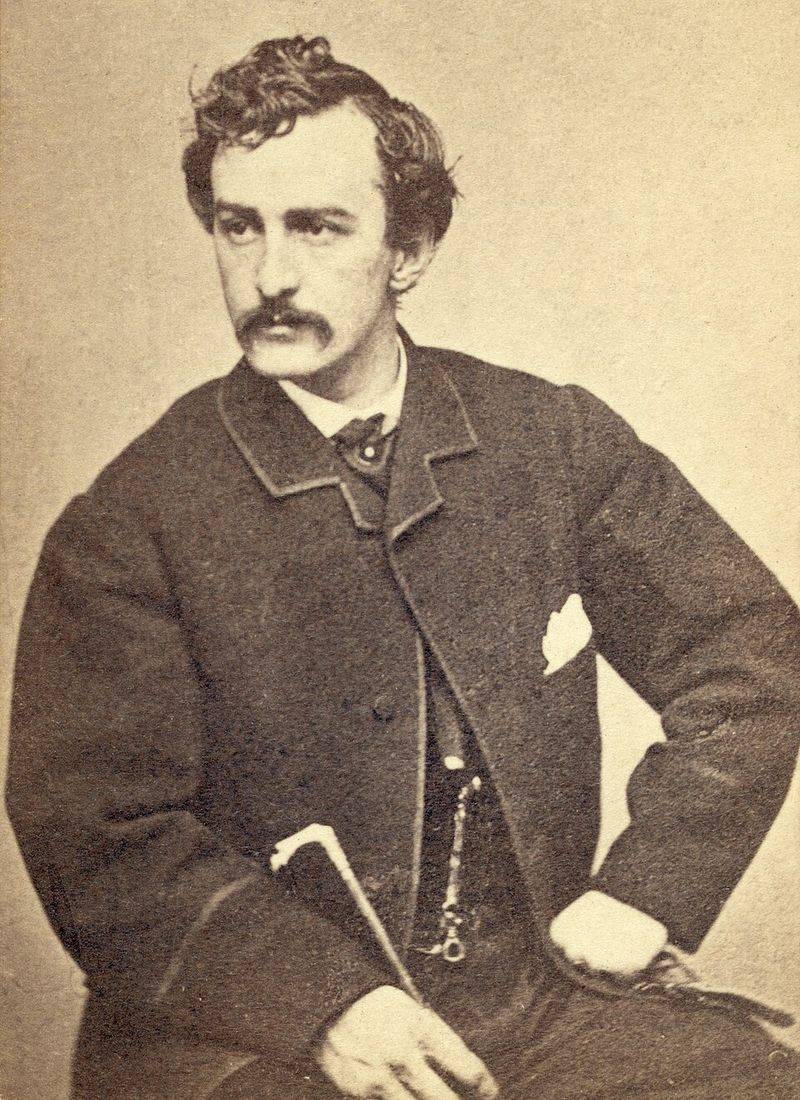
A diary recovered from a man who changed American history turned out to be missing some of its most critical pages. When John Wilkes Booth was killed in Virginia in April 1865, investigators found a small personal diary on his body.
The diary became controversial almost immediately because of what was not in it.
An FBI forensic examination conducted in the 1970s determined that 43 separate sheets, totaling 86 pages of written text, were gone. Only two of the missing leaves were officially accounted for: Booth had torn them out himself to write messages to a Dr. Richard H.
Stuart on April 24, 1865.
The remaining missing pages have never been recovered. Speculation has centered on whether they contained a confession, implicated senior officials, or revealed more about Booth’s network of accomplices.
The diary’s chain of custody after recovery was never fully documented, which only deepened the suspicion surrounding it.
6. A Missing Letter Could Clarify Edgar Allan Poe’s Final Days
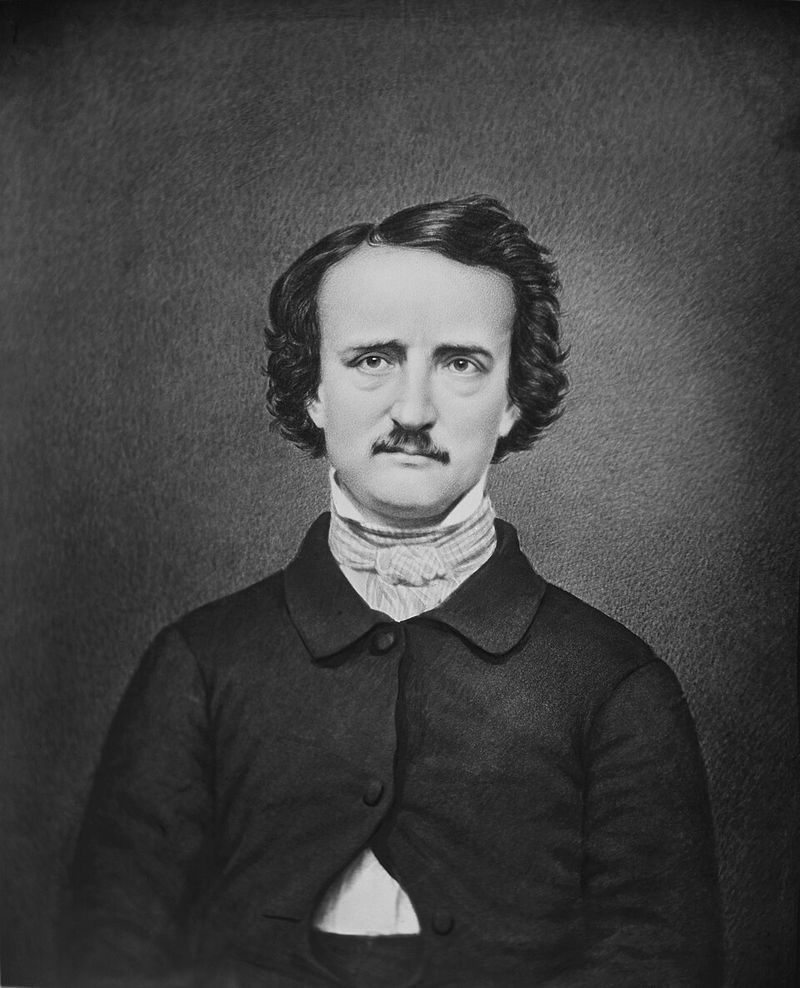
Edgar Allan Poe was found confused and disoriented on the streets of Baltimore in October 1849 and died several days later. The cause has been debated ever since, with proposed explanations ranging from illness to cooping, a form of voter fraud that involved forcing people to drink and vote repeatedly.
Part of what makes the mystery so persistent is the fragmentary documentary record from his final weeks. Poe was actively corresponding during this period, but the letters that survive do not form a complete picture of his movements, the people he met, or the state of his health as his final journey unfolded.
Researchers have worked from fragments, newspaper accounts, and later testimony to reconstruct a rough timeline. A previously undiscovered letter written by Poe during those final weeks could establish where he went, what he intended, and who he was with, replacing decades of speculation with something concrete and sourced.
7. The Lost Letters of Mary, Queen of Scots Still Raise Questions
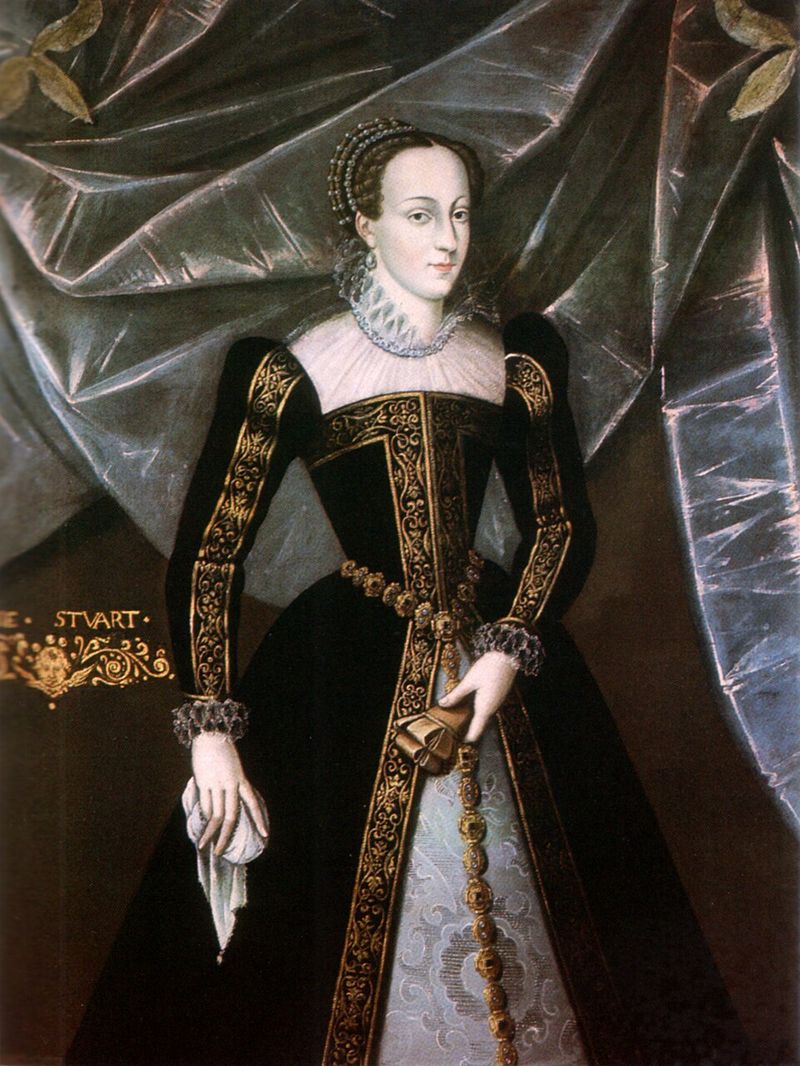
Few sets of documents have been more controversial in British history than the so-called Casket Letters, which were used as evidence against Mary, Queen of Scots, in the late 1560s. The letters were allegedly found in a silver casket belonging to James Hepburn, Earl of Bothwell, and were presented as proof that Mary was involved in the circumstances surrounding her husband Lord Darnley’s death.
Scholars have argued about their authenticity for centuries. Were they genuine correspondence, clever forgeries, or altered versions of real letters?
The debate has never been resolved, and a central reason for that is the disappearance of the original documents themselves.
Historians are left working from copies, translations, and written descriptions produced by people who may have had strong reasons to shape the narrative. Without the originals, modern forensic techniques that could test the paper, ink, and handwriting cannot be applied.
The core evidence against Mary remains permanently beyond examination.
8. The Missing Diary Behind the Mayerling Mystery
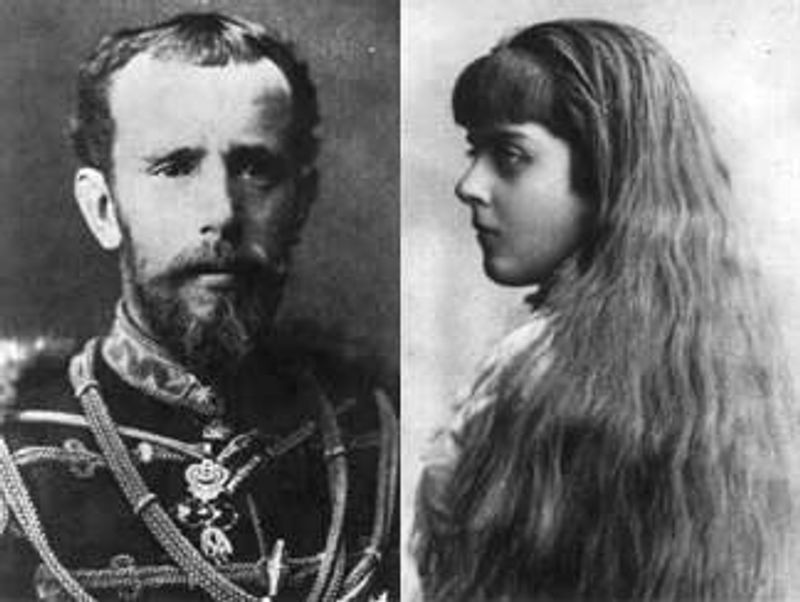
Crown Prince Rudolf of Austria and his companion Baroness Mary Vetsera were found dead at the Mayerling hunting lodge in January 1889, setting off a crisis within the Habsburg monarchy and more than a century of competing theories. The official handling of the event was secretive enough to keep those theories alive for generations.
A significant breakthrough came in 2015 when Mary Vetsera’s farewell letters to her family were rediscovered in a private Austrian bank archive, where they had been deposited in 1926. Her words, written before her death, provided direct evidence supporting the murder-suicide interpretation and shifted the scholarly consensus noticeably.
Yet personal records from Crown Prince Rudolf and other key figures connected to the immediate aftermath remain missing, destroyed, or unaccounted for. The Mayerling case is a clear demonstration of how a single archival discovery can reshape a historical debate more than 125 years after the events in question.
More documents may still exist somewhere.
9. The Lost Diary of Lewis Carroll Could Answer an Uncomfortable Question
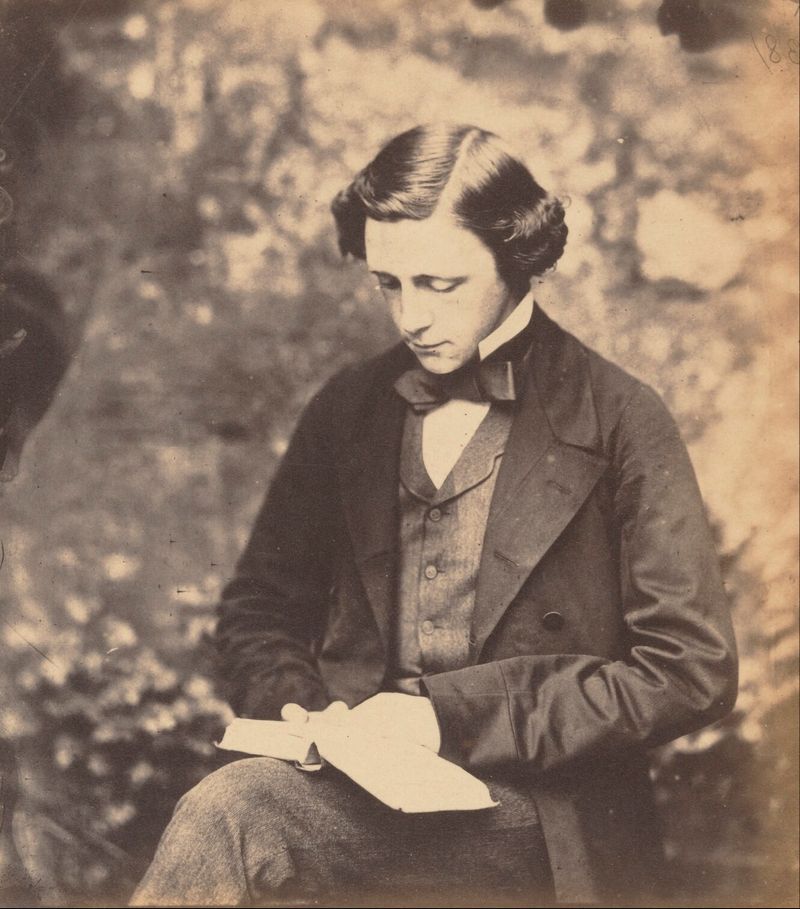
Charles Lutwidge Dodgson, the Oxford mathematician known to the world as Lewis Carroll, kept detailed diaries throughout his adult life. Those diaries are among the most important sources for understanding the man behind Alice’s Adventures in Wonderland, which makes the missing pages from June 27 to 29, 1863, particularly frustrating for researchers.
The pages were deliberately cut out by family members after Dodgson’s death, apparently to protect his reputation. A summary written by his niece Violet before the pages were removed indicates that the missing entries concerned a falling-out with the Liddell family, whose daughter Alice inspired the famous story.
The summary suggests Mrs. Liddell had confronted Dodgson about gossip claiming he was using her children to pursue the family’s governess, and possibly showing romantic interest in Alice’s older sister Lorina. That context changed how historians interpreted the gap.
The original pages, however, are gone, leaving only secondhand summaries where Dodgson’s own words should be.
10. A Missing Letter Complicates the Fate of the Franklin Expedition
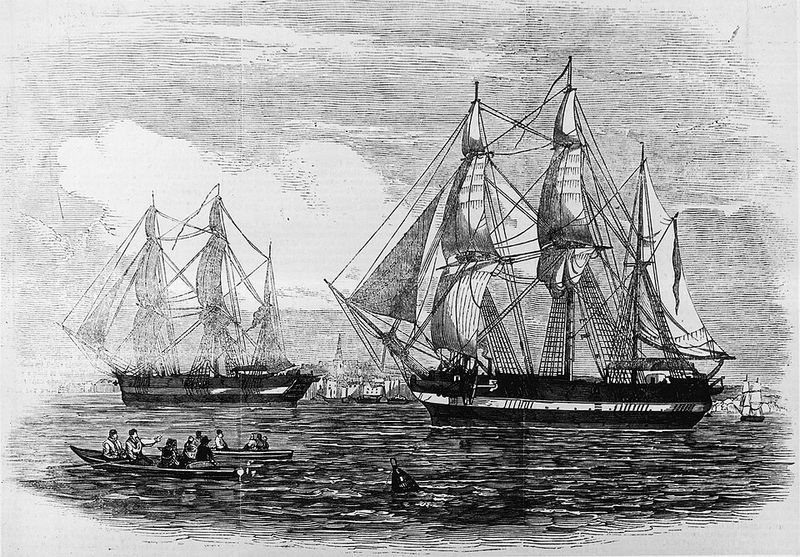
Sir John Franklin sailed from England in May 1845 with HMS Erebus and HMS Terror on a mission to navigate the Northwest Passage. Both ships and all 129 men were eventually lost, making it one of the most studied naval disasters in British history.
Yet the full story of what happened after the ships became icebound in September 1846 remains incomplete.
The most important surviving record is the Victory Point Note, found in 1859, which reported Franklin’s passing on June 11, 1847, and announced the crew’s decision to abandon the vessels on April 22, 1848. That single document covers enormous events in a few brief sentences.
Inuit testimony and later archaeological discoveries, including the wrecks of both ships found in 2014 and 2016, suggest the expedition’s final months were far more complex than the note describes. Any journals or letters from the abandoned march toward the Back River could transform what historians understand about survival decisions made during those final months.
11. The Missing Letters That Could Illuminate Amelia Earhart’s Final Plans
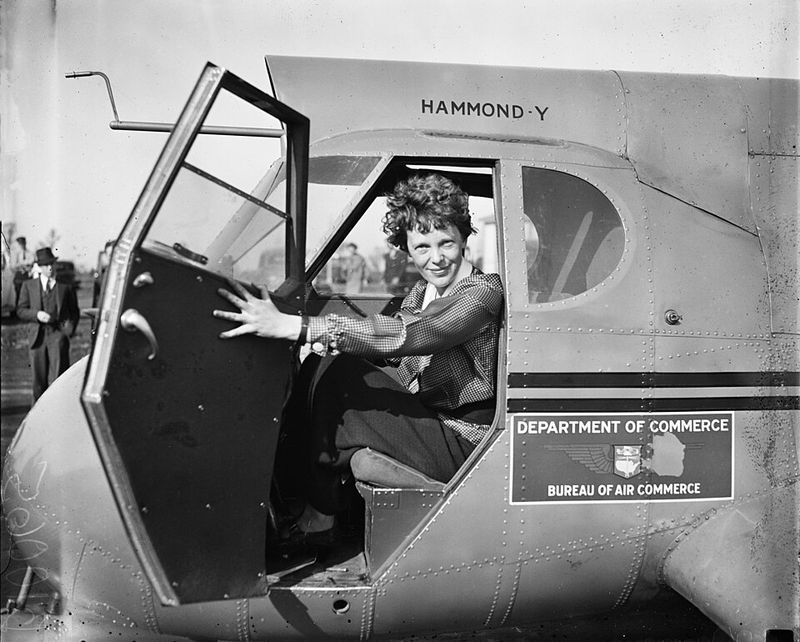
Amelia Earhart’s attempt to fly around the world in 1937 ended when she and navigator Fred Noonan disappeared somewhere over the central Pacific in July of that year. The search that followed was one of the largest in U.S. naval history, and the theories that came after have never fully stopped multiplying.
Earhart left behind extensive correspondence and planning records, but the documentary trail for the final legs of her journey has notable gaps. Specific navigational preparations for the approach to Howland Island, one of the smallest targets in the Pacific, and any contingency plans if they missed it are not fully captured in surviving materials.
A previously unknown letter or planning document from Earhart or Noonan covering those final preparations would not necessarily confirm any dramatic theory about her fate. What it could do is establish concretely what the two fliers expected to happen, what backup options they had considered, and what they believed was most likely to go wrong.
12. The Missing Original of Washington’s Farewell Address Drafts
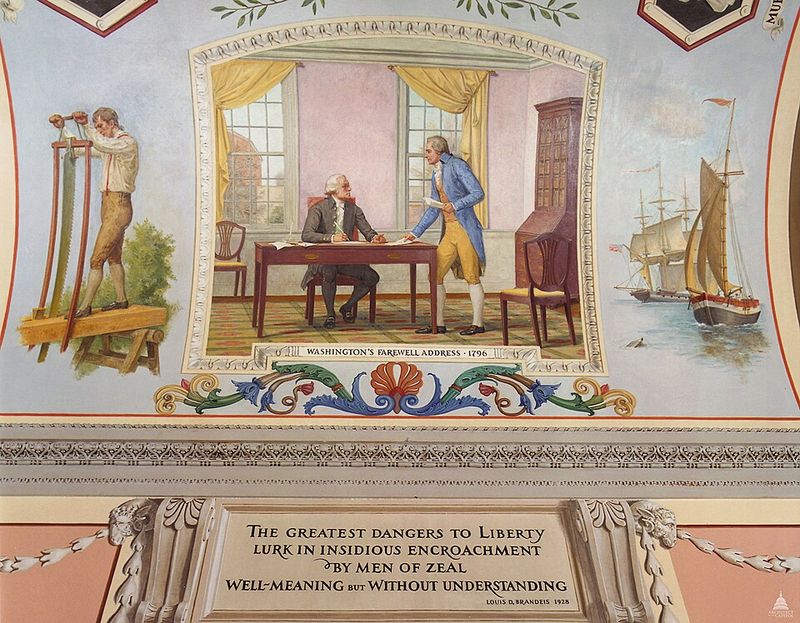
George Washington’s Farewell Address, published in September 1796, became one of the most quoted and debated documents in American political history. Its warnings about political factionalism and foreign entanglements shaped how later generations thought about the presidency and national identity.
What many readers don’t realize is that the address was a collaborative product with a complicated paper trail.
Washington worked with James Madison on an earlier version in 1792 and later brought Alexander Hamilton into the process for the final 1796 text. Several drafts and letters between Washington and Hamilton survive, but historians including Horace Binney have identified what appears to be a missing intermediate draft.
Washington’s own letters reference marginal notations on drafts that do not match any document currently in the historical record. That gap makes it difficult to trace exactly how certain key passages evolved and to determine with confidence which ideas came most directly from Washington himself versus his collaborators.
13. Agatha Christie’s Missing Diary Could Explain Her 11-Day Disappearance
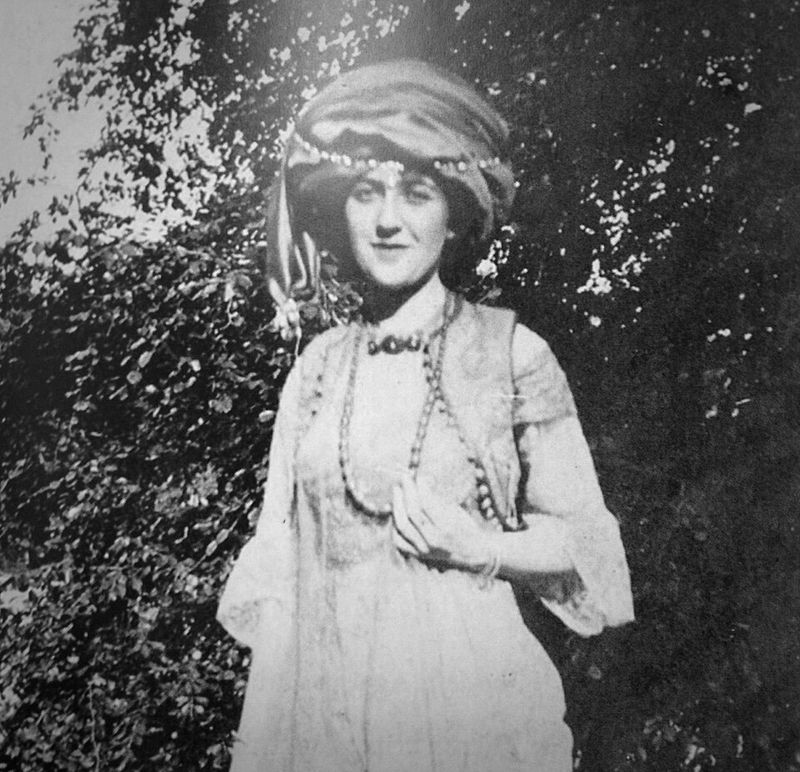
In December 1926, Agatha Christie left her home in Sunningdale, Berkshire, and simply vanished. The search that followed involved hundreds of police officers, volunteers, and considerable press attention.
Eleven days later, she was found at the Swan Hydropathic Hotel in Harrogate, registered under the name Teresa Neele, which happened to be the surname of her husband’s mistress.
Christie herself offered almost nothing by way of explanation. Her autobiography, published in 1977, addressed the episode only briefly and without resolution, leaving the incident open to interpretation.
Theories have ranged from a genuine episode of dissociative amnesia following the collapse of her first marriage to a calculated act intended to embarrass her unfaithful husband.
No private diary or written account from Christie covering those eleven days has surfaced. One of the most skilled mystery writers in history left behind a real-life puzzle she apparently chose never to solve on paper.
Whether such a document exists somewhere, unread, remains its own quiet mystery.
14. The Missing Papers From the Final Hours of the Titanic
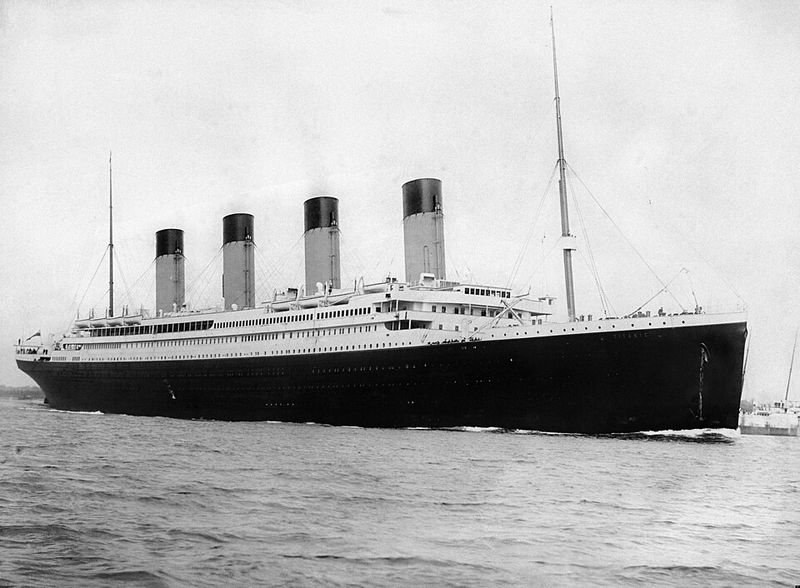
RMS Titanic sank in April 1912 and left behind one of the most thoroughly documented maritime disasters in history, with inquiry testimonies, survivor accounts, and wireless records filling thousands of pages. Yet the complete working records from the ship’s bridge and wireless room went down with the vessel, creating gaps that decades of research have not fully closed.
The ship’s log, which would have provided a running record of navigation decisions, iceberg warnings received, and speed choices made during the final hours, did not survive. The detailed wireless room logs beyond what other ships recorded externally were also lost.
That forces investigators to rely on testimony from surviving officers and crew, whose accounts sometimes conflict on key details.
A complete bridge log covering the hours before the collision could answer persistent questions about how many warnings were received, how they were interpreted, and what decisions were made before Titanic struck the iceberg. Those answers have been approximated but never confirmed from a direct primary source.
Share this story