History has a habit of simplifying complicated people into easy-to-remember stories. A single quote, a dramatic retelling, or a well-timed piece of political propaganda can completely reshape how a real person is remembered for centuries.
Some figures became heroes for things they never actually did, while others were turned into villains based on rumors their enemies invented. The 13 people in this article all share something surprising: their most famous qualities, stories, or reputations were built at least partly on misunderstanding, myth, or outright fabrication.
What is especially fascinating is how often the false version outlasted the real one. Longfellow’s poem overshadowed the actual warning network.
A playwright’s fictional jealousy buried a respected composer’s real career. A biographer’s invented anecdote became a lesson taught to millions of schoolchildren.
Each of these cases reveals how history gets written, rewritten, and remembered, and why the simplified story almost always wins over the complicated truth.
1. Lady Godiva
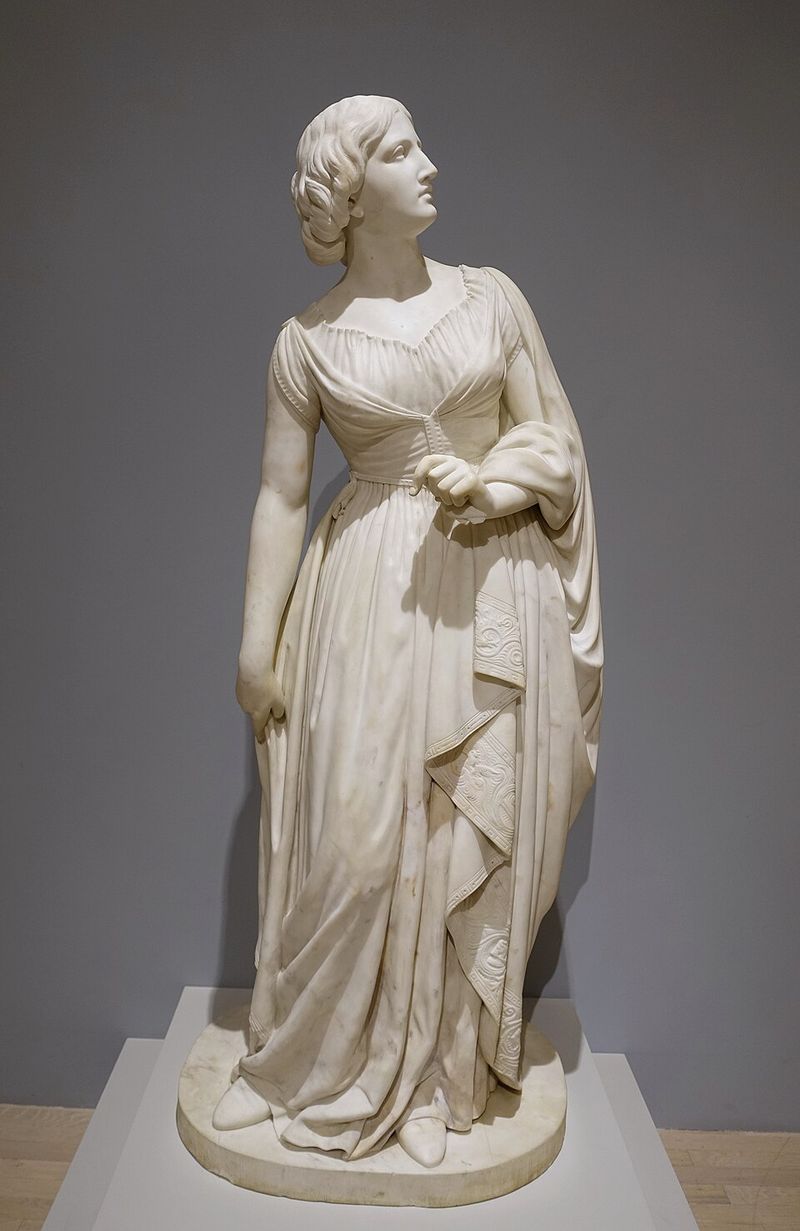
The story sounds almost designed to be unforgettable: a noblewoman strips down and rides through a crowded market town so her husband will lower taxes on struggling residents. Every element is dramatic, generous, and slightly scandalous.
Lady Godiva was genuinely real. She and her husband Leofric were powerful 11th-century Anglo-Saxon nobles with documented historical records.
What the records do not document is the famous naked ride. The story does not appear in surviving contemporary accounts and only emerged in written form centuries after Godiva’s death.
The Peeping Tom addition came even later.
That gap between the historical woman and the legend did not stop painters, poets, advertisers, and filmmakers from enthusiastically running with the story. A medieval noblewoman who held real land and real political influence became famous worldwide for something historians cannot confirm ever happened.
Her actual life was interesting enough without the embellishments.
2. Caligula
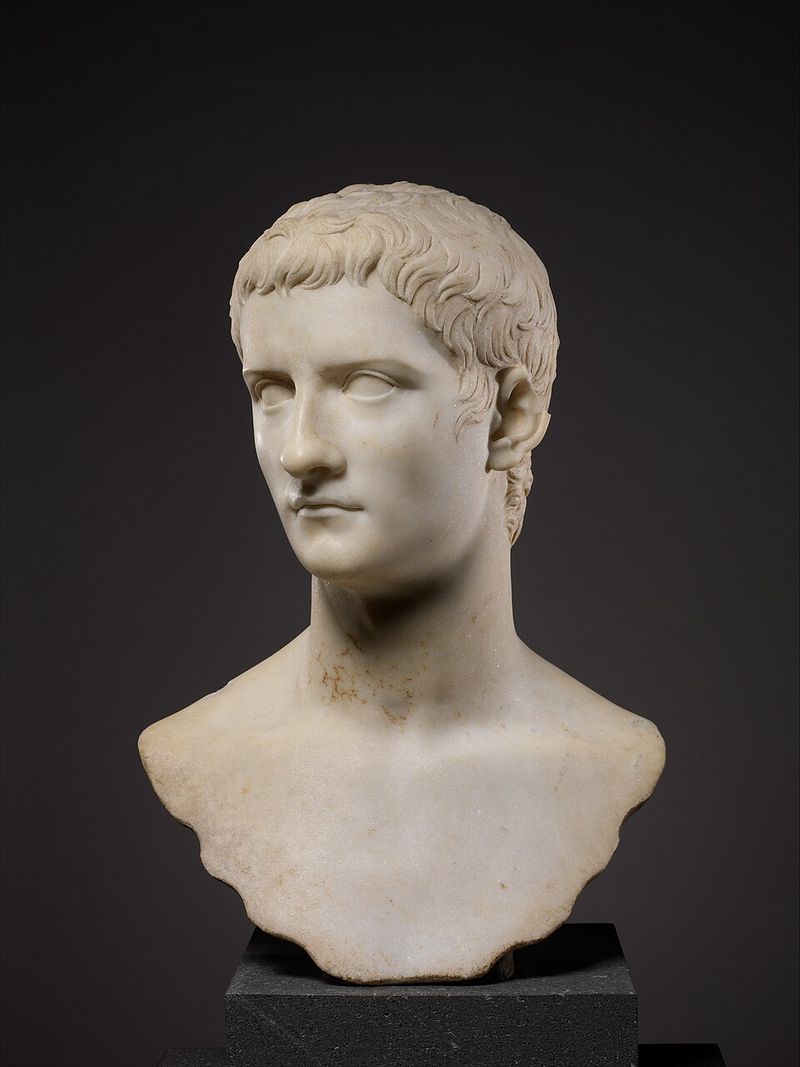
Mention his name and most people immediately think of madness, cruelty, and a horse that was supposedly nominated for public office. Caligula has become the Roman emperor who defines imperial excess in popular imagination, and the stories attached to him are genuinely spectacular.
Ancient writers accused him of bizarre behavior on a grand scale. However, many of those accounts were written by hostile authors after his assassination in AD 41, and historians have long questioned how literally every sensational story should be interpreted.
The horse story is especially telling. Ancient sources suggest Caligula may have threatened or joked about elevating Incitatus to high office as a deliberate insult to the Roman Senate, not as a genuine appointment.
Later retellings dropped the political context entirely. What remained was a perfectly memorable anecdote about a lunatic emperor promoting his favorite animal.
Caligula may have been a brutal ruler, but some of his most famous moments of supposed madness were likely sharpened by political enemies and creative storytellers.
3. Richard III
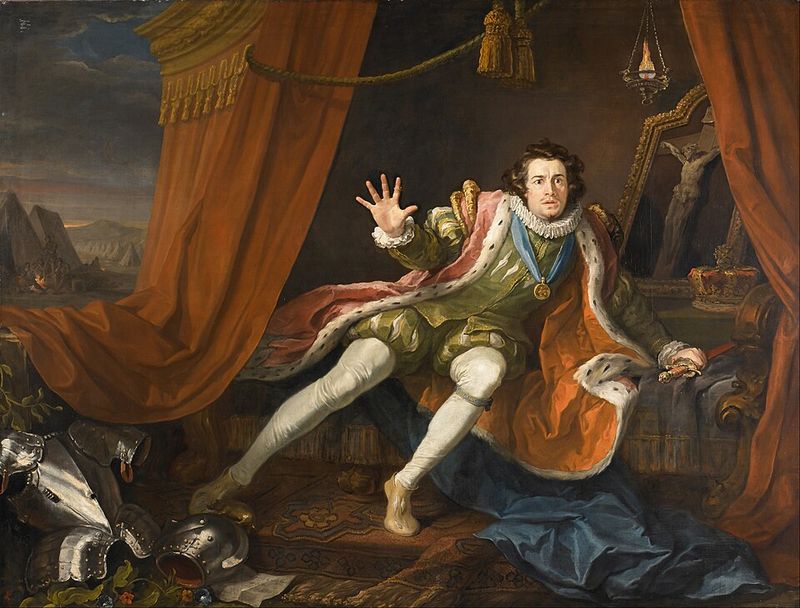
William Shakespeare gave audiences one of history’s most memorable villains: a physically deformed, scheming, murderous king who eliminates anyone standing between himself and the English crown. That version of Richard III has been performed on stages around the world for centuries.
The historical Richard was considerably harder to reduce to a single personality. He did seize the throne in 1483 after his nephews were declared illegitimate.
The two boys, Edward V and Richard of Shrewsbury, disappeared from public view, and Richard has long been suspected of ordering their removal, though definitive evidence has never surfaced.
The Tudor dynasty that defeated Richard at the Battle of Bosworth had clear reasons to portray him negatively, and Shakespeare wrote his play generations later under Tudor rule. When Richard’s remains were discovered beneath a Leicester car park in 2012, analysis confirmed scoliosis but undermined the more extreme physical portrayals.
The villain Shakespeare created proved far larger than the historical record actually supports.
4. George Washington
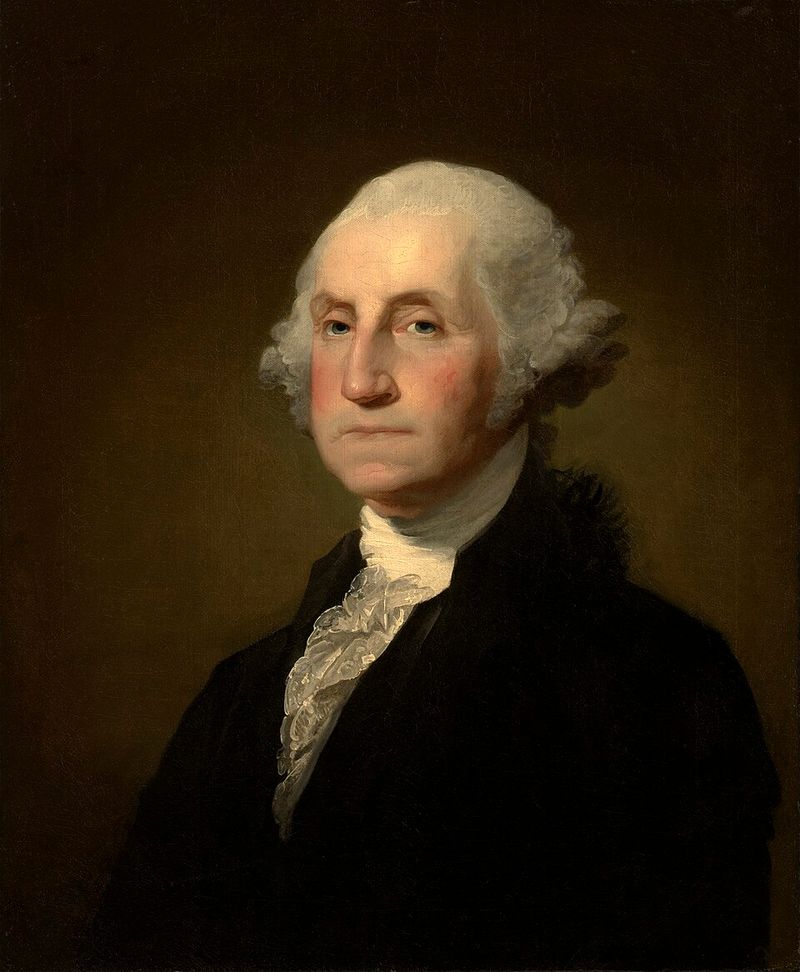
Young George supposedly chopped down his father’s cherry tree, then bravely admitted what he had done because he could not tell a lie. Generations of American schoolchildren were taught this story as proof that the first president’s greatness was visible even in childhood.
Mason Locke Weems, an early Washington biographer, invented it. The cherry-tree episode first appeared in the fifth edition of Weems’s biography, published in 1806, several years after Washington’s death in 1799.
No reliable contemporary source records the event, and Weems was already known for embellishing his accounts.
The story was perfectly timed for a young nation that needed founding heroes with clear moral qualities. Washington was already becoming a national symbol, and the anecdote provided a tidy narrative about honesty being present from the very beginning.
The irony that one of history’s most famous lessons about telling the truth was itself almost certainly a fabrication has not been lost on historians since.
5. Marie Antoinette
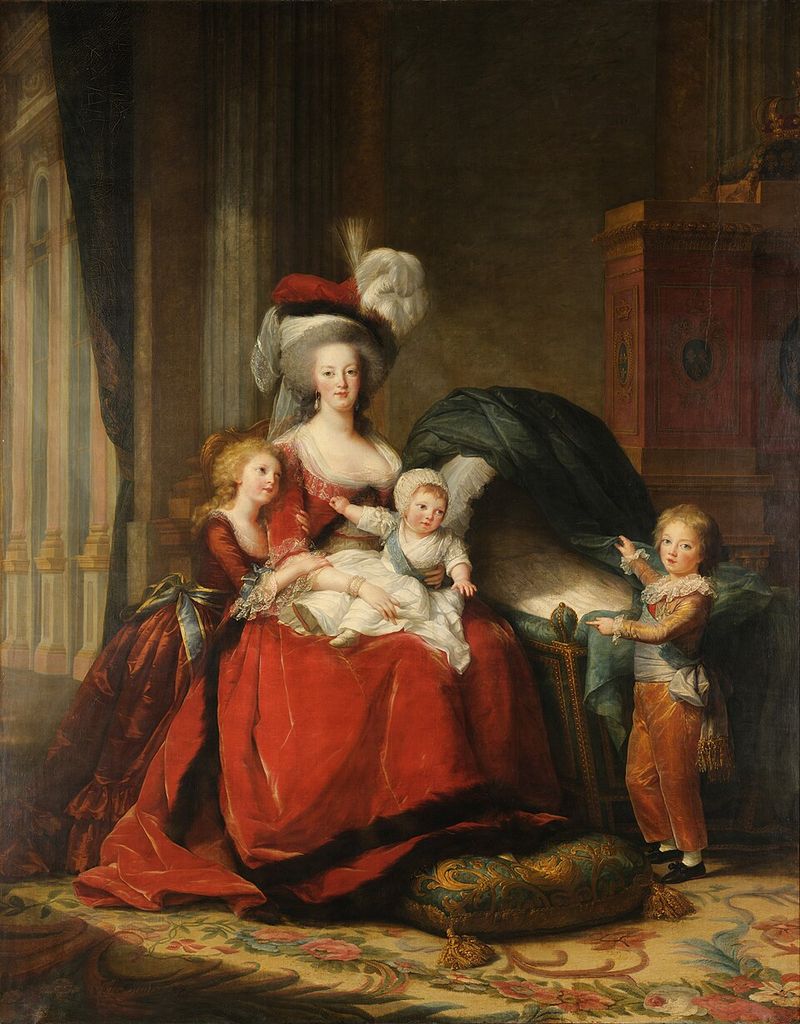
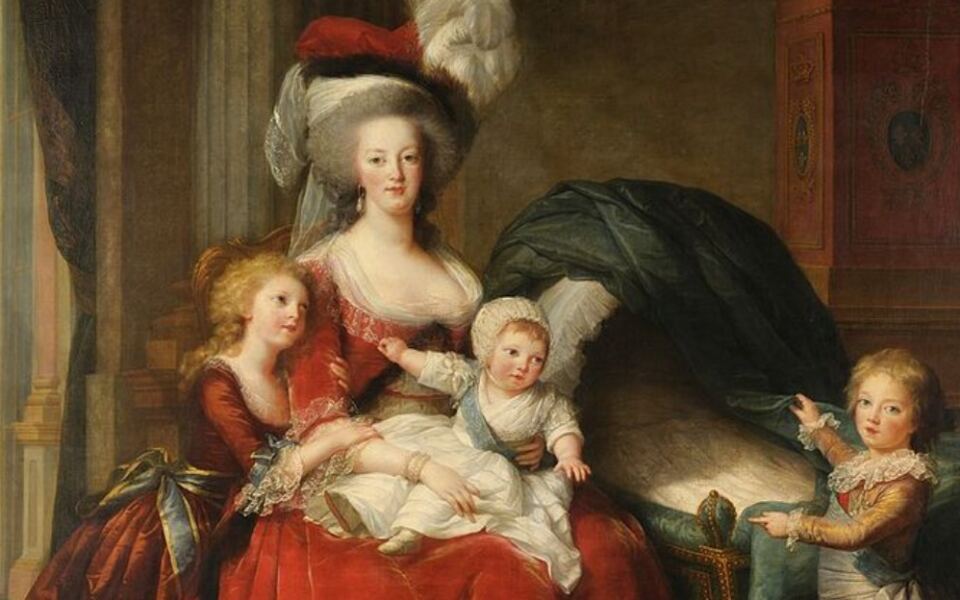
Few sentences in history have done more damage to a person’s reputation than six words she almost certainly never spoke. The phrase “Let them eat cake” has followed Marie Antoinette for over two centuries, painting her as a monarch completely indifferent to the suffering of ordinary French people.
The problem is that no reliable evidence connects those words to her. A similar remark appeared in Jean-Jacques Rousseau’s “Confessions,” attributed to an unnamed princess, and that account predates the period when Marie Antoinette could plausibly have made the comment.
After the French Revolution, the quote became an irresistible symbol of aristocratic excess, and her name was attached to it permanently. The real Marie Antoinette was a complicated political figure navigating an extremely dangerous court environment.
She did spend lavishly, but the caricature that emerged after her execution flattened a real person into a convenient symbol of everything the Revolution was fighting against.
6. Catherine the Great
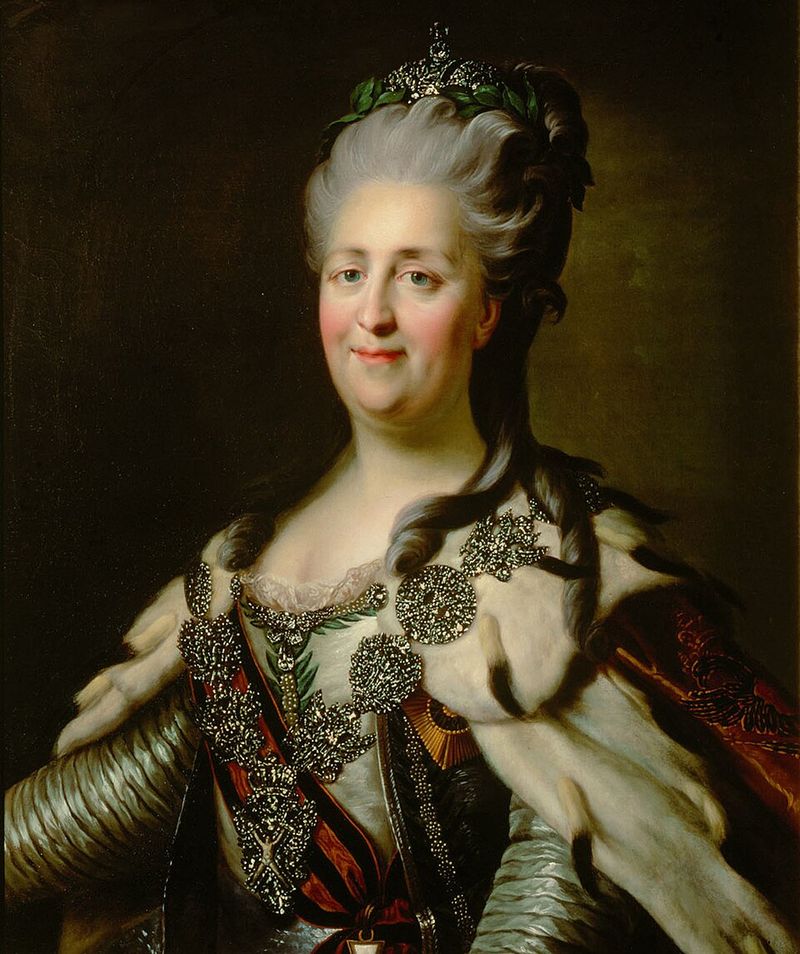
Catherine II ruled Russia for more than three decades, expanded the empire’s borders, patronized the arts, corresponded with leading Enlightenment thinkers, and reshaped imperial government in ways that lasted well beyond her reign. That is a genuinely remarkable record.
Most people, however, know her name because of a completely false story about how she died. The rumor that she passed away during a sexual encounter involving a horse is unsupported by any credible evidence.
She suffered a stroke in 1796 and died the following day at the age of 67.
The story spread because powerful women attracted vicious political gossip, and Catherine had no shortage of enemies willing to undermine her reputation through slander. The rumor proved so durable that it outlasted serious historical discussion of her actual accomplishments.
An empress who transformed a major empire became remembered in popular culture primarily for an obscene fabrication that historians have consistently rejected for generations.
7. Antonio Salieri
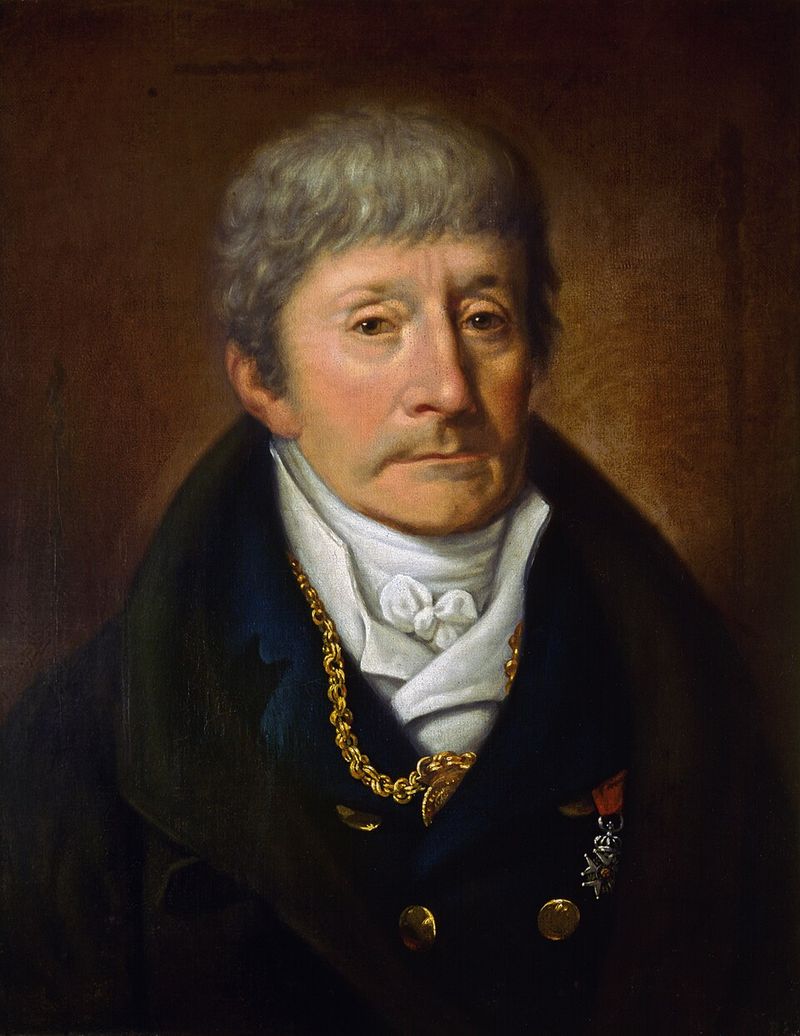
Antonio Salieri spent his career as one of Vienna’s most respected composers and teachers. His pupils included Ludwig van Beethoven, Franz Schubert, and Franz Liszt, which is a teaching record that most musicians would consider extraordinary.
None of that prevented his historical reputation from being largely demolished by the story that he murdered Wolfgang Amadeus Mozart out of consuming jealousy. The murder narrative grew after Mozart’s death and gained momentum through literary retellings.
Alexander Pushkin’s 1830 play “Mozart and Salieri” helped establish the jealous rival image, and Peter Shaffer’s play “Amadeus,” along with its enormously successful 1984 film adaptation, introduced the story to a global audience.
No solid evidence supports the claim that Salieri harmed Mozart. The two composers shared a professional world and had moments of both competition and mutual acknowledgment.
The fictional version of Salieri became so famous that it effectively buried the real one. His actual music, once popular across Europe, is now performed far less than his reputation as Mozart’s fictional enemy is discussed.
8. Nero
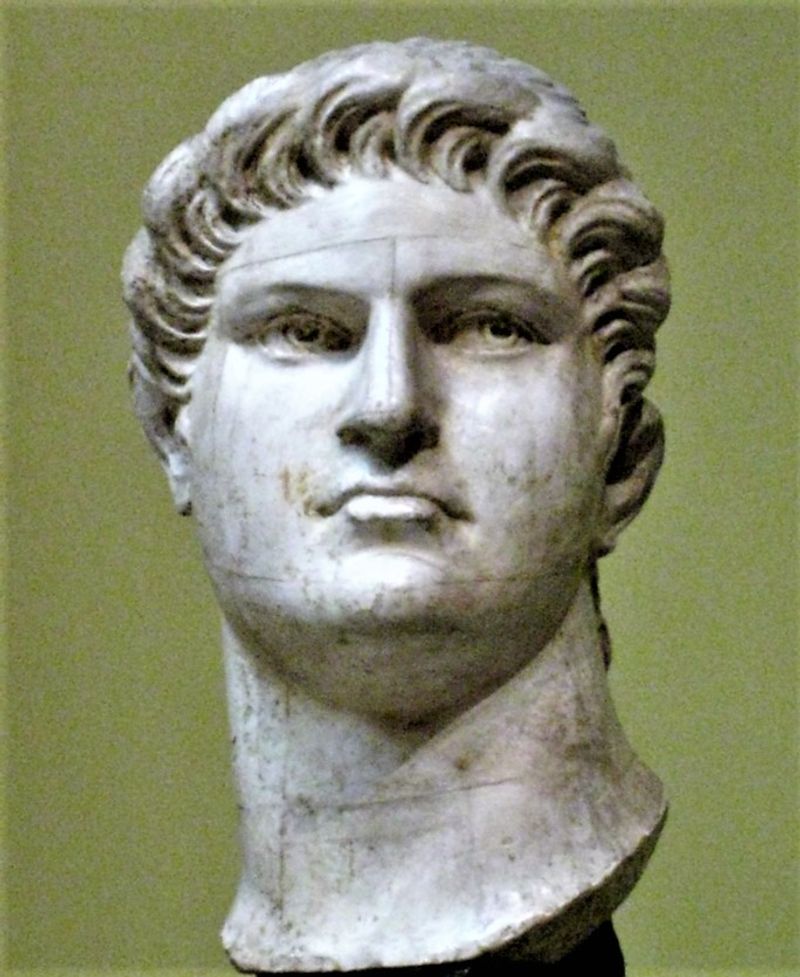
The image is vivid and unforgettable: a Roman emperor casually playing music while his capital city burns around him. It has been repeated so many times that most people treat it as established historical fact.
Two problems stand out immediately. The violin did not exist in Nero’s time, so whatever instrument the story refers to, it was not a fiddle in any modern sense.
Ancient accounts of the Great Fire of Rome in AD 64 also differ significantly. Some hostile sources accused Nero of performing during the disaster, while other evidence suggests he was away from Rome when the fire started and returned to organize relief efforts for displaced residents.
None of this makes Nero an admirable ruler. Ancient writers recorded serious accusations against him, and his reign ended in revolt.
But the specific image of an emperor performing music while his city burned is a later simplification. The phrase “fiddling while Rome burns” became embedded in the language even though the scene it describes almost certainly never happened as popularly imagined.
9. Pocahontas
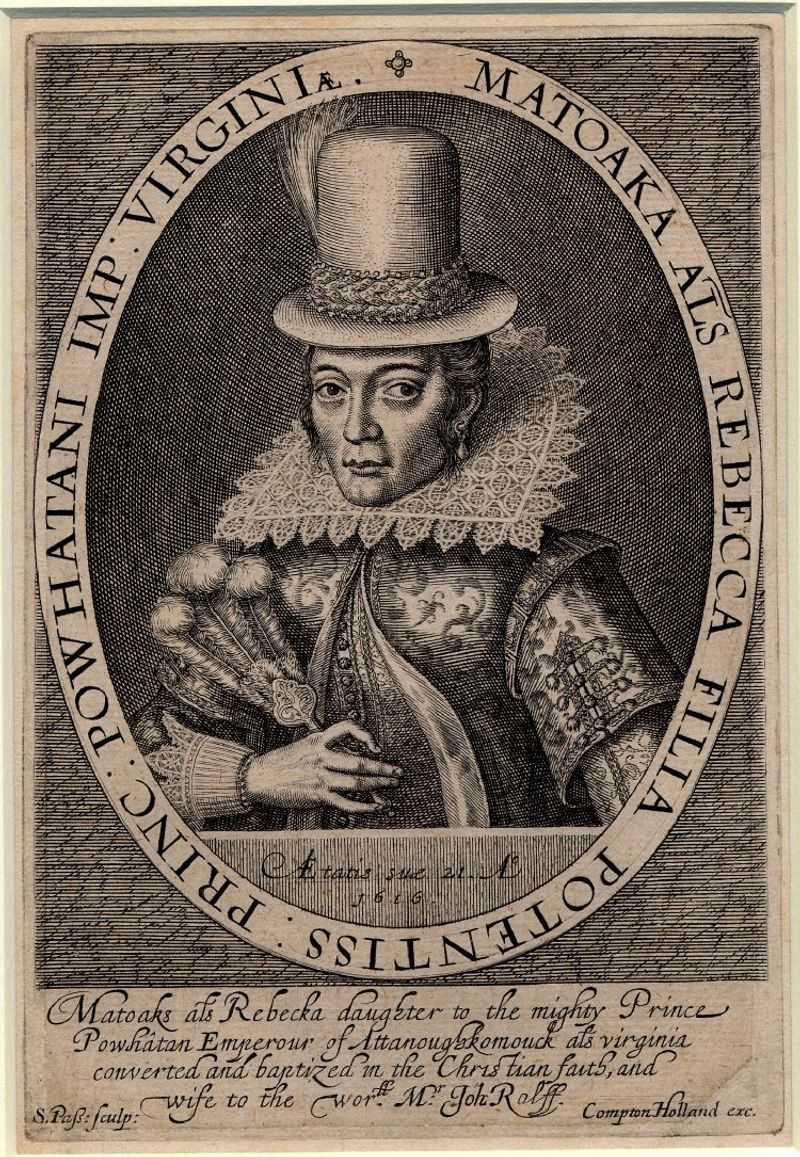
The popular version of her story centers on a dramatic rescue: a young Native American woman intervenes to save English settler John Smith from execution, driven by romantic feeling. That version has appeared in countless retellings and reached its widest audience through a major animated film in 1995.
Historians have questioned Smith’s account for multiple reasons, including the fact that he did not publish it until years after the supposed event. Some researchers believe he may have misunderstood a ritual rather than witnessed an actual execution attempt.
Pocahontas was also only around 10 or 11 years old when she first encountered Smith, which makes the romantic framing particularly misleading.
Her actual documented life was far more complex. She was captured by English colonists, converted to Christianity, took the name Rebecca, married tobacco planter John Rolfe, and traveled to England, where she died in 1617 while still very young.
That history involves real colonial dynamics that popular storytelling consistently simplified into a far tidier narrative.
10. Blackbeard
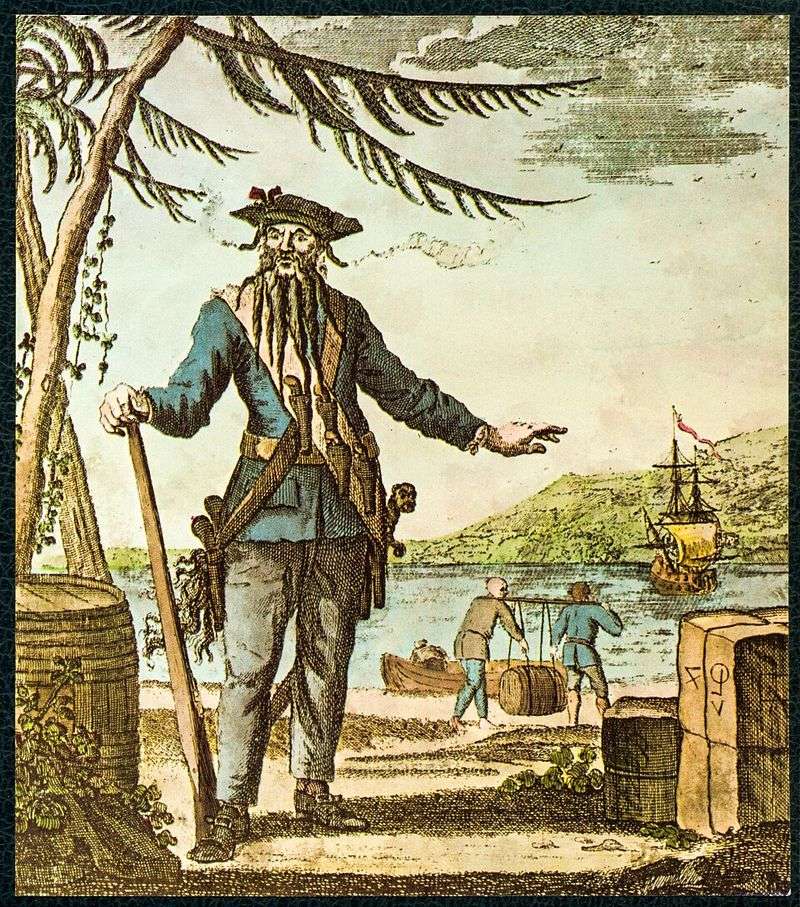
Edward Teach understood something that most people in his line of work did not: reputation was cheaper and safer than actual violence. Building an image terrifying enough to make crews surrender without a fight meant fewer risks for everyone, including himself.
Blackbeard operated during the early 18th-century Golden Age of Piracy along the Atlantic coast and Caribbean. Contemporary descriptions emphasized his deliberately intimidating appearance.
He reportedly tied slow-burning fuses near his face during confrontations, surrounding himself with a dramatic visual effect designed to unsettle opponents before any fighting began.
Despite his fearsome reputation, surviving historical records provide surprisingly little evidence that Blackbeard routinely tortured or harmed captives. Fear itself appears to have been his primary strategy.
Later books, films, and popular pirate mythology amplified the violence and transformed him into the definitive image of the bloodthirsty pirate. His original public-relations calculation succeeded so thoroughly that the theatrical monster he constructed has outlasted almost everything else about his actual career.
11. Lucrezia Borgia
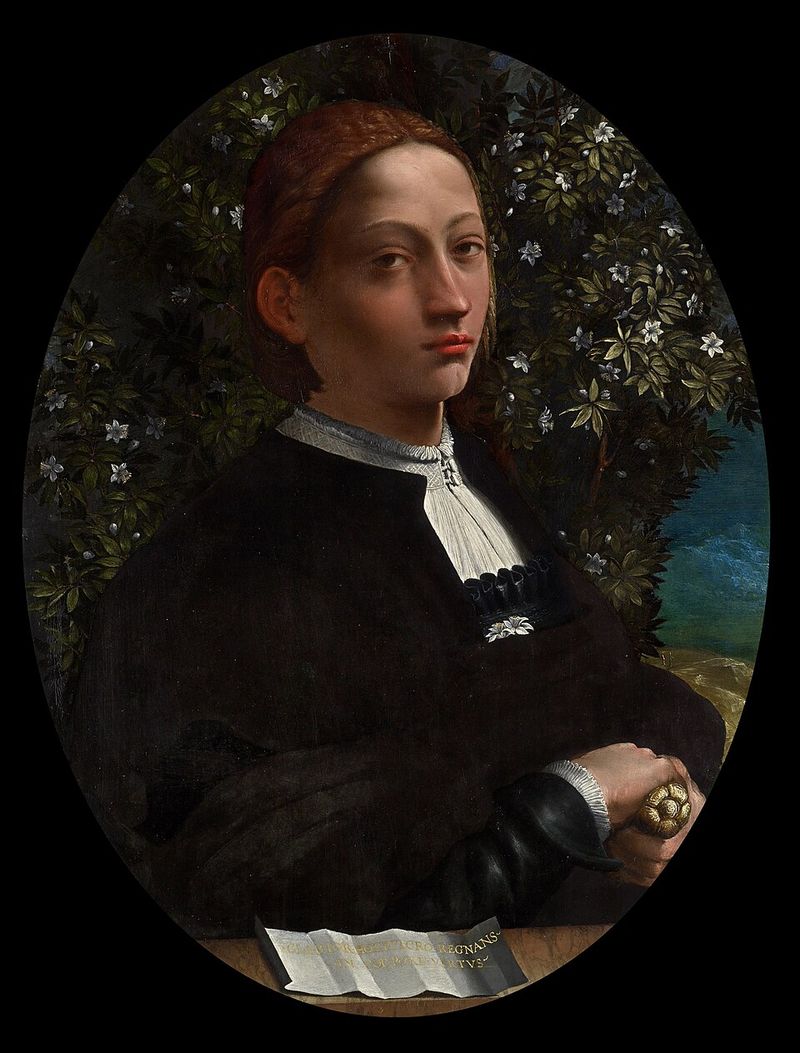
Centuries of storytelling turned her into one of Renaissance history’s most dangerous women: a seductive poisoner involved in murder, political manipulation, and family scandal alongside her father Pope Alexander VI and her brother Cesare Borgia.
The Borgia family genuinely operated within the brutal political environment of Renaissance Italy, and their enemies produced a steady supply of damaging stories. Historians have increasingly concluded that Lucrezia herself was far more acted upon than acting.
She was placed in dynastic marriages according to her family’s political needs, lived under the authority of extraordinarily ambitious men, and eventually settled into her role as Duchess of Ferrara, where surviving records describe her as a capable and respected ruler.
Victor Hugo, Alexandre Dumas, opera composers, and later filmmakers found the poisoner version far more compelling than the complicated historical woman. The legend of a beautiful killer proved so durable that Lucrezia Borgia’s name became shorthand for feminine danger long after the evidence supporting that image had been seriously questioned by scholars.
12. Paul Revere
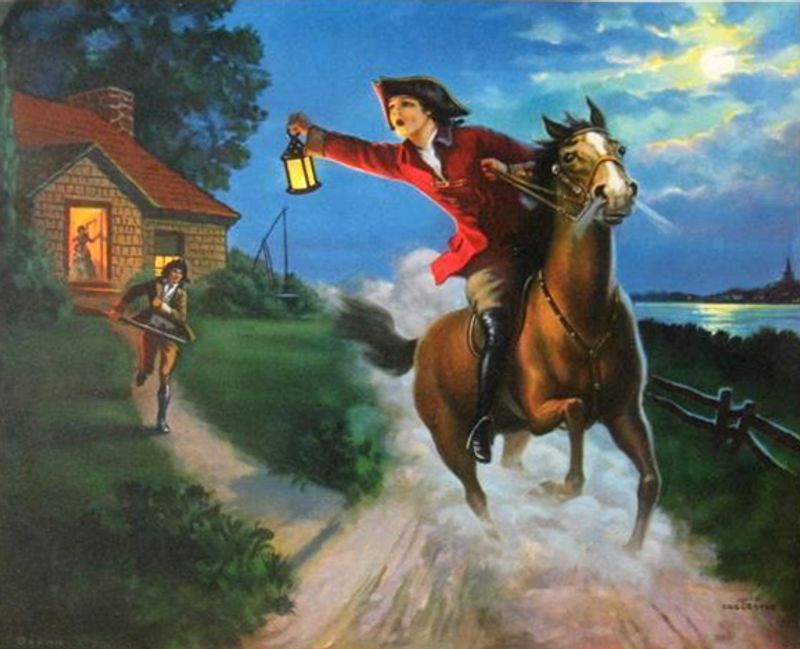
Paul Revere genuinely rode on the night of April 18, 1775, and his contribution to the colonial warning effort was real and significant. The version most Americans carry in their heads, however, owes far more to a poem than to what actually happened.
Henry Wadsworth Longfellow published “Paul Revere’s Ride” in 1860, transforming Revere into a solitary hero galloping through the countryside with a warning that changed American history. The actual operation involved multiple riders.
William Dawes and Samuel Prescott also carried warnings that night, and colonial alarm networks extended across a wide area through coordinated local systems.
Even the famous warning phrase is inaccurate. Revere would not have shouted “The British are coming” since many colonists still identified as British subjects themselves.
He likely warned of “the Regulars.” Longfellow was writing poetry with a political purpose in 1860, not a military report from 1775. His version was so effective that Revere became the face of that night while other riders effectively disappeared from popular memory.
13. Typhoid Mary
Mary Mallon’s case sits at the intersection of public health, individual rights, and the limits of scientific understanding in the early 1900s. She was an Irish immigrant working as a cook in New York when health investigators identified her as an asymptomatic carrier of Salmonella Typhi, meaning she could spread typhoid fever while appearing completely healthy herself.
The concept of a healthy carrier was genuinely new at the time, and Mallon’s rejection of the diagnosis was not simply stubbornness. Many people around her, including some in the medical community, found the idea difficult to accept.
She was quarantined, released under conditions that included avoiding food preparation work, and then confined again after she returned to cooking and further cases appeared.
The nickname Typhoid Mary became a cultural shorthand for someone who recklessly endangers others, stripping away the complicated reality underneath. Her case involved poverty, limited employment options, scientific uncertainty, and genuine public health consequences all at once.
The simple villain version proved far easier to repeat than the full story.
Share this story