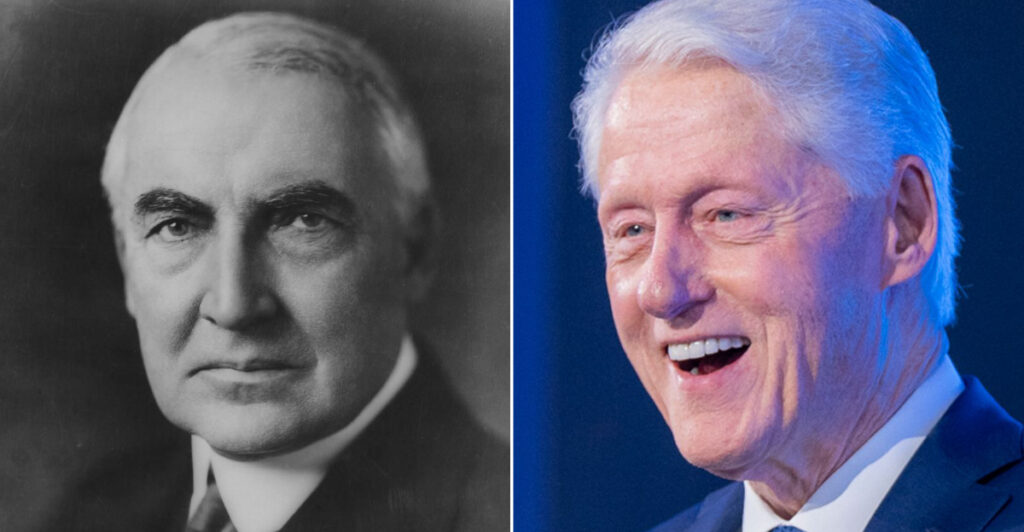
Some presidents are remembered for great speeches, historic victories, or moments of national pride. Others are remembered for something a little different, like sharp words, bitter feuds, and reputations that followed them long after leaving office.
American political history is full of leaders who could dish it out just as hard as they could take it. From personal scandals to public meltdowns to feuds that made headlines for years, these commanders in chief left behind legacies that are, to put it politely, complicated.
Whether their saltiness came from a sharp tongue, a stubborn personality, or a string of controversies nobody could ignore, these presidents earned their spots on this list the hard way.
Richard Nixon
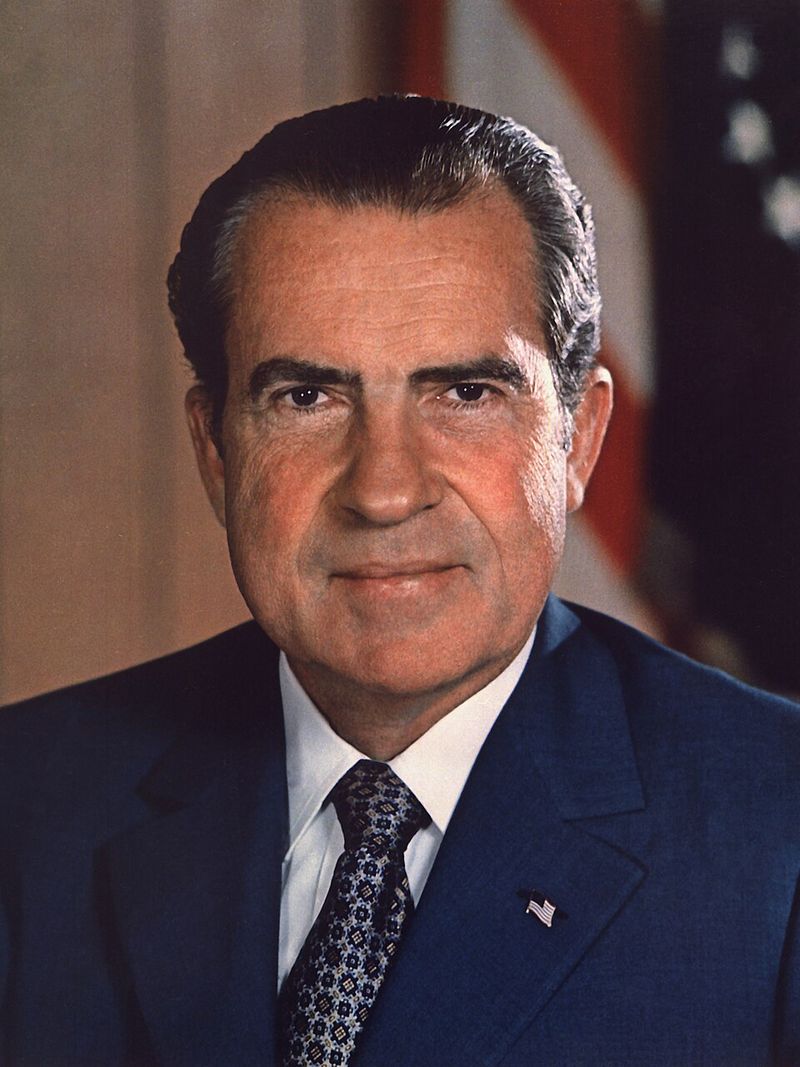
Few presidential reputations have aged as poorly as Richard Nixon’s, and the reasons are not subtle. Nixon served as the 37th president and won a landslide reelection in 1972, only to resign in disgrace just two years later.
That is a remarkable fall by any standard.
The Watergate scandal, which involved a break-in at the Democratic National Committee headquarters and a cover-up that reached the Oval Office, permanently defined his legacy. Nixon’s own recorded conversations revealed a paranoid, vindictive side that shocked the public when the tapes became public.
He kept an actual enemies list. He directed federal agencies to harass political opponents.
He lied to the American people on national television. Nixon became the only U.S. president ever to resign from office.
His famous two-fingered victory gesture after boarding his final helicopter remains one of the most bitterly ironic images in American political history.
Lyndon B. Johnson
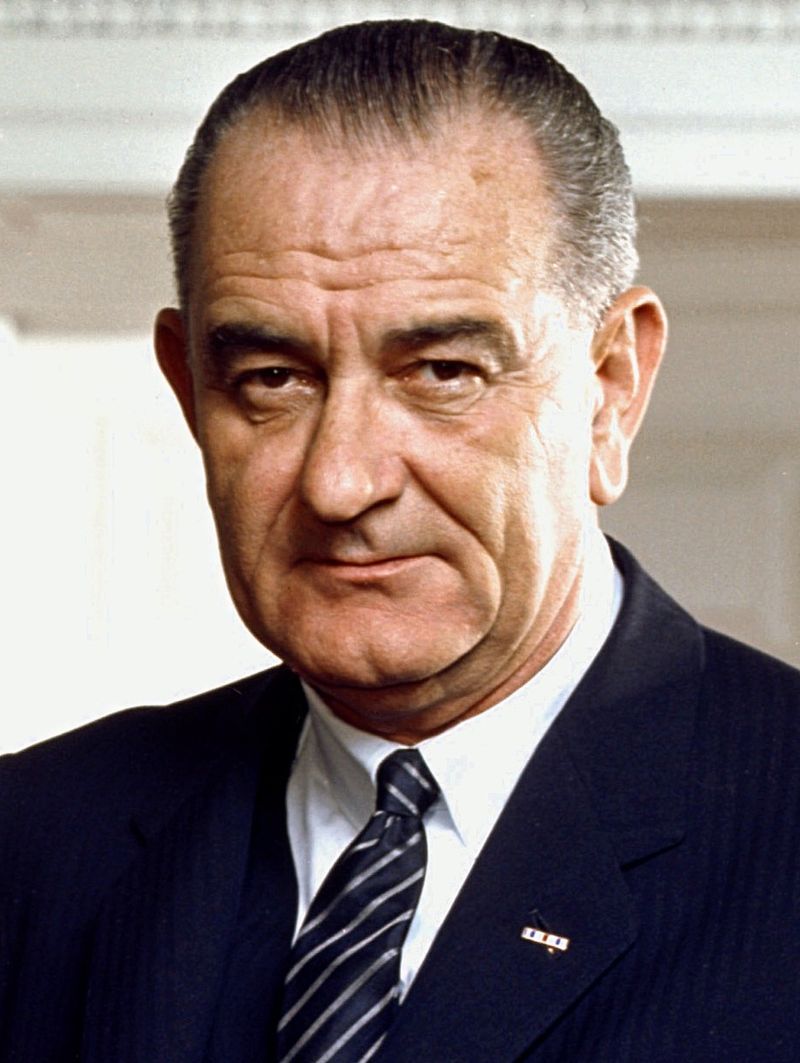
Lyndon B. Johnson was the kind of man who made people uncomfortable on purpose, and he was very good at it.
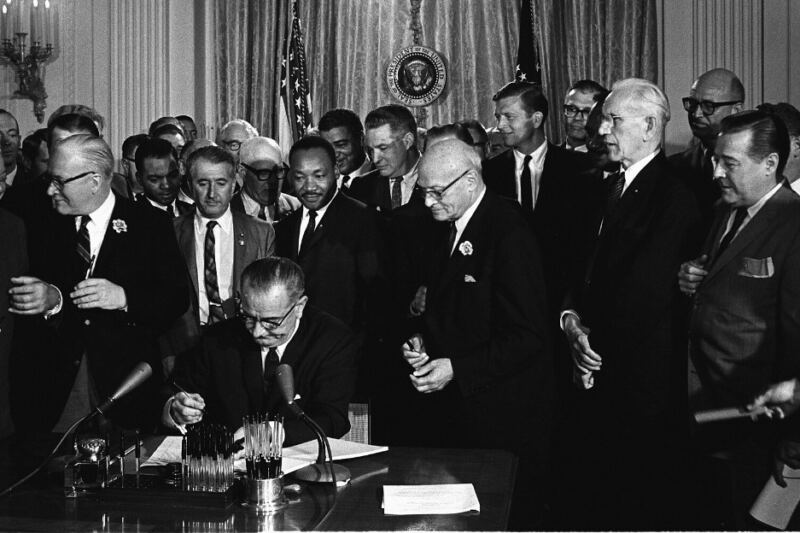
Known for a style of persuasion called the Johnson Treatment, he would physically crowd political opponents, grab their lapels, and talk directly into their faces until they agreed with him. It worked more often than it should have.
LBJ pushed through landmark civil rights legislation, but his handling of the Vietnam War destroyed his presidency. He escalated U.S. involvement dramatically while privately expressing serious doubts about whether the war could be won.
That gap between public statements and private beliefs fueled a deep distrust that never fully healed.
Johnson was also famously crude, holding meetings from the bathroom and bragging about things most people would never say out loud. His ego was enormous, and his temper was worse.
He chose not to seek reelection in 1968, essentially admitting the war had beaten him.
Donald Trump
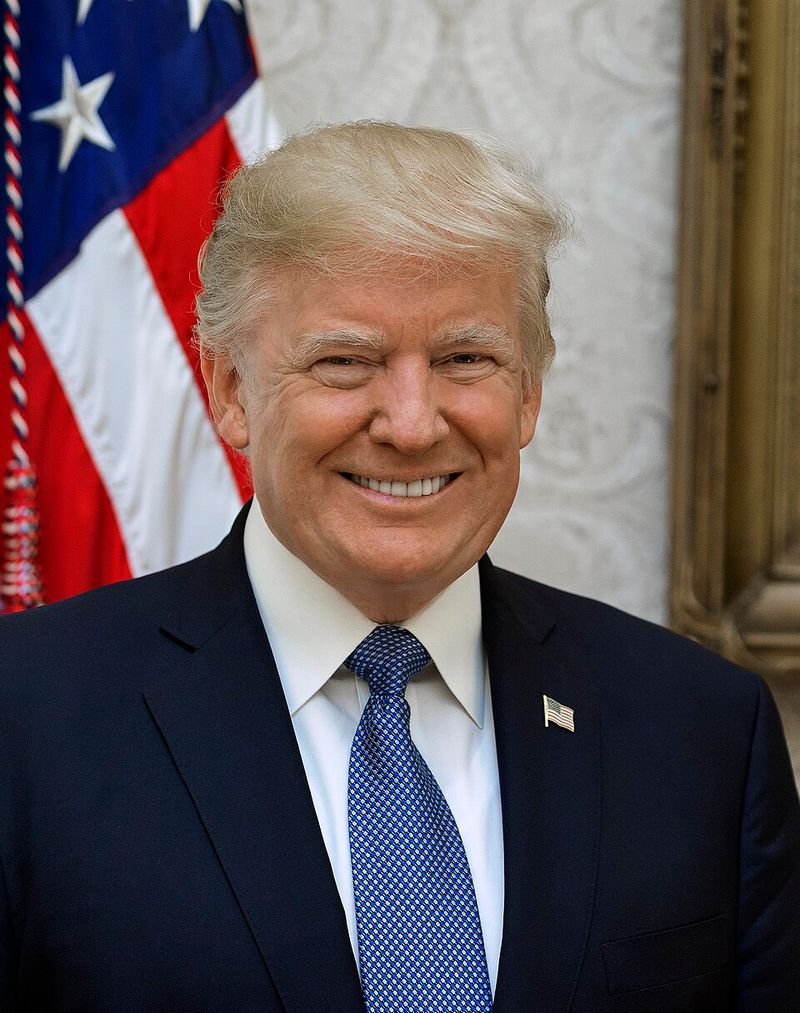
Donald Trump entered the political world with a reputation for blunt talk and left it with something much harder to ignore. As the 45th president, Trump spent four years in office generating controversy at a pace that was genuinely difficult to keep up with.
His Twitter feed alone could fill a library of political science case studies.
He became the first president in U.S. history to be impeached twice. His relationship with the press was openly combative, and he regularly called out individual journalists and news organizations by name.
His presidency ended with the January 6th Capitol riot, an event that permanently shaped how his time in office is remembered.
Trump remains one of the most polarizing figures in modern American political history. Supporters see him as a straight-talking outsider who shook up a broken system.
Critics see something considerably less flattering. Either way, his reputation for saltiness is not seriously in dispute by anyone on either side.
Bill Clinton
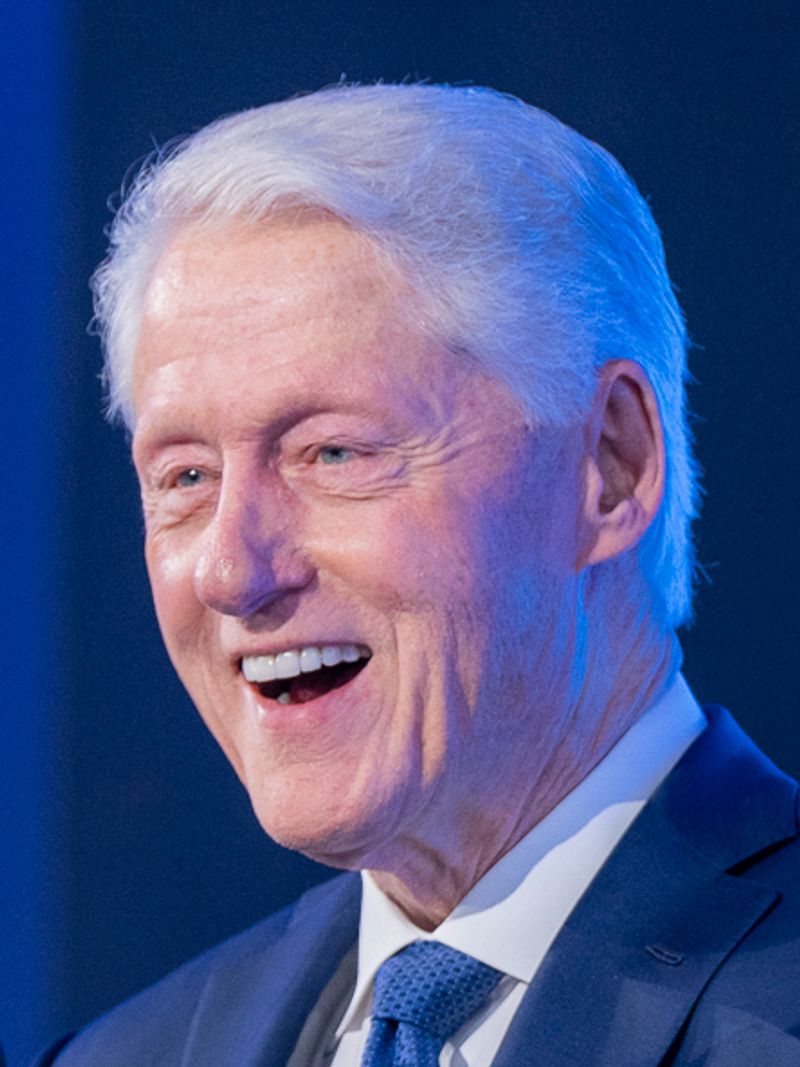
Bill Clinton had the kind of political talent that made even his opponents grudgingly respect him, which made the scandals hit that much harder. The 42nd president presided over a period of strong economic growth and left office with high approval ratings, but the path to get there was extremely messy.
The Monica Lewinsky scandal led to Clinton becoming only the second president in U.S. history to be impeached by the House of Representatives. His televised statement where he wagged his finger and said he did not have a relationship with that woman became one of the most replayed political moments of the 1990s.
Clinton survived impeachment and remained in office, but the personal damage was real. His reputation for bending the truth when cornered followed him well beyond his presidency.
The phrase “it depends on what the meaning of the word is, is” became a permanent part of American political vocabulary for a reason.
Joe Biden
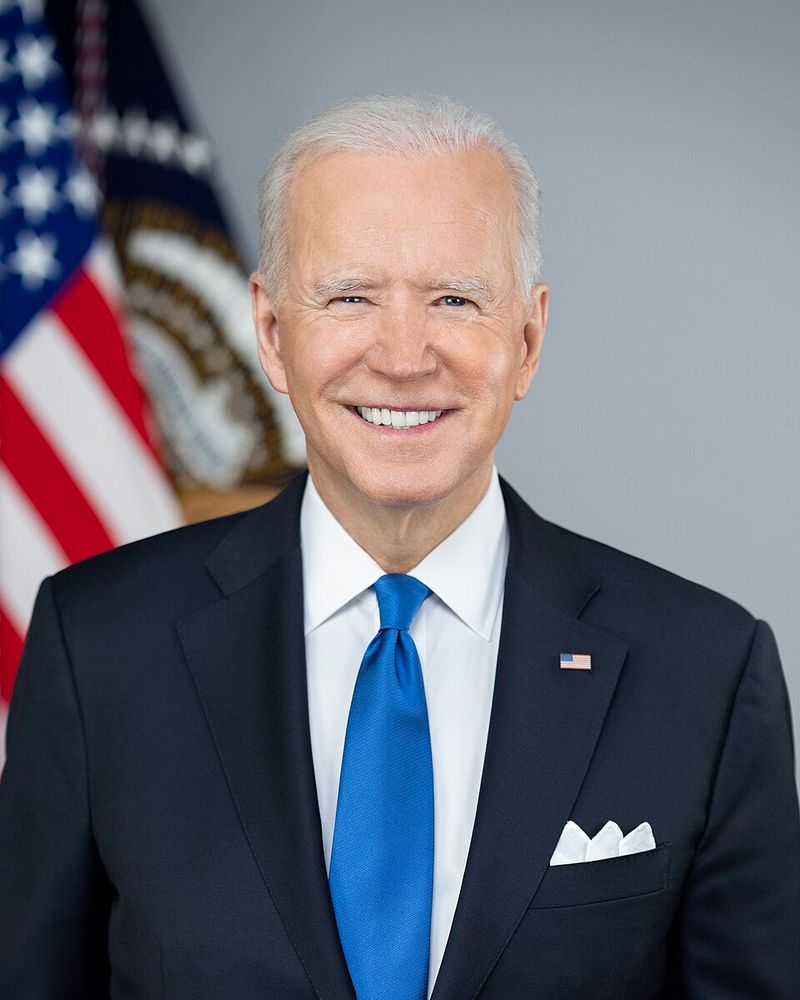
Joe Biden came into the presidency with a reputation as a steady, experienced hand after years in the Senate and two terms as vice president. What he also brought was a long history of verbal missteps, exaggerated stories, and moments that made even his supporters wince a little.
Biden has a documented pattern of embellishing personal stories that later turned out to be inaccurate. He claimed to have been arrested while trying to visit Nelson Mandela.
He overstated his involvement in civil rights marches. He repeated a story about a Navy captain that the military could not verify.
These were not small claims.
His 2024 reelection campaign ended abruptly when he withdrew following a debate performance that raised serious public questions about his fitness for office. His presidency ended with historically low approval ratings.
Biden is a genuinely complicated figure, someone with real legislative achievements and a reputation that became increasingly hard to defend toward the end.
Harry Truman
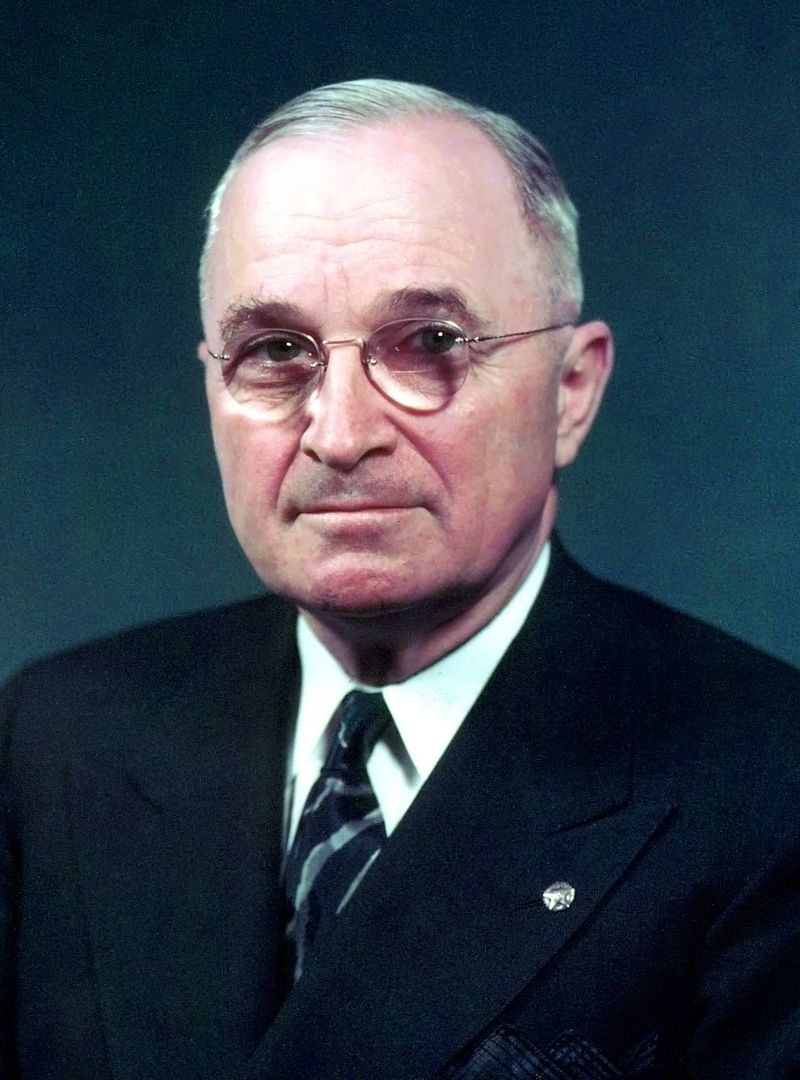
Harry Truman was not the kind of man who filtered his thoughts before speaking, and the historical record makes that abundantly clear. The 33rd president made some of the most consequential decisions in modern history, including the decision to use atomic weapons against Japan to end World War II.
He did not lose sleep about saying so publicly.
Truman once wrote a letter to a music critic who gave his daughter Margaret’s singing performance a negative review. The letter threatened physical harm in terms that were specific enough to be genuinely alarming.
The White House had to do significant damage control afterward.
He fired General Douglas MacArthur during the Korean War, a move that was deeply unpopular at the time but is now widely viewed as a necessary defense of civilian control over the military. Truman left office with low approval ratings, but history has been considerably kinder to him than his contemporaries were.
The sign on his desk said it all: the buck stops here.
George W. Bush
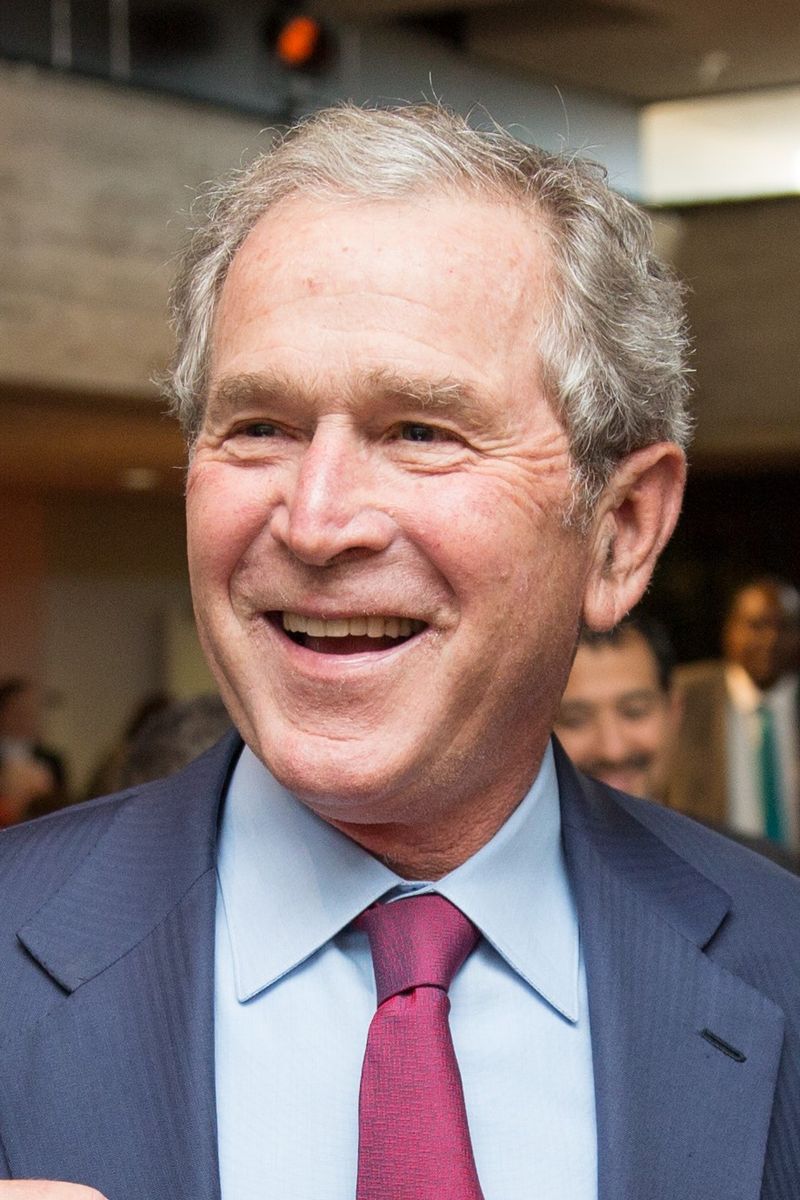
George W. Bush walked into the presidency after one of the most contested elections in American history and walked out eight years later with some of the lowest approval ratings ever recorded for a sitting president.
What happened in between is a story that historians are still debating with considerable intensity.
The Iraq War, launched on the basis of intelligence about weapons of mass destruction that turned out to be wrong, defined his second term. The slow federal response to Hurricane Katrina in 2005 damaged his reputation in ways that were hard to recover from.
The financial crisis of 2008 hit during his final months in office.
Bush was also famously easy to mock. His verbal stumbles, known as Bushisms, became a cultural phenomenon.
Saying things like “is our children learning” and “misunderestimate” gave late-night hosts years of material. He has since rebranded as a painter and elder statesman, and public opinion of him has softened somewhat, especially in contrast to what came after.
Andrew Johnson
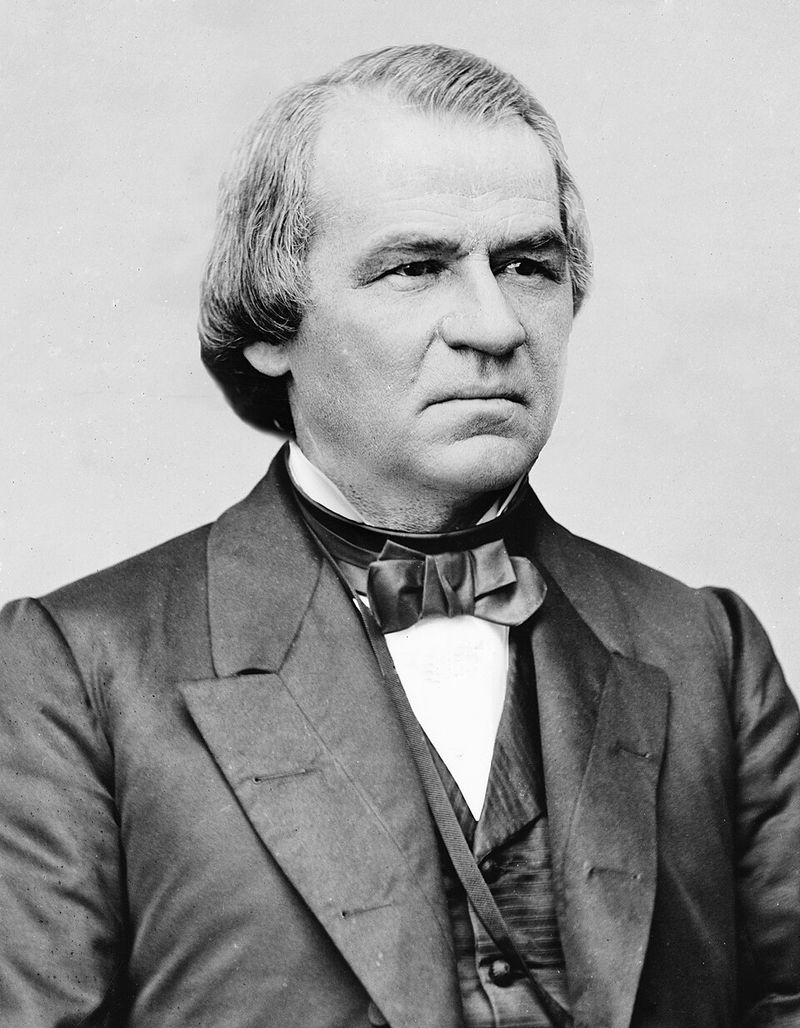
Andrew Johnson had the misfortune of following Abraham Lincoln into the presidency, which set an impossible standard right from the start. What made things worse was that Johnson seemed almost determined to be as difficult as humanly possible while in office.
He became the first U.S. president to be impeached, narrowly surviving removal from office by a single Senate vote.
Johnson’s approach to Reconstruction after the Civil War was deeply problematic. He opposed giving formerly enslaved people citizenship or voting rights, vetoed the Civil Rights Act of 1866, and clashed relentlessly with the Republican-controlled Congress.
Congress overrode his vetoes and eventually stripped him of significant executive power.
He reportedly showed up to his own vice presidential inauguration visibly impaired and gave a rambling speech that embarrassed everyone in the room. Johnson left office with almost no political allies remaining and a legacy that historians consistently rank among the worst in presidential history.
His stubbornness did not serve the country well at a moment when it desperately needed steady leadership.
Andrew Jackson
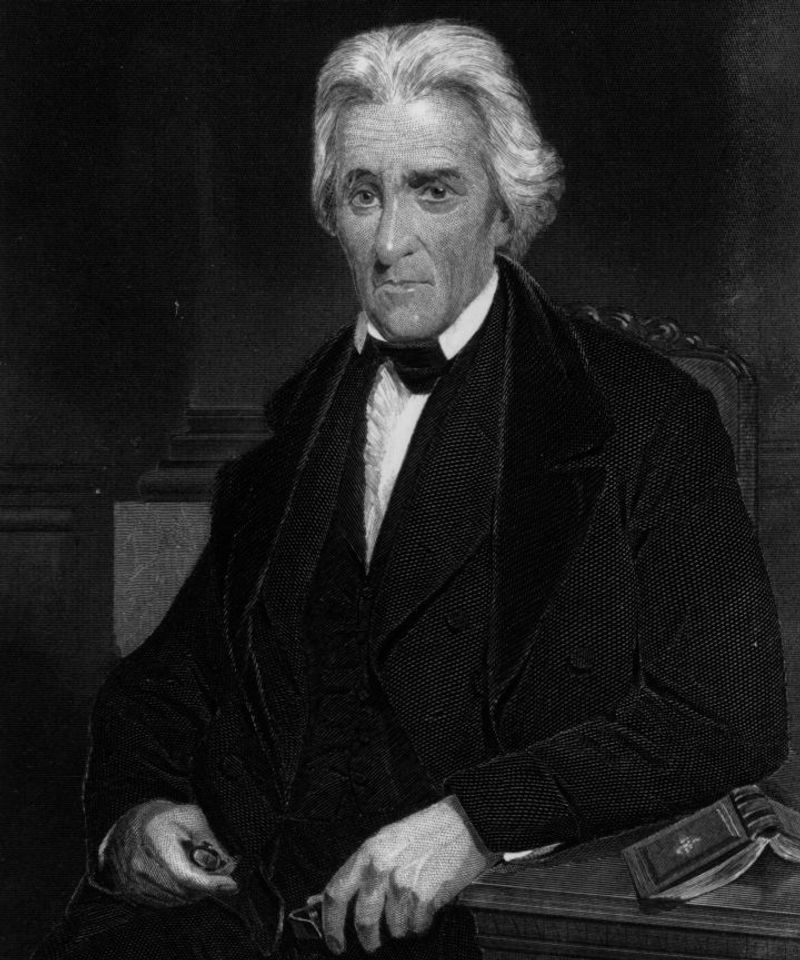
Andrew Jackson was the kind of man who settled arguments with duels, and he participated in so many of them that historians have genuinely lost count. The 7th president carried a bullet near his heart for years from one such encounter, and he seemed proud of it.
Jackson had a temper that was legendary even by 19th century standards.
His presidency is permanently marked by the Indian Removal Act of 1830, which led to the forced relocation of Native American tribes from their ancestral lands. The Trail of Tears, which resulted from that policy, caused enormous suffering and remains one of the darkest chapters in American history.
Jackson also declared war on the national banking system, which he viewed as a corrupt institution serving the wealthy at the expense of ordinary Americans. He destroyed it.
His face is on the twenty dollar bill, a fact that has sparked ongoing debate. Jackson was consequential, undeniably powerful, and deeply, genuinely difficult in ways that are hard to overstate.
Barack Obama
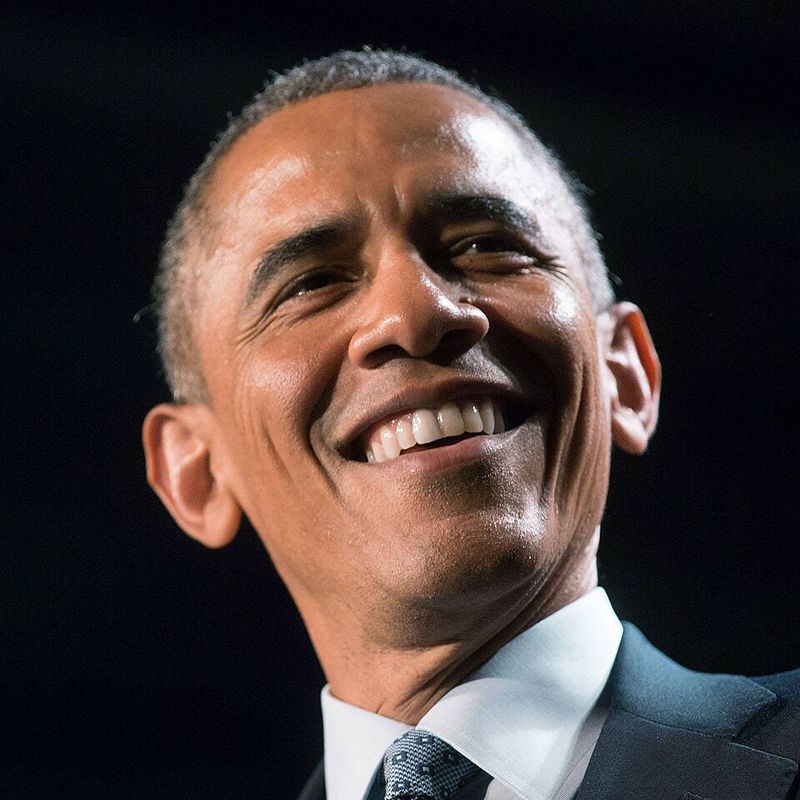
Barack Obama’s public reputation is considerably more polished than most others on this list, which is exactly why the saltier moments stand out so sharply. The 44th president was known for his composed, professorial style, but he had a sharp tongue when he chose to use it, and he was not always above a well-timed political dig.
Obama’s use of drone strikes expanded dramatically during his presidency, with civilian casualty counts that drew sustained criticism from human rights organizations. His administration prosecuted more whistleblowers under the Espionage Act than all previous administrations combined.
These are not small footnotes.
He also had a notable habit of dismissing political opponents with a coolness that could read as condescending depending on your perspective. His famous response to Mitt Romney’s concerns about Russia in 2012, “the 1980s are now calling to ask for their foreign policy back,” was celebrated by supporters and resented by critics.
Obama’s saltiness came wrapped in a very good suit, but it was there.
Warren G. Harding
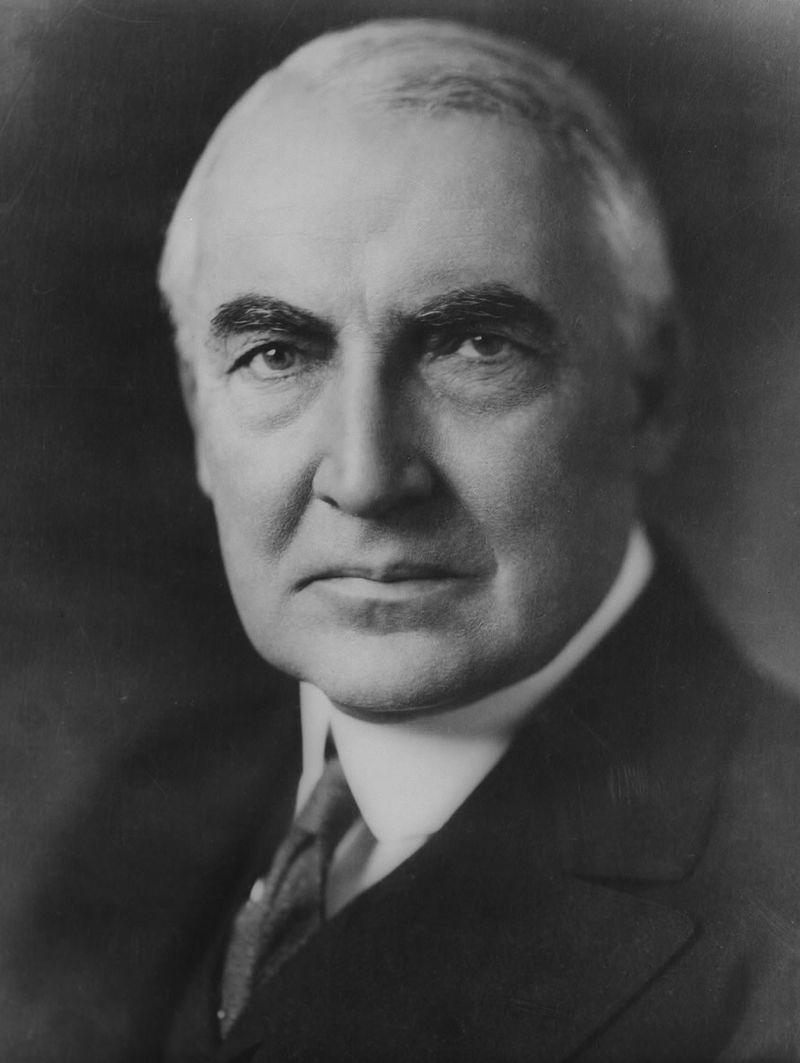
Warren G. Harding is a name that does not come up often in glowing presidential retrospectives, and there is a reason for that.
The 29th president won the 1920 election by one of the largest margins in history, presenting himself as a return to normalcy after World War I. What followed was anything but normal.
The Teapot Dome scandal, which broke during his administration, involved the secret leasing of federal oil reserves to private companies in exchange for bribes. It became the most significant government corruption scandal in American history up to that point.
Several of Harding’s cabinet members and close associates ended up in prison.
Harding himself was also known for extramarital affairs, including one with a woman named Nan Britton who later wrote a book about their relationship. He passed away in office in 1923 before the full extent of his administration’s corruption became public.
His reputation never recovered, and historians consistently place him near the bottom of presidential rankings.
John F. Kennedy
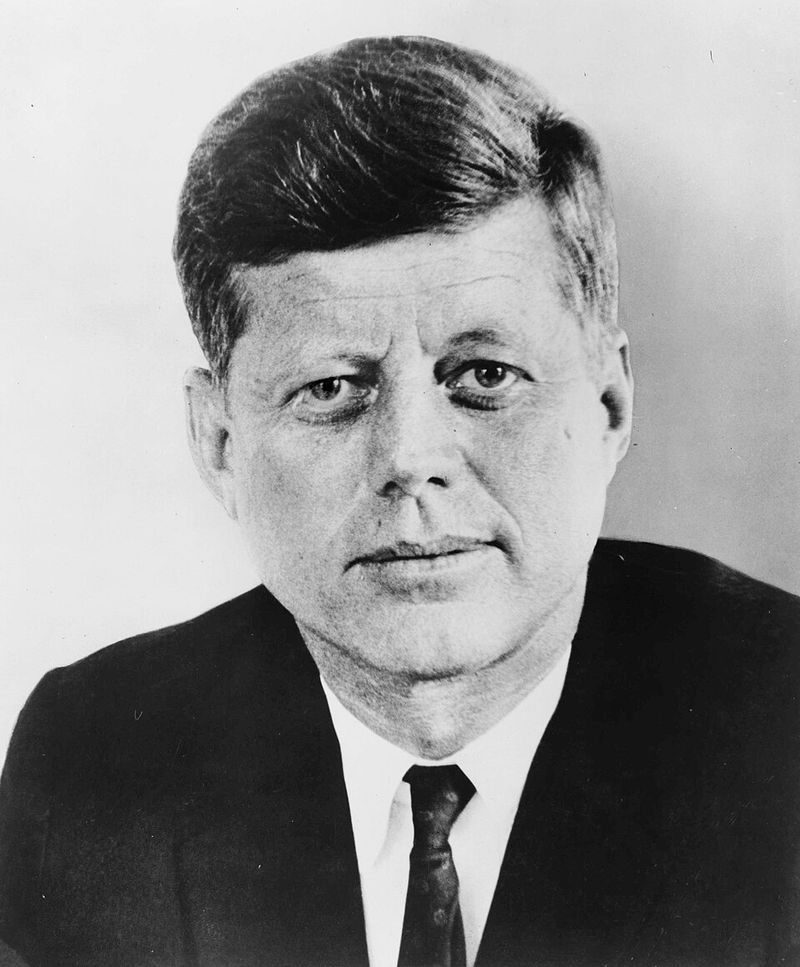
John F. Kennedy occupies a unique space in American memory, simultaneously one of the most admired and most complicated presidents in modern history.
The 35th president projected youth, charm, and confidence in a way that genuinely captivated the public. The private reality was considerably messier.
Kennedy’s extramarital affairs were extensive and well-documented by historians, including relationships with Marilyn Monroe and organized crime figures’ associates, which created serious national security concerns that were largely kept from the public during his lifetime. The gap between the curated public image and the private behavior was significant.
His handling of the Bay of Pigs invasion in 1961 was a serious foreign policy failure that he publicly took responsibility for, which actually helped his approval ratings. Kennedy also faced criticism for moving slowly on civil rights legislation despite public pressure.
His presidency was cut short before many of his policies fully developed, leaving his legacy permanently wrapped in the complicated question of what might have been.
Theodore Roosevelt
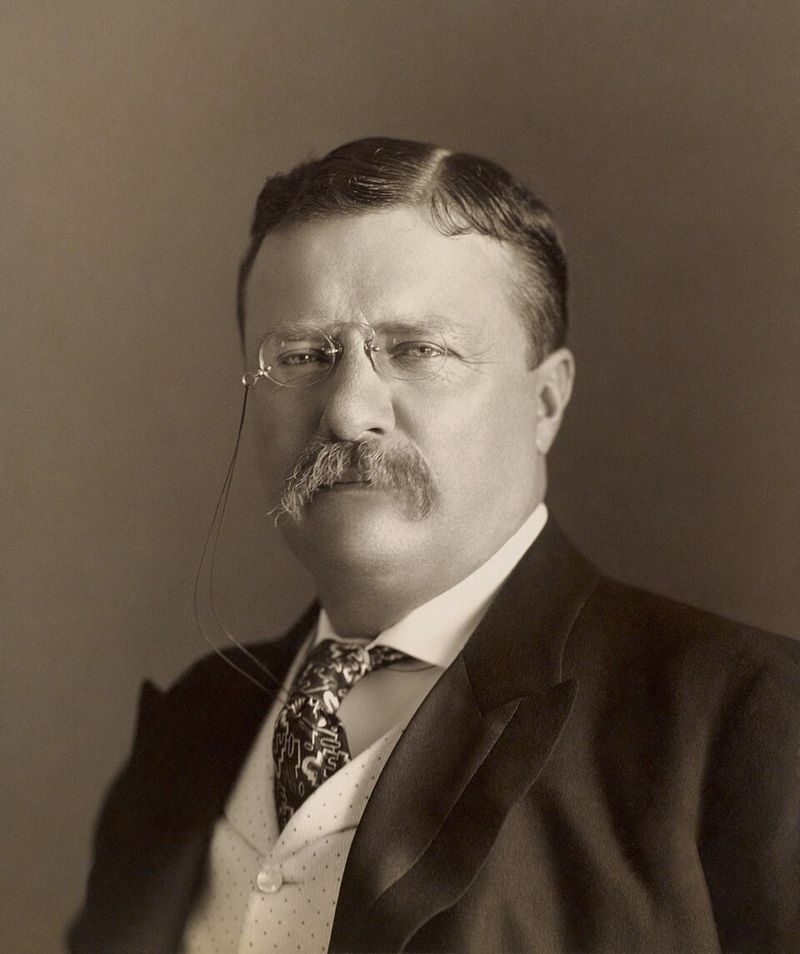
Theodore Roosevelt was a man who got into a fistfight with a cougar and considered it a decent afternoon. The 26th president was aggressively, almost exhaustingly larger than life, and his reputation reflected every bit of that energy.
He was also one of the most politically combative presidents the country has ever produced.
Roosevelt used the presidency as what he famously called a bully pulpit, meaning a platform for pushing his views loudly and without apology. He went after big corporations, railroad monopolies, and financial trusts with a relentlessness that made him deeply unpopular among the wealthy and powerful.
He did not appear to mind.
After leaving office, he grew so dissatisfied with his chosen successor, William Howard Taft, that he ran against him in 1912 as a third-party candidate, effectively splitting the Republican vote and handing the election to Woodrow Wilson. That decision cost the party dearly.
Roosevelt’s saltiness was strategic, physical, and entirely sincere, which somehow made it both admirable and exhausting at the same time.
Franklin D. Roosevelt
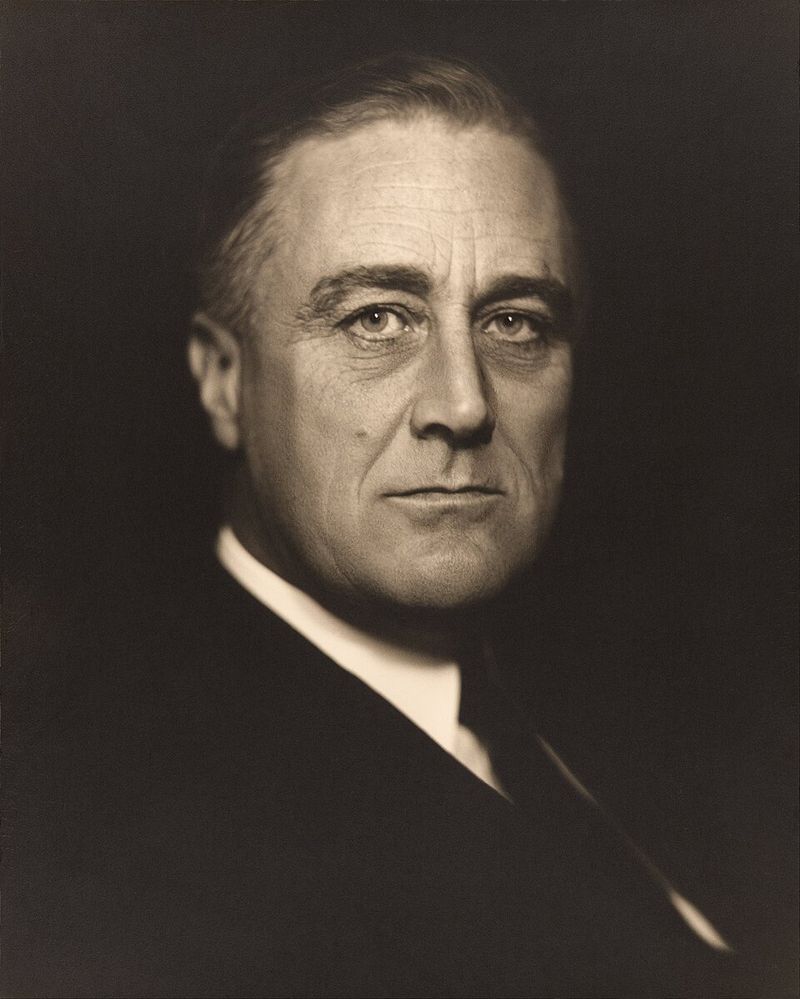
Franklin D. Roosevelt led the country through two of the greatest crises in modern history, the Great Depression and World War II, and he did it with a political ruthlessness that often gets smoothed over in the standard heroic retelling.
FDR was charming, brilliant, and genuinely capable of extraordinary leadership. He was also willing to play hardball in ways that left lasting marks.
His attempt to pack the Supreme Court in 1937, after the Court struck down several New Deal programs, was a direct power grab that even members of his own party refused to support. It failed, but it revealed a side of Roosevelt that was not particularly interested in institutional limits when they got in his way.
The internment of Japanese Americans during World War II, authorized by Executive Order 9066, remains one of the most serious civil liberties violations in American history. Roosevelt signed it.
His legacy is enormous and real, but the full picture includes decisions that were genuinely difficult to defend then and remain impossible to defend now.
Grover Cleveland
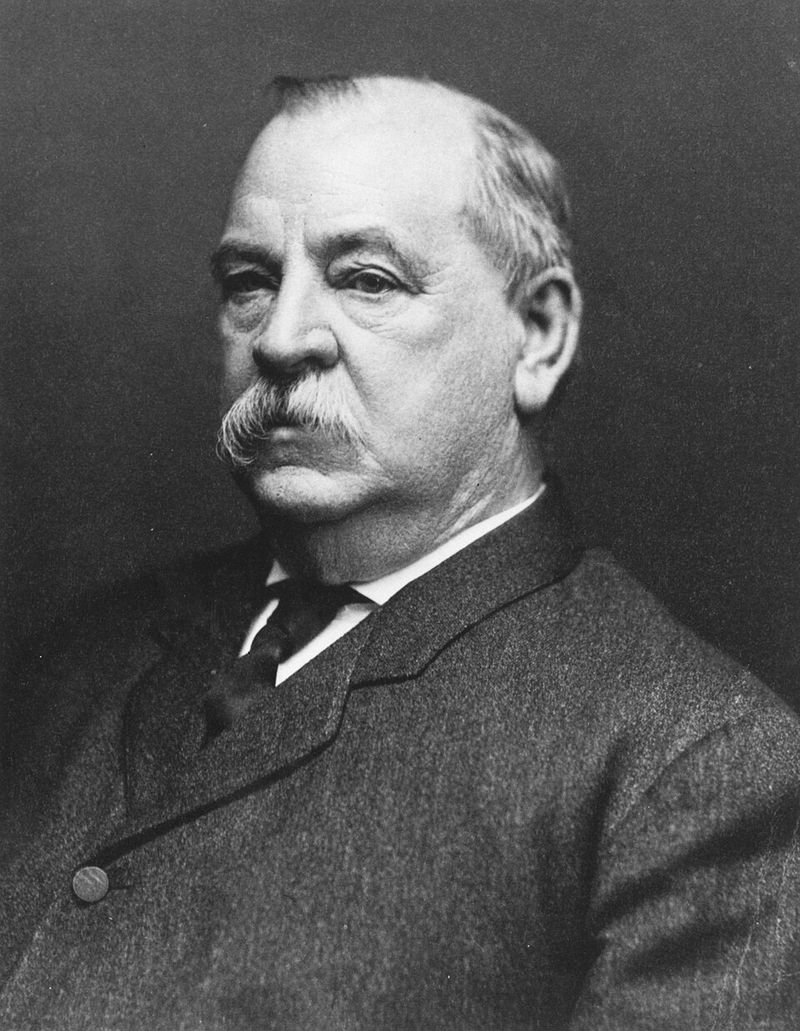
Grover Cleveland holds the distinction of being the only U.S. president to serve two non-consecutive terms, making him both the 22nd and 24th president. That unusual record alone earns him a spot on any list of complicated presidential legacies.
His path back to the White House was fueled in part by sheer stubbornness and a refusal to accept political defeat gracefully.
During his first presidential campaign, it was revealed that Cleveland had fathered a child out of wedlock. Rather than deny it, he told his campaign team to tell the truth, which was a surprisingly bold move for the era.
His opponents chanted “Ma, Ma, where’s my Pa?” at rallies.
His supporters responded, “Gone to the White House, ha ha ha.”
Cleveland was known for his bluntness and his willingness to veto legislation he considered wasteful, issuing more vetoes than all previous presidents combined. He was not interested in being liked.
He was interested in being right, which is a distinction that made him a very salty presence in American political history.
Share this story