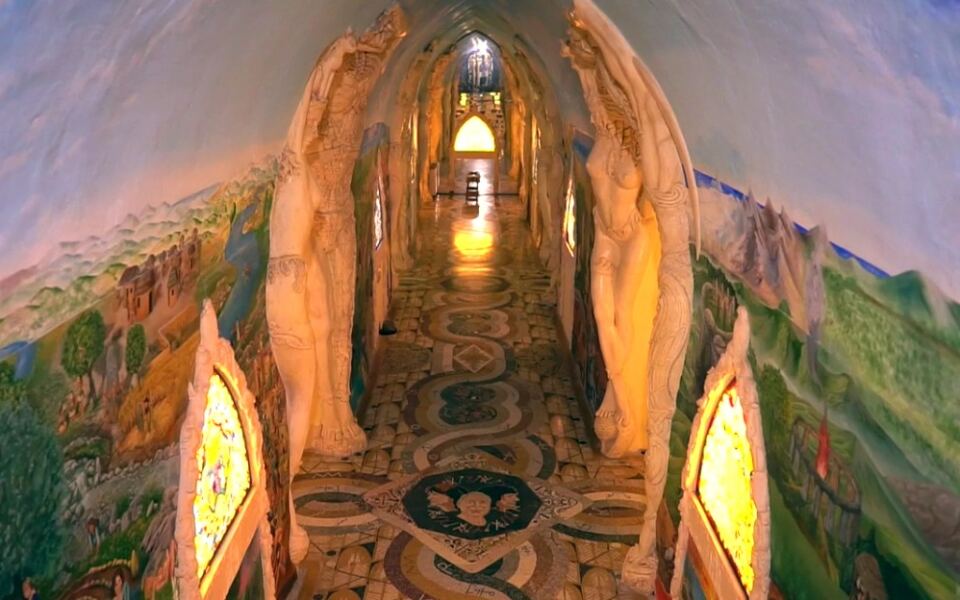
A group of people dug a hand-carved temple into a mountain and kept it quiet for years. Nobody outside their community knew it was there.
I love that a secret like that stayed secret for so long.
Today the rooms are covered in color, from murals to mosaics to stained glass. Visitors join guided tours to see them, and photos aren’t allowed inside.
This spiritual community sits in the Piedmont region of northern Italy. I can’t imagine hearing about a place like this and not wanting to know how it came together.
So what exactly is waiting inside that mountain?
A Secret Built by Hand Inside a Mountain
Damanhur and the Temples of Humankind began as a quiet project in the mountain, and the story sounds almost too wild to be true. The community was founded in 1975, and its members dug and built the underground temples in secret.
Visitors today hear that the work stayed hidden for about sixteen years.
Everything was shaped by hand over many years. One visitor described the temples as built by hand over so many years, and that detail sticks with you.
It’s easy to picture how much patience a project like this took.
Why keep it hidden? The community wanted to build in peace, without outside attention, and that choice gives the place its legend.
Digging into rock is hard work, and doing it quietly is even harder.
The temples are now open for guided visits. Booking ahead is smart, since one traveler who showed up by mistake was helped but wouldn’t recommend turning up unannounced.
Think of the secret as a head start on a story that still unfolds today.
Where in Italy You Will Find It
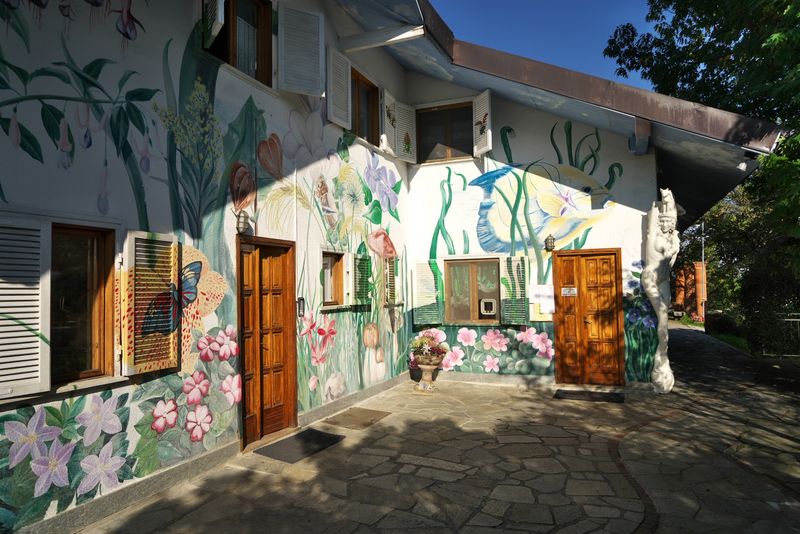
Northern Italy hides this place in the hills of Piedmont, in the province of Turin. The address is Via Baldissero, 21, 10080 Vidracco TO, Italy.
Vidracco is a small village, so the setting feels calm and rural.
One visitor described the nearby village as very local and traditional looking. That makes the contrast with the modern visitor center even more fun.
Another traveler noted the center felt clean and cleverly designed, with different corners for different activities.
Getting there takes a little planning. A traveler who arrived from the train station in Turin took a private cab, so a ride is one option to look into.
Public transport details can change, so check before you go.
Plan your day around the schedule. Tuesday through Saturday the visit hours run from morning to early afternoon and again from three to six.
Sunday and Monday open from three to six, so timing matters more than you might think.
The Rooms That Look Like Nothing Else
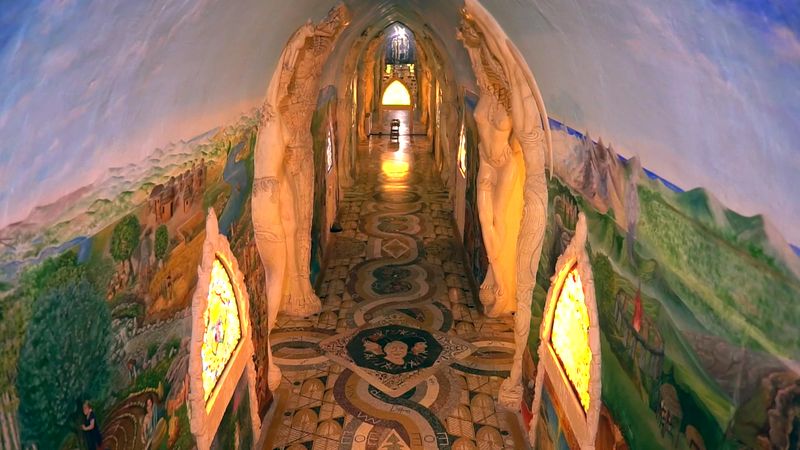
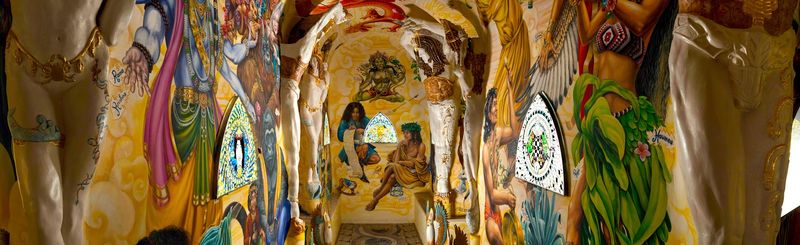
Color is the first thing people mention about the Temples of Humankind. The halls are covered in murals, frescoes, mosaics, and stained glass.
The official description even points to murals in the underground venue.
One visitor called the rooms colorful and intricately designed. Another said they were so different from other religious sites.
That fits, since the community describes its path as a way of life rather than a single religion.
Here’s a fun detail: one reviewer said they felt a code embedded in the art. Symbols and imagery are part of how the temples tell their story.
You’ll want a guide to help you read them.
Mirror hall is one name that comes up often when people talk about the visit. Expect rooms that feel like chapters in a book.
Each one adds another layer to the tale of how this community sees the world.
No Cameras Allowed, So Pay Attention
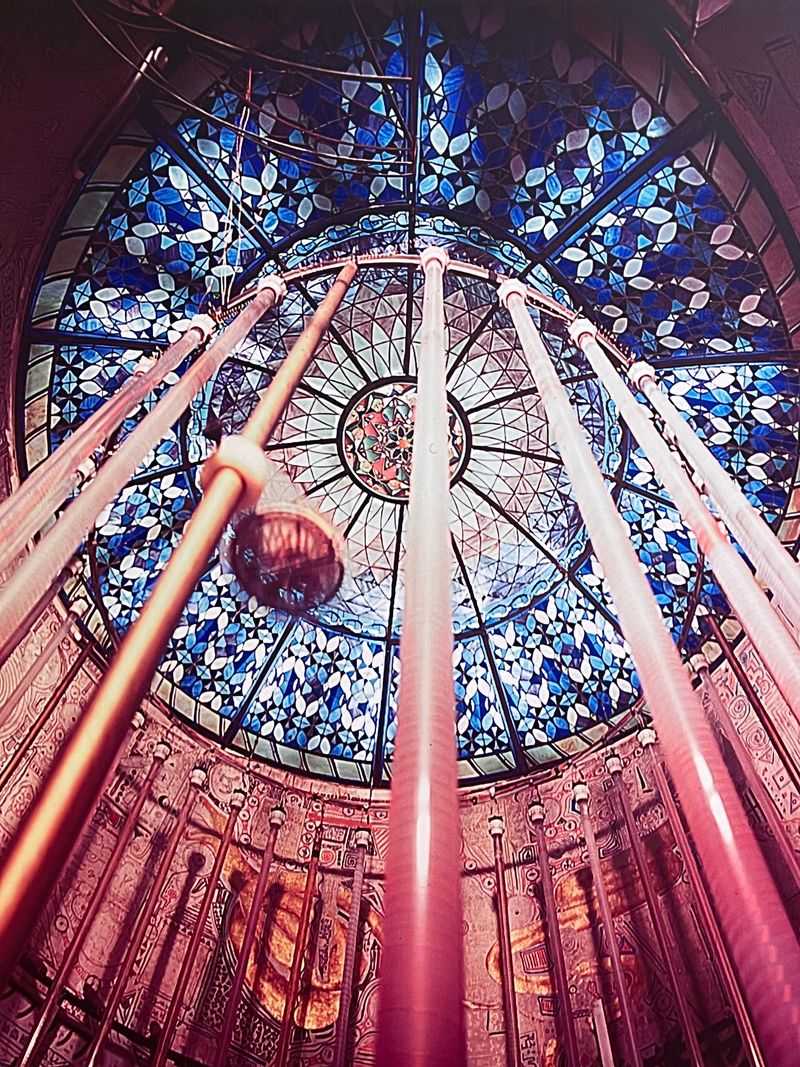
Leave the camera in your bag, because photos are not allowed inside the temples. Pictures are fine on the outside campus.
That rule changes how you experience the whole visit.
With no screen to look through, your eyes do all the work. One traveler said the temples are hard to describe and must be seen in person.
Funny how a rule like this can make the memory sharper.
The temples are in the mountain itself, which adds to the feeling of stepping away from ordinary life. Some visitors even suggested they deserve a spot among the wonders of the world.
That’s a big claim, but it shows how strongly people react.
Bring a notebook if you like jotting things down. Writing a few words after the tour can help you remember the colors and symbols.
Your own words might end up being the best souvenir.
A Guide Can Make the Whole Day
Ask around, and guides come up again and again. Visitors have praised Lanario, Esperide, and Manta by name.
One group said the long day felt like an hour.
The tour covers more than rooms. Guides talk about history, philosophy, and the reasons behind each carving and color.
The community’s own reply to one visitor said the guide connects you to why the places exist.
That matters because the temples can feel overwhelming without context. A good story turns a room full of symbols into something you can follow.
Questions are part of the fun.
Reserve a guided visit through the official site, and allow plenty of time. Earlier visitors mentioned a tour of about three hours, though details can change.
Check the current options before you book.
Wear comfortable shoes and bring a curious mind. You’ll walk, listen, and look closely at details you might otherwise miss.
That’s the recipe for a tour you’ll talk about later.
Walk the Sacred Forest and Its Spirals
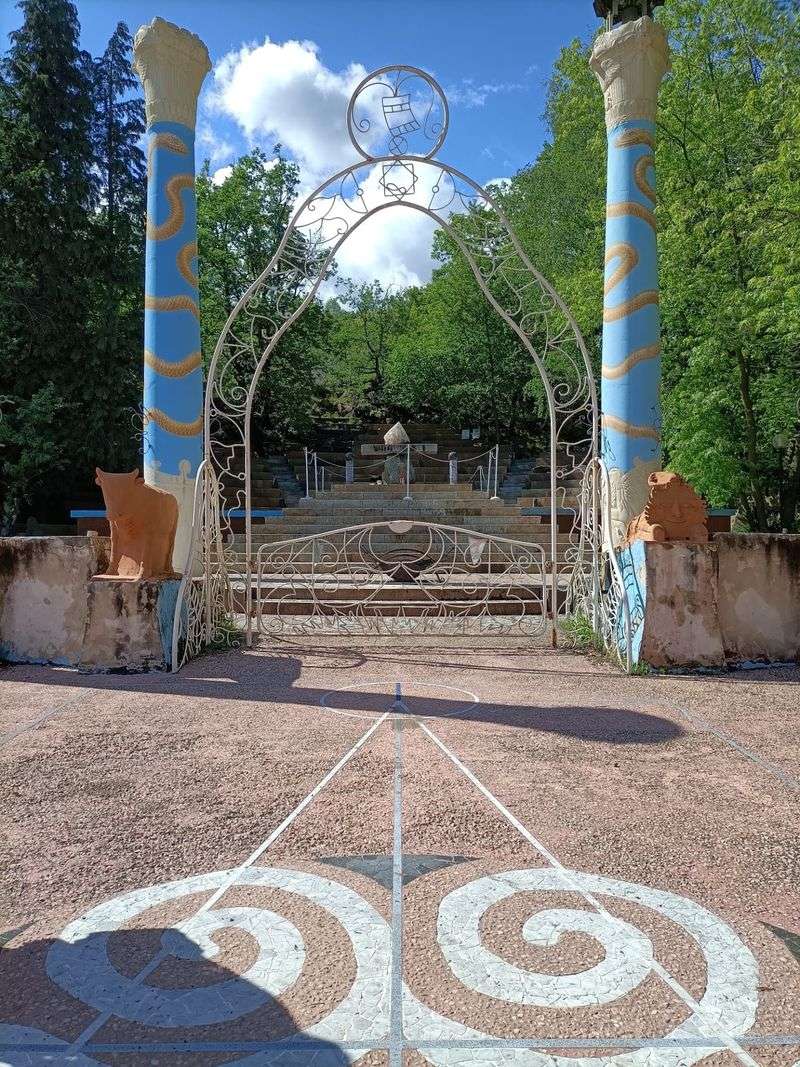
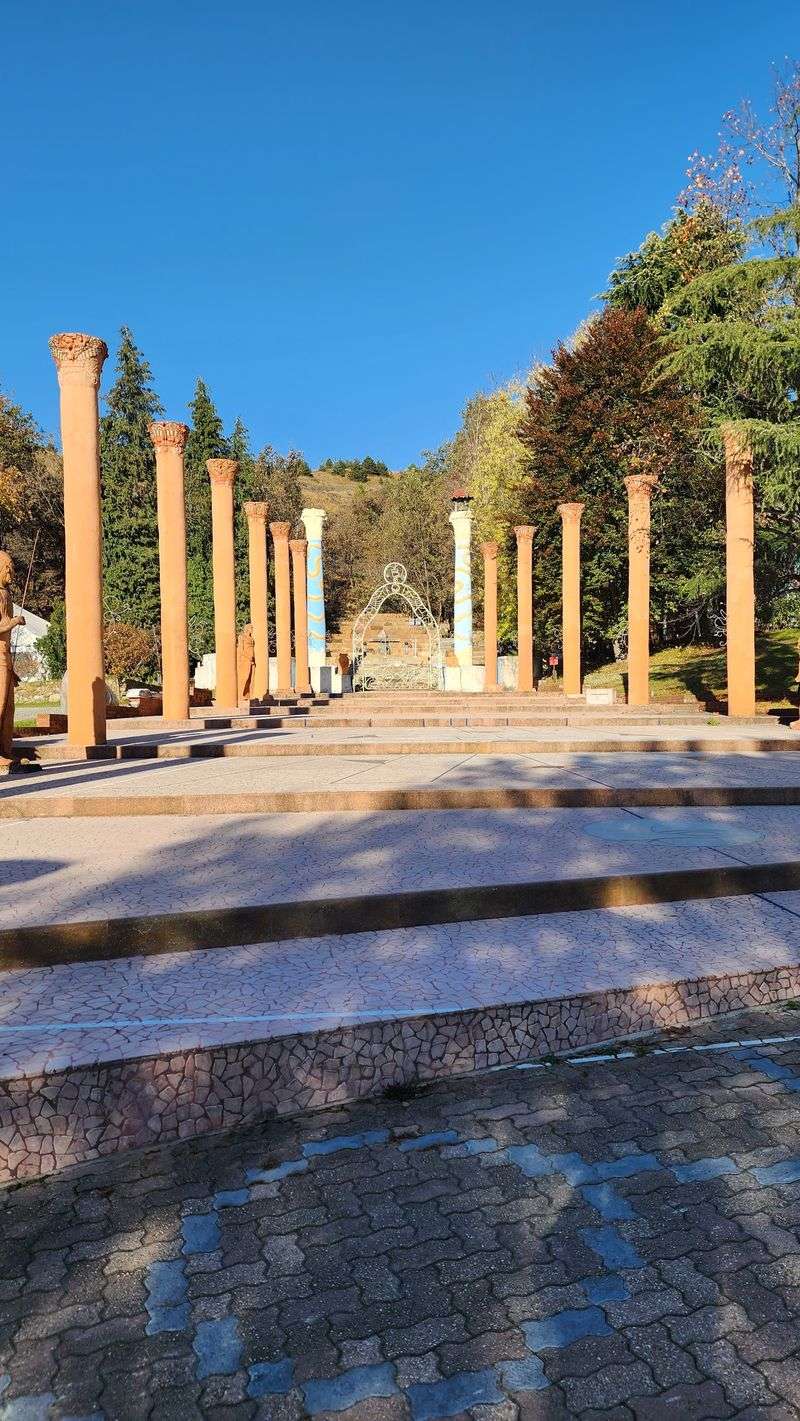
Outside the temples, the land has its own pull. The sacred forest is a favorite topic among visitors.
Stone spirals mark the paths, and walking them is part of the experience.
One traveler named walking the spirals and circuits as a favorite moment. Another described sacred woods and the music of plants.
Yes, plants. Devices connected to them turn electrical signals into sound.
That detail makes the forest feel like a living instrument. It’s a gentle reminder that the community treats nature as part of its story.
A visitor even said the people honor plants and stars alike.
The outside campus is also where photos are allowed. That makes the forest a good place to capture your trip.
Take a slow lap and enjoy the quiet.
Wear shoes that handle uneven ground. Hills are part of the landscape here.
A calm pace suits the mood anyway.
Courses and Workshops for the Curious
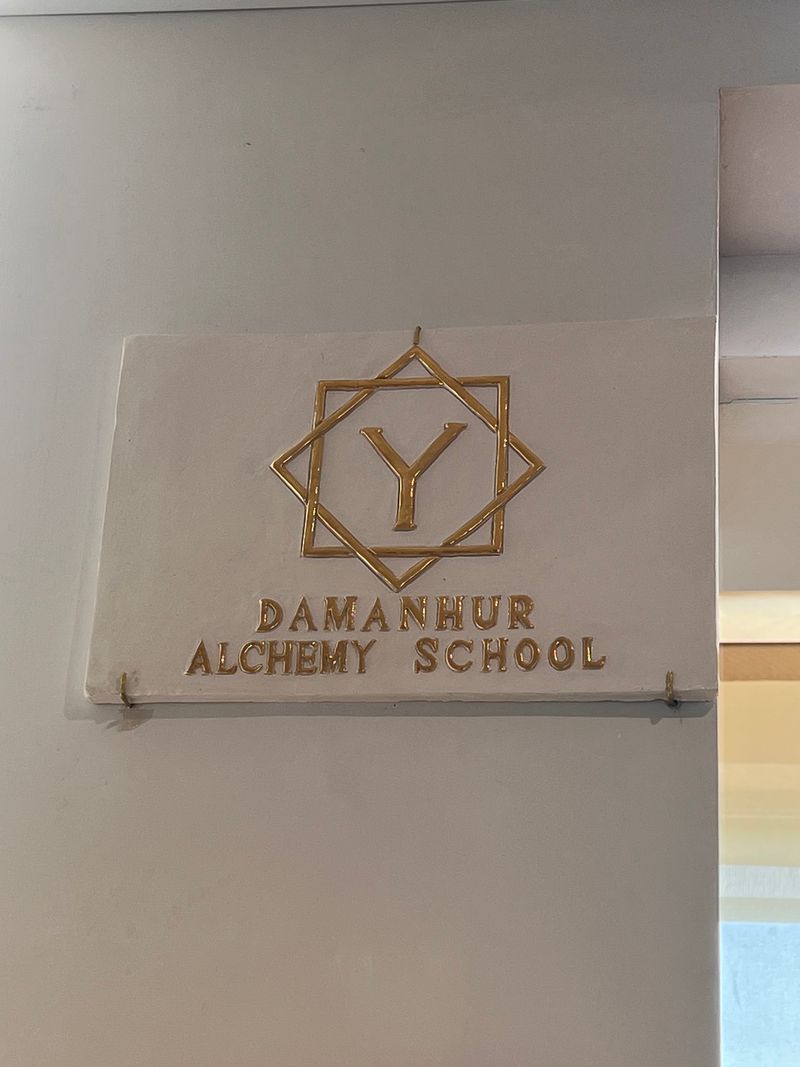
Some people come for a tour and end up wanting more. Damanhur offers courses and workshops, and visitors have mentioned classes on connecting with inner senses.
Others pointed to art and creativity sessions.
One traveler who took a spiritual physics class had mixed feelings about it. They said the teacher tried hard to explain what Damanhurians believe.
That kind of honesty is useful if you want to set realistic expectations.
Open-mindedness seems to help. A visitor who joined the full program said it was an excellent learning experience because they approached it with an open mind.
Curiosity goes a long way here.
Extended visits exist for those who want to understand the what, why, and how of the whole project. Look at the current course list before planning a trip.
Schedules and topics can change.
Pick a class that matches your interests, whether that’s art, meditation, or community living. You can leave with new ideas, even if you don’t agree with all of them.
A Night Above the Temples
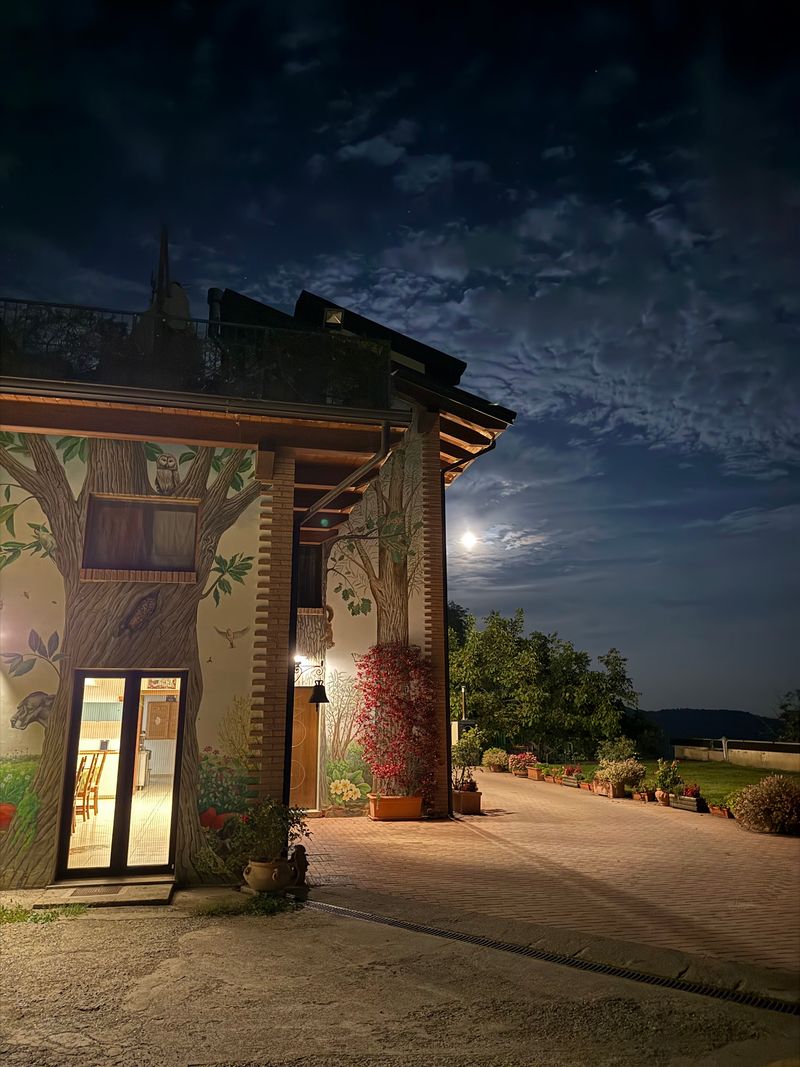
Want to sleep close to the story? Visitors have stayed in the on-site bed and breakfast.
One guest said it has only five rooms and called the stay worthwhile.
Another traveler stayed directly above the temple. Rooms feature painted symbols, which can feel mysterious if you arrive at night.
That visitor said it all made sense once they learned what the place was about.
Mountain rooms come with trade-offs. The community replied to a guest about moisture in one room built into the mountain, and said it was closing that room while it works on a lasting fix.
Ask about current room availability when you book.
Meals are another part of the stay. One guest mentioned a grocery store at the community’s office and a restaurant in town.
They also said basic Italian helps there, so pack a few phrases.
A short stay lets you slow down and absorb the surroundings. Mornings in the hills sound lovely.
Shops, Gadgets, and a Bookshop Stop
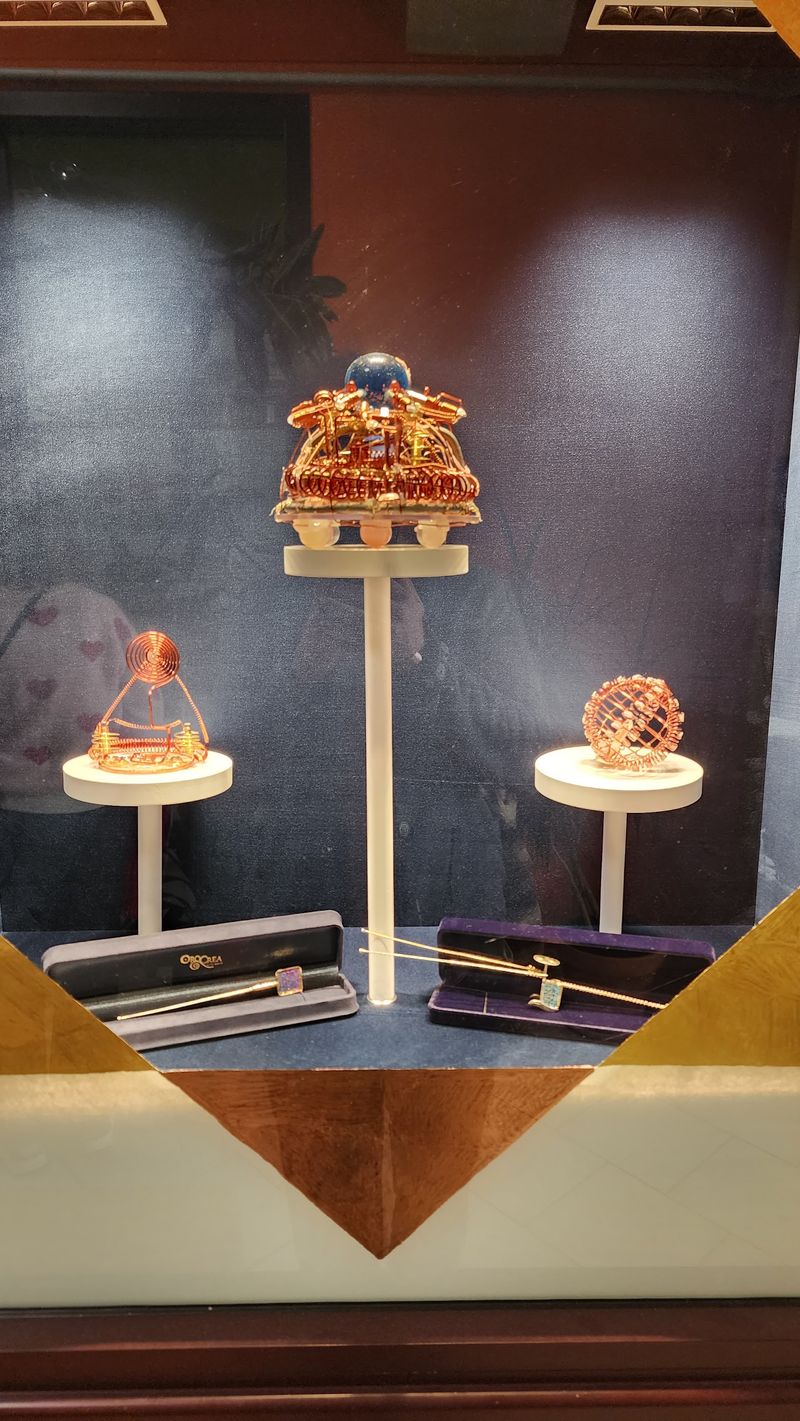
Before you leave, browse the shops. Visitors have spotted interesting gadgets and what they called spiritual technology on the shelves.
One traveler also mentioned coiled copper devices designed for healing.
An earlier visitor noted a restaurant and a bookshop in the visitor center. Offerings can change over time, so treat that as a clue and not a promise.
Check what’s open on the day you go.
Books are a smart pick if you want to learn more after the tour. They can explain the symbols and ideas you met in the temples.
Reading later helps the details click.
Art is another thing to look for. The community is known for creative projects, and one visitor called it the most remarkable contemporary community art project they had seen.
That’s high praise for a mountain village.
Leave a little time at the end of your visit. Browsing slowly is better than rushing to a train.
Bring home something small that reminds you of the colors inside the mountain.
Plan Your Visit Like a Smart Traveler
A little planning makes the day smoother. Book your tour ahead through the official site, as one visitor learned after showing up a day early.
Staff were helpful, but advance booking is the safer route.
Hours currently run Tuesday through Saturday from 9:30 am to 1 pm and 3 to 6 pm. Sunday and Monday open from 3 to 6 pm.
Hours can shift, so confirm before traveling.
Dress comfortably and plan for walking. Bring a small bag, since you won’t need your camera inside the temples.
Keep your phone handy for the outside campus.
Language helps too. Guides lead tours, but one traveler said a restaurant in town needed basic Italian.
A few simple phrases can brighten the trip.
The place is open to all and is not tied to any one religion, as one visitor pointed out. Come with questions and an open mind.
That mix tends to make the best memories.
Share this story