Governments have long understood that fear is one of the most powerful tools for changing what people do. From wartime posters warning citizens to watch their words, to television ads showing the consequences of reckless driving, official campaigns have repeatedly tapped into public anxiety to push specific behaviors. Some of these efforts genuinely protected lives, while others crossed into manipulation and control. Across different decades, political systems, and continents, the pattern is surprisingly consistent: identify a threat, amplify the danger, and tell people exactly what to do about it.
The cases explored here span authoritarian regimes and democratic governments alike, covering everything from nuclear preparedness drills in American schools to public shaming campaigns in Southeast Asia. Each one reveals something honest and sometimes uncomfortable about how those in power communicate with the people they govern.
1. Nazi Germany’s Anti-Jewish Propaganda (1933–1945)
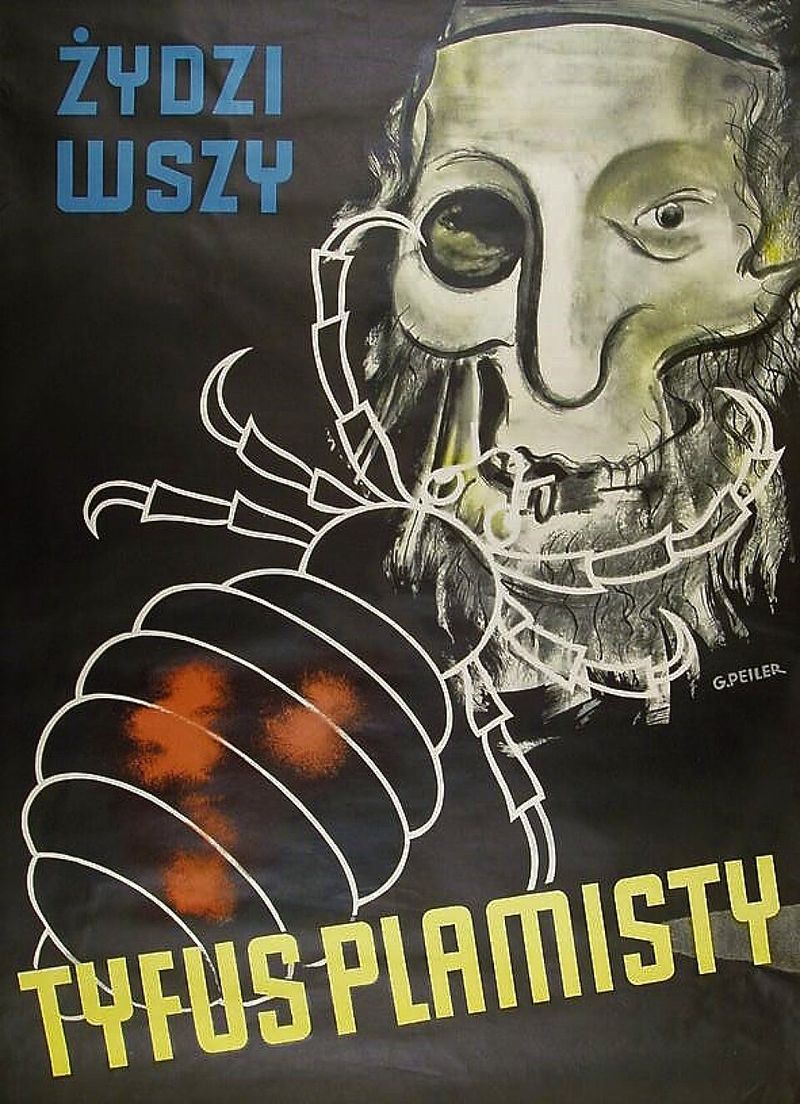
Joseph Goebbels ran the Reich Ministry of Public Enlightenment and Propaganda with extraordinary precision, mobilizing every available media channel to reshape how ordinary Germans thought about their Jewish neighbors.
Films, newspapers, radio broadcasts, and school textbooks were all redirected to spread antisemitic stereotypes, portraying Jewish people as dangerous enemies of the German nation. Children’s books carried the same messages, ensuring the ideology reached the youngest citizens.
Public rallies reinforced this narrative at a massive scale, creating a social environment where hostility toward Jewish communities became normalized. The 1935 Nuremberg Laws then codified these attitudes into official policy, stripping Jewish citizens of their legal rights and barring them from professions, public life, and civic participation.
Organized boycotts targeted Jewish businesses, and property was eventually confiscated. This systematic propaganda campaign built the psychological conditions that enabled discrimination to escalate steadily over twelve years.
2. The Red Scare and McCarthy Era (1947–1957)
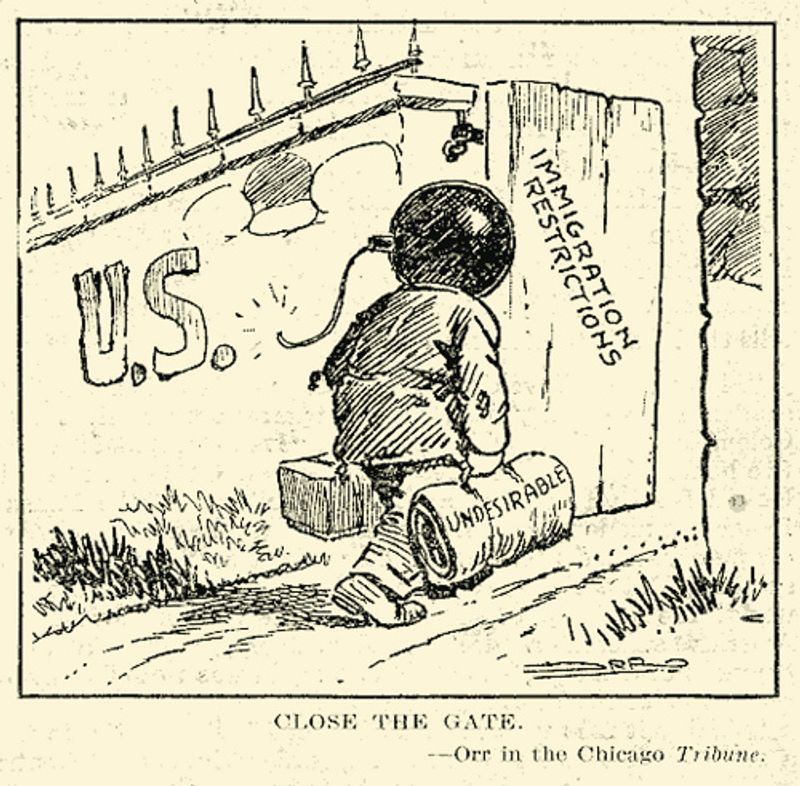
Senator Joseph McCarthy of Wisconsin turned the word “communist” into one of the most feared labels in postwar America, and he did it largely without needing solid evidence.
The House Un-American Activities Committee held televised hearings targeting Hollywood writers, directors, and actors, while the FBI under J. Edgar Hoover produced propaganda films depicting espionage as a constant domestic threat. The McCarran Act of 1950 required suspected communist organizations to register with the federal government, and the 1954 Communist Control Act effectively criminalized party membership.
Loyalty oaths became standard requirements across universities, government agencies, and even some state licensing offices. An estimated 12,000 people lost their jobs based on unverified accusations.
The lasting result was a culture of self-censorship, where open disagreement with government positions felt genuinely risky. Public conformity became the safer option for millions of ordinary Americans navigating a deeply suspicious decade.
3. Careless Talk Costs Lives Campaign (1940–1945)
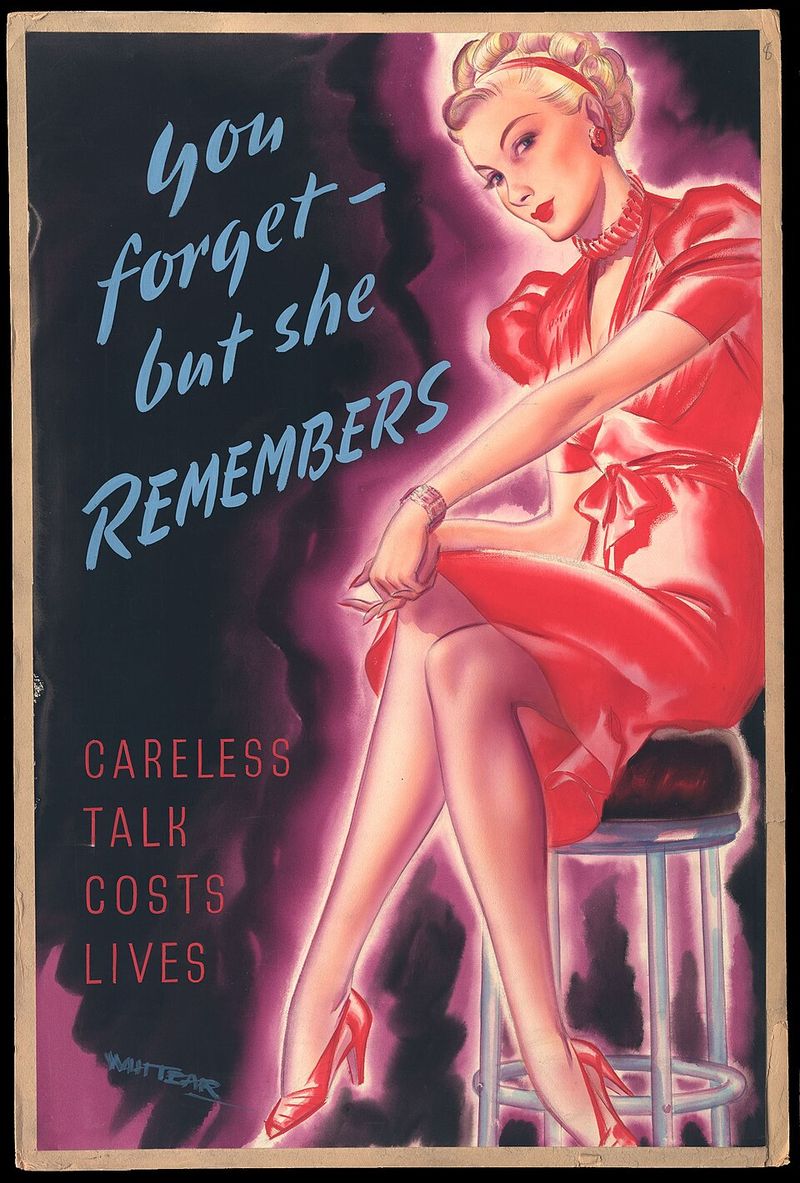
Cartoonist Cyril Bird, working under the pen name Fougasse, created some of the most recognizable posters of World War II, and his work for Britain’s Ministry of Information became cultural shorthand for wartime vigilance.
The “Careless Talk Costs Lives” campaign launched in 1940 with a clear purpose: stop ordinary citizens from casually sharing information that enemy agents might overhear. Posters depicted caricatures of Hitler lurking behind restaurant booths, hiding under telephone boxes, and crouching beneath train seats, all listening intently to unsuspecting conversations.
Slogans like “Keep Mum, She’s Not So Dumb” and imagery of torpedoes with ears reinforced the idea that any public space could be compromised. The campaign tapped directly into existing anxieties about espionage to shift everyday social behavior.
Its slogans entered common British speech and its visual style remained recognizable for decades, making it one of the most enduring examples of wartime public communication ever produced.
4. The Soviet Great Purge and State Terror (1936–1938)
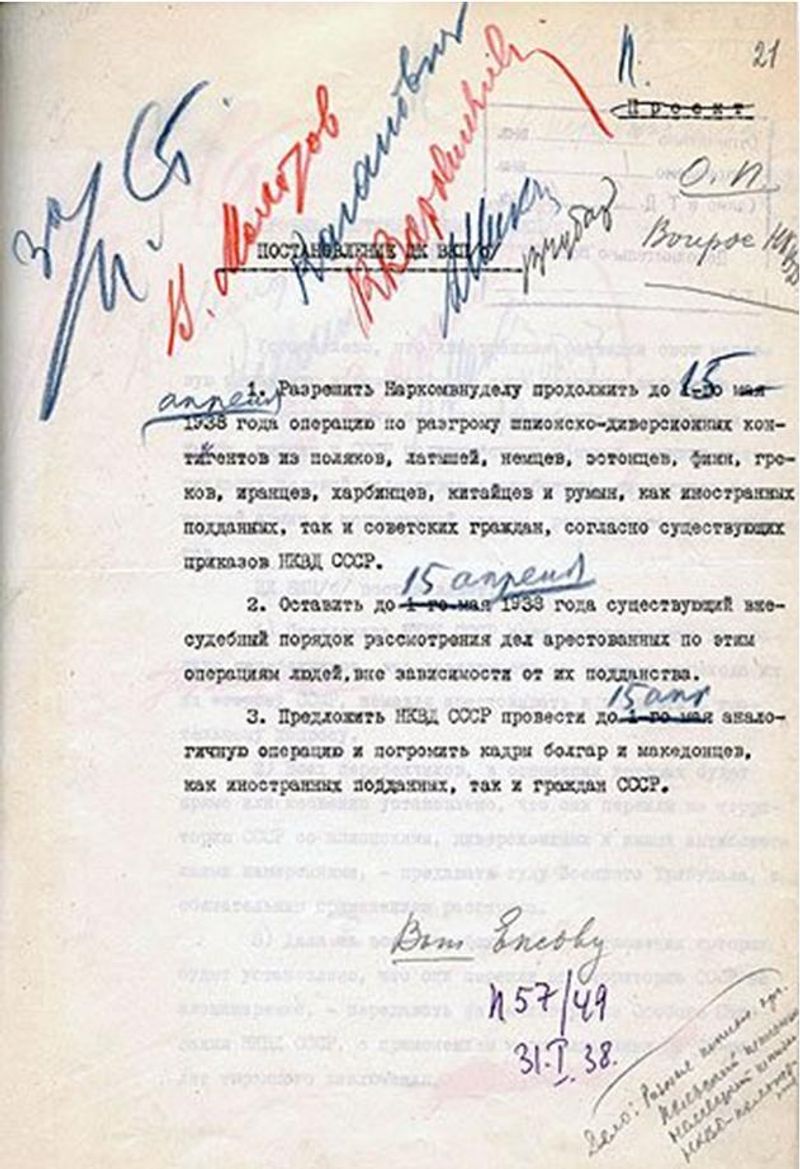
Between 1936 and 1938, the Soviet Union operated under a system where being accused was nearly as consequential as being convicted, and accusations could come from anyone, including family members.
Stalin’s NKVD ran mass surveillance operations, fabricated cases against perceived rivals, and encouraged citizens to report suspicious neighbors. The propaganda story of Pavlik Morozov, a boy who reportedly informed on his own parents, was widely promoted in schools as an example of correct loyalty to the state over family bonds.
All media, education, and artistic output were required to conform to Socialist Realism, presenting an idealized version of Soviet life with no room for dissent or ambiguity. Public self-criticism sessions pressured individuals to confess ideological failures before their communities.
The combined effect was widespread self-censorship and deep interpersonal mistrust. People carefully monitored their own speech in public and private, aware that a single overheard comment could trigger an investigation with severe consequences.
5. Duck and Cover Nuclear Preparedness Campaigns (1950s)
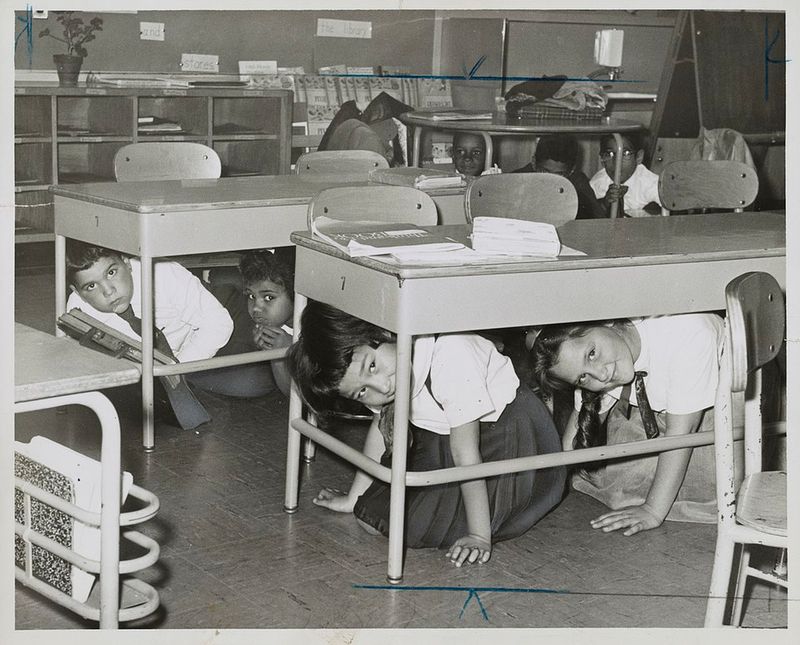
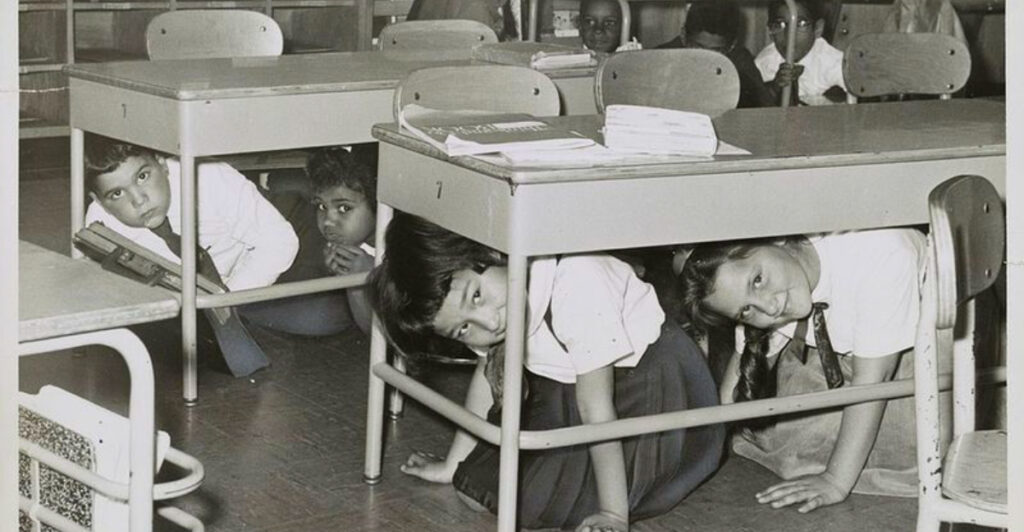
Bert the Turtle had one job: teach American schoolchildren to drop everything and hide the moment they saw a blinding flash of light. The 1951 animated film “Duck and Cover” became required viewing in classrooms across the country.
Produced under the Federal Civil Defense Administration, the film presented nuclear shockwaves as survivable hazards, comparable to a powerful windstorm, and thermal effects as a severe sunburn. Students practiced diving under desks and covering their heads with their arms during regular air-raid drills that became a fixed part of the school week.
Pamphlets, radio programs, and comic books extended the messaging beyond school walls, encouraging families to build backyard fallout shelters stocked with food and medical supplies. Some cities issued identification bracelets to schoolchildren.
Whether the drills offered genuine protection was debated even at the time, but they successfully embedded a constant awareness of nuclear threat into an entire generation’s daily routine.
6. China’s Cultural Revolution (1966–1976)
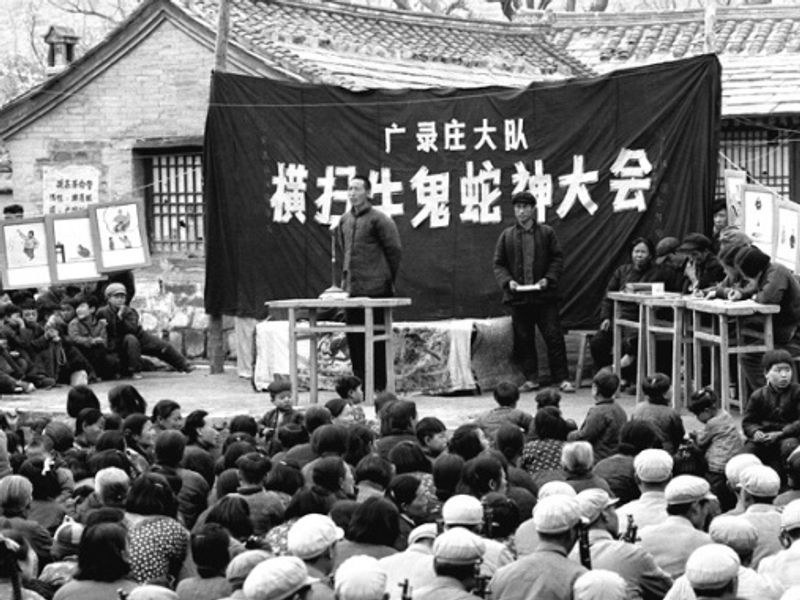
Mao Zedong launched the Cultural Revolution in 1966 with a directive to eliminate what he called the “Four Olds”: old ideas, old culture, old customs, and old habits. The result was a decade of enforced ideological conformity enforced by millions of mobilized young people.
The Red Guards, composed mainly of university and high school students, were authorized to target intellectuals, senior officials, and anyone labeled a “counter-revolutionary.” Public struggle sessions became a regular feature of social life, where accused individuals faced humiliation, forced self-criticism, and sometimes physical harm from crowds.
Mao’s “Little Red Book” was carried by virtually everyone as a visible demonstration of loyalty. Schools and universities closed as students redirected their energy toward revolutionary activities, effectively dismantling the country’s educational infrastructure for years.
The constant threat of denunciation reshaped social relationships entirely, as colleagues, neighbors, and even relatives became potential informants in a system that rewarded ideological purity above personal ties.
7. The War on Drugs and Just Say No Campaign (1980s)
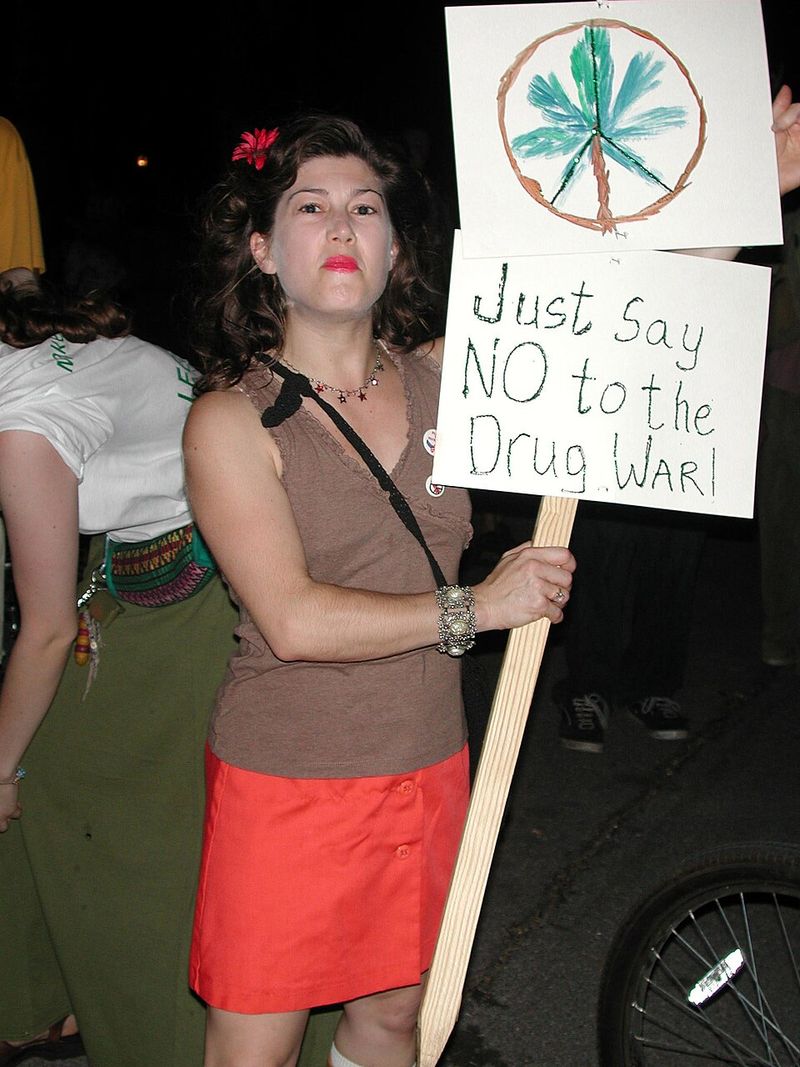
Nancy Reagan’s “Just Say No” campaign launched in 1982 with a message simple enough for a child to memorize and repeat, which was precisely the point.
The Reagan administration framed drug use as a direct attack on American values, and the public education apparatus responded accordingly. Television PSAs featuring celebrities and cartoon characters ran constantly, while D.A.R.E. programs placed law enforcement officers inside elementary school classrooms. The “This Is Your Brain on Drugs” advertisement became one of the most recognized public health images of the decade.
The 1986 Anti-Drug Abuse Act backed the messaging with mandatory minimum sentencing, significantly expanding the criminal justice response to drug offenses. Surveys from the period showed a measurable increase in the number of teenagers who expressed fear of drug use and believed it would harm their performance.
Critics later argued the campaign oversimplified addiction and stigmatized users rather than addressing the underlying health and social conditions that made substance use a persistent public challenge.
8. Singapore’s Anti-Littering and Cleanliness Campaigns (1960s–Present)

When Lee Kuan Yew launched the “Keep Singapore Clean” campaign in 1968, the goal was not just tidier sidewalks. Cleanliness was tied directly to the country’s international credibility and economic ambitions.
The strategy combined public education, infrastructure investment, and strict legal enforcement in ways that most countries had never attempted at scale. First-time litterbugs faced significant fines, while repeat offenders were assigned Corrective Work Orders requiring them to clean public spaces while wearing bright, highly visible vests that identified them as offenders. This public shaming element was deliberately designed to leverage cultural values around personal reputation.
Surveillance cameras were installed in known littering hotspots, and public health inspectors conducted regular patrols. Schools integrated environmental responsibility into the standard curriculum from an early age.
By the 1990s, Singapore had consolidated these efforts under “Clean and Green Week,” expanding the focus to broader environmental habits. The result is a city-state whose cleanliness is now considered one of its defining national characteristics.
9. Don’t Die of Ignorance AIDS Campaign (1987)
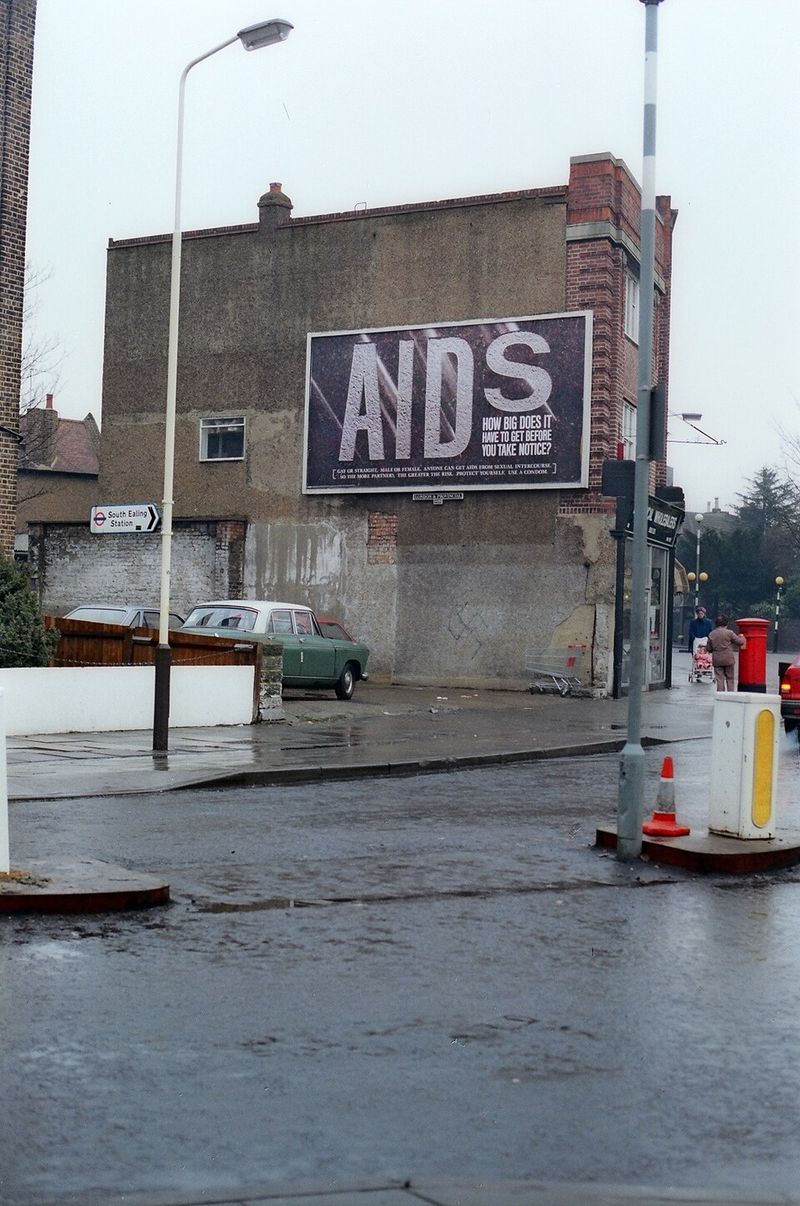
In early 1987, every household in the United Kingdom received a government leaflet about AIDS, an unprecedented act of direct public health communication that signaled just how seriously officials were treating the epidemic.
The campaign, titled “AIDS: Don’t Die of Ignorance,” ran across television, radio, and print simultaneously. The television adverts used stark imagery, including a crumbling tombstone and melting icebergs, paired with a sombre voiceover warning that AIDS did not discriminate. Posters stated plainly that the virus could affect anyone, regardless of who they were.
Alongside the fear-based visuals, the campaign provided concrete prevention guidance: safer sexual practices, condom use, and needle safety for intravenous drug users. It also actively corrected myths, clarifying that HIV could not spread through handshakes or shared utensils.
Polls conducted after the campaign showed that a large majority of British adults correctly understood the primary transmission routes. The UK recorded comparatively lower infection rates than several other nations during the same period, a result partly attributed to this early, wide-reaching intervention.
10. Cold War Civil Defense Campaigns (1950s–1960s)

The Federal Civil Defense Administration, established by President Truman in 1950, had an unusual assignment: convince millions of Americans to prepare for nuclear war without triggering mass panic in the process.
The agency distributed pamphlets like “You and the Atomic Bomb” that provided step-by-step guidance on building and stocking home fallout shelters. Families were advised to keep at least two weeks of food, water, and medical supplies underground. Air raid sirens were tested regularly in cities across the country, and emergency broadcast systems were developed to deliver official instructions during a crisis.
Beyond the shelter-building guidance, the government promoted school drills and public evacuation plans, integrating civil defense into the rhythms of ordinary community life. In some cities, children received identification bracelets in case they became separated from their families during an emergency.
The campaigns successfully normalized a state of chronic preparedness, making nuclear readiness a standard expectation of responsible citizenship throughout the entire decade.
11. COVID-19 Emergency Public Health Messaging (2020–2022)

When COVID-19 spread globally in early 2020, governments faced the challenge of convincing large populations to change deeply ingrained daily behaviors almost overnight.
Public health officials collaborated with behavioral scientists to craft messaging that emphasized both personal risk and collective responsibility. Research conducted during the pandemic found that a functional level of fear about the virus was a reliable predictor of compliance with social distancing, mask-wearing, and hand hygiene guidelines. Campaigns were designed to communicate the severity of infection and individual susceptibility while also offering clear, actionable steps people could take to reduce their risk.
As vaccines became available, fear-based appeals were incorporated into vaccination campaigns, with studies showing a positive link between concern about the virus and willingness to get vaccinated. Governments used television, social media, and outdoor advertising to sustain the messaging across two years of evolving guidance.
The period also exposed the limits of fear as a communication tool, as conflicting information, shifting policies, and declining institutional trust complicated public responses in many countries.
12. The Philippine Anti-Drug Campaign (2016–2022)
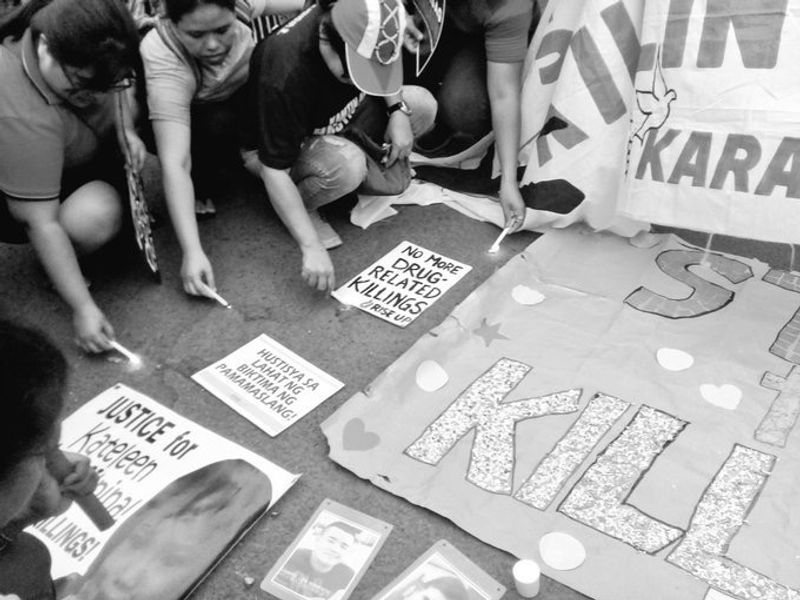
Rodrigo Duterte ran for the Philippine presidency in 2016 on a single dominant message: the country was on the verge of becoming a narco-state, and only aggressive action could stop it.
Once in office, his administration launched “Oplan Tokhang,” a police initiative in which officers visited homes to pressure suspected drug users and pushers to surrender voluntarily. Duterte’s public statements frequently urged direct citizen action against drug offenders, contributing to an atmosphere of widespread anxiety. A 2016 Social Weather Stations survey found that a significant majority of Filipinos expressed fear of being implicated in the campaign, regardless of their personal involvement.
Public shaming was used as a deliberate deterrent. Suspected users were sometimes paraded in public wearing shirts with printed confessions, a tactic designed to stigmatize drug involvement through social disapproval. Religious leaders occasionally reinforced the government’s framing, portraying substance use as moral failure.
The campaign prompted large numbers of surrenders in its early phase, though researchers noted that fear-driven compliance often diminished over time once the initial intensity of enforcement pressure subsided.
13. North Korea’s State Propaganda System (1948–Present)
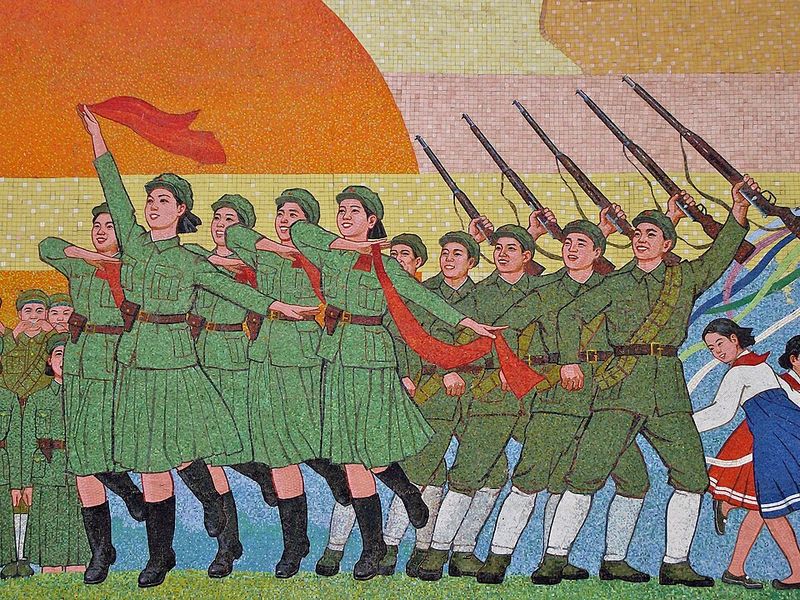
Since 1948, North Korea has operated what may be the most comprehensive state propaganda system in the world, one designed not just to inform but to define the boundaries of thinkable thought for its entire population.
The state’s propaganda and agitation department controls all television, radio, newspapers, and books, aligning every channel with Juche ideology and the veneration of the Kim family. Accessing foreign media is treated as a serious transgression, and radios are periodically checked to ensure they remain tuned to state frequencies. An extensive network of civilian informants monitors neighborhoods and workplaces, reporting any behavior that appears ideologically inconsistent.
Indoctrination begins in early childhood, with school curricula built around loyalty to the ruling family and unflattering portrayals of South Korea and the United States. Mandatory political meetings and self-criticism sessions require citizens to publicly affirm their alignment with state values.
The result is a society where public conformity is near-universal, not because everyone agrees, but because the consequences of visible dissent are severe enough to make compliance the only practical option.
Share this story