Before the roaring twenties redefined everything, Europe had its own golden chapter. The Belle Époque, roughly spanning the 1870s to 1914, was a period when cities competed to outshine each other with grand architecture, fashionable public spaces, and cultural institutions built to impress. Grand hotels rose beside mineral springs, covered arcades filled with well-dressed shoppers, and coffeehouse culture turned an afternoon into an art form. The cities that embraced this era most enthusiastically left behind a remarkable legacy that is still very much alive today.
Ornate facades, gilded interiors, historic theaters, and colonnaded promenades did not simply survive the past century, they remained in active use, welcoming visitors who want more than a postcard version of the past. This list covers twelve European cities where the Belle Époque is not just a memory preserved in a museum case but a living part of the urban fabric that any curious traveler can experience firsthand.
1. Vienna, Austria
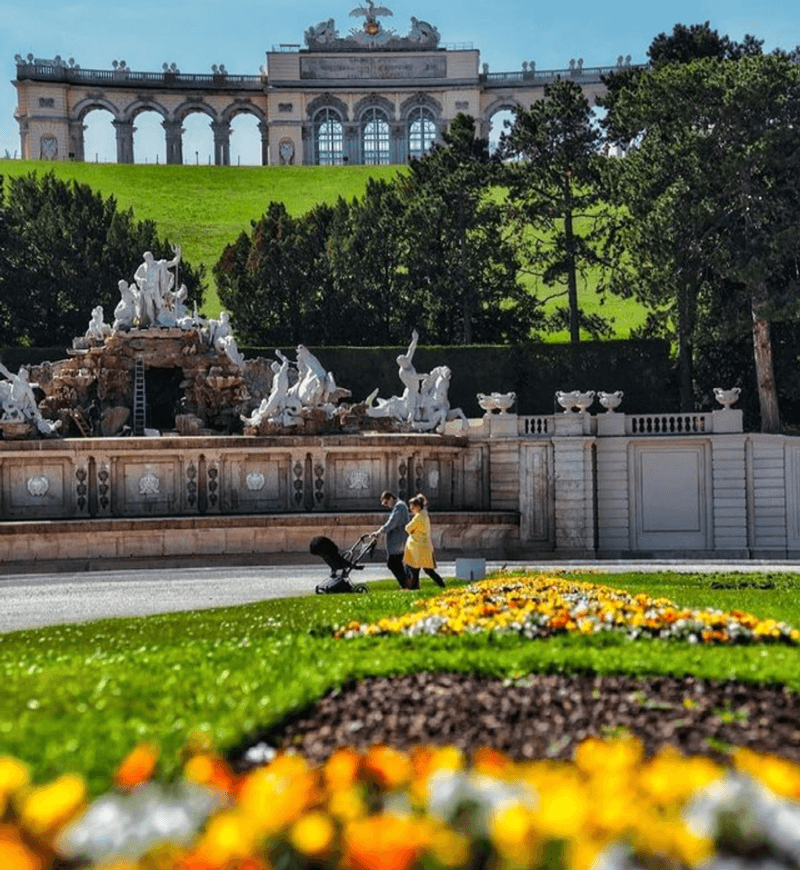
Few cities on earth have made sitting down for coffee feel like a civic duty, and Vienna is the reason why. The Ringstrasse, completed during the second half of the 19th century, remains one of the most ambitious urban planning projects of the Belle Époque, lined with Neo-Gothic, Neo-Renaissance, and Neo-Baroque buildings that house parliaments, theaters, and museums.
Café Sperl, open since 1880, and Café Landtmann, established in 1873, both preserve their original interiors almost entirely intact, with marble tables, bentwood chairs, and wooden newspaper holders that have not changed in over a century.
The Musikverein, home to the Vienna Philharmonic, continues to host concerts in the same hall where audiences gathered in formal dress during the height of the imperial era. A single afternoon in Vienna makes it genuinely easy to understand why this city became the cultural heartbeat of an entire continent.
2. Paris, France
Paris did not simply participate in the Belle Époque, it practically invented the rulebook. Baron Haussmann’s mid-19th century redesign of the city created the wide, tree-lined boulevards and harmonious stone facades that gave Paris its reputation as the world’s most photogenic capital.
The Grand Palais, built for the 1900 Universal Exhibition, remains one of the era’s most impressive surviving structures, with its enormous glass-and-iron roof covering a space large enough to fit an entire city block. Galeries Lafayette Paris Haussmann, opened in the late 19th century, features an Art Nouveau dome completed in 1912, with stained glass by Jacques Gruber and ironwork by Louis Majorelle.
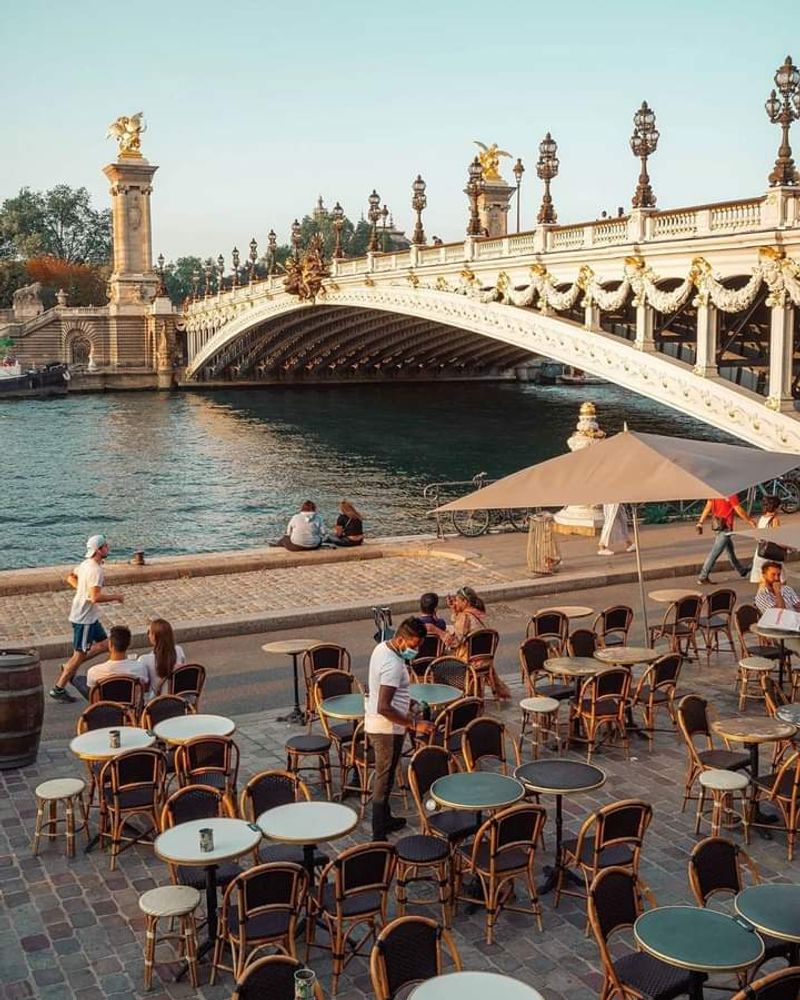
The ornate bridges crossing the Seine, particularly Pont Alexandre III with its gilded sculptures and elaborate lampposts, round out a city center that still functions as an open-air showcase of turn-of-the-century ambition and style. Central Paris rewards even a short visit with constant reminders of just how seriously this era took beauty.
3. Brussels, Belgium
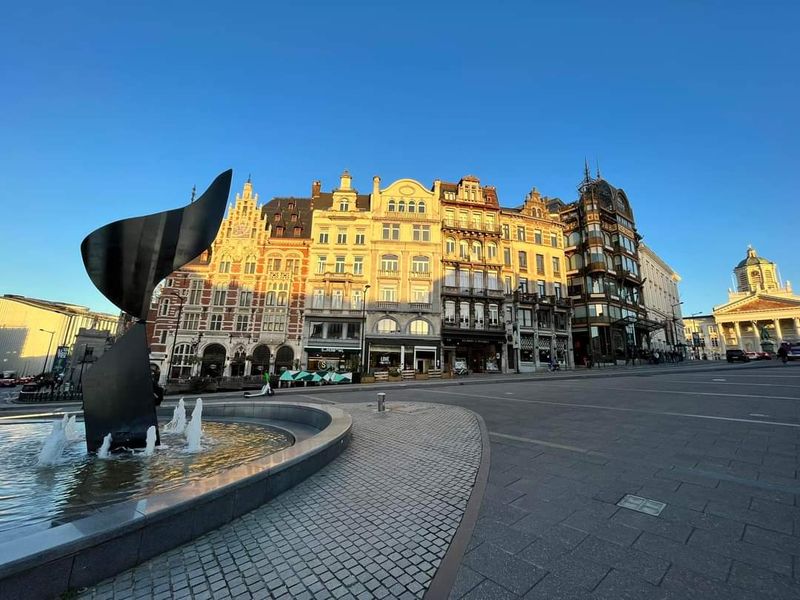
Brussels made Art Nouveau a neighborhood-wide movement rather than an architectural novelty, and the evidence is still everywhere. The Horta Museum, housed in architect Victor Horta’s former home and studio built between 1898 and 1901, is a UNESCO World Heritage site that shows exactly how radical this style was in practice.
Curving staircases, custom-designed furniture, stained glass, and intricate mosaics were not decorative additions but structural choices that turned every room into a unified artistic statement. The surrounding districts of Saint-Gilles and Ixelles extend the lesson considerably, offering street after street of residential buildings decorated with iron balconies, sculpted floral stonework, and imaginative plasterwork.
Architects Paul Hankar and Henry Van de Velde contributed significantly to this urban gallery, and their buildings remain in everyday use as homes and businesses. Visiting Brussels with an eye for facades turns an ordinary afternoon walk into one of the most rewarding architectural experiences available anywhere in Europe.
4. Prague, Czech Republic
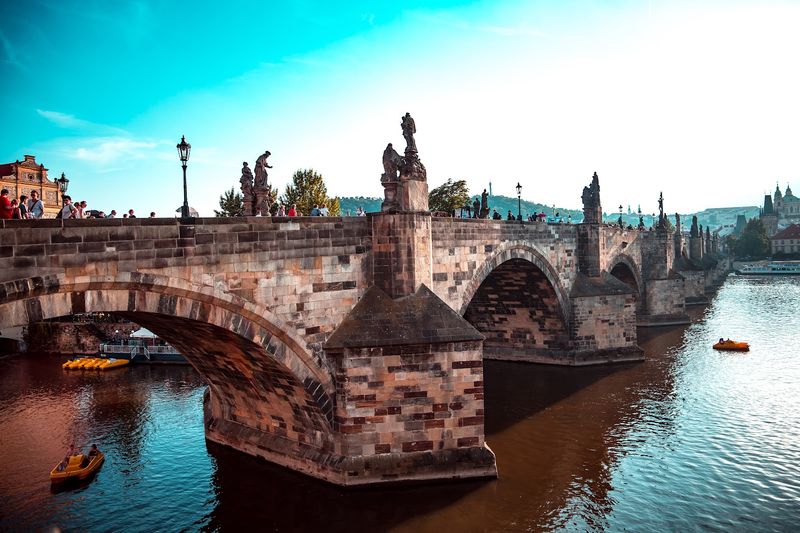
Completed in 1912, Prague’s Municipal House arrived at a moment when Czech cultural identity was asserting itself with considerable confidence and ambition. The building was conceived as a civic monument and cultural center, and its interiors reflect that mission through contributions from the most celebrated Czech artists of the period.
Alfons Mucha, whose decorative work defined an entire visual era, created panels and murals for several rooms within the building, making a visit here feel like walking through one of his famous poster designs at full architectural scale. Smetana Hall, the main concert venue, features vibrant ornamentation and a scale that still impresses audiences attending performances today.
The building also houses restaurants, a traditional café, decorated salons, and an American bar, all finished with period-accurate details that make each space feel distinct. Guided tours provide context and history, but attending an actual concert here remains the most direct way to experience the Municipal House as it was originally intended to be used.
5. Budapest, Hungary
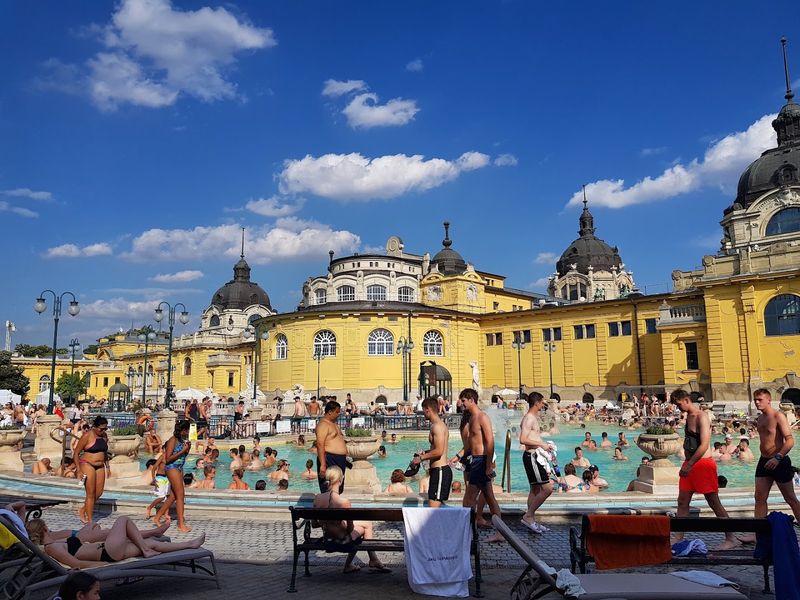
Budapest spent the decades surrounding the Belle Époque in a building frenzy that produced some of Central Europe’s most spectacular architecture, and the results are still very much on display along the Danube riverfront. Gresham Palace, completed in 1906, is among the finest Art Nouveau buildings anywhere on the continent, featuring an elaborate facade decorated with Zsolnay ceramics and intricate ironwork.
Now operating as the Four Seasons Hotel, its glass-domed lobby, stained glass windows, and grand staircase were meticulously restored after decades of neglect, giving visitors access to spaces that genuinely look as they did when Budapest was at its most confident. The Széchenyi Thermal Bath, opened in 1913, adds a second theatrical experience entirely, with its Neo-Baroque domed halls, ornamental statues, and large outdoor pools fed by natural thermal springs.
The sight of chess players conducting matches while submerged in warm mineral water, surrounded by century-old architecture, is one of the most distinctly Budapest experiences available anywhere in the city and one that no other European capital can replicate.
6. Riga, Latvia
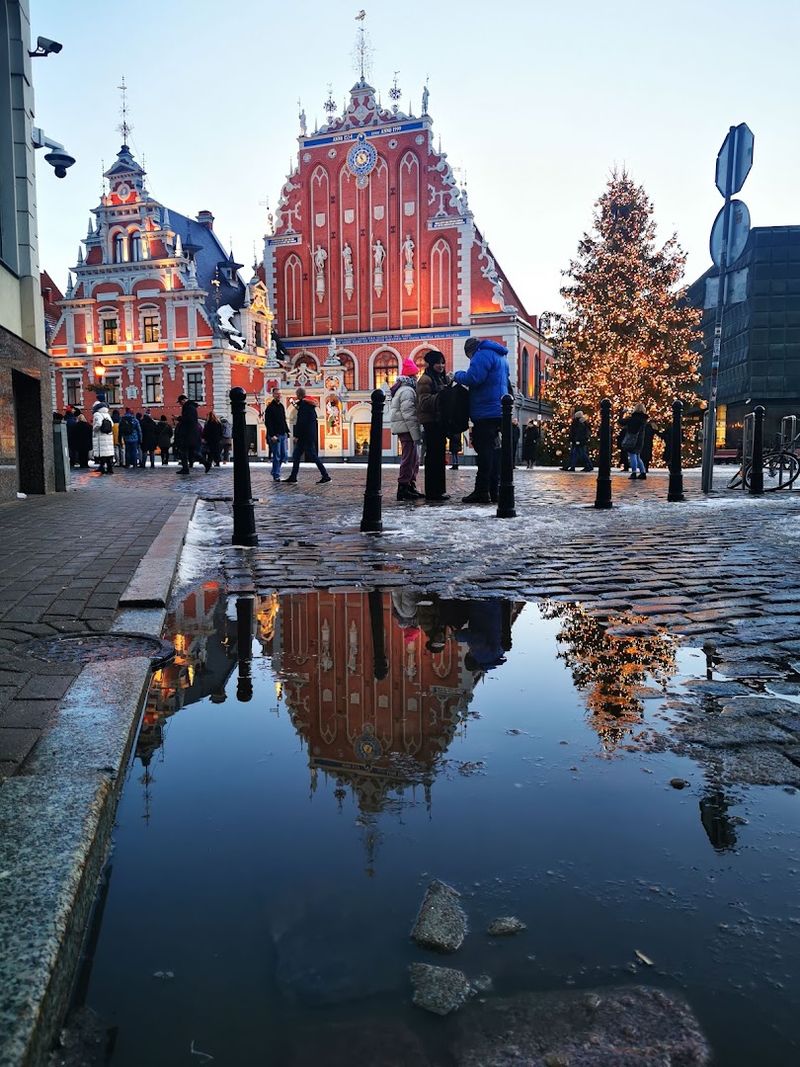
Over 800 buildings constructed in the Art Nouveau style between 1899 and 1914 make Riga’s Quiet Centre one of the most concentrated architectural collections of its kind anywhere in the world. Alberta iela is the street most visitors head for first, largely because architect Mikhail Eisenstein, father of filmmaker Sergei Eisenstein, left behind a series of buildings so visually overwhelming they almost demand a second look.
Numbers 2, 4, 6, 8, and 13 on that street feature sculpted faces, peacocks, mythological figures, and swirling botanical ornamentation in combinations that range from dramatic to genuinely eccentric. Konstantīns Pēkšēns contributed a more restrained but equally elegant approach, sometimes incorporating elements drawn from Latvian folk tradition.
At number 12 Alberta iela, the Riga Art Nouveau Centre occupies a building designed by Pēkšēns and recreates a period apartment with original furniture, clothing, tableware, and domestic objects that show what life looked like behind those extraordinary facades. Riga rewards anyone willing to look upward at nearly every corner.
7. Nancy, France
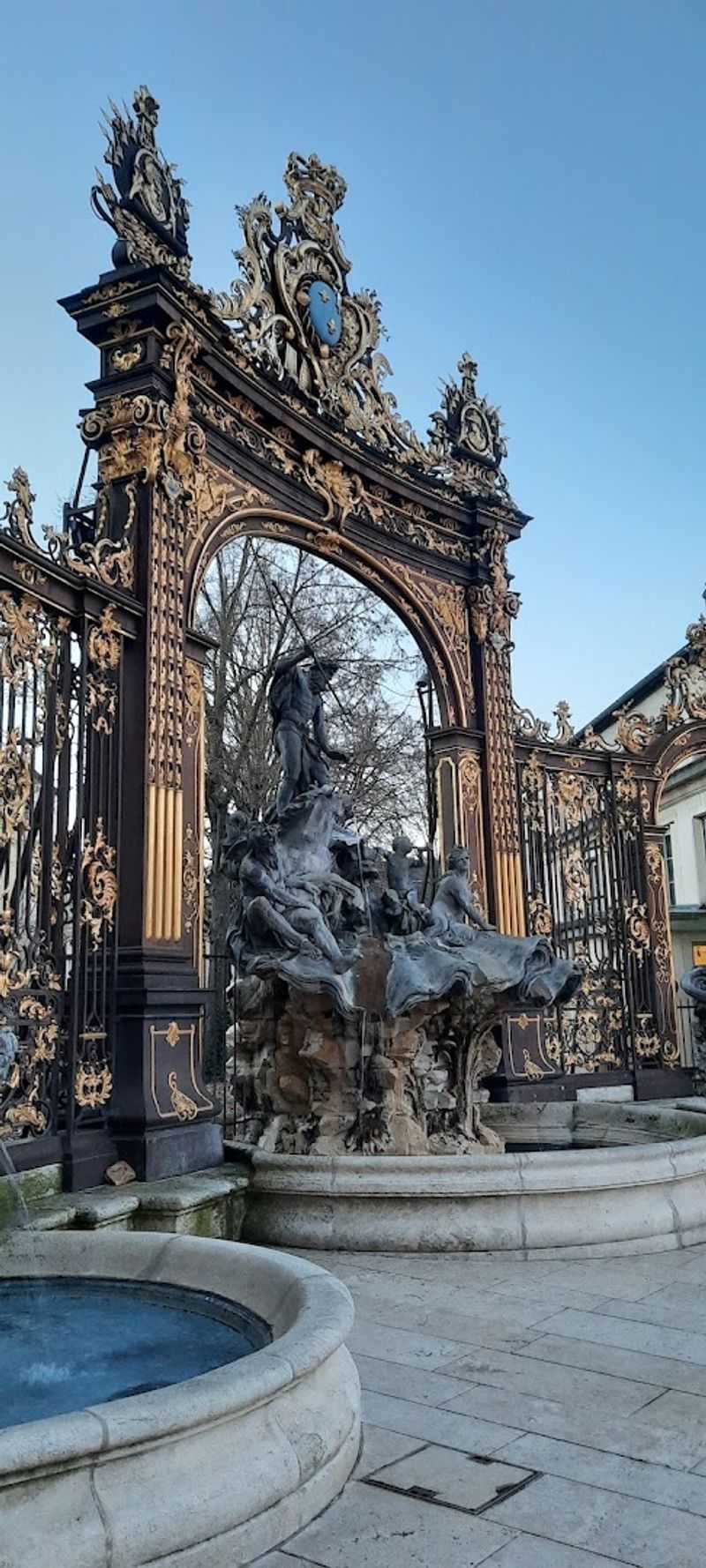
Not every Art Nouveau city followed the same playbook, and Nancy developed its own regional movement with a distinctly craft-focused identity. The École de Nancy placed furniture, glass, and ceramics at the center of its artistic vision, treating applied arts with the same seriousness usually reserved for painting or sculpture.
Villa Majorelle, built between 1901 and 1902 as the private home and working studio of furniture designer Louis Majorelle, brings that philosophy together in a single building. Architect Henri Sauvage designed the structure, while Jacques Gruber contributed stained glass panels, and Majorelle himself oversaw the flowing woodwork and wrought iron details that tie every room to the same organic visual language.
The villa is open to visitors throughout the year, offering a genuinely rare opportunity to see an Art Nouveau interior designed as a complete artistic environment rather than a collection of individual decorative choices. Additional facades scattered across the city make Nancy particularly satisfying to explore on foot, with new details appearing at almost every turn.
8. Karlovy Vary, Czech Republic
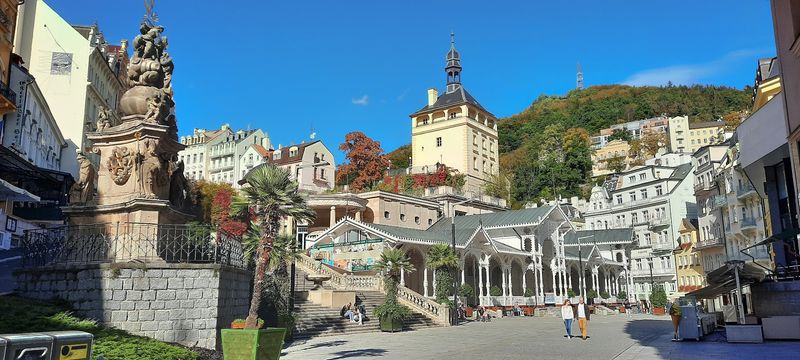
Karlovy Vary looks like someone paused a Belle Époque resort in the middle of its busiest season and simply forgot to restart it. Pastel hotels, graceful colonnades, mineral spring outlets, and hillside villas line the valley of the Teplá River in a setting that attracted aristocrats, composers, and wealthy travelers throughout the late 19th and early 20th centuries.
The ritual of collecting thermal mineral water in special porcelain cups from the town’s various spring outlets has remained largely unchanged for generations, giving visitors an easy way to participate in a tradition that once defined fashionable European spa culture. Grandhotel Pupp, whose Neo-Baroque appearance was established between 1890 and 1907 by Viennese architects Fellner and Helmer, began as a confectioner’s business before expanding into one of the region’s most recognized luxury hotels.
Its ballrooms, dining rooms, and grand public spaces remain in active use, making it possible to stay overnight in a building that has hosted royalty, composers, and celebrities across more than a century of continuous operation.
9. Porto, Portugal
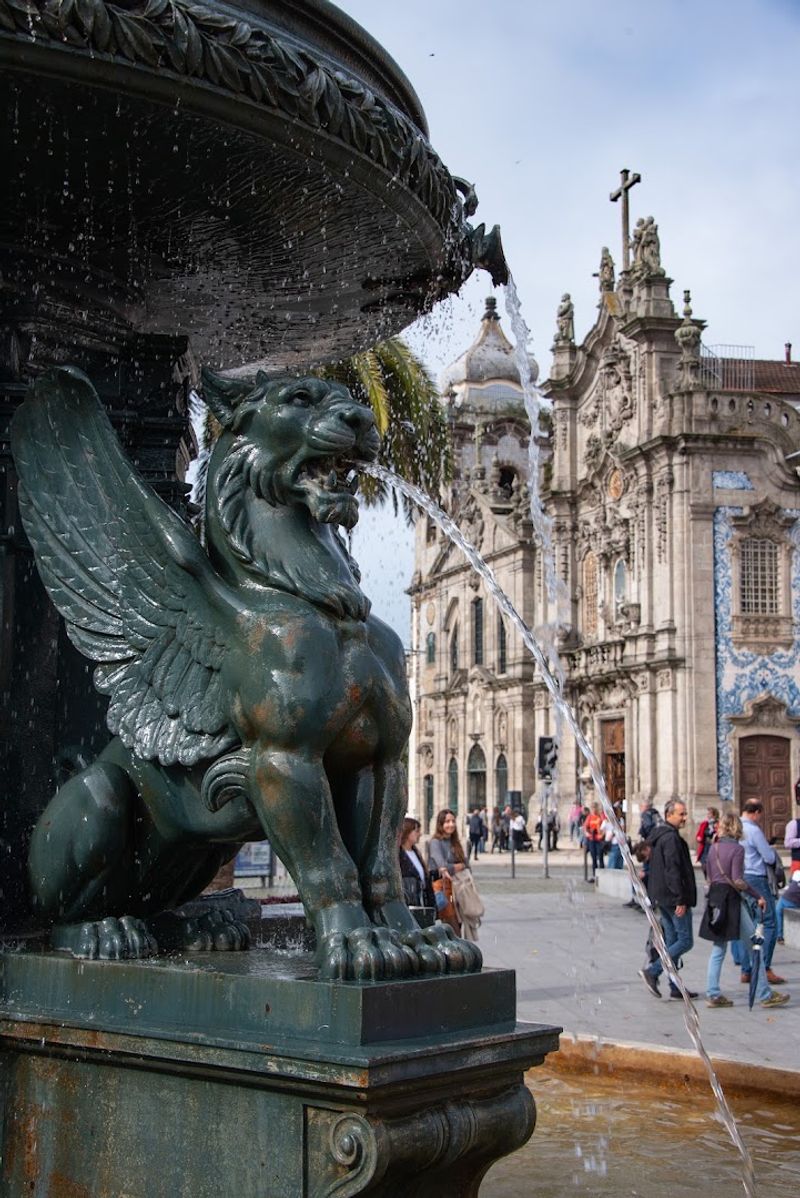
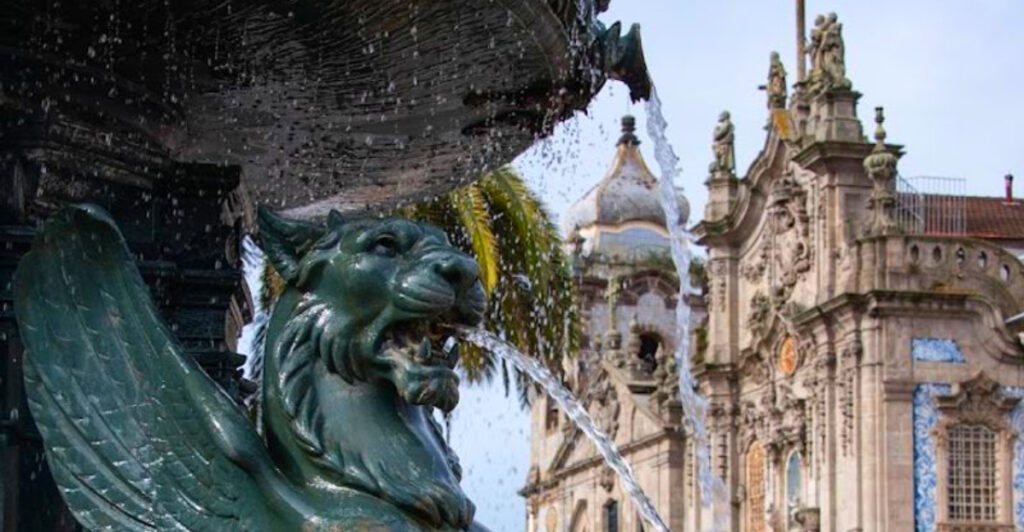
Café Majestic on Rua de Santa Catarina opened in 1921 and immediately became the gathering point for Porto’s writers, poets, and intellectuals, a role it has never fully relinquished. Architect João Queirós designed the interior to echo the fashionable Parisian cafés of the Belle Époque era, and the result is one of the most ornate café interiors in Portugal.
Carved wood paneling, large Flemish mirrors, marble-topped tables, and elaborate plasterwork ceilings cover nearly every surface, creating a space where the decoration itself becomes the main attraction before any order is placed. The facade is equally detailed, with Art Nouveau elements, large windows, and ironwork that stand out even on a street already known for its architectural character.
Porto’s steep streets and tiled building facades provide an unusual and visually striking backdrop for a city with this level of Belle Époque interior design. Visiting Café Majestic is not a simple coffee stop but a genuine encounter with a period of cultural confidence that Porto clearly has no intention of letting go quietly.
10. Turin, Italy
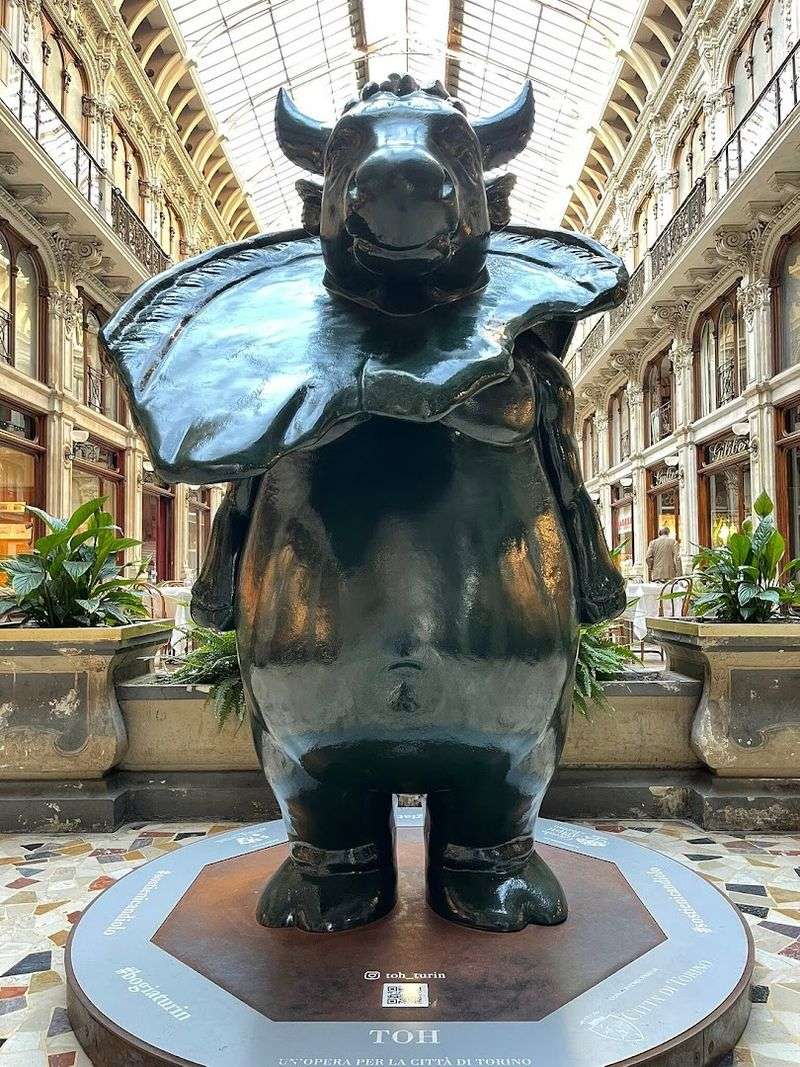
Turin’s most underappreciated architectural feature may be its extraordinary network of covered arcades, which allowed the city’s well-dressed residents to shop, socialize, and conduct business without ever stepping into the open air. The Galleria Subalpina, designed by Pietro Carrera and opened in 1874, connects Piazza Castello with Piazza Carlo Alberto through a passage featuring an iron and glass roof and facades that blend Renaissance and Baroque detailing with touches of Art Nouveau.
The gallery remains a functioning passage today, occupied by businesses and visited by locals and tourists alike, which gives it an authenticity that purpose-built tourist attractions rarely achieve. Piazza Castello, at the heart of Turin’s historic center, is surrounded by significant landmarks including Palazzo Madama and the Royal Palace, forming a coherent architectural ensemble that dates back centuries but reached its current grandeur during the 19th century.
Turin’s Liberty-style buildings, historic cafés, and formal squares combine to create a city that projects quiet, confident elegance rather than loud spectacle, which turns out to be its greatest appeal for visitors with a genuine interest in the Belle Époque.
11. San Sebastián, Spain
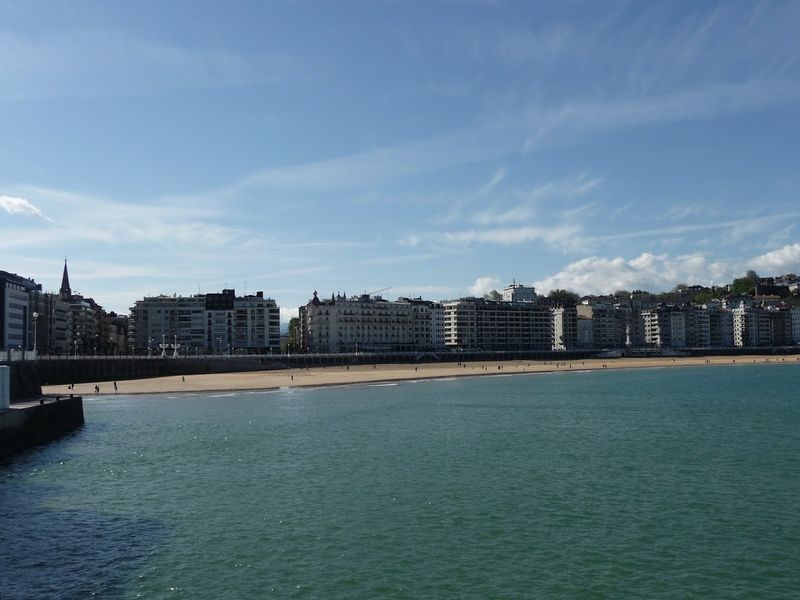
Spanish royalty chose San Sebastián as their summer destination of preference during the Belle Époque, and the city dressed accordingly. La Concha Bay provided a natural setting of considerable beauty, and the buildings constructed around it during the late 19th and early 20th centuries were designed to match that scenery with architectural confidence.
Hotel María Cristina, opened in 1912 along the Urumea River, was built to receive exactly the kind of distinguished clientele that arrived by train from Madrid each summer, and its grand public spaces and elegant interiors have maintained that standard ever since. Directly beside it, the Victoria Eugenia Theatre, also opened in 1912 and designed by architect Francisco Urcola in a Renaissance Revival style with French and Italian influences, quickly became one of the city’s most important cultural landmarks.
The riverfront gardens, seaside promenade, and elegant residential facades that fill the space between these two buildings complete a setting that still carries the atmosphere of an aristocratic coastal resort operating at its most polished and self-assured.
12. Monte Carlo, Monaco
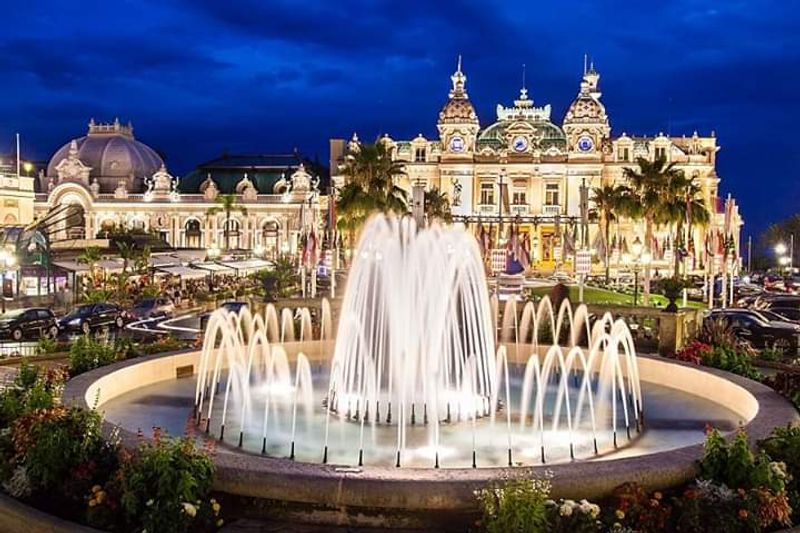
Monte Carlo built its entire identity around the concept of glamorous leisure during the Belle Époque, and remarkably, that identity has held. The Casino de Monte-Carlo, designed by Charles Garnier and completed in 1878, remains the architectural centerpiece of the principality, with richly decorated gaming rooms and salons featuring frescoes, sculptures, and gilded details that set a standard for interior opulence rarely matched elsewhere.
Hôtel Hermitage Monte-Carlo, constructed between 1890 and 1896, preserves the atmosphere of a grand European palace hotel with particular success, partly due to Gustave Eiffel’s contribution of an elegant glass and steel dome for the Winter Garden that serves as one of the hotel’s most distinctive public spaces. The hotel’s 278 rooms and suites, many overlooking Monaco Harbor, maintain the level of comfort expected by guests who have been coming here for over a century.
Casino Square, with its formal gardens, luxury boutiques, and steady parade of well-dressed visitors, completes a setting that appears genuinely designed for evening gowns, dramatic arrivals, and a level of theatrical self-presentation that the Belle Époque would have thoroughly approved of.
Share this story