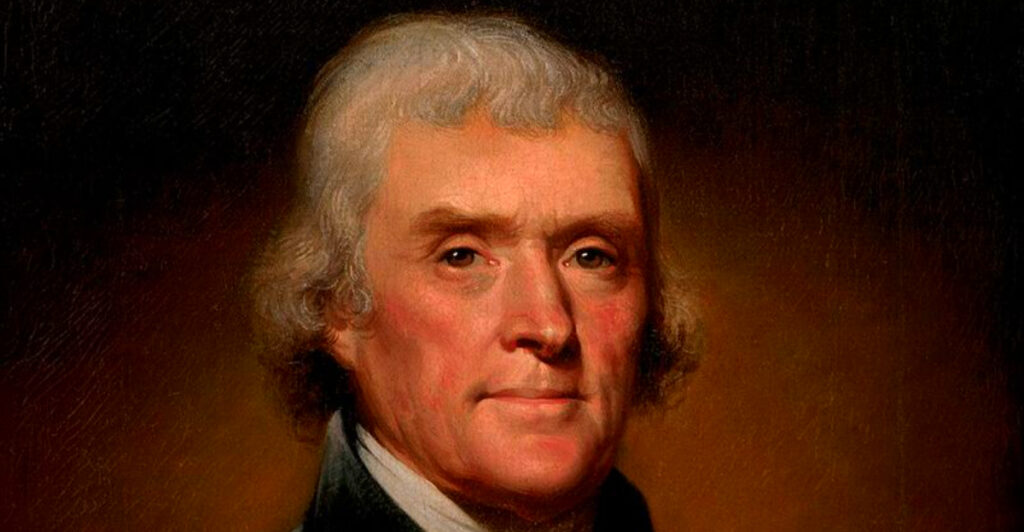
Thomas Jefferson is one of the most celebrated figures in American history, known for writing the Declaration of Independence and serving as the country’s third president. His words about liberty and equality helped shape a nation and inspired people around the world for centuries. Yet the documented record of his life reveals deep contradictions that sit uncomfortably alongside those celebrated ideals. These 13 facts explore the parts of Jefferson’s story that textbooks often gloss over, and understanding them gives a far more complete picture of who he actually was.
1. He Wrote “All Men Are Created Equal” While Enslaving People
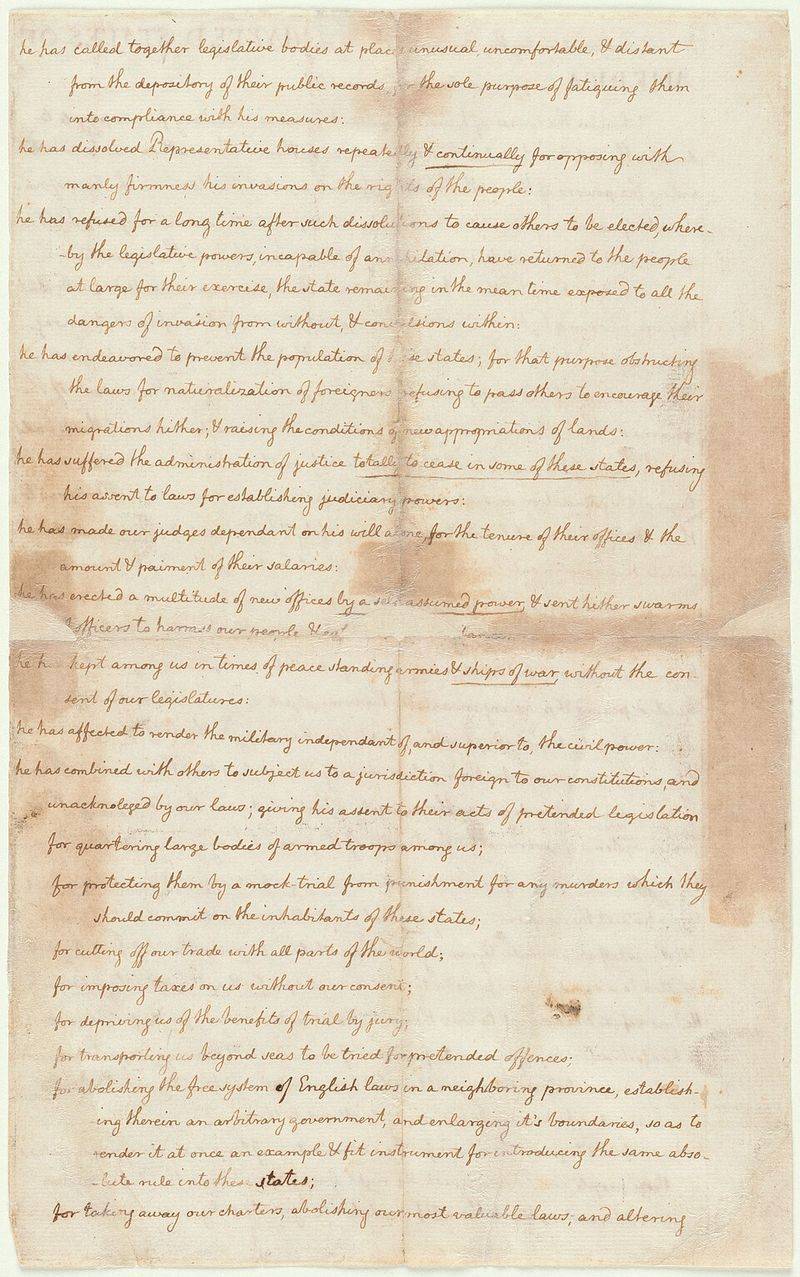
Few contradictions in American history carry as much weight as this one. Jefferson drafted the Declaration of Independence in 1776, writing that “all men are created equal” and that every person holds unalienable rights to life, liberty, and the pursuit of happiness.
At the same time, Jefferson was a lifelong slaveholder. More than 600 enslaved people were held by him over the course of his lifetime, working his land, maintaining his home, and generating his income.
He occasionally criticized slavery in private letters, but his wealth and lifestyle remained entirely dependent on enslaved labor. Jefferson even included a passage in his original draft blaming the British Crown for the slave trade, but the Continental Congress removed it.
That gap between his soaring public language and his personal conduct has become one of the defining tensions in how Americans understand the founding era. His words set a standard his own life never met.
2. He Enslaved Children at Monticello

Slavery at Monticello was not limited to adults working fields or household tasks. Children were woven into the plantation’s labor system from a very young age, assigned jobs that served Jefferson’s economic interests directly.
Boys as young as ten years old worked in Jefferson’s nail-making operation, which produced nails sold to local buyers and generated meaningful income for the estate. Jefferson tracked each boy’s output carefully, recording productivity figures in his own notebooks.
The nailery was not a minor side project. It was a deliberate business operation that depended on child labor to function profitably. Jefferson reviewed production numbers and responded when output dropped.
Placing this fact next to his written ideals about freedom and human dignity creates an uncomfortable picture. The philosopher who wrote about liberty was simultaneously running a nail factory staffed by children he legally owned. That reality deserves a place in any honest account of his life.
3. His Relationship With Sally Hemings Involved an Enormous Power Imbalance
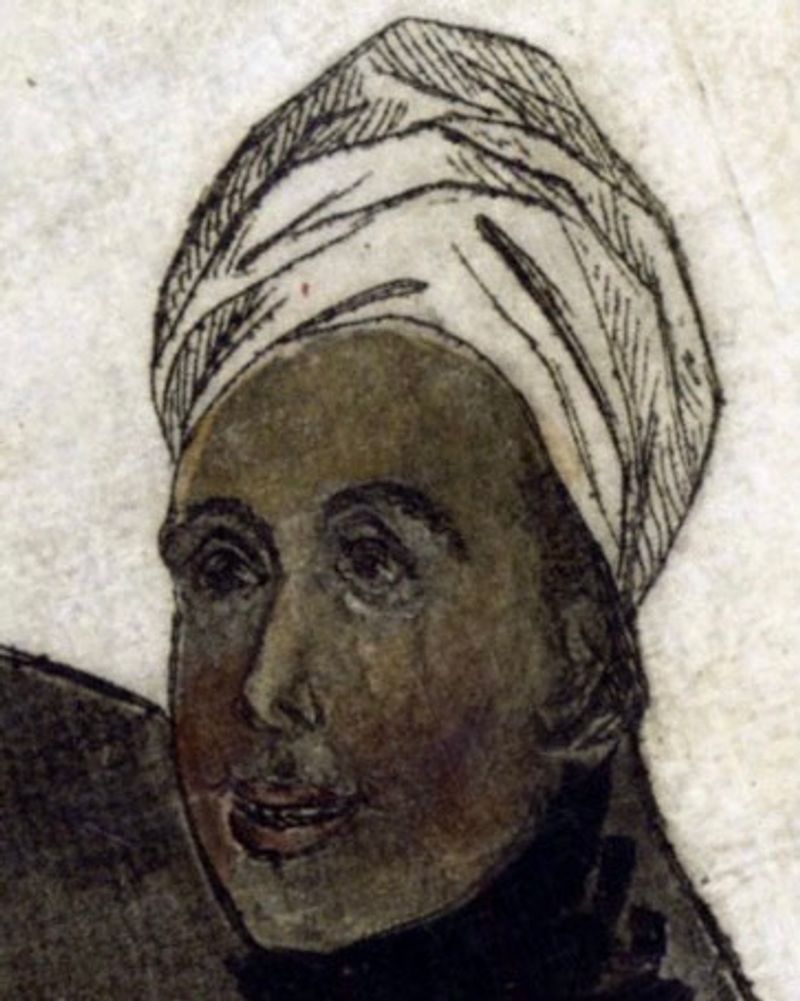
For a long time, claims that Jefferson fathered children with Sally Hemings were dismissed by many historians as rumor. The historical consensus has shifted considerably since then. DNA evidence, combined with documentary research and oral histories passed down through the Hemings family, now supports the conclusion that Jefferson fathered her children.
Describing the relationship as a romance, however, skips over a fundamental fact. Hemings was legally enslaved by Jefferson. He controlled where she lived, what she did, and whether she or her children would ever be free.
Whatever private feelings may have existed between them, the historical record cannot fully recover those details. What the record does show clearly is the legal and social structure surrounding them.
An enslaved woman had no legal standing to refuse her enslaver. That structural reality makes the relationship impossible to assess using the same terms applied to relationships between free and equal people.
4. Sally Hemings Was a Teenager When Their Relationship Likely Began
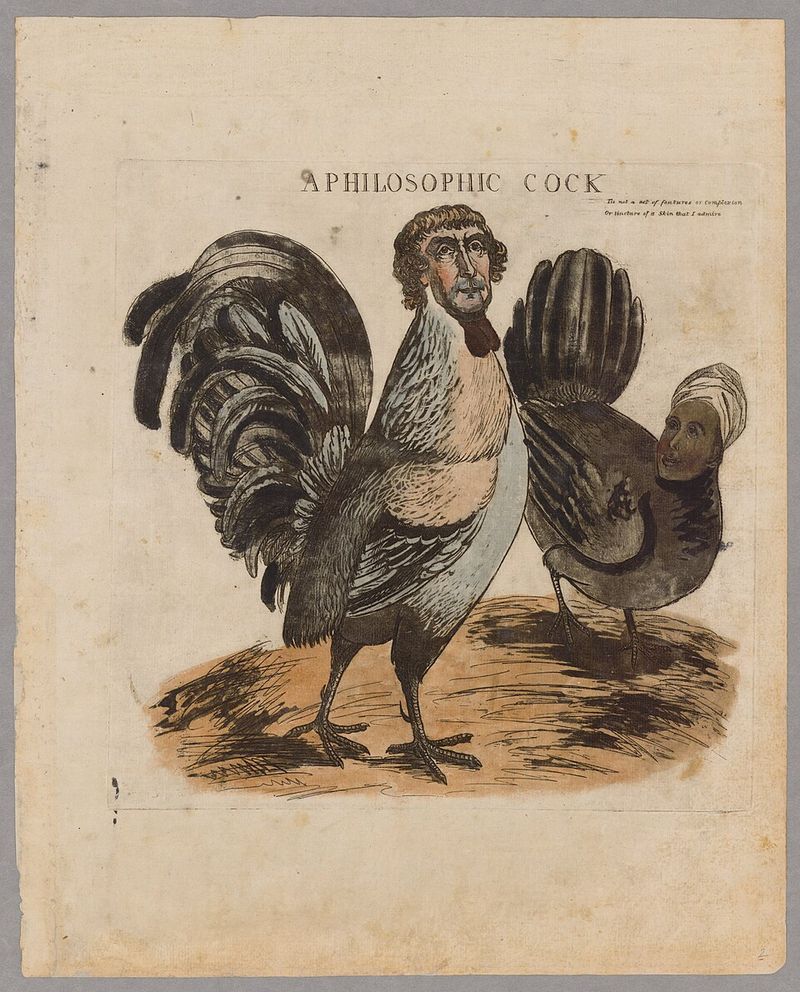
In 1787, Sally Hemings traveled to Paris to accompany Jefferson’s daughter Mary. She was approximately 14 to 16 years old at the time. France presented an unusual legal situation because slavery had no clear standing there, which meant Hemings had options she did not possess back in Virginia.
According to an account later given by her son Madison Hemings, Sally became pregnant by Jefferson while in Paris. She agreed to return to Virginia only after Jefferson reportedly promised that her children would eventually receive their freedom.
Jefferson was in his mid-40s at the time, a widower serving as the American minister to France. The age difference alone is notable. Combined with his legal status as her enslaver, it fundamentally shapes how this situation must be understood.
Framing their relationship as a love story requires ignoring those documented facts. The circumstances surrounding its beginning make a straightforward romantic interpretation historically inaccurate and misleading.
5. Jefferson Freed Very Few of the People He Enslaved
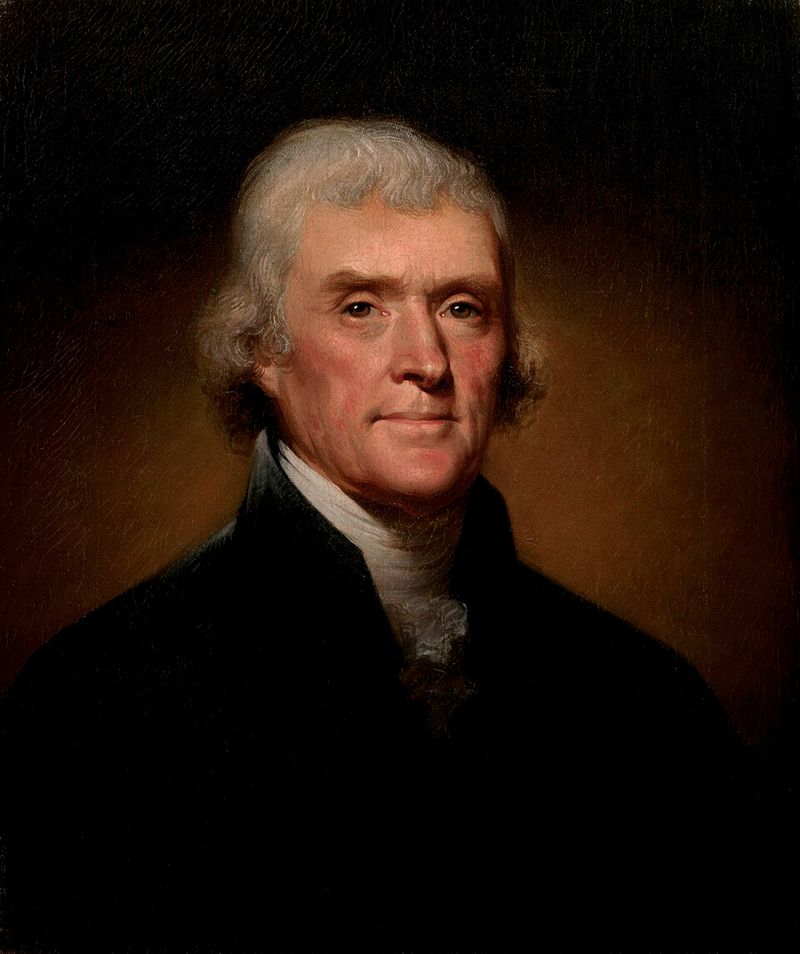
Jefferson’s occasional written discomfort with slavery has sometimes led people to assume he was quietly working toward ending it. His actual record of emancipation tells a very different story. Over the course of his lifetime, Jefferson enslaved more than 600 people.
He freed only two people while he was alive, in 1793 and 1794. His will freed five more, all of them men from the Hemings family. That means the overwhelming majority of people enslaved at Monticello remained legally unfree when he died.
The pattern is clear. Jefferson’s philosophical objections to slavery rarely required him to sacrifice his own financial interests. Freeing enslaved people would have reduced his wealth and his ability to maintain Monticello’s operations.
His selective emancipation, focused almost entirely on the Hemings family, further underscores how personal and limited his actions were. Writing critically about slavery while continuing to benefit from it was a pattern Jefferson maintained for most of his adult life.
6. Enslaved People Were Sold After His Death to Pay His Debts
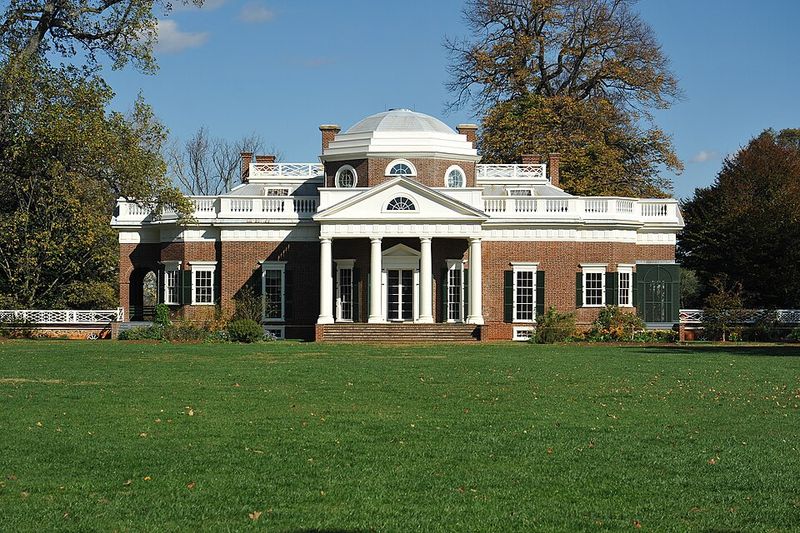
Jefferson died on July 4, 1826, carrying a debt estimated at more than $100,000, a staggering sum for the era. His estate could not cover what was owed, and the consequences fell heavily on the people enslaved at Monticello.
To settle his debts, Jefferson’s property was liquidated. That property included human beings. More than 130 enslaved people were sold at auction in January 1827, dispersed among buyers across the region.
Families who had lived and worked together within the Monticello community for years were separated. People who had known no other home were purchased by strangers and taken elsewhere. The community that had sustained Jefferson’s household for decades was broken apart to pay his bills.
Monticello itself eventually passed out of family ownership as well. The celebrated home survived as a national landmark. The people whose labor built and maintained it faced an entirely different outcome, one that reflected the brutal economics of slavery in its final form.
7. His Writings Included Racist Claims About Black People
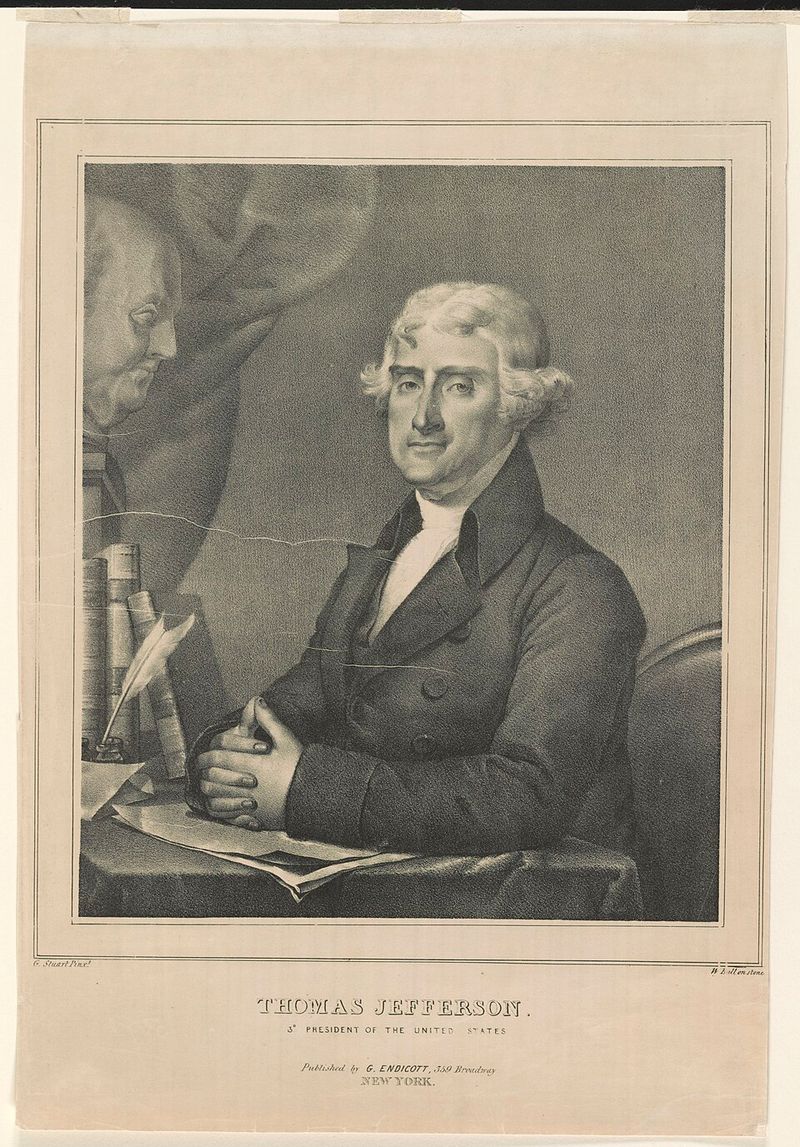
Jefferson’s connection to racism was not limited to his participation in slavery. He also gave those ideas a written, intellectual form. In Notes on the State of Virginia, published in 1785, Jefferson speculated about supposed differences between Black and white people in areas ranging from physical appearance to reasoning ability.
He suggested that Black people were inferior to white people in several respects, while noting he held these views tentatively. That qualification did little to soften the impact of the claims themselves.
His words carried weight because of his reputation as a thinker and statesman. When a founding father published racial theories, they gained a credibility they would not have had from a lesser-known author.
The contrast with the Declaration of Independence is particularly sharp. Jefferson wrote about universal equality in one document and articulated racial hierarchy in another. Both texts came from the same mind, and both had lasting influence on how Americans thought about race and citizenship.
8. He Favored Removing Freed Black Americans From the Country
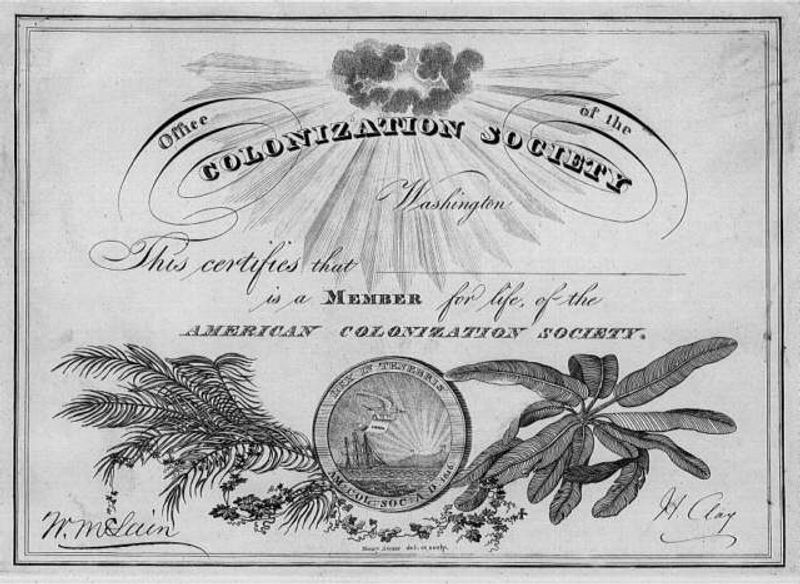
Jefferson worried that freeing enslaved people without also removing them from American society would lead to serious conflict. His solution was not integration or equal citizenship. His preferred answer was colonization, meaning emancipation followed by relocation outside the United States.
He repeatedly supported plans to resettle freed Black Americans in Africa, the Caribbean, or other territories. Jefferson could envision the end of slavery in the abstract, but he could not envision a society where Black and white Americans lived as political equals.
That position was not a minor footnote in his thinking. It was a consistent feature of how he approached the question of slavery’s future. His concept of liberty had a firm racial boundary built into it.
Colonization schemes would continue to attract support from American politicians well into the 19th century. Jefferson’s early endorsement of the idea helped normalize it as a supposedly moderate position, one that avoided confronting the actual demand for equal rights.
9. He Benefited Financially From the Expansion of Enslaved Families
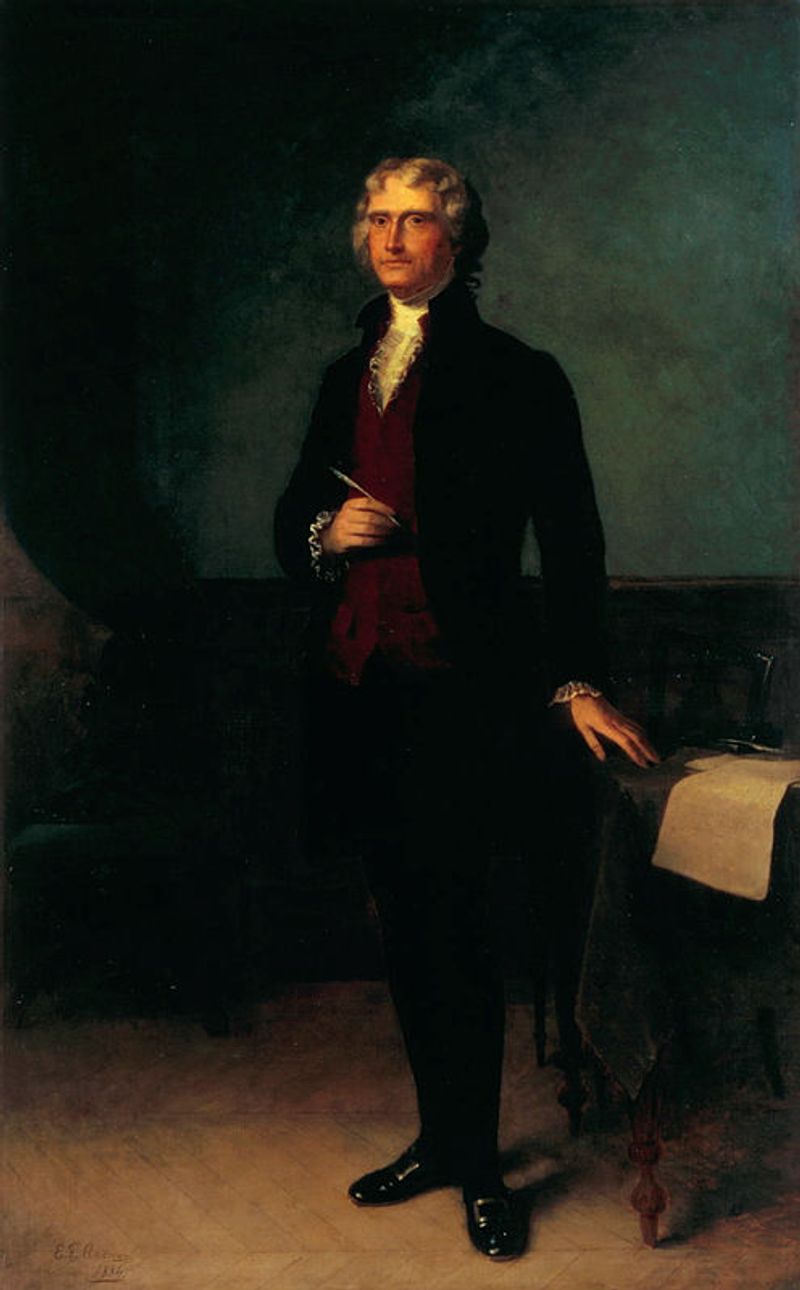
Under Virginia law, children born to enslaved women inherited their mother’s legal status automatically. That meant every birth within an enslaved family added to a slaveholder’s property without any additional purchase. Jefferson understood this arithmetic and addressed it directly in his private correspondence.
In a 1792 letter, he calculated that enslaved women were generating a four percent annual return simply through the children they bore. He framed human reproduction in explicitly financial terms, treating it as an investment strategy.
That letter is one of the more disturbing documents in the Jefferson record because it is so clinical. There is no apparent discomfort in the writing, no tension between the language of profit and the human lives being discussed.
It demonstrates how completely the economic logic of slavery could reshape a person’s perspective. Jefferson, who wrote movingly about human dignity in public, was privately calculating the financial yield of enslaved women having children. Both things were true at the same time.
10. His Embargo Devastated Parts of the American Economy
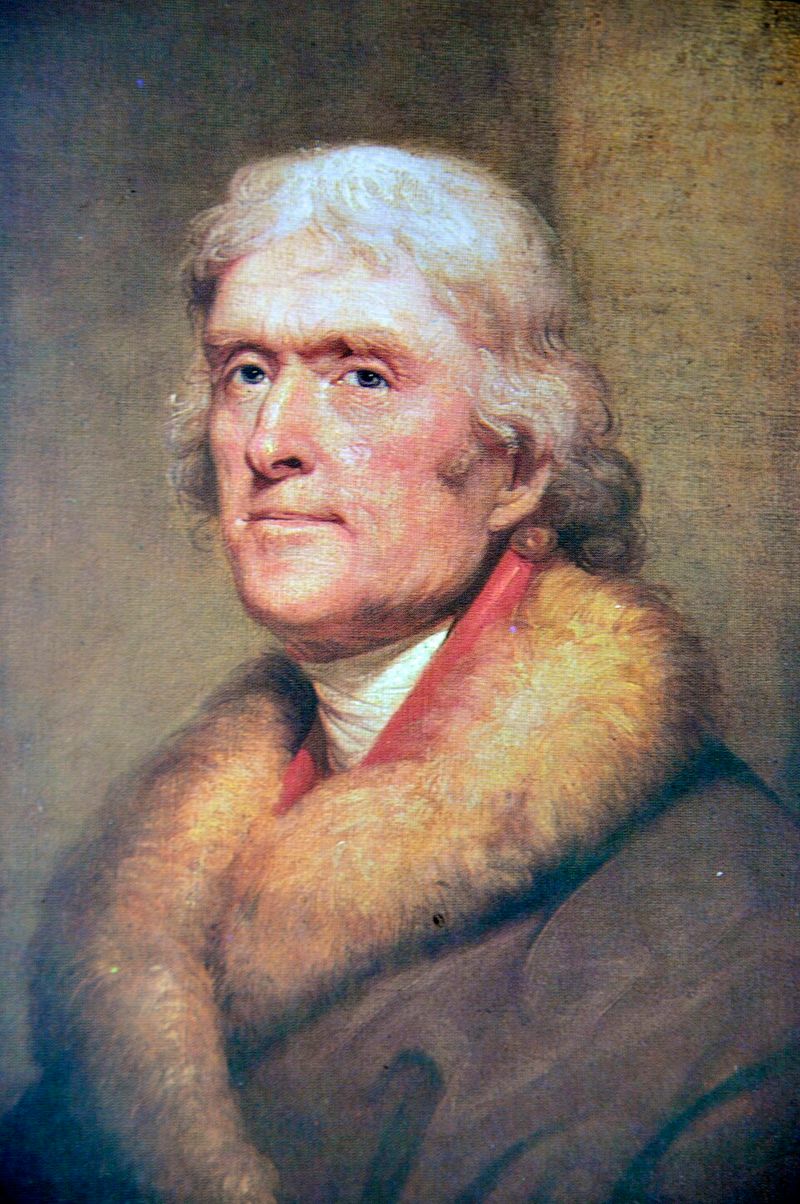
Jefferson’s record as president included significant policy failures alongside his more celebrated achievements. The Embargo Act of 1807 stands as one of the most damaging domestic blunders of his administration. Designed to pressure Britain and France during the Napoleonic Wars, the act prohibited American ships from participating in foreign trade.
The theory was that cutting off American exports would force European powers to respect American neutrality. The reality was very different. European nations found other trading partners. American merchants, sailors, and port communities absorbed the losses.
New England’s maritime economy took the hardest hit. Exports collapsed by roughly 80 percent. Smuggling operations expanded along the Canadian border as traders tried to work around the restrictions. Public frustration with the policy grew steadily throughout 1808.
Jefferson repealed the embargo just days before leaving office in March 1809. His successor James Madison inherited the diplomatic problem Jefferson had failed to solve. The episode showed that idealistic foreign policy goals do not always survive contact with economic reality.
11. He Expanded Presidential Power Despite Previously Warning Against It
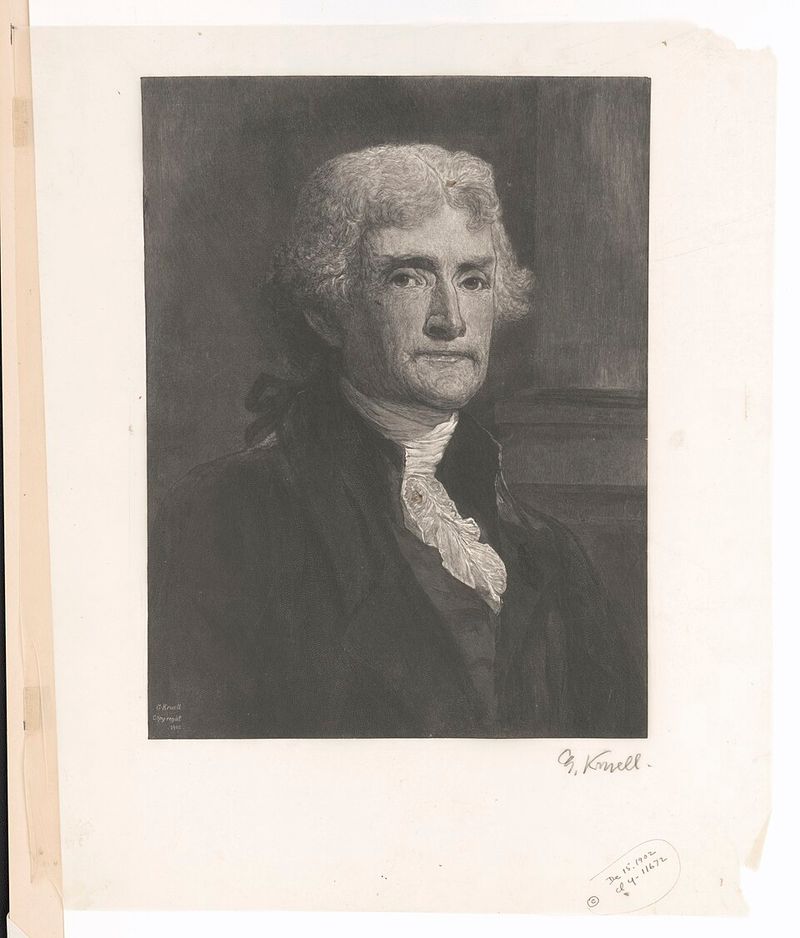
Jefferson built much of his political identity around opposing strong central government. He criticized the Federalists for reading too much power into the Constitution and consistently argued for strict limits on what the federal government could do. That reputation made his behavior during the Louisiana Purchase particularly revealing.
When France offered to sell the Louisiana Territory in 1803, Jefferson moved quickly to accept. The deal was genuinely valuable, roughly doubling the size of the United States at a low price. But Jefferson privately acknowledged that the Constitution contained no explicit authority for the president to purchase foreign territory.
He considered proposing a constitutional amendment to authorize the purchase but ultimately decided the opportunity was too good to risk losing. He accepted a broader reading of executive power and proceeded without one.
The purchase worked out well for American expansion. It also demonstrated that Jefferson’s constitutional principles were more situational than absolute. Limiting federal power was a priority when others held it, and a more flexible guideline when he did.
12. His Vision of Expansion Had Devastating Consequences for Native Peoples
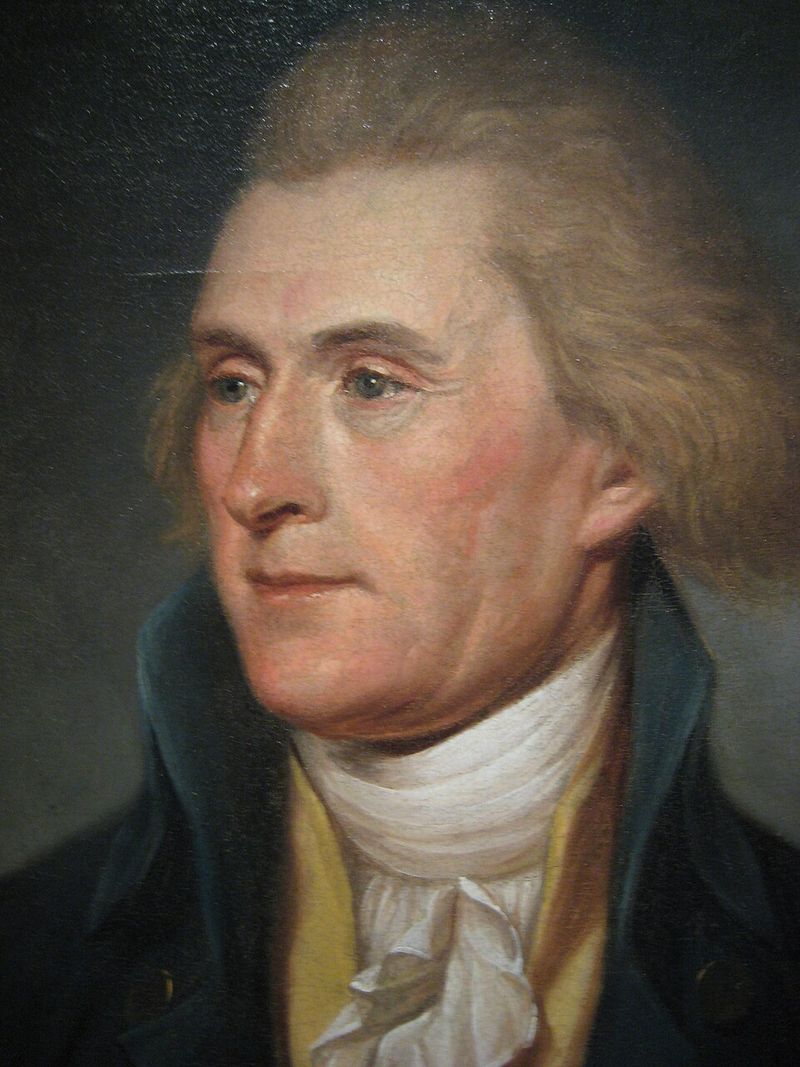
Jefferson imagined the United States growing into a vast republic of independent farmers, with new settlements spreading across the continent. That vision had a serious problem built into it. The land he envisioned farming was already home to established Native nations with their own governments, economies, and traditions.
His administration pushed policies designed to draw Native nations into economic dependency on the United States. The idea was that debt could be used as leverage to obtain land cessions. Jefferson also encouraged Native peoples to adopt European-style agriculture, framing it as a path toward civilization on American terms.
The Louisiana Purchase accelerated westward pressure significantly. Jefferson openly discussed using debt and trade relationships as tools to persuade or compel Native nations to give up territory.
The forced removals most associated with Andrew Jackson came later, but the policy framework Jefferson helped build laid groundwork for them. His expansionist vision treated Indigenous land as available by default, regardless of who already lived there.
13. His Greatest Words Exposed His Greatest Contradiction
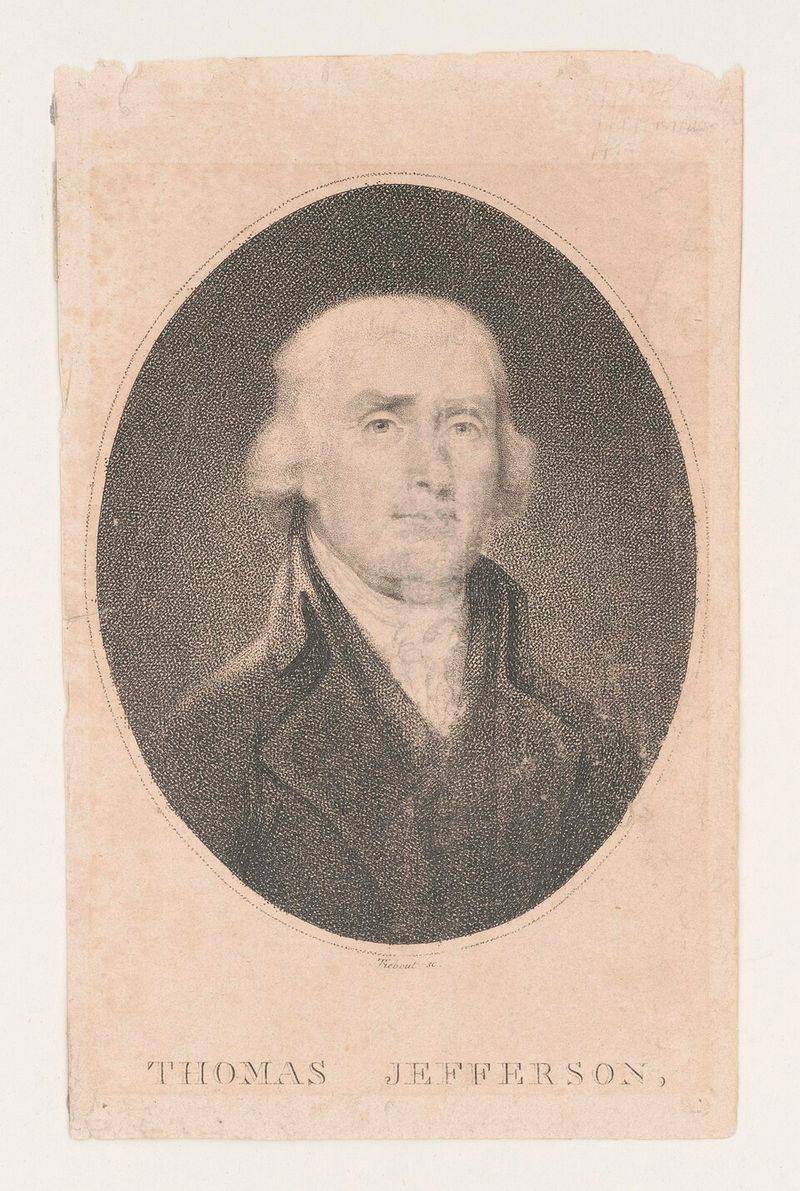
Jefferson’s legacy would be simpler to assess if he had not written so powerfully about freedom. His own language created the measuring stick against which his life would eventually be judged, and by that standard, the contradictions are hard to overlook.
He declared universal equality while legally owning hundreds of people. He wrote against tyranny while exercising total authority over the lives of those he enslaved. He imagined an expanding republic while supporting policies that pushed Native peoples off their land and excluded Black Americans from his vision of citizenship.
None of that erases his genuine influence on American democracy, education, religious freedom, or territorial development. His ideas shaped institutions that outlasted him.
But the marble-statue version of Jefferson, the pure idealist and visionary founder, cannot hold up against the documented record. A more accurate picture shows a man whose life illustrated how dramatically a nation’s founding ideals could conflict with the choices made by the very people who wrote them down.
Share this story