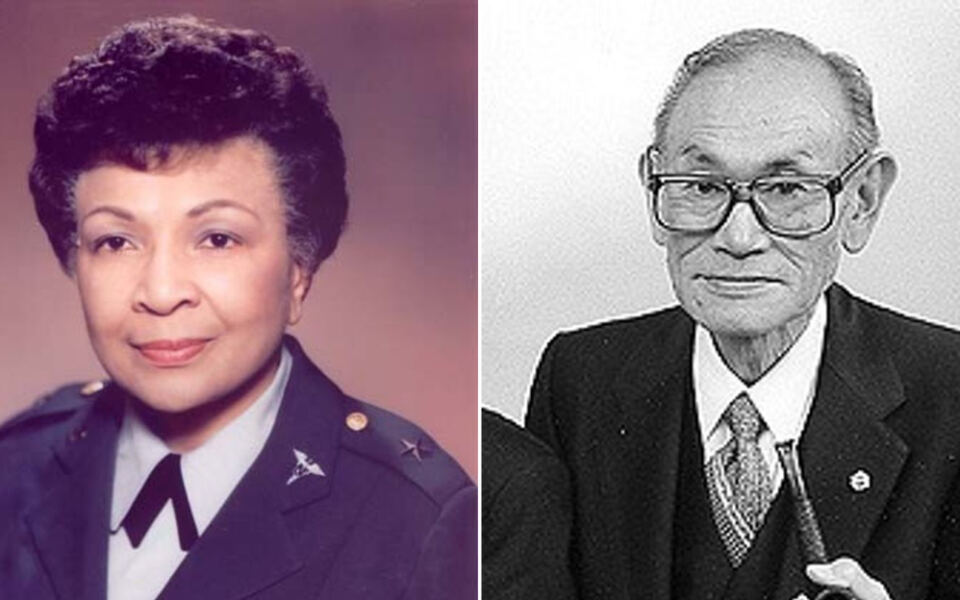
Some Americans have had to fight two battles at once. They served their country in uniform, facing danger far from home, only to return and find that the rights they helped defend were still being denied to them.
These veterans, and a few others connected to the struggle for equal rights, refused to stay silent. Their stories remind us that the fight for freedom has never been limited to foreign soil.
Medgar Evers
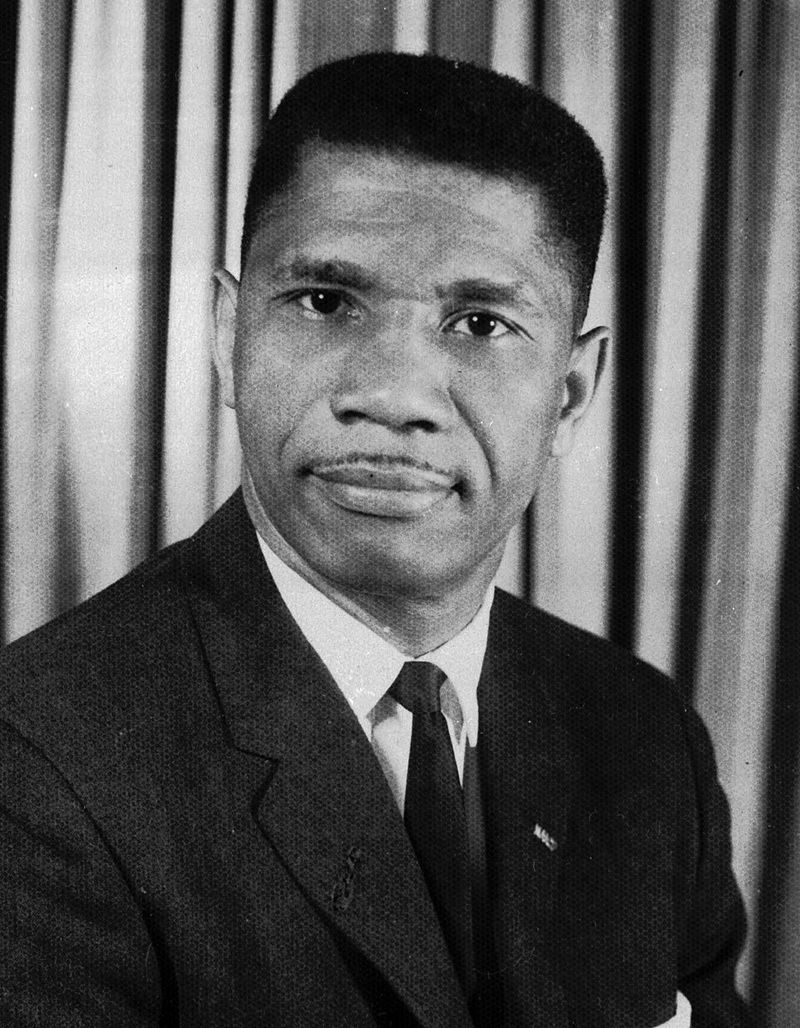
Before Medgar Evers became one of the most recognizable names in the Civil Rights Movement, he was a soldier. He served in the U.S.
Army during World War II, taking part in the Normandy campaign in Europe. Coming home to Mississippi should have felt like a victory.
Instead, Evers returned to a state where Black Americans faced violent suppression, blocked voting rights, and daily humiliation under Jim Crow laws. His wartime experience made the contradiction impossible to ignore.
He channeled that frustration into action.
Evers became the NAACP’s first field secretary in Mississippi, investigating racial violence and fighting segregation head-on. He worked tirelessly to expand Black voter registration at great personal risk.
In June 1963, he was assassinated outside his Jackson home. His life stood as one of the clearest expressions of the “Double V” ideal, victory abroad and victory at home.
Doris “Dorie” Miller
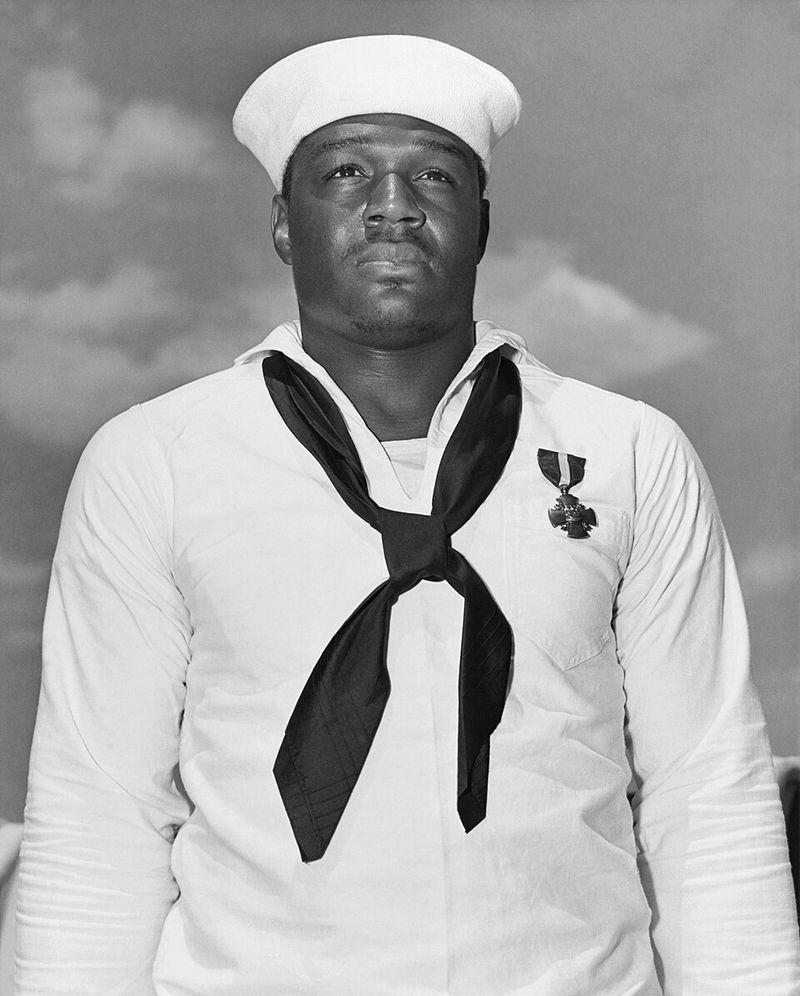
On the morning of December 7, 1941, Doris Miller was a messman aboard the USS West Virginia when Japanese forces attacked Pearl Harbor. Black sailors at the time were largely confined to cooking and cleaning roles, kept away from combat positions by official Navy policy.
Miller ignored those limits entirely. He pulled wounded sailors to safety and then stepped behind an anti-aircraft gun he had never been officially trained to operate.
He fired it anyway, standing his ground while the attack raged around him.
His heroism made him one of the first celebrated Black heroes of World War II. Pressure from Black newspapers and civil rights organizations helped ensure he received the Navy Cross, a first for an African American.
Miller returned to sea and was killed in 1943 when the USS Liscome Bay was torpedoed. His story became a direct challenge to the Navy’s segregated structure.
Benjamin O. Davis Sr.
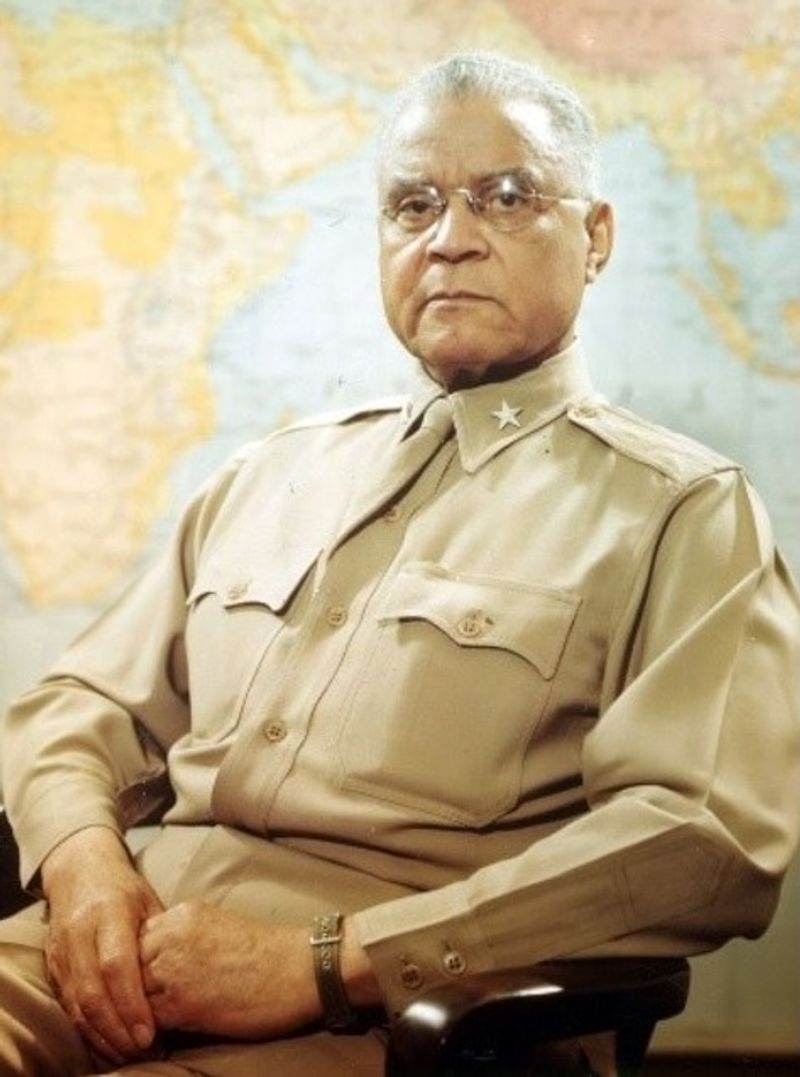
Benjamin O. Davis Sr. spent nearly 50 years in the U.S. military, beginning his service during the Spanish-American War era.
He climbed steadily through the ranks inside an institution that was still fully segregated, facing obstacles that most white officers never encountered.
In October 1940, he reached a milestone no African American had ever achieved. President Franklin D.
Roosevelt promoted him to brigadier general, making Davis the first Black general officer in U.S. armed forces history. The appointment carried enormous symbolic weight across the country.
During World War II, Davis served as a War Department consultant on matters involving Black troops. His investigations and recommendations pushed the Army toward more equitable treatment of Black servicemembers.
He retired in 1948, the same year President Harry Truman signed Executive Order 9981 ordering desegregation of the armed forces. Davis had spent a career quietly breaking one of the military’s most visible racial barriers.
Charity Adams Earley
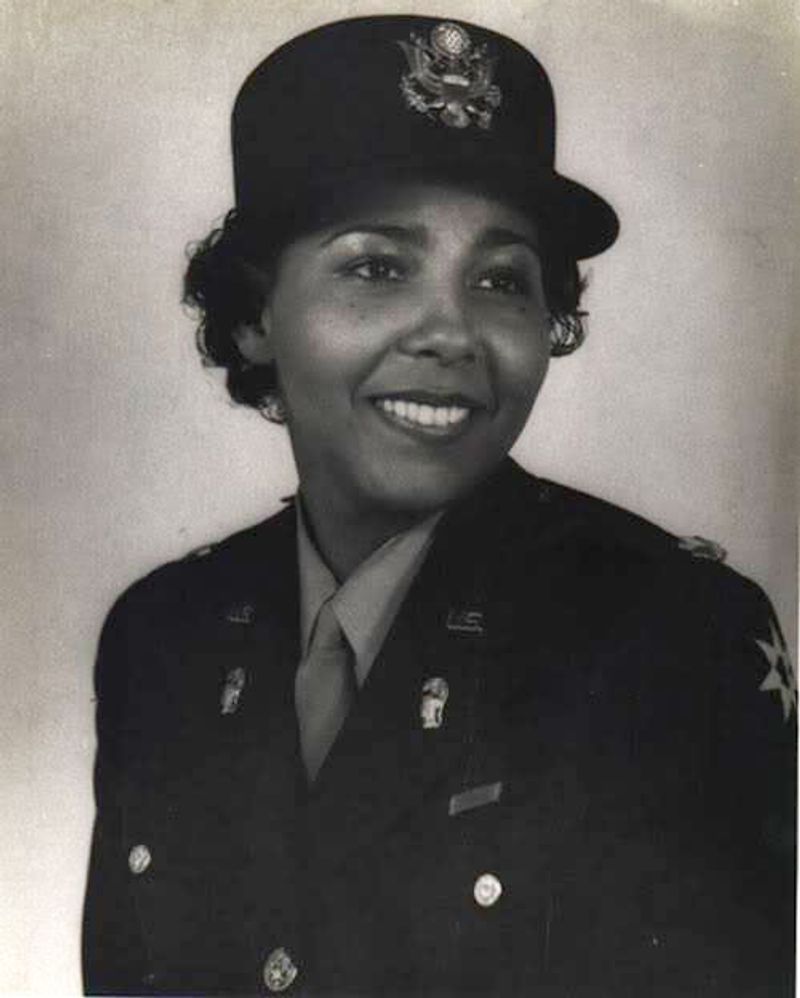
Charity Adams Earley entered the Women’s Army Auxiliary Corps during World War II and rose faster than almost anyone around her. By 1945, she was commanding the 6888th Central Postal Directory Battalion, better known as the Six Triple Eight.
The unit was predominantly Black and became the only African American Women’s Army Corps unit deployed overseas during the war. Stationed in Britain and France, the women worked through enormous backlogs of undelivered mail meant for American servicemembers.
Adams and her troops performed the mission while facing both racial and gender discrimination from within the military system itself.
By the war’s end, she had become the highest-ranking African American woman in the Women’s Army Corps. After leaving the service, Adams stayed active in education and community work, including roles with the Urban League and the United Negro College Fund.
Her leadership remains a landmark in both military and civil rights history.
Joseph McNeil
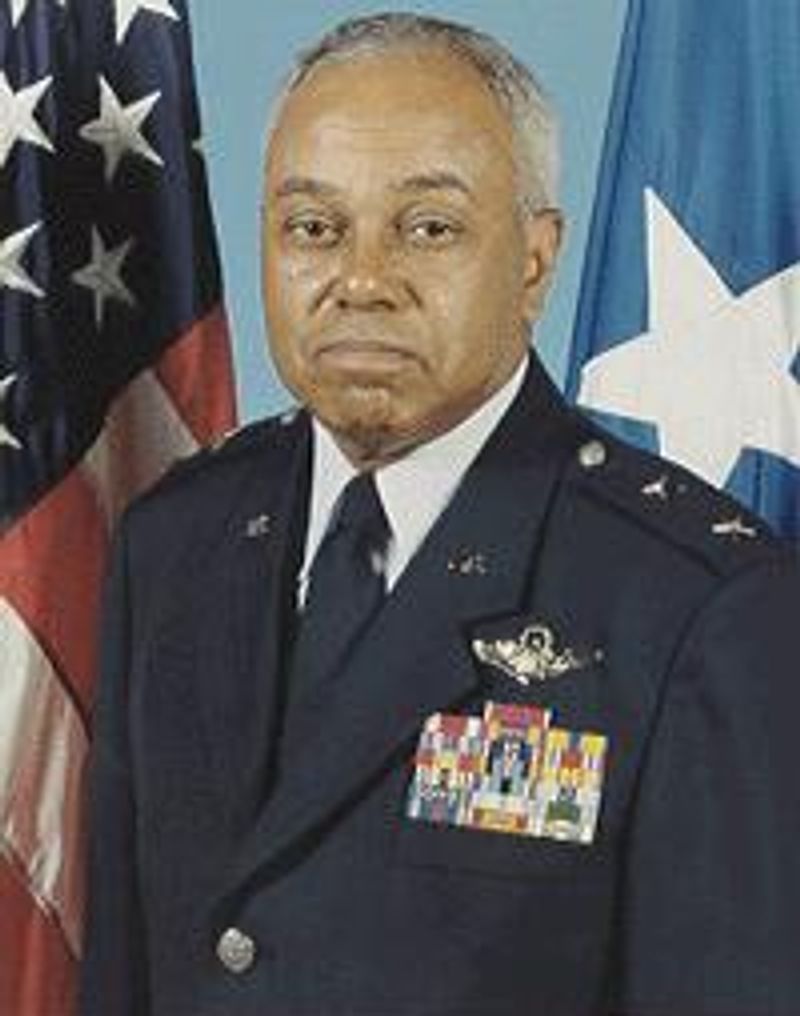
Joseph McNeil’s most famous act of courage happened not on a battlefield but at a lunch counter. On February 1, 1960, McNeil and three classmates sat down at the segregated Woolworth’s counter in Greensboro, North Carolina, and refused to leave when denied service.
That sit-in sparked similar demonstrations across the country and became one of the defining moments of the student phase of the Civil Rights Movement. McNeil was just a college freshman at the time, but his willingness to face hostility without flinching helped shift the direction of a national movement.
He later graduated from North Carolina A&T and joined the U.S. Air Force, flying missions tied to operations in Southeast Asia during the Vietnam era.
He eventually reached the rank of major general in the Air Force Reserve. McNeil carried both identities, activist and airman, throughout his life until his passing on September 4, 2025, at age 83.
Oliver Law
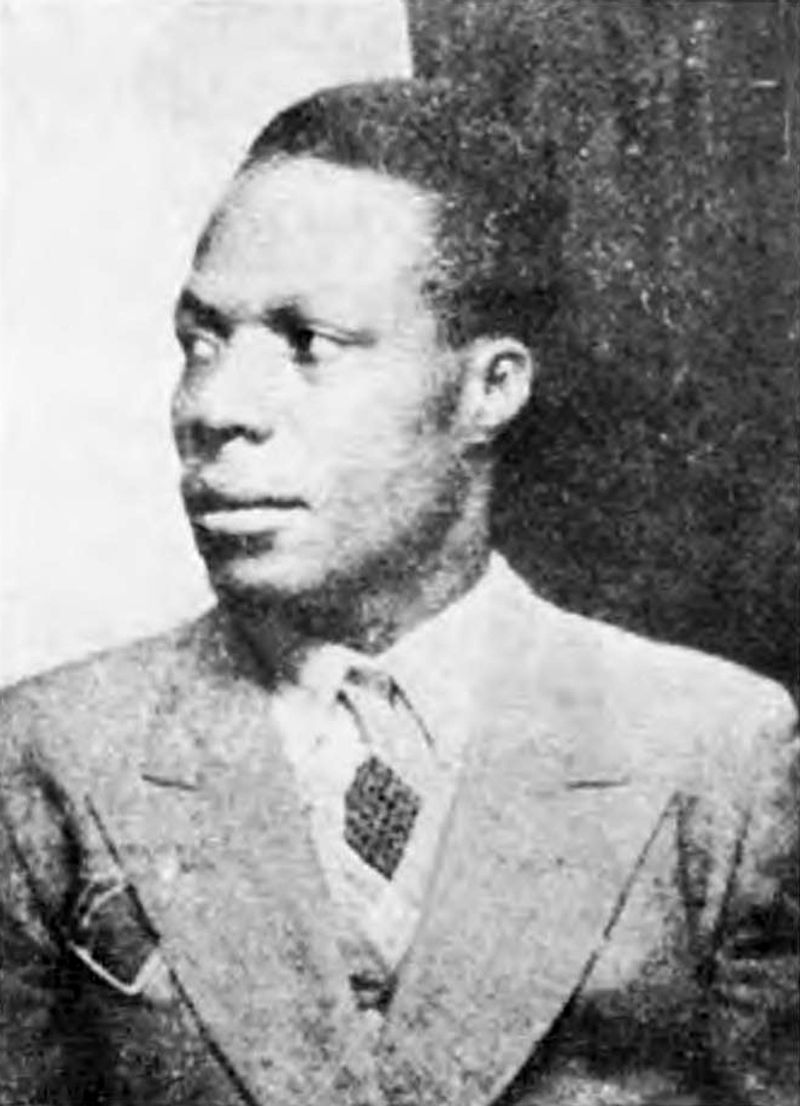
Oliver Law’s path to military command ran through Chicago labor halls and the battlefields of Spain. He had served in the U.S.
Army’s 24th Infantry Regiment during the 1920s, but it was his later choices that set him apart from nearly every other figure in this list.
Law became a labor organizer and activist, speaking out against unemployment, racism, and the rise of fascism. When the Spanish Civil War broke out, he traveled to Spain and joined the Abraham Lincoln Battalion, a volunteer force fighting alongside the Spanish Republic against Francisco Franco’s Nationalist military.
He eventually rose to command the Lincoln Battalion, leading an unusually integrated unit of white and Black volunteers at a time when such integration was almost unheard of in any military context. Law was killed during the Battle of Brunete in July 1937.
His story sits outside the usual narrative but represents a powerful commitment to fighting fascism and racial inequality on two continents.
Hazel W. Johnson-Brown
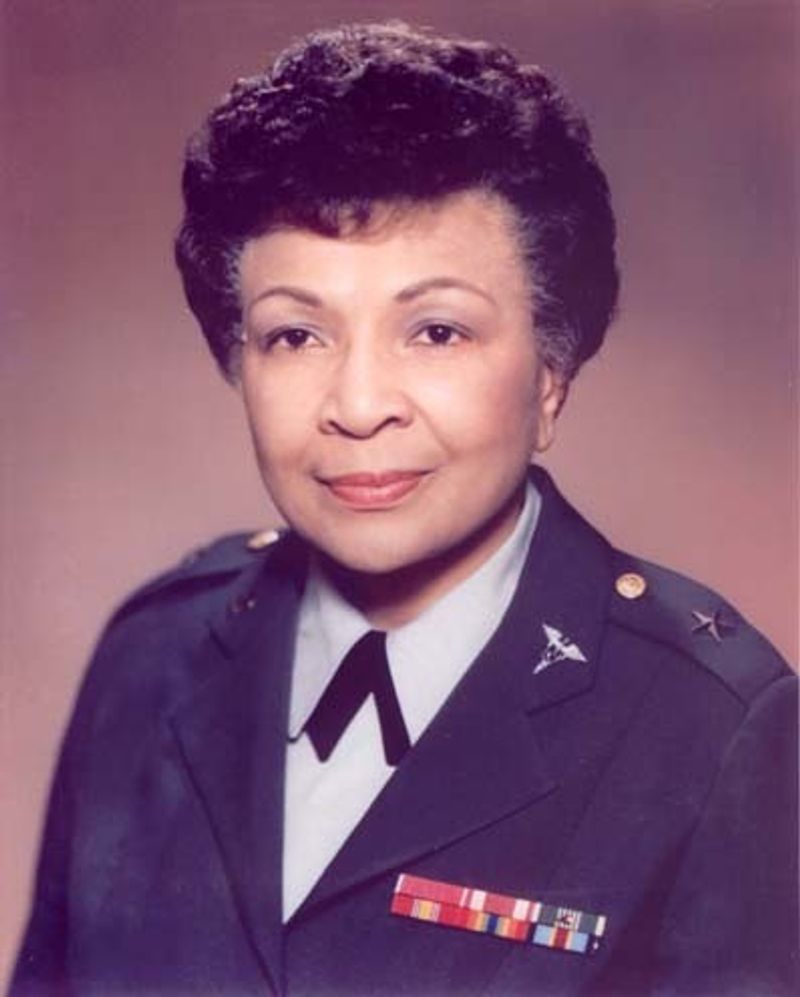
Hazel Johnson-Brown’s military career almost never happened. A nursing school in Pennsylvania turned her away because of her race.
Rather than abandon her goal, she trained at Harlem Hospital School of Nursing and eventually found a path into the Army Nurse Corps in 1955.
What followed was a career that broke through barriers most people assumed were permanent. Johnson-Brown served through the Cold War and Vietnam era, steadily advancing in rank and responsibility.
She became known for her discipline, precision, and commitment to the nurses under her leadership.
In 1979, she was appointed Brigadier General and Chief of the Army Nurse Corps, becoming the first African American woman to achieve general officer rank in the entire U.S. military. The appointment carried meaning far beyond the Army Nurse Corps.
It demonstrated that Black women could reach the highest levels of military leadership, and it created a visible precedent that others would follow in the decades ahead.
Colin Powell
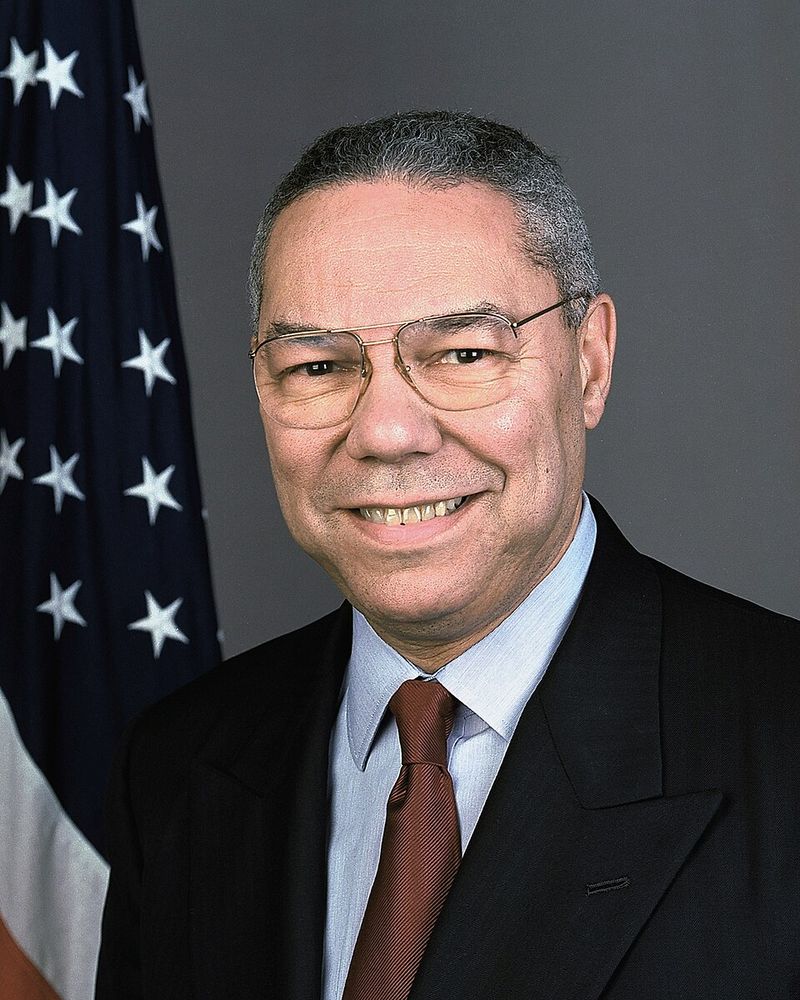
Colin Powell graduated from City College of New York in 1958 and walked straight into an Army that had only recently been formally desegregated. Over the next 35 years, he served in Vietnam twice, held postings in West Germany and South Korea, and kept rising through positions that had rarely, if ever, been held by a Black officer.
In 1989, President George H.W. Bush appointed Powell as Chairman of the Joint Chiefs of Staff, the nation’s highest military position.
He was the first African American to hold that role, stepping into it just one generation after the armed forces were ordered to desegregate.
After retiring from the Army, Powell reached another historic milestone when President George W. Bush named him Secretary of State in 2001, the first African American to serve in that office.
His career represents barrier-breaking representation at the very top of both military and government leadership in America.
Fred Korematsu
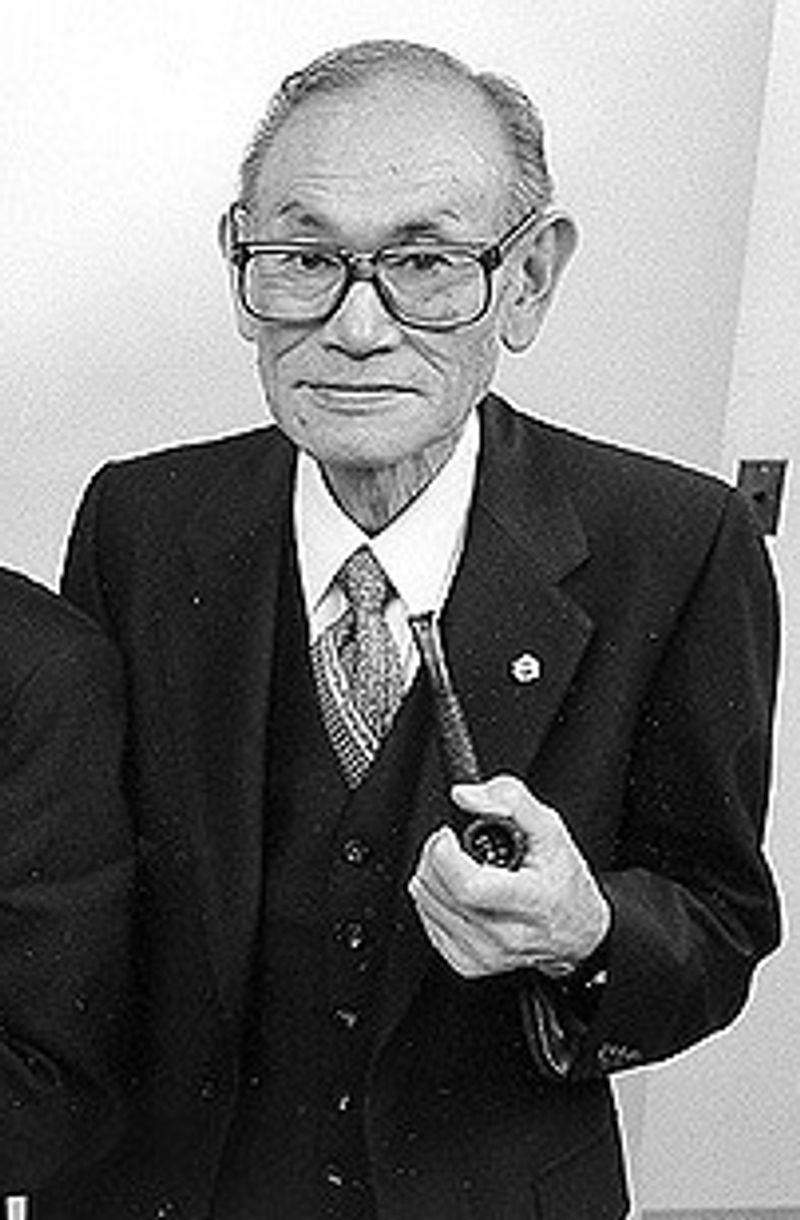
Fred Korematsu’s connection to this list comes through the equal-rights fight, not through military service. Federal records show he tried to enlist in the U.S.
Navy in 1941 but was rejected. That distinction matters, because describing him as a veteran would not be accurate.
What Korematsu did instead was refuse to comply with the forced removal of Japanese Americans from the West Coast after the attack on Pearl Harbor. He was arrested in 1942 and challenged the government’s policy all the way to the Supreme Court.
The Court upheld his conviction in 1944, a decision that has since been widely condemned.
Decades later, evidence surfaced showing that the government had withheld key information during the original case. His conviction was vacated in federal court in 1983.
Korematsu spent the rest of his life as a recognized advocate for civil liberties, and his case remains one of the most studied examples of civil rights suppression in American legal history.
Roy Benavidez
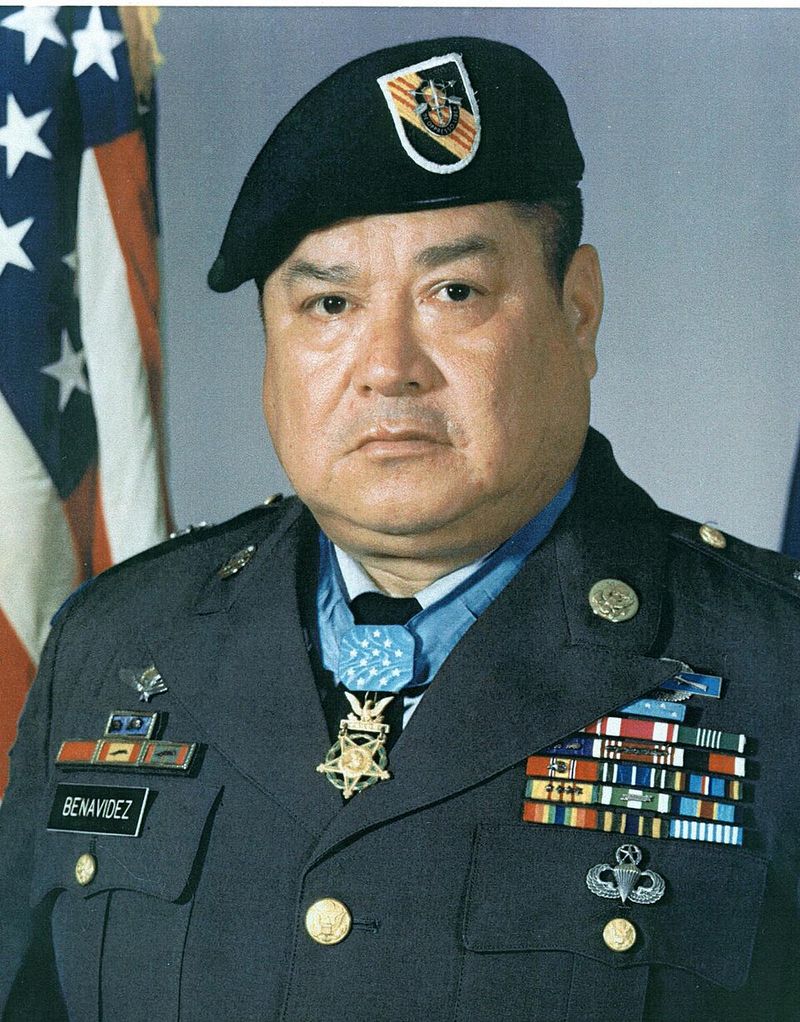
Roy Benavidez grew up in Texas, picking cotton as a child and facing the kind of poverty and discrimination that followed many Mexican American families in that era. He joined the Army and became a Special Forces soldier, a path that would eventually lead him to one of the most extraordinary moments of the Vietnam War.
On May 2, 1968, Benavidez heard that a reconnaissance team was trapped near Loc Ninh and under heavy fire. He boarded a rescue helicopter voluntarily.
Once on the ground, he organized the evacuation of wounded soldiers while being seriously wounded himself, continuing to fight and direct the effort despite his injuries.
President Ronald Reagan presented him with the Medal of Honor in 1981. Benavidez became a celebrated symbol of Mexican American military achievement and personal resilience.
His story is less about formal civil rights campaigning and more about proving, through undeniable action, what was possible when barriers were set aside.
Milton L. Olive III
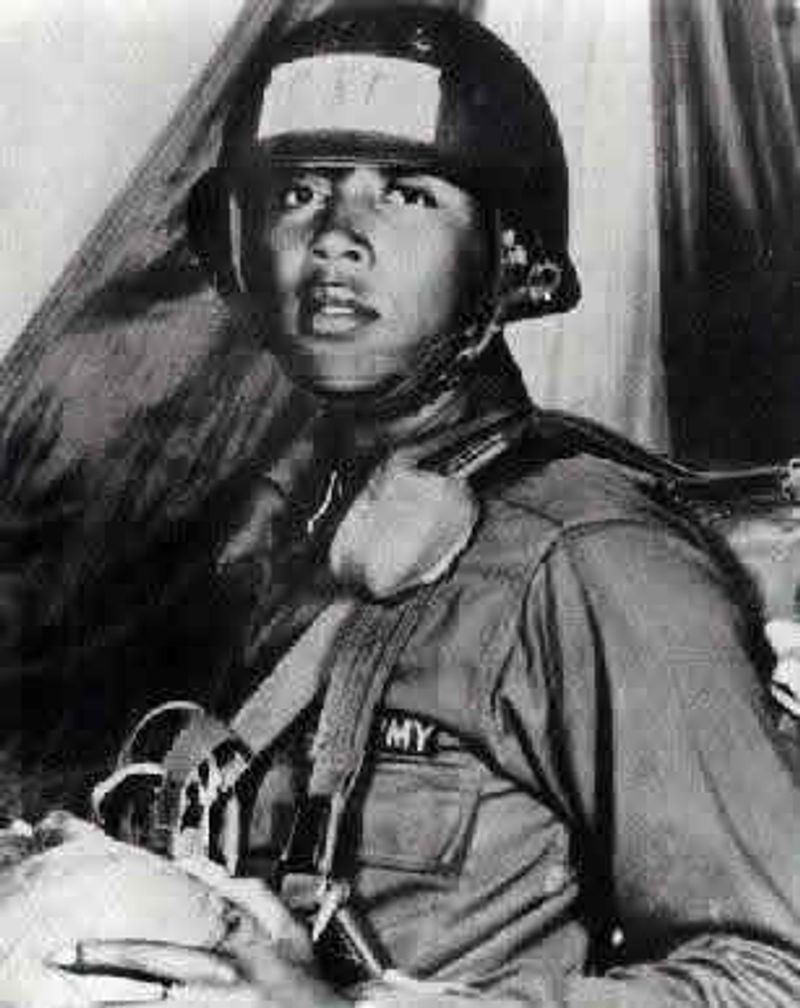
Milton L. Olive III was 18 years old, and he had already made a decision most people will never face.
On October 22, 1965, while moving through jungle terrain in Vietnam with members of his unit, an enemy grenade landed in the group.
Olive grabbed it. He pulled it into his body and covered it, absorbing the explosion.
His fellow soldiers survived. He did not.
The act was instantaneous, selfless, and absolute.
President Lyndon B. Johnson posthumously presented Olive’s Medal of Honor to his family in April 1966, making him the first African American awarded the Medal of Honor for service in the Vietnam War.
A park in Chicago and a street in his hometown of Chicago’s South Side bear his name. His story belongs here not because he lived long enough to campaign for civil rights, but because his sacrifice demanded that a country still divided by race recognize his full humanity and heroism.
Share this story