Some years feel like they contain an entire decade. Then there is 1977, which managed to pack space exploration, cultural revolutions, technological breakthroughs, and some genuinely jaw-dropping news stories into a single calendar year.
From the outer planets to the streets of New York City, from Hollywood theaters to radio telescopes in Ohio, the events of 1977 reshaped entertainment, science, and daily life in ways that are still felt today. Read on to see just how much the world changed before the clock struck 1978.
1. Star Wars Arrived and Changed the Movie Business
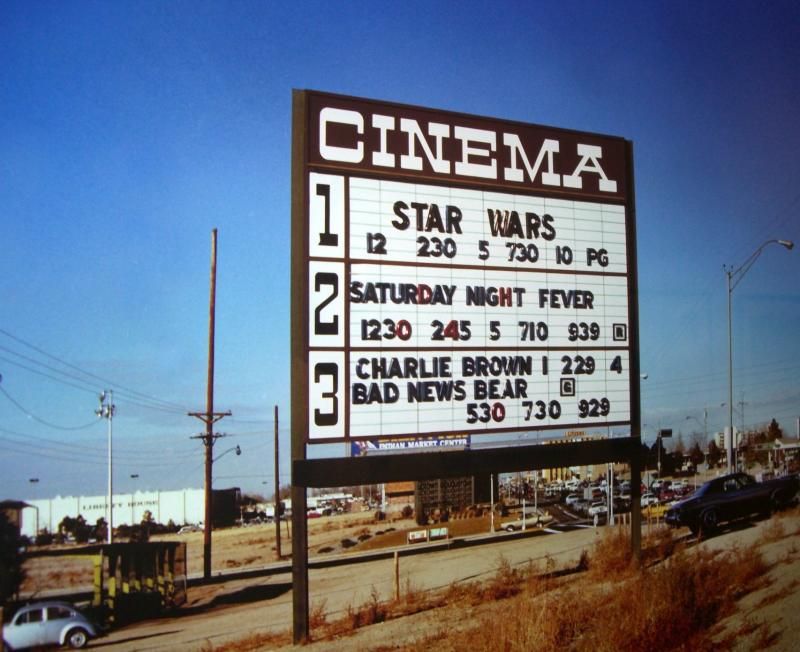
When a science-fiction film about a galaxy far, far away opened on May 25, 1977, few studio executives predicted it would rewrite the rules of Hollywood. George Lucas’s Star Wars grossed $410 million globally during its initial run, surpassing Jaws to become the highest-grossing film of its time.
The movie introduced Darth Vader, Luke Skywalker, Princess Leia, Han Solo, R2-D2, and C-3PO to a worldwide audience practically overnight. Its special effects, developed by the newly formed Industrial Light and Magic, set a new technical standard that competitors scrambled to match.
Beyond the box office, Star Wars triggered a merchandising revolution, particularly in toys, that studios had never seriously pursued before. Hollywood responded by greenlit more effects-driven summer blockbusters, fundamentally changing how studios planned their release calendars.
A film that 20th Century Fox was quietly nervous about became the blueprint for modern franchise filmmaking.
2. New York City Went Dark and Chaos Followed
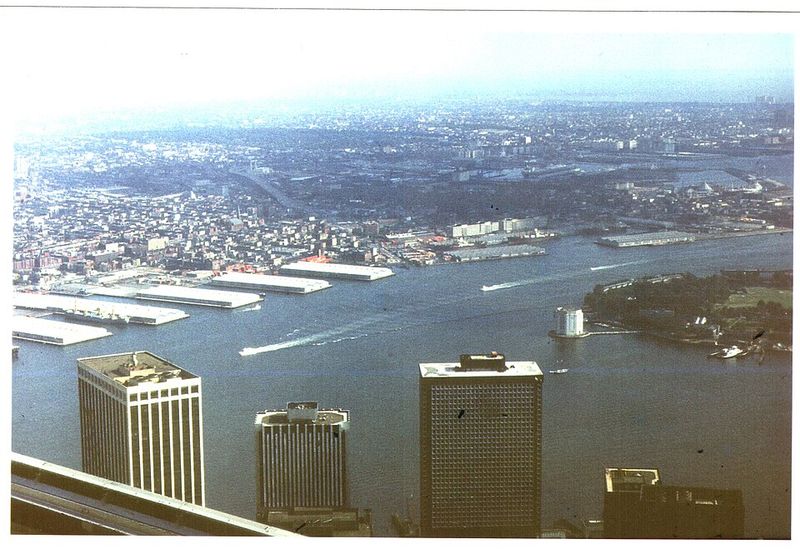
At 9:34 p.m. on July 13, 1977, a lightning strike hit a Hudson River substation, tripping two circuit breakers and setting off a chain of electrical failures that plunged approximately nine million people into darkness. Full power did not return to some areas for up to 25 hours.
What followed was far from a quiet wait. Looting erupted across multiple neighborhoods, with an estimated 1,600 stores damaged or ransacked.
More than 1,000 fires broke out, including 14 major alarms, and the New York City Police Department made roughly 3,776 arrests, the largest mass arrest in the city’s history at that point.
The blackout landed on a city already dealing with a fiscal crisis, rising crime, and a sweltering summer. Economic losses exceeded $300 million.
The images of burning buildings and emptied storefronts turned one powerless night into one of the most enduring symbols of New York City’s turbulent 1970s.
3. Scientists Heard the Wow! Signal From Space
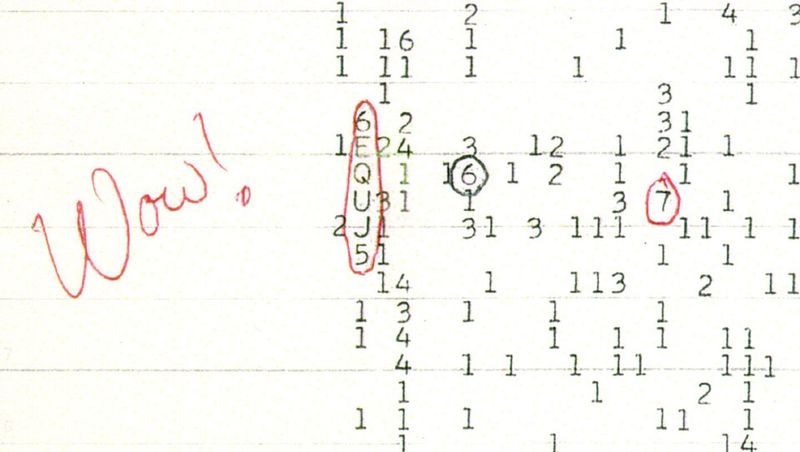
On August 15, 1977, volunteer astronomer Jerry Ehman was reviewing data from Ohio State University’s Big Ear radio telescope when a sequence of characters on the printout stopped him cold. He circled the anomaly and wrote “Wow!” in the margin, and that nickname has stuck ever since.
The signal occupied a frequency of 1420.4556 MHz, close to the hydrogen line, a range considered a prime candidate for interstellar communication and protected from terrestrial broadcasts. It lasted approximately 72 seconds, matching the duration a fixed celestial source would remain in Big Ear’s observation window as Earth rotated.
The signal appeared to originate from the direction of the constellation Sagittarius. Despite numerous follow-up attempts using multiple telescopes over the following decades, no one has detected it again with the same characteristics.
Whether it came from a natural astrophysical source or something else entirely remains one of the most genuinely unresolved questions in the history of the search for extraterrestrial intelligence.
4. Elvis Presley Died at Just 42
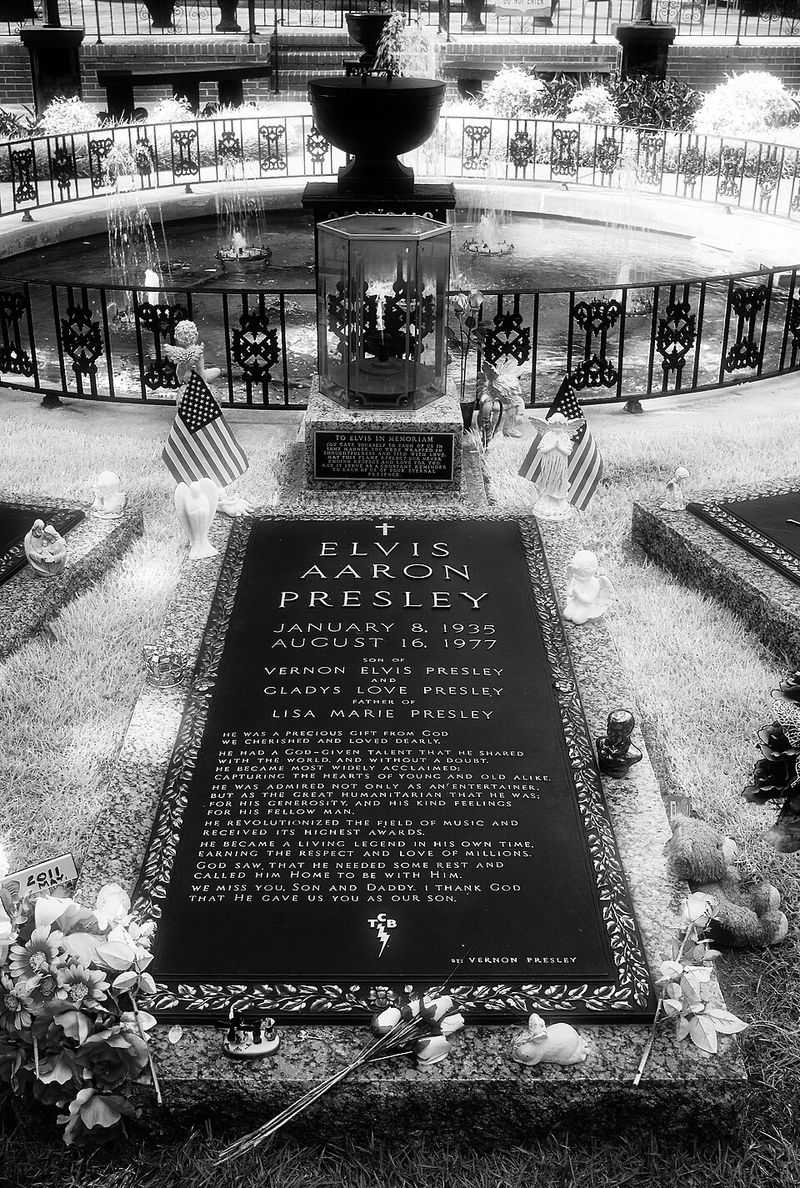
On August 16, 1977, the man who had helped ignite rock and roll in the 1950s died at his Graceland home in Memphis, Tennessee. Elvis Presley was only 42 years old, and the news immediately became an international story of staggering proportions.
Radio stations around the world rearranged their programming to play his catalog. Fans began gathering outside Graceland within hours.
His funeral on August 18 drew an estimated 80,000 mourners to Memphis, and his funeral procession moved through streets lined with grieving crowds.
His death arrived at a genuinely complicated cultural moment. Punk was gaining momentum, disco dominated dance floors, and a new generation was actively reshaping popular music.
Elvis had been one of the central architects of the rock-and-roll era, and his passing at such a young age cemented his legendary status while underlining just how rapidly the musical world he helped build had moved on around him.
5. NASA Dropped a Space Shuttle From a Boeing 747
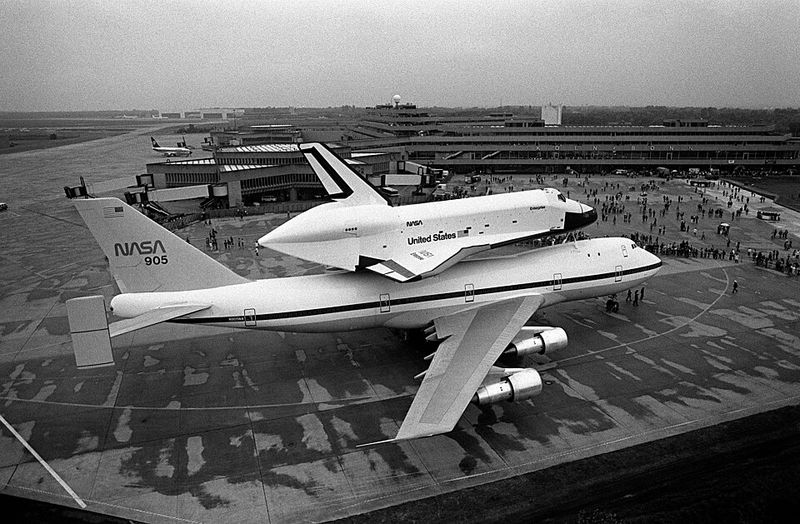
Before NASA could commit to a fleet of reusable spacecraft, engineers needed hard evidence that the shuttle design could actually glide unpowered to a runway. Their solution involved strapping a prototype orbiter to the back of a modified Boeing 747 and releasing it mid-air.
The prototype was named Enterprise, after the starship from Star Trek, following a public campaign. On August 12, 1977, astronauts Fred Haise and Gordon Fullerton separated Enterprise from the 747 at roughly 22,000 feet above Edwards Air Force Base.
The unpowered craft glided for approximately five minutes before landing on a dry lakebed runway.
Four additional free flights followed throughout 1977, testing different configurations and refining aerodynamic data. Enterprise never reached orbit, but the Approach and Landing Tests program gave NASA the confidence it needed to proceed with the full shuttle program.
Those strange-looking piggyback flights directly paved the way for operational shuttle missions that launched beginning in 1981.
6. Two Voyagers Left Earth Carrying Messages for Aliens
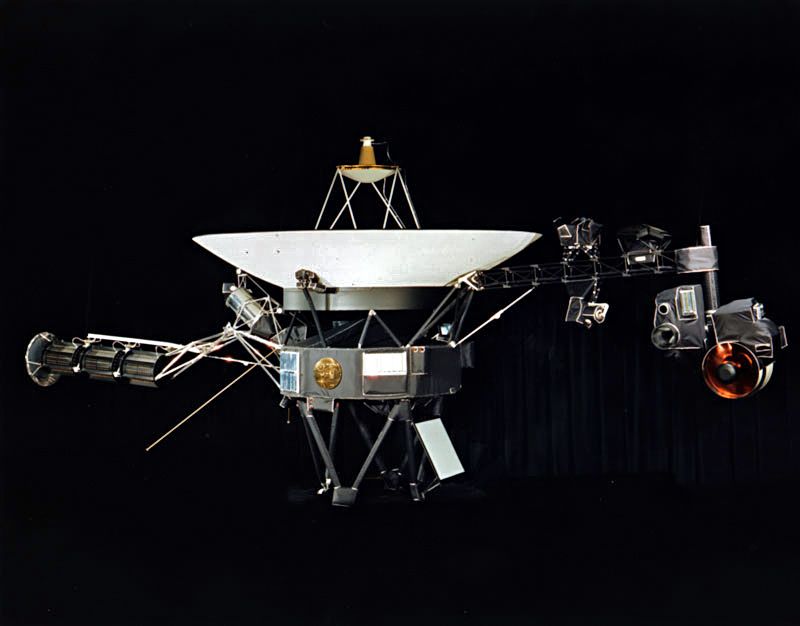
NASA launched not one but two interplanetary probes in 1977, taking advantage of a rare planetary alignment that would not repeat for another 176 years. Voyager 2 departed on August 20, followed by Voyager 1 on September 5, with both missions designed to study the outer planets in unprecedented detail.
Each spacecraft also carried something unusual: a 12-inch gold-plated copper phonograph record assembled by a committee chaired by Carl Sagan. The Golden Records contained 115 encoded images, greetings spoken in 55 languages, natural sounds from Earth, and music ranging from Bach and Beethoven to Chuck Berry.
The probability of any extraterrestrial civilization ever finding and deciphering one of these records is extraordinarily remote. Still, the gesture was deliberate and carefully considered.
Both Voyagers have since crossed into interstellar space, making them the most distant human-made objects ever built. The records they carry are now traveling farther from Earth than anything else humanity has ever launched.
7. The Apple II Put the Future on a Desk
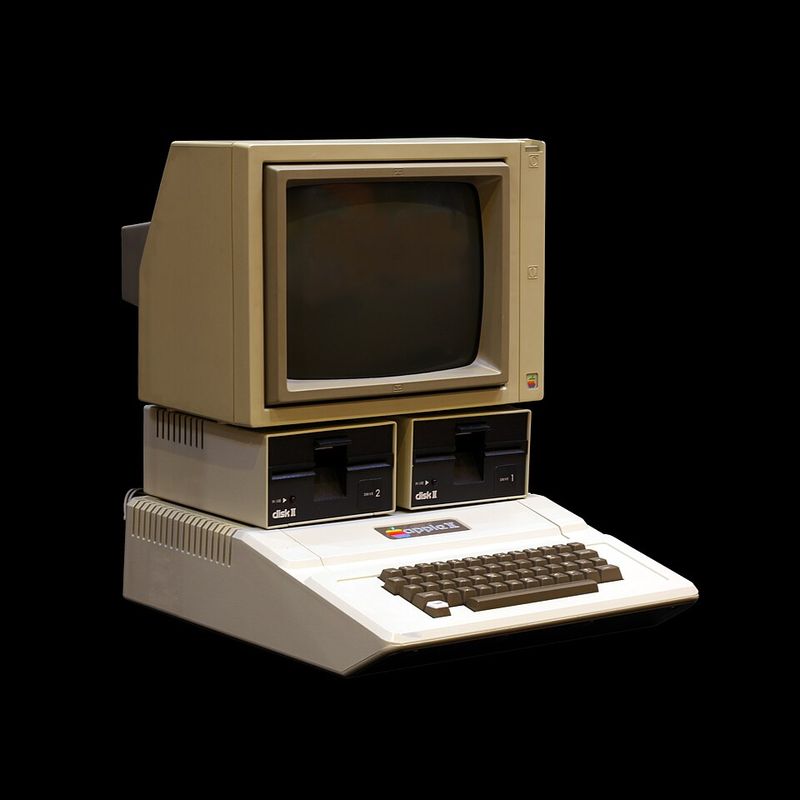
Introduced at the West Coast Computer Faire in April 1977, the Apple II arrived at a moment when most people had never considered owning a computer. Designed by Steve Wozniak with its casing envisioned by Steve Jobs, it came largely pre-assembled, which immediately separated it from the circuit-board kits that hobbyists had been building themselves.
Its ability to display color graphics on a standard television was a meaningful technical leap. Eight internal expansion slots allowed users to add disk drives, modems, and other peripherals over time, extending the machine’s usefulness well beyond its original capabilities.
The Apple II became a cornerstone of classroom computing, introducing an entire generation of students to programming and software before home computing was a mainstream concept. Millions of units sold over a production run that stretched into the 1990s.
While Star Wars was showing audiences fictional computers controlling spaceships, the Apple II was quietly demonstrating what a real one could do on an ordinary desk.
8. Atari Brought Cartridge Gaming Into the Living Room
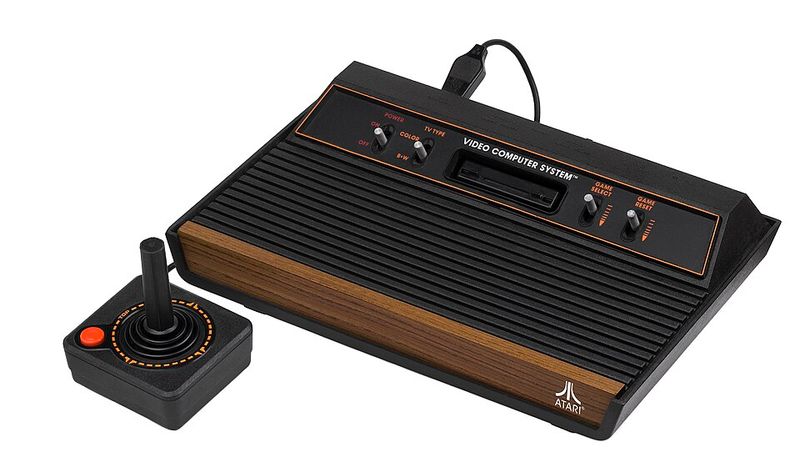
Released in September 1977, the Atari Video Computer System arrived with a feature that sounds completely unremarkable today but was genuinely transformative at the time: a slot for interchangeable game cartridges. Previous home consoles had games permanently built into the hardware, meaning players were stuck with whatever titles came in the box.
The VCS launched with nine games, including Combat and Space War, at an initial price of $199. Early sales were modest, but the system’s popularity accelerated sharply in the early 1980s as the game library expanded.
It eventually sold over 30 million units worldwide, with hundreds of cartridges released across its lifespan.
The simple joystick controller became one of the most recognized objects of its generation. More broadly, the Atari 2600 established the console-plus-cartridge model that the entire home gaming industry would build on for decades.
At the same moment Star Wars was constructing one entertainment empire, Atari was quietly laying the foundation for another.
9. Roots Became a Television Event on an Enormous Scale
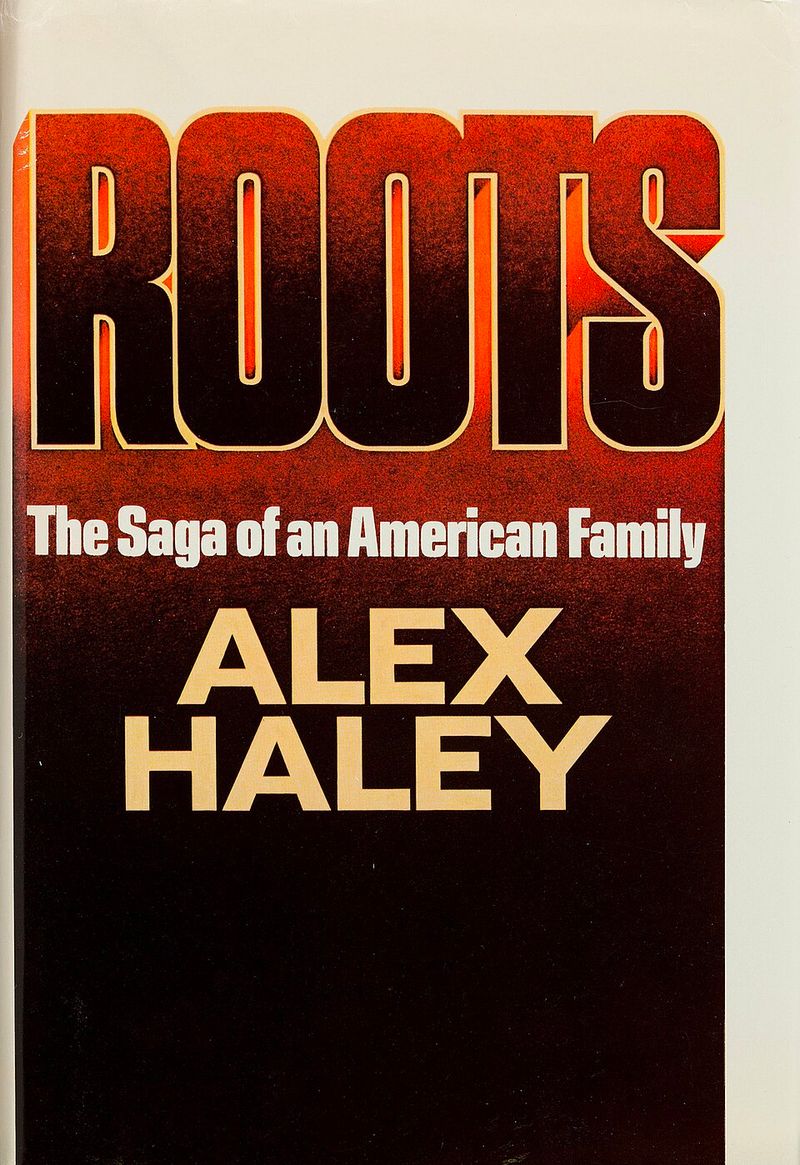
For eight consecutive nights beginning January 23, 1977, ABC broadcast the miniseries adaptation of Alex Haley’s Roots, tracing the story of Kunta Kinte and multiple generations of his descendants through the history of American slavery. The scheduling decision was considered bold at the time, and it paid off in ways nobody had fully predicted.
The finale, which aired January 30, drew approximately 100 million viewers. The average audience across all eight nights was around 80 million people, reaching an estimated 85 percent of all television households in the country.
Those numbers remain among the most remarkable in broadcast history.
Roots sparked conversations about race, ancestry, and American history in homes across the country, prompting many viewers to research their own family backgrounds. The series earned nine Emmy Awards, a Golden Globe, and a Peabody Award.
It demonstrated, with hard data, just how powerfully a single television program could move a national audience when the entire country was watching the same screen at the same time.
10. Son of Sam Terrorized New York Until a Parking Ticket Helped Break the Case
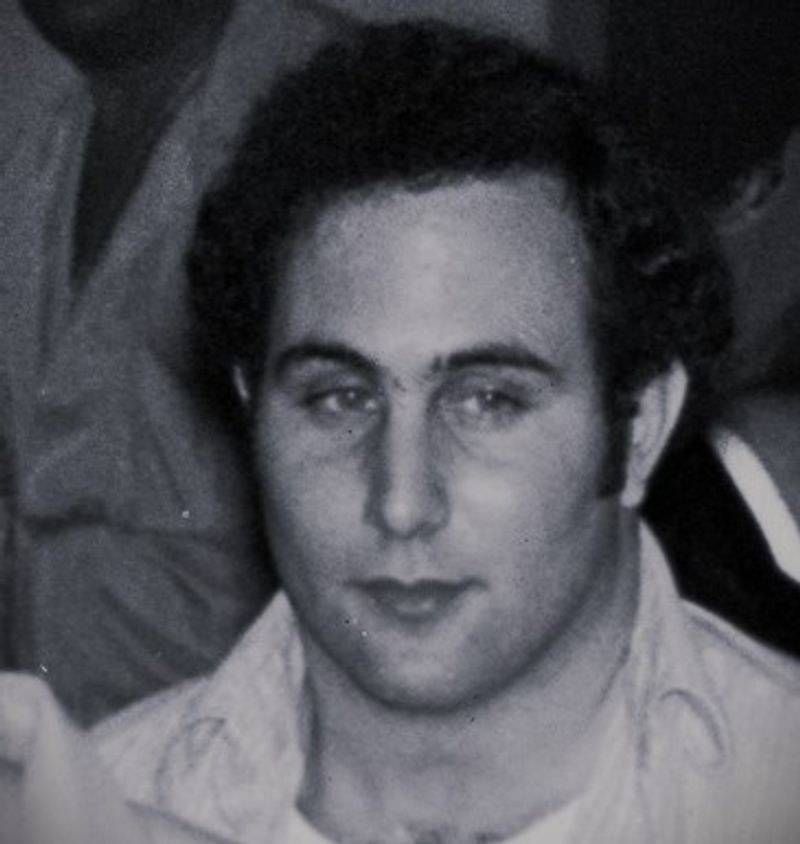
Through 1976 and into 1977, David Berkowitz carried out a series of shootings targeting young people in parked cars across New York City. His letters to police and journalists, in which he referred to himself as Son of Sam and taunted investigators, generated relentless newspaper coverage and genuine public fear across the five boroughs.
The investigation involved thousands of officers working through thousands of leads. The turning point came after the final shooting on July 31, 1977, when a witness noticed a Ford Galaxie parked near the scene with a parking ticket on its windshield.
That ticket had been issued to a vehicle registered to David Berkowitz of Yonkers.
Police arrested Berkowitz outside his apartment on August 10, 1977, ending one of the most intense manhunts in New York City’s history. The case became a landmark study in how routine investigative details, the kind easily dismissed as minor, can close a major investigation.
It also added another layer to an already extraordinarily difficult year for the city.
11. Saturday Night Fever Turned Disco Into a Cultural Juggernaut
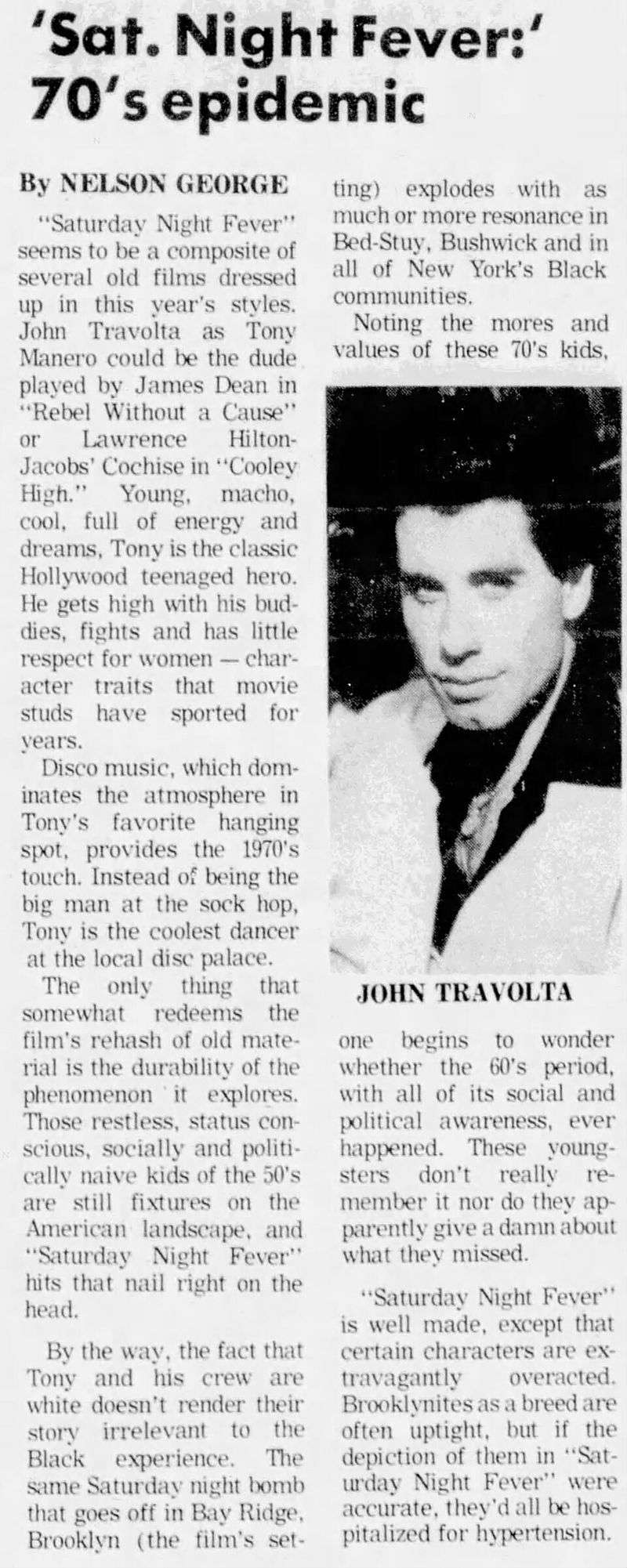
Disco had already built a dedicated following in clubs across the country before December 1977, but Saturday Night Fever pushed the entire culture surrounding it into territory it had never occupied before. John Travolta’s performance as Tony Manero, a Brooklyn working-class young man whose real life happened on the dance floor, connected with audiences far beyond any nightclub’s regular crowd.
The Bee Gees-dominated soundtrack became a commercial phenomenon on its own terms. Featuring Stayin’ Alive, Night Fever, and How Deep Is Your Love, the album spent 24 consecutive weeks at number one on the Billboard charts, eventually selling over 40 million copies worldwide and winning a Grammy for Album of the Year.
Saturday Night Fever transformed disco from a subculture into a global export, influencing fashion, dance, and music well into the following decade. The timing was striking: punk was loudly rejecting mainstream excess from one direction while this film sent disco accelerating toward mass popularity from the other.
12. Punk Rock Exploded Into Public View
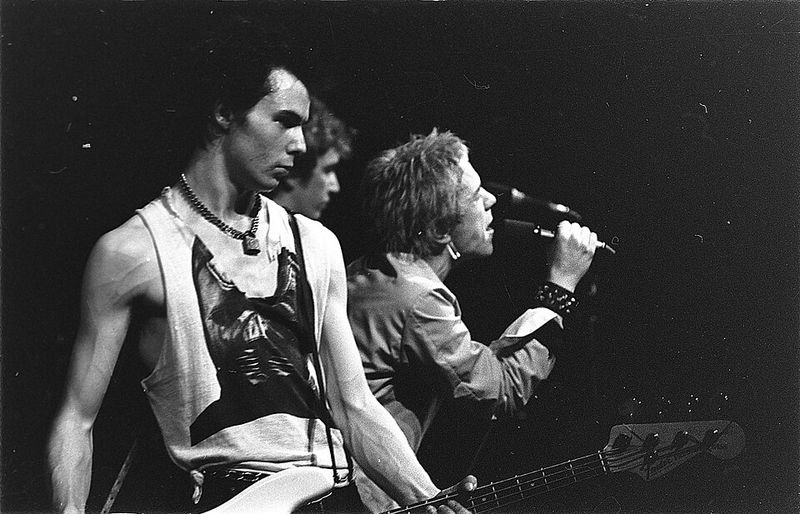
Punk had been developing in underground venues and small record stores for a couple of years before 1977 turned it into something mainstream culture could no longer sidestep. Three landmark albums arrived within months of each other: The Clash’s self-titled debut in April, the Sex Pistols’ Never Mind the Bollocks in October, and Talking Heads: 77 in September.
The Sex Pistols generated particular controversy in Britain when their single God Save the Queen was released during Queen Elizabeth II’s Silver Jubilee year in May. The BBC banned it, which did nothing to slow its reach.
The track climbed to number two on the UK charts despite the prohibition.
Punk’s do-it-yourself philosophy, stripped-down musical structures, and confrontational visual style represented a direct rejection of polished arena rock. Its emergence in 1977 gave disaffected young people across Britain and the United States a set of tools for creative expression that left a lasting imprint on music, fashion, and independent culture for decades afterward.
13. The Deadliest Aviation Disaster in History Happened on the Ground
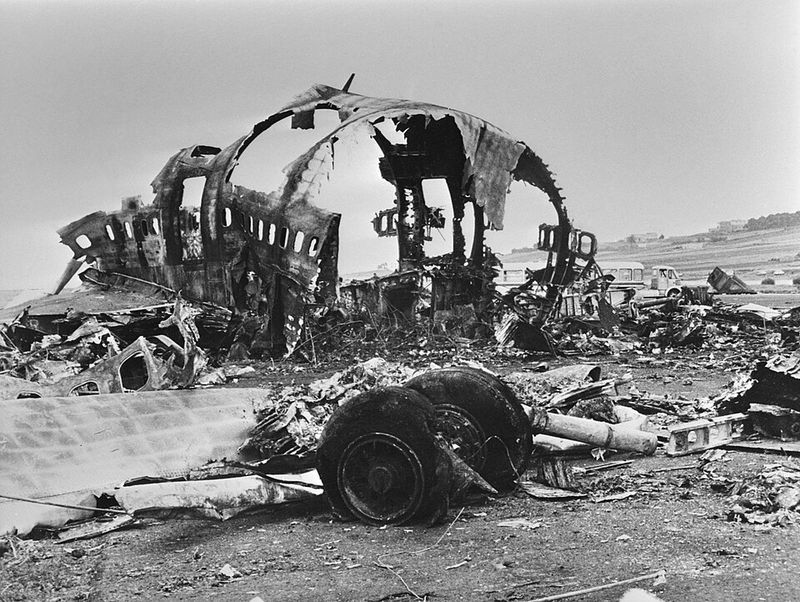
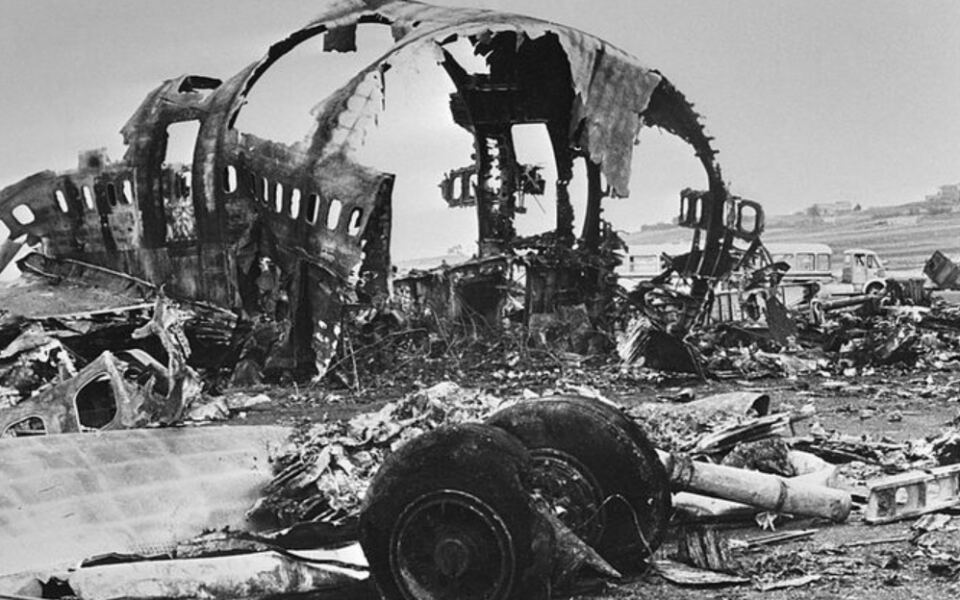
On March 27, 1977, two Boeing 747 passenger jets collided on a runway at Los Rodeos Airport on the island of Tenerife. Neither aircraft was in the air at the time.
The airport was unusually congested because multiple flights had been diverted from Gran Canaria Airport following a bomb threat, and dense fog had reduced runway visibility to dangerously low levels.
KLM Flight 4805 began its takeoff roll without confirmed air traffic control clearance. Pan Am Flight 1736 was still taxiing on the same runway.
A combination of radio miscommunications and zero visual confirmation meant neither crew nor the control tower could verify the other’s position in time.
The collision and subsequent fires killed 583 people. All 248 aboard the KLM aircraft perished, along with 335 of the 396 on the Pan Am flight.
The disaster triggered sweeping changes to aviation safety worldwide, including mandatory standardized radio terminology, improved ground radar systems, and the introduction of Crew Resource Management training that redefined how flight crews communicate under pressure.
Share this story