Idaho is one of those states that keeps surprising you the more you explore it. Towering waterfalls drop into canyon floors, lava fields stretch toward the horizon like a scene from another world, and mountain lakes sit so still that the reflections look almost too perfect to be real. The state covers an enormous range of landscapes, from the volcanic plains of the south to the dense forests of the north, and each region has its own distinct character worth discovering. This article walks you through 11 of Idaho’s most remarkable natural destinations, covering what makes each one worth the trip, what to expect when you arrive, and what you can do once you get there.
A few of these places are well known, while others tend to fly under the radar. All of them are genuinely worth your time.
1. Shoshone Falls, Twin Falls, Idaho
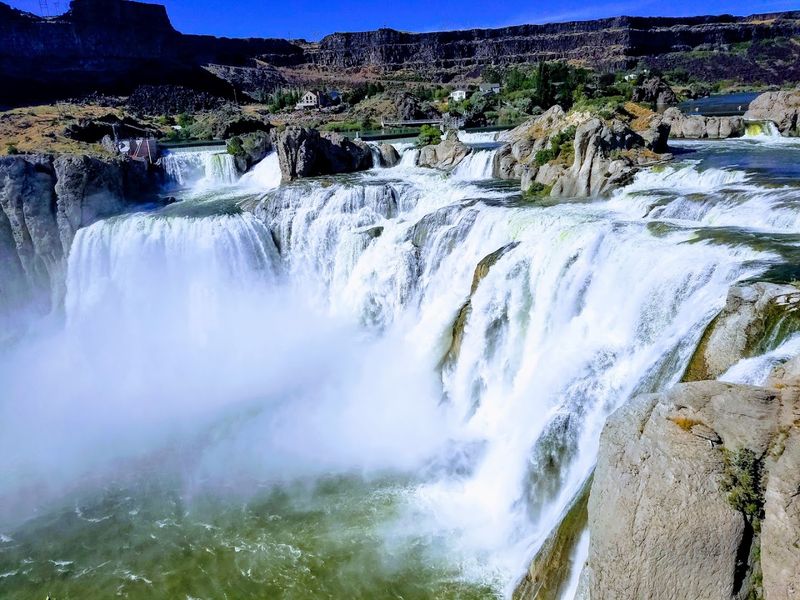
At 212 feet tall and nearly 1,000 feet wide, Shoshone Falls outranks Niagara Falls in height by a solid 45 feet, which means Idaho has been quietly winning that comparison for a very long time.
The falls were carved roughly 14,000 to 17,500 years ago during the catastrophic Bonneville Flood, when an ancient freshwater lake overflowed and tore through the Snake River Canyon in a matter of weeks. Oregon Trail travelers regularly detoured just to see it, and the tradition of making the trip has never really stopped.
Spring is the strongest season for flow, with wet years pushing water volume past 20,000 cubic feet per second. The park offers multiple overlooks, including one accessible by stairs near the entrance and another along a lower path for a closer view.
A vehicle fee applies from March through September, and the adjacent Dierkes Lake adds swimming, fishing, and paddleboarding to the visit. The surrounding basalt terrain gives the whole area a rugged, dramatic backdrop that photographs exceptionally well.
2. Craters of the Moon National Monument and Preserve, Arco, Idaho
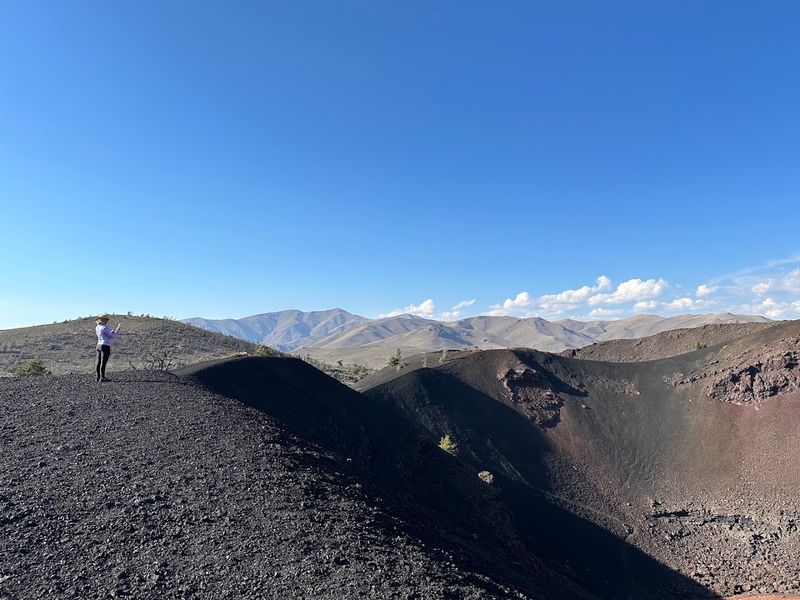
NASA once sent astronauts here to train for lunar missions, and once you see the place, that decision makes complete sense.
Craters of the Moon National Monument and Preserve covers more than 618 square miles of solidified lava flows, cinder cones, lava tubes, and volcanic fissures formed by eruptions spanning from 15,000 to 2,000 years ago. The monument sits on the northern edge of the Snake River Plain, where a volcanic hotspot left behind one of the most geologically fascinating landscapes in the entire country.
A seven-mile Loop Drive connects the main features, with trails branching off to formations like spatter cones, hornitos, and the Devils Orchard Nature Trail. Lava types here include smooth pahoehoe and rough, jagged a’a, and interpretive signs throughout the park explain what visitors are actually looking at.
Despite the stark terrain, wildflowers, shrubs, and various animal species have adapted to survive here. The constantly shifting daylight creates a dynamic visual experience across the black rock that changes noticeably throughout the day.
3. Redfish Lake, Stanley, Idaho
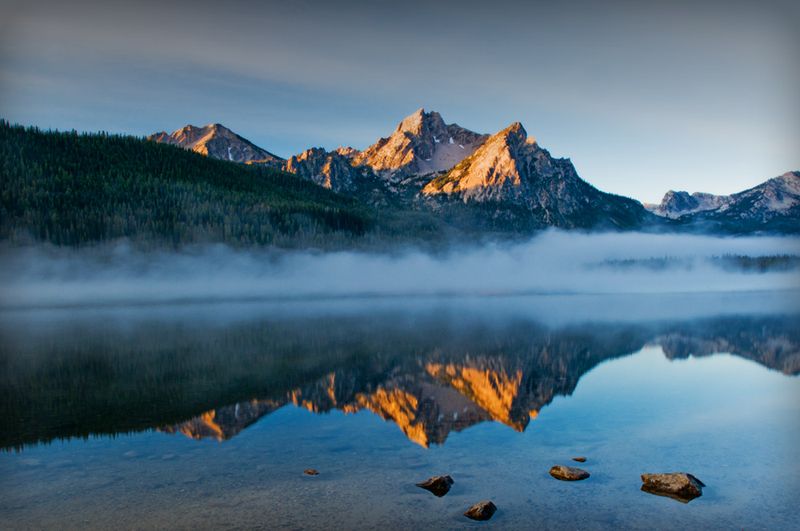
The name alone tells a story: sockeye salmon once returned here in such massive numbers that the lake turned red during spawning season, earning it a name that stuck long after the runs declined.
Today, Redfish Lake draws visitors for its postcard-worthy setting beneath the jagged Sawtooth peaks, where clear water mirrors the ridgelines above and forested shores provide shade for picnics and shoreline walks. The lake sits at the entrance to the Sawtooth National Recreation Area, making it a natural base for exploring the broader wilderness.
Boating, kayaking, and paddleboarding are available directly on the lake, and the Redfish Lake Lodge offers rentals and guided tours for those who prefer a structured experience. Hikers have access to a network of trails that fan out from the shoreline into the surrounding forest and higher terrain.
Wildlife sightings are common here, with deer, birds of prey, and occasionally larger mammals spotted along the trails. In autumn, the surrounding slopes shift into warm reds and golds that make the scenery even more striking than in summer.
4. Bruneau Dunes State Park, Mountain Home, Idaho
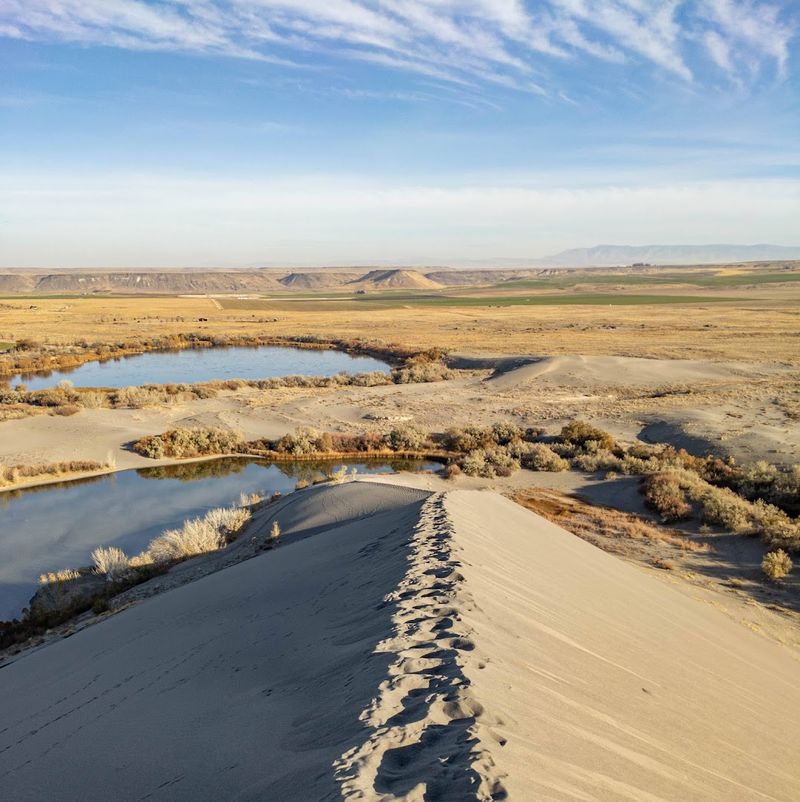
North America’s tallest single-structured sand dune rises 470 feet straight out of the Idaho desert, and the only way to fully appreciate that fact is to stand at the bottom and look up.
Bruneau Dunes State Park owes its unusual landscape to the Bonneville Flood around 14,000 years ago, which left a U-shaped basin where wind gradually deposited sand over thousands of years. The result is a geological formation that feels completely out of place in southern Idaho, which is exactly what makes it worth the drive.
Hiking up the dunes is a genuine workout due to the shifting surface underfoot, but the views from the top are worth the effort. Sandboards are available for rent at the visitor center for those who prefer a faster way back down.
Small lakes at the base of the dunes offer fishing for bluegill and bass, plus non-motorized boating. After dark, the park’s public observatory opens for stargazing events, taking advantage of the area’s distance from city light pollution. Sunrise and sunset visits are particularly popular with photographers.
5. City of Rocks National Reserve, Almo, Idaho
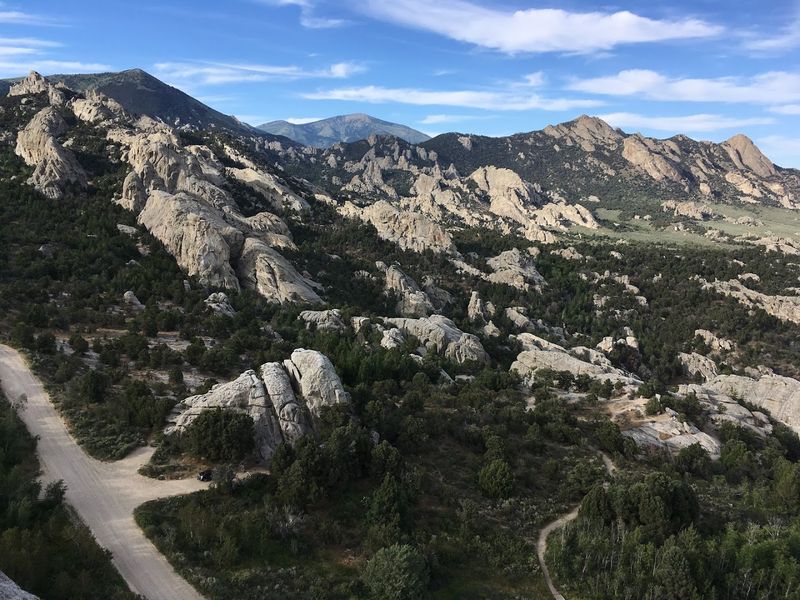
Granite spires that took 2.5 billion years to form now rise unexpectedly from the high desert near Almo, creating a skyline that looks like it belongs somewhere far more dramatic on the map.
City of Rocks National Reserve is a world-class rock climbing destination, drawing climbers from across the globe to tackle its challenging granite faces. The reserve contains hundreds of established climbing routes across a compact area, making it efficient for experienced climbers who want variety without excessive travel between sites.
Non-climbers have plenty of reasons to visit as well. A network of hiking trails winds through the formations at ground level, offering close-up views of the spires and access to panoramic overlooks that reward the effort. The shifting daylight creates constantly changing shadows across the granite throughout the day.
California Trail wagon ruts and pioneer inscriptions on the rock surfaces add a historical dimension that many visitors find unexpectedly compelling. Camping is available within the reserve, allowing for longer stays that make it possible to explore the landscape more thoroughly than a single day permits.
6. Thousand Springs State Park, Hagerman, Idaho
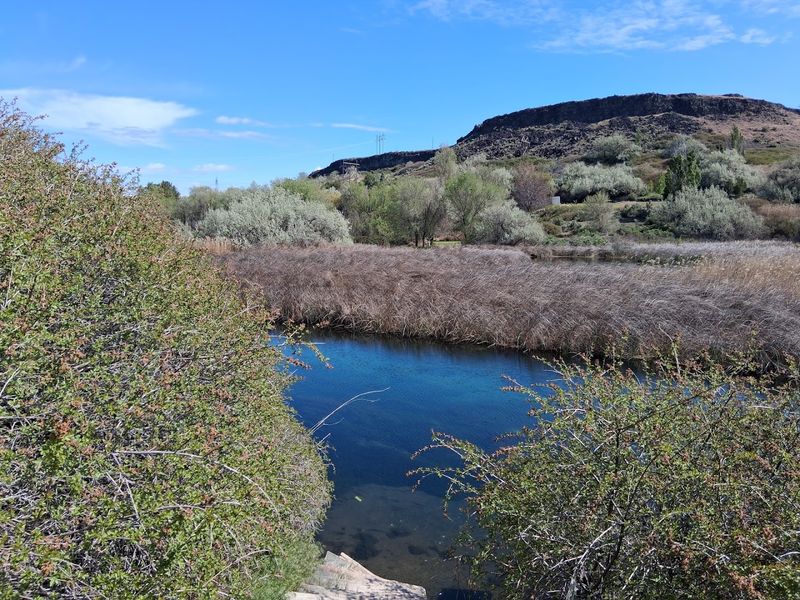
Water that fell as rain or snow nearly 100 miles to the north travels underground for decades through porous lava rock before bursting directly out of canyon walls here, which makes every spring at Thousand Springs feel a little miraculous.
The park is divided into several separate units, each with its own character. Box Canyon contains the eleventh-largest spring in the United States, where aqua-blue water flows at roughly 180,000 gallons per minute. Ritter Island protects one of the largest remaining natural spring complexes in the region and serves as critical habitat for the Shoshone sculpin, a fish found nowhere else on Earth.
Niagara Springs, a National Natural Landmark, features churning blue water at the base of 350-foot basalt canyon walls. A road descends into the canyon there, providing an up-close look at the geological forces at work.
The spring water maintains a constant 58-degree temperature year-round, which supports lush vegetation that thrives in the otherwise arid Snake River Canyon. Birdwatching is productive throughout the park, with herons, raptors, and waterfowl regularly present near the water.
7. Harriman State Park, Island Park, Idaho
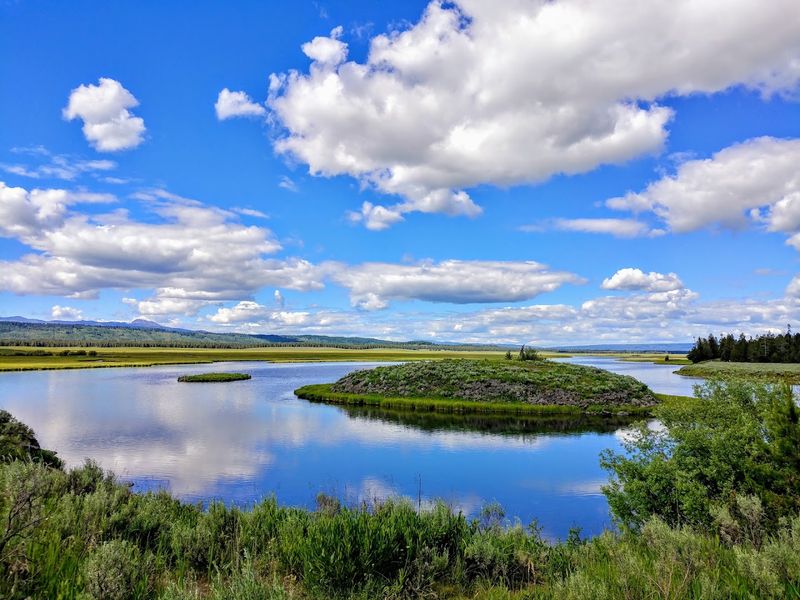
Before it became a state park, this land was a private retreat for some of the most powerful railroad investors in American history, including the Harriman and Guggenheim families, who used it as a working cattle ranch from 1902 until 1977.
When the Harriman family donated the 11,000-acre property to Idaho, they attached one condition: it must remain undeveloped and protected. That decision created one of the most genuinely wild state parks in the region, where the landscape looks much the same today as it did a century ago.
The park is particularly famous for its trumpeter swans, with roughly two-thirds of the trumpeter swans that winter in the contiguous United States gathering here. Moose, elk, and a wide variety of bird species are also regularly spotted across the forests, wetlands, and meadows.
More than 20 miles of trails serve hikers in warmer months and cross-country skiers in winter. The rustic historic ranch buildings remain on-site, providing a glimpse into the property’s past while visitors explore its remarkably preserved natural surroundings at a deliberately unhurried pace.
8. Sawtooth National Recreation Area, Stanley, Idaho
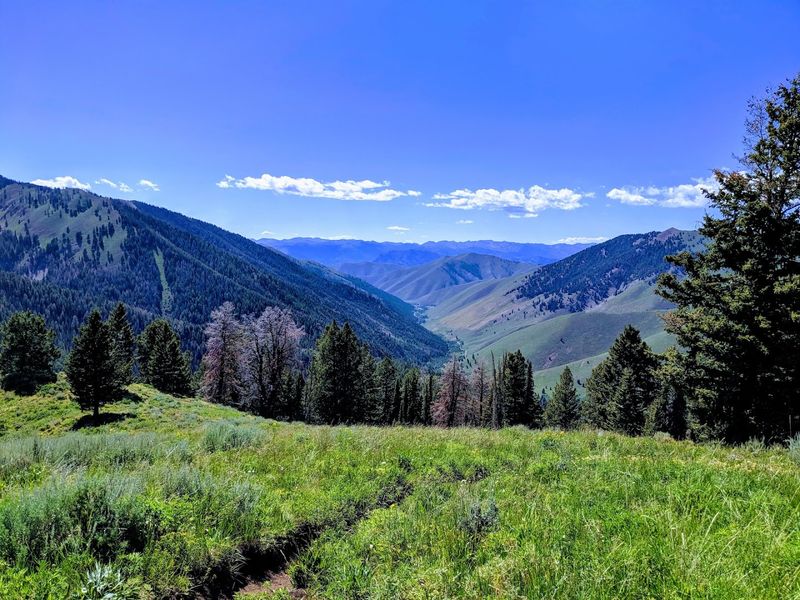
Seven hundred miles of trails, more than 300 alpine lakes, and peaks that top out well above 10,000 feet make the Sawtooth National Recreation Area one of the most ambitious wilderness destinations in the American West.
Established in 1972, the SNRA covers 756,000 acres of central Idaho, encompassing multiple designated wilderness areas including the Sawtooth, White Clouds, and Hemingway-Boulders Wilderness zones. Each offers progressively more remote terrain for backpackers willing to push beyond the trailheads.
The Sawtooth Scenic Byway and Ponderosa Pine Scenic Byway cut through the heart of the recreation area, providing access to overlooks and pullouts where non-hikers can still absorb the scale of the landscape. Summer brings dense wildflower meadows to the mountain valleys, while autumn transforms the aspens and cottonwoods into vivid gold and orange.
Fishing in the area’s clear streams and lakes is popular throughout the warmer months. Wildlife sightings, including deer, elk, and various raptors, are common along most trails. The SNRA consistently ranks among Idaho’s most visited natural areas for good reason.
9. Priest Lake, Coolin, Idaho
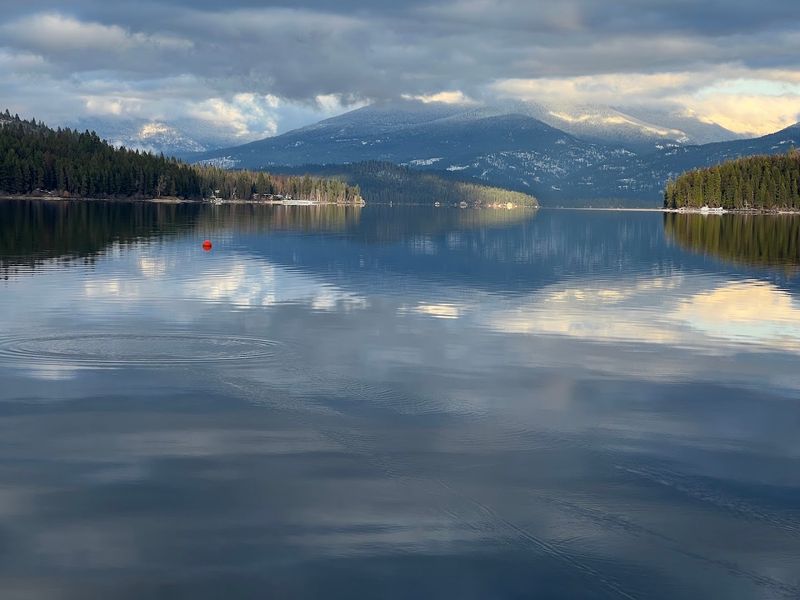
Nineteen miles long, remarkably clear, and surrounded by old-growth forest that has been quietly doing its thing for centuries, Priest Lake sits in northern Idaho as one of the state’s most genuinely unspoiled large lakes.
The Selkirk Mountains rise directly from the eastern shoreline, creating a scenic backdrop that rewards photographers in every season. Calm bays and numerous islands break up the lake’s surface, making it ideal for kayaking and paddleboarding at a relaxed pace.
Anglers target several fish species in the lake’s depths, and boating is a longtime tradition among families who have been returning to Priest Lake for generations. The lake’s size means it rarely feels crowded, even during peak summer weekends.
Trails from the shoreline lead into the Selkirk Mountains, ranging from easy forest walks to more demanding routes with panoramic summit views. Deer, moose, and various bird species are frequently encountered along these paths. The combination of accessible water recreation and genuine mountain wilderness access is what keeps visitors returning to Priest Lake year after year.
10. Mesa Falls Scenic Byway, Ashton, Idaho
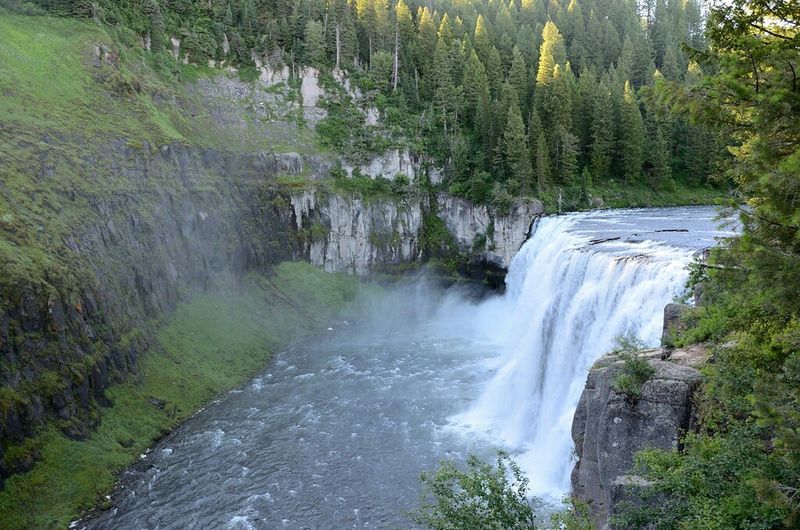
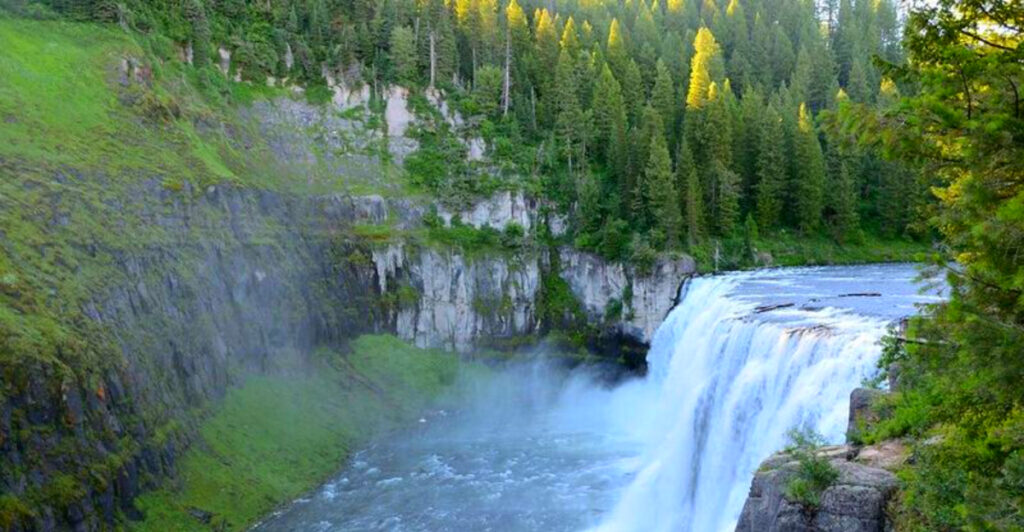
Upper Mesa Falls is widely considered the last major undisturbed waterfall in the entire Snake River system, which makes it a genuinely rare find in a region where most rivers have been significantly altered by dams and diversions.
The falls drop 114 feet and span 200 feet across, with the Henrys Fork of the Snake River crashing through layered basalt columns that reveal millions of years of volcanic geology in cross-section. Boardwalks and viewing platforms bring visitors within a short distance of the cascade, providing perspectives that feel more immediate than a typical overlook.
Lower Mesa Falls sits a short distance downstream, dropping 65 feet into a narrower canyon section. Its compact formation and surrounding cliff walls create a different kind of drama that complements rather than competes with the upper falls.
The Mesa Falls Scenic Byway itself passes through Caribou-Targhee National Forest, making the drive between the two falls a scenic experience in its own right. Autumn is a particularly strong season here, when the surrounding forest adds warm color to the already dramatic landscape. Both falls are accessible from well-maintained viewing areas.
11. Hells Canyon National Recreation Area, Riggins, Idaho
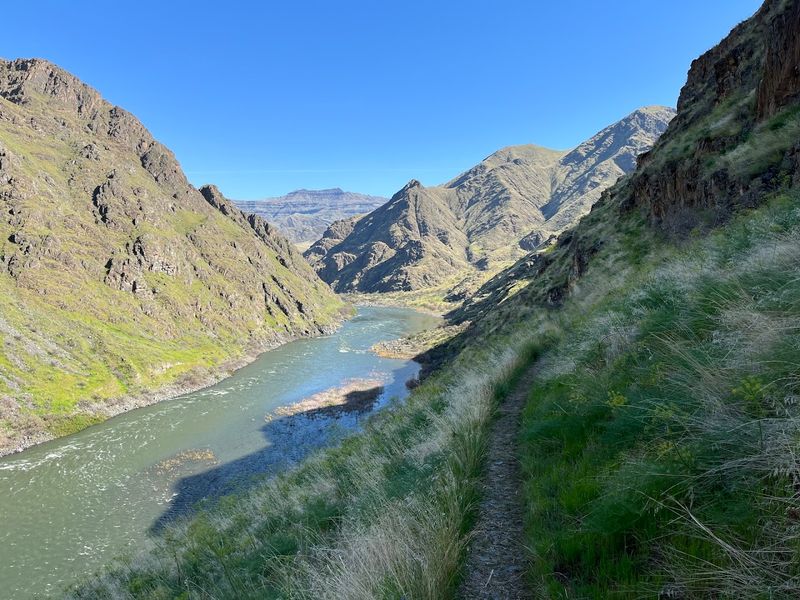
The deepest river gorge in North America is not the Grand Canyon, and that fact tends to genuinely surprise people when they first encounter Hells Canyon.
Carved by the Snake River along the Idaho-Oregon border, Hells Canyon descends over a mile in places, with canyon walls that dwarf the surrounding terrain in a way that takes a moment to fully process. The recreation area covering this landscape spans a massive swath of rugged terrain on both sides of the river.
Whitewater rafting through Class III and IV rapids is one of the most popular ways to experience the gorge from river level, while jet boats provide faster access to remote sections of the canyon. Scenic overlooks accessible by road on the Idaho side deliver panoramic views that require no hiking to appreciate.
Wildlife is abundant throughout the canyon, with bighorn sheep navigating steep rocky slopes, eagles and ospreys circling above the river, and deer and elk visible in the higher terrain. Anglers target bass, trout, and the legendary white sturgeon in the Snake River. Trail options range from riverside routes to demanding backcountry paths into the Seven Devils Mountains.
Share this story