High blood pressure affects nearly half of all adults in the United States, and what you eat plays a bigger role than most people realize. Small changes to your diet can make a real difference over time.
Many everyday foods are packed with nutrients that support healthy blood vessels and help your heart do its job. Here are 12 foods worth adding to your plate if you want to keep your numbers in a good range.
1. Beets
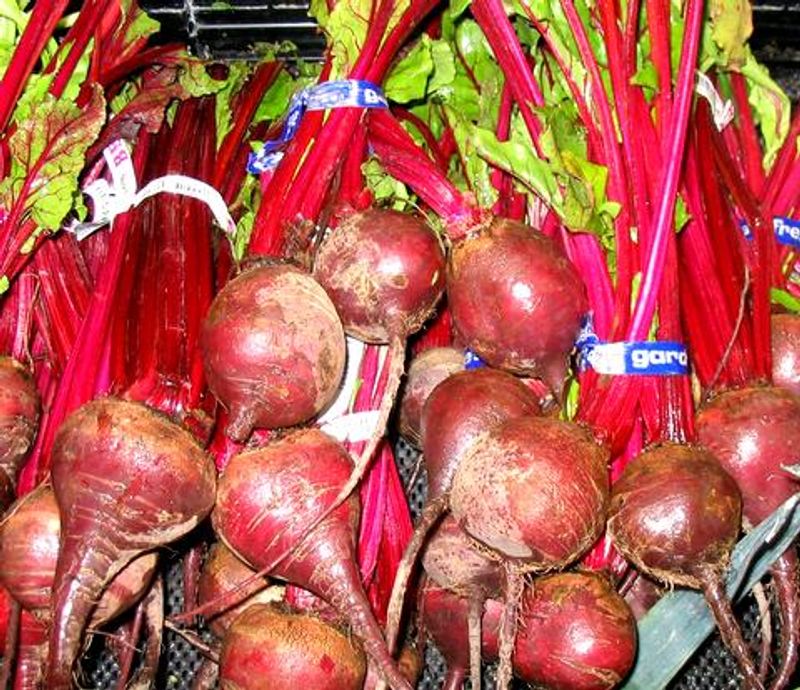
Few vegetables have earned as much attention in the world of heart health as beets. Rich in natural nitrates, beets help your blood vessels relax and widen, which can lower blood pressure within just a few hours of eating them.
Several studies have shown that drinking beet juice regularly may produce measurable results.
You can roast beets, blend them into smoothies, or slice them raw into salads. They have a naturally sweet, earthy flavor that pairs well with goat cheese or a simple vinaigrette.
Even canned beets count, as long as they are low in added sodium.
The deep red-purple pigment in beets also comes from a compound called betalain, which has antioxidant properties. Adding beets to your weekly meals is an easy, affordable way to support your cardiovascular health without major effort.
2. Spinach and Other Leafy Greens
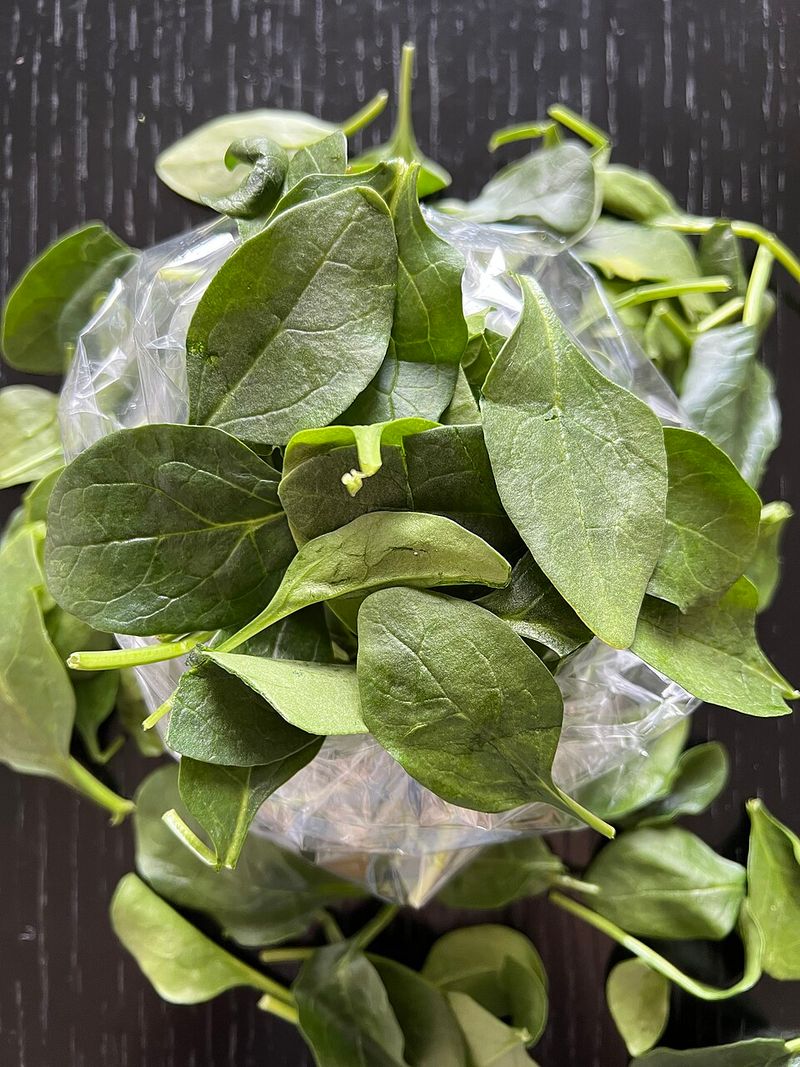
Spinach, kale, Swiss chard, and romaine lettuce all share one powerful thing in common: they are loaded with potassium. Potassium helps your kidneys flush out excess sodium from your body, and that process directly reduces pressure on your artery walls.
Most Americans do not get nearly enough potassium each day.
One cup of cooked spinach delivers more potassium than a banana, making it one of the most efficient leafy options available. You can toss it into pasta, blend it into soups, or saute it with garlic for a simple side dish.
Even adding a handful of raw spinach to a sandwich makes a difference.
Leafy greens are also high in magnesium and folate, two nutrients that support healthy blood flow. Eating them regularly, even just a few times a week, is a practical step toward better cardiovascular health.
3. Blueberries and Strawberries
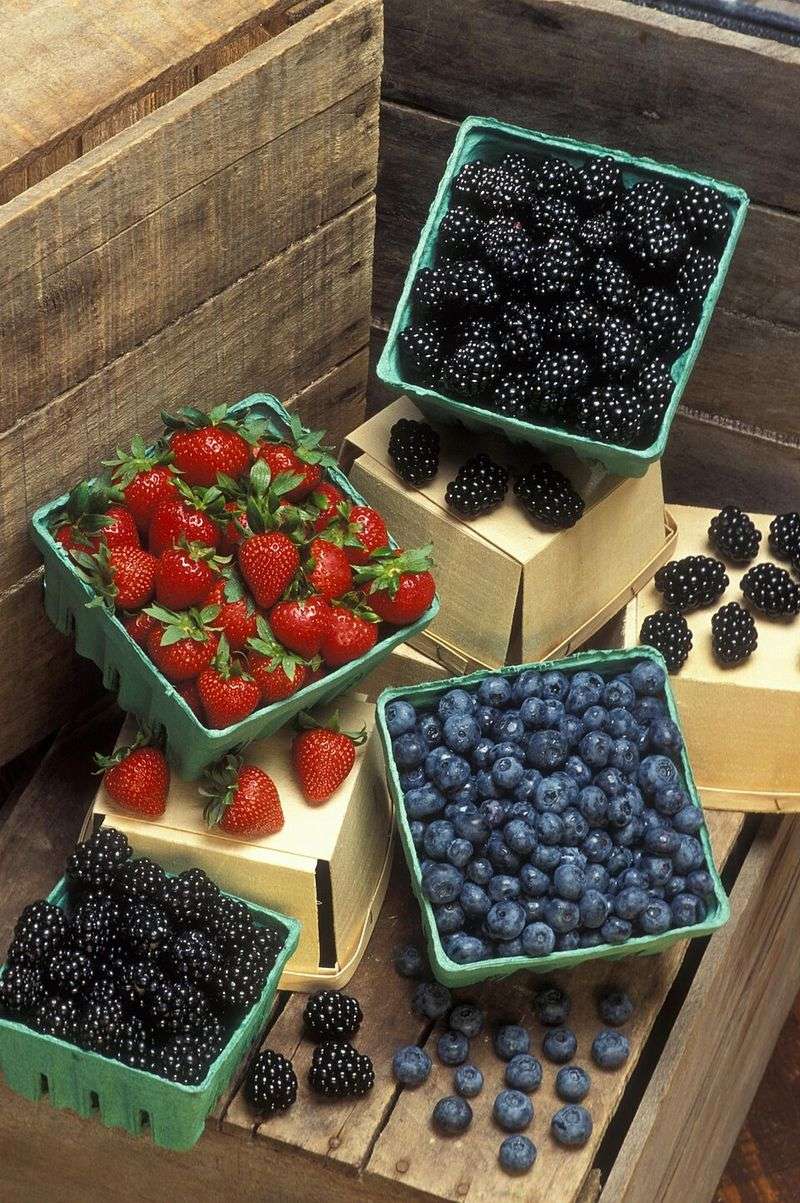
Berries might seem like a simple snack, but they carry a serious nutritional punch. Blueberries and strawberries are rich in flavonoids, a type of plant compound that has been linked to lower blood pressure in multiple large-scale studies.
One study found that people who ate the most berries had a significantly reduced risk of developing hypertension.
Flavonoids help improve the flexibility of blood vessels, which allows blood to flow more smoothly. Blueberries are especially high in a specific flavonoid called anthocyanin, which gives them their deep blue color and much of their health benefit.
Strawberries add vitamin C and fiber to the mix, making them a well-rounded choice.
Fresh or frozen, both options work equally well. Toss them into oatmeal, yogurt, or a smoothie for a quick and genuinely enjoyable way to support your heart every single day.
4. Bananas
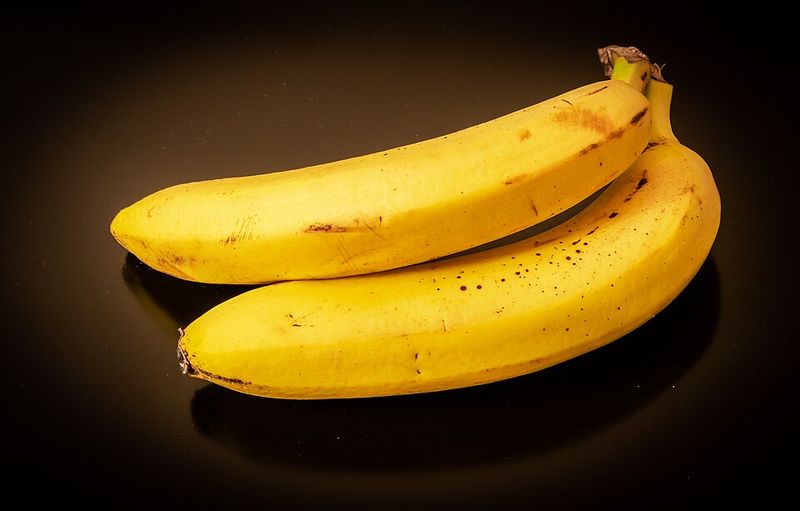
Bananas are one of the most convenient potassium sources you can find, and potassium is the mineral most closely tied to managing blood pressure. A single medium banana contains about 422 milligrams of potassium, which helps balance out the effects of sodium in your diet.
Think of potassium and sodium as a seesaw – when one goes up, the other needs to come down.
Eating more potassium-rich foods like bananas can help your body maintain that balance naturally. They are easy to grab on the go, require no preparation, and pair well with peanut butter, oatmeal, or yogurt for a more filling snack.
They are also affordable and available year-round at virtually every grocery store.
Beyond potassium, bananas provide magnesium and vitamin B6, both of which support proper heart and nerve function. Keeping a bunch on your counter is one of the simplest healthy habits you can build.
5. Oats
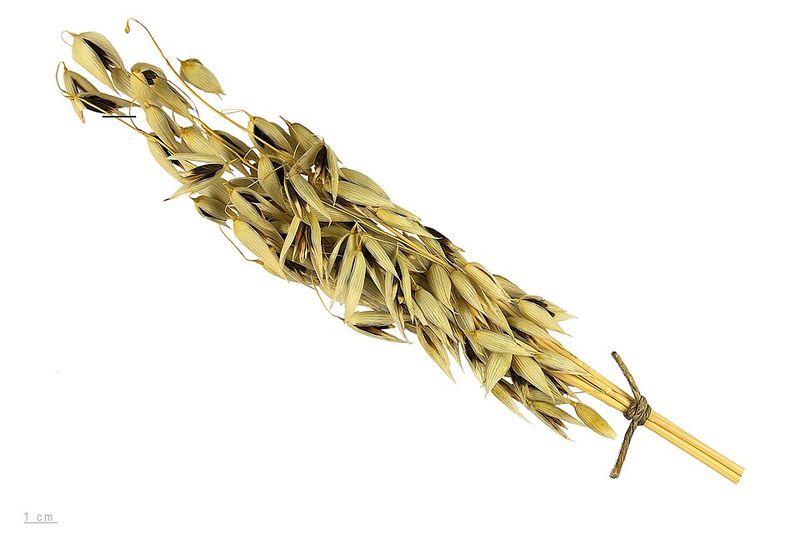
Starting your morning with a bowl of oats might be one of the best things you can do for your blood pressure before the day even begins. Oats contain a soluble fiber called beta-glucan, which has been shown in clinical research to reduce both systolic and diastolic blood pressure readings.
Even modest portions make a difference when eaten consistently.
Beta-glucan works by improving how your blood vessels function and by reducing LDL cholesterol, which is often linked to cardiovascular strain. Plain rolled oats or steel-cut oats are your best options since instant oat packets can be loaded with added sugar and sodium.
Cooking oats from scratch takes only a few minutes and gives you full control over what goes in.
Top your oats with banana slices, blueberries, or a sprinkle of ground flaxseed for an extra layer of heart-healthy nutrition. It is a breakfast that genuinely earns its reputation.
6. Beans and Lentils
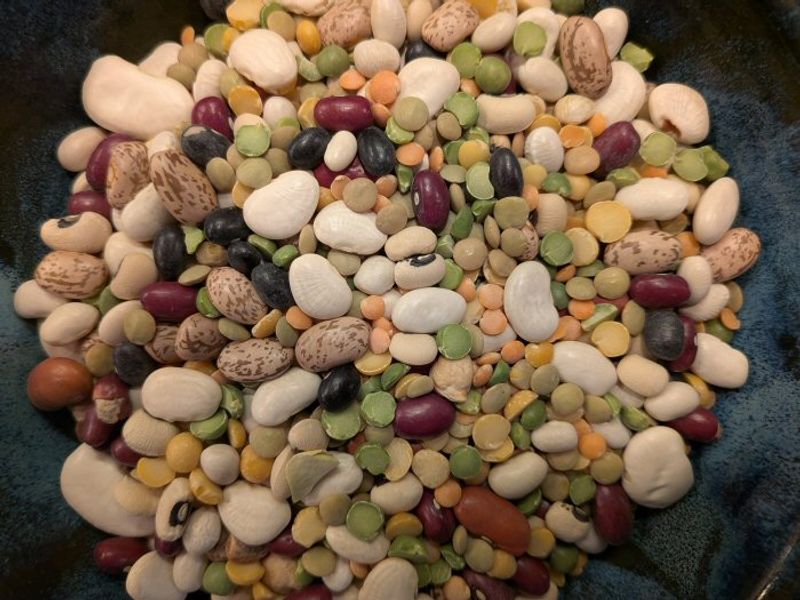
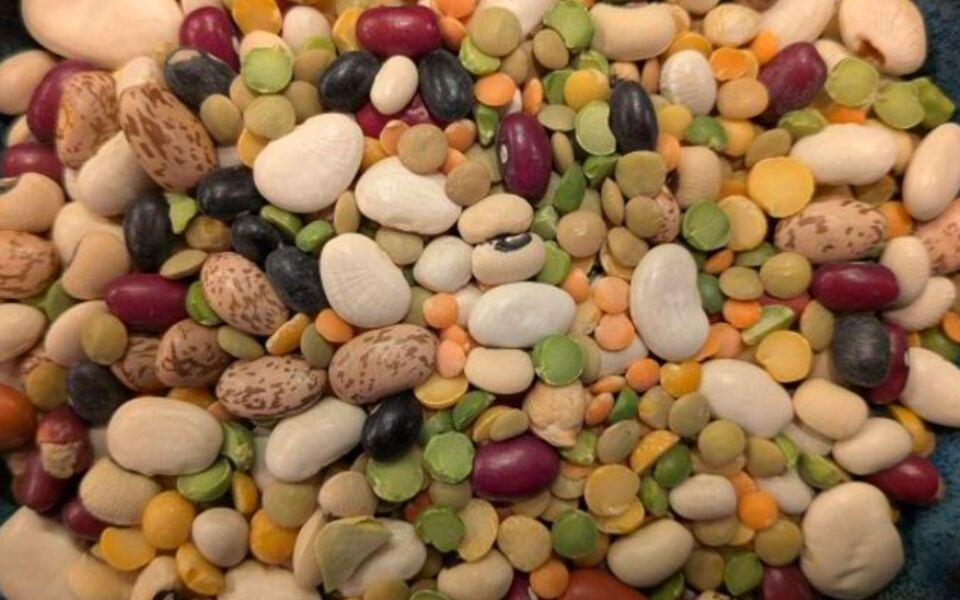
Beans and lentils have been a dietary staple across cultures for thousands of years, and modern research confirms that they deserve that long-standing trust. Packed with fiber, potassium, magnesium, and plant-based protein, legumes offer a combination of nutrients that directly supports healthy blood pressure.
A review of multiple studies found that eating legumes regularly was associated with meaningful reductions in systolic pressure.
Black beans, kidney beans, chickpeas, and red lentils are all excellent choices. They are filling, versatile, and very budget-friendly.
You can add them to soups, stir them into grain bowls, mash them into dips, or use them as a meat substitute in tacos and chili.
Canned varieties work perfectly fine as long as you rinse them thoroughly under water to wash away excess sodium. Making beans a regular part of your weekly meals is a low-effort habit with meaningful long-term benefits for your heart.
7. Unsalted Nuts and Seeds
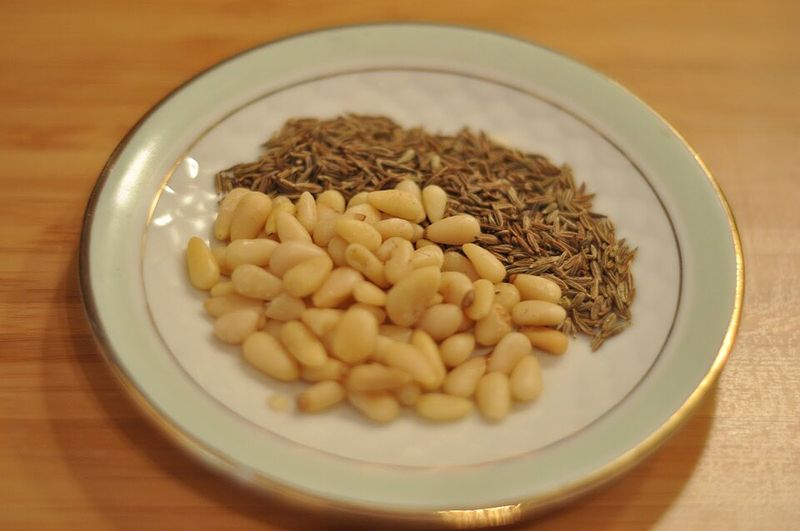
Grabbing a handful of unsalted almonds or walnuts might not feel like a health decision, but it genuinely is. Nuts and seeds are rich in magnesium, potassium, healthy fats, and fiber, all of which contribute to more relaxed and flexible blood vessels.
Walnuts in particular contain omega-3 fatty acids, which have a well-established connection to lower cardiovascular risk.
Seeds like flaxseed, chia seeds, and pumpkin seeds are also worth keeping in your pantry. Flaxseeds have been studied specifically for their blood pressure-lowering effects and can be easily ground and mixed into oatmeal, yogurt, or smoothies.
Pumpkin seeds are one of the richest plant-based sources of magnesium available.
The key word here is unsalted. Salted nuts can actually work against your blood pressure goals by adding unnecessary sodium.
Keep a small container of mixed unsalted nuts at your desk or in your bag for a convenient and heart-smart snack.
8. Salmon and Other Fatty Fish
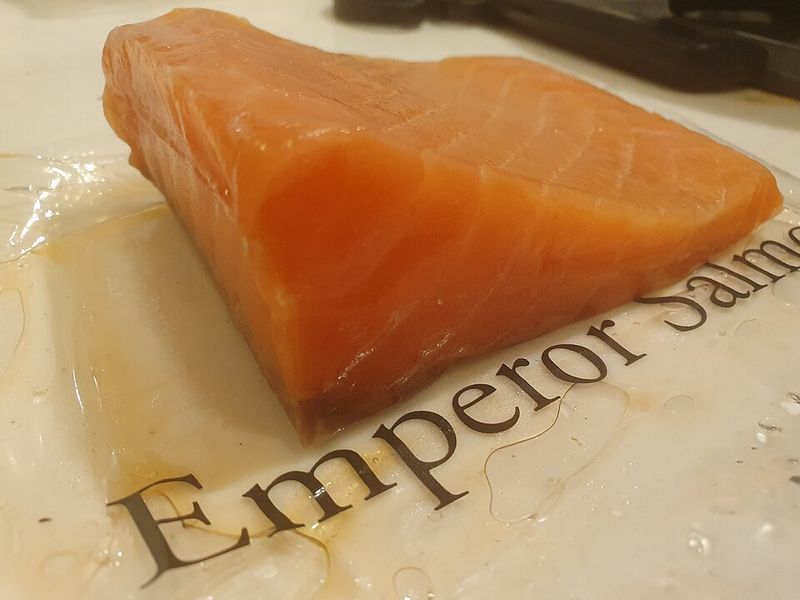
Salmon has a well-earned reputation as one of the most heart-friendly proteins on the planet. Along with mackerel, sardines, and trout, salmon is high in omega-3 fatty acids, which help reduce inflammation and improve the health of your blood vessel walls.
Research consistently links higher omega-3 intake with lower blood pressure, particularly in people who already have elevated readings.
The American Heart Association recommends eating fatty fish at least twice a week. Baking, grilling, or poaching salmon keeps it healthy without adding unnecessary fats or sodium.
Canned sardines and mackerel are equally nutritious and cost far less, making them accessible options for almost any budget.
Beyond omega-3s, fatty fish provide vitamin D and selenium, two nutrients that also play supporting roles in cardiovascular health. Swapping out red meat for fish a couple of nights a week is a practical and satisfying shift that your heart will notice over time.
9. Plain Low-Fat Yogurt

Dairy might not be the first thing that comes to mind when thinking about blood pressure, but plain low-fat yogurt has a surprisingly strong track record. Yogurt is a good source of both calcium and potassium, two minerals that work together to help regulate blood pressure.
A large study published in the American Journal of Hypertension found that people who ate yogurt regularly had lower average blood pressure readings than those who did not.
The key is choosing plain varieties without added sugar. Flavored yogurts can contain as much sugar as a dessert, which offsets the health benefits.
Plain Greek yogurt tends to be higher in protein and slightly lower in sugar than regular yogurt, making it a particularly solid option.
Use it as a base for smoothies, swap it in for sour cream in recipes, or top it with berries and a drizzle of honey. Simple, flexible, and genuinely useful for your heart.
10. Tomatoes
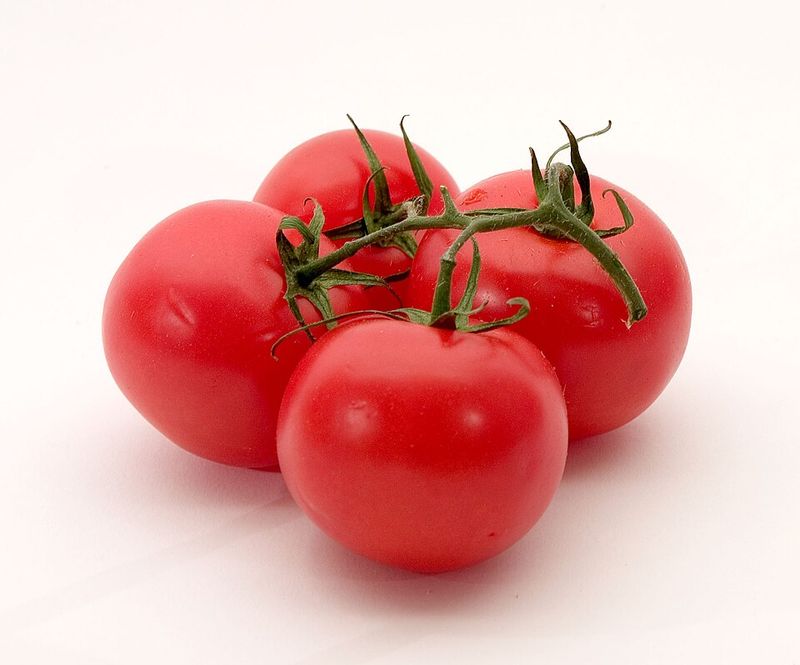
Tomatoes are one of the most common vegetables in kitchens around the world, and they happen to be excellent for blood pressure management. They are rich in lycopene, a powerful antioxidant that has been linked to reduced cardiovascular risk and lower blood pressure in several clinical studies.
Lycopene is actually better absorbed by your body when tomatoes are cooked or processed, so tomato paste and canned crushed tomatoes are especially potent sources.
Tomatoes also provide potassium and vitamin C, both of which support healthy blood vessel function. Adding tomato-based sauces to pasta, soups, or grain dishes is an effortless way to work them into your regular meals.
Fresh tomatoes work well in salads, on sandwiches, or sliced with a little olive oil and herbs.
When buying canned tomato products, check the sodium content on the label and choose low-sodium or no-salt-added versions whenever possible. Small label checks like that add up to big differences over time.
11. Kiwi
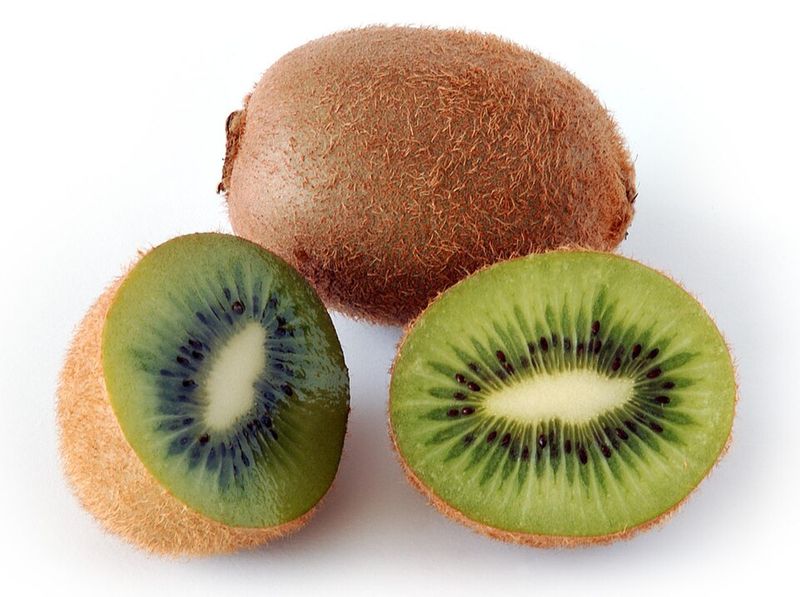
Kiwi might be small, but it punches well above its weight when it comes to cardiovascular benefits. A study from Norway found that people who ate three kiwis per day for eight weeks experienced notable reductions in both systolic and diastolic blood pressure compared to those who ate an apple a day instead.
The researchers credited the effect to a combination of antioxidants, potassium, and a compound called lutein found in the fruit.
One kiwi contains more vitamin C than an orange, which is impressive for such a small fruit. Vitamin C has antioxidant effects that may help protect blood vessels from damage caused by oxidative stress.
Kiwis are also high in fiber, which supports overall heart health and cholesterol management.
They are easy to prep – just slice in half and scoop out the flesh with a spoon. Adding two or three kiwis to your daily routine is a fresh, tangy habit worth building.
12. Extra-Virgin Olive Oil
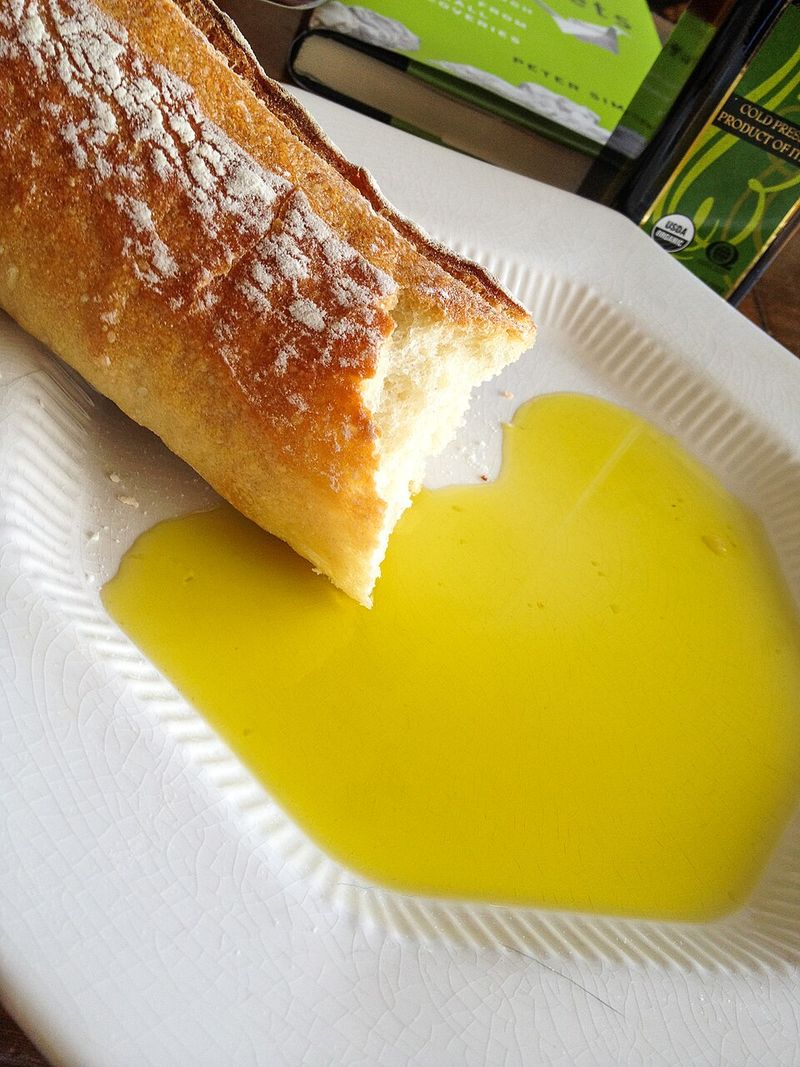
Extra-virgin olive oil is the cornerstone of the Mediterranean diet, which is widely considered one of the most heart-healthy eating patterns in the world. It is rich in oleic acid, a monounsaturated fat that helps reduce inflammation and supports healthy blood vessel function.
A study published in Nutrients found that regular consumption of extra-virgin olive oil was associated with lower systolic blood pressure, particularly in older adults.
The polyphenols in extra-virgin olive oil, which are natural plant compounds with antioxidant effects, appear to play a key role in these benefits. Choosing extra-virgin over refined olive oil matters because the extra-virgin variety retains far more of these beneficial compounds.
Look for bottles with a harvest date on the label to ensure freshness.
Use it as a salad dressing, drizzle it over roasted vegetables, or dip whole-grain bread into it. Replacing butter or processed oils with extra-virgin olive oil is one of the most impactful swaps you can make for your blood pressure.
Share this story