Idaho may be famous for dramatic landscapes and potatoes, but it also offers plenty of memorable attractions that cost $10 or less. Volcanic lava fields, historic sites, Indigenous heritage, wildlife, and unusual museums make exploring the state surprisingly affordable.
These 12 budget-friendly Idaho attractions deliver plenty to see without stretching your wallet. From fascinating history to otherworldly scenery, each offers a rewarding stop for a road trip or day out.
1. Shoshone Falls Park, Twin Falls, Idaho
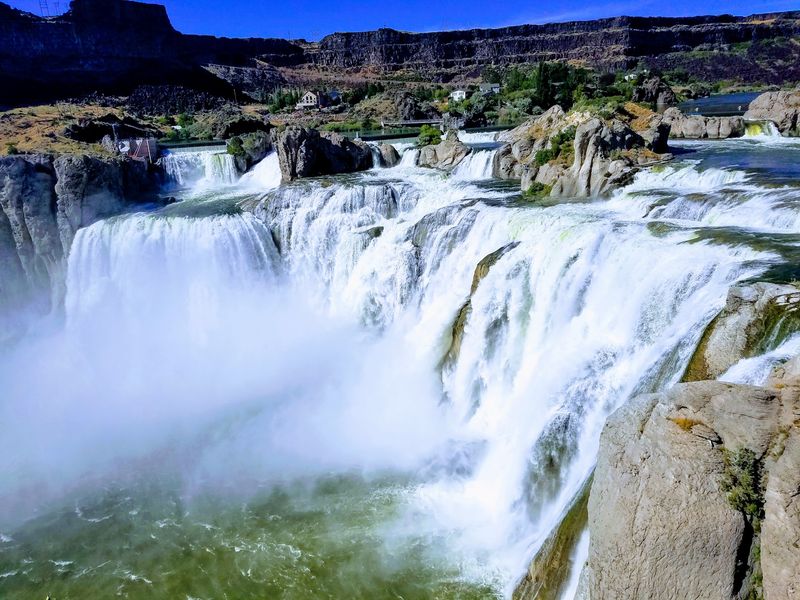
At 212 feet tall, Shoshone Falls is actually higher than Niagara Falls, which is the kind of fact that stops people mid-sentence at parties. The city of Twin Falls charges just $5 per vehicle during the fee season, and that single payment covers access to overlooks, picnic areas, and walking paths along the canyon rim.
Spring tends to draw the biggest crowds for good reason. Snowmelt pushes the Snake River flow to its peak, and the falls can reach rates exceeding 12,000 cubic feet per second in strong years, creating a genuinely powerful display that photographs well from multiple overlook points.
Later in the year, irrigation diversions upstream can reduce the flow considerably, so the experience varies by season. The park also includes Dierkes Lake nearby, where visitors can fish, swim, and paddle.
History fans can hike to the Evel Knievel Jump Site, adding a layer of daredevil lore to an already dramatic natural setting.
2. Old Idaho Penitentiary Site, Boise, Idaho
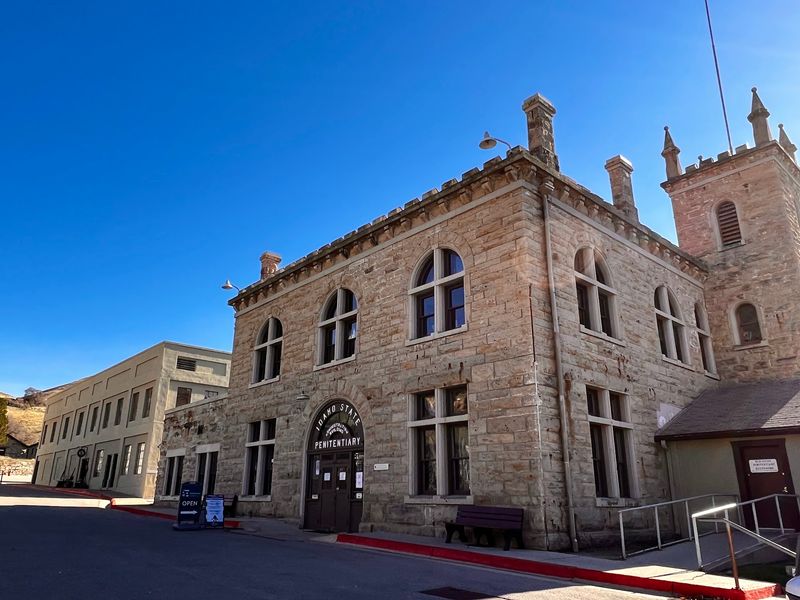
There are not many places where $9 buys you a genuine brush with over a century of criminal history, but the Old Idaho Penitentiary makes a strong case for being one of them. The complex operated as an active prison from 1872 to 1973, and the preserved cell blocks, stone walls, and narrow corridors give visitors a concrete sense of what incarceration looked like across multiple eras.
Regular adult admission is currently $9, with reduced rates available for seniors and children. The site is not a recreation of history but an actual preserved piece of it, which makes walking through the cell blocks feel considerably more grounded than a typical museum exhibit.
Various themed tours and special events run throughout the year, covering everything from prison history to paranormal claims, so there are multiple reasons to return. The Idaho Museum of Mining and Geology sits directly next door, making it easy to turn this into an affordable double-stop afternoon in east Boise.
3. Idaho State Museum, Boise, Idaho
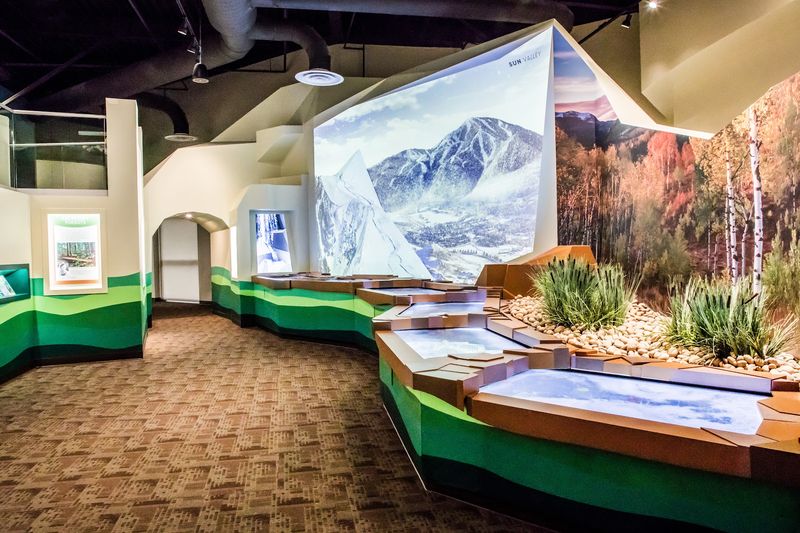
The Idaho State Museum sits inside Julia Davis Park in downtown Boise, which already puts it in good company. Its location near the Boise River and other park attractions means a museum visit can naturally expand into a longer afternoon without much extra planning or spending.
Adult admission is currently $10, and that price covers a broad range of exhibits exploring Idaho’s people, landscapes, communities, and shifting identity across time. Seniors, college students, active military members, veterans, and children all qualify for reduced rates, making it one of the more family-accessible paid museums in the state.
For travelers doing an Idaho road trip from north to south, visiting this museum early in the journey is a practical move. The exhibits provide enough historical and cultural context to make other stops across the state feel more connected and meaningful.
The museum also rotates special exhibitions, so repeat visitors often find something new to explore beyond the permanent collection.
4. Idaho Museum of Mining and Geology, Boise, Idaho
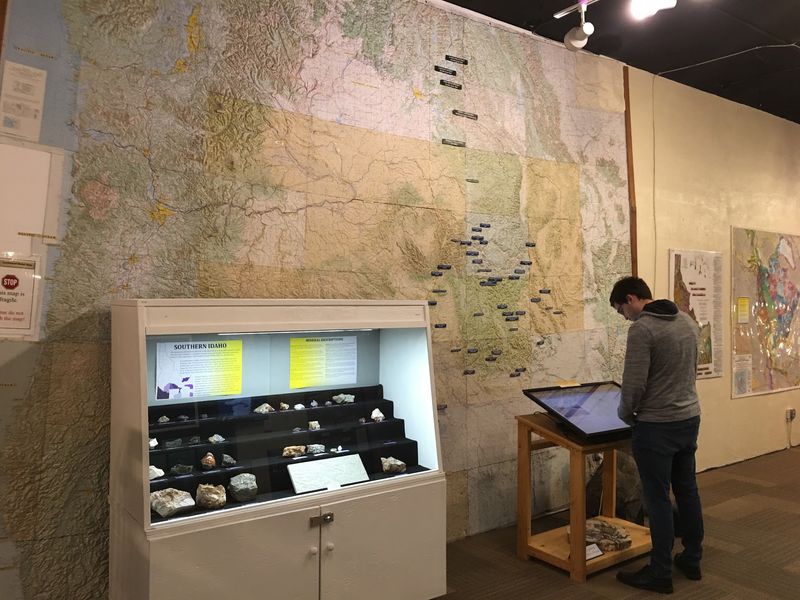
Free admission and a genuinely interesting subject make the Idaho Museum of Mining and Geology an easy addition to any Boise itinerary. The museum covers Idaho’s complex geological history through displays of rocks, minerals, fossils, and mining equipment, presenting material that could feel dense in a textbook but works surprisingly well in this format.
Idaho has one of the more varied geological profiles in the American West, shaped by volcanic activity, ancient seas, and significant tectonic forces over millions of years. The museum does a solid job of making that complicated backstory accessible without oversimplifying it.
Its location next to the Old Idaho Penitentiary is genuinely convenient. Budget-minded visitors can pair both attractions in a single afternoon at no combined cost beyond the penitentiary’s $9 admission.
The museum is operated by the Idaho Geological Survey, which lends it a level of scientific credibility that goes beyond the average roadside attraction. Rock collectors in particular tend to find the mineral displays worth lingering over.
5. Idaho Potato Museum, Blackfoot, Idaho
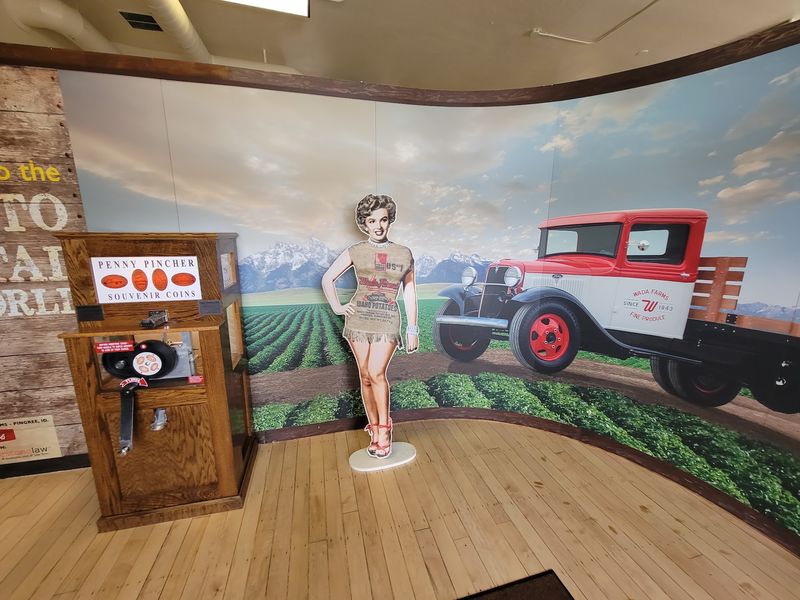
A giant potato perched outside a converted railroad depot is not the kind of landmark that blends into the background, and that is exactly the point. The Idaho Potato Museum in Blackfoot takes the state’s most famous agricultural product seriously enough to dedicate an entire museum to it, and the result is more entertaining than skeptics might expect.
Adult admission is currently $8, with lower rates for Idaho residents, seniors, students, teachers, military members, first responders, and children. Inside, exhibits trace the history of potato farming in Idaho from its early roots to the massive commercial industry it became, complete with vintage equipment, historical photographs, and some genuinely surprising facts about the crop’s economic impact.
The attached Potato Station Cafe gives visitors a chance to grab food before or after the exhibits, keeping the potato theme consistent throughout the visit. Even if you arrive primarily for the roadside photo opportunity, the interior tends to hold attention longer than anticipated.
It is a classic quirky American roadside stop that actually delivers on its promise.
6. Sacajawea Interpretive, Cultural & Educational Center, Salmon, Idaho
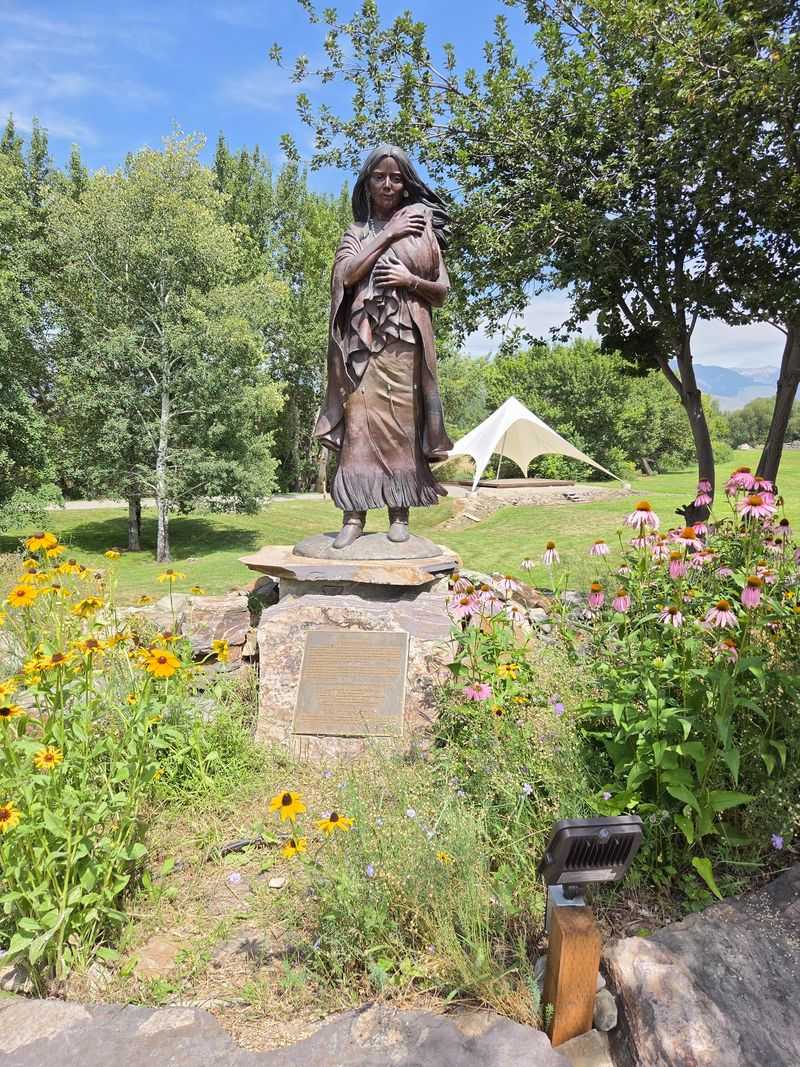
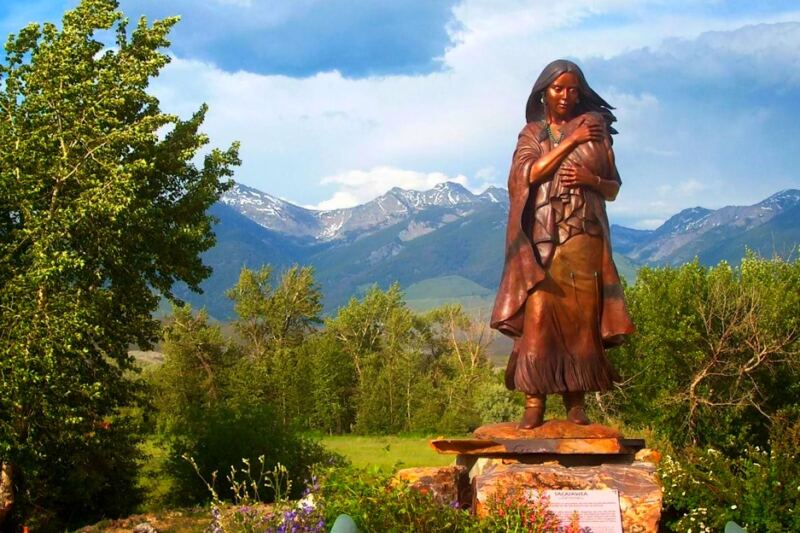
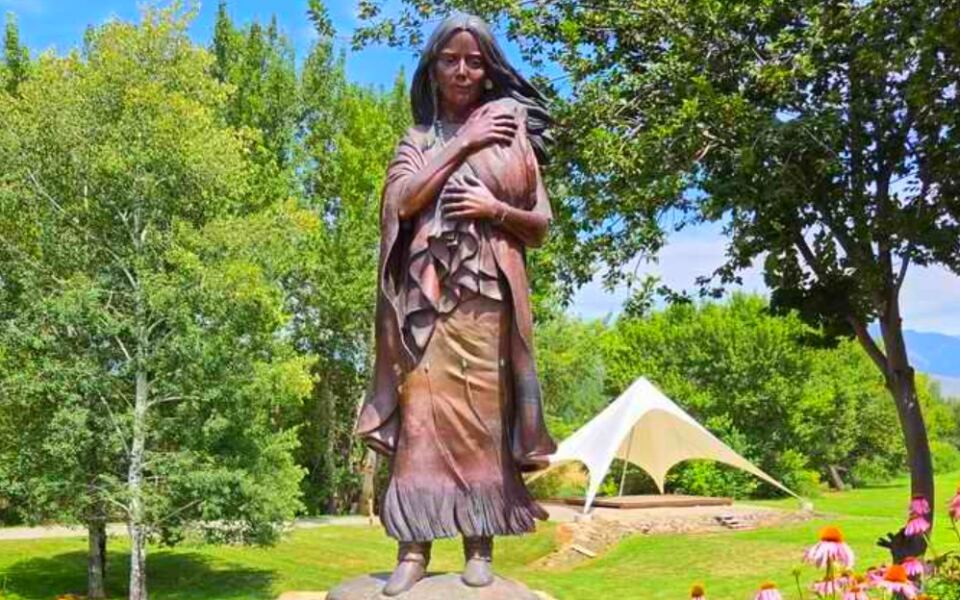
Spread across more than 70 acres outside Salmon, this center is one of those places that rewards visitors who come in with no particular agenda and leave knowing considerably more than when they arrived. The exhibits focus on Sacajawea, the Lewis and Clark Expedition, and the Agaidika Shoshone-Bannock perspective, combining documented history with cultural context that is often missing from standard textbook accounts.
Individual park admission is currently $5, with children six and younger and Lemhi County residents admitted free. Trails wind through the surrounding river valley landscape, offering views of the Salmon River Mountains and giving the visit an outdoor dimension that extends well beyond the exhibit halls.
The center’s approach to history is notably balanced, presenting Indigenous perspectives alongside expedition records rather than treating one as a footnote to the other. For travelers passing through the Salmon area, it pairs naturally with the nearby Lemhi County Historical Museum, making for a historically rich afternoon at a combined cost that stays comfortably under $10.
7. Hagerman Fossil Beds National Monument, Hagerman, Idaho
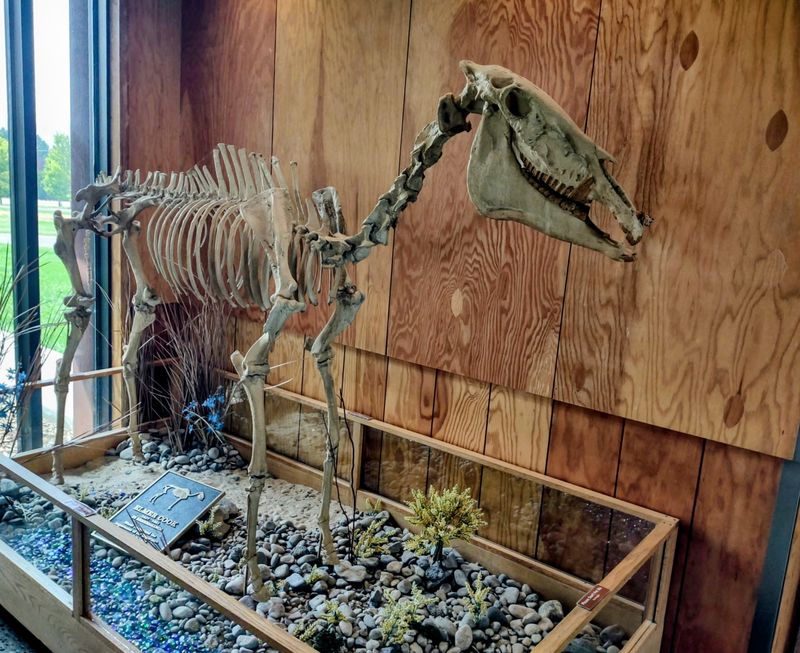
About 3.5 million years ago, this stretch of the Snake River Plain was home to ancient horses, mastodons, ground sloths, and saber-toothed cats, and the fossils left behind turned Hagerman into one of North America’s most significant paleontological sites. The monument preserves those fossil beds, and the Thousand Springs Visitor Center serves as the main hub for learning what has been found here and why it matters.
Admission to both the monument and the visitor center is completely free. Overlooks, trails, and picnic areas throughout the monument can also be enjoyed without any entrance charge, making this one of Idaho’s most accessible natural history destinations regardless of budget.
The Hagerman Horse, a species of ancient equine discovered here in large numbers, is Idaho’s state fossil and serves as the centerpiece of the site’s scientific story. Visitors who take time to explore the overlooks get a strong sense of the landscape scale involved.
The combination of free admission and genuine scientific significance makes this one of the most underrated stops on any southern Idaho road trip.
8. Minidoka National Historic Site, Jerome, Idaho
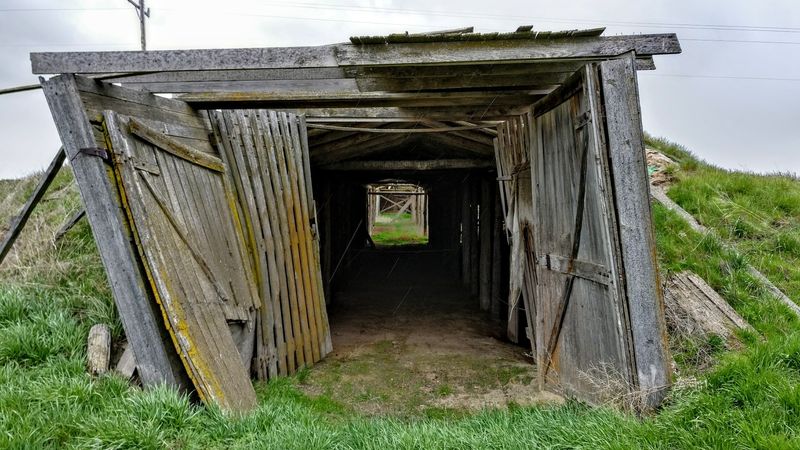
During World War II, more than 13,000 Japanese Americans were forcibly relocated to a remote stretch of Idaho desert and held at the Minidoka incarceration center. The National Historic Site now preserves that landscape and tells that history in full, without softening the circumstances or the scale of what occurred.
There is no entrance fee to visit Minidoka National Historic Site. The visitor center provides historical context through exhibits and a park film, while the surrounding grounds allow visitors to walk through the actual landscape where the incarceration center once operated.
The site is not designed for a quick drive-through. It works best for visitors who are willing to read the interpretive panels carefully and spend time with the material rather than rushing through.
The Jerome area location puts it within reasonable driving distance of Twin Falls, making it a meaningful addition to a southern Idaho itinerary. Few free sites in Idaho carry this level of historical weight or offer this much to think about long after leaving.
9. Nez Perce National Historical Park Visitor Center, Lapwai, Idaho
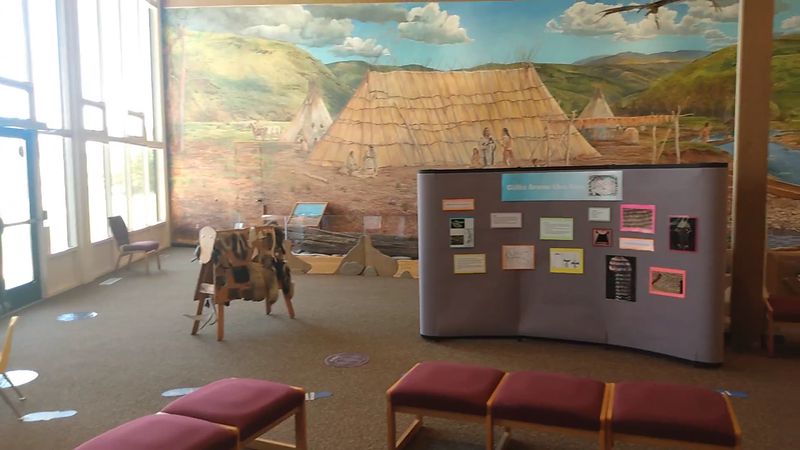
The Nimiipuu, known widely as the Nez Perce people, have one of the most complex and consequential histories of any Indigenous nation in the American West, and the visitor center in Lapwai is the best starting point for understanding it. Exhibits cover Nez Perce culture, history, and homeland with a depth that goes well beyond a standard roadside introduction.
Admission to the visitor center and all sites within Nez Perce National Historical Park is completely free. The park film gives visitors a solid foundation before heading out to explore the more than 38 affiliated sites spread across Idaho, Oregon, Washington, and Montana.
For travelers crossing northern Idaho on Highway 12 or the Nez Perce-Clearwater National Forests corridor, the Lapwai visitor center adds meaningful historical context to a region whose landscape often draws more attention than its human history. The staff at the center are knowledgeable and typically willing to help visitors plan which additional park sites are worth prioritizing based on available time and interests.
10. Craters of the Moon National Monument & Preserve, Arco, Idaho
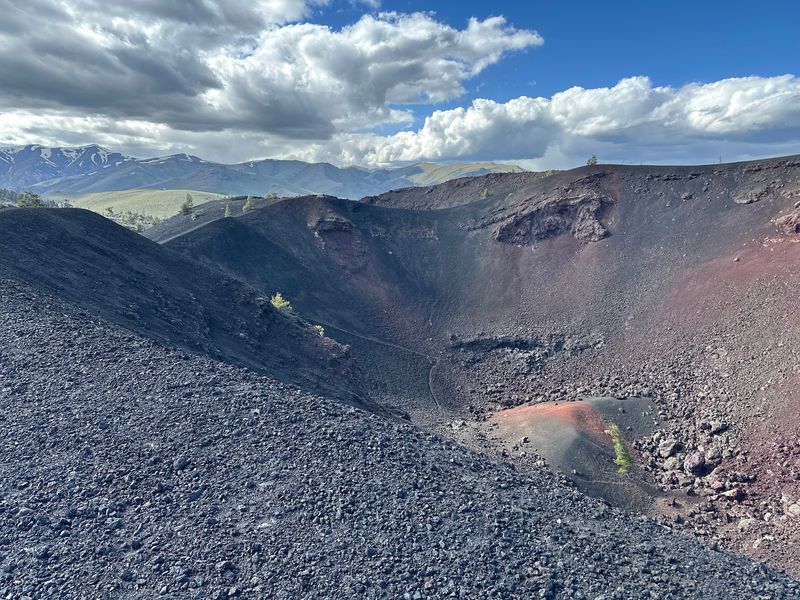
NASA actually sent Apollo astronauts to train at Craters of the Moon before the moon landings, which tells you something about how unusual this landscape really is. Dark lava flows, jagged volcanic cones, and underground lava tubes cover more than 750,000 acres of the eastern Idaho high desert, creating terrain unlike anything else in the continental United States.
Visitors entering on foot or by bicycle currently pay $10 per person, with anyone 15 or younger admitted free. Private vehicle entry costs $20, so the $10 threshold applies specifically to pedestrian and bicycle admission.
Free cave permits are required before entering the lava tube caves, which are among the monument’s most popular draws.
The seven-mile loop road through the monument connects major volcanic features including spatter cones, lava fields, and trailheads. Hiking trails range from short paved paths to longer backcountry routes.
The monument is jointly managed by the National Park Service and the Bureau of Land Management, which allows the preserve section to remain open year-round even when the main monument road closes in winter.
11. MK Nature Center, Boise, Idaho
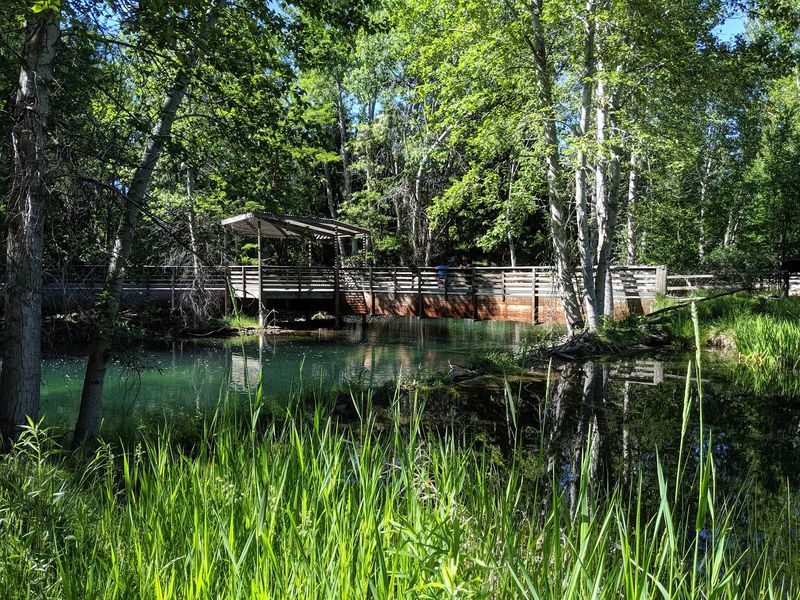
Just a few minutes from downtown Boise, the MK Nature Center operates as an outdoor classroom, a wildlife viewing area, and a genuinely peaceful break from city traffic, all rolled into one free admission site. Idaho Fish and Game manages the property, which includes ponds, streams, native plantings, and interpretive displays focused on Idaho’s fish and wildlife.
The center is especially practical for families traveling with younger children who need a nature experience that does not require a long drive or serious hiking gear. Paths are accessible and well-maintained, and the wildlife viewing opportunities, particularly for fish in the stream channel, tend to hold kids’ attention effectively.
Adults without children also find value here. Birdwatchers regularly visit the site, and the riparian habitat supports a solid variety of species throughout the year.
With no regular admission fee and a location close to Julia Davis Park and the Idaho State Museum, the MK Nature Center fits easily into a full day of low-cost Boise sightseeing without requiring any special planning or advance reservations.
12. Lemhi County Historical Museum, Salmon, Idaho
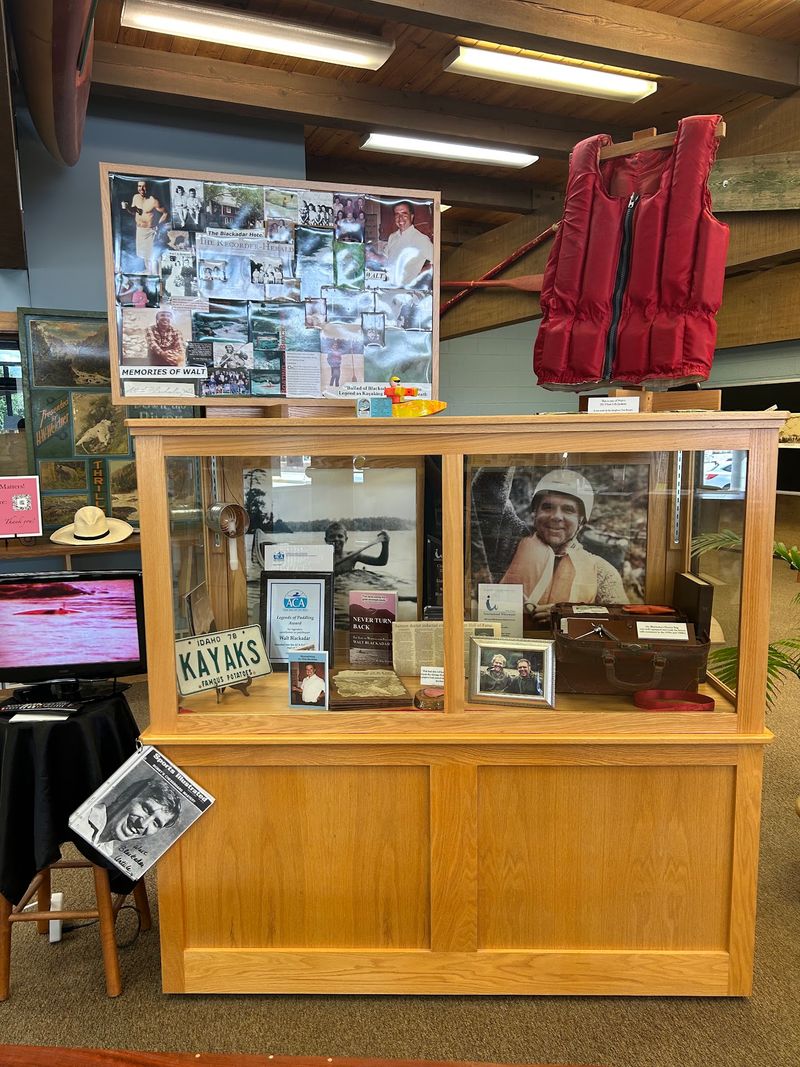
Small-town museums often hold the most specific and personal versions of history, and the Lemhi County Historical Museum in Salmon is a solid example of why that matters. Its collections cover Indigenous peoples, early settlement, transportation routes, mining operations, ranching, and everyday life in one of Idaho’s more remote and rugged corners.
Admission is currently by donation rather than a fixed ticket price, which makes it one of the most financially flexible stops on this entire list. Visitors can contribute what feels appropriate and still walk away with a genuinely informative experience.
The museum pairs naturally with the Sacajawea Interpretive, Cultural & Educational Center located nearby, and combining the two creates a well-rounded half-day of local history for a total cost that stays well under $10. For travelers who tend to skip smaller regional museums in favor of larger institutions, Lemhi County Historical Museum is the kind of place that occasionally changes that habit.
The depth of the local collections and the specificity of the stories on display make it worth the stop.
Share this story