Most of what we learned about Native Americans in school barely scratches the surface of their rich and complex histories. From legendary athletes to political systems that shaped democracy, Indigenous peoples have contributed to American life in ways that rarely make it into textbooks.
These 13 facts shine a light on stories, cultures, and achievements that deserve far more attention than they typically receive.
1. The Iroquois Confederacy Influenced the U.S. System of Government
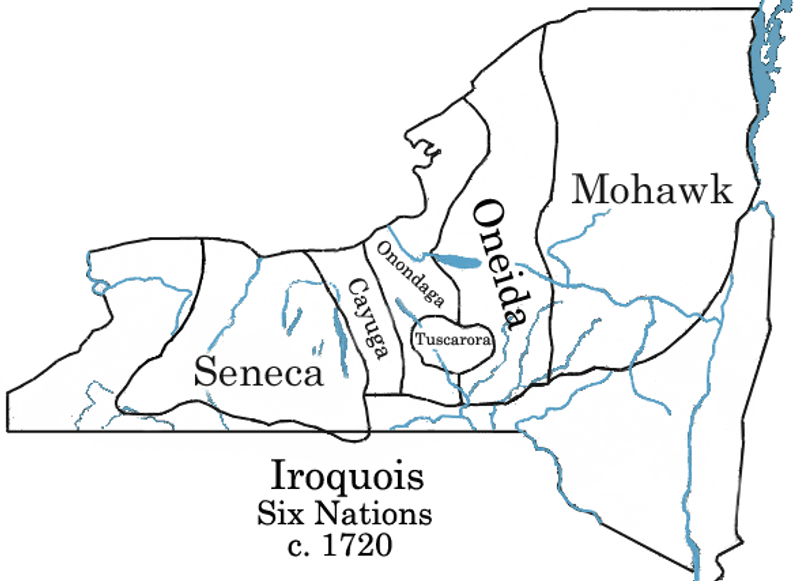
Long before the United States had a Constitution, the Iroquois Confederacy, also known as the Haudenosaunee, had already built one of the most sophisticated democratic systems in the world. Made up of six nations, including the Mohawk, Oneida, Onondaga, Cayuga, Seneca, and Tuscarora, this confederacy united different groups under shared laws and shared decision-making.
Many historians and scholars have pointed out that the Founders were aware of this political structure. Benjamin Franklin even referenced the Iroquois model when urging the colonies to unite.
The confederacy emphasized consensus, representative councils, and checks on power.
While debate continues about exactly how much influence the Iroquois had on the Constitution, the U.S. Congress formally acknowledged their contribution in a 1988 resolution.
The idea that democracy in America grew only from European roots leaves out a significant piece of the story.
2. Native American Artifacts Are Legally Protected Under Federal Law
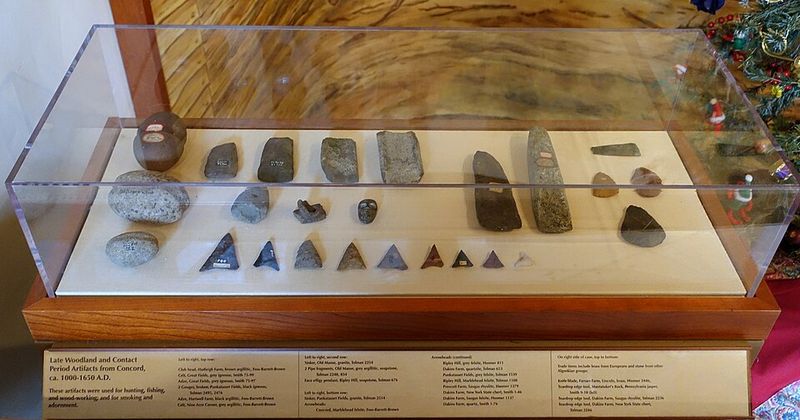
Many people do not realize that a federal law passed in 1990 protects certain Native American cultural items. The Native American Graves Protection and Repatriation Act, commonly known as NAGPRA, requires museums and federal agencies to return human remains, sacred objects, funerary items, and objects of cultural patrimony to the appropriate tribes.
Before this law existed, countless Native American remains and sacred objects ended up in museum collections, often taken without consent. NAGPRA gave tribes a legal path to reclaim what belonged to their communities and ancestors.
It was a major step toward recognizing Indigenous rights.
The process of repatriation is still ongoing, and some institutions have been slow to comply. But NAGPRA remains a landmark piece of legislation.
It reflects a broader shift in how the United States is beginning to reckon with its treatment of Native peoples and their heritage.
3. Jim Thorpe Was One of the Greatest Athletes Who Ever Lived
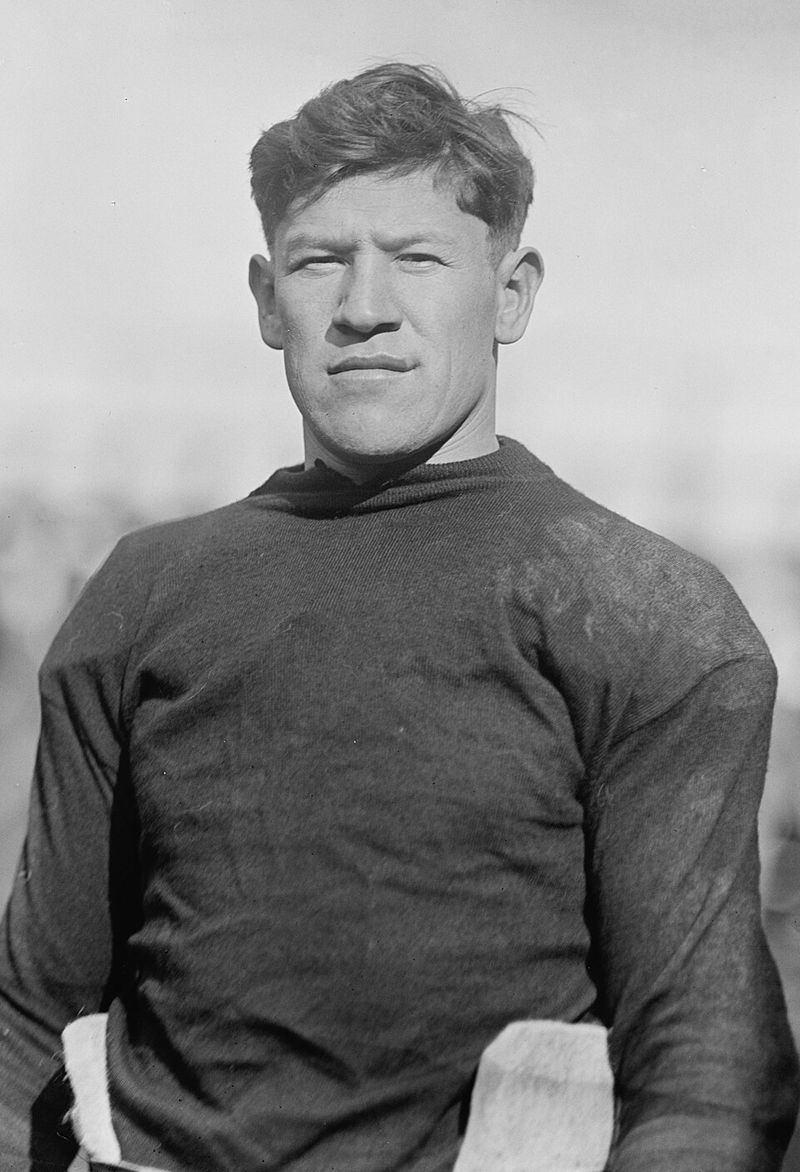
Jim Thorpe’s name belongs alongside the greatest athletes in history, yet his story is not told nearly enough. A member of the Sac and Fox Nation, Thorpe won two Olympic gold medals at the 1912 Stockholm Games in the decathlon and pentathlon.
Swedish King Gustav V reportedly called him the greatest athlete in the world.
What makes Thorpe even more remarkable is his range. He played professional football, baseball, and basketball at a time when most athletes focused on just one sport.
He was a founding member of what would eventually become the NFL and was among the first class inducted into the Pro Football Hall of Fame.
Thorpe grew up at the Carlisle Indian Industrial School in Pennsylvania, where he first gained national attention. His legacy represents both extraordinary talent and the resilience of Native peoples in the face of enormous hardship.
4. Squanto Had a Remarkable and Heartbreaking Life Before Meeting the Pilgrims
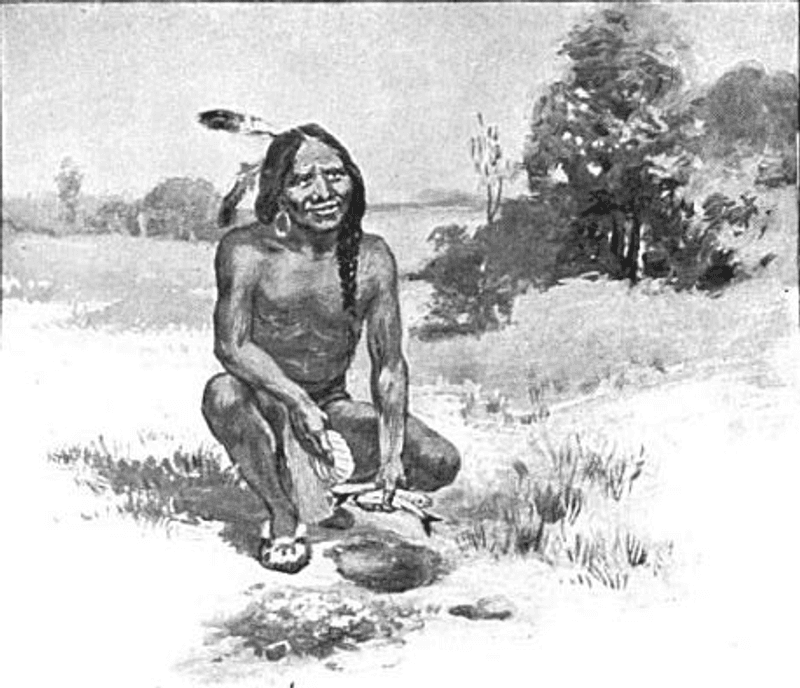
Most school lessons about Squanto paint him as a friendly helper who taught the Pilgrims to plant corn and survive the harsh New England winters. That part is true, but the full story of Tisquantum is far more complex and, frankly, much more dramatic.
Years before he ever met the Mayflower settlers, Squanto had already crossed the Atlantic multiple times. Around 1614, English explorer Thomas Hunt kidnapped him along with other Patuxent people and took them to Spain to be sold into slavery.
Squanto eventually made his way to England and then back to North America, only to find that his entire village had been wiped out by disease.
By the time he helped the Pilgrims in 1621, he had already survived experiences few people could imagine. His story is one of survival, resilience, and extraordinary adaptability under devastating circumstances.
5. Native American Code Talkers Helped Win the World Wars
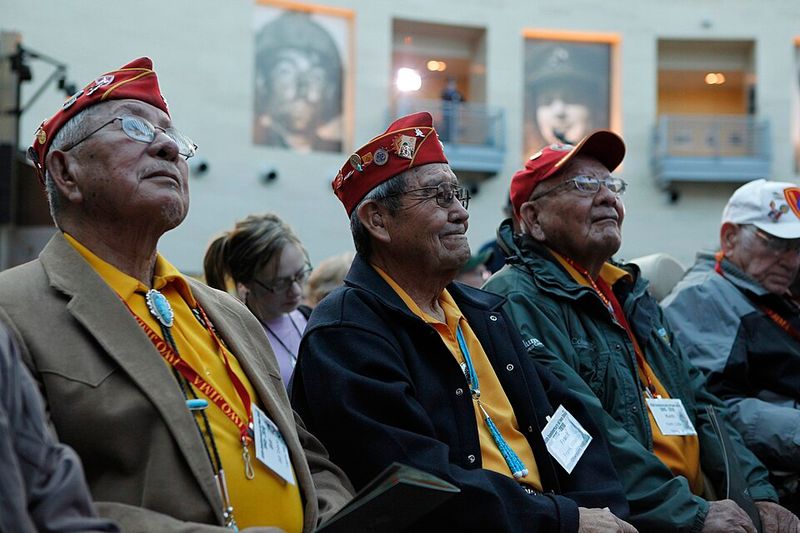
During both World War I and World War II, the U.S. military turned to an unexpected resource: Indigenous languages. Native American soldiers, particularly Navajo men in World War II, used their native languages to transmit coded military messages that enemy forces could not crack.
These soldiers became known as Code Talkers.
The Navajo language was especially effective because it had no written form at the time and was spoken by very few people outside the Navajo Nation. The code developed from it was never broken by Japan or Germany.
Military leaders credited the Code Talkers with saving countless lives and contributing directly to Allied victories.
Other tribes, including the Choctaw, Cherokee, and Lakota, also served as Code Talkers in earlier conflicts. For decades, their contributions were classified.
Congress finally awarded the Navajo Code Talkers the Congressional Gold Medal in 2001, long overdue recognition for their service.
6. Native American Tribes Are Incredibly Diverse, Not a Single Culture
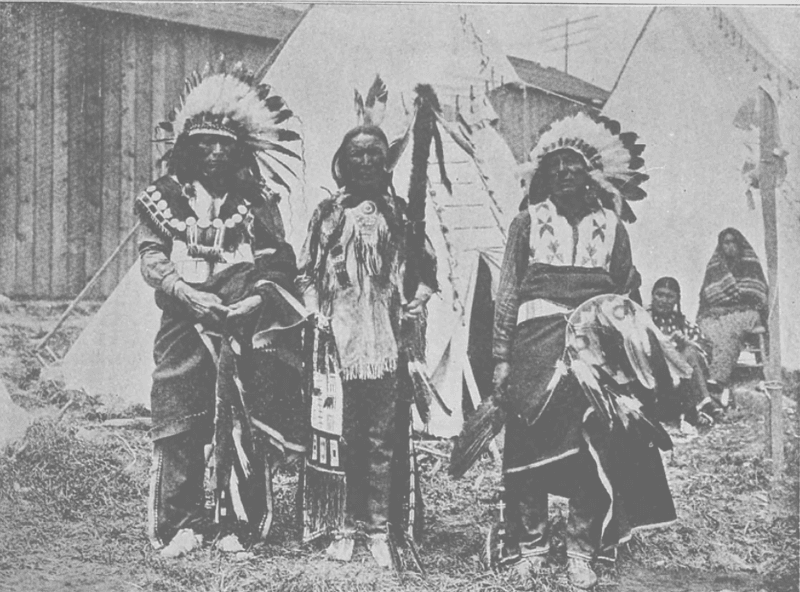
One of the most common mistakes people make is treating all Native Americans as one group with one shared culture. In reality, there are 574 federally recognized tribes in the United States alone, each with its own language, government, traditions, spiritual beliefs, and origin stories.
A Lakota family from the Great Plains and a Pueblo family from the Southwest would have had very different ways of living, building homes, growing or hunting food, and marking important life events. Languages across Native nations are so distinct that speakers of one cannot understand another at all, similar to how French and Mandarin are unrelated.
This diversity reflects thousands of years of separate histories and adaptations to different environments. Recognizing that Native peoples are not a monolith is not just respectful; it is accurate.
Each nation has its own proud and distinct identity that deserves to be understood on its own terms.
7. Buffalo Calf Road Woman Was a Warrior Who Fought at Little Bighorn
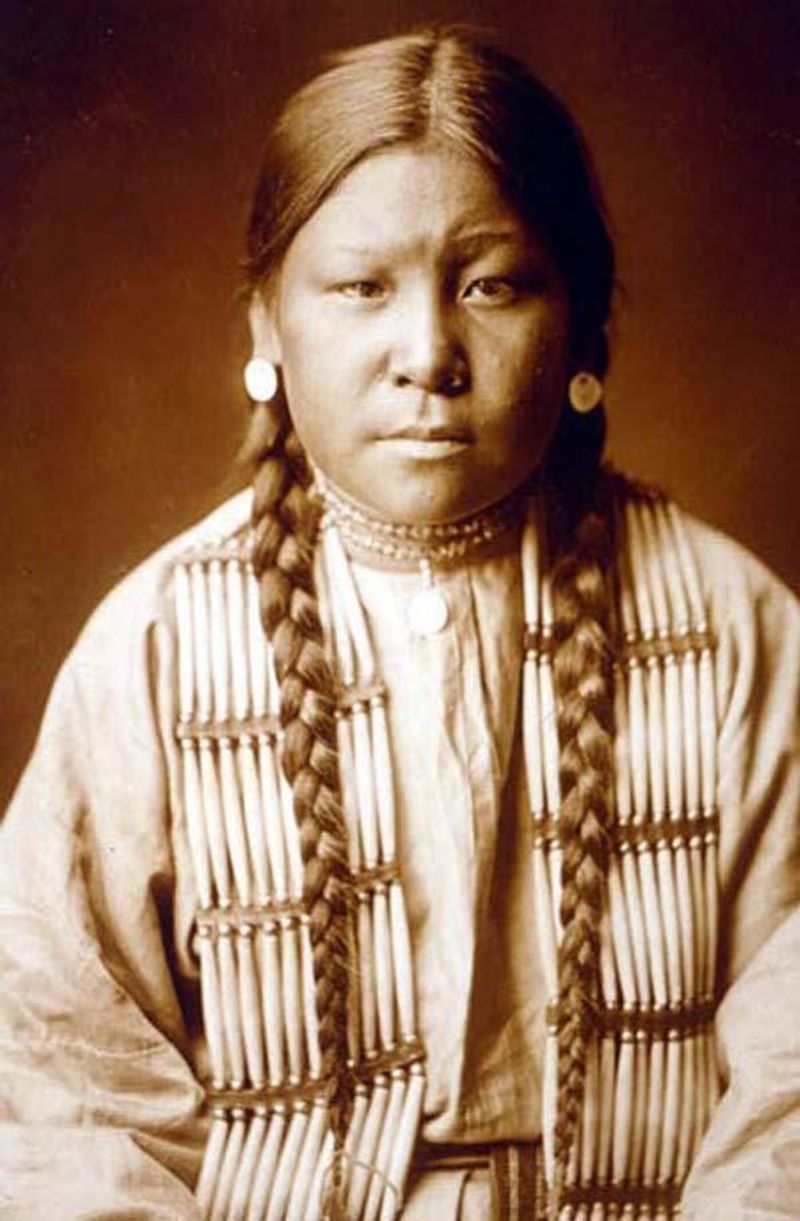
History books often describe the Battle of Little Bighorn in 1876 as a conflict between U.S. soldiers and Native American men. But a Northern Cheyenne warrior named Buffalo Calf Road Woman fought in that battle and the Battle of the Rosebud just days before it.
She was no bystander.
At the Battle of the Rosebud on June 17, 1876, she rode into the fighting to rescue her brother, Chief Comes in Sight, after his horse was shot out from under him. Her bravery was so striking that the Cheyenne people named that battle “Where the Girl Saved Her Brother.” Two days later, she fought again at Little Bighorn.
Some Cheyenne oral traditions even credit her with landing the blow that knocked General Custer from his horse. Whether or not that detail is accurate, her courage was undeniable.
She represents the many Native women warriors whose stories have been largely left out of mainstream history.
8. The Education of Little Tree Was Written by a White Supremacist
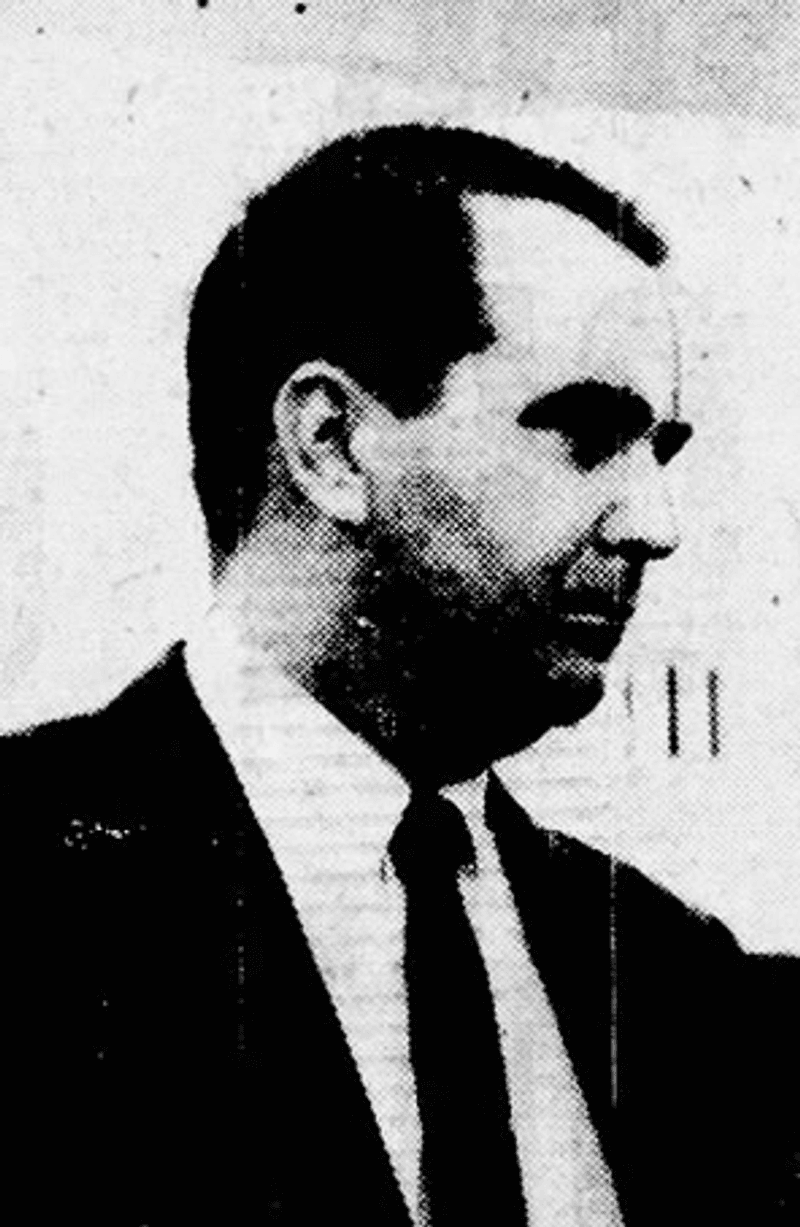
For years, “The Education of Little Tree” was celebrated as a heartfelt memoir about a young Cherokee boy raised by his grandparents in the Appalachian mountains. It was assigned in schools, praised by critics, and embraced as an authentic Native American story.
There was just one major problem: it was not true.
The author, who called himself Forrest Carter, was actually Asa Earl Carter, a white supremacist, former Ku Klux Klan member, and speechwriter who helped craft George Wallace’s infamous “segregation now, segregation forever” line. He had no Cherokee heritage.
The book was a fabrication, and a deeply troubling one given its origin.
The deception was exposed in 1991, but the book continued to sell and even won awards before the truth came out. This case is a powerful reminder of why authentic Native voices matter in literature and why readers benefit from knowing who is actually telling a story.
9. Native Americans Lived in Many Different Types of Homes, Not Just Tipis
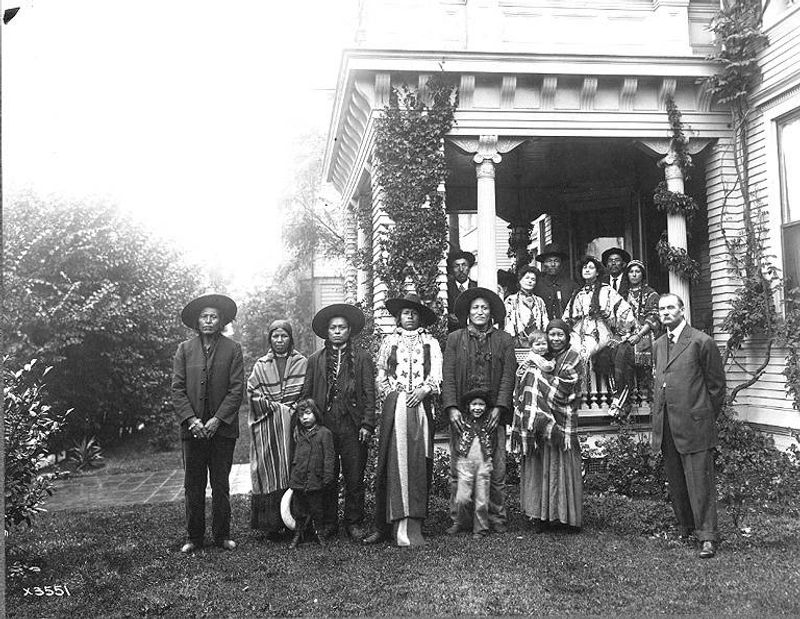
The image of Native Americans living in tipis is one of the most widespread misconceptions in American popular culture. While tipis were indeed used by Plains nations like the Lakota and Comanche, they represent just one of many types of homes built by Indigenous peoples across the continent.
In the Southwest, the Pueblo people built multi-story stone and adobe structures that resembled apartment buildings. The Ancestral Puebloans carved elaborate cliff dwellings into canyon walls, some of which still stand today at places like Mesa Verde in Colorado.
In the Northeast, the Haudenosaunee built long wooden longhouses that could house multiple families.
Along the Pacific Northwest coast, nations like the Chinook constructed large cedar plank houses. In the Southeast, many tribes built wattle-and-daub homes suited to the warmer climate.
The diversity of Native architecture reflects the incredible range of environments Indigenous peoples called home across North America.
10. The Phrase ‘Indian Giver’ Has a Complicated and Unfair History
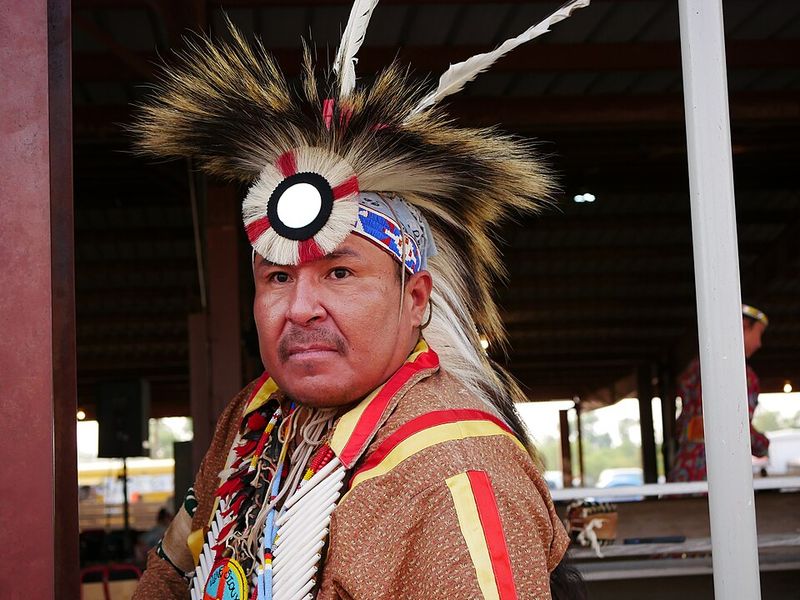
The phrase “Indian giver” is widely considered offensive today, but its origins reveal something important about how cultural misunderstandings between Europeans and Indigenous peoples were often twisted into insults. The term became popular in the 18th and 19th centuries and was used to describe someone who gives a gift and then takes it back.
The misunderstanding likely stems from differences in how gifts worked across cultures. Many Indigenous communities practiced systems of reciprocal exchange, where giving something often implied an expectation of something in return.
This was not greed or deception; it was a different but equally valid social and economic system.
European settlers, unfamiliar with these customs, misread reciprocal exchange as bad faith. Instead of seeking to understand, they turned the misunderstanding into a slur.
The phrase stuck, and for generations it reinforced negative stereotypes about Native peoples. Understanding its real background is a small but meaningful step toward more honest history.
11. Indigenous Peoples Domesticated Popcorn Thousands of Years Ago

Popcorn might feel like a modern snack tied to movie theaters and sports arenas, but its roots go back thousands of years in the Americas. Archaeological evidence found in Peru suggests that Indigenous peoples were growing and popping maize as far back as 4,700 years ago, making popcorn one of the oldest prepared foods on the continent.
Native peoples across Mexico and Central America cultivated many varieties of corn, including types specifically suited for popping. When Spanish explorers arrived in the Americas, they encountered popcorn being used not just as food but also in ceremonies and as decoration.
The Aztecs, for example, used popped corn in rituals honoring their gods.
Long before European settlers ever tasted it, popcorn was already a well-established part of Indigenous culture and cuisine. The next time you grab a bag at the movies, you are enjoying a snack with a history far richer than most people realize.
12. Maria Tallchief Became One of America’s Greatest Ballet Stars
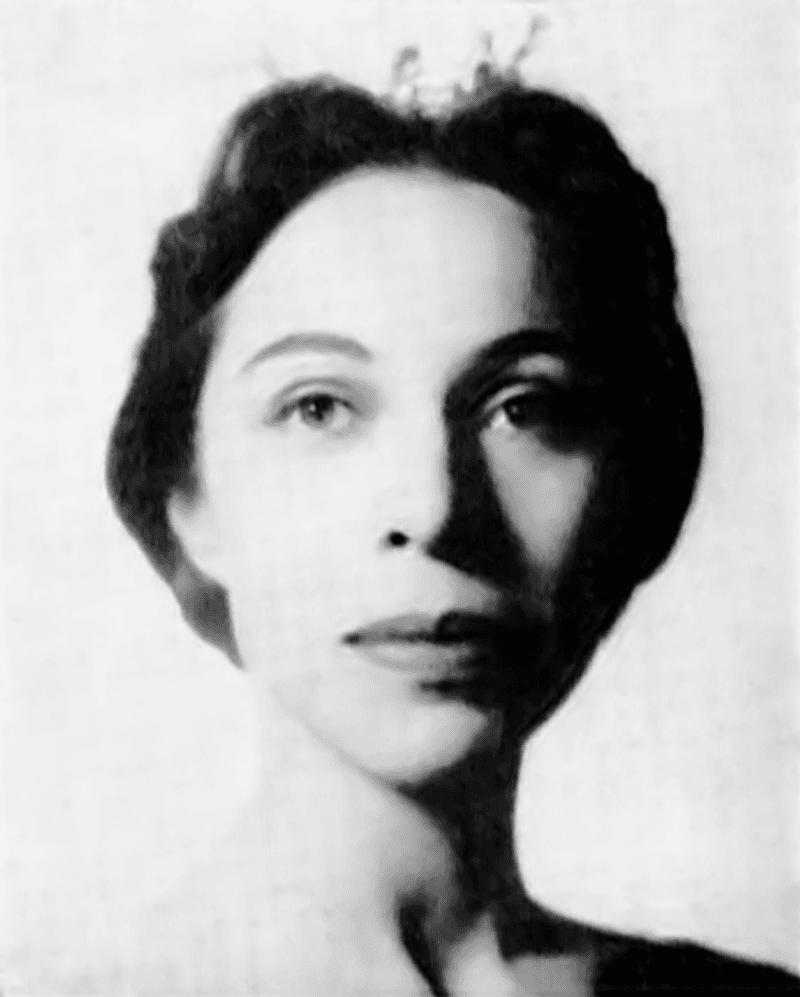
Maria Tallchief did not just become a great American ballerina. She became the first Native American to hold the title of prima ballerina, and she did it on one of the world’s most prestigious stages.
Born in 1925 on the Osage Nation reservation in Oklahoma, she went on to become the leading star of the New York City Ballet.
Working closely with legendary choreographer George Balanchine, who later became her husband, Tallchief redefined what American ballet could look like. Her performance in “The Firebird” in 1949 was a sensation, and it helped bring the New York City Ballet to international fame.
Critics described her dancing as fiercely precise and deeply expressive.
Tallchief broke barriers not only as a Native American woman but also as an American artist at a time when European dancers dominated the ballet world. She proved that American talent, and Indigenous talent specifically, belonged at the very top of the art form.
13. Native American Stick-and-Ball Games Are Part of Hockey’s Early History
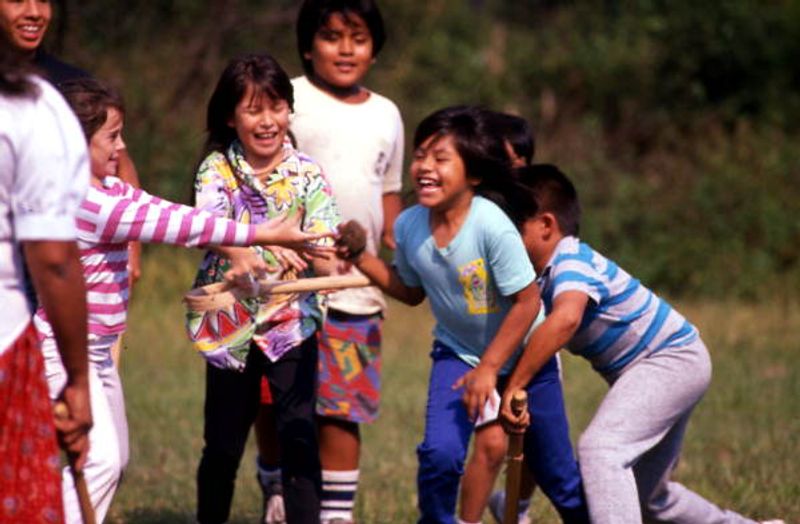
Hockey fans might be surprised to learn that their favorite sport has deep roots in Indigenous North American traditions. Long before the first formal ice hockey games were organized in Canada in the 19th century, Native peoples across the continent were playing stick-and-ball games that look remarkably familiar.
One of the most widely played was a game called shinny, which involved curved sticks and a ball or puck-like object. Some nations played shinny on frozen lakes and rivers in winter, making it a direct ancestor of the game we know today.
Lacrosse, another Indigenous invention, also shares this broader tradition of stick-based athletic competition.
Historians and sports scholars have increasingly recognized the role that Indigenous games played in shaping North American sports culture. The next time you watch a hockey game, know that the sport carries within it the legacy of Native peoples who loved fast, physical, competitive play long before the NHL ever existed.
Share this story