The Snake River doesn’t just flow through Idaho, it practically tells the state’s story mile by mile. From canyon walls that rise hundreds of feet above the water to quiet islands fed by underground springs, this river has more personality packed into one route than most places manage in an entire region.
Ancient fossils, Oregon Trail crossings, record-breaking waterfalls, and one of North America’s most impressive raptor habitats all sit within a day’s drive of each other along this corridor. Whether you’re a history buff, an outdoor enthusiast, or just someone who appreciates a seriously good road trip, the Snake River route delivers.
This list covers 13 stops that range from well-known landmarks to quieter corners that most visitors miss entirely, giving you a practical, interesting, and occasionally jaw-dropping tour of one of Idaho’s most rewarding stretches of road.
1. Idaho Falls River Walk – Greenbelt Trail, Idaho Falls, Idaho
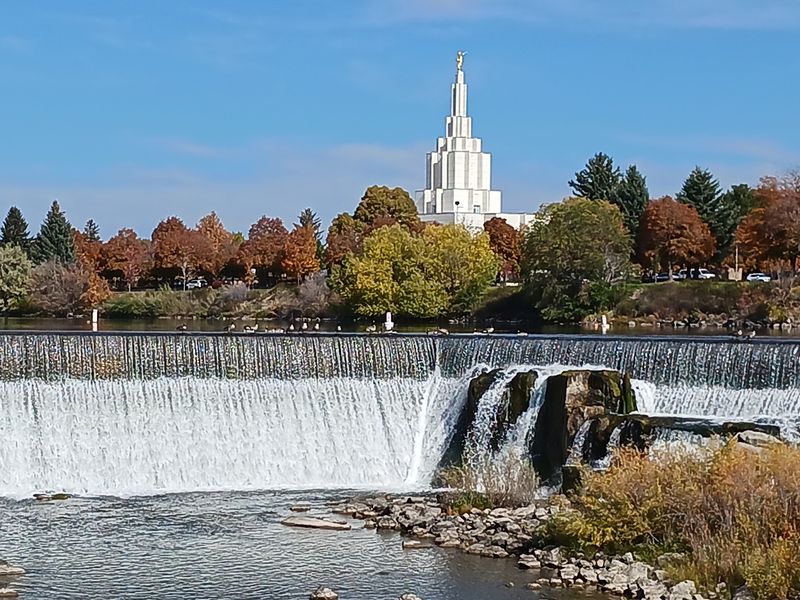
Right in the middle of downtown Idaho Falls, the Snake River makes a surprisingly charming urban appearance along the Greenbelt Trail. This paved path follows the river past landscaped parks, decorative bridges, and public art installations that give the route a well-maintained, walkable character.
The city’s namesake falls sit along the route, offering a natural focal point that draws both locals and travelers to the riverbank. The falls aren’t towering by Idaho standards, but they’re wide, accessible, and genuinely pleasant to look at from the surrounding walkways.
Early morning visits tend to be the most peaceful, with the riverside path free of crowds and the water reflecting the open sky above. The Greenbelt connects several parks, making it easy to extend a short stroll into a longer exploration without needing a trail map.
2. Massacre Rocks State Park, American Falls, Idaho
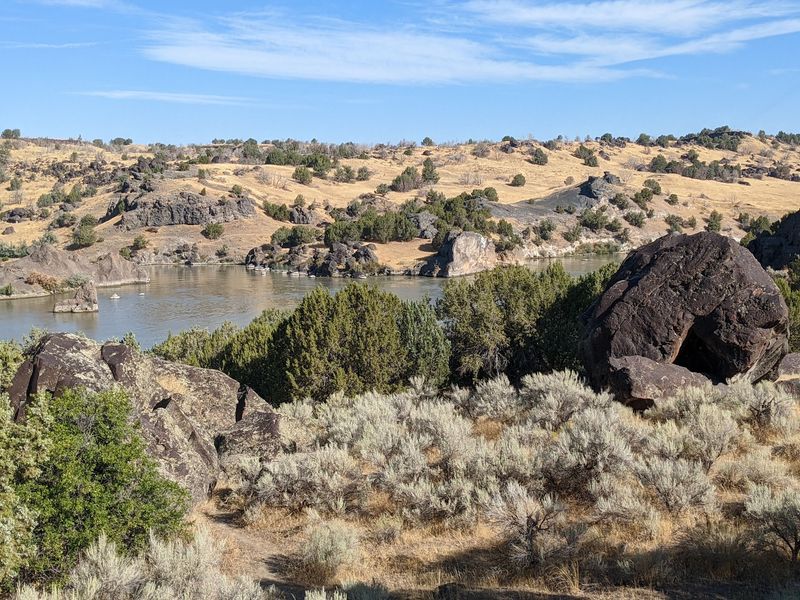
The name alone is enough to make you slow down and pull over. Massacre Rocks State Park sits beside the Snake River and covers 990 acres of volcanic terrain shaped by ancient lava flows and the catastrophic Bonneville Flood about 14,500 years ago.
Massive basalt boulders crowd the landscape in a way that feels almost theatrical, and the park preserves a distinctive section of the historic Oregon Trail that emigrants once navigated with loaded wagons and considerable anxiety. Register Rock, found within the park, still bears names carved by pioneers who passed through.
Facilities here are extensive, including a 50-unit campground, a disc golf course, a boat launch, and a visitor center. Park staff offer campfire programs between Memorial Day and Labor Day, and the area supports over 200 bird species, including bald eagles and pelicans.
3. Three Island Crossing State Park, Glenns Ferry, Idaho
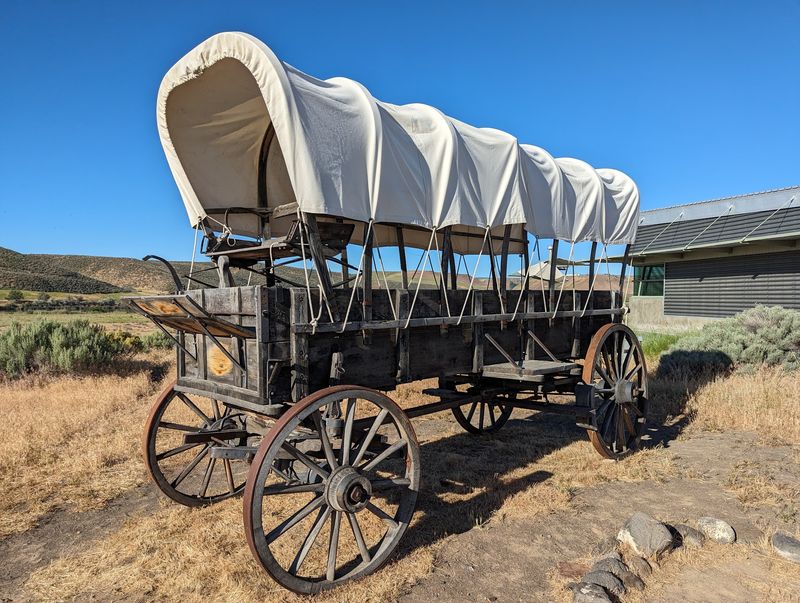
Back in the 1800s, this stretch of the Snake River forced Oregon Trail emigrants into one of their toughest decisions: attempt a dangerous river crossing using gravel bars and islands, or take the longer southern route and add days to an already exhausting journey. Most chose the crossing.
Today, Three Island Crossing State Park occupies this 613-acre site and does a genuinely good job of helping visitors understand what that choice meant. Self-guided tours lead past original wagon ruts and Conestoga wagon replicas, and the Oregon Trail History and Education Center covers pioneer, settler, and Native American history in detail.
The park opened formally in 1971 and has been welcoming history enthusiasts ever since. Shaded picnic areas, riverside camping, easy hiking trails with interpretive signs, and pet-friendly policies make this a comfortable stop for families and solo travelers alike.
4. Swan Falls Dam, Murphy, Idaho
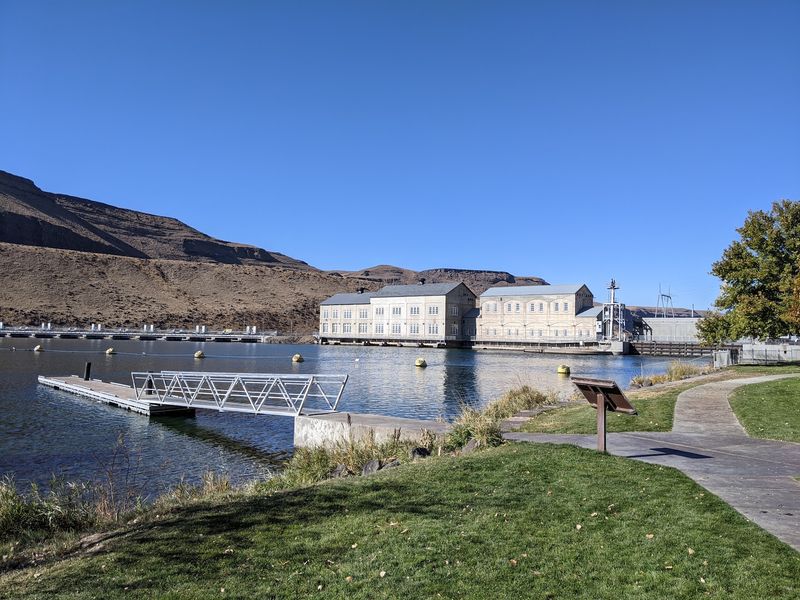
Dating all the way back to 1901, Swan Falls Dam holds the title of the oldest hydroelectric generating site on the Snake River, which is a pretty remarkable distinction for a structure sitting at the end of a remote canyon road in Owyhee County. The drive down to the dam is genuinely memorable, with steep canyon walls closing in on both sides as you descend toward the water.
The historic powerhouse at the site now operates as a museum during scheduled seasonal hours, giving visitors a look at early 20th-century hydroelectric technology in its original setting. A picnic area near the river makes the stop practical as well as interesting.
Getting here requires a bit of commitment since the road is unpaved in sections, but that remoteness is also part of the appeal. Few crowds, dramatic canyon scenery, and a real piece of Idaho industrial history make Swan Falls worth the detour.
5. Morley Nelson Snake River Birds of Prey National Conservation Area, Murphy, Idaho
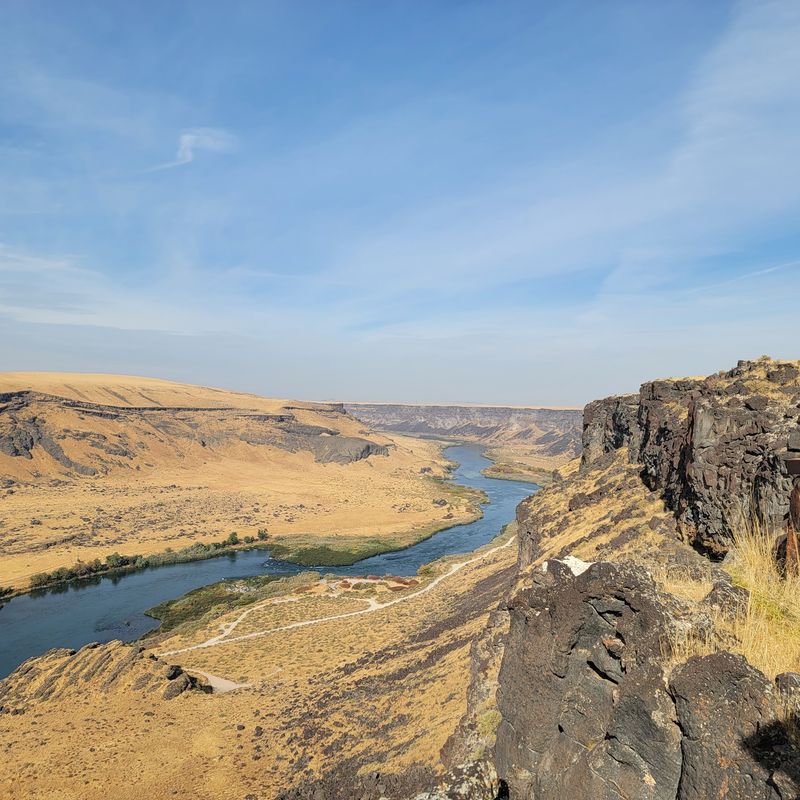
No other place in North America, and possibly the world, can match the concentration of nesting raptors found in this 485,000-acre conservation area along 81 miles of the Snake River Canyon. Around 800 pairs of hawks, eagles, falcons, and owls nest here annually in cliffs that can reach 700 feet above the river.
Congress established the area in 1993, and it was renamed in 2009 to honor Morley Nelson, a longtime advocate for birds of prey. Mid-March through June is the best window for wildlife watching, when birds are actively nesting and young raptors are beginning to fly.
Visitors can cover the area via a 56-mile driving loop or take raft and canoe trips along the river in spring. Dedication Point on the canyon rim offers a quarter-mile trail with interpretive signs and a sweeping view that makes the scale of this protected landscape immediately clear.
6. Celebration Park, Melba, Idaho
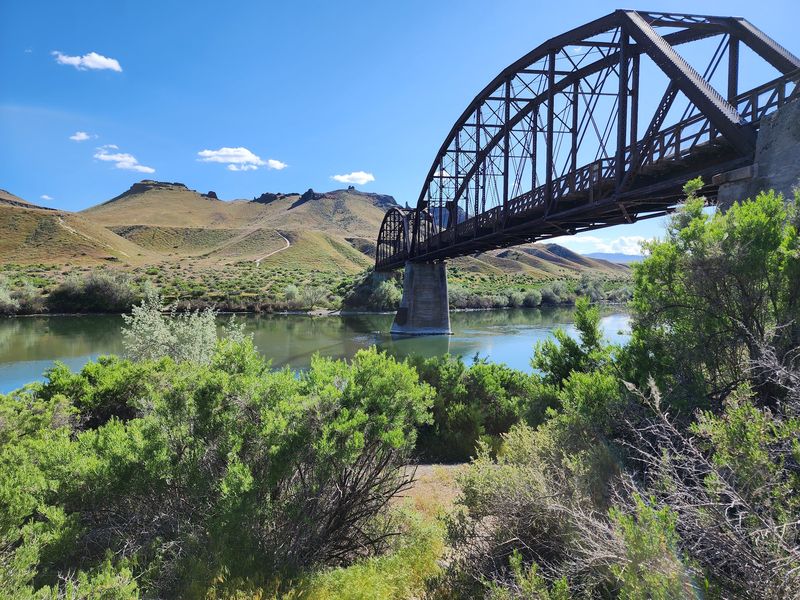
Idaho’s first and only archaeological park opened in 1989 and immediately set a high bar for what a riverside stop can offer. Celebration Park sits along the Snake River near Melba and showcases in-situ petroglyphs carved into large basalt boulders deposited by the Bonneville Flood, with some carvings estimated to be up to 12,000 years old.
The restored Guffey Railroad Bridge, originally built in 1897, now serves as a non-motorized crossing for walkers and horseback riders. At 70 feet tall and 500 feet long, it’s Idaho’s largest historic artifact and is listed on the National Register of Historic Places.
The Visitor Center operates from 10 AM to 2 PM between April and October, offering maps, staff assistance, and guided tours. Visitors can even try throwing a dart with an atlatl, an ancient hunting tool, which turns out to be considerably harder than it looks.
7. Niagara Springs State Park, Wendell, Idaho
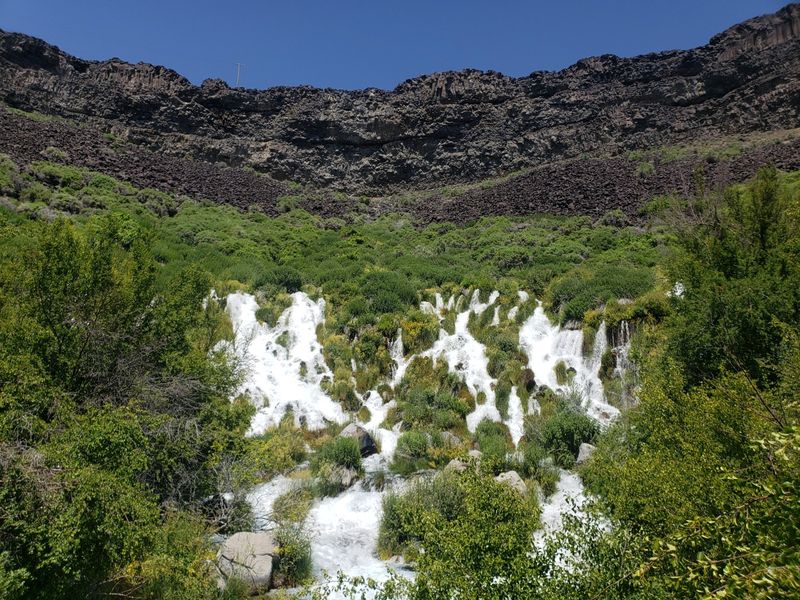
After miles of southern Idaho’s dry volcanic landscape, Niagara Springs feels like the landscape suddenly changed its mind. Clear groundwater emerges directly from the basalt canyon wall and flows through a compact pocket of dense green vegetation before reaching the Snake River below.
This unit of Thousand Springs State Park highlights a geological process that defines the entire Magic Valley region. Snowmelt and rain from the surrounding mountains percolate through the Eastern Snake Plain Aquifer and eventually reappear along the canyon walls as springs, sometimes miles from where the water originally entered the ground.
Picnicking and fishing are both available at Niagara Springs, and the setting is compact enough that visitors can take in the full scene without a long hike. The contrast between the dry canyon above and the spring-fed greenery below is one of those details that makes this section of the Snake River genuinely unlike anywhere else in the state.
8. Ritter Island – Thousand Springs State Park, Wendell, Idaho
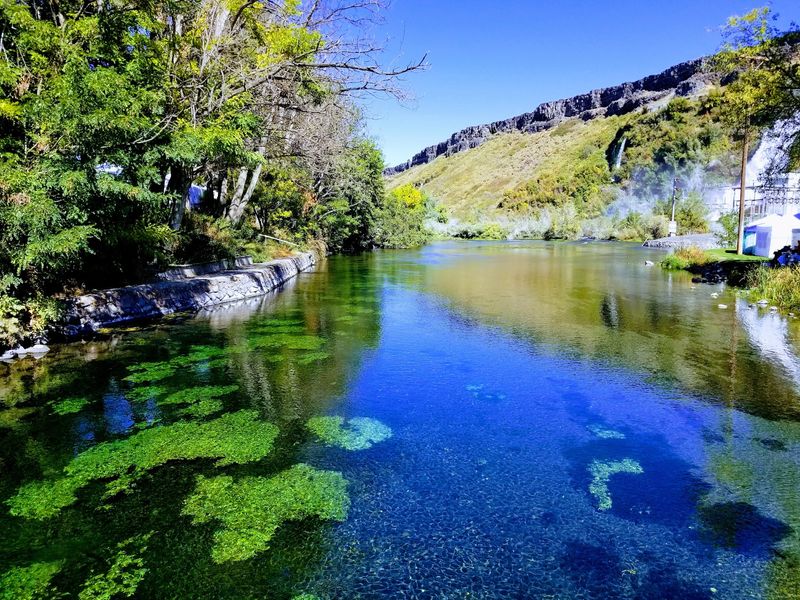
Minnie Miller purchased Ritter Island in 1918 and proceeded to build a dairy farm on a piece of land completely surrounded by water and canyon walls, which is either a stroke of genius or a logistical puzzle, depending on how you look at it. The historic agricultural buildings she left behind, including a dairy barn from the early 1900s, still stand on the island today.
Natural springs including Minnie Miller Springs and Lemmon Falls cascade from the surrounding cliffs, fed by the Eastern Snake Plain Aquifer at a constant temperature of 55 degrees. A two-mile path circles the island, offering views of the Snake River and the spring-fed landscape at a comfortable, unhurried pace.
The island hosts an annual ice cream social and arts festival, adding a community character to a place that already has plenty of historical personality. Picnicking is available, and the photogenic canyon setting makes this one of the more visually memorable stops in the Thousand Springs area.
9. Hagerman Fossil Beds National Monument, Hagerman, Idaho
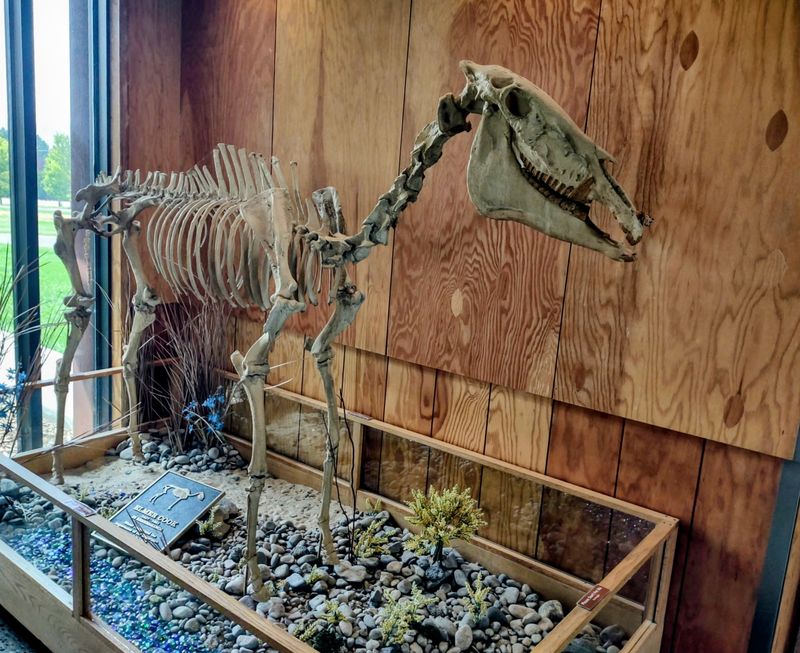
About three to four million years ago, the area around Hagerman looked nothing like the high desert it is today. The cliffs overlooking the Snake River preserve one of the world’s richest Pliocene fossil sites, containing evidence of over 140 plant and animal species, including mastodons, saber-toothed cats, ground sloths, beavers, and otters.
The monument is most famous for the Hagerman Horse, known scientifically as Equus simplicidens. More than 200 specimens were unearthed here in the 1930s, and the Hagerman Horse is now Idaho’s official state fossil, representing one of the earliest known members of the genus Equus.
The Thousand Springs Visitor Center, which opened in 2022, is the primary place to view fossil exhibits, watch an introductory film, and examine replicas up close. Snake River and Oregon Trail overlooks add scenic and historical context, and ranger-led programs run seasonally for visitors who want a more guided experience.
10. Malad Gorge – Thousand Springs State Park, Hagerman, Idaho
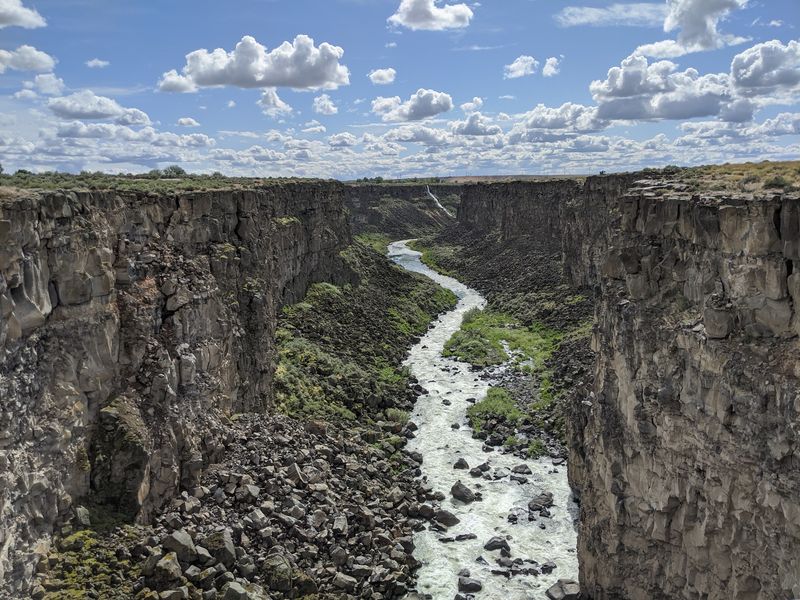
Malad Gorge pulls off a neat trick: it delivers dramatic, canyon-level scenery without requiring more than a short walk from the parking area. The Malad River cuts through dark volcanic rock in a narrow, steep-walled gorge just before joining the Snake River, and the scale of the cut is impressive relative to the modest size of the river doing the carving.
Trails and overlooks let visitors peer down into the gorge from above, making the geology easy to appreciate without committing to a strenuous hike. A footbridge crosses the gorge at one point, giving walkers a direct look down into the slot below.
This is one of six units within Thousand Springs State Park, each representing a different feature of the Hagerman Valley landscape. Malad Gorge stands out for its compact, high-contrast scenery, making it one of the easiest stops along this stretch of the Snake River to work into a busy travel day.
11. Centennial Waterfront Park, Twin Falls, Idaho
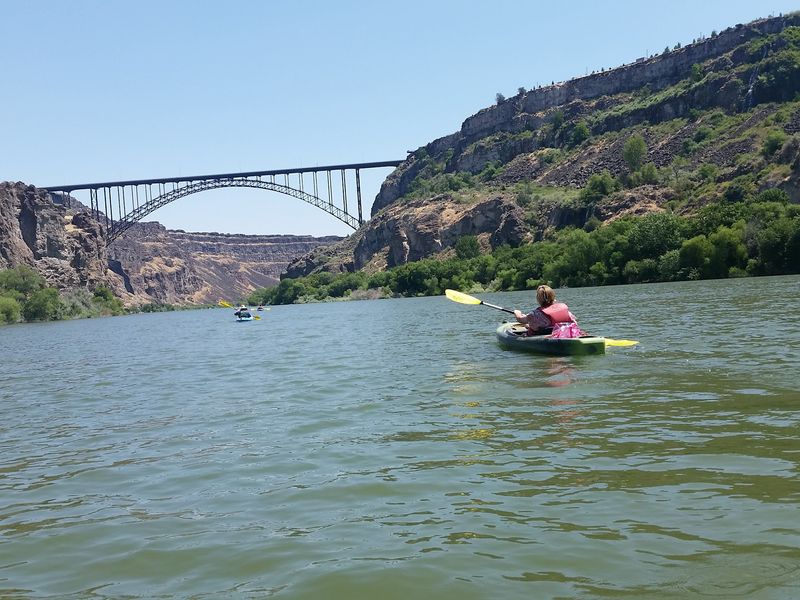
Most Snake River Canyon views in Twin Falls happen from the rim, looking down. Centennial Waterfront Park flips that perspective entirely by putting visitors at the bottom of the canyon, looking up at basalt walls and the Perrine Bridge stretching overhead at a height that genuinely reframes your sense of scale.
This 11-acre park was donated to the city by the Twin Falls Rotary Club and dedicated on September 30, 1992. It includes two pavilions, a free public boat ramp, fishing access, and seasonal kayak and paddleboard rentals from AWOL Adventure Sports.
Zip-lining tours are available through Zip The Snake for visitors who want a more active way to experience the canyon. The Mogensen Trail, accessible nearby, follows the river and passes directly under the Perrine Bridge, offering one of the more unusual pedestrian perspectives in southern Idaho.
12. Perrine Memorial Bridge, Twin Falls, Idaho
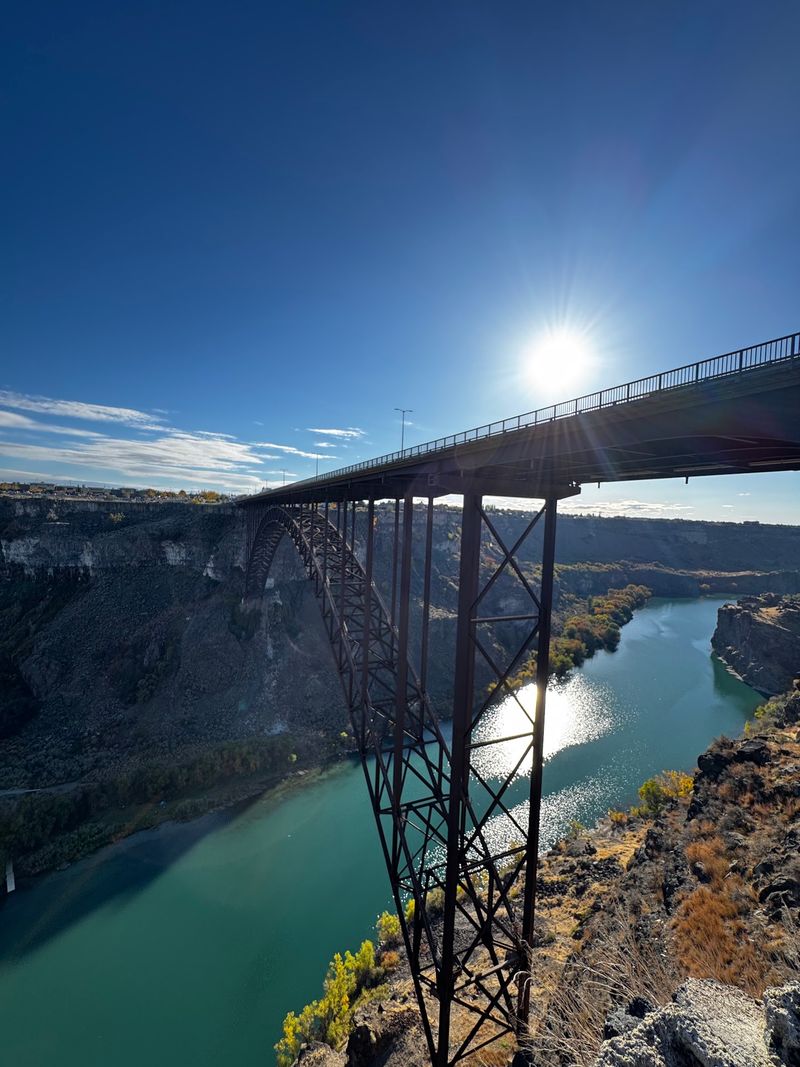
At 486 feet above the Snake River, Perrine Memorial Bridge doesn’t ease you into the view. It just presents the canyon all at once, with the river far below and the canyon walls stretching out in both directions.
Overlooks on both ends of the bridge give visitors a stable place to take that in without needing to hang over a railing.
The bridge holds a unique distinction as the only location in the United States where BASE jumping is legally permitted year-round. On any given day, visitors might watch someone step off the edge and descend to the canyon floor under a parachute, which is either thrilling or terrifying depending on your personal relationship with heights.
Trails along the canyon rim extend the visit beyond the bridge itself. The site also marks the location of Evel Knievel’s 1974 jump attempt across the canyon, adding a layer of pop culture history to an already eventful stretch of the Snake River.
13. Shoshone Falls Park, Twin Falls, Idaho
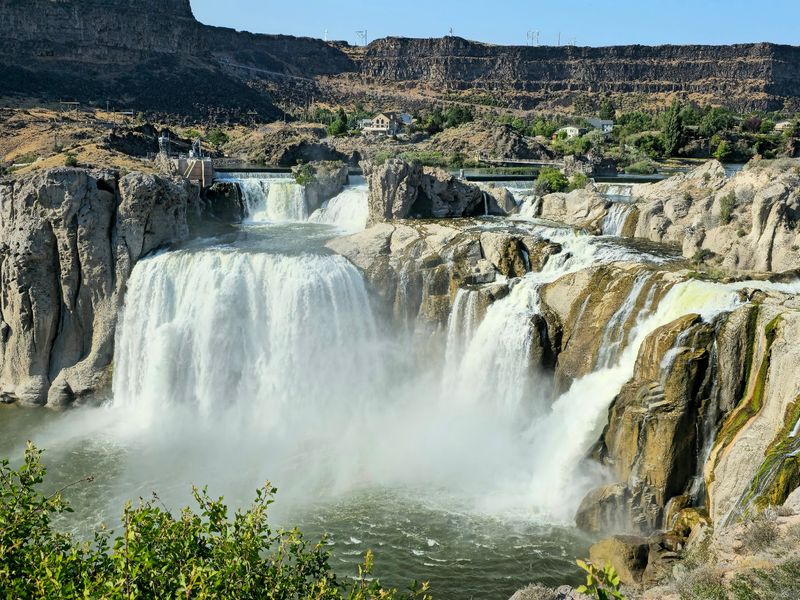
At 212 feet tall and up to 1,000 feet wide, Shoshone Falls is taller than Niagara Falls, a fact that surprises a lot of first-time visitors who weren’t expecting that kind of scale from a waterfall in the Idaho desert. The falls formed approximately 14,000 years ago during the catastrophic Bonneville Flood, which also shaped much of the Snake River Canyon downstream.
Spring is the best time to visit, when snowmelt can push flows between 10,000 and 20,000 cubic feet per second in wet years. Summer levels drop significantly due to upstream irrigation diversions, though Idaho Power is required to maintain a minimum daytime scenic flow of 300 CFS from April through Labor Day.
Overlooks inside the park frame the falls against the steep canyon walls, and the site has been a tourist attraction since the 1860s. There is a $5 vehicle fee from March 1 through fall, which is a reasonable price for one of Idaho’s most defining natural landmarks.
Share this story