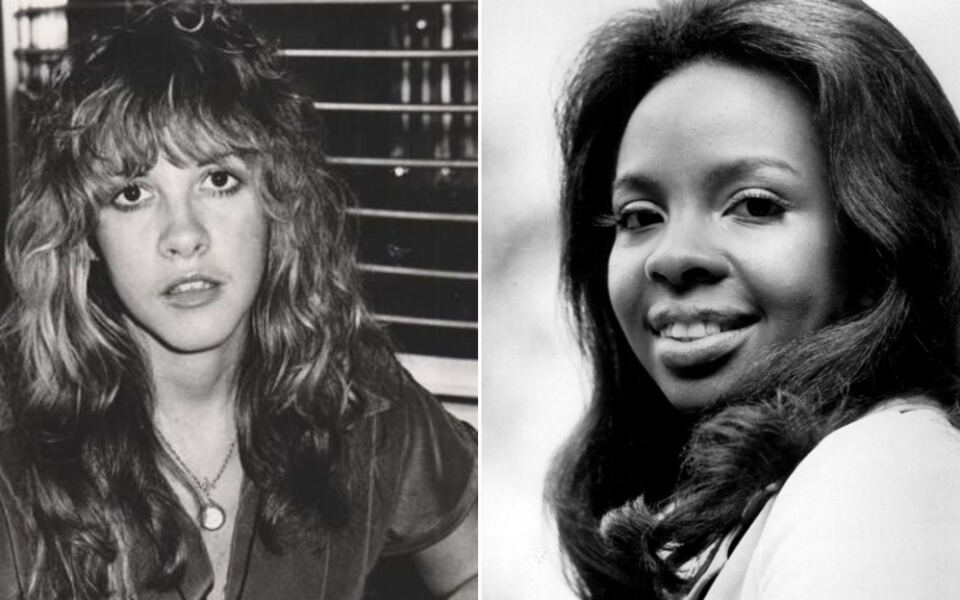
The 1970s were a golden era for female voices in music. From the glittering dance floors of disco to the raw emotion of singer-songwriter folk, women were leading the charge and topping the charts like never before.
These 13 artists did not just release hit songs. They shaped entire genres, broke records, and built careers that lasted well beyond the decade.
Whether you grew up with their music or are just discovering it now, their stories are worth knowing.
Donna Summer
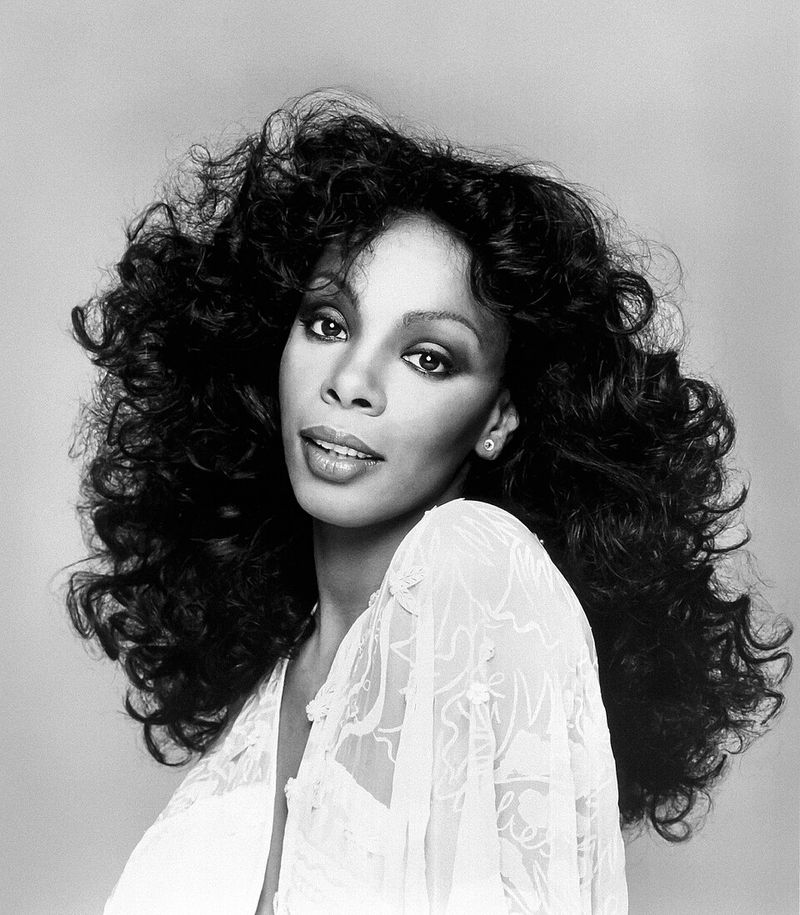
Before anyone else owned the disco era, Donna Summer claimed it. Her international breakthrough came in 1975 with “Love to Love You Baby,” a track that turned heads and set radio stations buzzing.
From that moment forward, Summer became the undisputed queen of the dance floor.
Her run of hits through the late 1970s was extraordinary. Songs like “Last Dance,” “Hot Stuff,” “MacArthur Park,” and “Bad Girls” kept her near the top of the charts with a consistency few artists have ever matched.
She became the first female artist to score four No. 1 singles within a single 12-month stretch.
She also achieved three consecutive double albums reaching No. 1 on the Billboard chart, a feat that still stands out in music history. Summer proved that disco was not just a trend.
It was a movement, and she was its most powerful voice.
Linda Ronstadt
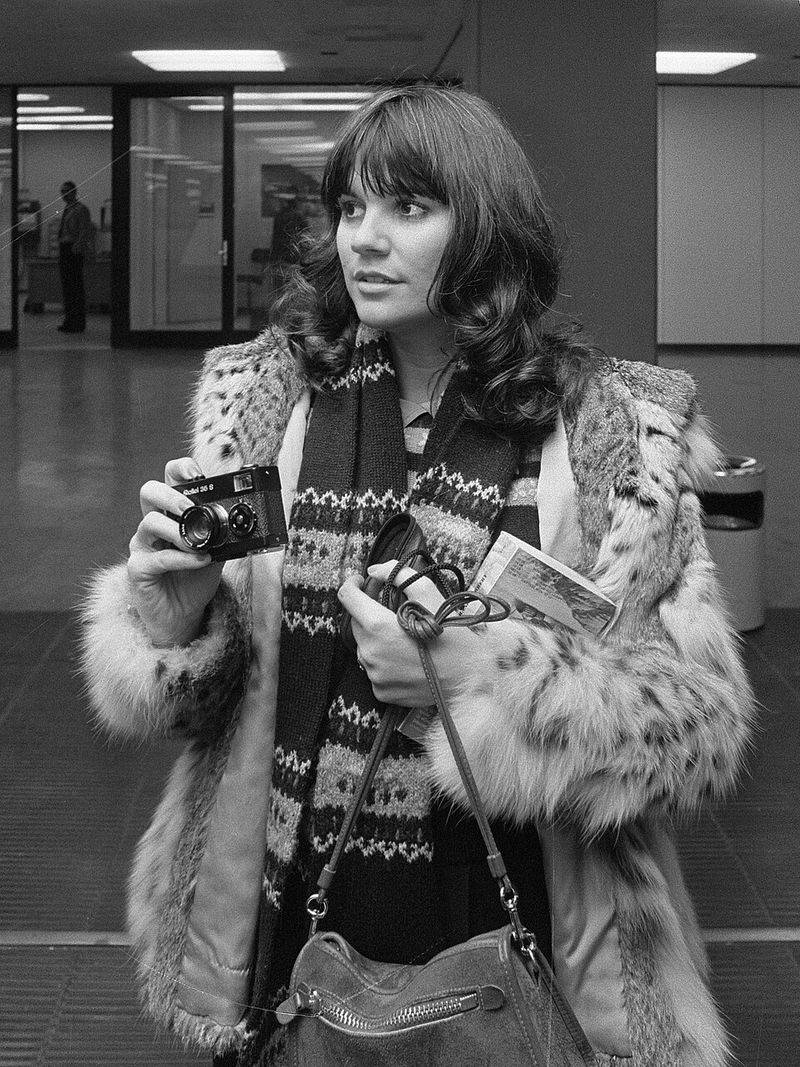
Linda Ronstadt arrived at the mid-1970s with something to prove, and Heart Like a Wheel delivered every bit of it. Released in 1974, the album shot to No. 1 and introduced millions of listeners to a voice that could handle rock, country, and pop with equal confidence.
Hits like “You’re No Good” and “When Will I Be Loved” were just the beginning. She followed that debut with a remarkable string of albums including Prisoner in Disguise, Hasten Down the Wind, Simple Dreams, and Living in the USA.
Each one reinforced her standing as one of the decade’s most reliable hitmakers.
Her official biography describes the 1970s as a hit-filled decade that cemented her place among the most important female voices in rock history. Ronstadt did not chase trends.
She simply kept releasing music that connected, and audiences kept showing up every time she did.
Diana Ross
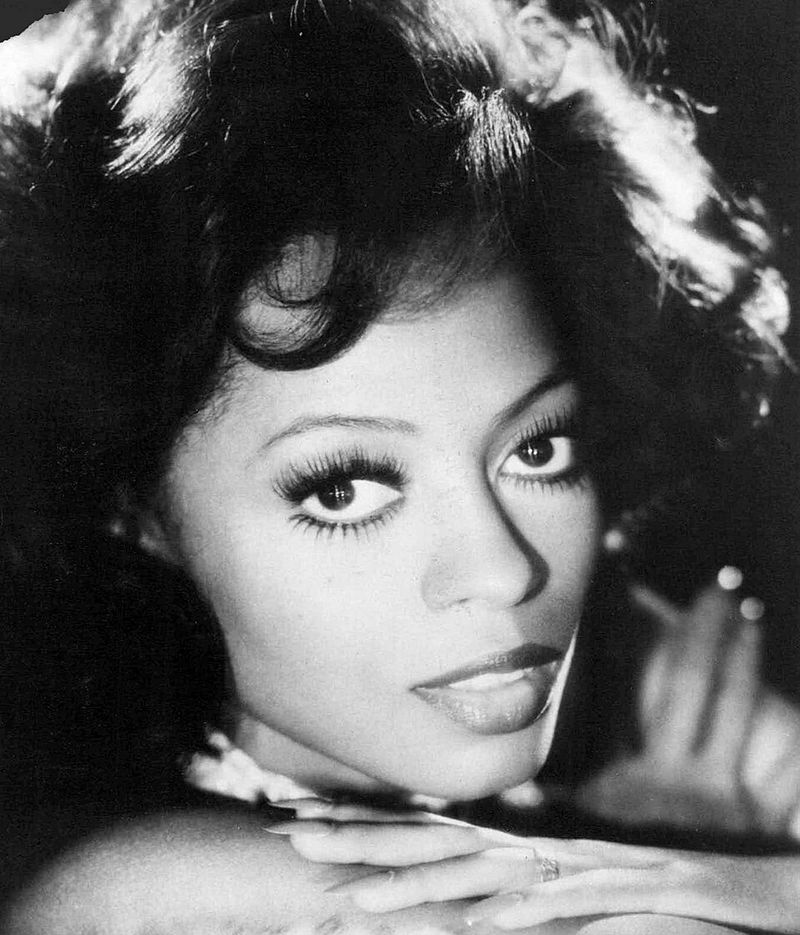
Diana Ross walked into the 1970s already carrying the legacy of the Supremes, and she used it as a launching pad rather than a safety net. Her 1970 solo recording of “Ain’t No Mountain High Enough” became her first No. 1 hit on the Billboard Hot 100, signaling clearly that her solo chapter would be just as impressive as her Motown years.
She continued releasing successful pop and soul music while simultaneously building a career in film. Her portrayal of Billie Holiday in Lady Sings the Blues earned wide critical praise and demonstrated a range that went far beyond singing.
Ross became one of the era’s most recognizable entertainers through her combination of chart success, screen presence, and glamorous public image. Few artists managed the transition from group stardom to solo superstardom as smoothly as she did throughout that decade.
Carole King
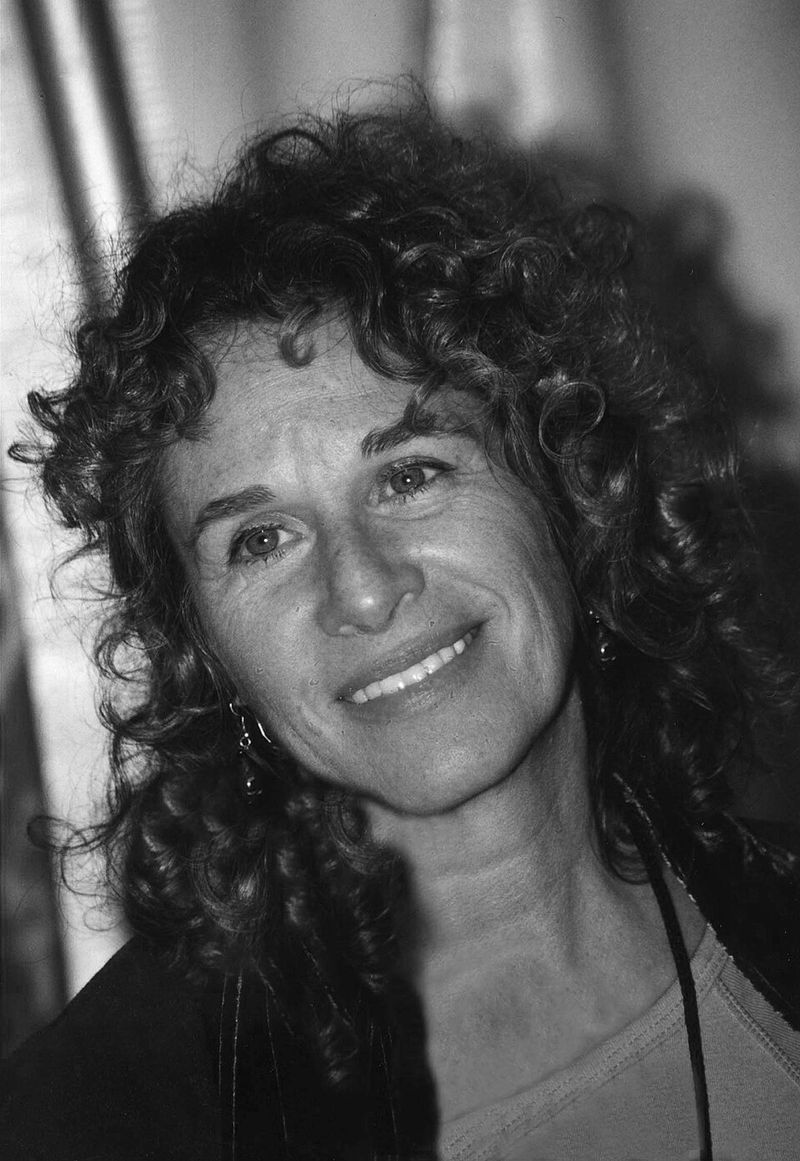
Tapestry did not just launch Carole King’s solo career. It redefined what a singer-songwriter album could accomplish.
Released in 1971, the record spent 15 weeks at No. 1 and produced classics including “It’s Too Late,” “I Feel the Earth Move,” and “You’ve Got a Friend.” It became one of the best-selling albums in music history.
King had already earned enormous respect as a behind-the-scenes songwriter before Tapestry arrived. After it did, she was impossible to ignore as a performer in her own right.
Four Grammy Awards connected to the album, including Album of the Year, Record of the Year, and Song of the Year, confirmed what listeners already knew.
Tapestry eventually sold tens of millions of copies worldwide. Its combination of honest lyrics, warm piano arrangements, and deeply relatable themes made it a record that people did not just buy once.
They kept returning to it for decades.
Joni Mitchell
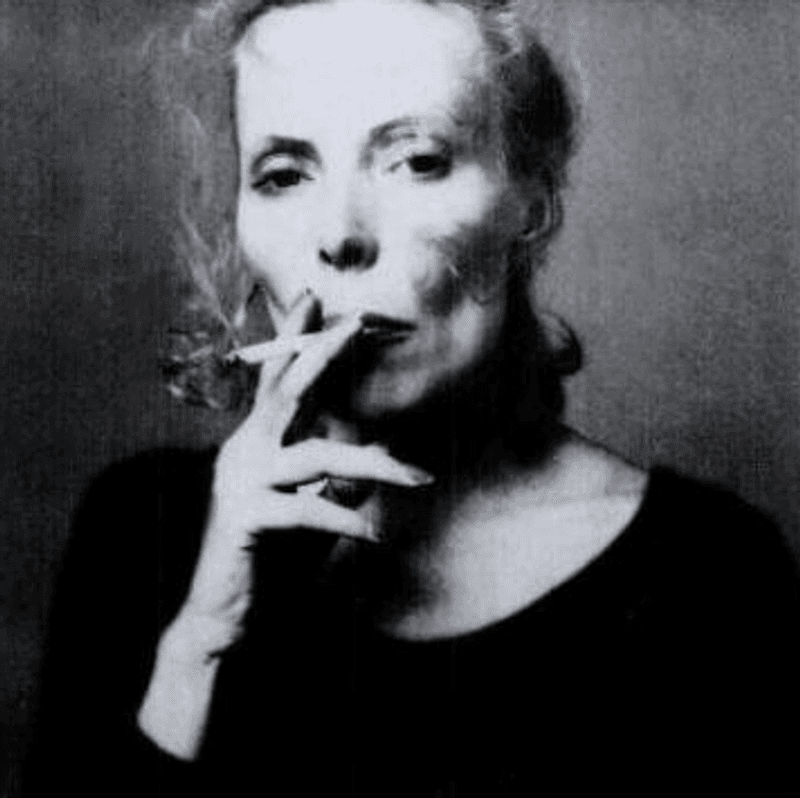
Joni Mitchell approached the 1970s as an artist who refused to stay in one place. Her 1971 album Blue is widely considered one of the most personal and emotionally honest records ever made.
Critics and fellow musicians have pointed to it repeatedly as a defining example of the confessional singer-songwriter style at its most powerful.
Rather than repeat that formula, Mitchell kept pushing forward. Albums like Court and Spark, The Hissing of Summer Lawns, and Hejira showed a growing interest in jazz structures and unconventional arrangements.
Each release challenged her audience to follow her somewhere new, and most of them did.
Her unusual guitar tunings, poetic imagery, and willingness to experiment set her apart from nearly every other artist working in the same era. Mitchell did not just influence the 1970s folk scene.
She quietly shaped the direction of popular music for years after the decade ended.
Stevie Nicks
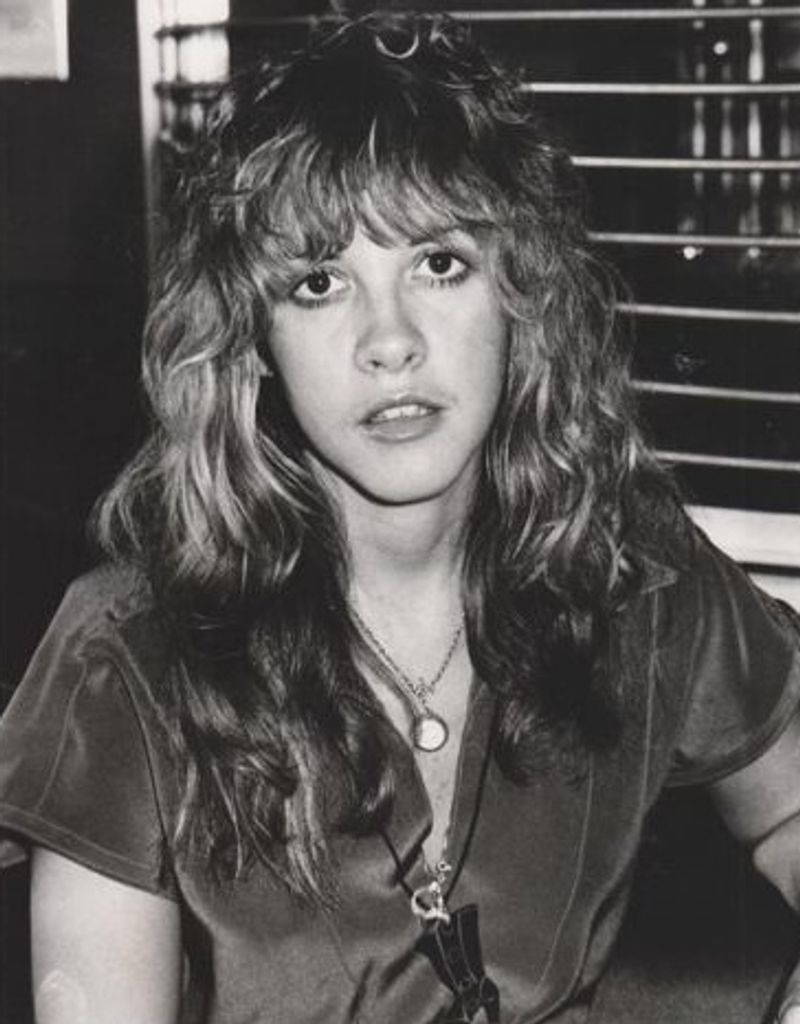
When Stevie Nicks joined Fleetwood Mac alongside Lindsey Buckingham in 1975, the band was already established. What happened next was something few could have predicted.
The 1977 album Rumours became one of the best-selling records in history, and Nicks was central to why it worked so well.
Songs she wrote and sang, including “Dreams,” “Rhiannon,” and “Gold Dust Woman,” gave the album a mystical, poetic quality that balanced perfectly against the more straightforward pop and rock tracks. Her stage presence, flowing outfits, and distinctive vocal tone created an image that felt genuinely unique in the rock world.
The Rock and Roll Hall of Fame notes that Rumours set the stage for her later solo ambitions, which took off in the 1980s. But her 1970s work with Fleetwood Mac remains the foundation everything else was built on.
Rhiannon alone would have been enough to secure her legacy.
Dolly Parton
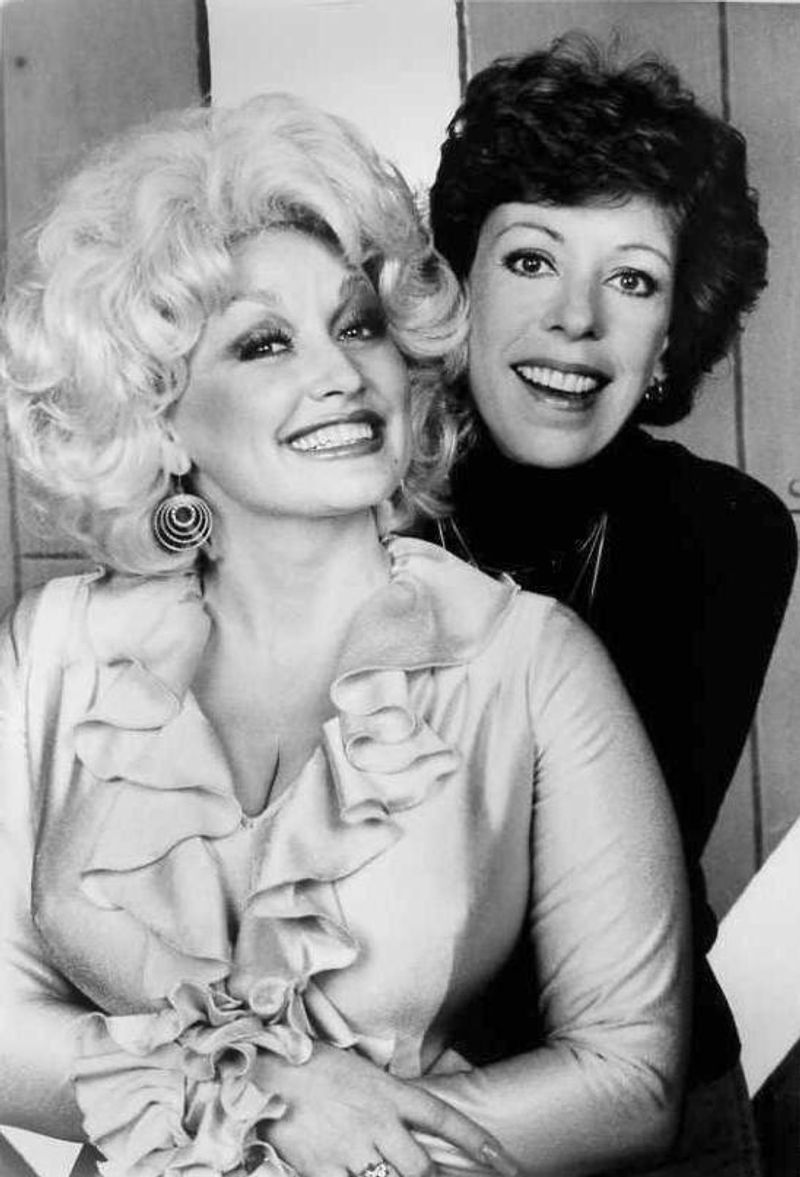
Coat of Many Colors arrived in 1971, and it showed exactly the kind of songwriter Dolly Parton was becoming. Personal, specific, and deeply rooted in her Appalachian upbringing, the album gave listeners a window into a world most had never seen.
It also made clear that Parton was far more than a pretty voice in a rhinestone outfit.
“Jolene” and “I Will Always Love You” followed in the mid-1970s, cementing her reputation as one of the finest songwriters country music had ever produced. Both songs have since been covered countless times by artists across multiple genres, which says everything about their staying power.
After parting ways with longtime partner Porter Wagoner in 1973, Parton steadily expanded her audience beyond traditional country fans. By the end of the decade, she was crossing into mainstream pop territory without losing the authenticity that had made her a star in the first place.
Cher
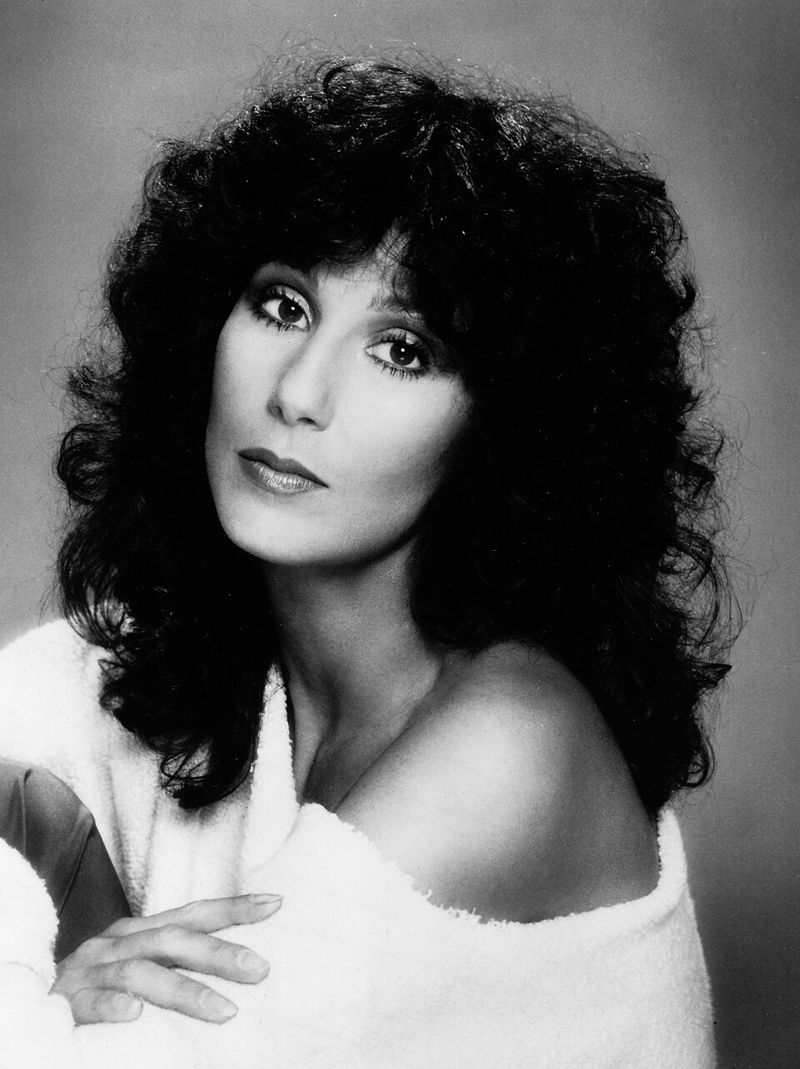
Cher entered the 1970s with name recognition from her Sonny and Cher years, but the decade gave her a chance to show what she could do on her own. She did not waste it. “Gypsys, Tramps and Thieves” hit No. 1 in 1971, followed by “Half-Breed” and “Dark Lady,” making her one of the most consistent solo hitmakers of the early part of the decade.
Her television work ran alongside her music career and arguably made her even more famous. The elaborate Bob Mackie costumes she wore on screen turned her into a fashion reference point that still gets cited today.
She was not just performing. She was constructing an image that felt larger than any single song.
The Rock and Roll Hall of Fame describes her transformation from 1960s folk-pop star to Top 40 solo sensation as one of the more striking reinventions of that era. Cher made reinvention look easy, even when it clearly was not.
Aretha Franklin
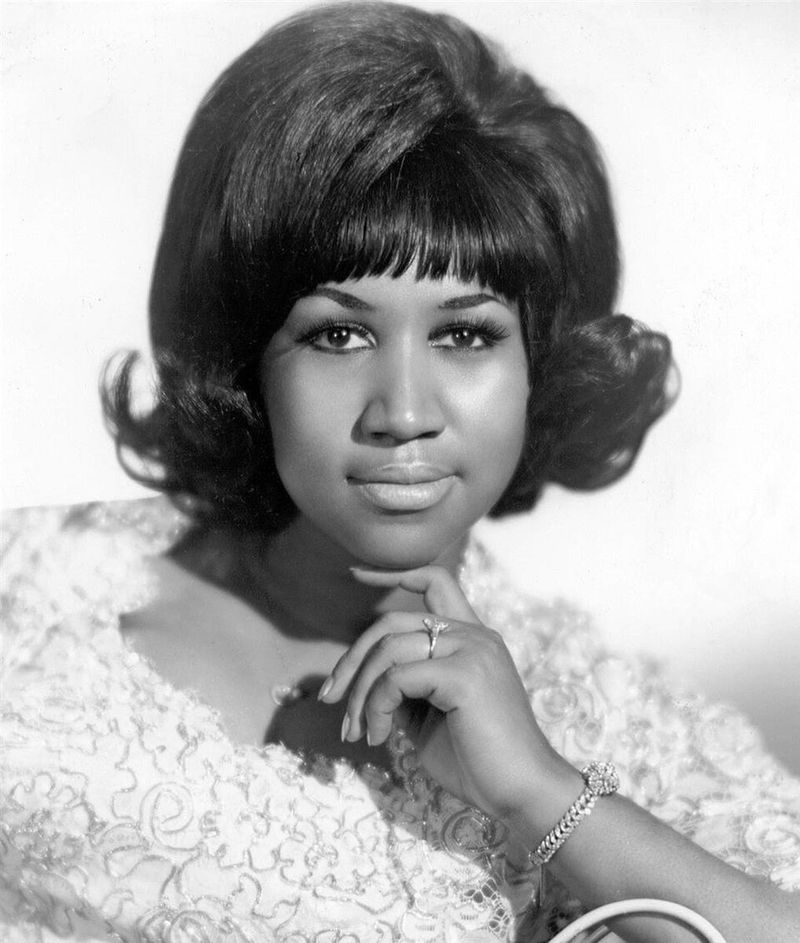
Aretha Franklin earned the title Queen of Soul in the late 1960s, but she carried it through the 1970s without losing a step. Her voice remained one of the most powerful instruments in popular music, capable of moving between gospel intensity and smooth pop phrasing within a single phrase.
Albums like Young, Gifted and Black and Amazing Grace demonstrated just how wide her range truly was. Amazing Grace in particular, a live gospel recording released in 1972, became one of the best-selling gospel albums ever made and showed a side of Franklin that pop radio rarely captured fully.
Her influence on singers who came after her is almost impossible to overstate. Franklin was eventually the first woman ever inducted into the Rock and Roll Hall of Fame, a recognition that reflected decades of work rather than any single hit.
The 1970s were simply one more chapter in a career built to last.
Gladys Knight
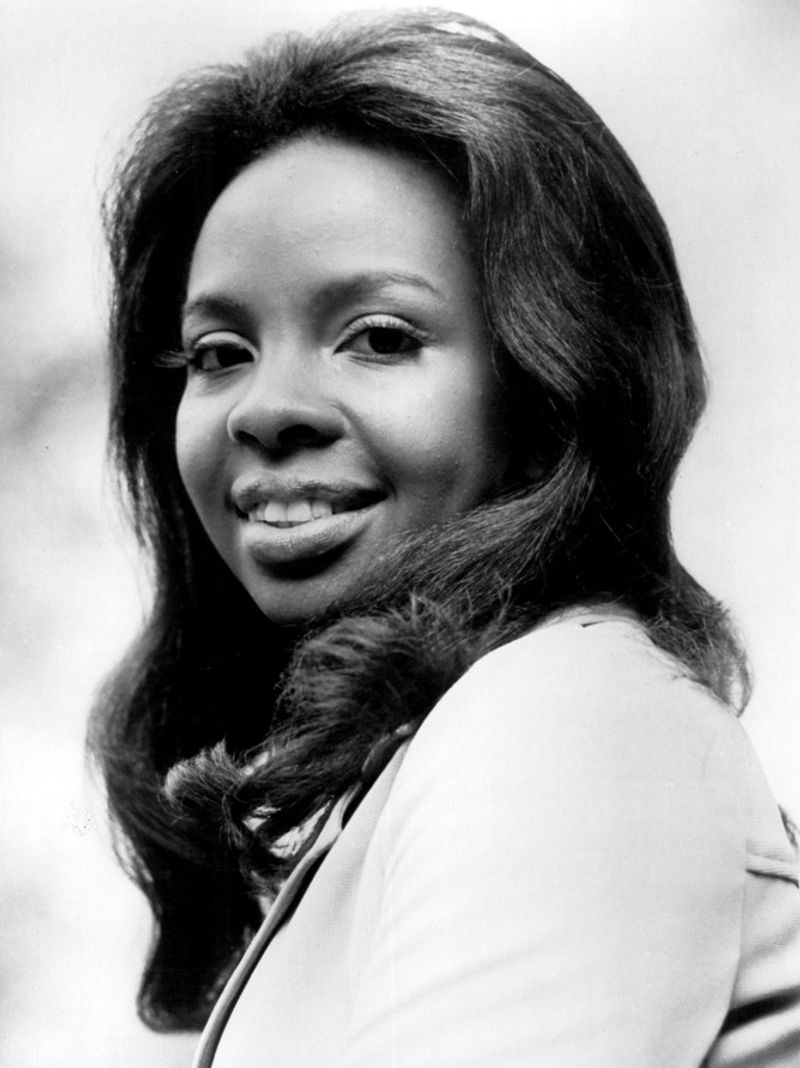
“Midnight Train to Georgia” is one of those songs that stops you wherever you are when it comes on. Released in 1973, the recording became the signature moment for Gladys Knight and the Pips and one of the most enduring soul recordings of the entire decade.
It reached No. 1 and stayed in the cultural conversation long after the charts moved on.
That song did not arrive out of nowhere. Knight had been building toward it with hits like “If I Were Your Woman” and “Neither One of Us,” both of which showcased the commanding lead vocal style that set her apart from nearly every other soul singer of her generation.
The move from Motown to Buddah Records gave the group creative room that translated directly into stronger recordings. Knight’s voice, rich and authoritative without ever feeling cold, was the reason listeners kept returning.
Her 1970s catalog holds up better than most from that era.
Chaka Khan
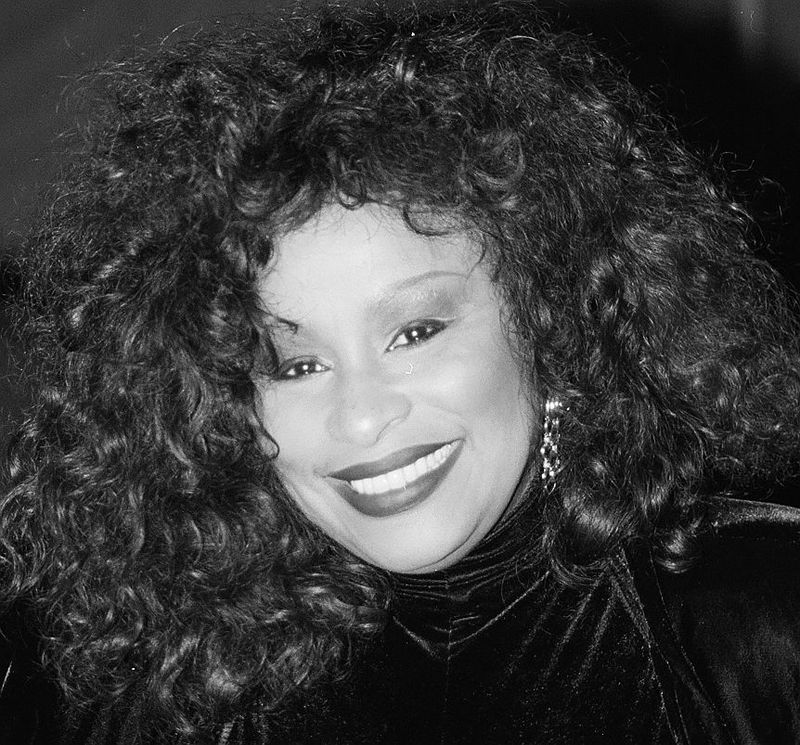
Few voices from the 1970s hit with the same immediate force as Chaka Khan. As the lead singer of Rufus, she introduced herself to mainstream audiences with “Tell Me Something Good” in 1974, a Stevie Wonder-written track that showcased a vocal range and raw energy that most singers never develop at any age.
Her ability to move between funk, soul, R&B, and pop without sounding out of place in any of them made her one of the decade’s most versatile performers. By the late 1970s, she had begun building a solo career alongside her work with Rufus, releasing “I’m Every Woman” in 1978.
That song became an anthem and a preview of the solo stardom that was coming. Khan’s influence on vocalists who followed her is well documented.
Artists across multiple genres have pointed to her technique and stage presence as a direct inspiration for their own approaches to performance.
Debbie Harry
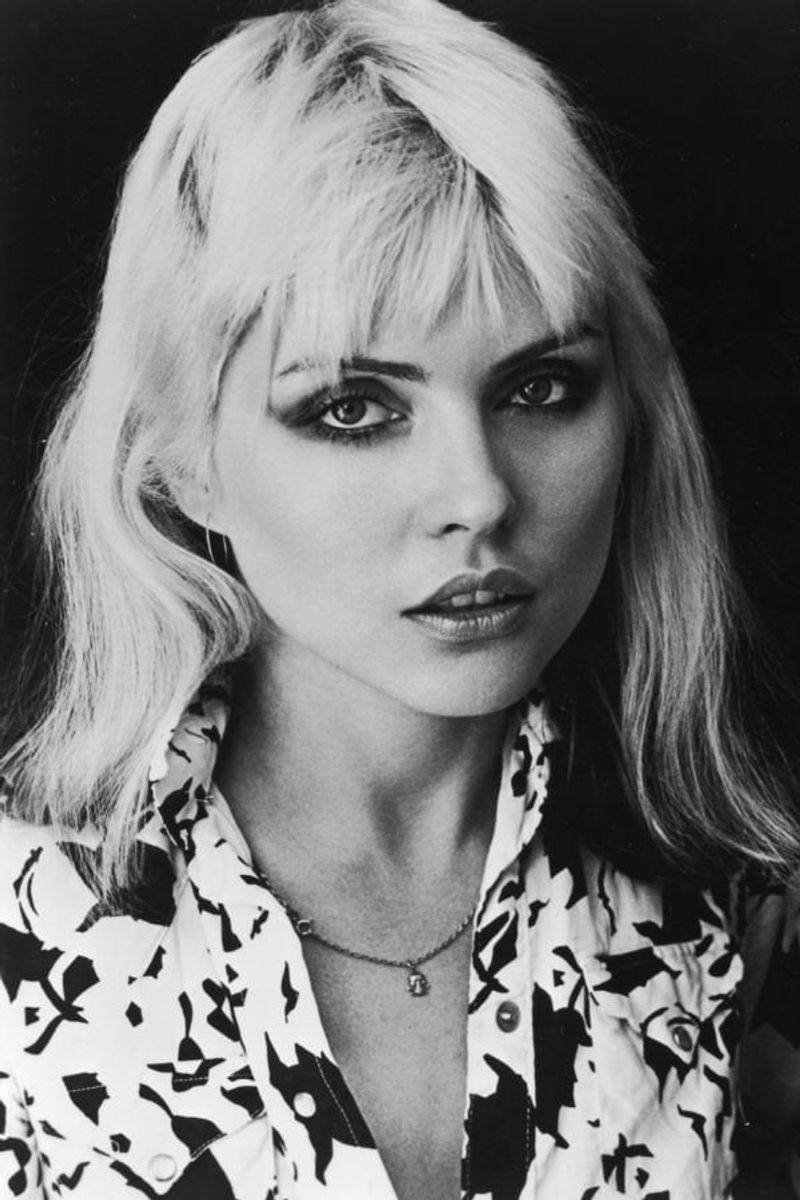
Debbie Harry made platinum blonde look like a statement and punk look like pop. As the frontwoman of Blondie, she emerged from the CBGB scene in New York at a time when underground music and mainstream radio rarely crossed paths.
By 1979, that gap had closed considerably, and Harry was a large part of why.
“Heart of Glass” became an international breakthrough, blending disco rhythms with new wave attitude in a way that felt genuinely fresh rather than calculated. “One Way or Another” showed a harder edge that kept the band connected to its punk origins even as the hits kept coming.
Blondie was one of the first acts from New York’s underground scene to achieve mainstream success without abandoning the identity that made them interesting in the first place. Harry’s cool stage presence and strong visual identity made her one of the most recognizable faces of the late 1970s music scene.
Olivia Newton-John
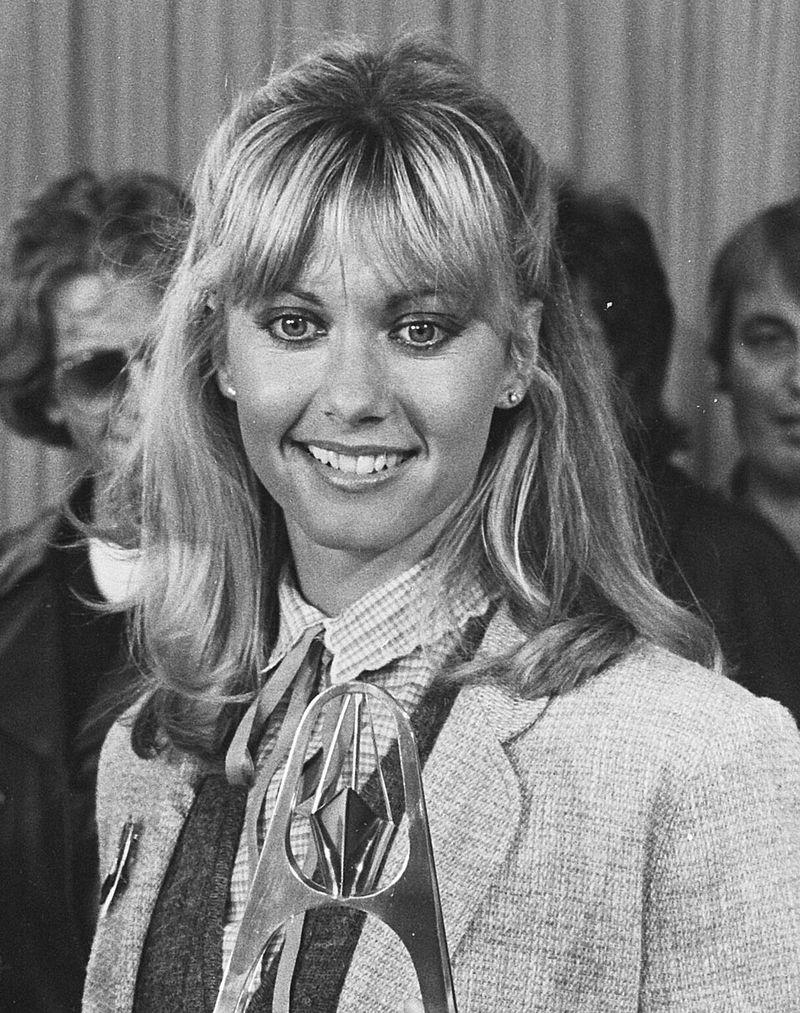
Olivia Newton-John had already built a solid reputation in country and soft pop before Grease arrived in 1978 and turned her into something close to a global phenomenon. Her earlier Grammy win for “Let Me Be There” and chart success with “I Honestly Love You” had shown she could connect with audiences across multiple formats.
Starring opposite John Travolta in Grease gave her a platform that no amount of radio play could have matched. “Hopelessly Devoted to You” became one of the year’s most recognizable songs and introduced her to an entirely new generation of fans who might never have sought out her country recordings.
What made Newton-John’s 1970s run particularly impressive was its consistency across very different styles. She moved between formats without losing the warmth and accessibility that defined her appeal.
By the time the decade closed, she was one of the best-selling female artists in the world.
Share this story