Some of the world’s most beloved foods were not created in fancy restaurants. They were born in kitchens where money was tight and families had to make the most of whatever was available.
From stale bread turned into pudding to leftover vegetables fried into crispy cakes, these dishes tell a powerful story of creativity and resilience. Today, people still enjoy them not just out of habit, but because they are genuinely delicious.
1. Water Pie
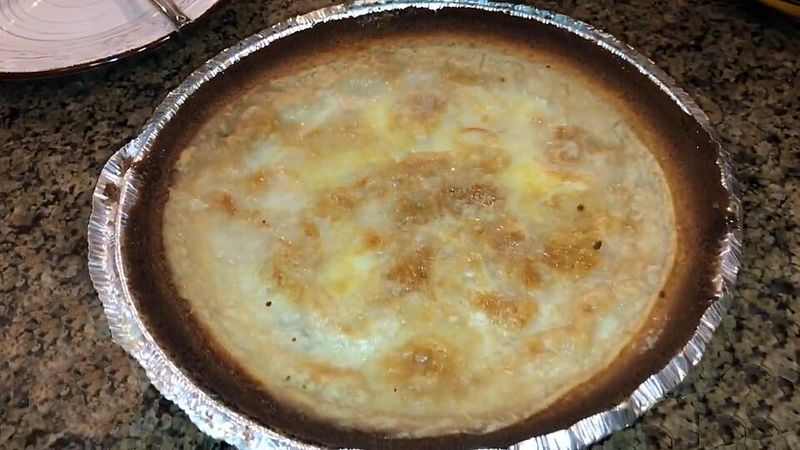
Water pie sounds almost impossible. How can something made mostly from water, sugar, butter, and flour taste good?
Yet during the Great Depression, this dessert became a small miracle in kitchens across the United States, where eggs, milk, and fruit were luxuries many families could not afford.
The technique was clever. Flour thickened the filling as it baked, and butter gave it a rich, slightly caramel-like flavor.
People who have tried it describe the texture as somewhere between custard and a soft pudding, which is remarkable given how few ingredients go into it.
Water pie has experienced a major comeback in recent years, especially on social media, where home bakers share videos of the simple recipe. It has become a symbol of Depression-era ingenuity.
Making it today feels like a small act of respect for the generations who turned so little into something sweet.
2. Navy Bean Soup
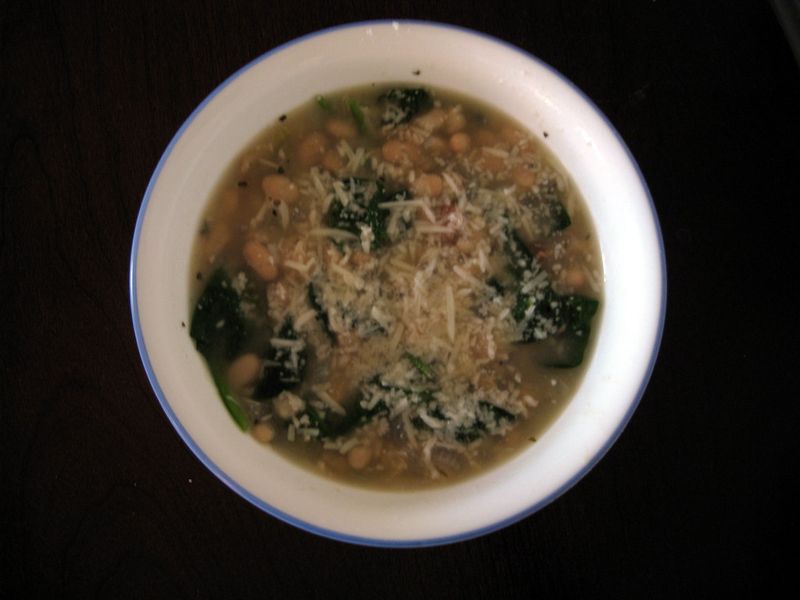
Navy bean soup has been feeding Americans for well over a century. The United States Navy relied on dried navy beans as a cheap, protein-rich food that could be stored for long periods on ships, which is exactly how the dish got its name.
Sailors ate it regularly, and the recipe eventually made its way into home kitchens across the country.
Dried beans are one of the most affordable ingredients in any grocery store. When simmered slowly with a ham hock, onions, and carrots, they transform into a thick, creamy soup that is deeply satisfying.
The long cooking time allows the flavors to develop beautifully without requiring expensive cuts of meat.
Navy bean soup has been served in the United States Senate cafeteria every single day since the early 1900s. That kind of staying power says a lot.
It is honest, filling food that never goes out of style, no matter how much tastes change.
3. Biscuits and Gravy
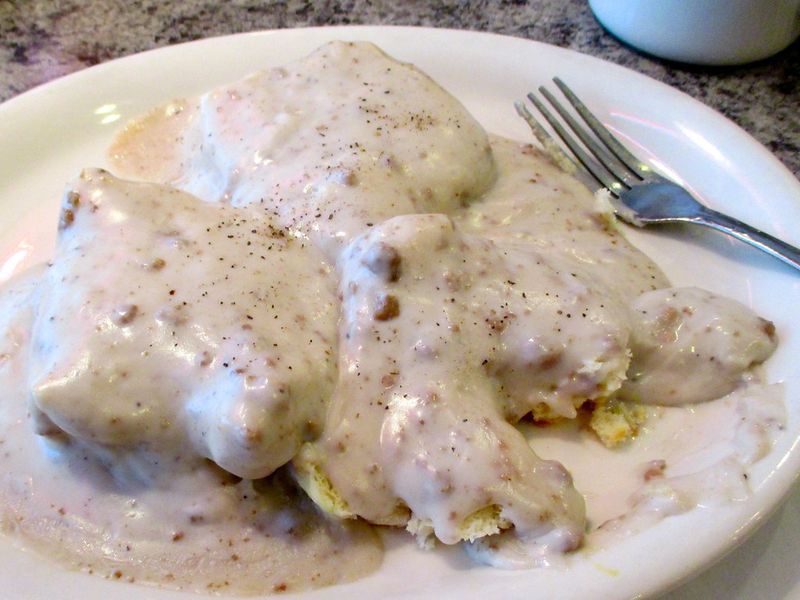
Few breakfasts feel as comforting as a plate of biscuits and gravy. This Southern staple has deep roots in working-class cooking, where stretching a small amount of food to feed a large family was an everyday challenge.
Flour, fat, and milk formed the biscuits, while drippings from cheap pork sausage became the base for a creamy, peppery gravy.
The dish became a morning tradition across Appalachia and the American South during the 18th and 19th centuries. Farm workers and laborers needed something filling before long hours in the fields, and biscuits and gravy delivered exactly that.
It was fuel, plain and simple, and it tasted wonderful.
Today, biscuits and gravy appear on diner menus from coast to coast. Restaurants have added creative twists, but the classic version remains the favorite.
There is something deeply satisfying about a dish that started as a survival meal and became one of America’s most beloved breakfast foods.
4. Red Beans and Rice
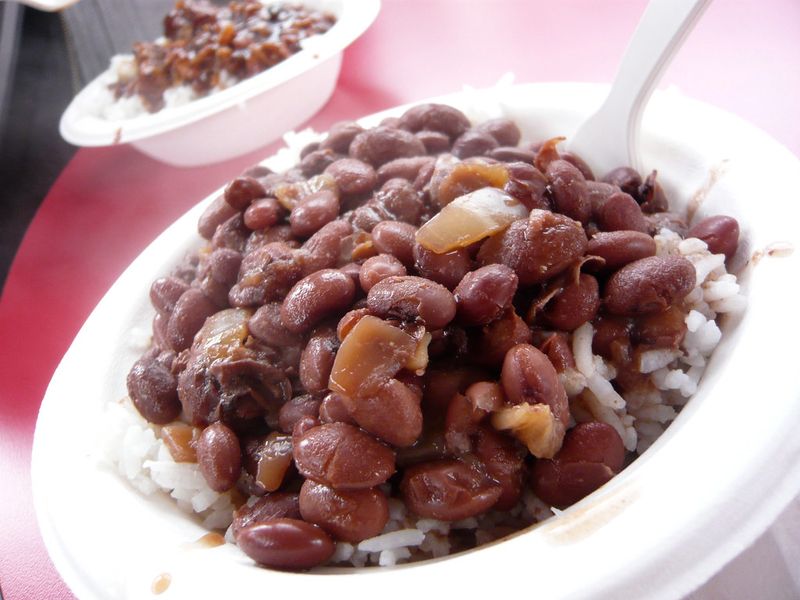
Monday used to be laundry day in New Orleans, and that left little time for cooking. Red beans and rice solved the problem perfectly.
The beans could simmer on the stove all day with minimal attention, filling the kitchen with a rich, smoky aroma while the laundry got done. By dinnertime, a satisfying meal was ready without much effort.
The recipe relies on dried red kidney beans, rice, and whatever smoked sausage or ham was available. These were affordable ingredients that working-class Creole families could count on.
Over time, the dish became deeply embedded in Louisiana culture, so much so that Monday became unofficially known as red beans day.
Musicians, including Louis Armstrong, were famously devoted to the dish. Armstrong reportedly signed letters with the nickname “Red Beans and Ricely Yours.” That kind of cultural love is rare.
Today, the dish remains a cornerstone of Louisiana cooking and is enjoyed far beyond the state’s borders.
5. Hoppin’ John
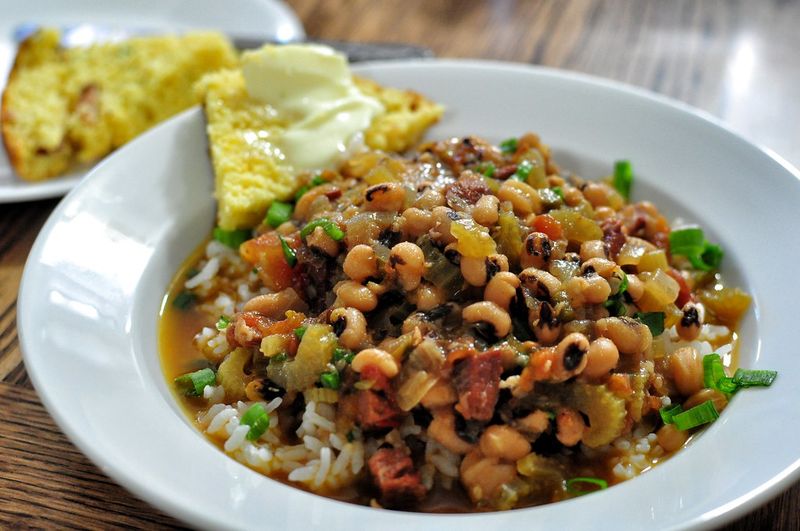
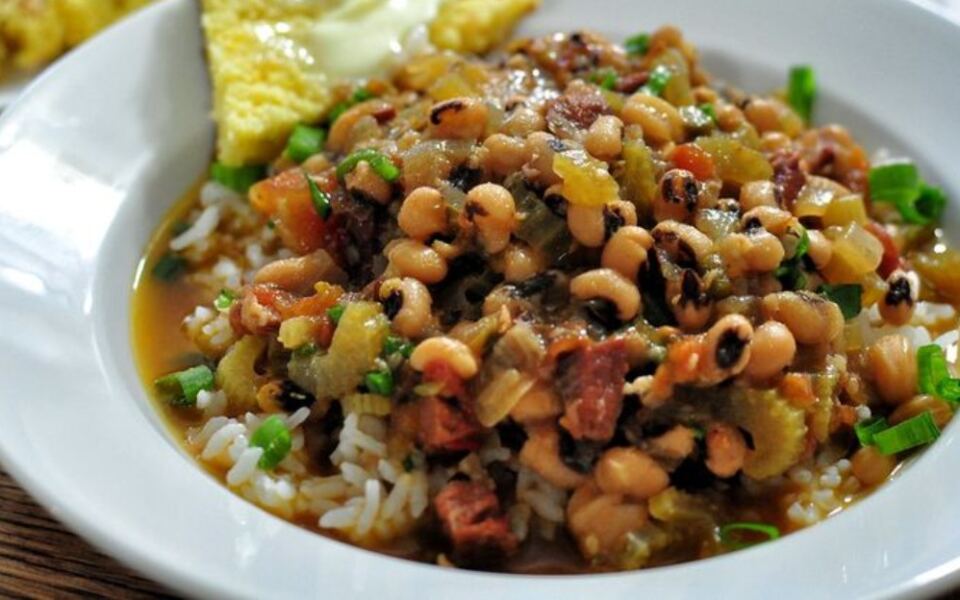
Hoppin’ John is one of the American South’s most iconic dishes, built around two of the cheapest ingredients imaginable: black-eyed peas and rice. Enslaved African Americans are credited with popularizing the dish, drawing on West African culinary traditions that used cowpeas as a dietary staple.
Their influence shaped Southern food in ways that are still felt today.
The dish became strongly associated with New Year’s Day, when eating black-eyed peas is believed to bring good luck and prosperity for the year ahead. Collard greens are often served alongside, representing money.
The tradition is taken seriously across the South, and many families would not dream of skipping it.
Beyond the tradition, Hoppin’ John is simply good food. The peas become creamy and rich when cooked with smoked meat, and the rice absorbs all that savory flavor.
It is humble cooking at its finest, and it has earned a permanent place in American culinary history.
6. Pasta e Fagioli
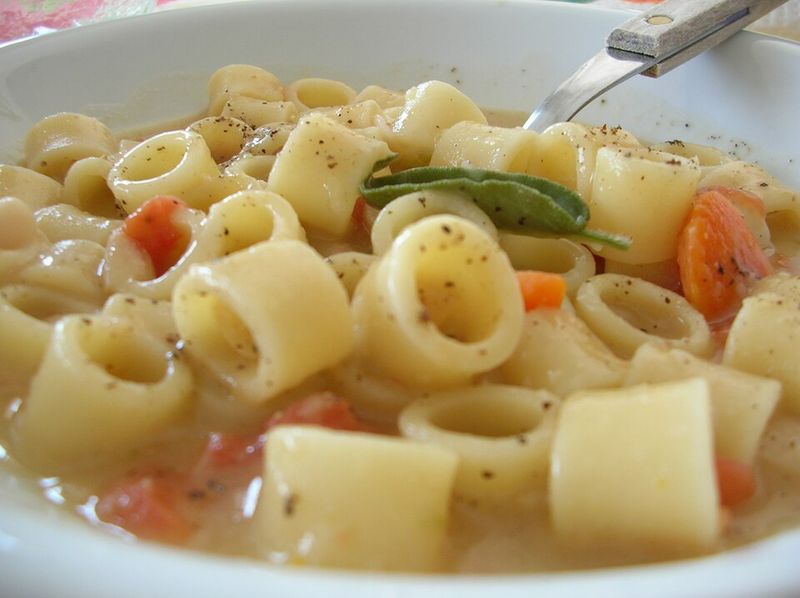
Pasta e Fagioli, which translates to pasta and beans, is one of the most famous examples of cucina povera, the Italian tradition of peasant cooking that turned cheap, simple ingredients into extraordinary food. For centuries, rural Italian families relied on this dish as a filling, nourishing meal that cost almost nothing to prepare.
The combination of pasta and beans creates a complete protein, which meant even families with no access to meat could stay well-nourished. Different regions of Italy have their own versions.
Some are soupy and broth-like, others thick enough to stand a spoon in. All of them are deeply satisfying.
Today, Pasta e Fagioli appears on menus in Italian restaurants around the world, sometimes dressed up with fancy garnishes and artisan pasta. But the soul of the dish remains the same.
It is proof that cooking with love and good technique can make the simplest ingredients taste extraordinary.
7. Ribollita
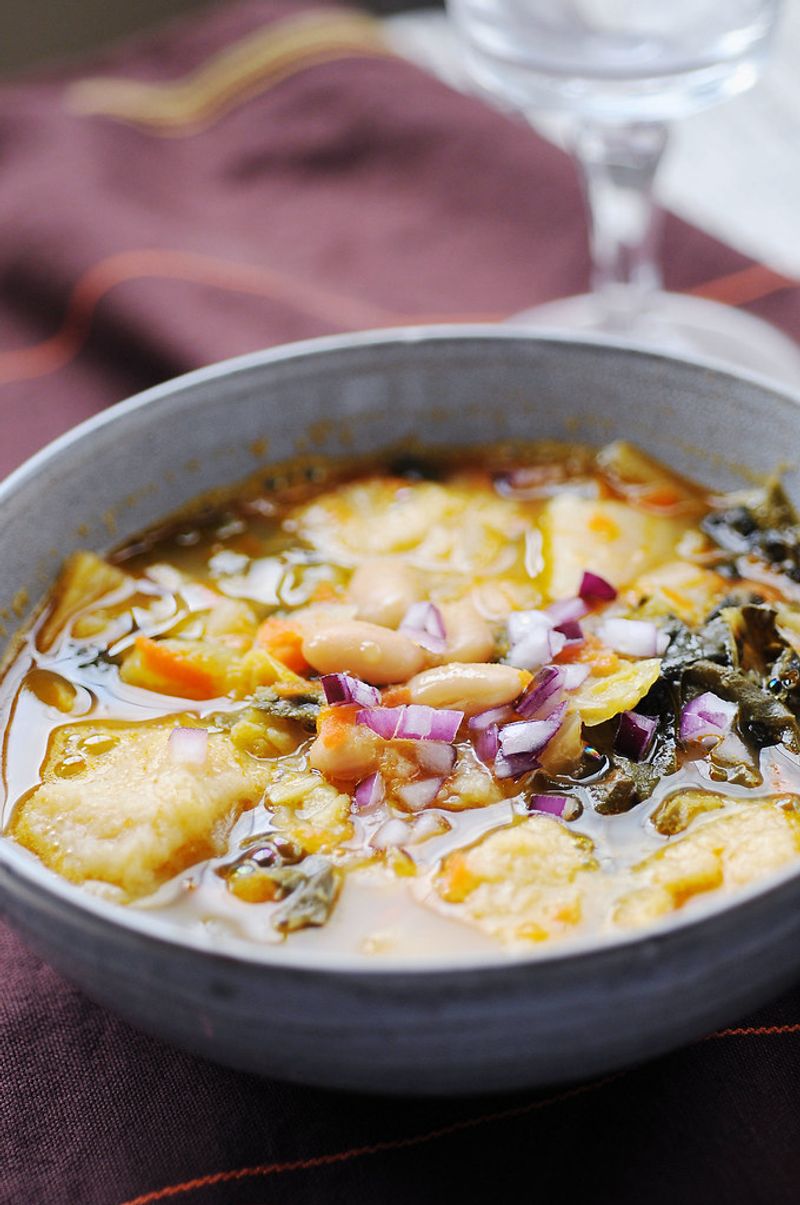
Ribollita means “reboiled” in Italian, and the name tells you everything about this dish’s origins. Tuscan peasants would make a big pot of vegetable and bean soup, then reheat it the next day with leftover stale bread stirred in to thicken it further.
Each time it was reboiled, the flavors deepened and the texture grew richer.
The key ingredients include cavolo nero, cannellini beans, carrots, onions, and day-old bread. Nothing expensive, nothing fancy.
Yet the result is one of the most deeply flavored soups in all of Italian cooking. The bread dissolves into the broth, creating a consistency somewhere between a thick stew and a porridge.
Ribollita is now considered a Tuscan culinary treasure, served in trattorias across Florence and beyond. Food writers and chefs celebrate it as a masterclass in using simple ingredients wisely.
It is a dish that rewards patience, and every spoonful feels like a warm hug on a cold day.
8. Panzanella
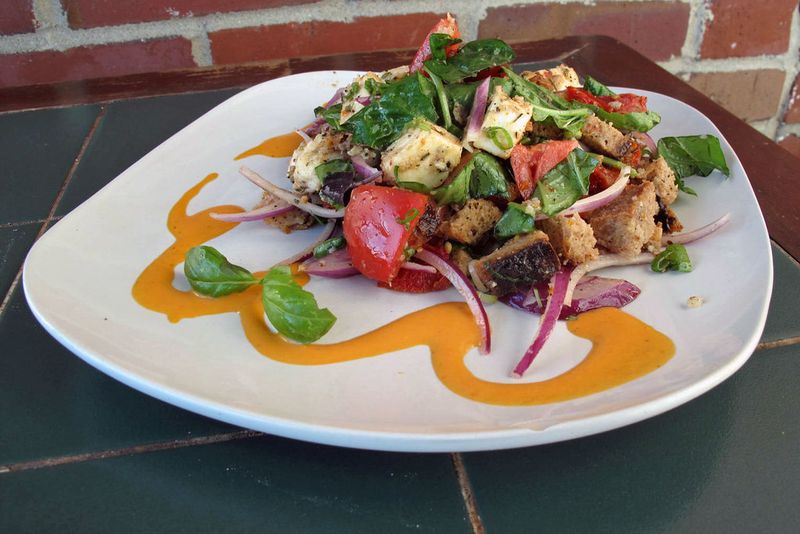
Wasting bread was unthinkable for most Tuscan families throughout history. Panzanella was born from that practical mindset.
When bread went stale and hard, it was soaked in water, squeezed dry, and tossed with ripe tomatoes, onions, and olive oil. The result was a refreshing salad that made yesterday’s leftovers feel like a celebration.
The dish is deeply seasonal and works best in summer, when tomatoes are at their ripest and most flavorful. Fresh basil and good olive oil are the finishing touches that bring everything together.
The soaked bread absorbs the tomato juices and dressing, becoming soft and packed with flavor rather than soggy or bland.
Panzanella has become a warm-weather favorite far beyond Tuscany. Home cooks around the world make it during tomato season, and it appears frequently on restaurant menus as a sophisticated starter.
What began as peasant thrift is now considered a stylish, vibrant dish that celebrates the best of Italian summer produce.
9. Polenta
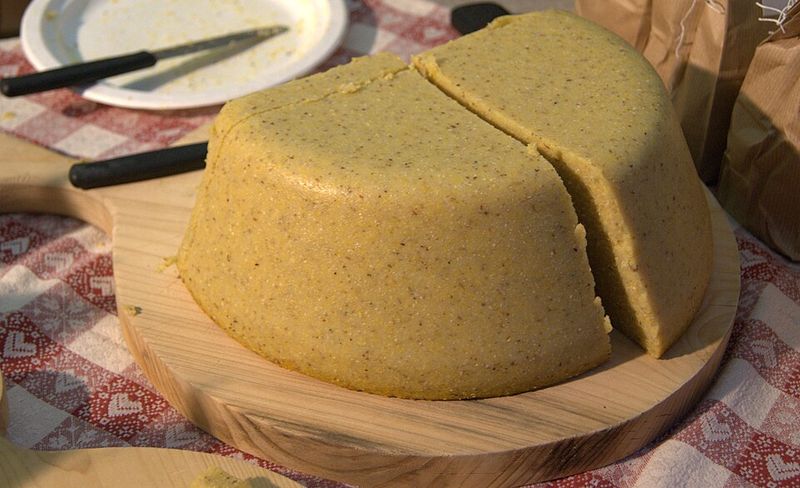
For hundreds of years, polenta was the food of the poor across northern Italy. Ground cornmeal was cheap, filling, and versatile.
Peasant families ate it morning, noon, and night, sometimes with nothing more than a drizzle of olive oil or a small piece of cheese. It kept hunger away when little else was available.
The process of making polenta is meditative. The cornmeal is stirred slowly into boiling water, then cooked and stirred continuously for up to an hour until it becomes thick, creamy, and smooth.
The effort is simple but requires patience. When done right, the result is deeply comforting, with a rich, earthy corn flavor.
Modern chefs have elevated polenta into a gourmet ingredient, topping it with truffles, braised meats, and roasted vegetables. But its humble roots are what make it special.
Polenta is a reminder that the most basic foods, prepared with care, can hold their own on any table in the world.
10. Bubble and Squeak
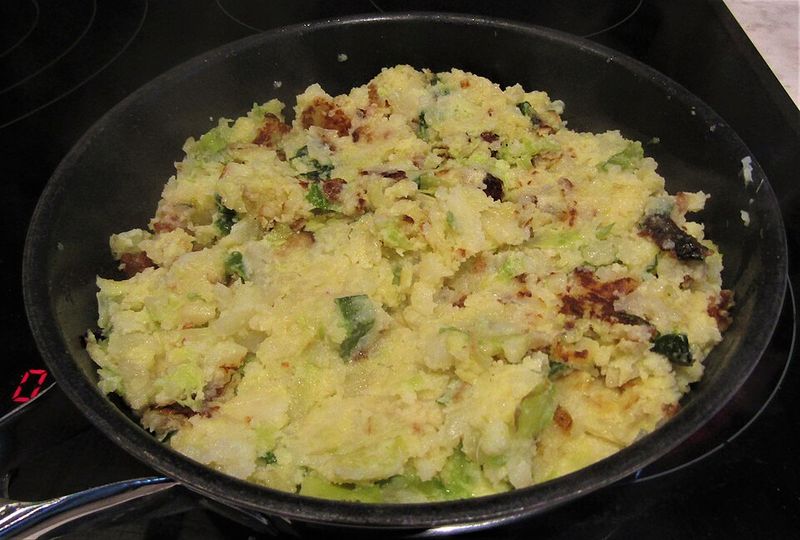
Bubble and Squeak is British comfort food at its most practical. The name comes from the sounds the vegetables make as they cook in the pan, bubbling and squeaking in the hot fat.
Traditionally, it was made from whatever leftover potatoes and vegetables remained after a Sunday roast, especially cabbage or Brussels sprouts.
The mixture is mashed together, shaped into patties or a large cake, then fried until the outside is golden and crispy while the inside stays soft and fluffy. It is one of those dishes where leftovers genuinely taste better than the original meal.
The frying caramelizes the edges and adds a satisfying crunch.
Bubble and Squeak became popular across Britain during World War II, when rationing made food waste completely unacceptable. Every scrap had to count.
Today it remains a beloved way to use up post-holiday leftovers, and many British families consider it a Boxing Day tradition, often served alongside cold cuts and pickles.
11. Bread and Butter Pudding
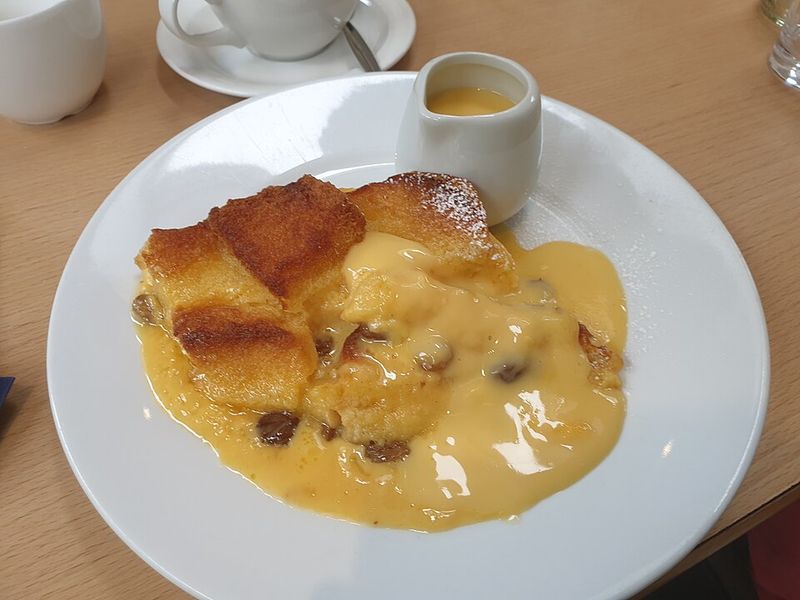
Bread and Butter Pudding has been rescuing stale bread in British kitchens for centuries. The concept is beautifully simple: slices of buttered bread are layered in a dish, covered with a mixture of eggs, milk, sugar, and spices, then baked until the custard sets and the top turns golden and slightly crisp.
Waste nothing, enjoy everything.
The dish dates back to at least the early 18th century, when recipes appeared in British cookbooks. For working-class families, it was a smart way to get extra use out of bread that would otherwise be thrown away.
The addition of dried fruit like raisins or currants made it feel like a proper dessert.
Few things are more satisfying than pulling a perfectly baked Bread and Butter Pudding from the oven. The smell alone is enough to bring a family to the table.
It remains a staple of British home cooking and pub dessert menus, beloved for its warmth, simplicity, and old-fashioned charm.
12. Colcannon
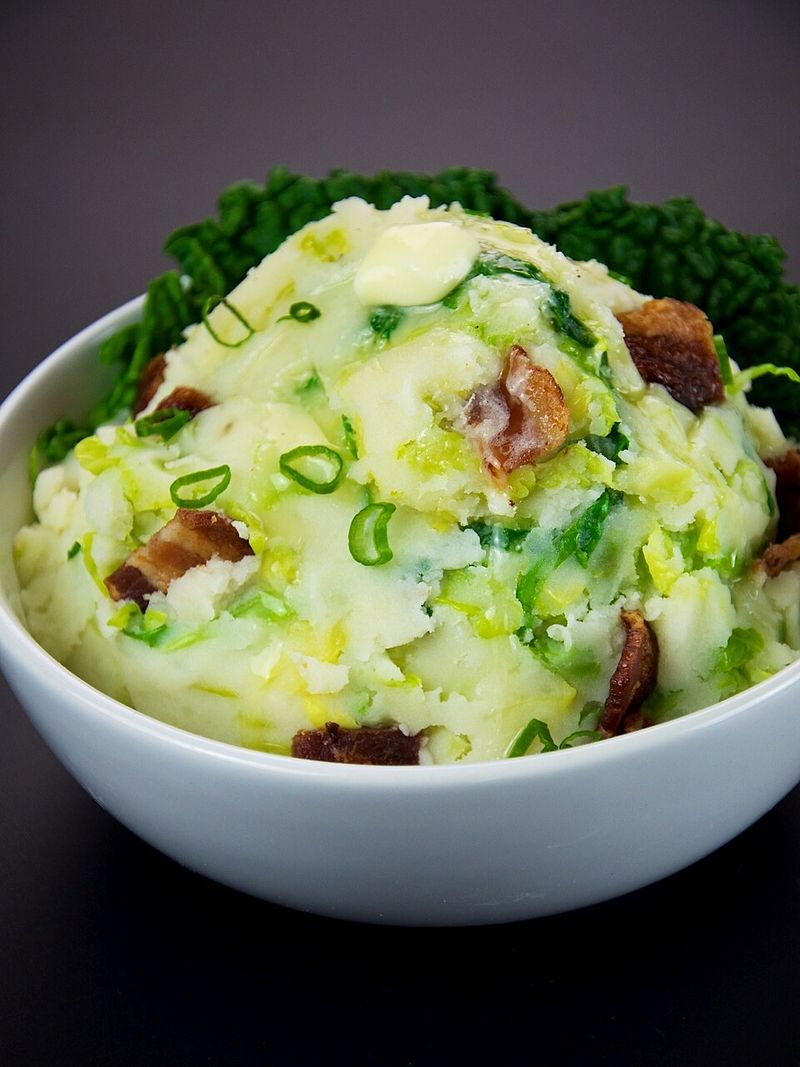
Colcannon is as Irish as it gets. Mashed potatoes mixed with cabbage or kale, generously enriched with butter and cream, this dish has been feeding Irish families through some of the hardest chapters in their history.
During the Great Famine of the 1840s, potatoes were the primary food source for much of Ireland’s population, and dishes like colcannon made them stretch further.
The name comes from the Gaelic term for white-headed cabbage. Traditionally eaten at Halloween, colcannon was sometimes prepared with coins or small charms hidden inside, giving children a reason to eat every last bite.
The tradition added a sense of fun to an otherwise simple, economical meal.
Even today, colcannon holds a place of pride in Irish homes and restaurants. It pairs perfectly with sausages, lamb chops, or a simple fried egg.
Warm, buttery, and deeply satisfying, it is the kind of food that feels like home no matter where in the world you are eating it.
13. Pease Pudding
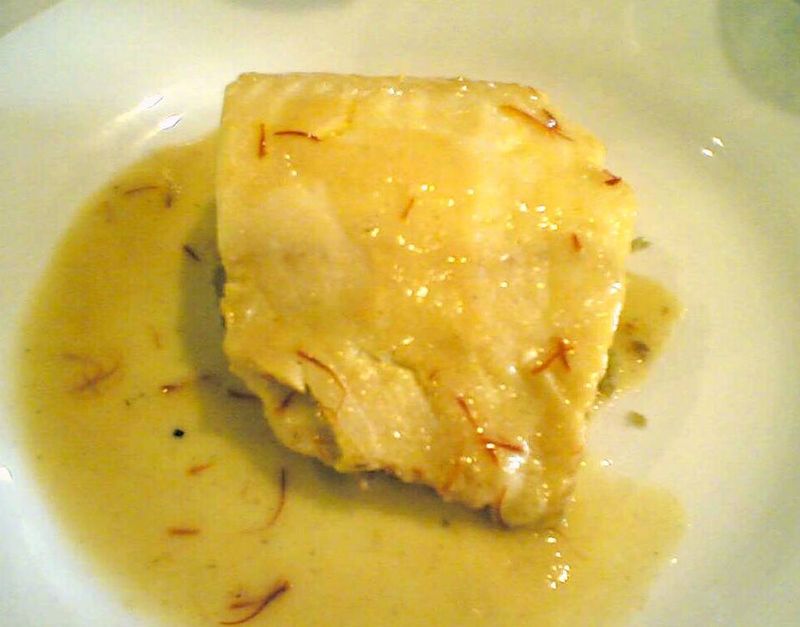
Pease pudding is one of Britain’s oldest foods, with a history stretching back to medieval times. Made by boiling dried split peas until they are completely soft, then mashing or blending them into a thick, smooth paste, it was a staple for ordinary households that could not afford expensive proteins.
Split peas were cheap, filling, and packed with nutrition.
A traditional nursery rhyme references it directly: “Pease pudding hot, pease pudding cold, pease pudding in the pot, nine days old.” That rhyme reflects how pease pudding was cooked in large batches and eaten over many days, reheated each time. Nine days might be an exaggeration, but the idea of making food last was very real.
In northeastern England, particularly around Newcastle, pease pudding is still very much alive. It is sold in butcher shops and served alongside ham sandwiches or boiled bacon.
The flavor is earthy and mild, and it remains a beloved regional comfort food that connects modern eaters to a very long culinary tradition.
14. Potato Pancakes
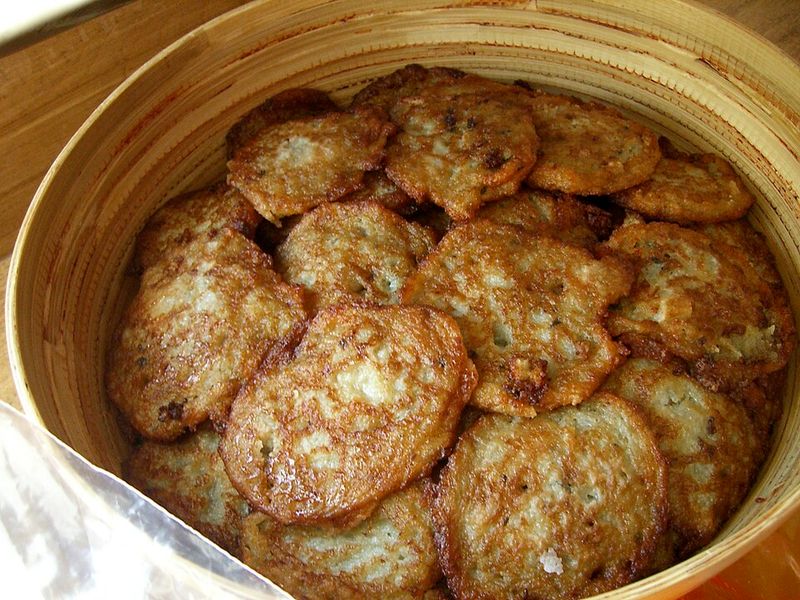
Potato pancakes go by many names across Central and Eastern Europe. In Poland they are placki ziemniaczane, in Germany they are Kartoffelpuffer, in Jewish tradition they are latkes.
Despite the different names and slight variations in seasoning, the core idea is the same: grated potatoes, a little flour or egg to bind them, and a hot pan with oil to fry them until crispy.
Potatoes became a dietary cornerstone across much of Europe in the 18th and 19th centuries because they grew abundantly in poor soil and produced large yields. For farming families with little money, a dish based almost entirely on potatoes was both practical and filling.
Adding a fried egg or a spoonful of sour cream made it feel like a proper meal.
Today, potato pancakes are celebrated as cultural treasures. They appear at Christmas markets, family gatherings, and Jewish holiday celebrations around the world.
Crispy on the outside, tender on the inside, they are one of those foods that taste exactly like childhood, no matter where you grew up.
Share this story