Across Europe, something has shifted. In city after city, residents are no longer quietly accepting the side effects of millions of visitors flooding their neighborhoods every year.
From Barcelona to Bruges, locals are holding protests, pushing for new laws, and demanding that their governments put housing, community, and quality of life ahead of tourism revenue. This is not about hating travelers.
It is about finding a balance that works for the people who actually live in these places year-round. Understanding what is happening in each city helps visitors make smarter, more respectful choices, and it gives everyone a clearer picture of how popular travel destinations are changing right before our eyes.
Barcelona, Spain
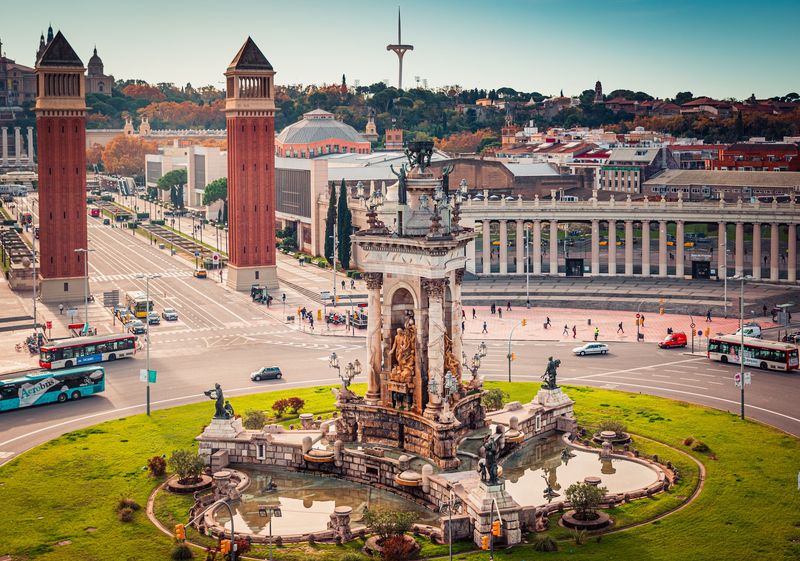
Few cities in Europe have made the tension between tourism and daily life as visible as Barcelona. In 2024 and 2025, demonstrators marched through heavily visited neighborhoods carrying signs that left little to the imagination, and water pistols became an unexpected symbol of the protests.
Organizers were careful to explain that their frustration was not aimed at individual travelers. The real concern was a tourism model they say drives up housing costs and replaces neighborhood shops with visitor-focused businesses.
Barcelona has announced plans to eliminate roughly 10,000 licensed tourist apartments by 2028, a significant policy shift for a city where tourism is deeply woven into the economy. Visitors are still welcomed, and the city’s beaches, architecture, and restaurants remain fully accessible.
What is changing is the regulatory environment around accommodation. Tourists may notice stricter rules and more congested attractions, but Barcelona is still very much open and worth experiencing firsthand.
Palma de Mallorca, Spain
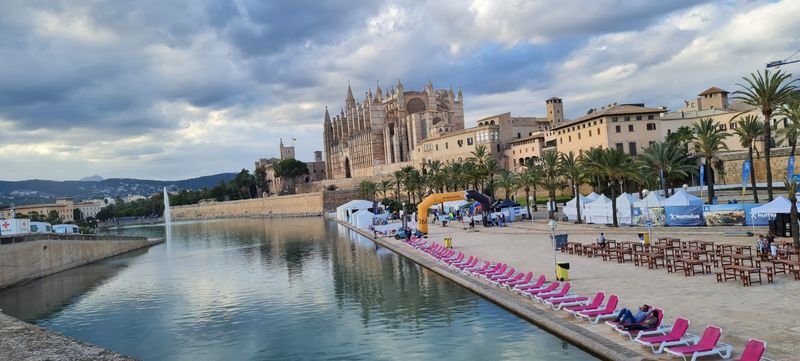
On July 26, 2026, tens of thousands of people filled the streets of Palma in one of the most striking demonstrations against mass tourism that Spain has seen in years. Estimates ranged from 25,000 to 70,000 participants, depending on the source, and the message was unified: tourism growth is outpacing what the island can handle.
The campaign group Menys Turisme, Mes Vida, which translates to “Less Tourism, More Life,” has become the loudest voice in the movement. Protesters connected rising visitor numbers to housing pressure, strained infrastructure, and environmental damage.
None of this means Palma has closed its doors. Hotels, beaches, restaurants, and transportation are all operating normally.
What has changed is the political and social atmosphere surrounding tourism on the island.
Visitors arriving during peak summer months should understand that the debate is now part of everyday life in Mallorca, not just a headline from somewhere far away.
Venice, Italy
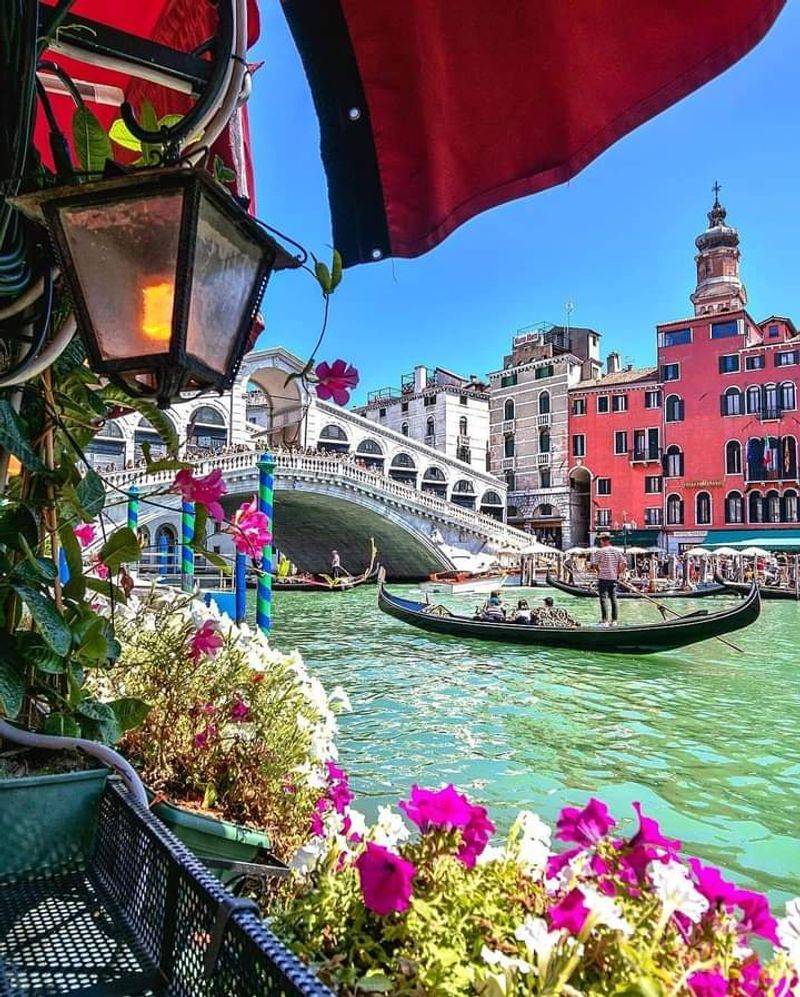
Venice tried something bold that most European cities have only talked about: charging day-trippers a fee simply to enter the historic center. On selected high-demand days in 2026, qualifying visitors paid either 5 or 10 euros depending on how far in advance they booked.
The program was designed specifically to discourage unplanned day trips and help the city manage visitor flow in one of the most compact historic areas in the world. The 2026 fee period ended on July 26, so visitors can currently enter without paying the access charge, though future versions of the system have not been ruled out.
Overnight guests, residents, and several other categories were exempt from the trial charge. The city itself continues operating normally, with gondolas, museums, and restaurants all functioning as expected.
The larger issue is that Venice receives enormous crowds within a remarkably small area, making overcrowding one of the city’s most persistent and defining challenges for both residents and visitors.
Amsterdam, Netherlands
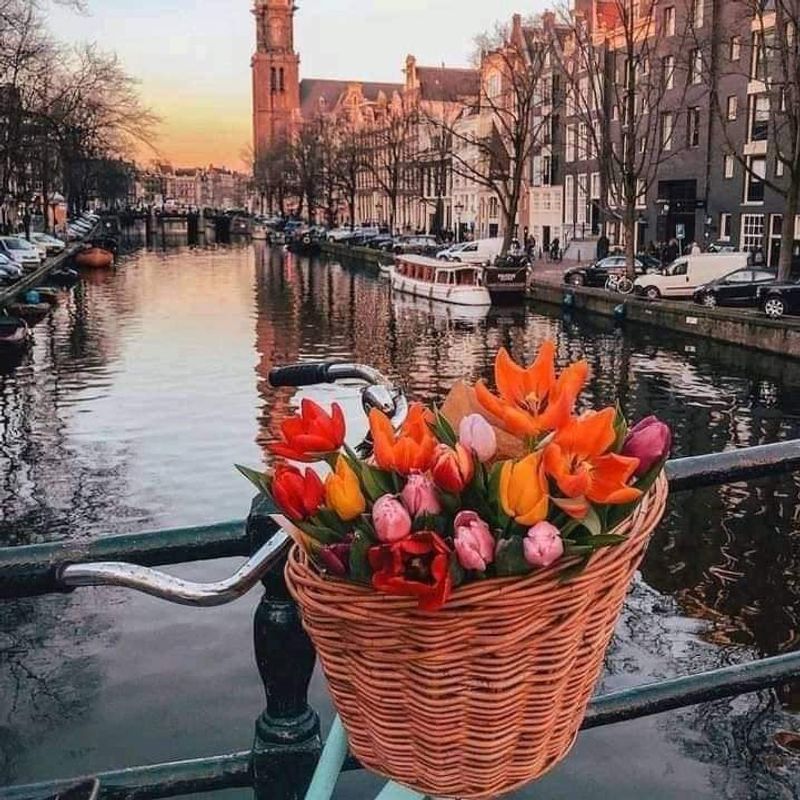
Amsterdam is not shy about its goals. The city government has openly stated that tourism should not come at the expense of residents’ quality of life, and its policies back that up with real action.
Tighter hotel restrictions, reductions in river cruises, earlier closing hours in some areas, and limits on vacation rentals are all part of a deliberate strategy.
In eight neighborhoods, the annual vacation-rental allowance was cut to just 15 nights in April 2026. Officials are also considering adding another neighborhood to that list starting in 2027, citing tourism pressure that officials judged too high for the area to absorb.
The city is particularly focused on reducing disruption associated with stag parties, pub crawls, and cannabis tourism in the historic center and residential streets. Still, Amsterdam’s official policy is clear that visitors are welcome.
What the city wants is a smaller, better-managed visitor economy rather than an unlimited one, which is a meaningful distinction for anyone planning a trip.
Malaga, Spain
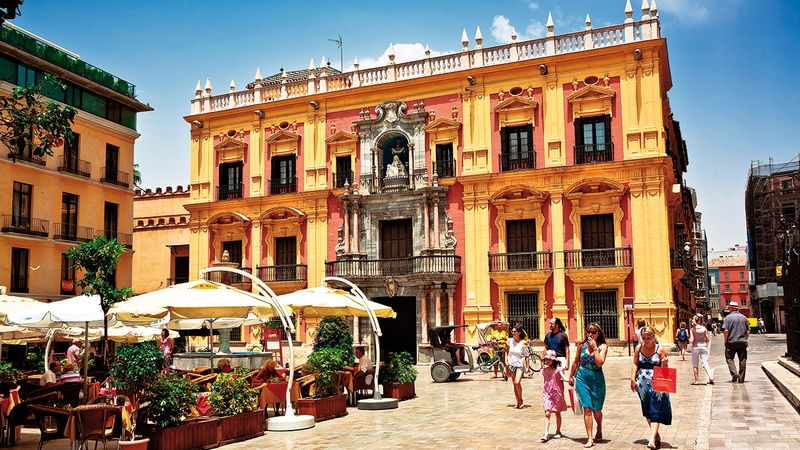
Malaga has quietly become one of southern Spain’s most sought-after city-break destinations, and the growing popularity has brought real tension. Anti-tourism stickers have appeared on walls around the city, and residents have been vocal about the difficulty of finding affordable long-term housing as short-term rentals multiply.
The municipal government responded by first prohibiting new tourist rentals in dozens of neighborhoods where vacation properties had already reached a significant share of available housing. Then, in August 2025, the city launched a planning process paired with a broader suspension of new tourist-home registrations that can last up to three years.
Existing licensed accommodation continues operating, so travelers can visit Malaga’s museums, beaches, and historic center without disruption. The backlash is not directed at every person who books a flight, but at the conversion of residential apartments into short-stay units that residents say are reshaping the city’s character.
For now, Malaga remains a fully accessible and genuinely rewarding destination, just one with a more complicated conversation happening in the background.
Florence, Italy
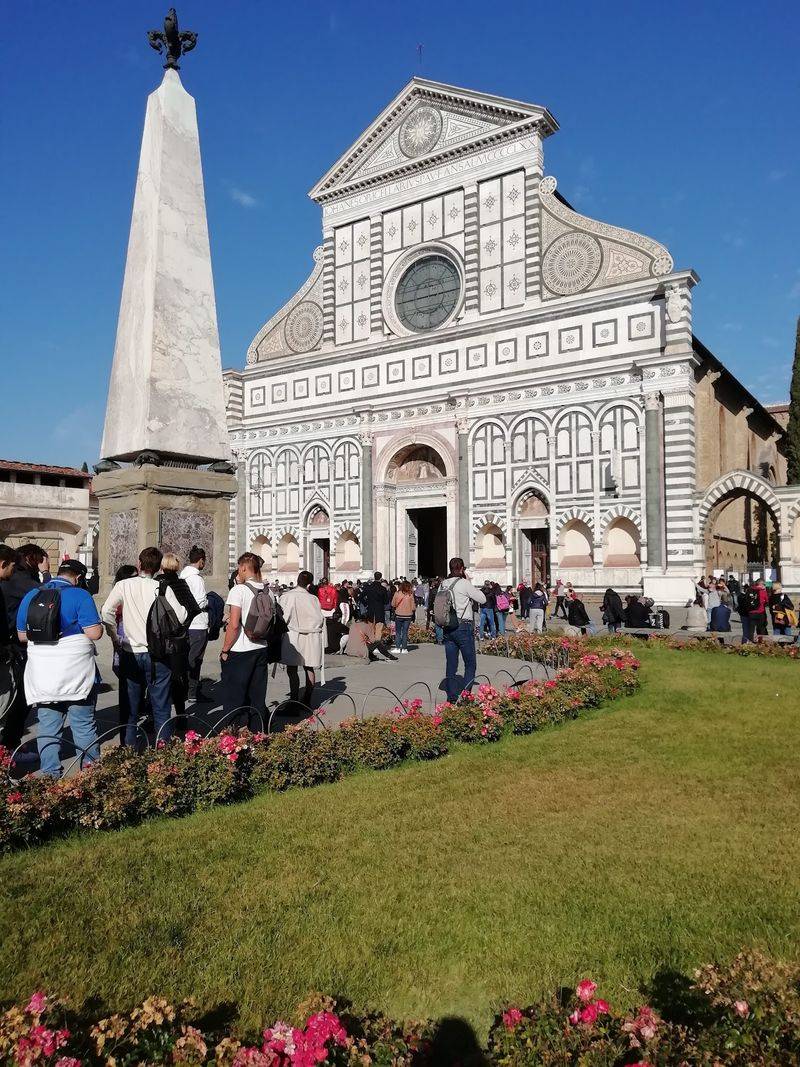
Florence packs an extraordinary concentration of Renaissance art and architecture into a relatively small historic center, which is exactly what makes overcrowding such a persistent challenge. City officials have increasingly focused on how short-term tourism affects the people who actually live there year-round.
In 2025, Florence introduced regulations on short tourist lets, then strengthened them again in June 2026. New short-term rental businesses can no longer open across several designated central and surrounding zones, extending restrictions that already covered the UNESCO historic center.
City leaders have been consistent in their message: the goal is to protect residential housing while maintaining tourism, not to push visitors away. The Uffizi Gallery, the Accademia, the cathedral complex, and other major attractions remain fully open and receiving travelers.
What is shifting is the policy framework around accommodation, which is designed to stop the historic core from becoming so dominated by temporary rentals and tourism businesses that permanent residents can no longer afford to stay.
Lisbon, Portugal
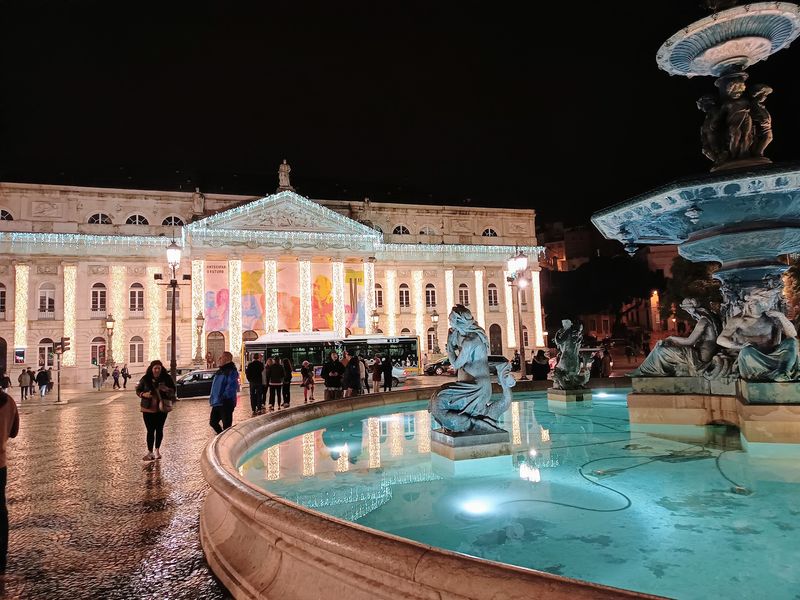
Lisbon has been wrestling with the expansion of short-term accommodation for years, particularly in neighborhoods that were once primarily residential. The city introduced containment zones and eventually suspended new registrations in areas where tourist accommodation had reached specified levels compared with permanent housing.
Those policies have continued to evolve, with municipal regulations specifically targeting neighborhoods where local accommodation is considered too heavily concentrated. The argument is familiar across southern Europe: tourism brings enormous economic value, but residents have raised serious concerns about housing supply and the transformation of local streets to serve temporary visitors rather than permanent ones.
Lisbon remains one of Europe’s busiest city-break destinations. Hotels, restaurants, museums, trams, and attractions are all functioning normally, and there is no general barrier to visiting.
What is changing is the assumption that any residential property can be converted into a tourist apartment wherever demand exists. That assumption, which fueled rapid growth for years, is now being challenged through policy in a meaningful and measurable way.
Dubrovnik, Croatia
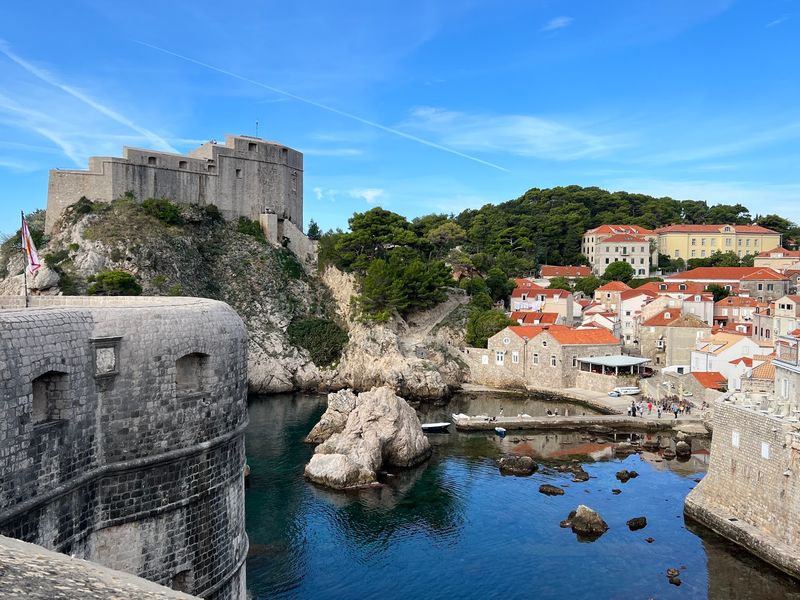
Dubrovnik became a textbook example of overtourism after its already famous medieval center received another surge of attention from cruise tourism and screen tourism. Rather than simply chasing ever-larger visitor numbers, the city introduced its Respect the City program to manage congestion and protect the UNESCO-listed historic area.
The approach includes visitor-monitoring technology and a limit of two cruise ships at a time, with approximately 4,500 cruise visitors per day as a management target. These efforts contributed to Dubrovnik being recognized as the 2026 European Green Pioneer of Smart Tourism, a designation that reflects measurable progress rather than just good intentions.
Visitors are still actively encouraged to come, so this is not an anti-tourism policy in any straightforward sense. The focus is specifically on preventing the Old Town from being overwhelmed by thousands of people arriving at the same moment, particularly from cruise ships and organized day trips.
The city’s walls, restaurants, and historic sites remain fully accessible, and the overall experience is arguably better managed than it was a decade ago.
Prague, Czech Republic
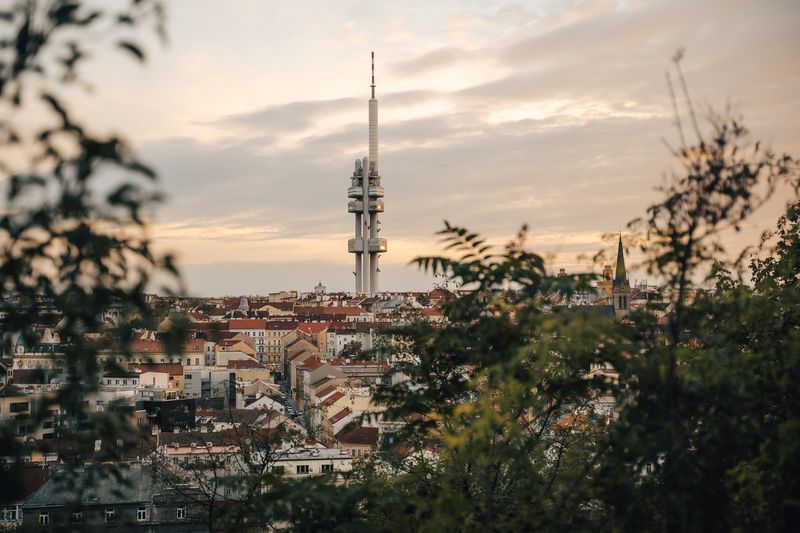
Prague still draws millions of visitors, but city officials are increasingly reminding travelers that its historic center is also a place where real people live and sleep. Prague 1 and Prague City Tourism launched a campaign under the Enjoy Respect Prague initiative, encouraging visitors to keep nighttime quiet, follow restrictions on public drinking, use electric scooters responsibly, and avoid unlicensed tour operators.
The campaign’s core message is straightforward: people actually live behind those postcard-perfect facades, and their daily lives deserve consideration. Prague has also drawn attention for policies aimed at disruptive nightlife tourism, particularly organized activities centered around excessive drinking.
None of this affects ordinary sightseeing. Prague Castle, Charles Bridge, Old Town Square, and the city’s museums remain fully accessible to travelers.
The pressure is aimed at a rowdy party-tourism image that has developed around parts of the center, not at visitors who come to experience the city’s genuine history and culture.
For most travelers, Prague remains one of Central Europe’s most rewarding destinations.
Paris, France

Paris has managed enormous visitor numbers for decades, but the frustration in Montmartre has become impossible to ignore. Residents have hung protest banners from their buildings and described watching essential neighborhood businesses get replaced by souvenir stores, tourist restaurants, and short-term rentals.
The Sacre-Coeur area alone receives millions of visitors annually, creating congested sidewalks, long queues, and constant tour-group traffic through streets that are also home to working Parisians. Some residents have described the transformation as the “Disneyfication” of Montmartre, and the phrase caught enough attention in 2025 to draw international coverage.
Paris itself is not discouraging tourism, and Montmartre remains open and visitable. What the situation demonstrates is that even a massive global city can experience the effects of overtourism when extraordinary numbers of people concentrate in a handful of small neighborhoods.
The tension in Montmartre is a useful reminder that famous places are not just backdrops for photographs. They are communities with residents who have a stake in what happens to them.
Rome, Italy
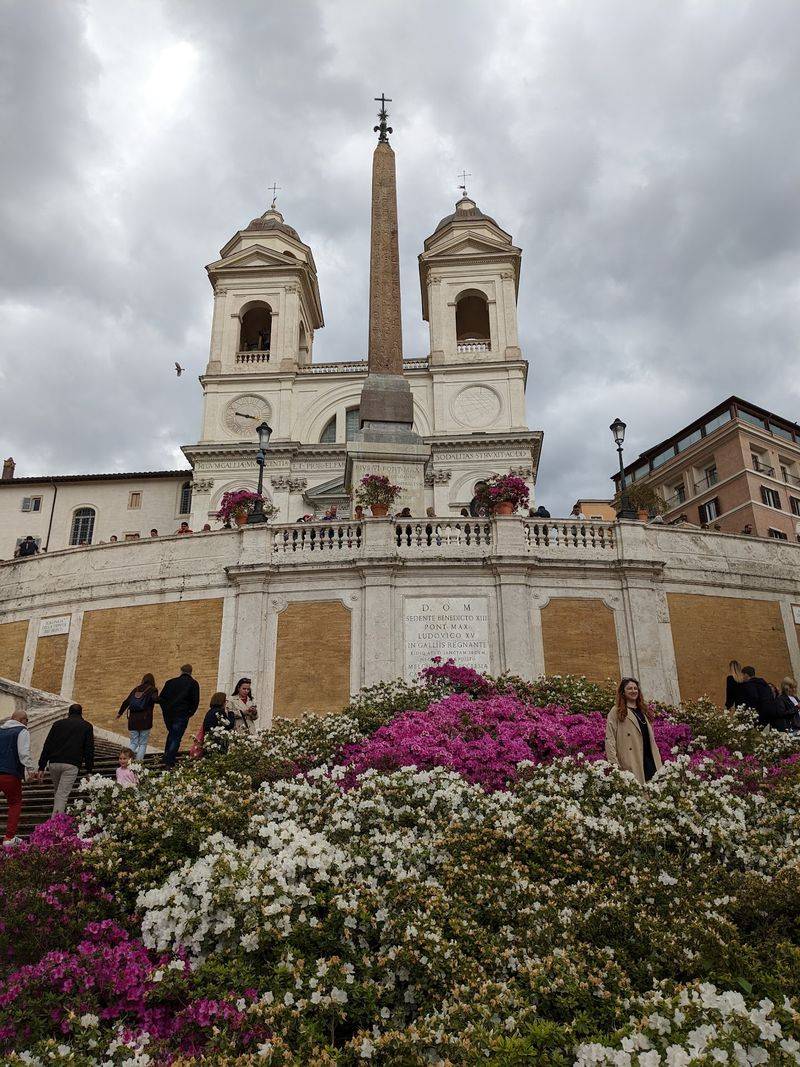
Rome’s challenge is not just the sheer number of visitors but the extreme concentration of those visitors around a small number of famous landmarks. The Trevi Fountain is the clearest example of how the city is beginning to respond with practical tools rather than simply accepting the crowds.
Starting February 2, 2026, tourists and non-residents must pay 2 euros to enter the area immediately beside the fountain basin during controlled hours. Residents of Rome and its metropolitan area are exempt, as are several other categories.
Authorities say the charge is intended to improve protection, maintenance, and visitor management at one of the city’s most heavily congested sites.
Viewing the fountain from the surrounding piazza does not require a ticket, so the experience is not completely restricted. Rome remains open, and tourism remains central to its economy.
The Trevi Fountain arrangement is a clear signal that the city is starting to treat severe crowding as something that must be actively managed rather than simply tolerated as part of being a world-famous destination.
Athens, Greece
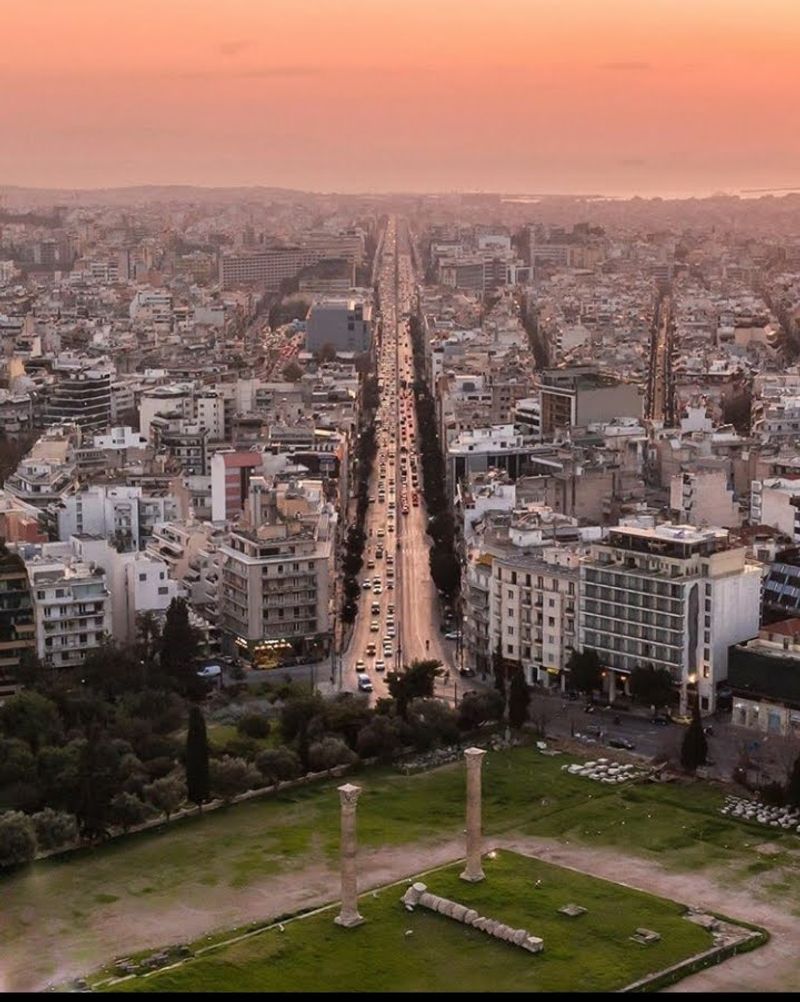
Athens has experienced some of the fastest tourism growth in southern Europe, and the boom in vacation rentals has pushed housing concerns to the center of the conversation. Greece introduced a ban on registering new short-term rentals in Athens’ first three municipal districts, and that restriction has been extended through December 31, 2026.
Athens has also established a Sustainable Tourism Observatory to study how tourism is affecting city neighborhoods over time. Officials reported in July 2026 that the freeze on new short-term-rental licenses was already producing measurable results in the affected areas, which suggests the policy is having a real impact rather than just a symbolic one.
Visitors can still book existing accommodation and tour the city normally. The Acropolis and its surrounding archaeological sites remain fully accessible, and Athens continues functioning as a busy and welcoming destination.
The restrictions are specifically designed to slow the conversion of additional housing into visitor accommodation, not to prevent tourists from arriving and exploring one of the world’s most historically significant cities.
Edinburgh, Scotland
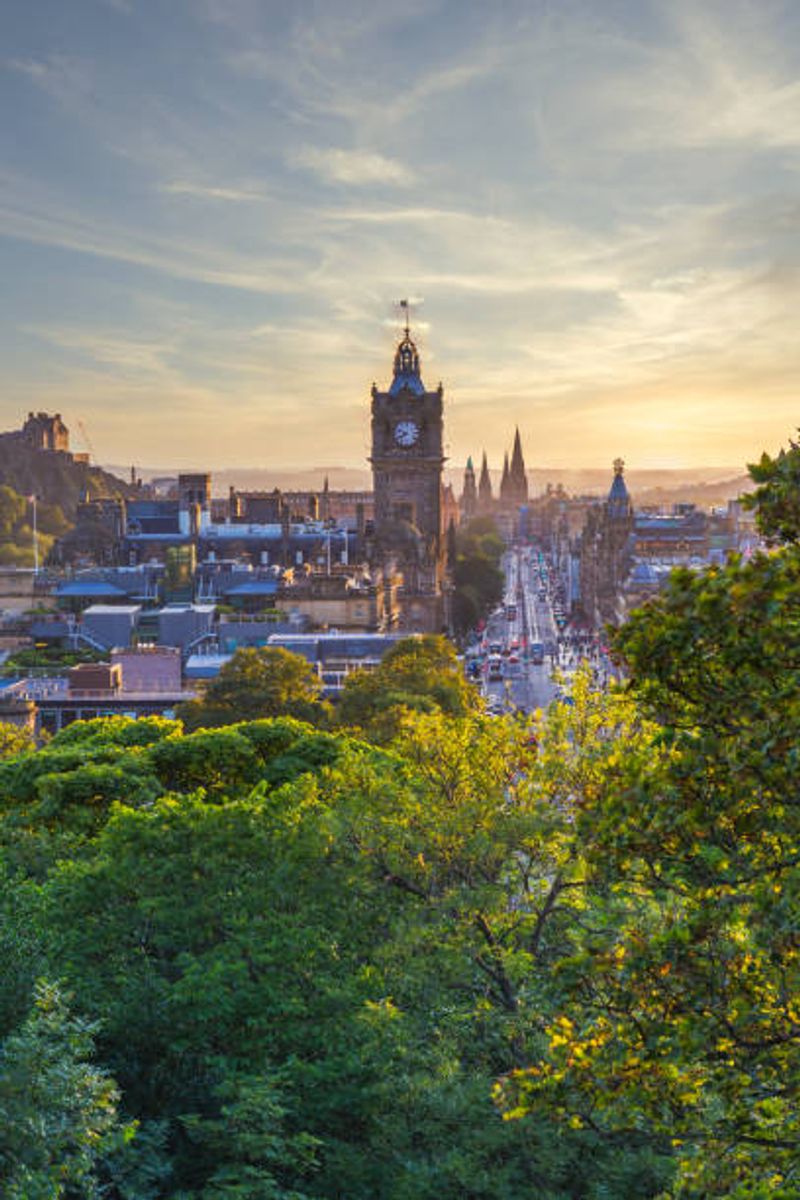
Edinburgh made history on July 24, 2026, becoming the first city in the United Kingdom to introduce a city-wide visitor levy. Guests staying in paid accommodation now generally pay an additional 5 percent of the accommodation cost for the first five nights of their stay.
The council expects the program to eventually raise substantial funding for city services, public spaces, cultural institutions, and infrastructure that both residents and travelers depend on. The levy is particularly significant given the enormous seasonal pressure Edinburgh faces during major events, especially the famous August festivals that draw visitors from across the world.
The policy is not framed as discouraging tourists, and city officials have repeatedly stressed that the funds will help maintain Edinburgh as a desirable place to both live and visit. Still, the introduction of a permanent visitor charge sends a clear message.
High visitor numbers create real costs for a city, and Edinburgh has decided that tourists should contribute more directly to covering those costs rather than leaving the bill entirely to residents and local taxpayers.
Vienna, Austria
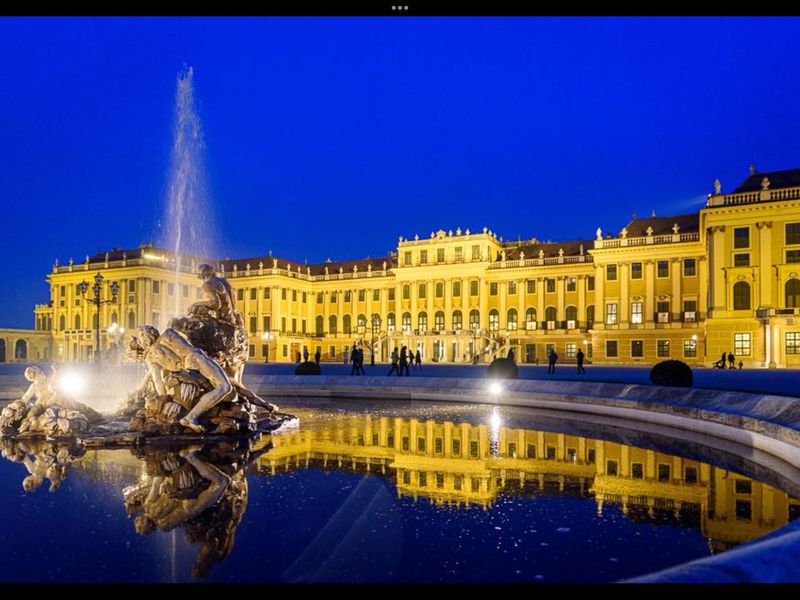
Vienna is not a city associated with angry street protests about tourism, but its housing policy tells a clear story about where officials have drawn the line. Since July 2024, apartments outside designated residential zones have generally required special permission to be rented to tourists for more than 90 days per year.
Vienna is now preparing another tightening of that system, set to take effect in January 2027. The changes include mandatory registration for short-term rental properties and substantially higher penalties for violations.
City officials have explicitly connected these restrictions with protecting housing availability for permanent residents.
The city remains highly welcoming to visitors. Its hotels, museums, palaces, and cultural attractions continue operating normally, and Vienna consistently ranks among Europe’s most livable and visitable cities at the same time.
What makes Vienna’s approach distinctive is its regulatory rather than confrontational style. Instead of waiting for tourism pressure to become extreme, the city is placing legal boundaries around how residential property can be used before the situation reaches a crisis point.
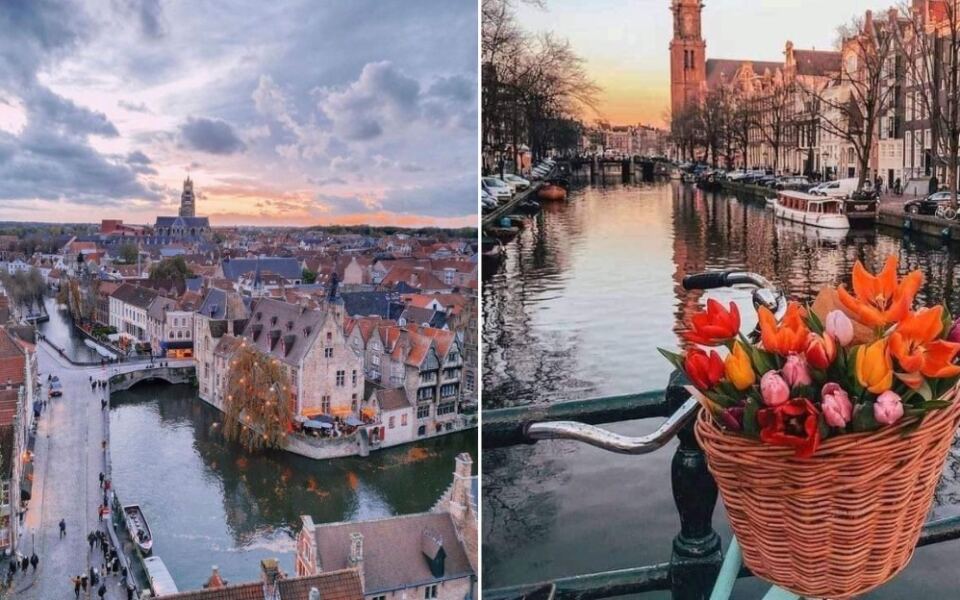
Bruges, Belgium
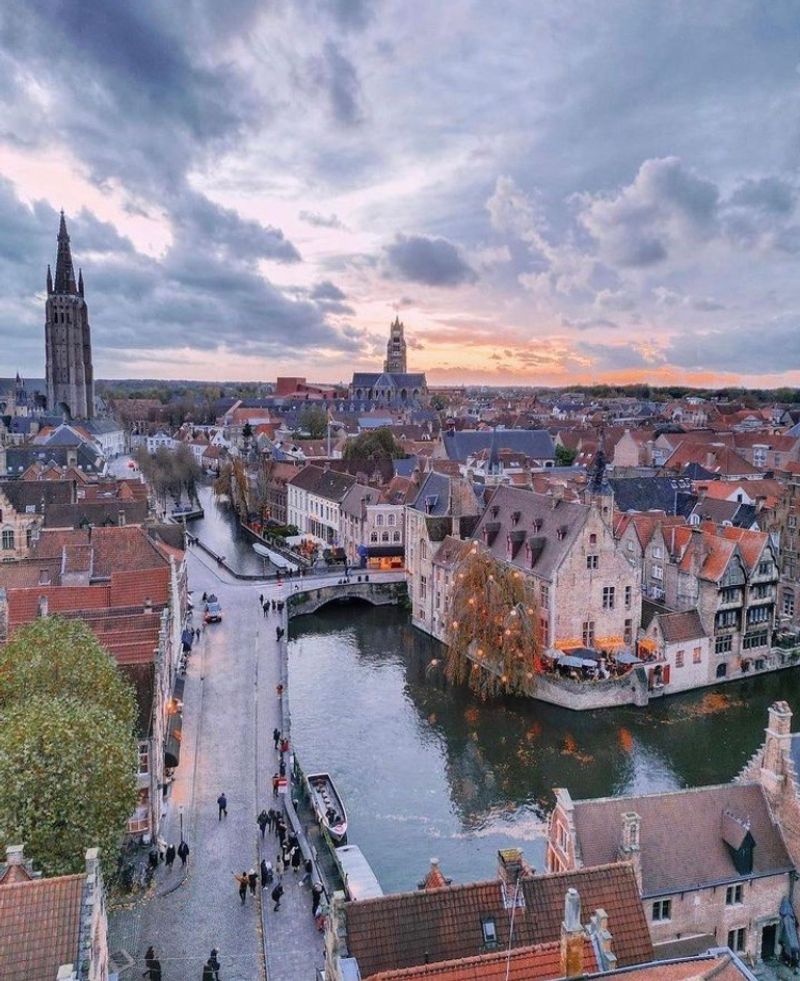
Bruges is compact in a way that cities like Paris and Barcelona are not, which means the impact of large tour groups is felt almost immediately on its narrow medieval streets and bridges. When dozens of people stop at once in an already tight passageway, the whole area can grind to a halt.
Starting March 1, 2026, the city introduced updated rules for organized tourist walking groups. Groups are now capped at 20 participants, and guides are prohibited from stopping to deliver explanations at several narrow, heavily congested streets and bridges.
Amplified sound equipment is also restricted.
The goal is straightforward: prevent organized tourism from turning public spaces into bottlenecks in a historic center that was simply not built for modern visitor volumes. Bruges remains completely open to tourism and continues promoting itself as a destination worth visiting.
The new rules offer a practical example of how European cities are beginning to regulate not only where visitors stay overnight, but how groups physically move through the most crowded corners of their historic streets.
Share this story