Paris gets all the attention, but France is packed with cities that deserve their own spotlight. From medieval streets and Gothic cathedrals to mountain lakes and futuristic neighborhoods, the country offers an incredible range of experiences well beyond the capital.
Many travelers who venture past Paris find themselves wondering why they waited so long to explore the rest of France. This list covers 15 cities that each bring something genuinely different to the table, whether you are planning your first trip or your fifth.
Lyon
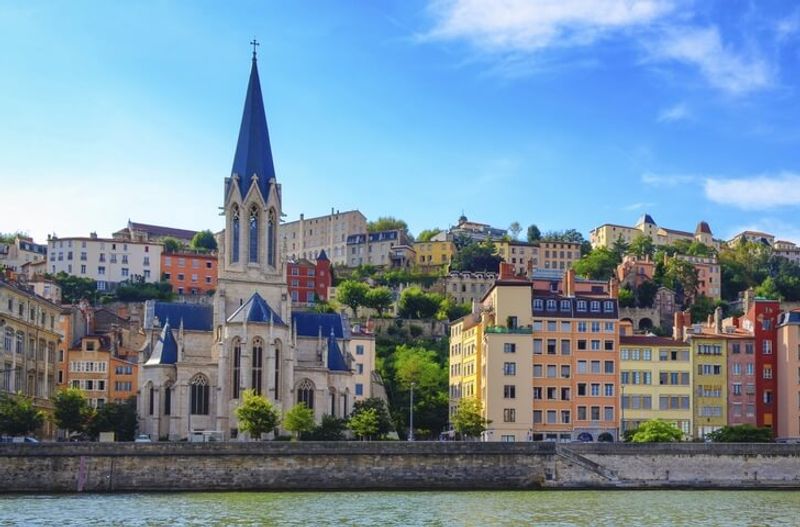
Lyon operates on multiple levels, and that is part of what makes it so rewarding to explore. Vieux Lyon delivers Renaissance architecture, historic passageways called traboules, and a sense of depth that takes more than a single afternoon to absorb.
UNESCO recognition of the historic areas confirms this is far more than a convenient stopover between Paris and Provence.
The slopes of Croix-Rousse tell the story of the city’s former silk-weaving industry, while the enormous Parc de la Tête d’Or offers green space along the Rhône. Traditional bouchons remain a genuine part of the food culture here, serving regional dishes tied to Lyon’s long-standing connection with French gastronomy.
Walking beside the Saône or climbing toward Fourvière gives a sense of how the city is layered, both physically and historically. Lyon rewards slow travel more than most French cities, and that is not something every destination can honestly claim.
Bordeaux
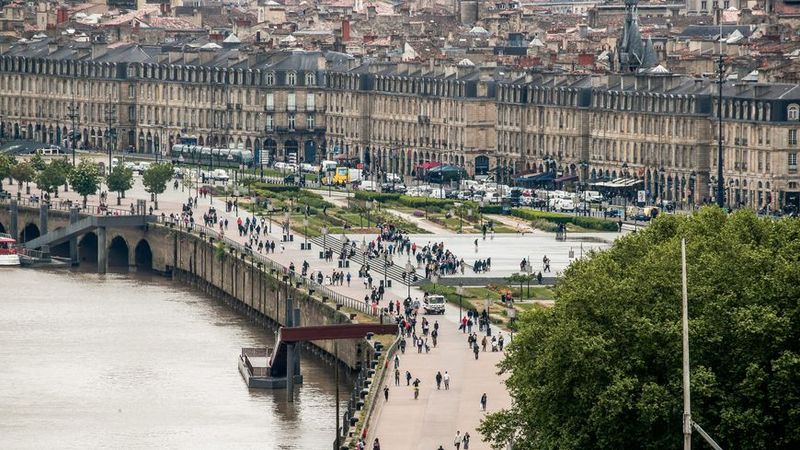
Bordeaux carries the kind of architectural weight that makes you stop mid-street and just look up. The 18th-century buildings lining the historic center, including the iconic Place de la Bourse beside the Garonne, represent some of the most cohesive urban design in France.
The entire historic area is UNESCO-listed, and it earns that recognition without needing the Eiffel Tower to anchor it.
Wine is woven into the city’s identity, but the Cité du Vin frames it through a global lens rather than simply promoting local bottles. Marché des Capucins is a better stop for anyone wanting a direct introduction to southwest French food culture, from charcuterie to regional cheeses.
Riverfront walks, excellent restaurants, and easy access to surrounding vineyards mean Bordeaux can comfortably fill three or four days. The city has a rhythm that feels less rushed than Paris, which makes wandering through it feel like a genuine pleasure rather than a checklist exercise.
Strasbourg
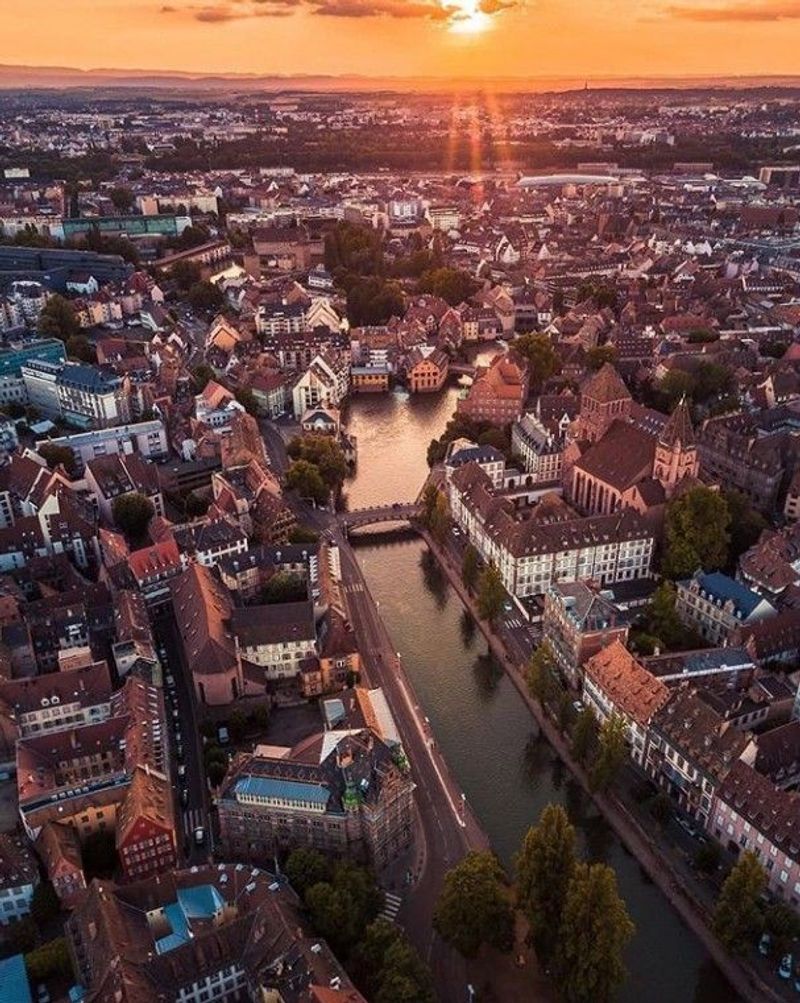
Strasbourg sits at a cultural crossroads that shows up in everything from its architecture to its menu. The Grande Île historic center, recognized as a UNESCO World Heritage Site, contains canals, Gothic monuments, and winding lanes that reward aimless wandering.
The Notre-Dame Cathedral towers over the old city with a presence that is hard to prepare for even when you know it is coming.
Petite France is the neighborhood most visitors photograph first, and for good reason. Timber-framed buildings, waterside scenery, bridges, and locks create a setting that feels almost staged, except it is entirely real and has been standing for centuries.
Traditional winstubs serve Alsatian dishes and local wines, giving meals here a distinctly regional flavor that differs from what travelers expect elsewhere in France. Cycling routes, river cruises, and the city’s role as home to major European institutions add further reasons to stay longer than a single day.
Strasbourg earns its own trip rather than a brief detour.
Nice
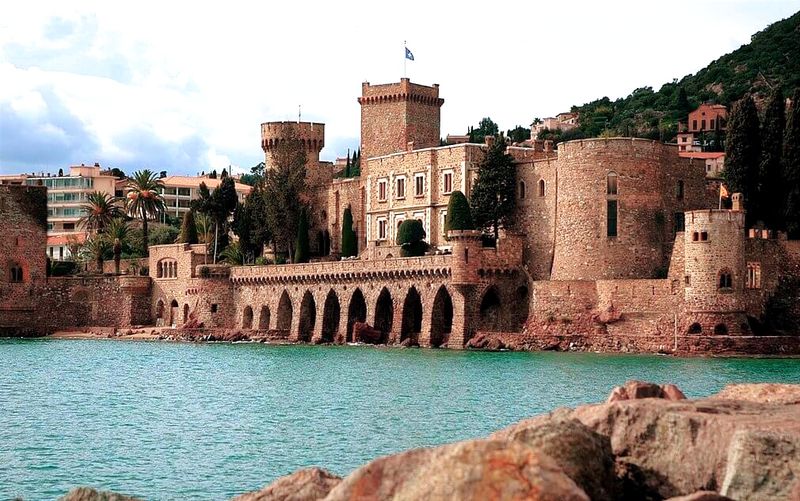
Nice delivers a version of France that feels genuinely different from the rest of the country. Mediterranean light, palm trees, colorful buildings, and the long curve of the Promenade des Anglais beside the sea create an atmosphere that has very little in common with gray Parisian rooftops.
The real pleasure comes from wandering Vieux Nice. Narrow lanes open onto cafés, churches, and restaurants, while the Cours Saleya market runs Tuesday through Sunday and fills the surrounding area with local produce, flowers, and regional food.
The old town has enough texture and energy to keep visitors occupied for a full day without needing to plan anything in advance.
Nice also works well as a base for the Côte d’Azur, with Monaco and Cannes both accessible by train. That said, the city itself offers enough to justify slowing down rather than immediately moving on.
The combination of beach access, a historic core, and excellent food makes Nice easy to recommend on its own terms.
Annecy
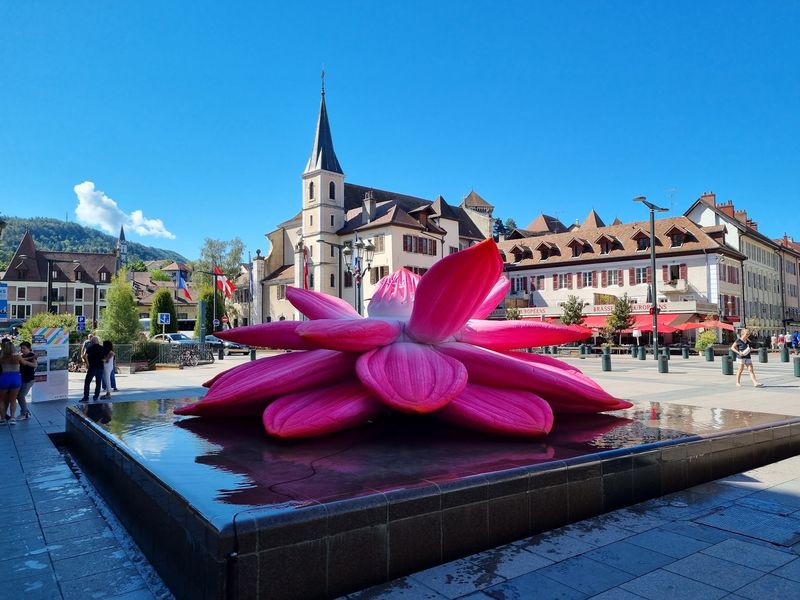
Few French cities have a setting that feels quite this cinematic without any effort. Annecy sits beside a clear mountain lake, surrounded by peaks, with a medieval old town crossed by canals and the Thiou River running through it.
The nickname Venice of the Alps gets used often, and while comparisons rarely do a place full justice, this one is at least understandable.
The Palais de l’Île is the city’s most recognizable landmark, occupying a natural rocky island in the river. The historic building has served as a prison, courthouse, and administrative center over the centuries, and current tourism information lists it as open most days except Tuesday, with seasonal schedule variations worth checking before visiting.
Beyond sightseeing, visitors can walk the lakefront promenade, cycle around the lake, or simply move between waterfront parks and cafés at whatever pace feels right. Annecy is one of those places that makes it genuinely difficult to stick to a short visit once you arrive and see it properly.
Toulouse
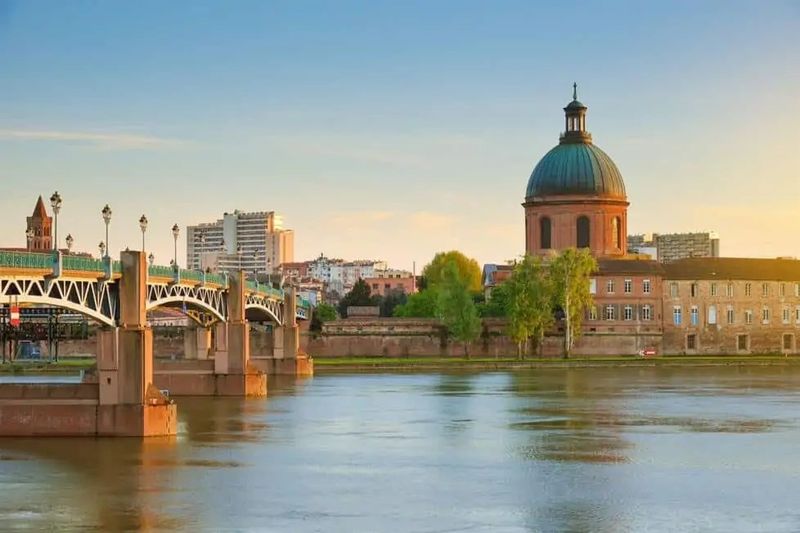
The nickname La Ville Rose, meaning the Pink City, makes immediate sense the moment you step into the center. Much of Toulouse is built from warm terracotta brick, and the effect is particularly striking around Place du Capitole, the social and architectural heart of the city.
It gives the whole place a warmth that feels both literal and genuinely welcoming.
The Garonne adds another dimension, especially in the evening when the light softens along the riverbanks. The Canal du Midi, a UNESCO-listed waterway, provides opportunities for quieter exploration outside the central streets, whether on foot, by bike, or by boat.
Toulouse also has a strong connection to aerospace and space exploration. Cité de l’Espace lets visitors engage with that history through exhibitions, simulators, and an outdoor park featuring real rockets and satellites.
Regional cuisine here leans hearty and southwest French in character, and the city’s squares and café terraces give Toulouse an easy, relaxed energy that sets it apart from northern French cities.
Colmar
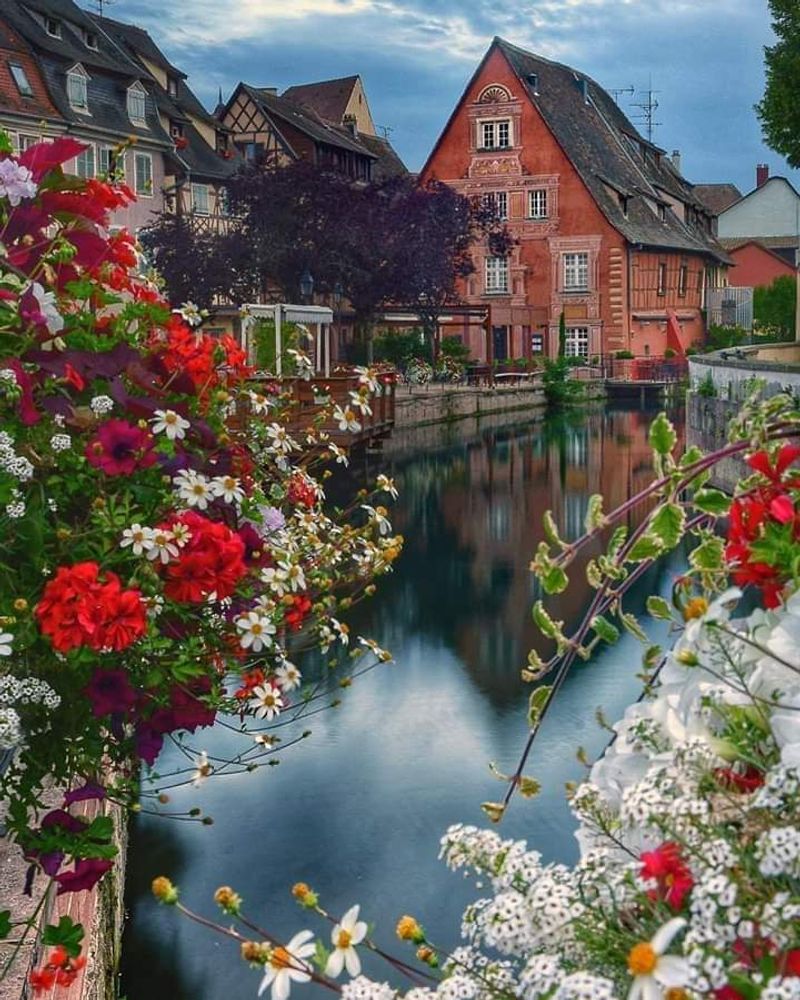
Colmar is smaller than most cities on this list, but it punches well above its size when it comes to visual impact. Timber-framed houses, canals, flower-filled streets, Renaissance buildings, and colorful façades make the historic center one of the most photographed urban spaces in France.
That level of photogenic quality can sometimes feel performative, but Colmar’s character runs deeper than its surface.
The Little Venice district follows the Lauch through part of the old city, where boat rides offer a different perspective on the waterfront buildings. The Pfister House, Saint Martin’s Church, and the historic Koïfhus add architectural variety beyond the famous waterside views.
The Unterlinden Museum is one of the city’s most significant cultural attractions, housing collections spanning thousands of years including the celebrated Isenheim Altarpiece. Current tourism information lists the museum as operating year-round with specific closing days, so checking ahead is worthwhile.
Colmar rewards a full day of exploration rather than a quick pass through the old town.
Lille
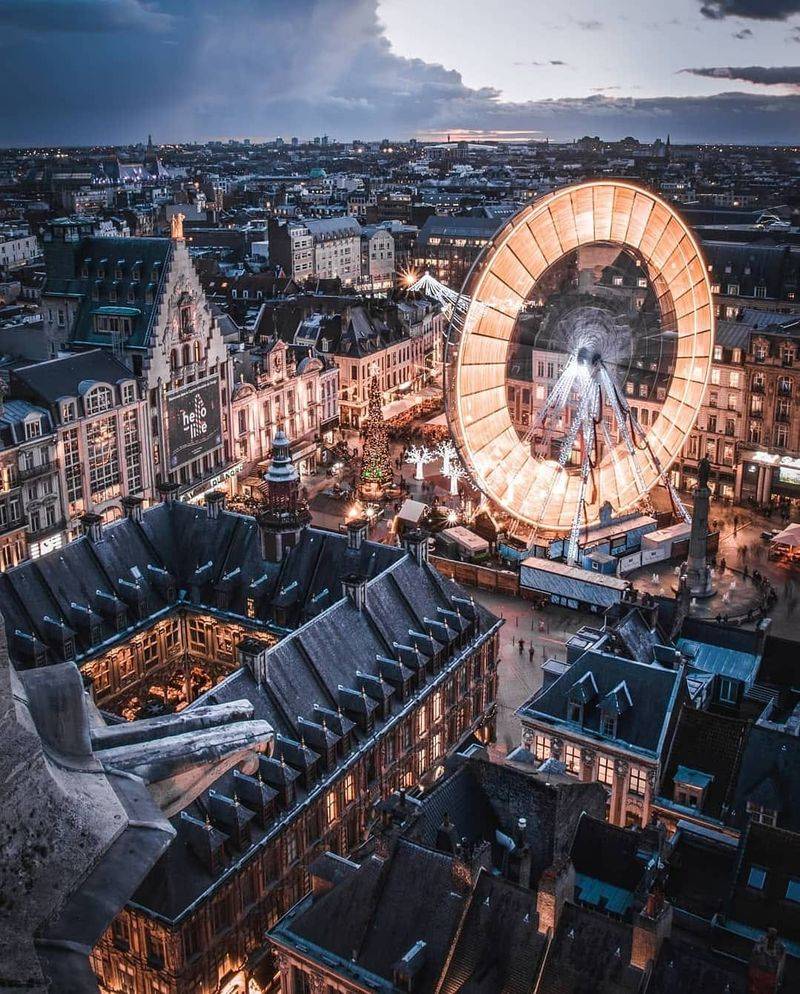
Head north and France starts to look noticeably different. Lille’s Flemish heritage shows up clearly in its brick façades, ornate building decorations, and regional food traditions.
Vieux-Lille is particularly rewarding to explore on foot, with cobbled streets, boutiques, and architectural details that invite wandering without any fixed plan.
The Grand’Place forms the visual and social center of the city, while the Palais des Beaux-Arts holds one of France’s most significant collections outside Paris. Traditional estaminets offer regional dishes, including preparations featuring Maroilles cheese, which is deeply associated with northern French cooking.
France’s tourism authority consistently highlights Lille for its museums, historic quarters, Citadelle park, and cultural life. The city also hosts major events throughout the year and benefits from excellent rail connections, making it accessible for both short trips and longer stays.
Lille is the kind of city that surprises visitors who arrive with modest expectations and leave considerably more impressed than they anticipated.
Nantes
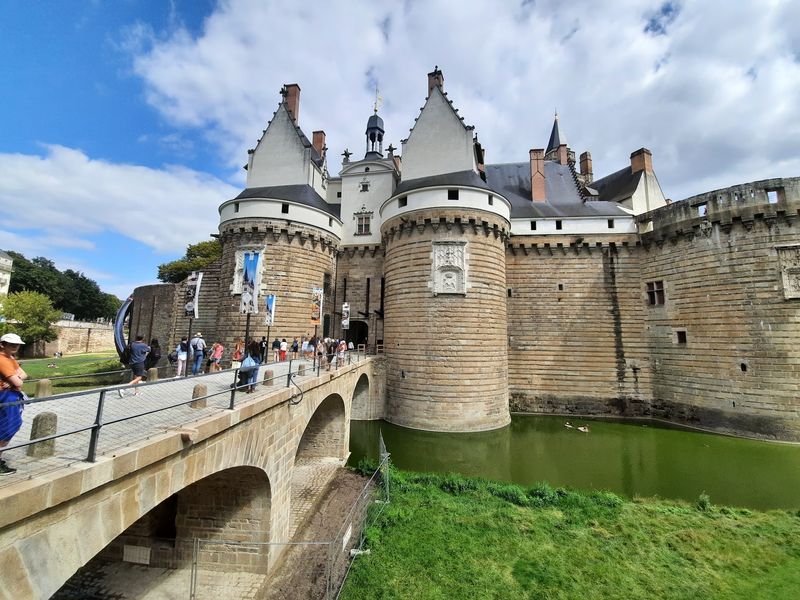
Nantes is a strong choice for travelers who want history and something genuinely unexpected in the same city. The Château des Ducs de Bretagne connects the city to its medieval past and houses a museum covering Nantes’s complex history.
That part of the visit is informative and well-presented, but it is not what makes Nantes stand out from comparable French cities.
Head toward the former shipyards on the Île de Nantes and things get considerably stranger. Les Machines de l’Île combines engineering, theatrical design, and Jules Verne-inspired imagination into enormous mechanical creatures.
The Grand Éléphant, standing 12 meters high, moves through the site carrying passengers, which is exactly as surreal as it sounds.
Nantes also encourages visitors to follow the green Voyage à Nantes line through the city, connecting landmarks, public art, viewpoints, and cultural spaces. It turns exploration into something closer to a treasure hunt than a conventional sightseeing itinerary, which is a genuinely clever way to experience an already interesting city.
Dijon
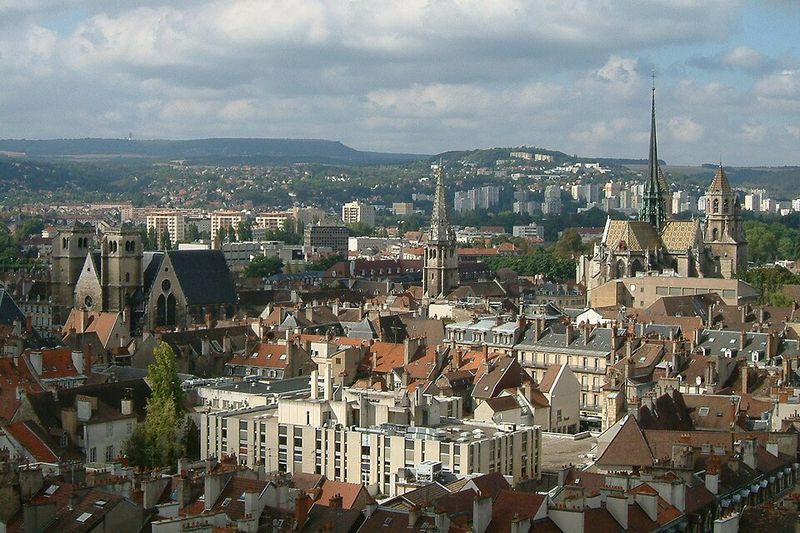
Yes, there is mustard, but treating Dijon as simply the condiment capital of France means missing the larger picture entirely. The former capital of the Duchy of Burgundy preserves medieval and Renaissance architecture throughout its historic center, and the Palais des Ducs et des États de Bourgogne is one of the defining landmarks of the region.
The building is genuinely impressive and gives the city a sense of former political weight that few visitors expect.
Dijon also serves as the natural gateway to Burgundy’s celebrated vineyards. The Route des Grands Crus passes through wine country south of the city, connecting famous villages including Gevrey-Chambertin and Nuits-Saint-Georges.
Inside the city, local markets, gingerbread, regional dishes, and the famous owl symbol trail give visitors plenty to discover before venturing into the countryside. The owl trail is a self-guided walking route through the historic center, marked by small bronze owls embedded in the pavement, and it is a practical way to cover a lot of ground without missing key spots.
Reims
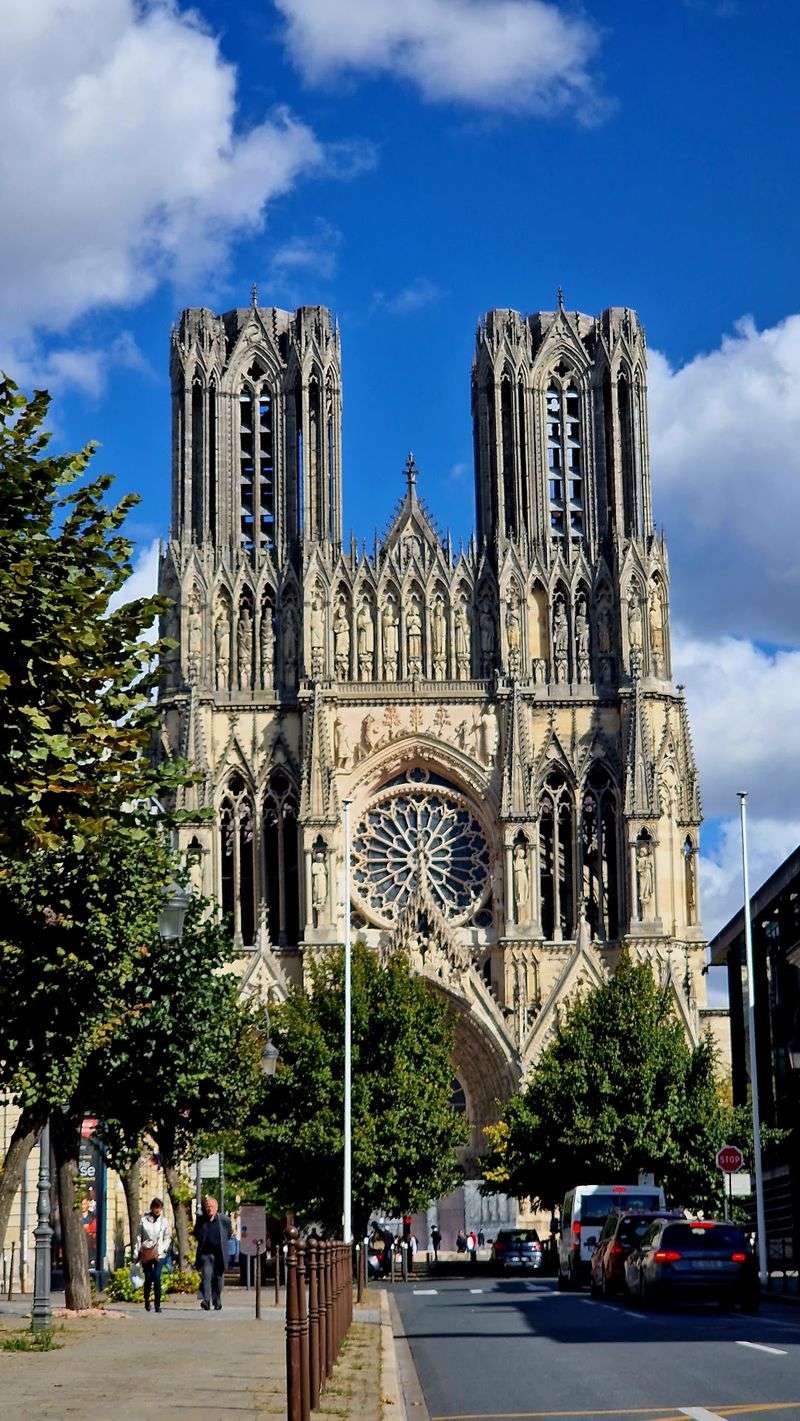
Reims carries centuries of French royal history within its city center, and the Notre-Dame Cathedral is the most visible expression of that legacy. One of France’s great Gothic monuments, the cathedral served as the coronation site for French kings and remains a UNESCO World Heritage Site.
The scale and detail of the facade are worth taking time to study rather than simply photographing and moving on.
The city also contains Roman remains, Art Deco architecture from postwar reconstruction, and other historic sites that fill out a visit beyond the cathedral alone.
Then there are the cellars. Beneath Reims, famous Champagne producers use networks of underground chalk caves and tunnels where bottles mature over extended periods.
Multiple Champagne houses offer cellar visits, making it straightforward to combine cultural history above ground with wine education below it. With the vineyards of Champagne surrounding the city, Reims works equally well as a cultural weekend destination or as the starting point for exploring the broader wine-country landscape.
Avignon
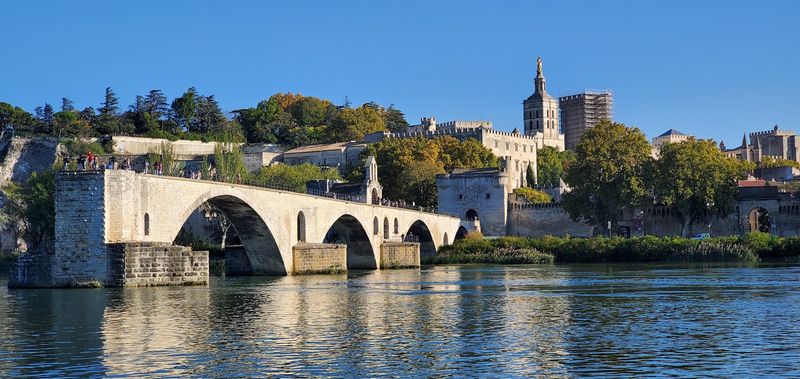
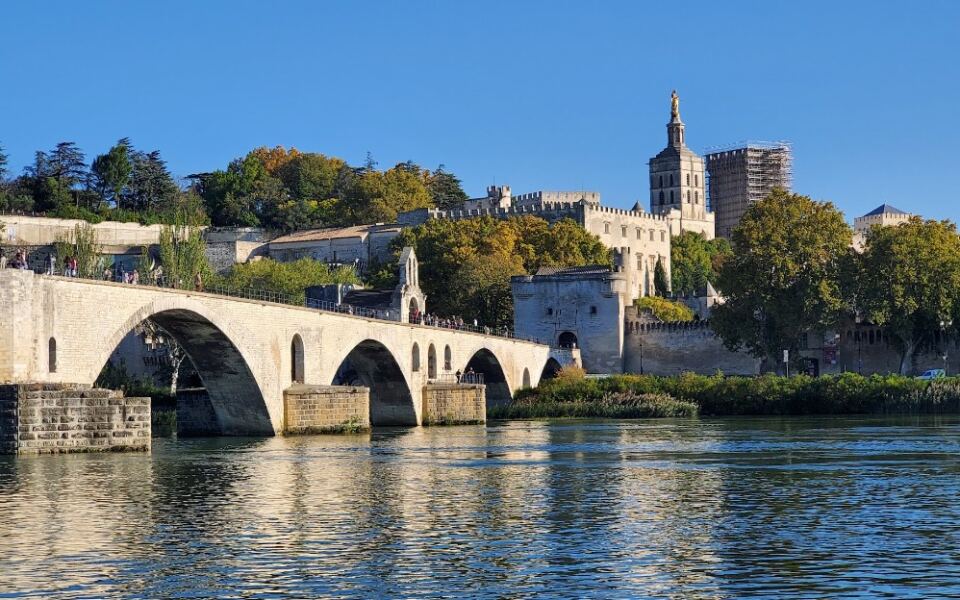
Walking inside Avignon’s historic walls feels like entering a city shaped by an entirely different chapter of European history. The Palais des Papes, the vast papal palace at the city’s center, dates from the period when the papal court relocated to Avignon, and its sheer size is striking even from a distance.
Getting inside and moving through the rooms adds considerable context to what the building actually represents.
Nearby, the partially surviving Pont Saint-Bénézet stretches into the Rhône and remains one of the city’s most recognizable landmarks. Both the palace and the bridge form part of Avignon’s UNESCO-listed historic heritage, and together they make the city a genuinely significant stop rather than just a scenic one.
Avignon also offers Provençal restaurants, boutiques, and wine from the surrounding Rhône Valley. During the summer arts festival, streets and performance spaces add another layer of activity to an already dramatic historic setting.
Outside festival season, the city is quieter and easier to explore at a relaxed pace.
Aix-en-Provence
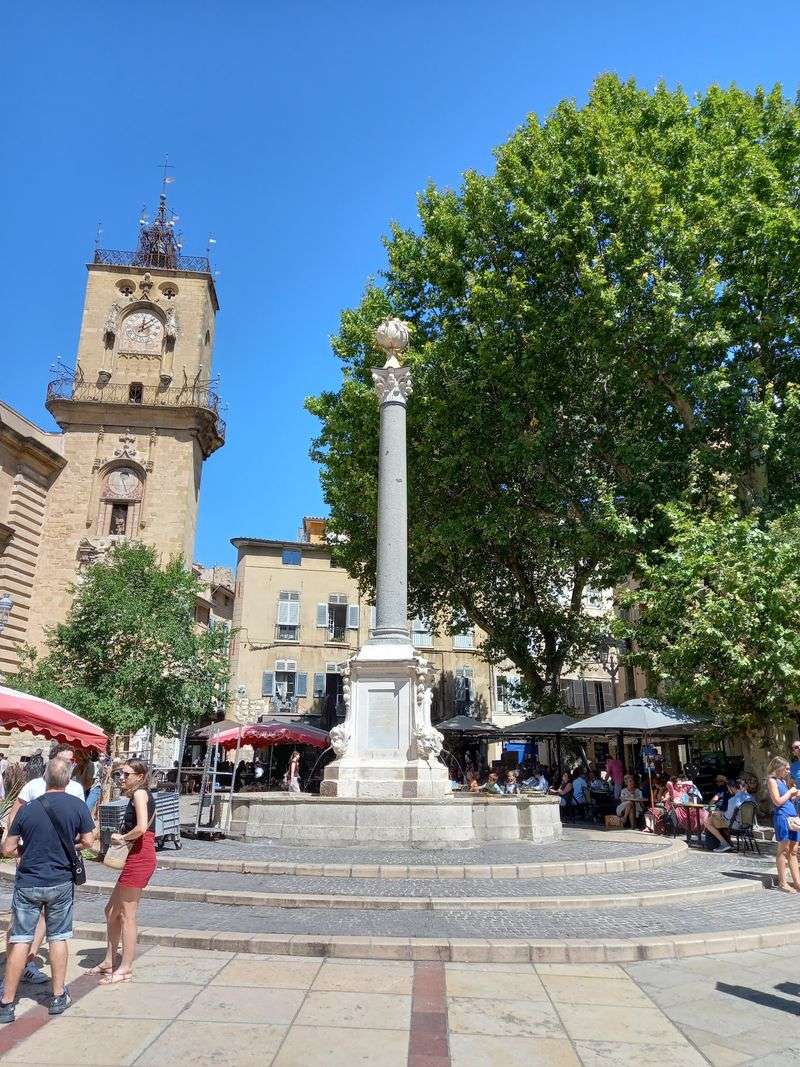
Aix-en-Provence is where the pace of a visit naturally slows down, which is not a complaint. Cours Mirabeau anchors the city with cafés, shading trees, mossy fountains, and historic buildings that make it one of the most pleasant streets in southern France to simply sit and watch the world pass by.
The surrounding streets branch off into markets and handsome Provençal squares worth exploring without a map.
The city has a deep connection to Paul Cézanne, who was born here and repeatedly drew inspiration from the surrounding landscape. That artistic identity carries through places like Musée Granet, Hôtel de Caumont, and Fondation Vasarely, giving culture-focused visitors a genuinely varied set of options.
Markets add another practical reason to wander, with produce, flowers, books, and regional products appearing around the center on a regular schedule. Aix works particularly well for travelers who want cultural engagement without giving up the relaxed rhythm that defines the best of Provence.
It is a city that earns repeat visits rather than quick ones.
Montpellier
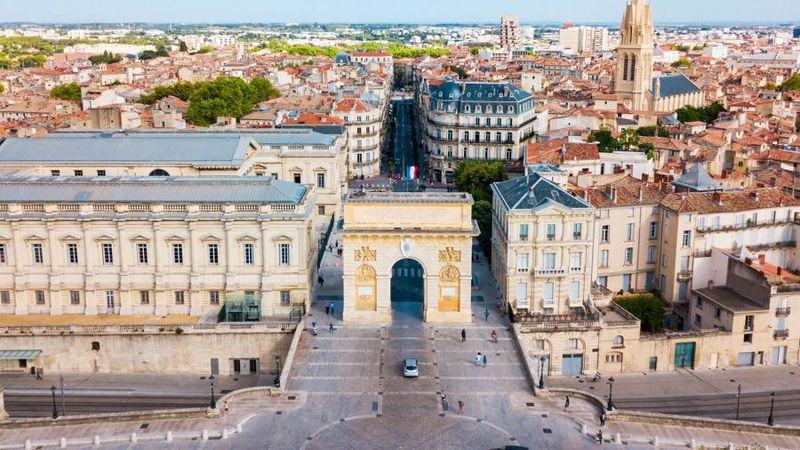
Montpellier is one of the younger major cities in France by historic standards, and it shows in a way that feels energetic rather than lacking. The pedestrian center around Place de la Comédie provides a lively starting point before the narrow streets of the Écusson pull visitors into a more medieval atmosphere.
The contrast between the two areas is part of what makes the city interesting to navigate.
Head east and the Antigone district, designed by architect Ricardo Bofill, introduces a very different visual vocabulary. Its neoclassical-inspired but clearly contemporary architecture creates a neighborhood that looks unlike anything else in southern France.
Contemporary culture plays a significant role through exhibitions at MO.CO., while the surrounding Languedoc countryside offers vineyards and day-trip possibilities. Montpellier also sits close to Mediterranean beaches, making it easy to combine urban sightseeing with time near the coast.
Official French tourism information updated in 2026 continues to highlight the city’s historic center, contemporary architecture, vineyards, parks, and cultural attractions as key draws.
Rouen
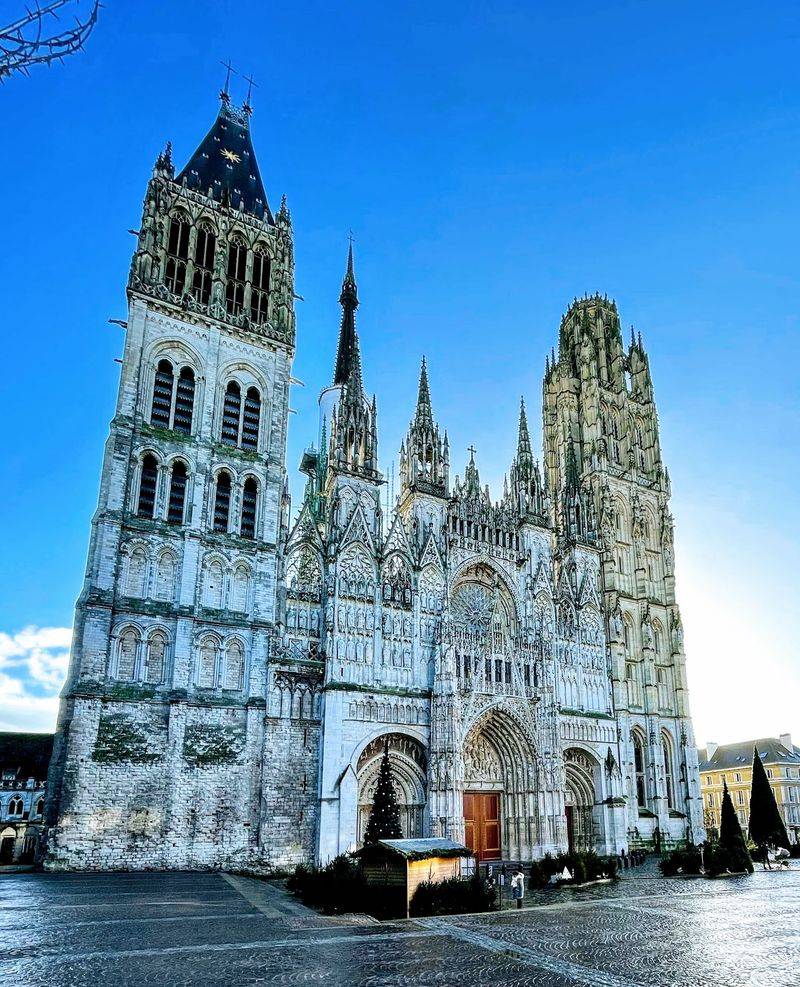
Rouen makes a compelling case that Gothic architecture, medieval streets, Impressionist history, and dramatic monuments do not require a trip to Paris. Notre-Dame Cathedral dominates the city center and carries a specific cultural layer that sets it apart from other French cathedrals.
Claude Monet painted its façade repeatedly under changing light conditions, producing one of the most celebrated series in Impressionist history.
A short walk from the cathedral, the Gros-Horloge clock stretches over one of the city’s most recognizable streets, combining Gothic and Renaissance elements in a single structure. Continue through the historic quarters and half-timbered buildings, Place du Vieux-Marché, and landmarks connected with Joan of Arc fill out the picture considerably.
Rouen is also the historic capital of Normandy, which positions it well as a starting point for exploring more of the region rather than treating it as a single-stop destination. Mont-Saint-Michel, the D-Day beaches, and Étretat cliffs are all accessible from Rouen, giving the city a practical value beyond its own considerable historic appeal.
Share this story