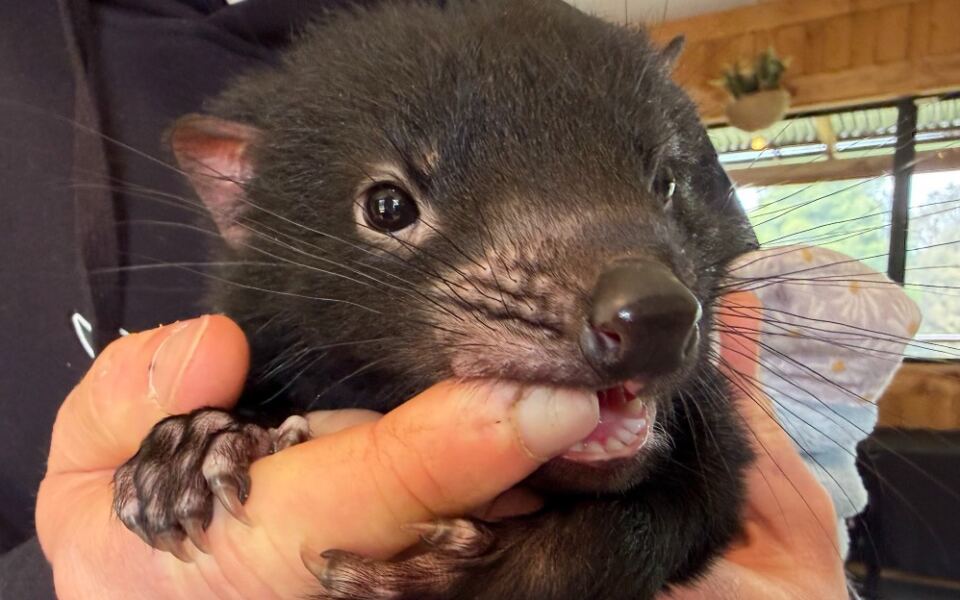
Australia is home to animals found almost nowhere else on Earth, from koalas and wombats to Tasmanian devils. Wildlife sanctuaries give visitors a safe way to see these creatures up close while supporting care and conservation.
Many of these places also run rescue and breeding programs that help threatened species. Here are fifteen sanctuaries across the country worth adding to your travel list.
1. Lone Pine Koala Sanctuary – Brisbane, Queensland
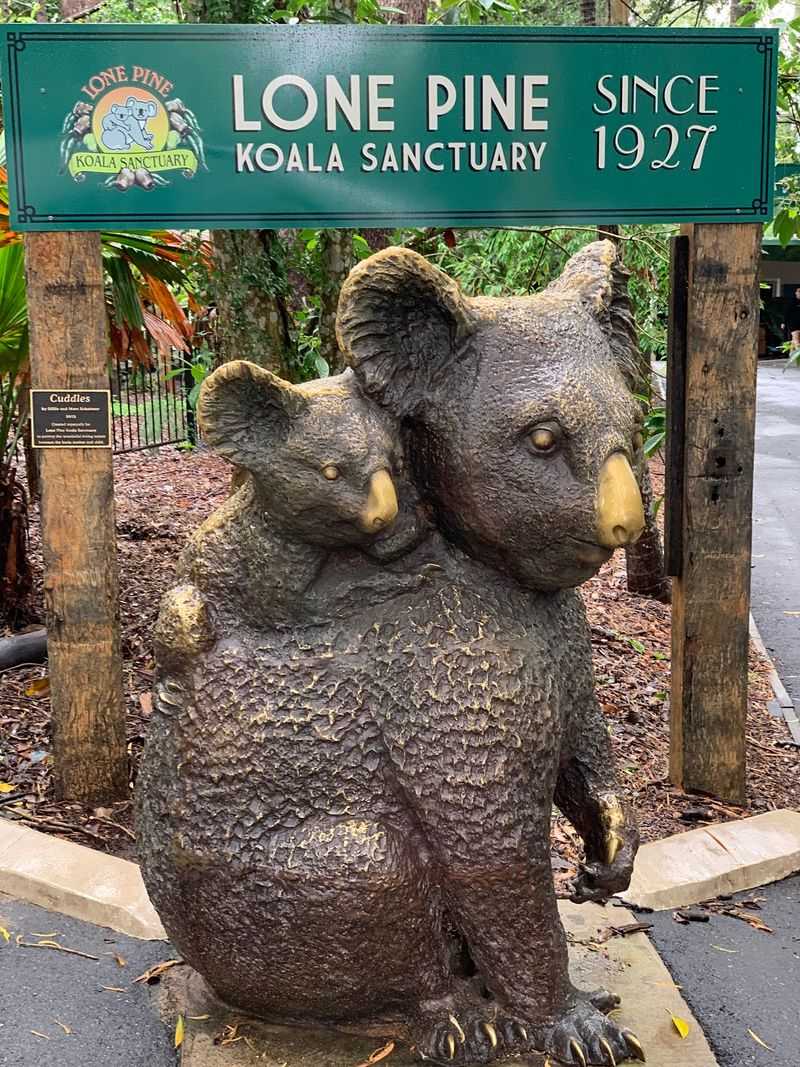
Founded in 1927, Lone Pine is the world’s first and largest koala sanctuary, and it still draws visitors who want a close look at Australia’s sleepiest icon. More than a hundred koalas live here, along with kangaroos, wombats, dingoes, and platypuses.
Koalas sleep up to 20 hours a day, so morning visits are usually your best chance to catch one awake and munching on leaves. Keepers give talks throughout the day, and they explain how the animals eat, rest, and stay healthy.
Walk through the kangaroo paddock and you can feed and pat the friendly residents. Sheepdog shows and birds of prey displays add variety for families.
Plan on at least three hours to see everything. Wear comfortable shoes, bring a hat, and check the schedule when you arrive so you do not miss the animal encounters.
2. Currumbin Wildlife Sanctuary – Gold Coast, Queensland
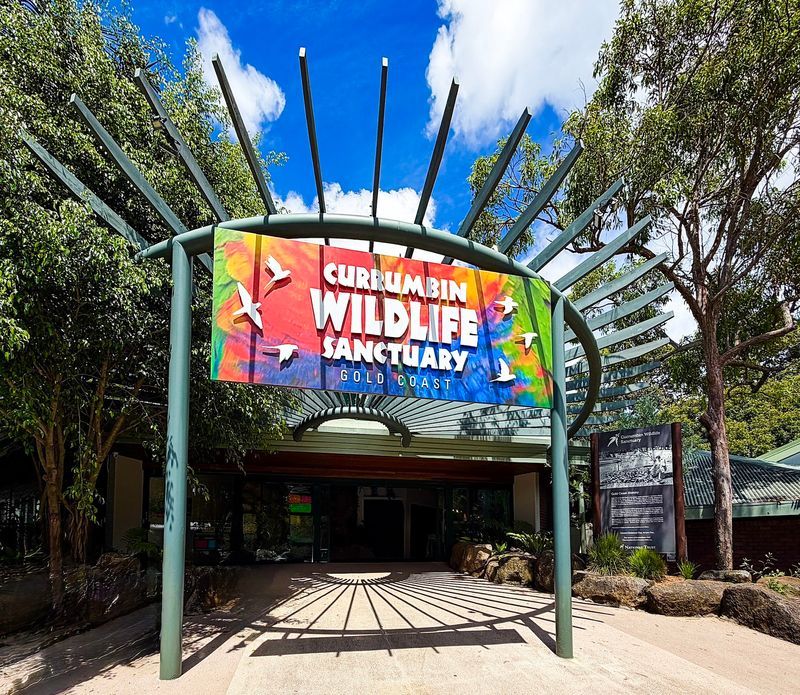
Each morning and afternoon, hundreds of wild rainbow lorikeets swoop in for a feeding that has delighted guests since the 1950s. It is noisy, colorful, and a great way to start a visit.
Currumbin is a not-for-profit, and its on-site wildlife hospital treats thousands of injured animals each year. Visitors can watch vets at work through viewing windows.
The park is home to koalas, kangaroos, crocodiles, and Tasmanian devils spread across leafy bushland. A small train ride loops through the grounds if little legs get tired.
Look for the daily keeper talks and the evening tours if you want a quieter experience. Bring sunscreen and arrive early, because the lorikeet feeding spots fill up fast.
3. Healesville Sanctuary – Badger Creek, Victoria
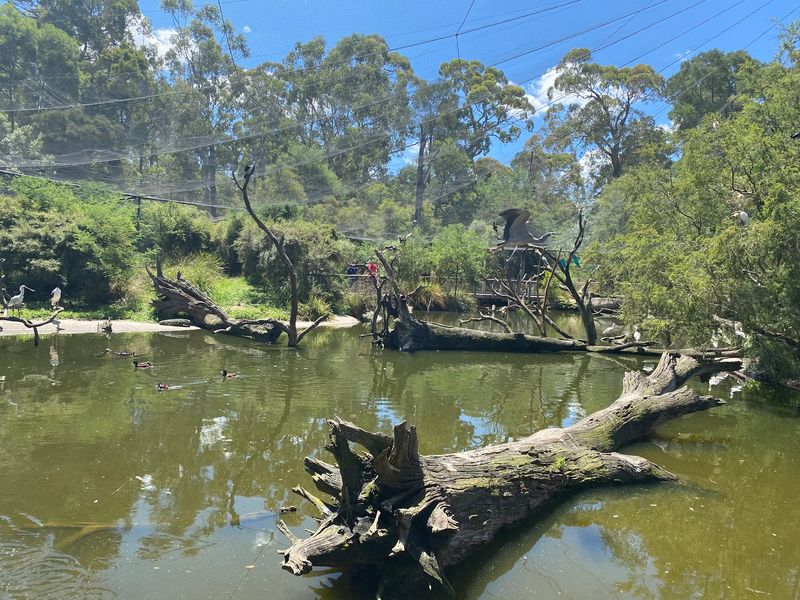
Tucked into the Yarra Valley about an hour from Melbourne, Healesville feels like a walk through the Australian bush. Paths wind past towering gum trees where animals live in natural-looking homes.
The sanctuary is run by Zoos Victoria and has a strong focus on saving threatened species. Its wildlife hospital treats injured animals, and visitors can see the team at work.
Platypus are a highlight here, and the viewing area lets you watch these shy swimmers up close. You will also meet wombats, Tasmanian devils, koalas, and dingoes.
The Spirits of the Sky show features native birds flying low over the crowd. Allow a full day, and wear sturdy shoes because the grounds are hilly in places.
4. Moonlit Sanctuary Wildlife Conservation Park – Pearcedale, Victoria
Grab a lantern and step into the dark, because the best time to meet many Australian animals is after sunset. Moonlit Sanctuary on the Mornington Peninsula offers guided night tours where nocturnal creatures come to life.
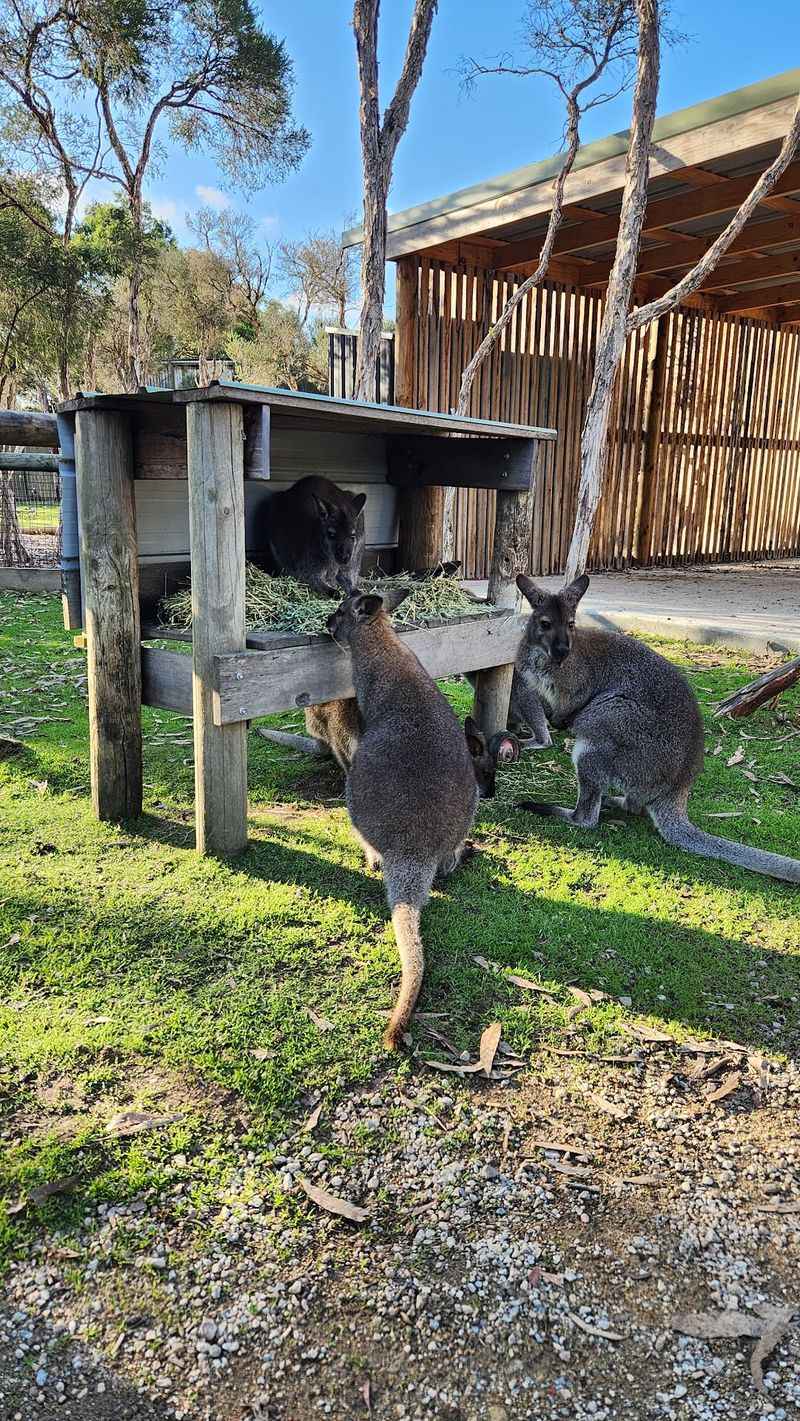
The park is small and friendly, which makes it ideal for young children. Many encounters are hands-on, such as hand-feeding kangaroos and wallabies or meeting a koala with a keeper.
Quolls, bettongs, and owls are among the residents that are more active at night. Guides share stories about each animal and explain why some species are in trouble.
Visit in the late afternoon to enjoy both daylight and nighttime sessions. Dress in layers, since evenings on the peninsula can turn cool quickly.
5. Bonorong Wildlife Sanctuary – Brighton, Tasmania
Bonorong began as a place to care for injured and orphaned animals, and rescue is still at the heart of everything it does. Its team runs a 24-hour wildlife rescue service across southern Tasmania.
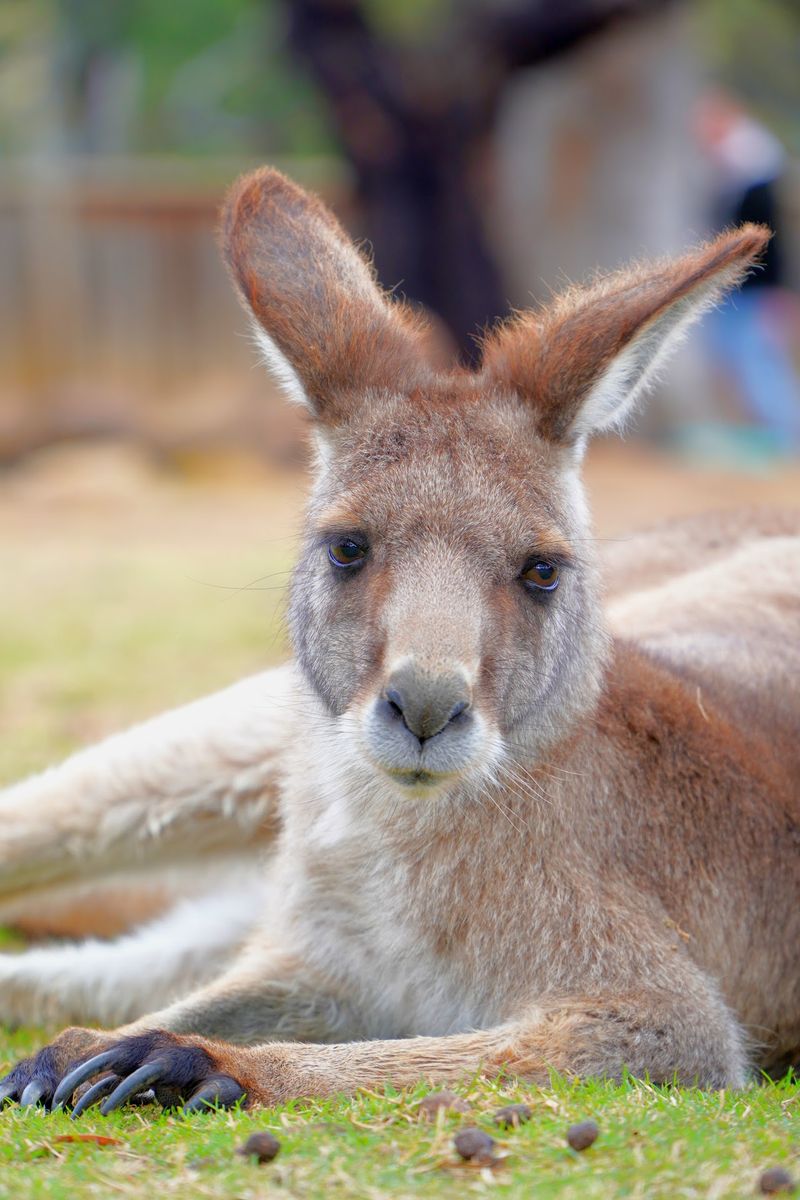
Just 25 minutes from Hobart, the sanctuary lets you walk freely among kangaroos and wallabies. You can also see wombats, echidnas, koalas, and of course Tasmanian devils.
Join the devil feeding tour to watch these famously noisy eaters at work. Keepers explain how a deadly facial tumor disease has hurt wild populations and what is being done to help.
Entry fees support rescue work, so your visit directly helps animals in need. Bring a bag of the sanctuary’s feed for the roaming kangaroos.
6. Caversham Wildlife Park – Whiteman, Western Australia
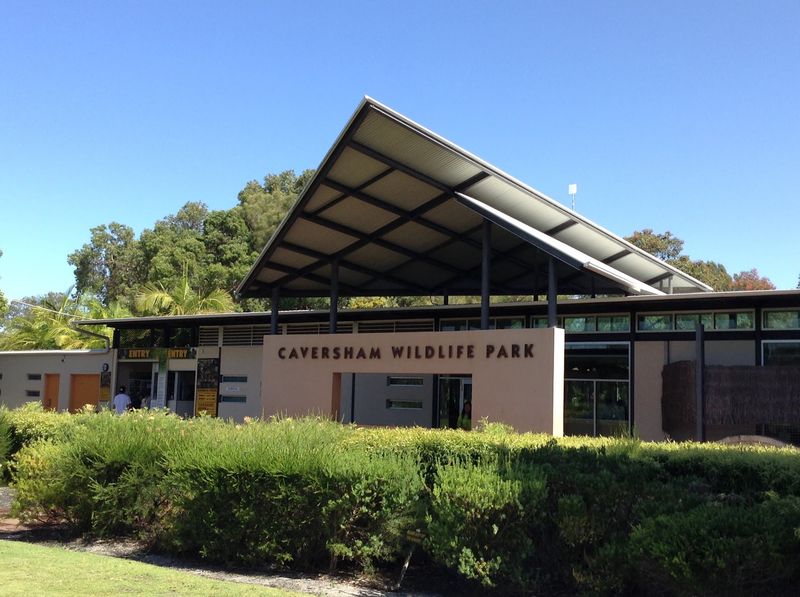
Western Australia has animals found nowhere else, and Caversham gives you a chance to meet many of them. Quokkas, often called the happiest animals on Earth, are a favorite stop for photos.
The park sits inside Whiteman Park, a large area of bushland north of Perth. More than 200 species of Australian animals live here, including koalas, wombats, and Tasmanian devils.
Visitors can walk into the kangaroo and emu enclosures and feed the animals by hand. Sheep shearing and farm demonstrations are also popular with families.
Little ones will enjoy the early morning, when many animals are most active. Pack a picnic and spend the rest of the day exploring the nearby park trails and playgrounds.
7. Cleland Wildlife Park – Crafers, South Australia
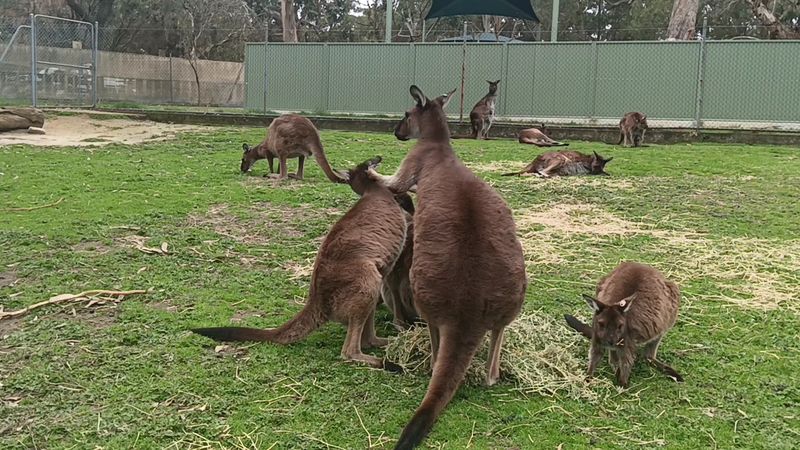
Set on the slopes of Mount Lofty in the Adelaide Hills, Cleland offers something many zoos cannot: open spaces where you can wander right alongside the animals. Kangaroos and wallabies hop freely through the walk-through areas.
The park is home to koalas, dingoes, emus, and the rare yellow-footed rock-wallaby. Lucky visitors may spot a koala snoozing in a tree just above the path.
Keepers run daily talks and offer encounters where guests can hold a koala or meet a wombat. Night walks reveal bettongs, bilbies, and other creatures that come out after dark.
Combine your trip with a hike up Mount Lofty summit for city views. Wear walking shoes and bring water, as paths include some gentle hills.
8. Hanson Bay Wildlife Sanctuary – Kangaroo Island, South Australia
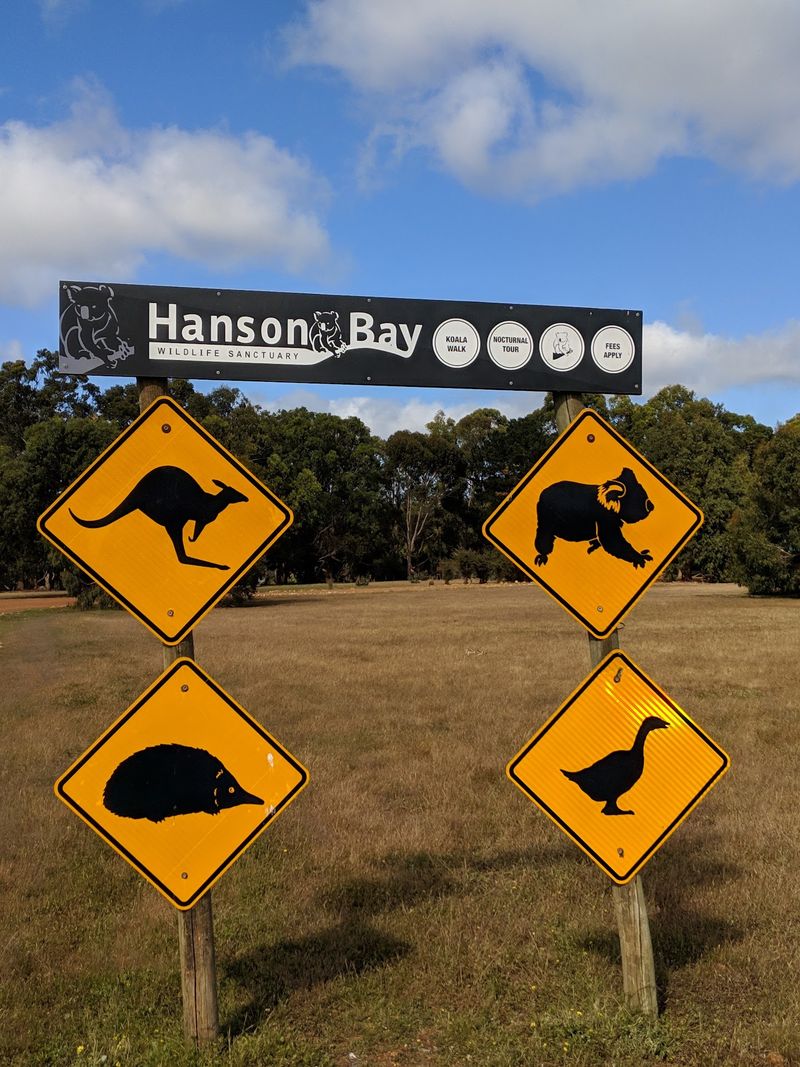
Kangaroo Island is often called Australia’s Noah’s Ark, and Hanson Bay shows why. This family-run sanctuary on the island’s southwest coast protects a large patch of native bushland.
Koalas are easy to spot here, since they live in the trees right along the walking trails. Guided night walks, held after dark, reveal possums, wallabies, and other nocturnal residents.
The sanctuary was badly affected by the 2019 to 2020 bushfires, and recovery work has been steady since. Visiting helps support the local community and wildlife that returned.
Many guests stay in the on-site cabins so they can enjoy the quiet evenings. Bring a flashlight with a red filter, because bright white light can bother the animals.
9. Wildlife Habitat – Port Douglas, Queensland
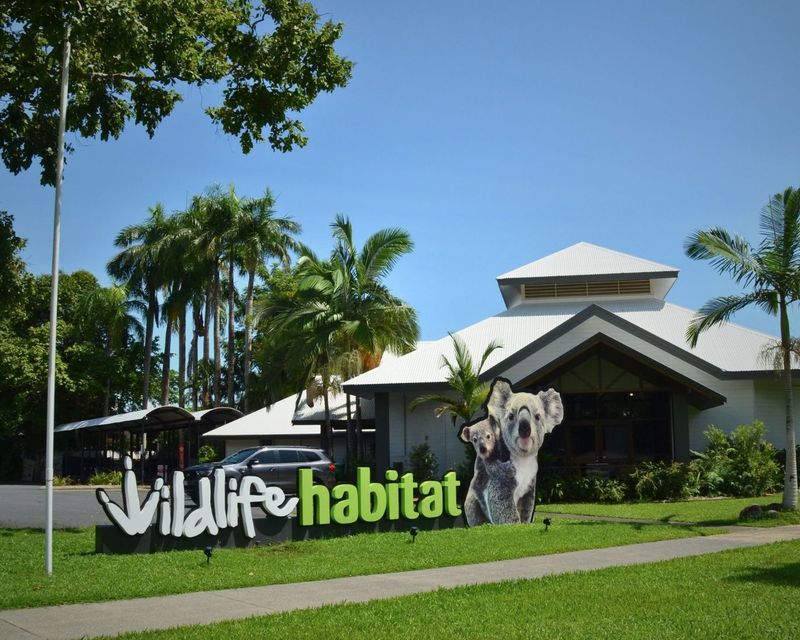
Breakfast with a parrot on your shoulder sounds unusual, but at Wildlife Habitat it is a popular start to the day. Guests eat among colorful birds in a setting that blends wetlands, rainforest, and grassland.
The park is split into three zones, which lets you see how different animals live in their natural homes. Cassowaries, saltwater crocodiles, tree kangaroos, and koalas are among the stars.
Keepers guide small group encounters, so you can learn how each animal is cared for. Many species here come from Tropical North Queensland and are hard to see in the wild.
Go early to beat the heat and the crowds. Port Douglas is also the gateway to the Daintree Rainforest, so pair your visit with a nature tour.
10. Walkabout Wildlife Sanctuary – Calga, New South Wales
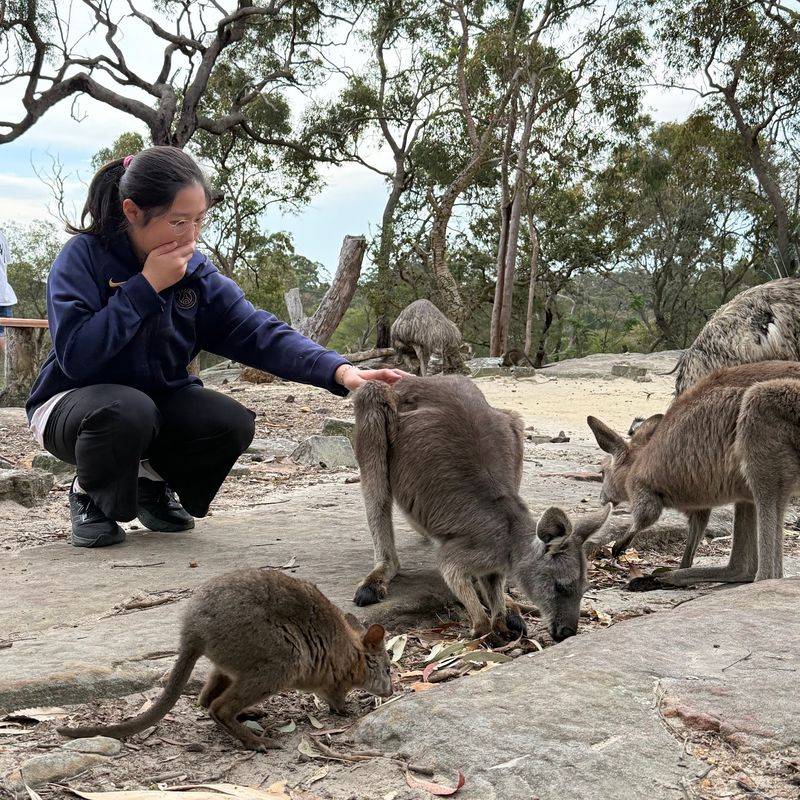
Only about an hour north of Sydney, Walkabout feels like a secret hidden in the bush. The sanctuary is known for its night tours, when animals that sleep by day begin to stir.
Guides lead small groups with spotlights to find potoroos, quolls, sugar gliders, and owls. You might even see a rare spotted-tailed quoll up close.
By day, visitors can hold a koala, feed kangaroos, or meet a wombat. The sanctuary also supports breeding programs for threatened species.
Night tours need booking in advance, so plan ahead. Bring a warm jacket and closed shoes, and keep your voice low to give the animals a calm experience.
11. Warrawong Wildlife Sanctuary – Mylor, South Australia
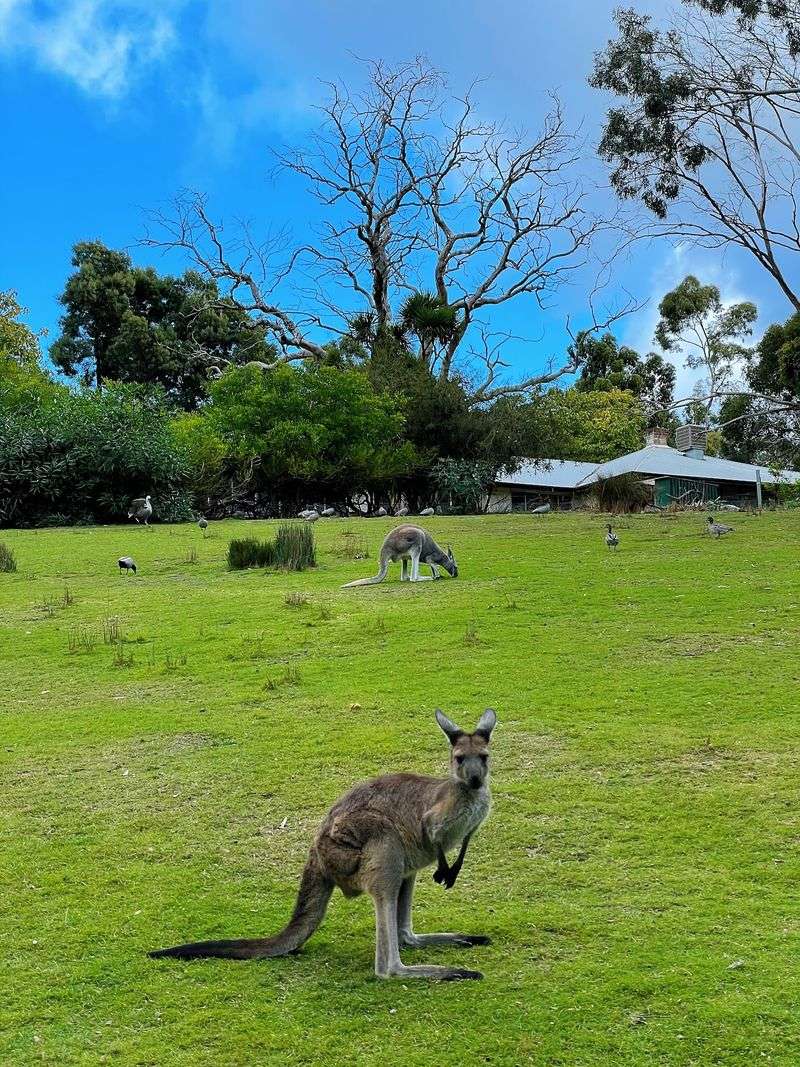
Here is a surprising fact: Warrawong was one of the first fenced sanctuaries in Australia built to keep out foxes and feral cats. That barrier gave native animals a safe place to thrive again.
Located in the Adelaide Hills, the sanctuary protects bandicoots, bettongs, potoroos, and platypus along a creek that runs through the grounds. Many of these species have disappeared from the wild nearby.
Guided dusk tours are the main attraction, and they reveal animals that stay hidden during the day. Guides explain how predator control has made such a difference.
The visit is quiet and peaceful, perfect for people who enjoy birdwatching and slow walks. Book ahead, as tours can sell out on weekends.
12. Devils@Cradle – Cradle Mountain, Tasmania
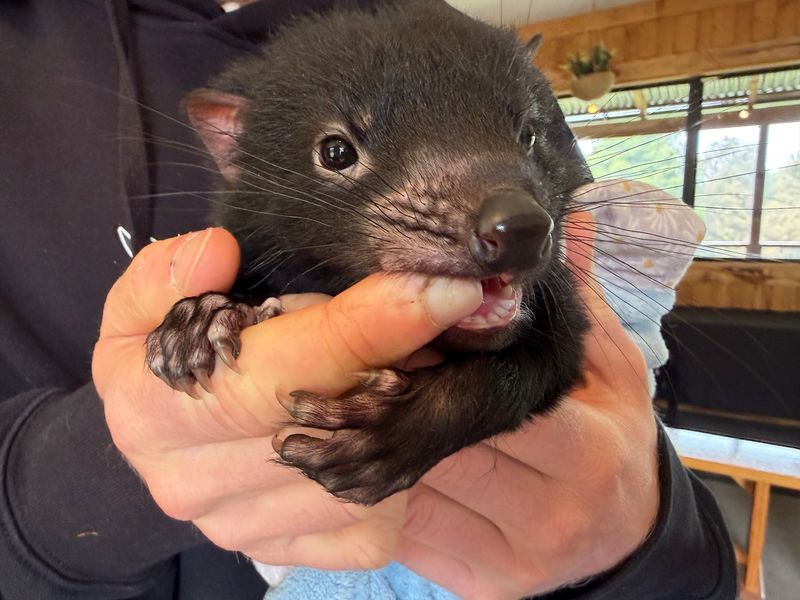
If you want to meet the Tasmanian devil, this is the place to do it. Devils@Cradle is a breeding center on the edge of Cradle Mountain-Lake St Clair National Park.
The program helps build a healthy insurance population of devils, which have suffered from a contagious cancer in the wild. Visitors can learn how scientists track and protect the animals.
Evening tours are especially popular, since devils are most active after dark. Guides lead you through the enclosures and share the animals’ names and personalities.
Spotted-tailed quolls and eastern quolls also live here, and their markings are striking up close. Pack warm clothing, because the mountain air gets cold even in summer.
13. Trowunna Wildlife Sanctuary – Mole Creek, Tasmania
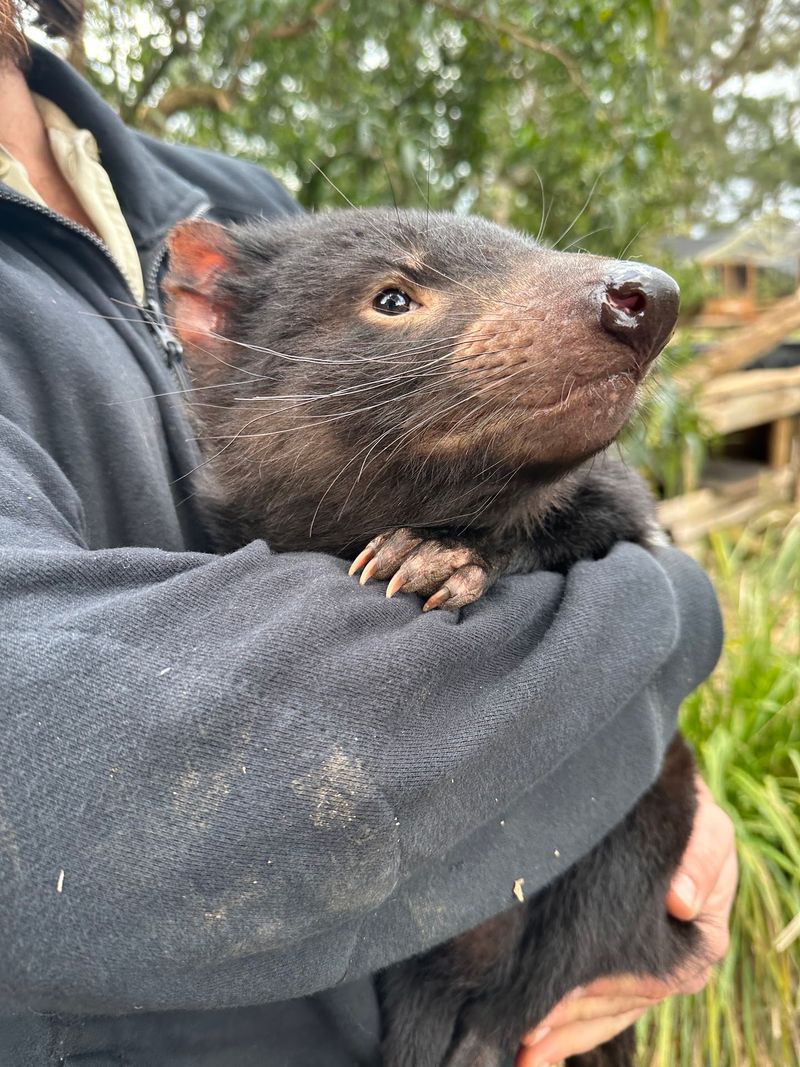
“Trowunna” is the Aboriginal name for Tasmania, and this family-run sanctuary has been caring for the island’s wildlife for decades. It sits in the quiet town of Mole Creek in the state’s north.
Small group sessions keep things personal. Guests can cuddle a wombat, hold a koala, or hand-feed wallabies while keepers explain each animal’s story.
Tasmanian devils are the main draw, and feeding time is a loud, lively show. Keepers share how the sanctuary helps protect the species.
Nearby are the Mole Creek Karst caves and Walls of Jerusalem National Park, so make it part of a bigger trip. Check opening times in the cooler months before you go.
14. Billabong Sanctuary – Nome, Queensland
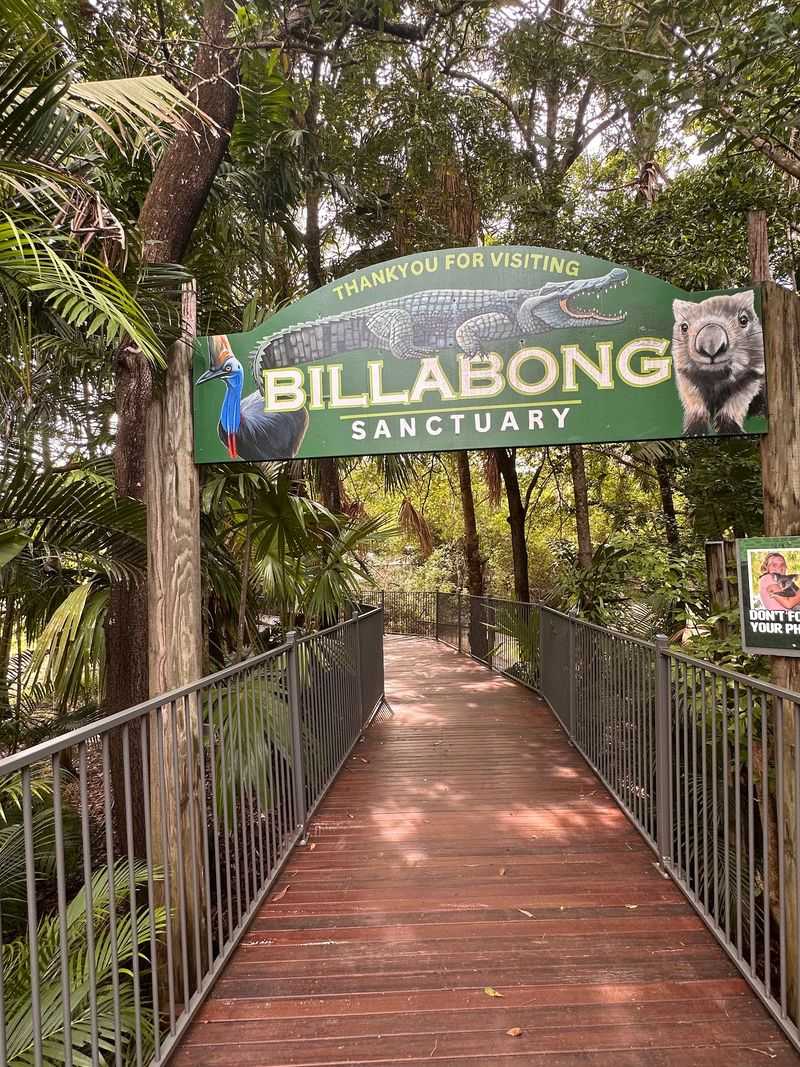
Crocodile feeding shows here make visitors gasp, and for good reason. Billabong Sanctuary near Townsville puts you within a safe distance of these powerful reptiles while keepers explain how they hunt.
The grounds feature lagoons and open grassy areas where kangaroos, wallabies, and cassowaries roam. Koalas and wombats are part of the daily encounters.
Many sessions are included with entry, such as the wildlife show and the crocodile feed. You can also hold a snake or a baby crocodile under staff guidance.
North Queensland is hot, so aim for a morning visit and bring water. The shaded walkways and café make it easy to rest between shows.
15. Featherdale Sydney Wildlife Park – Doonside, New South Wales
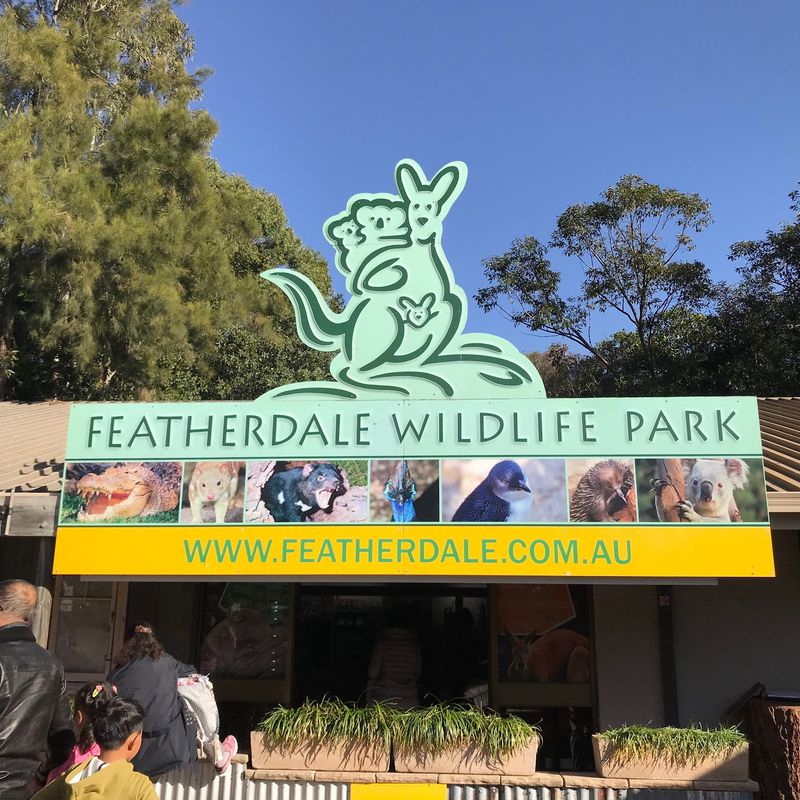
Western Sydney is the unlikely home of one of the country’s best collections of native animals. Featherdale has more than 1,700 animals, so there is always something new around the corner.
The park opened in 1972 and is known for its walk-through kangaroo and wallaby areas. Koalas, wombats, echidnas, and Tasmanian devils are all easy to find.
Visitors can also meet saltwater crocodiles, dingoes, and a wide range of Australian birds. The park is compact, so it works well for a half-day trip.
Many people reach it by train and a short drive from Sydney’s center. Buy a bag of feed at the entrance, since the kangaroos are always happy to share a snack.
Share this story