Japan is one of those rare destinations that manages to blend ancient traditions with a fast-paced modern lifestyle, making it endlessly fascinating for first-time visitors. From the neon-lit streets of Tokyo to the peaceful temples of Kyoto and the lively food scene in Osaka, every corner of this island nation has something special to offer.
Whether you are drawn to history, food, fashion, or nature, Japan delivers experiences that are hard to find anywhere else in the world. This guide walks you through 15 places you simply should not miss on your first trip.
1. Shibuya Crossing (Tokyo)
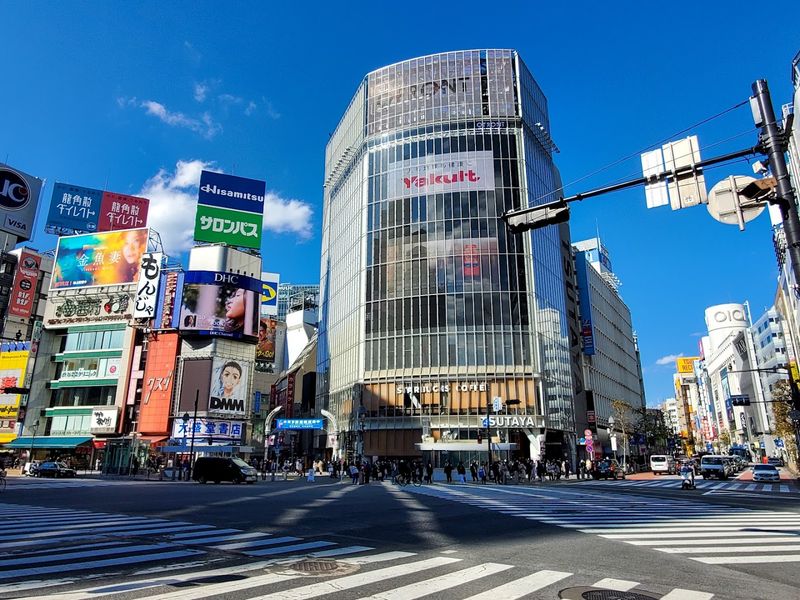
Few places in the world can match the electric energy of Shibuya Crossing at peak hours. Hundreds of people pour into the intersection from every direction simultaneously, yet somehow it all flows without chaos.
It is often called the busiest pedestrian crossing on the planet, and watching it feels like witnessing a perfectly choreographed human dance.
Visiting at night takes the experience to a whole new level. The surrounding neon signs, giant screens, and glowing storefronts create a sensory overload in the best possible way.
Grab a window seat at one of the nearby cafes and watch the spectacle from above for a truly memorable view.
The area around Shibuya is also packed with shopping centers, restaurants, and entertainment spots. It is a great starting point for exploring Tokyo, especially if you want to feel the city’s pulse right away.
2. Senso-ji Temple (Tokyo)
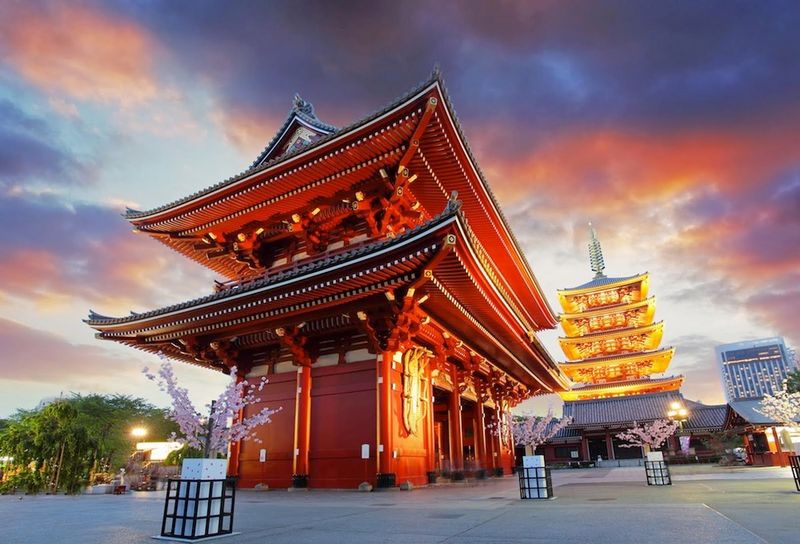
Tokyo’s oldest temple has been welcoming visitors for over 1,400 years, and it still manages to feel alive and meaningful every single day. Senso-ji sits in the Asakusa neighborhood and draws millions of visitors each year, yet it never loses its sense of calm and spiritual weight.
The approach through the iconic Kaminarimon gate sets the tone perfectly.
Nakamise Street, the long shopping lane leading to the main hall, is lined with small stalls selling everything from traditional crackers to handcrafted souvenirs. It is one of the best places in Tokyo to pick up gifts that actually feel authentically Japanese.
Try the ningyo-yaki, small sponge cakes shaped like traditional figures, as you walk.
Early mornings are the best time to visit if you want fewer crowds and a more peaceful atmosphere. The temple grounds are open around the clock, making it flexible for any travel schedule.
3. Shinjuku Skyline & Nightlife (Tokyo)
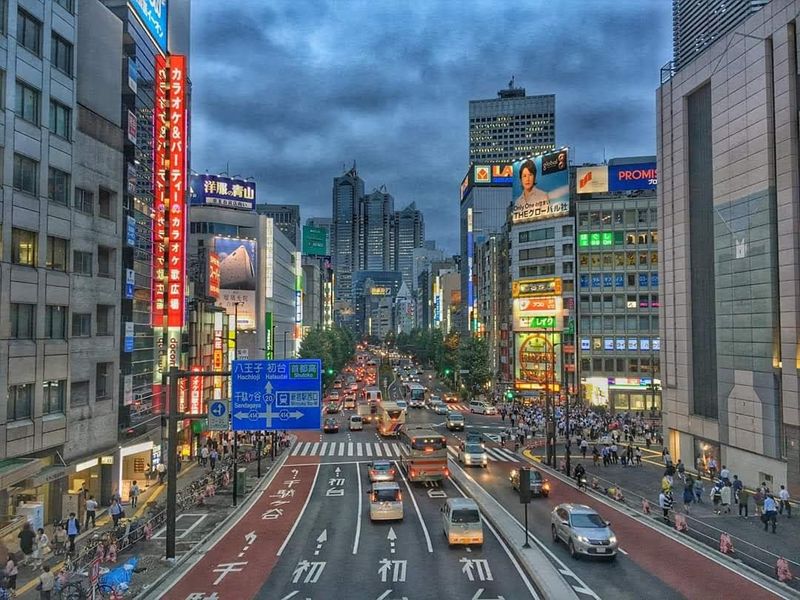
Shinjuku is the kind of neighborhood that refuses to be summarized in a single sentence. By day, it is a major business hub full of towering skyscrapers and busy commuters.
By night, it transforms into one of the most vibrant entertainment districts in all of Asia, offering something for every type of traveler.
The Tokyo Metropolitan Government Building offers a free observation deck with sweeping views over the entire city, including Mount Fuji on clear days. It is one of the best free attractions in Tokyo and gives you a real sense of just how massive this city truly is.
Arrive close to sunset for a view that shifts from golden hour to a full city light display.
Kabukicho, Shinjuku’s famous entertainment district, buzzes with izakayas, karaoke bars, and live music venues well into the early hours. Golden Gai, a tiny alley packed with miniature bars, is a quirky and unforgettable Tokyo experience.
4. Meiji Shrine (Tokyo)
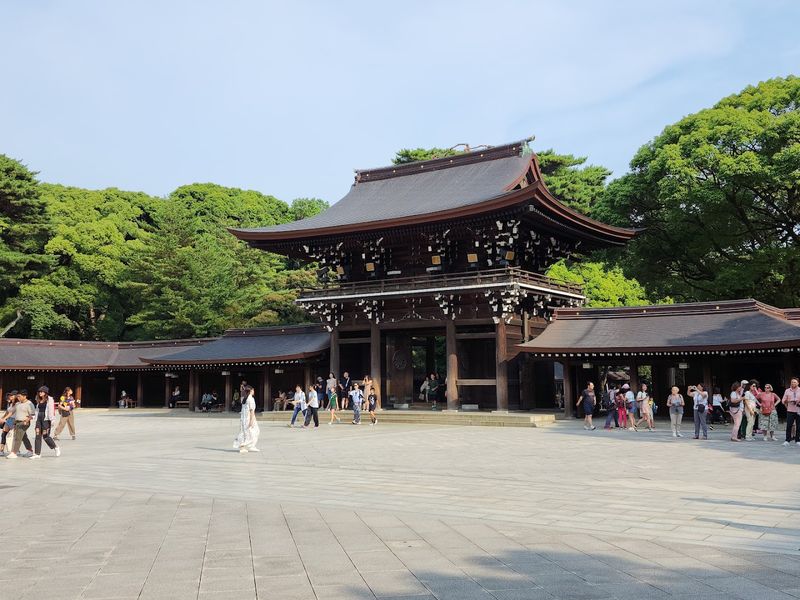
Tucked inside 170 acres of forested land in the heart of Tokyo, Meiji Shrine feels worlds away from the city buzzing just beyond its treeline. Built in 1920 to honor Emperor Meiji and Empress Shoken, the shrine stands as a quiet symbol of Japan’s deep respect for its imperial history.
Walking the long gravel path through towering trees to reach the main hall is an experience in itself.
The shrine is a popular spot for traditional Japanese ceremonies, including weddings and New Year celebrations. If you visit on a weekend morning, you may be lucky enough to witness a traditional Shinto wedding procession crossing the courtyard.
It is a genuinely moving sight that connects visitors to living Japanese culture.
Entrance to the shrine grounds is free, making it one of Tokyo’s most accessible cultural experiences. The adjacent Yoyogi Park is perfect for a relaxed picnic afterward, especially on weekends when locals gather to enjoy the outdoors.
5. Harajuku & Takeshita Street (Tokyo)
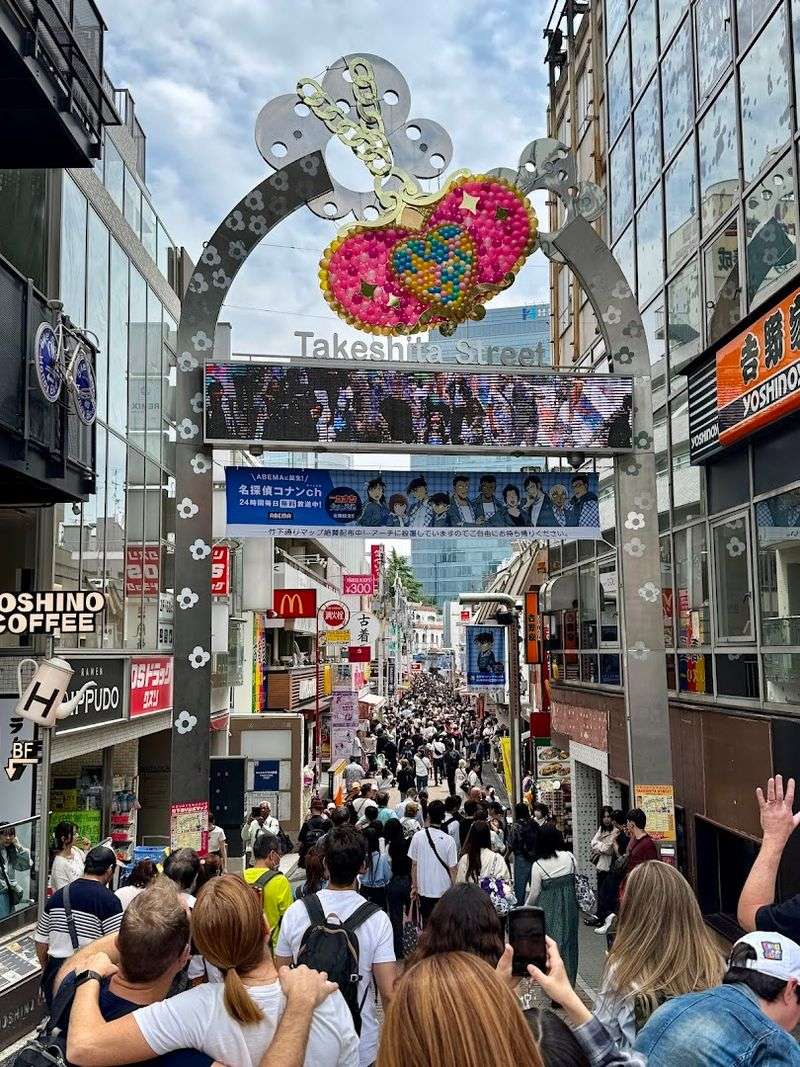
Harajuku has long been Japan’s most colorful expression of youth culture, and Takeshita Street is the beating heart of it all. Packed into a narrow pedestrian lane, this stretch overflows with candy-colored fashion boutiques, crepe stands, accessory shops, and vintage clothing stores.
It is loud, cheerful, and completely unlike anywhere else in Tokyo.
The fashion here ranges from pastel kawaii styles to bold streetwear, and people-watching alone is worth the trip. Many young visitors come dressed in their most creative outfits, turning the street into a living runway.
Even if fashion is not your thing, the energy and creativity on display are genuinely entertaining.
Make sure to try a Japanese crepe while you are here. These thin, freshly made wraps are filled with everything from strawberries and cream to matcha and red bean paste.
Takeshita Street is also just a short walk from the serene Meiji Shrine, making it easy to combine both in one visit.
6. Akihabara (Tokyo)
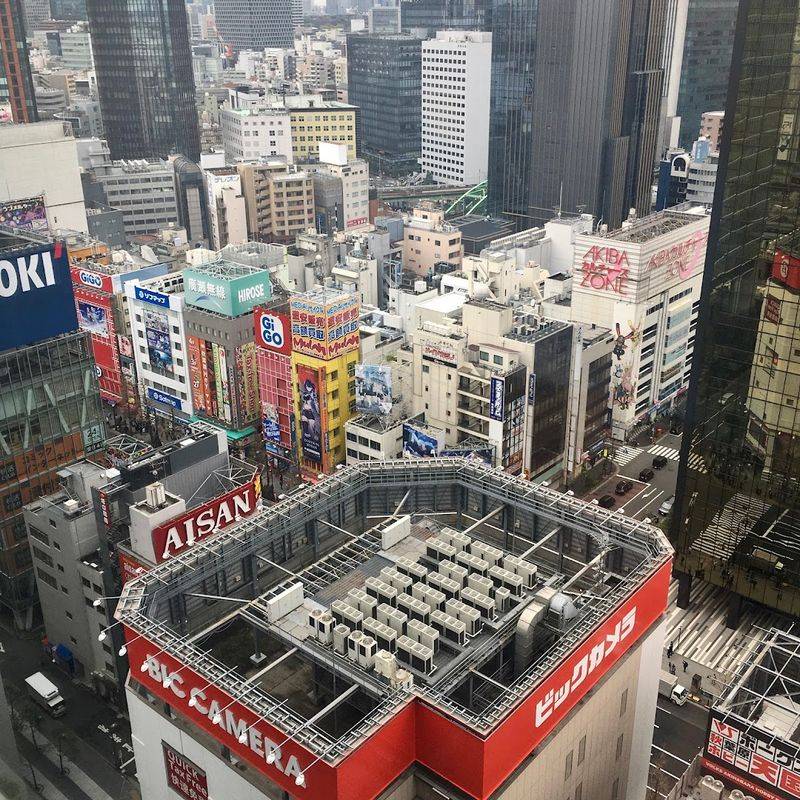
Known worldwide as the electric town, Akihabara is a sensory overload of screens, figures, gadgets, and gaming culture all packed into one dazzling district. For fans of anime, manga, and electronics, this neighborhood feels like stepping into a dream.
Multi-story buildings are crammed floor to ceiling with collectibles, retro games, and the latest tech releases.
Beyond the shopping, Akihabara is home to maid cafes, where staff dressed in elaborate costumes serve themed food and drinks with theatrical enthusiasm. It sounds unusual, but these cafes are a genuinely fun slice of modern Japanese pop culture.
Even skeptics tend to leave smiling.
The district is also a surprisingly affordable place to shop for electronics and gadgets compared to many Western retailers. Prices on cameras, headphones, and gaming accessories can be notably competitive.
Akihabara works well as a half-day trip that can easily be combined with nearby Ueno Park or Asakusa for a full day of varied Tokyo sightseeing.
7. Fushimi Inari Shrine (Kyoto)
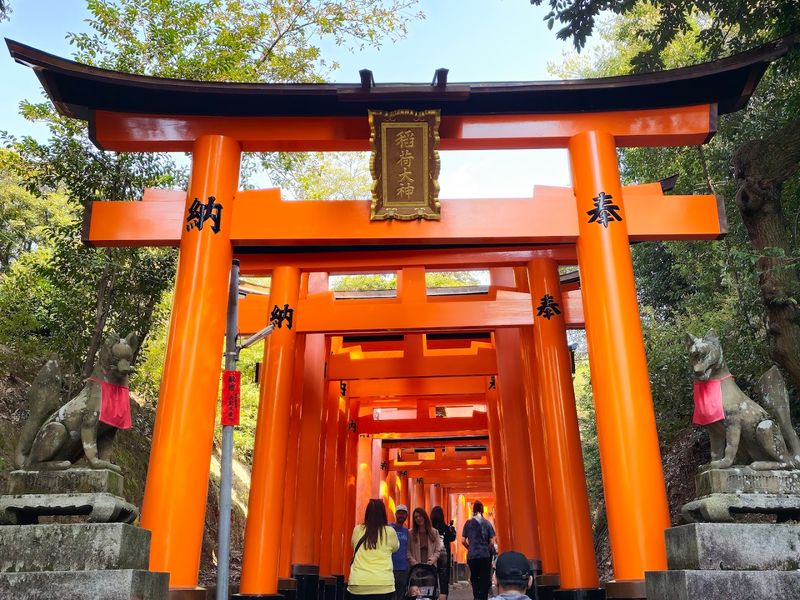
There are roughly 10,000 torii gates at Fushimi Inari Shrine, each donated by businesses and individuals hoping for good fortune, and walking through them feels genuinely otherworldly. The gates form a continuous tunnel of deep orange-red that winds up the forested mountain behind the main shrine complex.
It is one of those sights that photographs simply cannot fully capture.
The shrine itself is dedicated to Inari, the Shinto deity of rice, agriculture, and business success. Fox statues, believed to be Inari’s messengers, appear throughout the grounds and add an enchanting, almost mythological atmosphere to the hike.
The full trail to the summit takes about two to three hours round trip.
Starting early in the morning is strongly recommended, both to avoid the midday crowds and to catch the gates in soft, atmospheric light. The lower sections get very busy by mid-morning, but the upper trails stay quieter and offer peaceful forest views.
Admission is free.
8. Arashiyama Bamboo Grove (Kyoto)
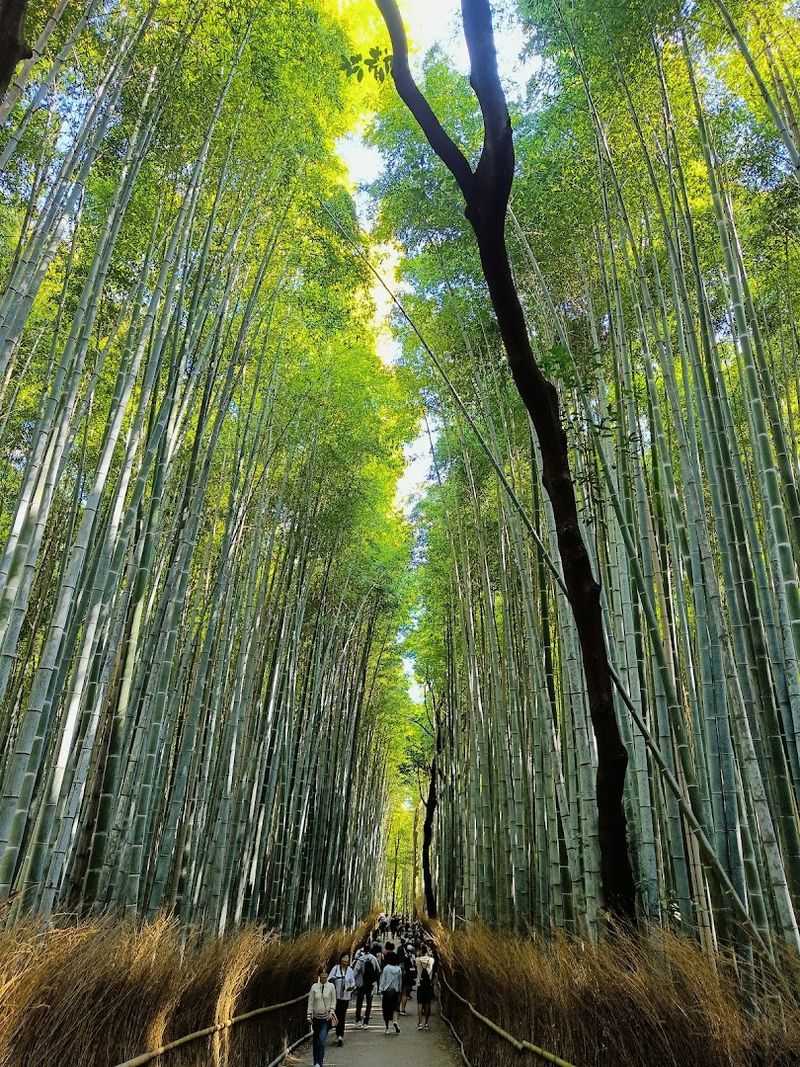
Walking through the Arashiyama Bamboo Grove is one of those travel moments that genuinely stops you in your tracks. The bamboo stalks rise to heights of over 30 feet, creating a dense green tunnel that filters light in the most extraordinary way.
The sound of the bamboo swaying and creaking in the wind adds to the almost dreamlike atmosphere.
The grove is located in Arashiyama, a scenic district on the western edge of Kyoto that is worth spending a full day exploring. Nearby attractions include the Tenryu-ji temple garden, the Togetsukyo Bridge over the Oi River, and several traditional tea houses where you can rest and recharge.
Renting a bicycle is one of the best ways to move between these spots at a relaxed pace.
Like Fushimi Inari, arriving early in the morning makes a noticeable difference here. By 9 a.m. the grove can become quite crowded, but the first light of day through the bamboo is worth setting an early alarm for.
9. Kinkaku-ji (Golden Pavilion) (Kyoto)
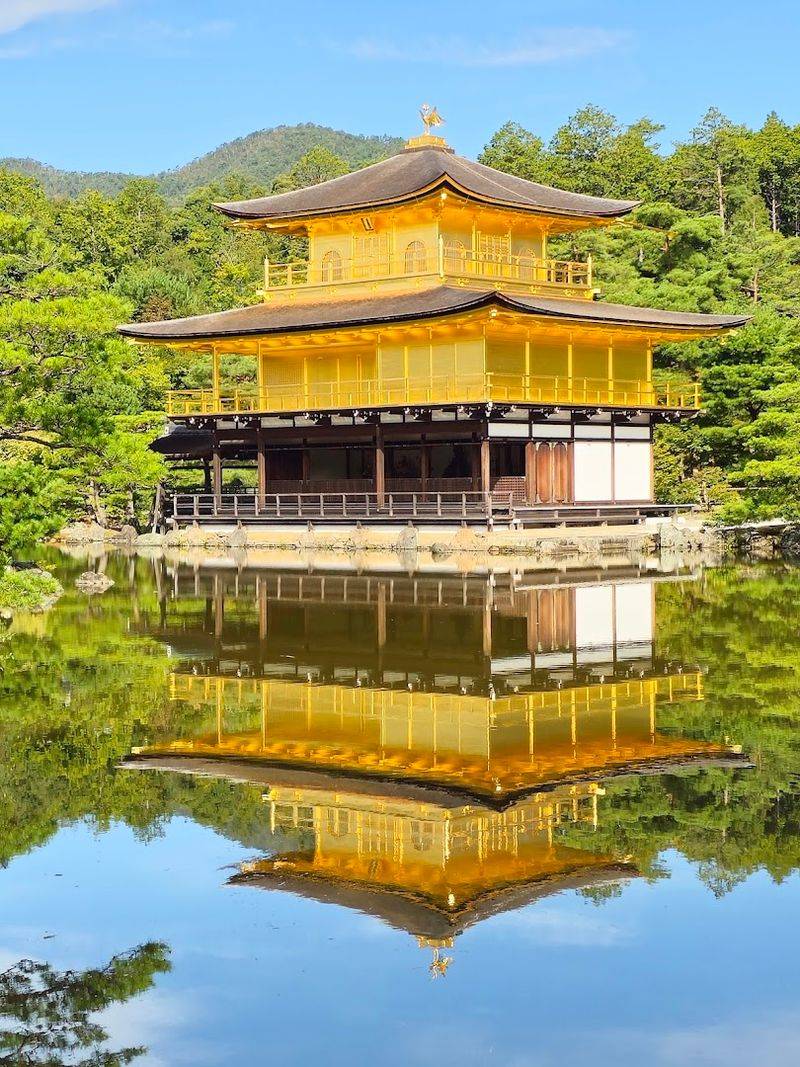
Covered in real gold leaf and perfectly reflected in the still water of Kyokochi Pond, Kinkaku-ji is arguably the most photographed building in all of Japan. The three-story structure shimmers brilliantly against the surrounding pines and manicured garden, making it look almost too beautiful to be real.
It has stood in various forms since the late 14th century.
Originally built as a retirement villa for shogun Ashikaga Yoshimitsu, the pavilion was converted into a Zen Buddhist temple after his death. Each of the three floors represents a different architectural style, blending samurai, aristocratic, and Zen Buddhist design in one cohesive structure.
The garden surrounding it is designed to be viewed as a strolling landscape, changing beautifully with each season.
The site can get crowded, particularly during cherry blossom and autumn foliage seasons, so arriving when the gates open at 9 a.m. is a smart move. The entrance fee is modest, and the experience is absolutely worth every yen spent.
10. Gion District (Kyoto)
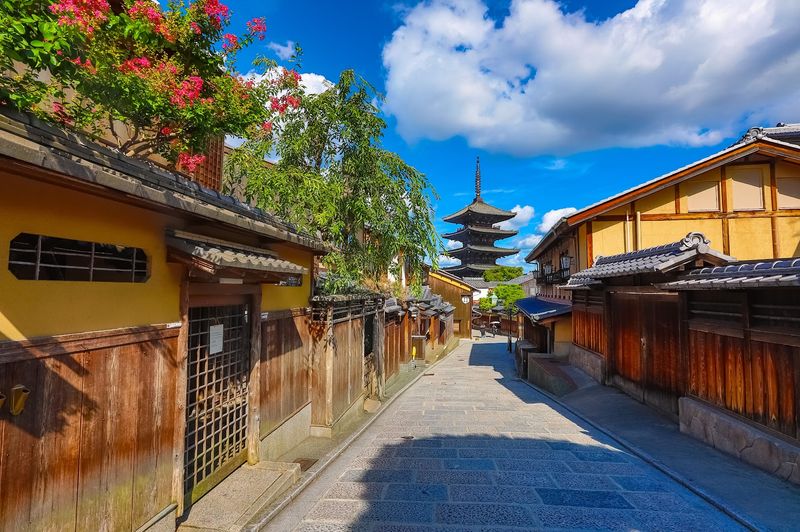
Gion is Kyoto’s most celebrated historic district, and few places in Japan carry such a strong sense of living history. The streets here are lined with beautifully preserved machiya, traditional wooden townhouses that now house tea houses, restaurants, and boutiques.
As the sun sets and paper lanterns begin to glow, Gion takes on a mood that feels genuinely transported from another century.
This is also Kyoto’s most famous geisha district. Geiko and maiko, the Kyoto terms for geisha and apprentice geisha, can occasionally be spotted walking between appointments in the early evening hours, particularly on Hanamikoji Street.
Respectful observation is welcome, but photography without permission is considered impolite and is increasingly discouraged by local signage.
Gion is also home to Yasaka Shrine, which becomes a spectacular focal point during the famous Gion Matsuri festival held every July. Even outside festival season, the shrine and surrounding streets make for a deeply atmospheric evening stroll through old Kyoto.
11. Kiyomizu-dera Temple (Kyoto)
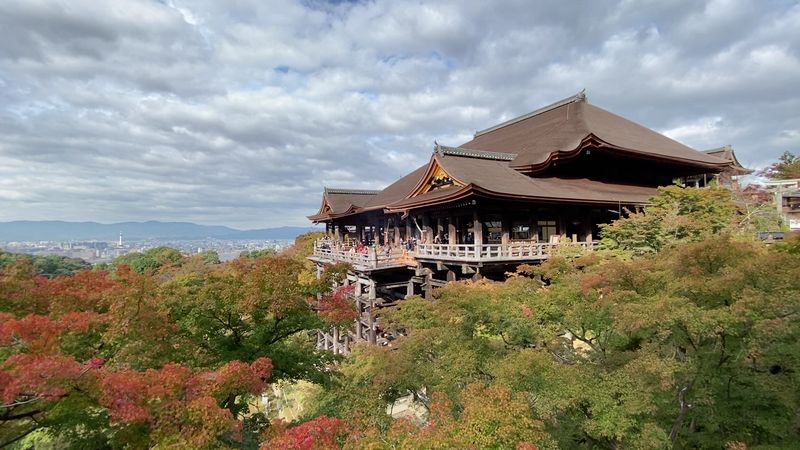
Perched dramatically on a hillside in eastern Kyoto, Kiyomizu-dera is one of Japan’s most celebrated temples and a UNESCO World Heritage Site. Its famous wooden stage juts out from the main hall over a steep cliff, supported entirely by a complex system of wooden pillars without a single nail.
The view from the stage stretches across Kyoto and the surrounding hills.
The temple’s name translates roughly to pure water temple, a reference to the Otowa waterfall flowing beneath the main hall. Visitors can drink from three separate streams of water, each said to grant a different blessing: longevity, success in studies, and luck in love.
Most visitors choose just one, as drinking from all three is considered greedy by tradition.
During cherry blossom season in late March and early April, the hillside surrounding Kiyomizu-dera erupts in soft pink blooms that frame the temple beautifully. Autumn is equally stunning when the maple trees turn vivid shades of red and orange around the temple complex.
12. Nishiki Market (Kyoto)
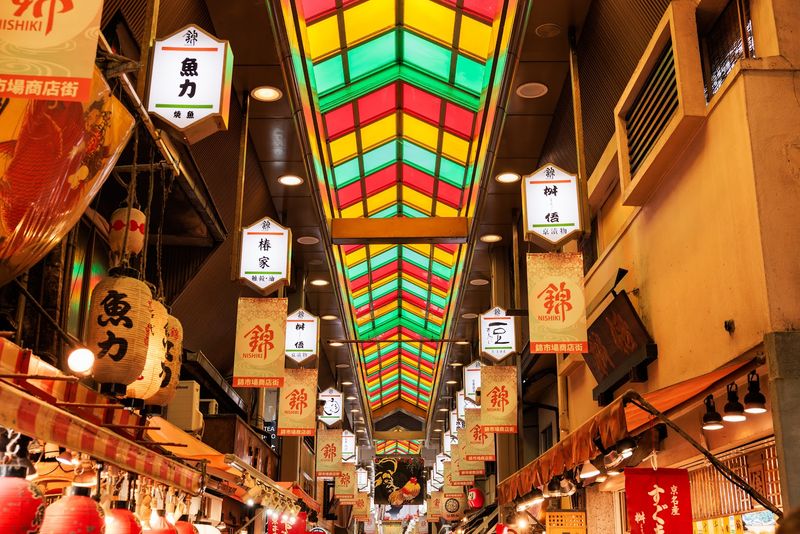
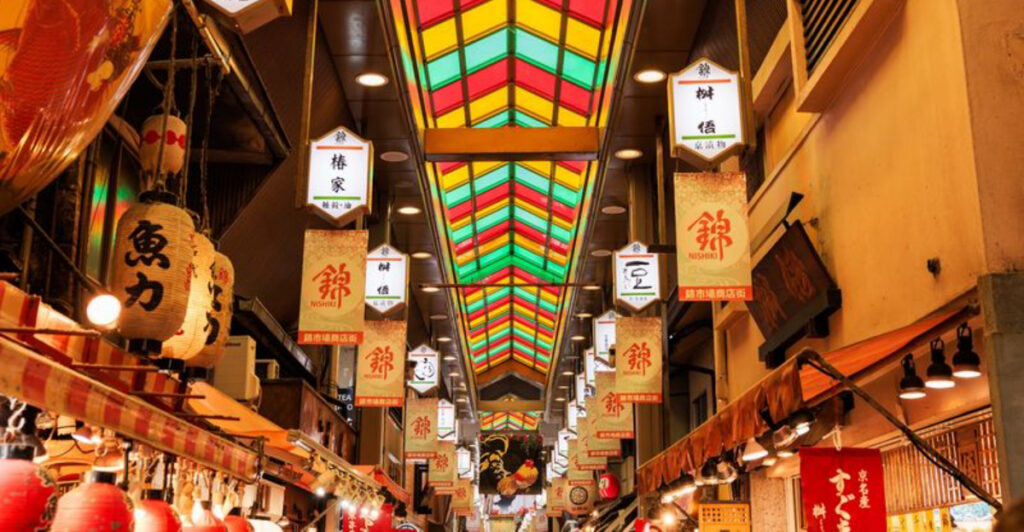
Stretching five blocks through central Kyoto, Nishiki Market has earned its nickname as Kyoto’s Kitchen with good reason. This narrow, covered arcade is packed with over 100 vendors selling an extraordinary range of fresh and prepared foods that represent the depth and variety of Kyoto cuisine.
The smells alone are enough to stop you mid-step.
Sampling as you walk is the best way to experience Nishiki. Look out for skewered octopus, fresh yudofu tofu, pickled vegetables, matcha sweets, and grilled rice balls.
Many vendors offer small tastings, making it easy to try a wide range of flavors without committing to a full meal. This is one of the most delicious and affordable food experiences Kyoto has to offer.
The market has been operating in some form for over 400 years, originally serving as a hub for fish suppliers to the imperial court. Today it balances its historic role with a lively, modern energy that welcomes curious visitors from around the world.
13. Dotonbori (Osaka)
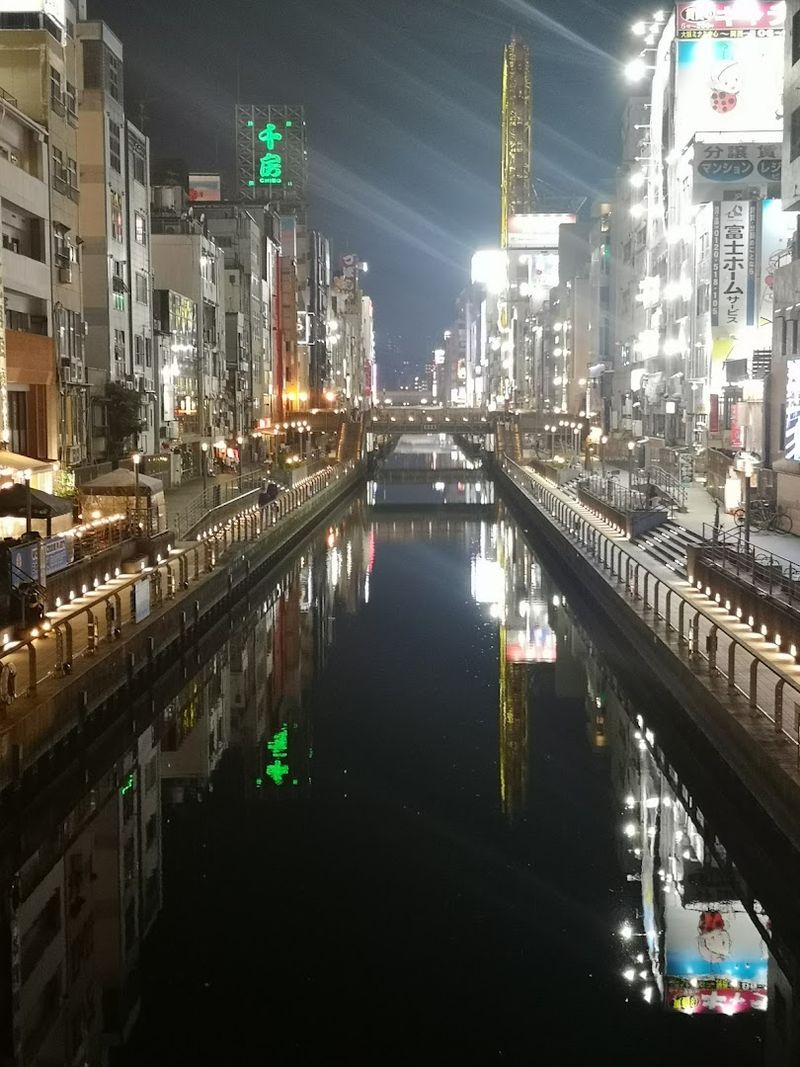
If Osaka has a heartbeat, it pulses loudest along Dotonbori. This legendary entertainment strip runs alongside the Dotonbori Canal and is famous for its over-the-top neon signs, giant mechanical crabs, blowfish balloons, and dragons jutting out from restaurant facades.
At night, the reflections of all those lights shimmering in the canal create a scene that is pure visual magic.
Osaka is widely considered the street food capital of Japan, and Dotonbori is the best place to prove that reputation true. Takoyaki, octopus-filled dough balls cooked in a special griddle, were actually invented in Osaka and are best eaten fresh and piping hot right here.
Okonomiyaki, a savory Japanese pancake loaded with toppings, is another Dotonbori staple worth seeking out.
The Glico Running Man sign, a giant illuminated figure of a sprinting athlete, has become one of the most recognized landmarks in Osaka. Standing on Ebisubashi Bridge for a photo in front of it is practically a rite of passage for visitors to the city.
14. Osaka Castle (Osaka)
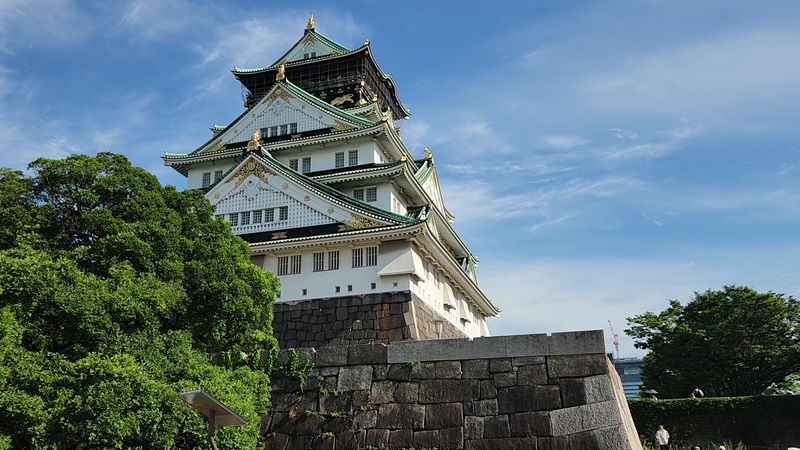
Standing tall above a wide moat and thick stone walls, Osaka Castle is one of Japan’s most recognizable historical landmarks. Originally built in 1583 by the powerful warlord Toyotomi Hideyoshi, the castle played a central role in the unification of Japan during the late 16th century.
The current reconstruction faithfully captures the grandeur of the original structure.
Inside the castle, a well-designed museum spread across eight floors tells the story of Hideyoshi’s life and the castle’s turbulent history through artifacts, models, and interactive displays. The top floor observation deck offers sweeping views over Osaka, giving visitors a rewarding payoff for the climb.
An elevator is available for those who prefer not to take the stairs.
The surrounding Osaka Castle Park is one of the city’s most beloved green spaces. During cherry blossom season, the park transforms into one of Osaka’s most popular hanami, flower-viewing, spots, with thousands of locals and visitors spreading out under the blooming trees.
It is a scene of genuine joy and community.
15. Kuromon Market (Osaka)
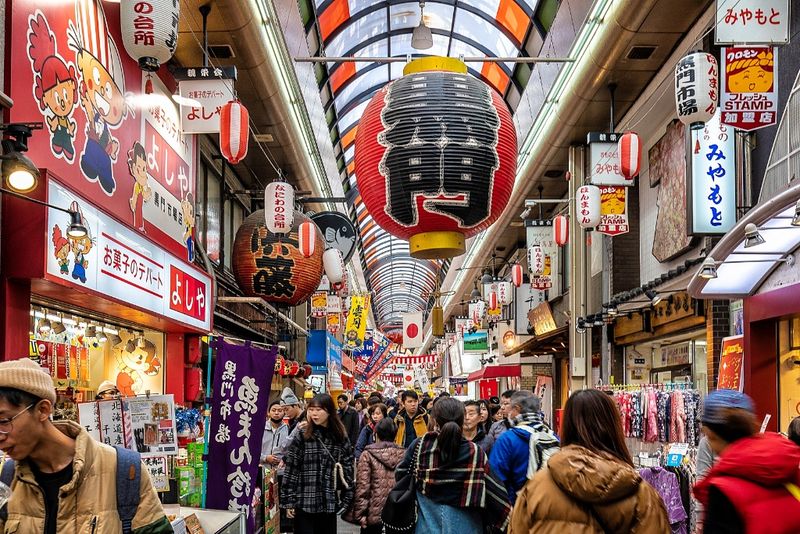
Osaka has long called itself the nation’s kitchen, and Kuromon Market makes that claim easy to believe. Running for nearly 200 years, this covered market stretches about 580 meters and houses around 170 vendors specializing in fresh seafood, premium meats, local produce, and ready-to-eat street food.
The variety on offer is staggering even by Japanese standards.
Highlights include fresh tuna sashimi sliced to order, whole grilled lobster, creamy sea urchin, and wagyu beef skewers that practically melt the moment they hit your tongue. Many stalls hand food directly to customers over the counter, making it easy to graze your way through the market at a relaxed pace.
Budget around 1,000 to 2,000 yen for a satisfying round of tastings.
Kuromon is most lively in the morning when vendors are setting up and produce is at its freshest. Unlike some tourist-heavy markets, it still functions primarily as a working market serving local restaurants and chefs, which gives it an authentic and unpretentious energy that food lovers will genuinely appreciate.
Share this story