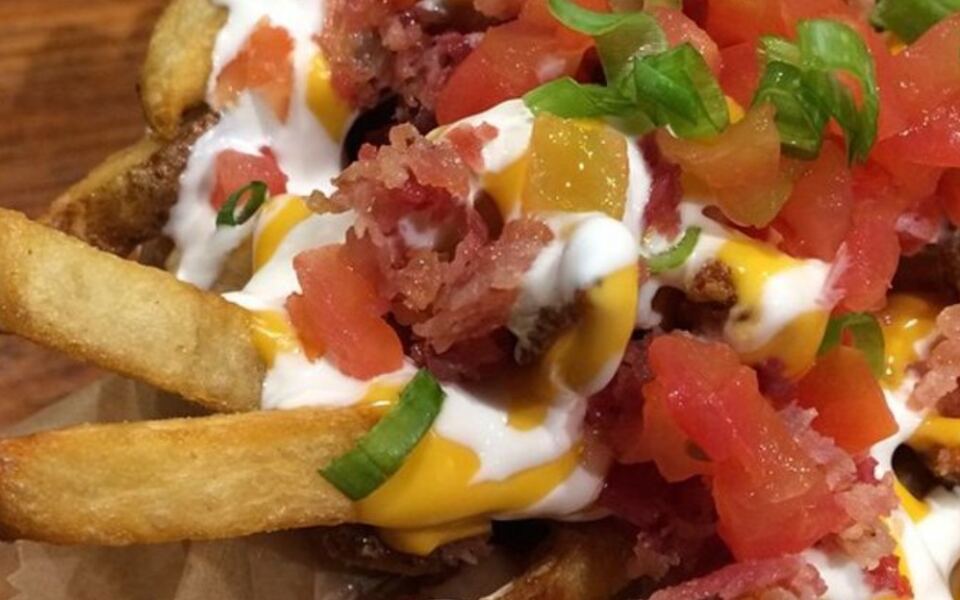
What you eat for dinner can have a big impact on your health over time. Some foods might taste amazing, but eating them night after night can lead to weight gain, heart problems, and other health issues.
Knowing which foods to limit at dinnertime is one of the smartest steps you can take toward feeling better and living healthier. Here are 15 foods you should think twice about making a regular part of your evening meal.
1. Deep-Fried Chicken
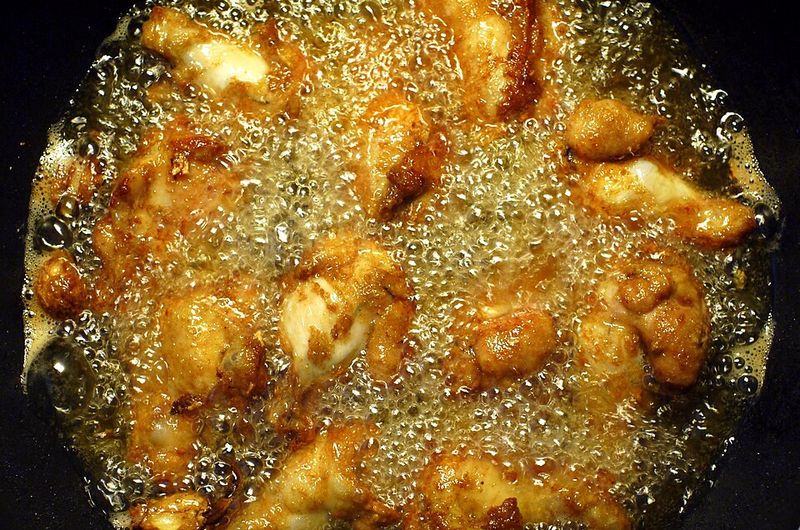
Crispy on the outside and juicy on the inside, deep-fried chicken is hard to resist. But that satisfying crunch comes at a serious cost to your health.
The frying process soaks the chicken in oil, packing in far more fat and calories than your body needs at night.
A single serving can contain over 400 calories and large amounts of saturated fat. Eating this regularly can raise your cholesterol and increase your risk of heart disease.
The breading also adds refined carbs that offer very little nutritional value.
Your body slows down in the evening, making it harder to burn off heavy meals. Swapping fried chicken for baked or grilled versions a few nights a week can make a noticeable difference.
Small changes like this add up fast when it comes to your long-term health.
2. Pepperoni Pizza
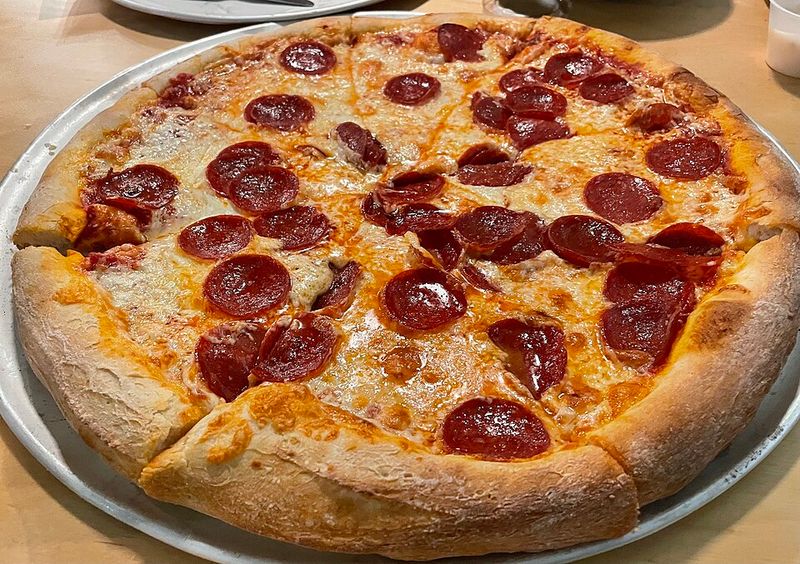
Friday night pizza is practically a tradition in many households, and pepperoni is the fan favorite. But ordering it regularly for dinner means loading up on sodium, saturated fat, and processed meat in one sitting.
That combination is not a great deal for your heart or waistline.
Pepperoni alone is packed with preservatives and high levels of sodium. Add a thick, cheesy crust and you are looking at a meal that can easily top 800 calories per serving.
Studies have linked frequent processed meat consumption to increased risks of certain cancers and cardiovascular issues.
Pizza does not have to disappear from your dinner table entirely. Choosing a thin crust, loading up on veggie toppings, and cutting back on cheese can transform it into something far more balanced.
Enjoying it occasionally rather than weekly gives your body a much better chance to stay on track.
3. Bacon Cheeseburgers
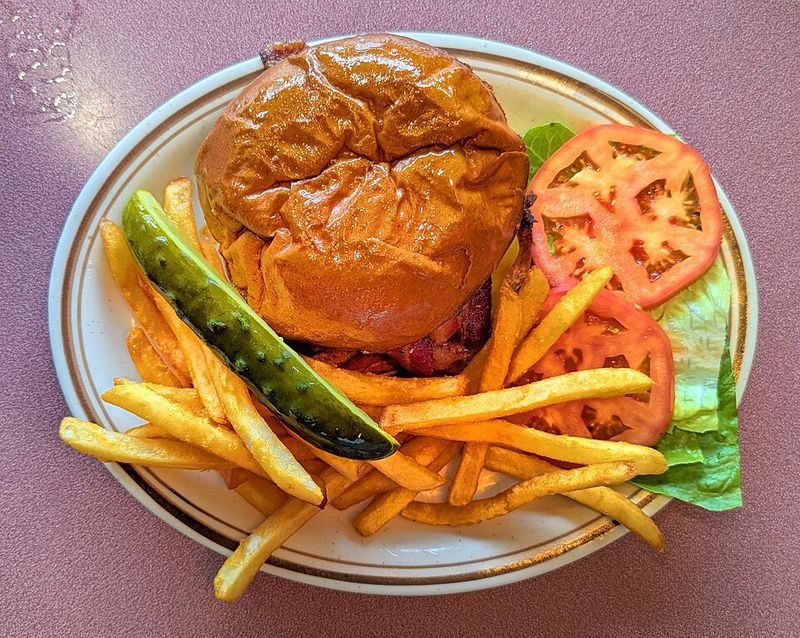
Few things feel as satisfying as biting into a towering bacon cheeseburger. The combination of beef, bacon, and melted cheese is undeniably delicious, but it is also one of the most calorie-dense meals you can sit down to at dinnertime.
Most restaurant versions clock in well over 700 calories before you even add fries.
The bacon alone brings a flood of sodium and saturated fat to the table. Eating this type of meal regularly can raise blood pressure and contribute to arterial buildup over time.
The refined white bun adds empty carbohydrates with little fiber or nutritional benefit.
Burgers can actually be a reasonable meal when made thoughtfully. Leaner beef, whole grain buns, and skipping the bacon while adding fresh vegetables can keep the flavor while cutting the health risks significantly.
Making it a once-in-a-while treat rather than a nightly habit is a smart move for your body.
4. Loaded Nachos
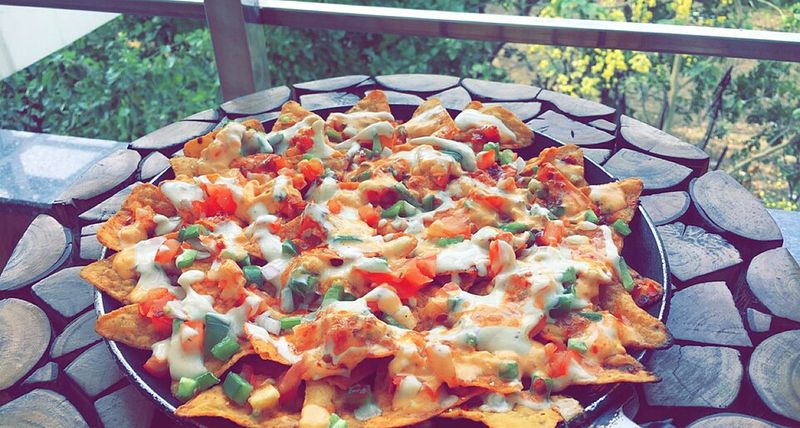
Loaded nachos might feel like a fun and casual dinner option, but they are essentially a mountain of chips buried under calorie-heavy toppings. Cheese sauce, sour cream, ground beef, and salsa pile on quickly, turning what seems like a snack into a full-blown calorie bomb.
Tortilla chips are made from refined corn and fried in oil, offering very little fiber or protein on their own. The toppings, while flavorful, often add excessive sodium and saturated fat.
A single plate shared at a restaurant can easily contain over 1,500 calories for the whole dish.
Nachos are not entirely off-limits if you build them smarter. Using baked chips, black beans, grilled chicken, and fresh salsa instead of heavy cheese sauces can make them far more nutritious.
But as a regular weeknight dinner, the standard loaded version is hard to justify from a health standpoint.
5. Instant Ramen
Instant ramen is cheap, fast, and oddly comforting after a long day. For college students and busy households, it often becomes a go-to dinner option.
The problem is that it offers almost no real nutrition and an alarming amount of sodium in a single small package.
One serving of instant ramen can contain more than 800 milligrams of sodium, and most people eat the entire block at once. That is more than a third of the recommended daily sodium intake in one meal.
High sodium diets are linked to high blood pressure and increased risk of stroke over time.
The noodles themselves are made from refined flour and fried before drying, adding unnecessary fat. There is barely any protein, fiber, or vitamins to speak of.
If ramen is your comfort food, try making a homemade version with real broth, vegetables, and a boiled egg for a much more balanced bowl.
6. Hot Dogs

Hot dogs are an American classic, but their ingredient list tells a less-than-appetizing story. Made from a blend of processed meat trimmings, fillers, and preservatives, they rank among the most heavily processed foods available at any grocery store.
Eating them regularly for dinner is a habit worth reconsidering.
Most hot dogs contain nitrates and nitrites, which are preservatives linked to an increased risk of colorectal cancer when consumed frequently over time. They are also high in sodium and saturated fat while being very low in nutrients your body actually needs.
A single hot dog in a bun can easily deliver 400 to 500 calories with minimal nutritional payoff.
Grilling them does not make them healthier in the way many people assume. If you enjoy the flavor, look for uncured versions made from leaner meats and lower sodium content.
Pairing them with a vegetable-heavy side dish can at least offset some of the nutritional gaps.
7. Fried Mozzarella Sticks
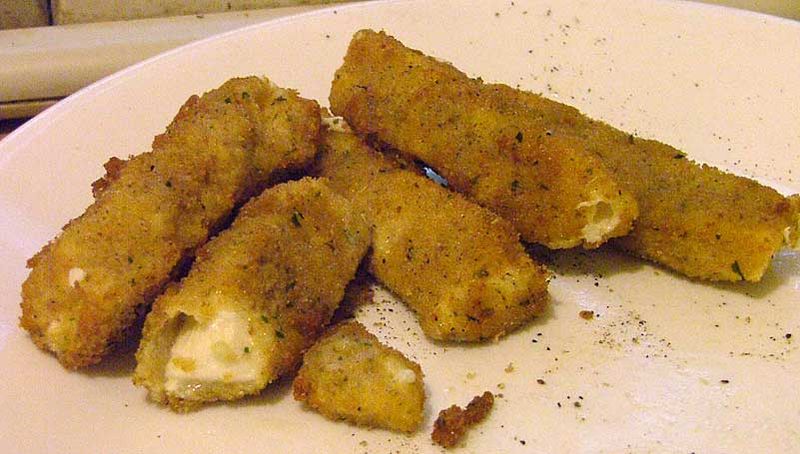
Mozzarella sticks are one of those foods that started as an appetizer but somehow became a full dinner for some people. Stretchy, cheesy, and fried to a crisp, they are easy to overeat without realizing how much you have consumed.
The problem is that they are almost entirely fat, refined carbs, and sodium with very little else going for them.
A typical order of six mozzarella sticks from a restaurant can contain around 600 calories and more than 1,000 milligrams of sodium. The breading absorbs a significant amount of oil during frying, adding to the saturated fat content.
Cheese, while a source of calcium, loses a lot of its nutritional credibility once it is battered and deep-fried.
As a regular dinner, this choice leaves your body without the protein, fiber, and vitamins it needs to function well overnight. Think of mozzarella sticks as an occasional indulgence rather than a meal in itself, and your body will thank you for it.
8. Fettuccine Alfredo
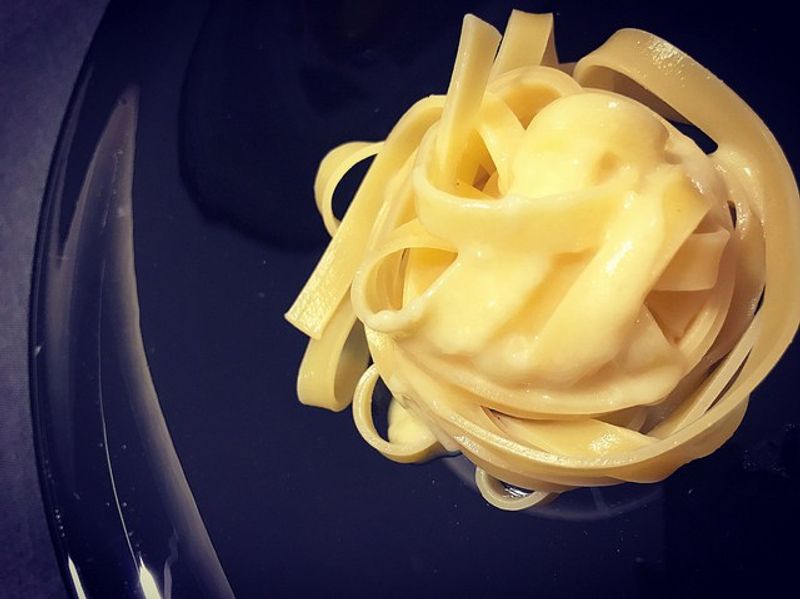
Fettuccine Alfredo has a reputation as one of the richest pasta dishes on any Italian restaurant menu, and that reputation is well earned. The classic sauce is made almost entirely from butter and heavy cream, which means every forkful comes loaded with saturated fat and calories.
A standard restaurant portion can top 1,200 calories in one sitting.
Unlike tomato-based pasta dishes that offer some vegetable nutrition, Alfredo sauce contributes very little beyond fat and calories. The fettuccine noodles are typically made from refined white flour, offering minimal fiber to keep you feeling full or to support healthy digestion.
This combination makes for a meal that is heavy but not particularly satisfying nutritionally.
Eating a dinner this rich regularly can contribute to weight gain and elevated cholesterol over time. A lighter version made with cauliflower-based sauce or a smaller portion paired with a big salad can help you enjoy the flavor without the long-term consequences piling up on your plate.
9. Fish and Chips
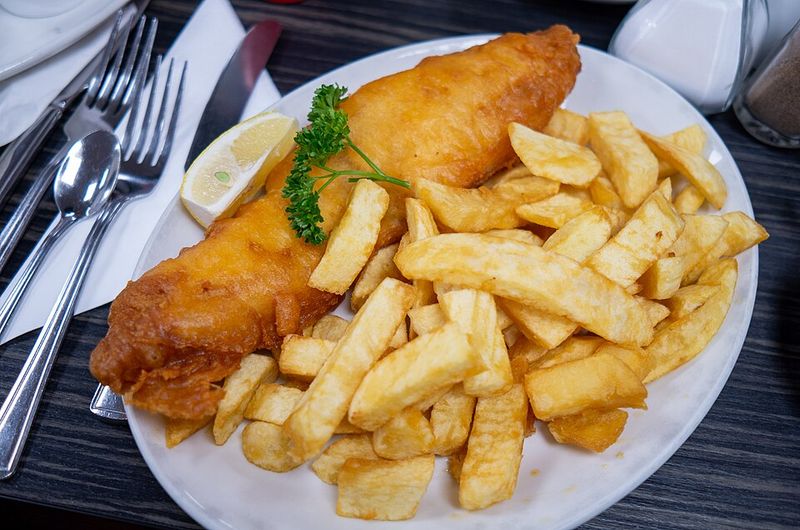
Fish and chips sounds like a reasonable dinner because, well, fish is healthy. But the way this classic British dish is prepared changes everything.
The fish is dipped in a thick batter and deep-fried, and the chips are also fried in oil, making the whole meal a calorie and fat-heavy combination that your body struggles to handle at night.
A standard serving of fish and chips from a takeout shop can contain upward of 800 to 1,000 calories. The frying process adds large amounts of trans fats and saturated fats, depending on the oil used.
Much of the natural benefit of the fish, including healthy omega-3 fatty acids, gets overshadowed by the heavy coating and cooking method.
Grilled or baked fish with a side of roasted vegetables or a small portion of oven-baked potatoes gives you all the satisfaction without the calorie overload. The fish itself is great.
It is just the preparation that creates the problem when eaten regularly.
10. Loaded French Fries
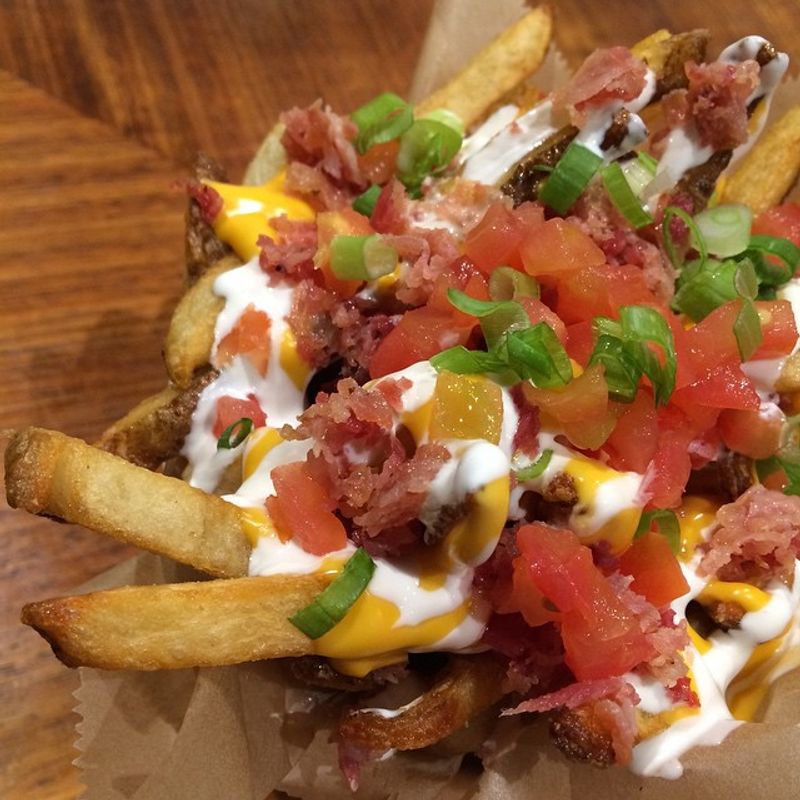
Regular french fries are already a nutritional challenge, but loaded fries take things to a whole new level. Piled high with cheese sauce, bacon, sour cream, and sometimes chili, they transform a simple side dish into a dinner that can easily exceed 1,000 calories.
Many people do not realize just how fast the toppings stack up.
The base fries are deep-fried in oil, delivering a heavy dose of unhealthy fats and refined carbohydrates. Adding cheese sauce brings more sodium and saturated fat, while bacon contributes processed meat and preservatives.
As a regular dinner, this combination offers very little protein, fiber, or vitamins your body needs to recover and rest overnight.
Potatoes themselves are not the villain here. Baking potato wedges and topping them with Greek yogurt, salsa, and black beans gives you a loaded feel with far better nutrition.
When loaded fries become a dinner staple, the long-term toll on your heart and waistline becomes very real.
11. Frozen Meat-Lover’s Pizza
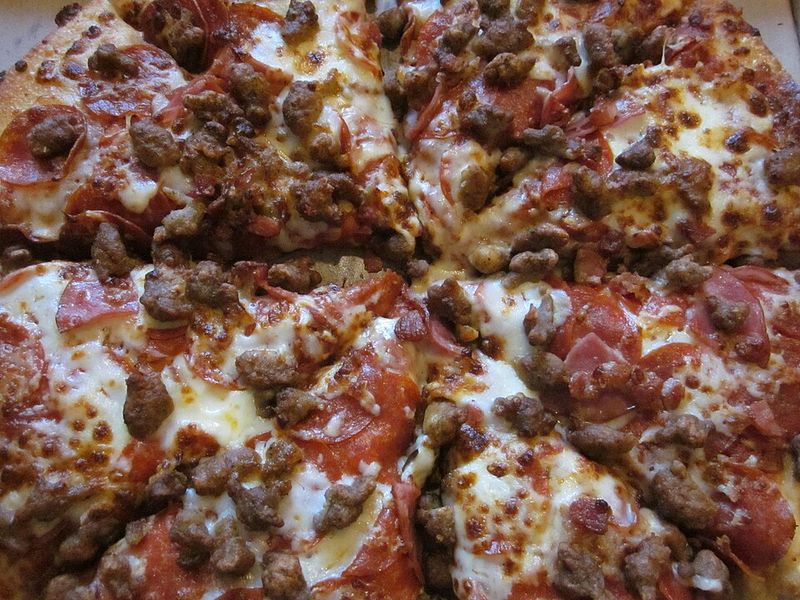
Frozen meat-lover’s pizza combines nearly everything nutritionists warn about into one convenient box. Pepperoni, sausage, bacon, and ham pile up on top of a cheese-heavy base, delivering a staggering amount of sodium, saturated fat, and processed meat in a single meal.
It is one of the most sodium-dense frozen foods you can find in a grocery store.
A single serving, which most packaging lists as one-third or one-quarter of the pizza, can contain over 900 milligrams of sodium. Most people eat more than the suggested serving size, which pushes that number even higher.
The crust is typically made from refined flour with little fiber to balance out the heavy toppings.
Frozen pizza is fine as an occasional convenience meal, but relying on it several nights a week puts real strain on your cardiovascular system over time. Choosing a veggie-topped version or making a simple homemade pizza gives you much more control over what actually goes into your dinner.
12. Chicken-Fried Steak With Gravy
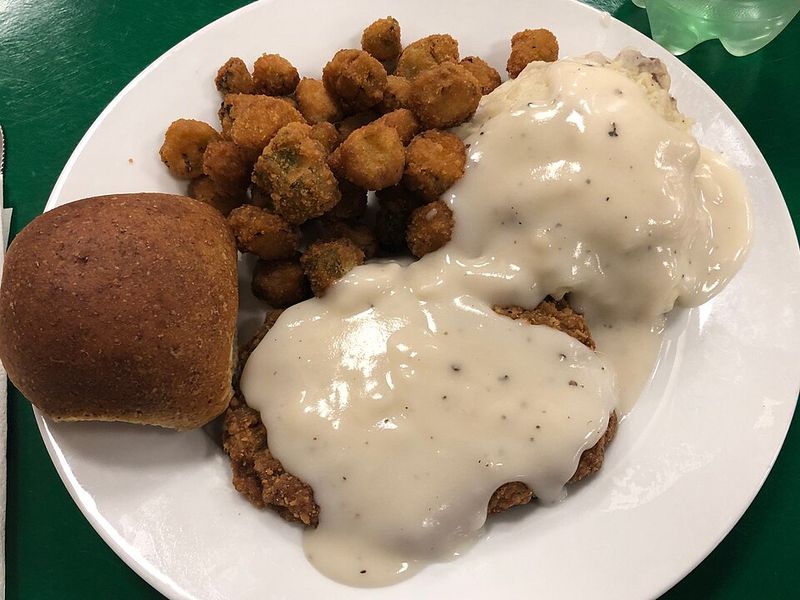
Chicken-fried steak is a Southern comfort food staple that has earned a devoted following for generations. A breaded and fried beef cutlet smothered in creamy white gravy sounds like the ultimate hearty dinner, and that is exactly the problem.
This dish packs in an extraordinary amount of saturated fat, sodium, and calories all in one plate.
A restaurant portion of chicken-fried steak with gravy can easily contain 1,000 to 1,400 calories. The white gravy is typically made with butter, whole milk, and heavy seasoning, adding more saturated fat on top of an already heavily fried piece of meat.
The refined flour breading contributes carbohydrates with very little nutritional value.
Eating a meal this heavy at dinnertime, when your activity level drops, makes it especially easy for your body to store the excess as fat. Enjoying it as a rare treat rather than a weekly dinner ritual is the smarter path if you want to keep your heart healthy long-term.
13. Large Portions of Mac and Cheese
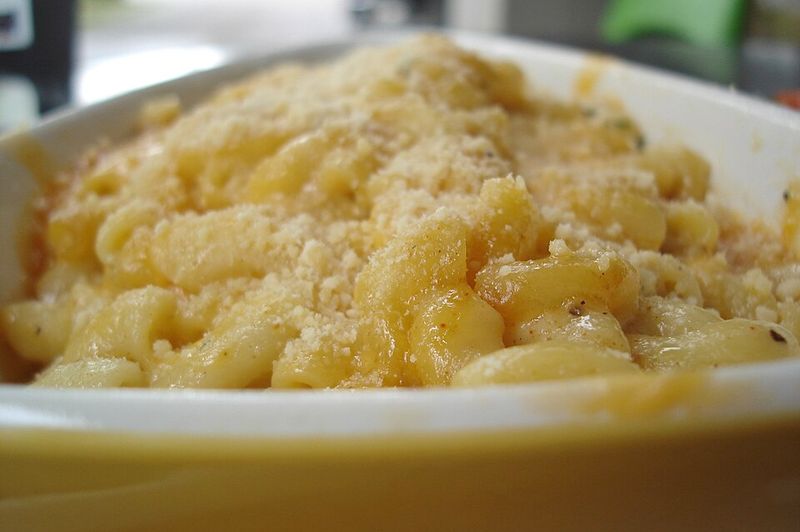
Mac and cheese is the ultimate comfort food, and it holds a special place in the hearts of kids and adults alike. But eating large portions of it regularly for dinner is a habit that can quietly work against your health goals.
Most traditional recipes lean heavily on butter, whole milk, and processed cheese, creating a meal that is high in saturated fat and refined carbohydrates.
A generous portion of homemade or boxed mac and cheese can deliver 600 to 900 calories, depending on how it is made. Boxed varieties also tend to be high in sodium and contain artificial colors and flavorings.
The pasta itself is typically made from refined white flour, which digests quickly and can spike blood sugar levels.
Portion size makes a big difference with this dish. Pairing a smaller serving with a side of steamed broccoli or a fresh salad adds fiber and nutrients while keeping the comfort food feeling alive.
Moderation and balance are the real keys here.
14. Processed Deli-Meat Sandwiches
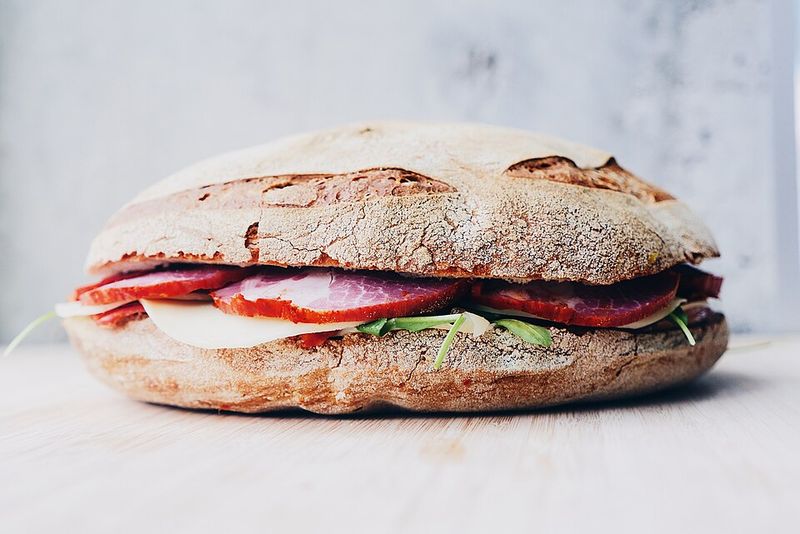
Sandwiches seem like a perfectly reasonable dinner, but when they are built with processed deli meats like bologna, salami, or turkey loaf, the nutritional picture shifts quickly. Deli meats are heavily processed, loaded with sodium, and often contain nitrates and nitrites as preservatives.
Eating them regularly has been linked to increased cancer risk and cardiovascular problems in multiple studies.
A single sandwich made with two or three slices of deli meat can already push past 600 milligrams of sodium. Add condiments, cheese, and white bread, and the numbers climb even higher.
White bread contributes refined carbs with very little fiber, which means your blood sugar spikes and drops faster than it should after dinner.
Sandwiches made with whole grain bread, fresh-cooked chicken or tuna, and plenty of vegetables are a much smarter option. The convenience factor of deli meats is real, but the long-term health cost of eating them nightly makes it worth finding better alternatives whenever possible.
15. Donuts and Pastries

Some people skip a proper dinner and reach for donuts or pastries when they are tired or short on time. It happens more often than most people like to admit.
But treating baked sweets as a dinner replacement is one of the least nutritious choices you can make, especially on a regular basis.
Donuts and pastries are made primarily from refined flour, sugar, and oil or butter. They offer a quick burst of energy followed by a sharp crash, leaving you feeling hungry again within an hour or two.
A single glazed donut can contain 250 to 300 calories, and most people rarely stop at just one.
There is almost no protein, fiber, or essential vitamins in a pastry-based dinner, which means your body goes without the building blocks it needs to repair and rest overnight. If you are too tired to cook, a simple meal like scrambled eggs on whole grain toast is a far better option that takes just minutes to make.
Share this story