American food has a reputation around the world, and honestly, a lot of it is well-earned. From towering burgers to free soda refills, many of the things people joke about are simply part of everyday life in the United States.
Food culture here is shaped by history, convenience, immigration, and a genuine love of bold flavors. Here is a look at 15 of those stereotypes that turn out to be completely true.
1. Portion Sizes Can Be Surprisingly Large
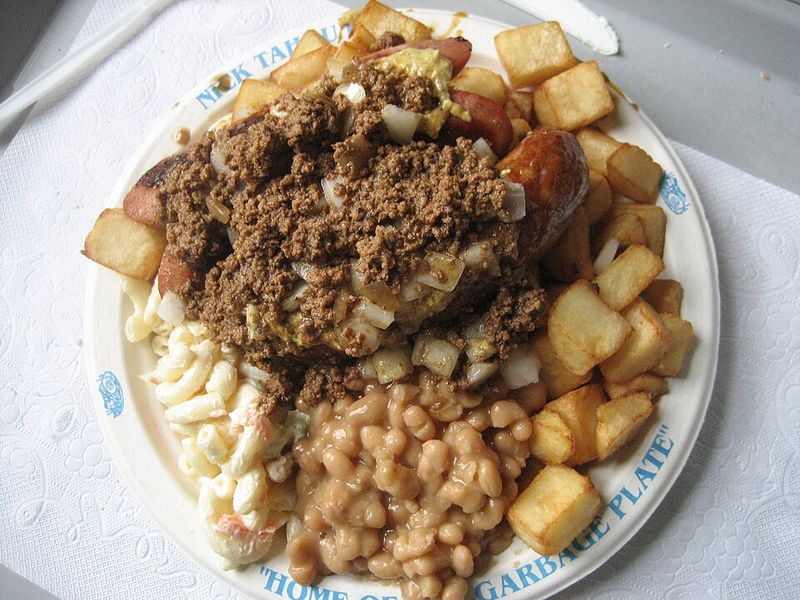
Walk into almost any sit-down restaurant in America and one thing becomes obvious fast: the plates are big. Portions in the United States are often two to three times larger than what you would find in many other countries.
Researchers have confirmed this through studies comparing serving sizes across different nations.
This culture of abundance has roots in post-World War II prosperity, when food became cheaper and plenty became a symbol of success. Restaurants learned that large portions made customers feel they were getting good value for their money.
Over time, oversized meals became the expected norm rather than the exception.
Many Americans now take leftovers home in boxes, which has become a completely normal part of dining out. The takeout box is practically an American dining tradition all on its own.
Knowing this ahead of time helps travelers avoid the surprise of a plate that could feed two people easily.
2. Fast Food Is Deeply Embedded in American Culture
No other country has woven fast food into daily life quite the way the United States has. There are over 200,000 fast food restaurants operating across the country, and many Americans visit them multiple times each week.
Fast food is not just a meal choice; for many families, it is a routine.
The industry was born in America, with chains like McDonald’s and Burger King launching the model that spread worldwide. Speed, consistency, and low cost made fast food appealing to busy working families.
Drive-throughs became a symbol of the on-the-go American lifestyle that developed through the mid-20th century.
Fast food also reflects broader economic realities. In many lower-income communities, fast food restaurants are more accessible than grocery stores with fresh produce.
Understanding this helps explain why the stereotype is not just about preference but also about access, affordability, and the pace of modern American life.
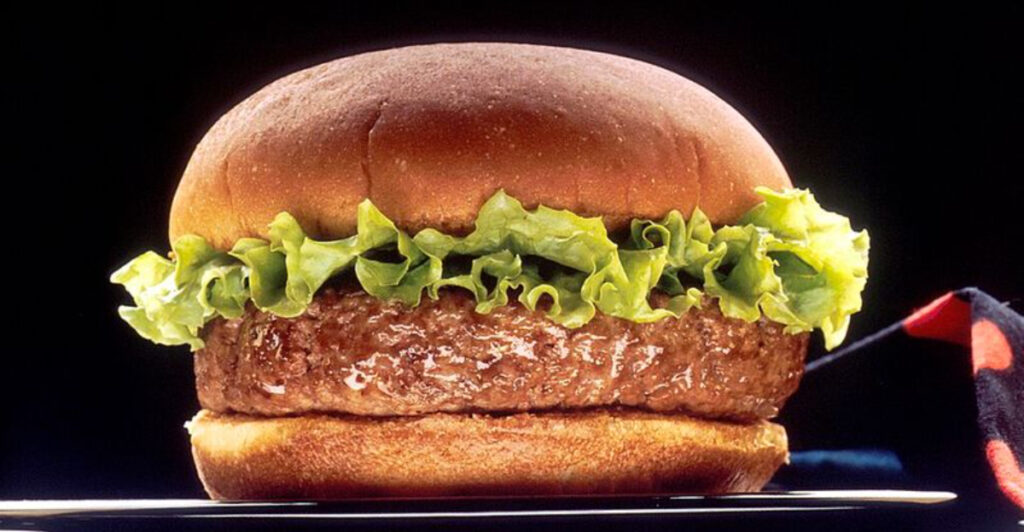
3. Americans Really Do Love Burgers
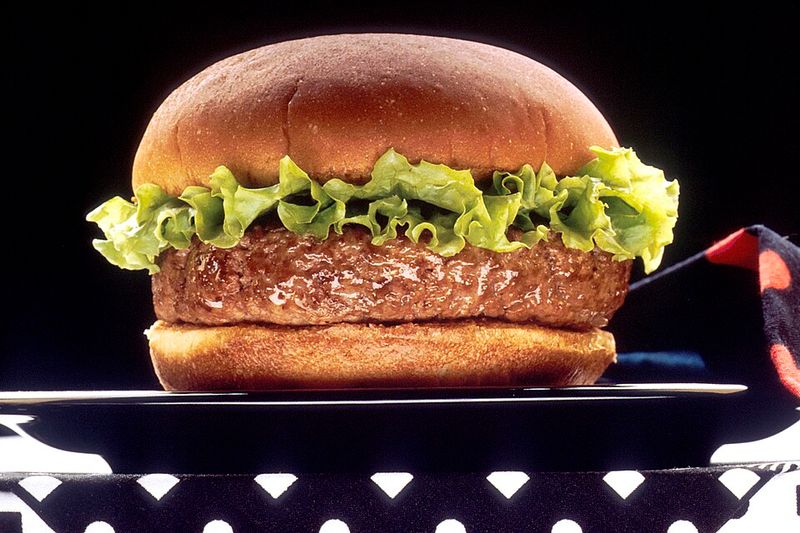
About 50 billion burgers are consumed in the United States every single year, according to industry estimates. That works out to roughly three burgers per person per week on average.
The hamburger has become so tied to American identity that it shows up at almost every cookout, diner menu, and fast food chain in the country.
The burger’s rise to cultural icon status happened gradually through the early 20th century. Diners and lunch counters made it affordable and quick, and it became the go-to meal for Americans on the move.
Today, gourmet burger restaurants have elevated the humble patty into something almost artistic, with creative toppings and house-made sauces.
Even plant-based versions have exploded in popularity, showing that the love of burgers has adapted to changing tastes. Whether beef, turkey, or veggie, the burger format remains the most recognizable symbol of American food culture around the globe.
4. Barbecue Is Taken Very Seriously
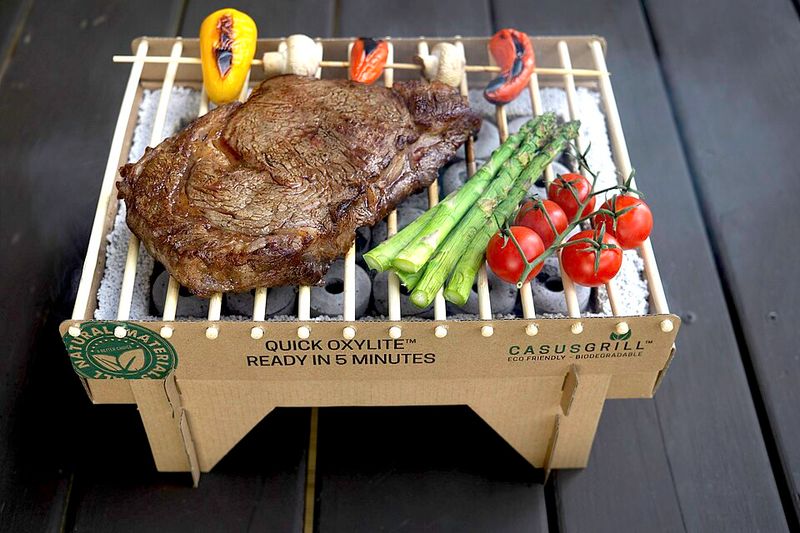
In many parts of the world, barbecue just means grilling meat outdoors. In America, barbecue is a philosophy, a regional identity, and for some people, a lifelong passion.
Pitmasters spend years perfecting their craft, and entire competitions are dedicated to crowning the best barbecue in the country.
Different regions have their own fiercely defended styles. Texas is famous for beef brisket smoked low and slow.
Kansas City is known for sweet, tomato-based sauces slathered over ribs. The Carolinas argue over mustard-based versus vinegar-based pulled pork, and that debate gets genuinely heated among locals.
Barbecue restaurants often have lines stretching out the door on weekends, and some of the most legendary spots sell out by early afternoon. The culture around it includes community, pride, and tradition passed down through generations.
Calling American barbecue “just grilling” is a quick way to start a lively argument with just about any Southerner.
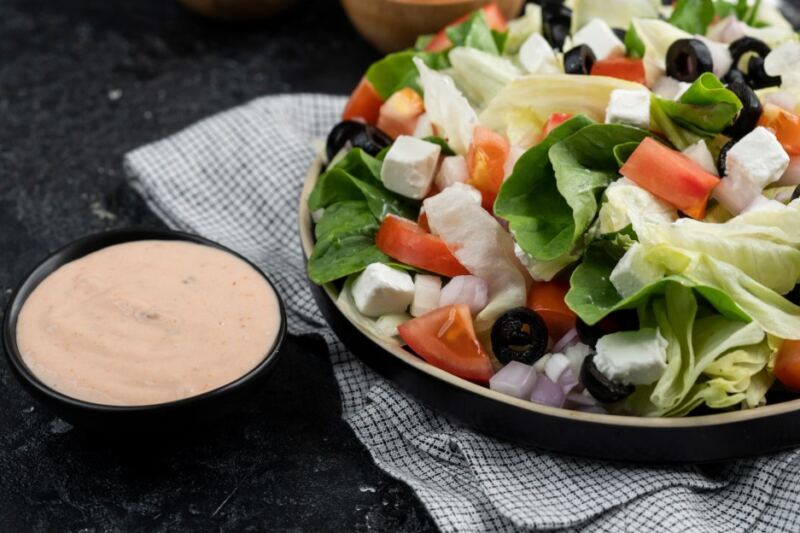
5. Ranch Dressing Goes on Almost Everything
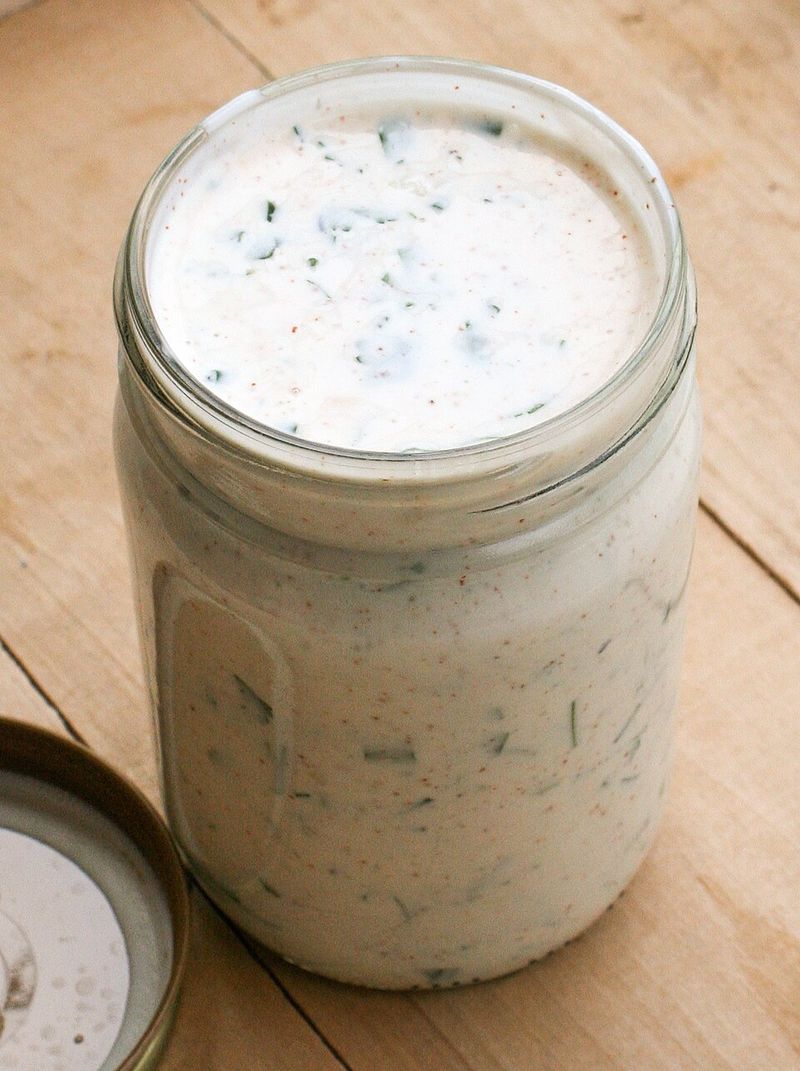
Ranch dressing was invented in the 1950s by a plumber-turned-rancher named Steve Henson while he was working in Alaska. He later bottled and sold the recipe at his California ranch, and Hidden Valley Ranch became a massive commercial success.
Today, ranch is the most popular salad dressing in the United States by a wide margin.
What makes this stereotype especially true is how far ranch has spread beyond salads. Americans dip pizza in it, pour it over chicken wings, use it as a burger topping, and even drizzle it on tacos.
Food brands have leaned into the obsession by releasing ranch-flavored chips, popcorn, sunflower seeds, and even ranch-flavored candy.
Visitors from other countries are often genuinely surprised to see ranch offered alongside almost every appetizer at casual dining restaurants. It has become a comfort flavor that feels as American as apple pie.
The ranch obsession is real, widespread, and shows absolutely no signs of slowing down.
6. Peanut Butter Is a Household Staple
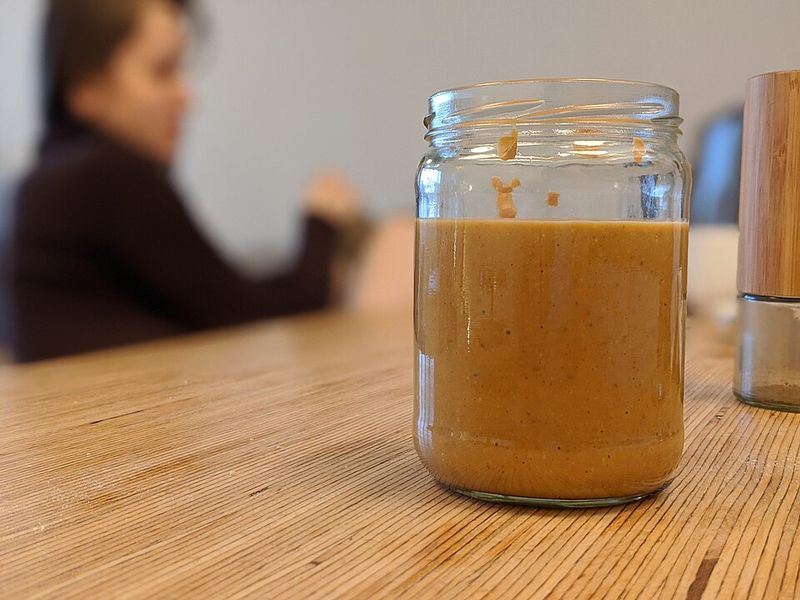
Ask almost any American adult about their childhood lunches and peanut butter will almost certainly come up. The peanut butter and jelly sandwich is so iconic that it has been estimated Americans eat about 700 million pounds of peanut butter every year.
It is hard to find a kitchen in the country without at least one jar in the cabinet.
Peanut butter’s popularity goes beyond sandwiches. It shows up in smoothies, oatmeal, cookies, sauces, and even savory dishes.
Peanut butter cups are one of the best-selling candy types in the country, and peanut butter ice cream is a beloved flavor at parlors nationwide.
Interestingly, peanut butter is far less common in many other parts of the world, which surprises Americans who consider it a basic necessity. Some cultures find the texture or flavor unusual.
But in the United States, it is comfort food, quick protein, and a nostalgic staple all rolled into one creamy, spreadable package.
7. Breakfast Can Be Both Huge and Sweet
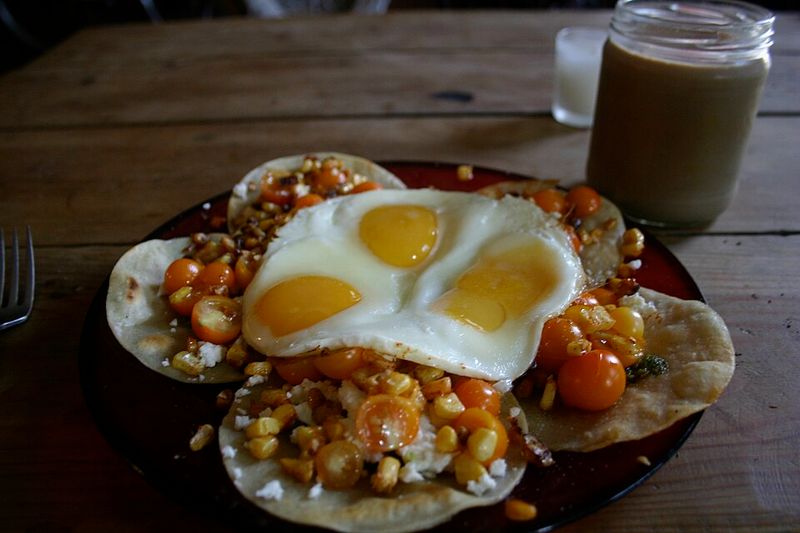
American breakfast menus can feel overwhelming to first-time visitors. Stacks of fluffy pancakes drowning in maple syrup sit alongside crispy bacon, scrambled eggs, hash browns, and biscuits smothered in gravy.
It is not unusual for a single breakfast plate to contain more calories than most people eat in an entire day elsewhere.
The sweet side of American breakfast is especially notable. Donuts, cinnamon rolls, French toast, and sugary cereals are all considered perfectly normal morning foods.
Many Americans grew up eating sugary cereals marketed directly to children, making sweetness a deeply nostalgic part of how breakfast feels.
Diner culture plays a huge role in keeping the big breakfast tradition alive. These casual, affordable restaurants serve breakfast all day long in many states, which tells you how much Americans value that meal.
Whether it is a quick bowl of cereal or a full diner spread, breakfast in America tends to lean toward generous and sweet.
8. Free Drink Refills Are Common at Restaurants
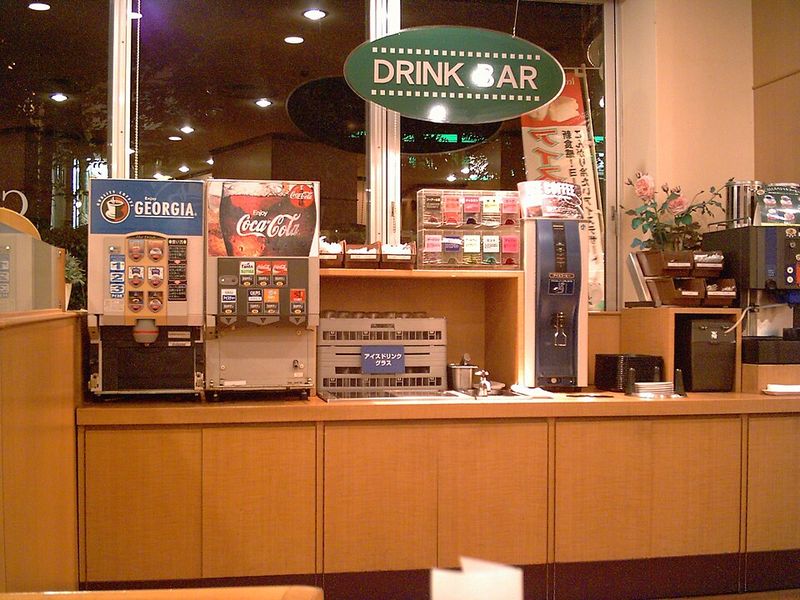
Free refills on soft drinks are so standard at American casual dining restaurants that most people do not even think about it. You sit down, order a soda, and the server or a self-serve fountain keeps filling it up at no extra charge.
It is simply expected as part of the dining experience.
This practice baffles many international visitors, who are used to paying for each drink individually. In Europe and many parts of Asia, a single soda with a meal is already considered a luxury addition to the bill.
The idea of unlimited refills for one flat price feels almost too good to be true to someone experiencing it for the first time.
The free refill model became popular in the mid-20th century as restaurant chains competed for customer loyalty. Soda syrup is inexpensive, so offering refills cost businesses very little while creating a perception of great value.
Today it remains a uniquely American hospitality habit that regular travelers genuinely notice and remember.
9. Americans Eat a Lot of Processed and Packaged Foods
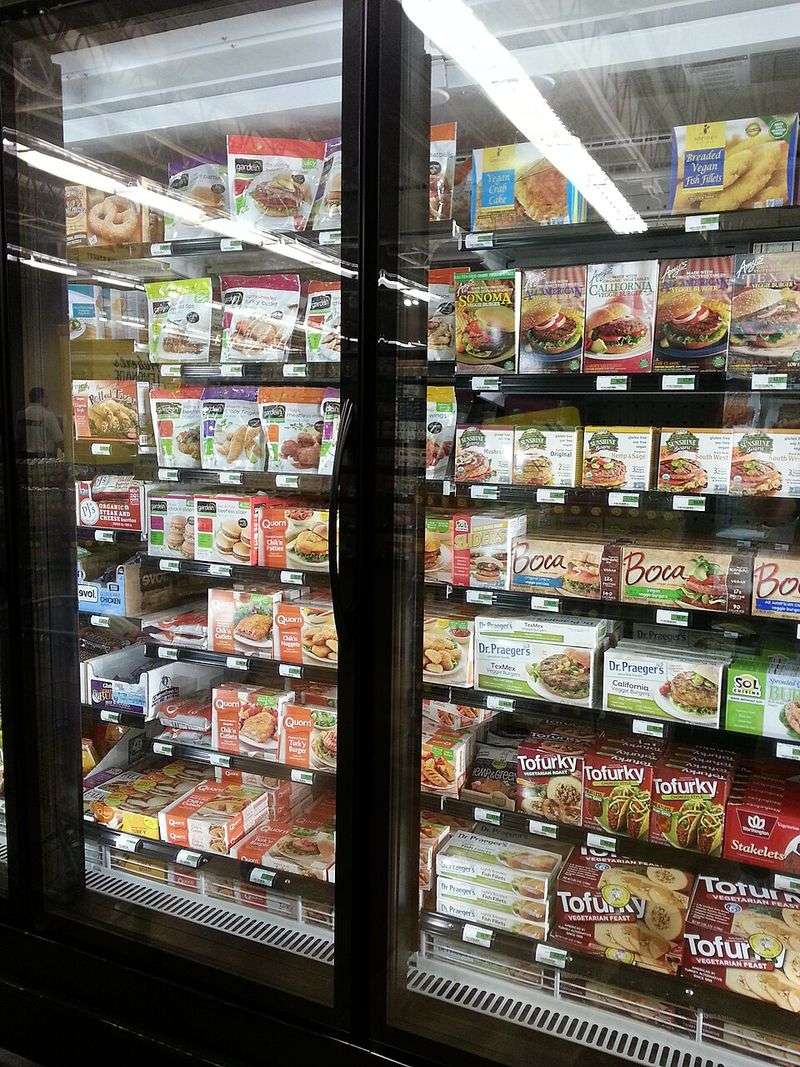
Walk through any American grocery store and the sheer number of packaged food options is staggering. Frozen dinners, boxed mac and cheese, canned soups, and individually wrapped snack cakes fill entire aisles.
Studies have shown that ultra-processed foods make up about 60 percent of the average American’s daily calorie intake.
This reliance on packaged food developed alongside a busy culture that prized convenience. As more households had both parents working full-time jobs, quick and easy meal options became essential.
Food companies responded by engineering products designed to be fast, tasty, and shelf-stable for long periods.
There is growing awareness about the health impacts of heavily processed diets, and many Americans are actively trying to eat more whole foods. Farmers markets and meal prep trends have gained real momentum in recent years.
Still, the packaged food industry remains massive, and the stereotype of Americans reaching for a box or a bag at mealtime is grounded firmly in reality.
10. Cheese Gets Added to an Enormous Variety of Dishes
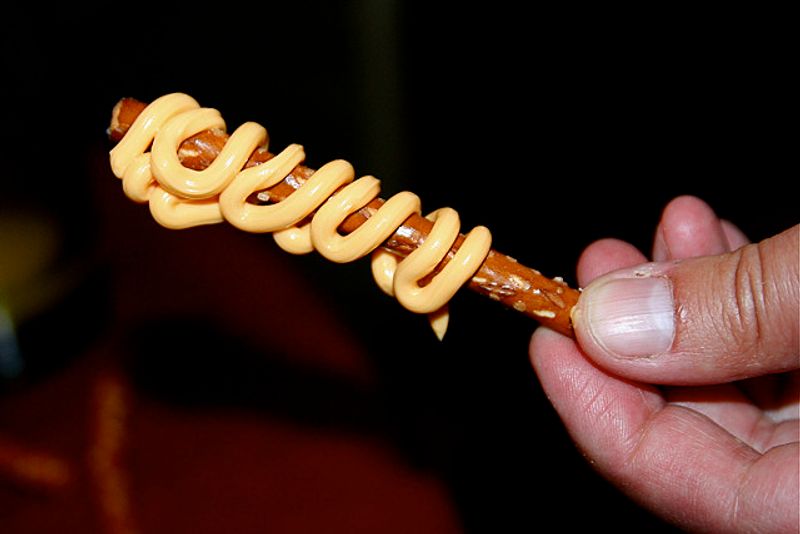
Cheese is not just an ingredient in American cooking; it is practically a default topping. Burgers, fries, nachos, omelets, soups, and casseroles all tend to come loaded with melted cheese.
The United States produces more cheese than any other country in the world, and Americans consume an average of about 40 pounds of cheese per person each year.
Mac and cheese holds a special place in the American food heart, appearing as both a humble boxed meal and an upscale restaurant dish. Cheese fries are a beloved snack at sporting events and fairs.
Even dishes that might not traditionally include cheese, like certain salads or tacos, often get a generous sprinkle added on top.
The variety of cheeses used has also grown significantly. While processed American cheese slices remain popular for their meltability, sharper cheddars, pepper jack, brie, and gouda have all found their way into mainstream American kitchens.
Cheese is simply everywhere, and most Americans would not have it any other way.
11. Deep-Fried Foods Are Especially Popular at Fairs and Festivals
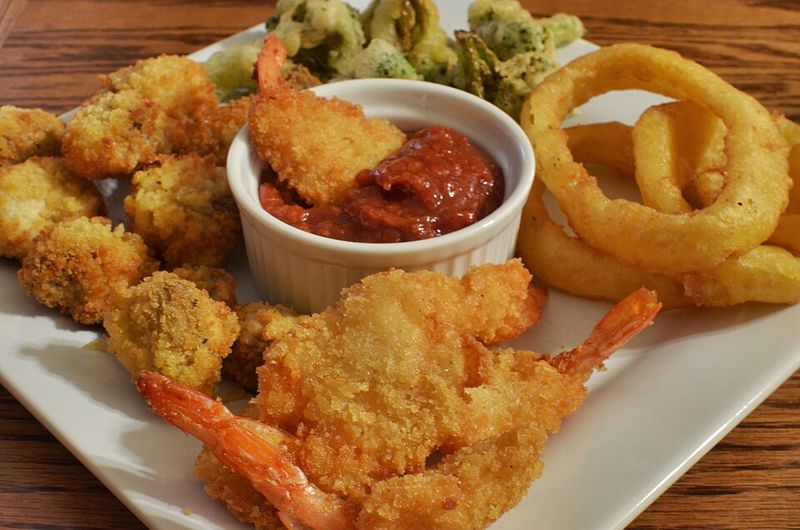
State fairs in America have become legendary for their creative deep-fried offerings. Funnel cakes and corn dogs have been around for decades, but fair vendors now compete to outdo each other with inventions like deep-fried butter, deep-fried Oreos, deep-fried Kool-Aid, and even deep-fried bacon-wrapped macaroni and cheese on a stick.
The Texas State Fair is particularly famous for its annual fried food competition, where chefs submit wildly creative entries judged by a panel. Winning a “Best Taste” ribbon at that fair is considered a serious achievement in the world of fair food.
Thousands of visitors come specifically to sample the newest fried creation each year.
This love of fried festival food goes beyond novelty. It taps into something celebratory and communal about American culture.
Fairs are associated with summer, family, and fun, and indulgent food is a central part of that experience. Deep-fried everything at a fair is not just a stereotype; it is a cherished annual tradition millions genuinely look forward to.
12. Thanksgiving Dinner Really Is a Massive Food Event
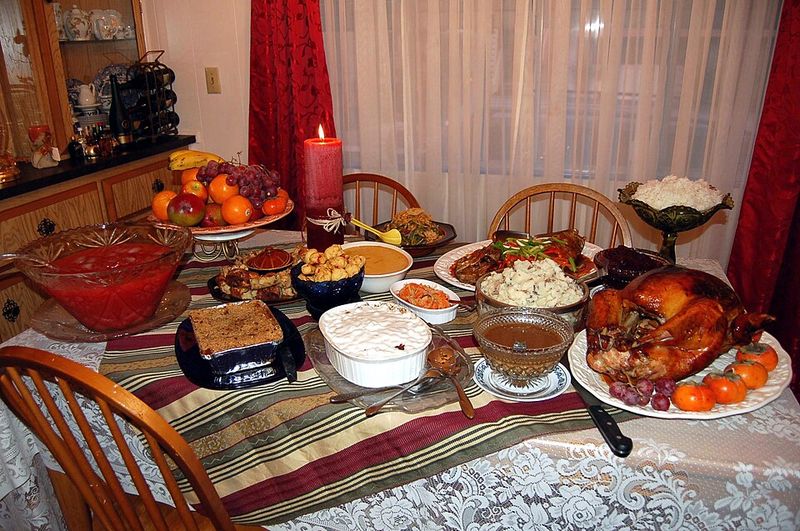
Thanksgiving is perhaps the most food-centered holiday in American culture, and the scale of the meal is no exaggeration. The average Thanksgiving dinner table features roast turkey, mashed potatoes, stuffing, gravy, cranberry sauce, sweet potato casserole, green bean casserole, rolls, and multiple pies.
Preparing it can take days of planning and cooking.
The National Turkey Federation reports that about 46 million turkeys are consumed on Thanksgiving each year in the United States alone. Grocery stores see some of their busiest shopping days in the week leading up to the holiday.
Families often travel across the country just to sit at the same table for this one meal.
Beyond the food itself, Thanksgiving has become a cultural ritual tied to gratitude, family, and tradition. Arguments about whose pie recipe is better or how the stuffing should be made are part of the experience.
The meal is not just big in terms of portions; it is enormous in emotional and cultural significance for Americans everywhere.
13. Regional Food Differences Are Enormous
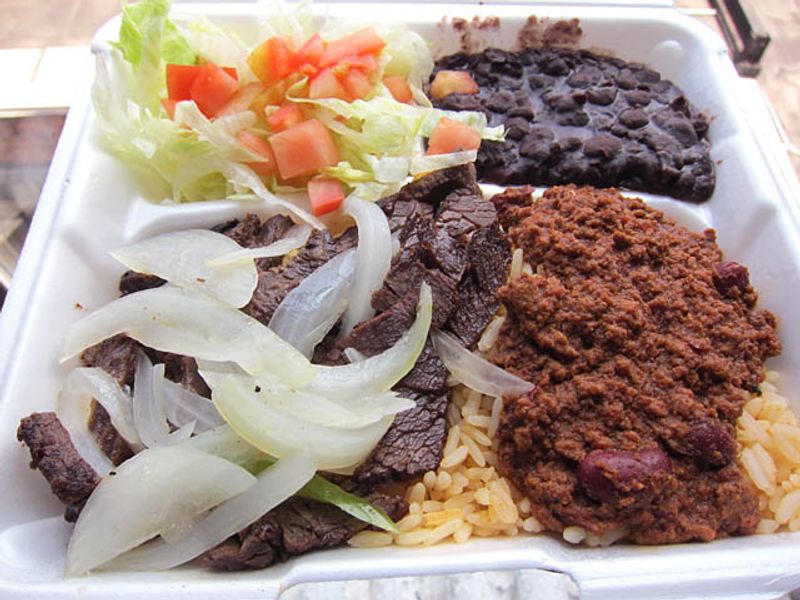
Saying you want “American food” without specifying a region is a bit like saying you want “European food” without mentioning a country. The United States is geographically enormous, and the food traditions in different parts of the country are remarkably distinct.
What counts as comfort food in Louisiana has almost nothing in common with what comforts someone in Maine.
New England is known for clam chowder and lobster rolls. The South is celebrated for fried chicken, biscuits, and collard greens.
The Southwest brings bold flavors from Tex-Mex cuisine. Chicago has its own style of deep-dish pizza that New Yorkers will passionately argue is not real pizza at all.
These regional differences come from geography, climate, immigration patterns, and local history. They make American food far more complex and interesting than the fast food stereotype suggests.
Exploring regional American cuisine is genuinely one of the most rewarding food adventures a traveler can have anywhere in the world.
14. Convenience Plays a Major Role in Everyday Eating
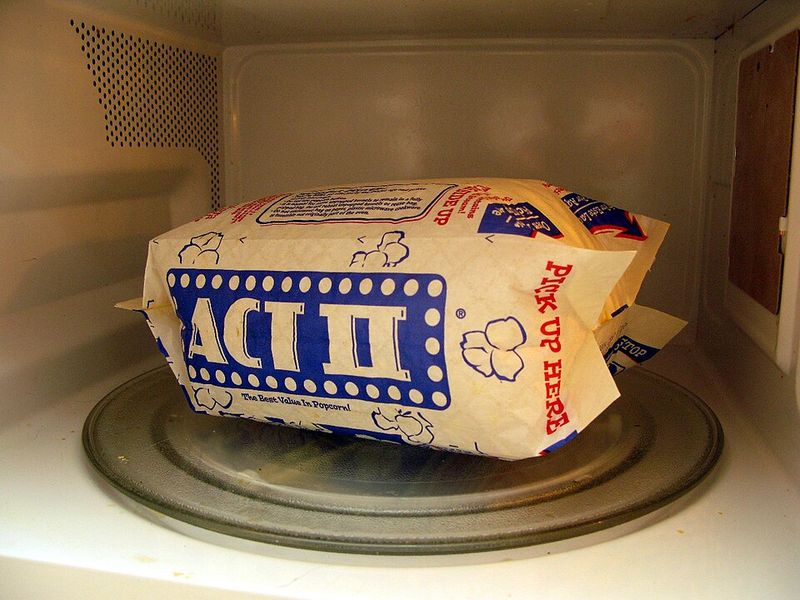
Speed and ease have shaped American eating habits more than almost any other factor. Microwaveable meals, drive-throughs, meal kit deliveries, and grocery store rotisserie chickens all exist because Americans are busy and often prioritize getting food on the table fast over spending hours cooking from scratch.
This is not laziness; it reflects the real demands of modern life.
The convenience food industry in the United States is worth hundreds of billions of dollars annually. Frozen meals, pre-cut vegetables, ready-made sauces, and grab-and-go snacks dominate store shelves because they genuinely sell.
Even coffee culture leans into convenience, with drive-through coffee shops and single-serve pod machines found in millions of homes.
Interestingly, the pandemic-era cooking boom showed that many Americans do enjoy cooking when they have time. But on an average Tuesday evening after work, school pickups, and homework, convenience wins.
The stereotype that Americans eat on the go or heat things up quickly is not a criticism; it is a reflection of a genuinely fast-paced way of life.
15. American Cuisine Borrows Heavily from Immigrant Food Traditions
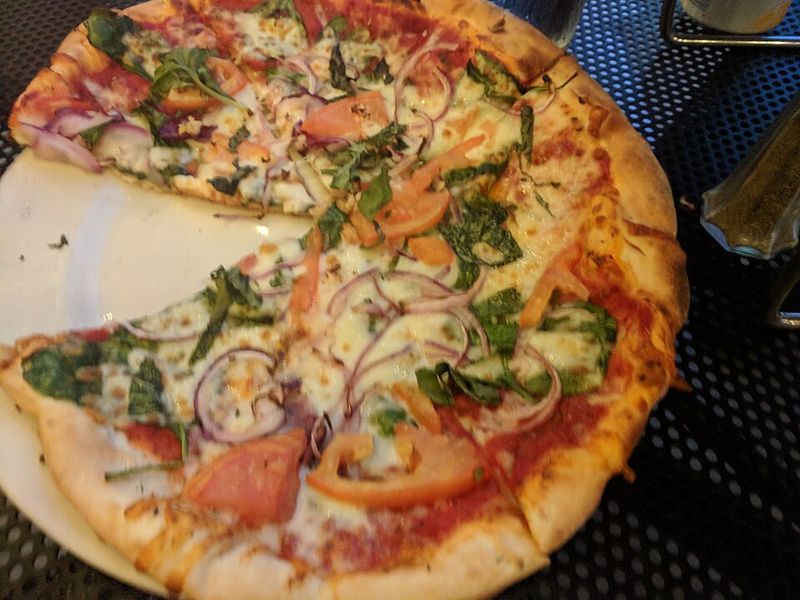
Hot dogs came from German immigrants. Pizza was brought by Italians.
Tacos and burritos reflect the deep influence of Mexican culture. Dumplings, sushi, and pho have all become mainstream American restaurant staples.
The United States has always been a nation of immigrants, and the food on American tables reflects that history in the most delicious way possible.
Each wave of immigration left a lasting mark on American food culture. Chinese laborers who built the transcontinental railroad introduced cooking styles that evolved into American Chinese cuisine.
Jewish immigrants popularized bagels and deli sandwiches. West African culinary traditions, brought over through the horrors of slavery, shaped much of Southern cooking, from collard greens to certain frying techniques.
What Americans call their own food is really a living, evolving blend of global traditions adapted over generations. This borrowing and blending is one of the most genuinely exciting things about American food.
Far from being simple or bland, the cuisine tells the story of an entire world coming together in one country.
Share this story