Food has always been one of the best reasons to travel. Whether you are wandering through a crowded market, sitting at a counter watching a chef work, or grabbing something wrapped in paper from a street vendor, what you eat tells you more about a place than any guidebook ever could.
In 2026, the world’s best food cities are delivering all of that and more, blending centuries of culinary tradition with modern creativity. From Lima to Osaka, Bangkok to Cape Town, these cities are not just destinations for food lovers.
They are places where every meal feels like it means something. This list covers 15 spots around the world where the food scene is genuinely worth booking a flight for, whether you are chasing Michelin-starred tasting menus, legendary street sandwiches, or ancient market stalls that have been feeding locals for generations.
Maido, Lima, Peru
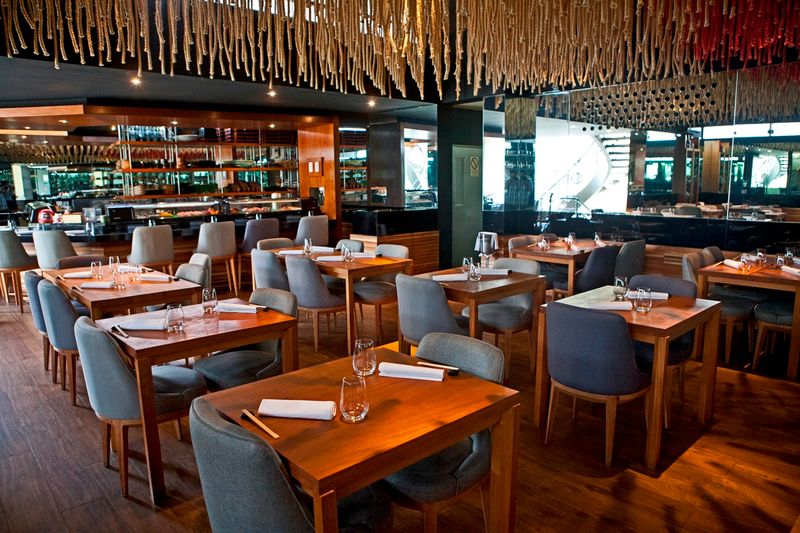
Peru’s capital has quietly become one of the most exciting food cities on the planet, and Maido is a big reason why. Chef Mitsuharu Tsumura runs this celebrated Lima restaurant, where Japanese technique meets Peruvian ingredients in a style known as Nikkei cuisine.
The result is a tasting menu that feels genuinely unlike anything else in the world.
Dishes at Maido have included things like sea urchin rice and slow-cooked short rib with Andean touches, all executed with precision and care. The restaurant has ranked among the top spots on the World’s 50 Best Restaurants list multiple times, which reflects just how seriously the global food community takes what is happening here.
Lima’s food culture runs deep, and Maido sits at the top of it. Reservations are essential and fill up fast, so planning ahead is the only way to guarantee a seat at this table.
Jay Fai, Bangkok, Thailand
Bangkok’s street food scene is legendary, but Jay Fai stands in a category of her own. The woman behind the wok, Supinya Junsuta, has been cooking on Mahachai Road for decades, and in 2018 she became the first street food vendor in Thailand to earn a Michelin star.
She still cooks every dish herself, wearing her signature ski goggles to protect her eyes from the charcoal flames.
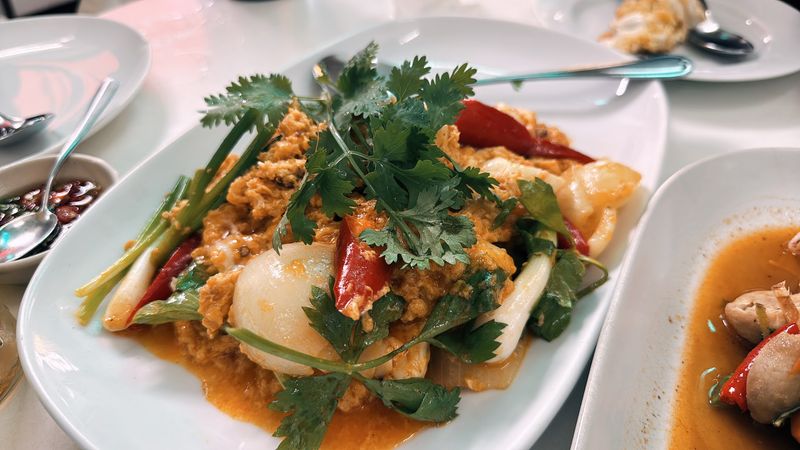
The menu is short and focused. The crab omelette is the dish most visitors come for, a thick, golden shell packed with fresh crab meat that takes real skill to pull off.
Dry tom yum with seafood is another standout that regulars return for.
Lines form early and the wait can be long, but the experience is completely authentic. Jay Fai is not a tourist attraction dressed up as street food.
It is street food that earned global recognition the hard way, one wok at a time.
Pujol, Mexico City, Mexico
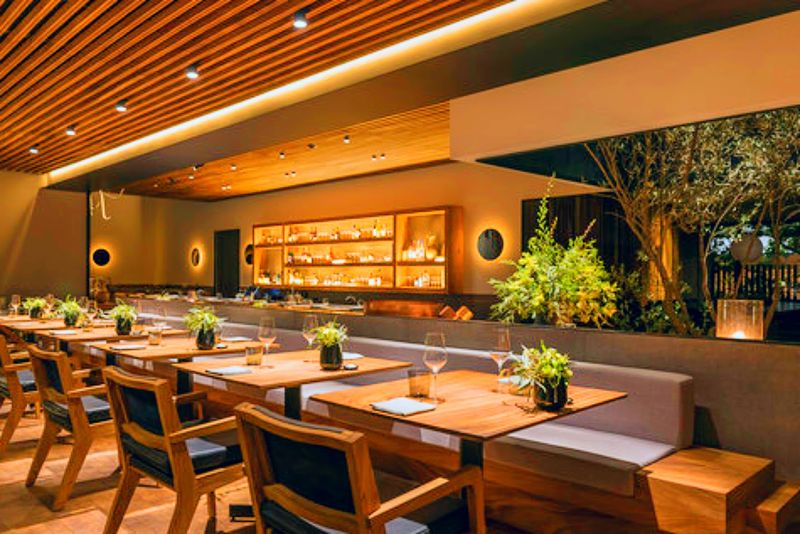
Mexico City has exploded onto the global dining map over the past decade, and Pujol has been leading that conversation for most of it. Chef Enrique Olvera opened the restaurant in 2000, and it has since become one of the most respected dining destinations in Latin America.
The menu draws entirely from Mexican culinary tradition, but the approach is modern, thoughtful, and deeply researched.
The mole madre is the dish that gets talked about most often. It is a mother mole that has been continuously cooking and evolving for years, served alongside a freshly made mole for contrast.
That kind of commitment to technique and tradition is what separates Pujol from a standard fine dining experience.
The restaurant is located in the Polanco neighborhood and seats a limited number of guests each service. Reservations open up online and move quickly.
Mexico City’s taco stands are great, but Pujol shows what happens when Mexican cuisine gets treated with the same seriousness as any European kitchen.
Borough Market, London, England
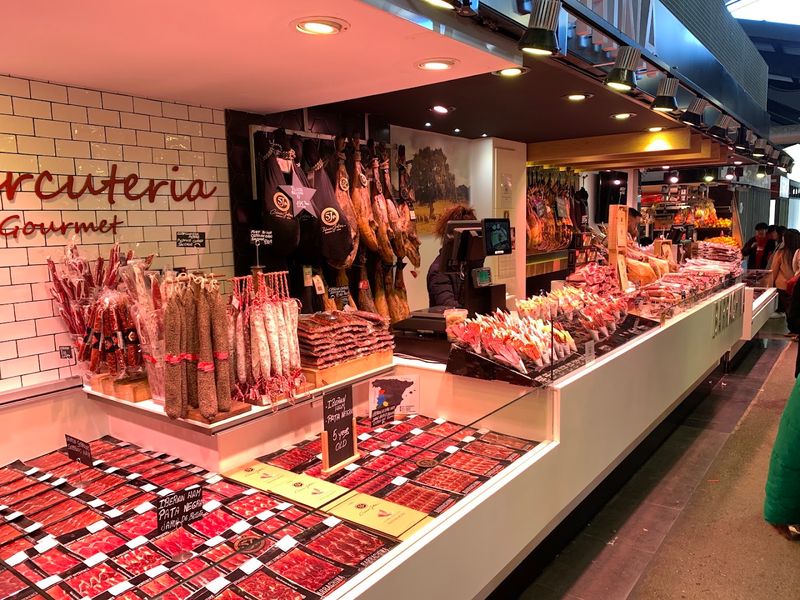
Borough Market has been feeding Londoners in some form since the 13th century, which makes it one of the oldest food markets in Britain. Located near London Bridge in Southwark, it has grown from a wholesale produce market into one of the most visited food destinations in Europe.
What makes it work is the mix of serious quality and genuine variety.
On any given visit you might find freshly baked sourdough from Neal’s Yard Dairy neighbors, raw milk cheeses, charcuterie from small British producers, salt beef bagels, and hot rotisserie meats. The market runs Thursday through Saturday with full stall access, and Wednesdays offer a more limited but still worthwhile visit.
It draws tourists and locals alike, which keeps the energy high and the competition among vendors strong. The quality bar across most stalls is genuinely high.
Borough Market is the kind of place where you plan to grab one thing and leave two hours later having eaten your way through half the building.
Mercat de la Boqueria, Barcelona, Spain
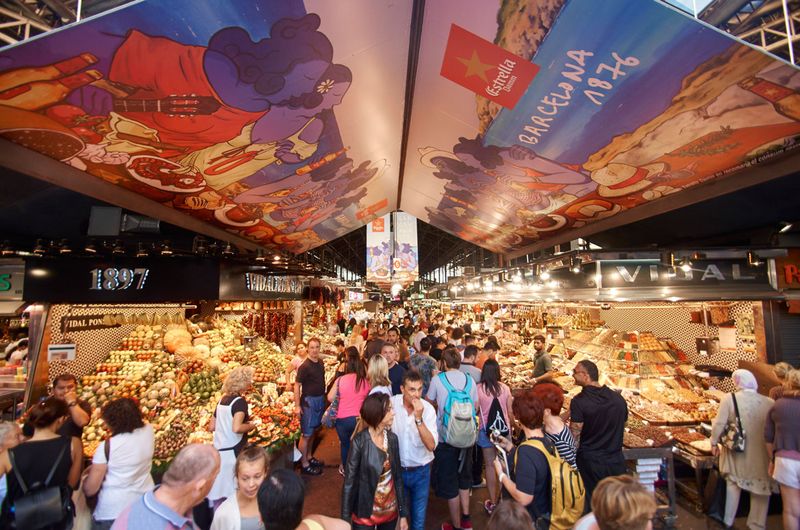
Right off Las Ramblas in central Barcelona, La Boqueria is one of the most photographed markets in the world. The iron-and-glass structure dates back to the 19th century, and while the market has been around even longer, the current building gives it a grand, open feel that makes the food displays look almost theatrical.
Fresh fruit cups, jamón ibérico, seafood tapas, and local cheeses are among the most popular stops. The market has faced some criticism in recent years for catering heavily to tourists, and it is true that some stalls now skew toward convenience over quality.
That said, the vendors deeper inside the market, away from the main entrance, still offer some of the best fresh produce and seafood in the city.
Going early on a weekday gives you the best experience and the most honest version of the market. Barcelona’s food culture is strong enough to support many great eating spots, but La Boqueria remains a useful and historically rich starting point for any food-focused visit.
Bánh Mì Huynh Hoa, Ho Chi Minh City, Vietnam
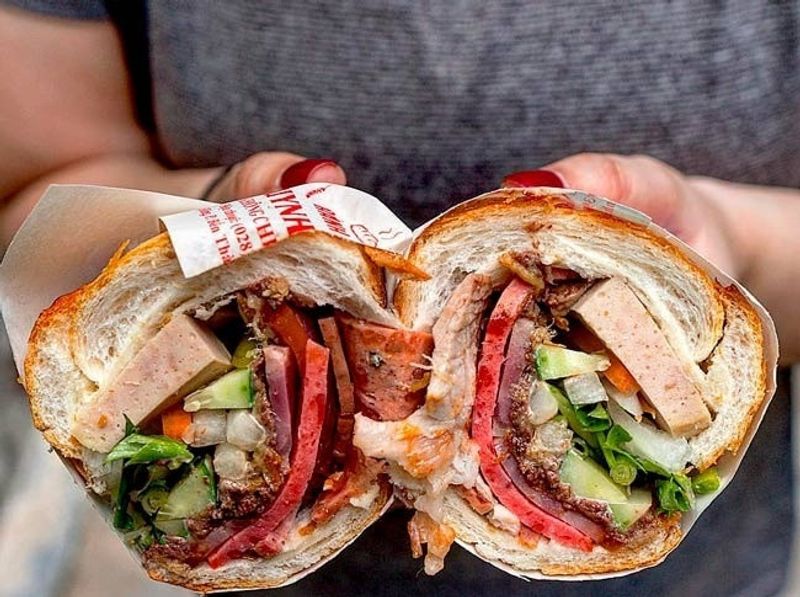
Bánh mì is one of Vietnam’s great gifts to world food culture, and Bánh Mì Huynh Hoa on Le Thi Rieng Street is widely considered the gold standard in Ho Chi Minh City. The shop has been operating for decades and draws a line of customers almost every hour it is open.
That kind of sustained demand says something real about what they are doing.
The sandwich is loaded generously, filled with multiple types of Vietnamese cold cuts, house-made pate, pickled daikon and carrot, fresh herbs, and chili. The bread is baked to order and has the right crisp exterior with a soft, airy interior that holds everything together without getting soggy.
Prices remain very affordable, which is part of why locals and visitors both show up in equal numbers. Ho Chi Minh City has no shortage of good bánh mì spots, but Huynh Hoa has built a reputation over time that puts it in a different conversation.
Arriving before the lunch rush helps cut the wait significantly.
Marché des Enfants Rouges, Paris, France
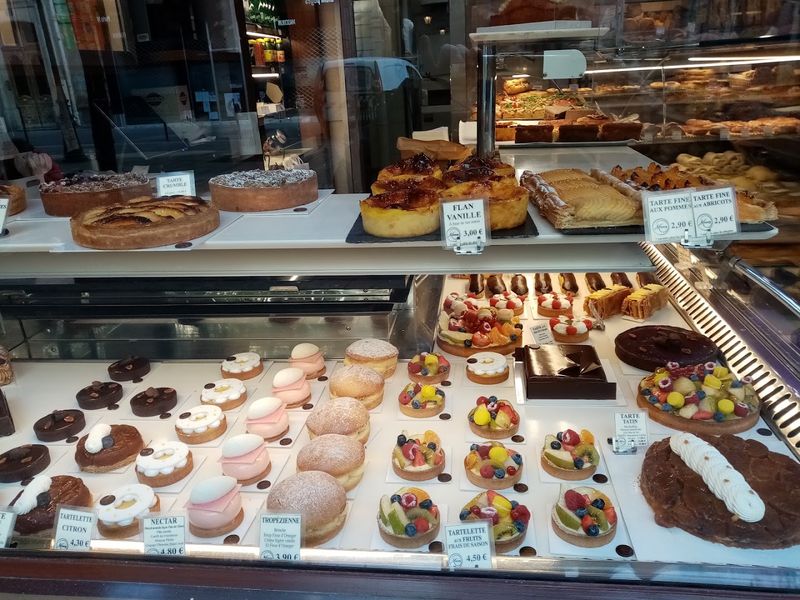
Paris has plenty of famous markets, but Marché des Enfants Rouges in the Marais neighborhood holds a distinction that most visitors do not know about. It is the oldest covered market in Paris, with origins dating back to 1615.
The name refers to an orphanage that once stood nearby, where children wore red uniforms.
What makes this market special in 2026 is how genuinely multicultural the food stalls are. On a single visit you can eat Moroccan couscous, Japanese bento, Lebanese food, fresh French oysters, and homemade crepes, all within a few steps of each other.
It is casual, tight on space, and very popular on weekend mornings.
The market is open Tuesday through Sunday, with Sunday morning being the busiest and most lively time to visit. It is small enough to feel personal but varied enough to spend real time exploring.
For anyone spending a few days in Paris, this is a far more interesting meal than most restaurant reservations in the same area.
Varvakios Central Market, Athens, Greece
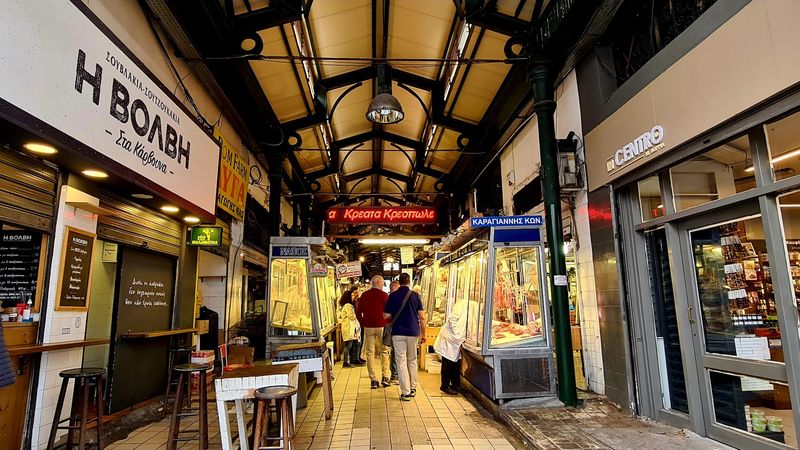
Athens does not always get the food city recognition it deserves, but anyone who has spent time eating their way through the Greek capital knows the depth of what is available. Varvakios Central Market, located on Athinas Street near Monastiraki, is the city’s main meat and fish market and has been running since the 1880s.
The fish hall is the part most visitors remember. Whole sea bream, red mullet, octopus, clams, and whatever else came in fresh that morning are laid out in long, open displays.
The meat section runs alongside it, where butchers handle everything from whole lamb to offal with practiced efficiency.
Around the market’s perimeter, small tavernas and lunch spots serve food that is directly tied to what is sold inside, which means the freshness is built into the meal. Athens has a growing modern restaurant scene, but Varvakios is the kind of place that reminds you the city’s food culture runs far deeper than any recent trend.
Time Out Market Lisboa, Lisbon, Portugal
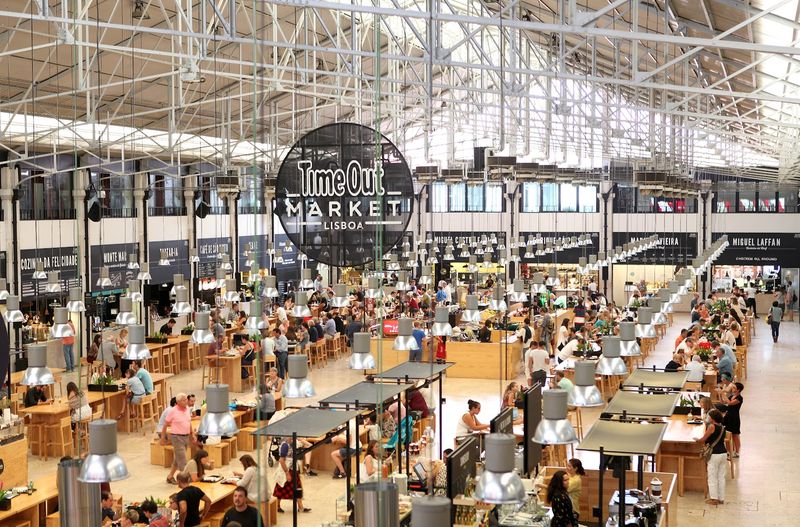
When Time Out Market Lisboa opened in 2014 inside the historic Mercado da Ribeira, it introduced a format that has since been copied in cities around the world. The concept is straightforward: gather some of the best chefs and food concepts in the city under one roof and let people eat their way through the menu in a relaxed, communal setting.
The Lisbon location remains the original and, for many food travelers, still the best. Stalls rotate over time, but the emphasis is consistently on quality Portuguese cooking.
Bacalhau preparations, grilled seafood, bifanas, and pastéis de nata are among the things you are likely to find on any visit.
The market sits along the Tagus River in the Cais do Sodré neighborhood, which makes it easy to combine with a walk along the waterfront. It opens early and runs late, which gives it a flexibility that restaurant dining does not always offer.
For a first day in Lisbon, this is one of the smartest places to start building your understanding of what the city likes to eat.
Mizuno, Osaka, Japan
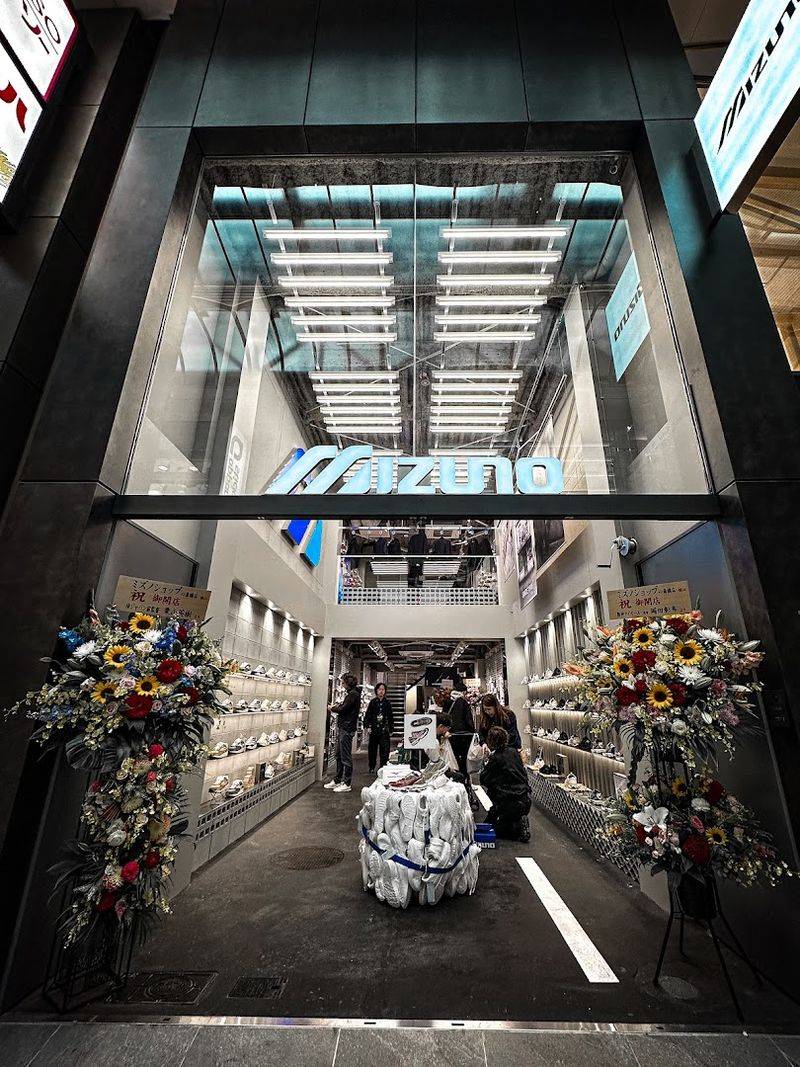
Osaka has a reputation in Japan as the nation’s kitchen, a city where eating is taken seriously and locals are famously particular about quality. Mizuno, located in the Dotonbori district, has been serving okonomiyaki since 1945, making it one of the oldest and most respected spots for this savory Japanese pancake in the city where the dish is most at home.
Okonomiyaki translates loosely to “grilled as you like it,” and Mizuno’s version uses Osaka-style preparation, where the ingredients are mixed together rather than layered as in the Hiroshima style. The batter is built around cabbage and egg, with options that include pork, shrimp, squid, and cheese.
Diners cook on teppan griddles built into the tables, which makes the meal interactive and unhurried. Mizuno is not the cheapest option in Dotonbori, but it is one of the most consistent.
The restaurant’s longevity in a neighborhood full of competition is a reliable indicator that the food earns its reputation on its own terms.
Vidyarthi Bhavan, Bengaluru, India
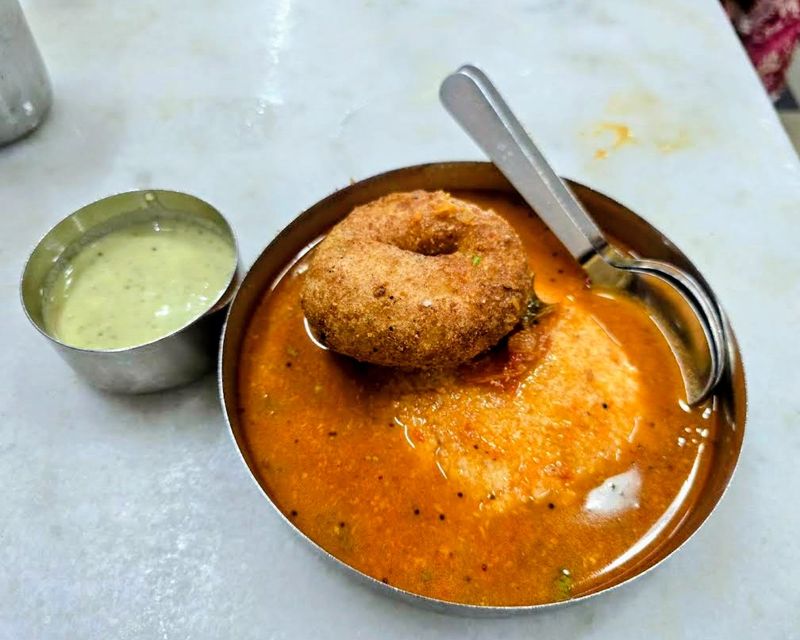
Opened in 1943 in the Gandhi Bazaar neighborhood of Bengaluru, Vidyarthi Bhavan is the kind of institution that defines a city’s food identity. The restaurant has barely changed in eight decades.
The same recipes, the same no-frills setup, and the same crowd of regulars who have been coming here since childhood make it one of the most authentic South Indian breakfast spots anywhere in the country.
The masala dosa is what most people come for. It arrives crispy at the edges, golden across the surface, and filled with a spiced potato mixture that has a consistency and flavor that regular visitors will tell you cannot be replicated elsewhere.
Coconut chutney and sambar come alongside it.
The restaurant is open only for breakfast and lunch, and the lines on weekends can stretch out the door. Service is fast and efficient, and the prices remain genuinely low.
Vidyarthi Bhavan is not trying to be trendy. It is simply doing what it has always done, and that consistency is exactly why it still matters.
L’Antica Pizzeria da Michele, Naples, Italy
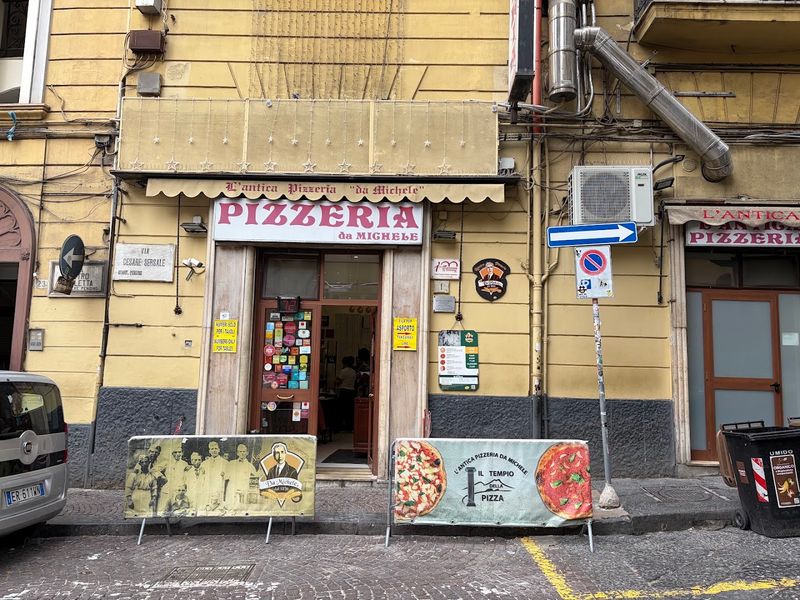
Naples is the birthplace of pizza, and L’Antica Pizzeria da Michele, open since 1870, is one of the oldest and most debated pizzerias in the city. The menu has always been intentionally limited.
For most of its history, the restaurant served only two pizzas: the marinara and the margherita. That kind of focus is either a philosophy or a provocation, depending on who you ask.
The margherita here is made with San Marzano tomatoes, fior di latte mozzarella, and fresh basil on a dough that goes into a wood-fired oven and comes out soft, slightly charred at the edges, and nothing like what most of the world calls pizza.
The restaurant on Via Cesare Sersale in the Forcella neighborhood draws long lines that move at a steady pace. There are no reservations, no frills, and no distractions from the main event.
For anyone visiting Naples, eating here is less a tourist activity and more an education in what the dish is actually supposed to be.
Katz’s Delicatessen, New York City, New York
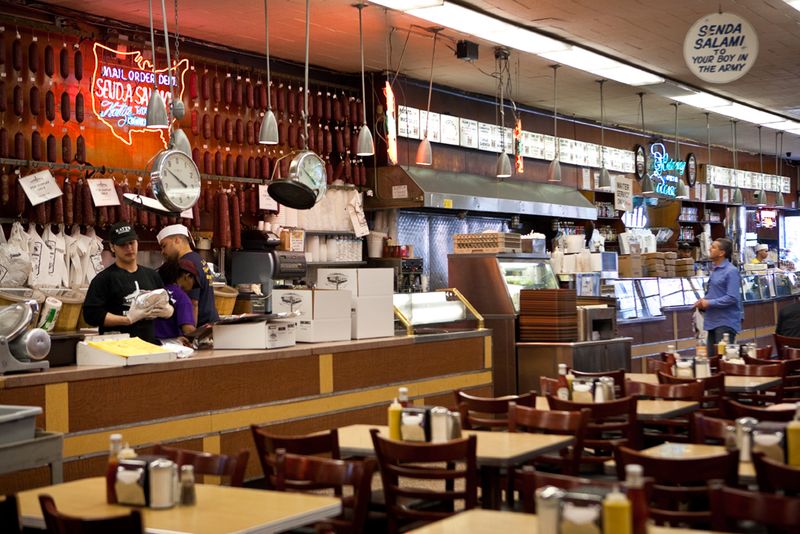
Few eating establishments in America carry as much history as Katz’s Delicatessen on the Lower East Side of Manhattan. Open since 1888, it has survived more than a century of change in a neighborhood that has transformed dramatically around it.
The deli format, the hand-carved meats, and the ordering system with numbered tickets have stayed remarkably consistent through all of it.
The pastrami sandwich is the centerpiece of the menu and the reason most people make the trip. The meat is cured and smoked in-house, hand-carved to order, and piled onto rye bread with yellow mustard.
The portion size is substantial, and sharing is a reasonable strategy for first-time visitors.
Katz’s is loud, busy, and not particularly efficient, but that is part of what makes it feel real. The walls are covered in photos and signed memorabilia that document decades of visits from public figures and regular New Yorkers alike.
For a city that reinvents itself constantly, Katz’s is one of the places that reminds you some things are worth keeping exactly as they are.
Tim Ho Wan, Hong Kong, Hong Kong
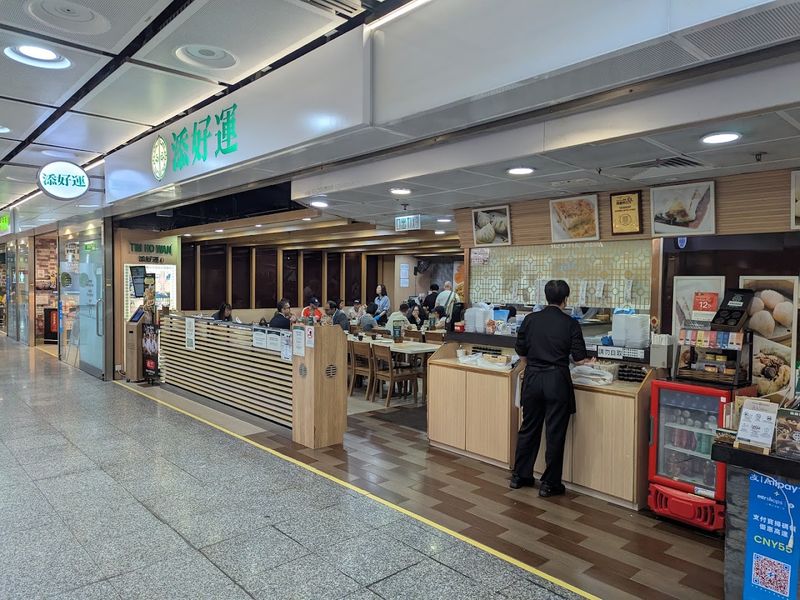
Tim Ho Wan started as a tiny dim sum shop in Mong Kok and became famous almost immediately after opening in 2009, when it earned a Michelin star and the title of one of the most affordable Michelin-starred meals in the world. That combination of quality and accessibility is genuinely rare in fine dining recognition, and it turned the restaurant into a global reference point for what dim sum can be.
The baked BBQ pork buns are the dish that built the reputation. They have a slightly sweet, crumbly pastry exterior that is different from the steamed version found at most dim sum spots, and the filling is rich and well-seasoned.
Har gow, siu mai, and cheung fun round out the core menu offerings.
The original Hong Kong locations remain the most authentic experience, though Tim Ho Wan has expanded internationally. Going early or arriving at an off-peak time helps manage the wait.
Hong Kong’s dim sum culture is one of the richest in the world, and Tim Ho Wan is a practical and genuinely rewarding entry point into it.
Gold Restaurant, Cape Town, South Africa
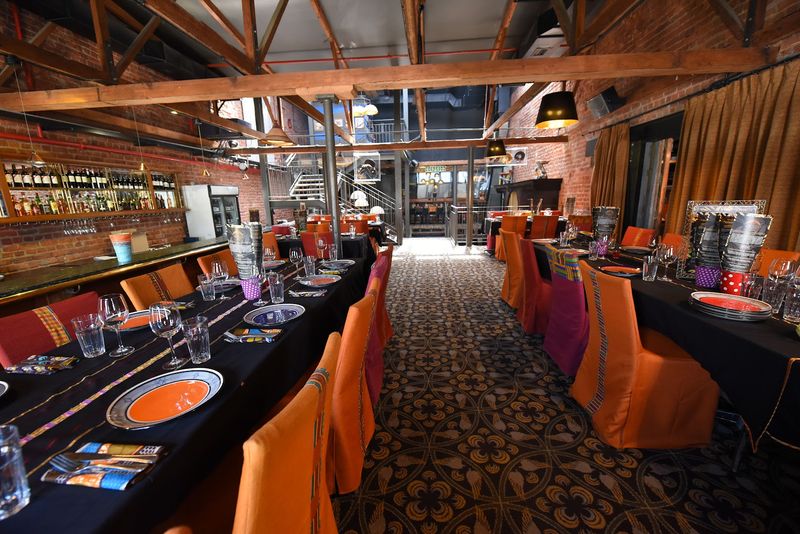
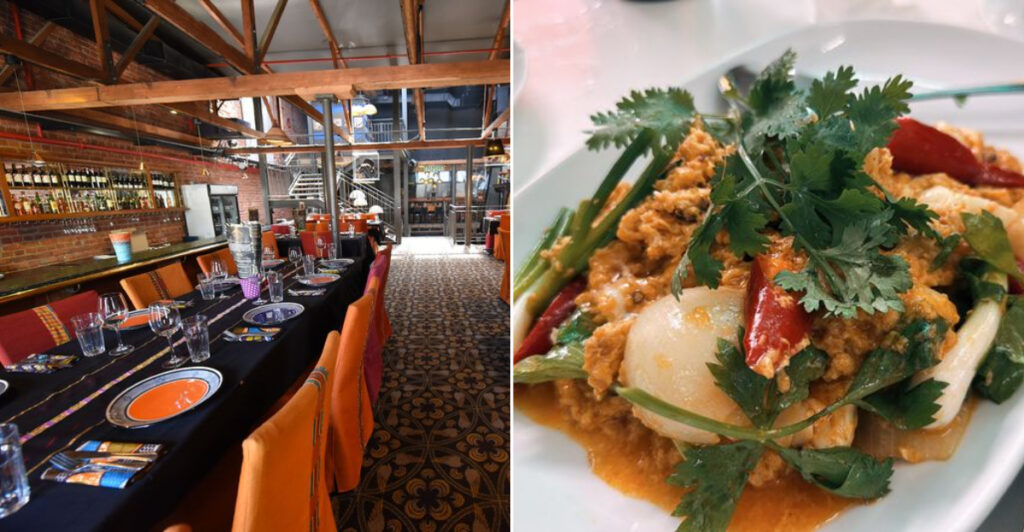
Cape Town’s food scene draws from an unusually wide range of culinary traditions, shaped by indigenous Southern African cooking, Cape Malay influences, and European settlement history. Gold Restaurant on Bennett Street in the De Waterkant neighborhood puts all of that on one table in a format that is part meal, part cultural experience.
The restaurant serves a multi-course sharing menu that rotates through dishes from across the African continent. Expect things like bobotie, Cape Malay curry, pap, and a range of other preparations that vary by season and availability.
The meal is accompanied by drumming and live performance, which makes the setting more theatrical than a standard dinner service.
Gold is a good choice for visitors who want context alongside their meal, a way of understanding what they are eating and where it comes from. It works well for groups and is popular for special occasions.
Cape Town has no shortage of excellent restaurants, but Gold offers a specific kind of experience that is harder to find anywhere else on the continent.
Share this story