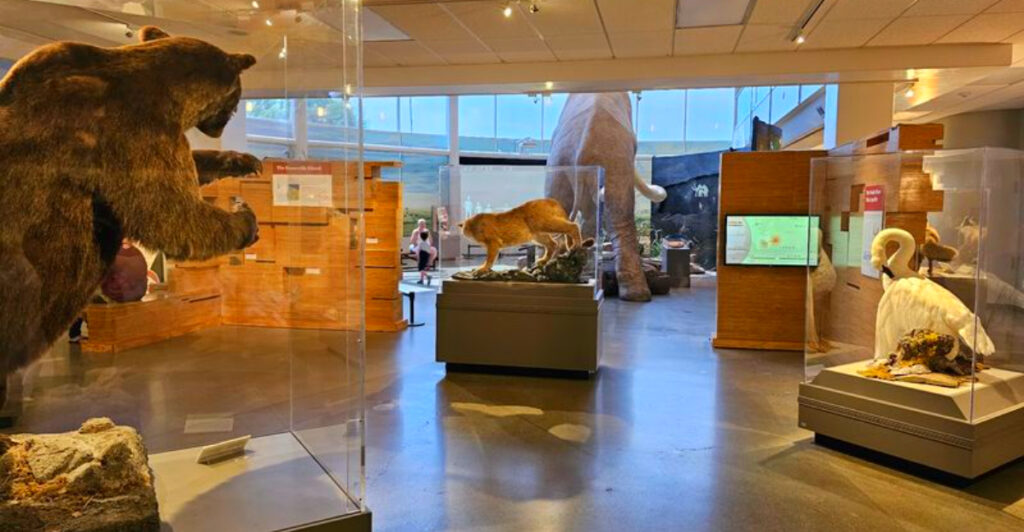
In the heart of downtown Idaho Falls, one remarkable museum brings together prehistoric giants, frontier history, groundbreaking science, and fascinating cultural stories under one roof. Visitors come to stand beside a life-size Columbian mammoth, stroll through a recreated frontier town, explore interactive exhibits, discover Idaho’s rich heritage, and experience world-class traveling exhibitions that change throughout the year. It’s the kind of place where every gallery reveals something unexpected, making it easy to spend far longer inside than you originally planned.
The experience extends far beyond the permanent exhibits. Hands-on discovery spaces, rotating international exhibitions, immersive historical displays, educational programs, family-friendly activities, and beautifully restored historic buildings have made this one of Idaho’s premier museums. Whether you’re passionate about science, fascinated by history, or simply looking for an engaging day out, it’s easy to understand why visitors return again and again.
Here’s why the Museum of Idaho has become one of the Gem State’s most popular cultural attractions and one of the best places to experience history, science, and discovery in a single visit.
A Downtown Landmark With Deep Roots
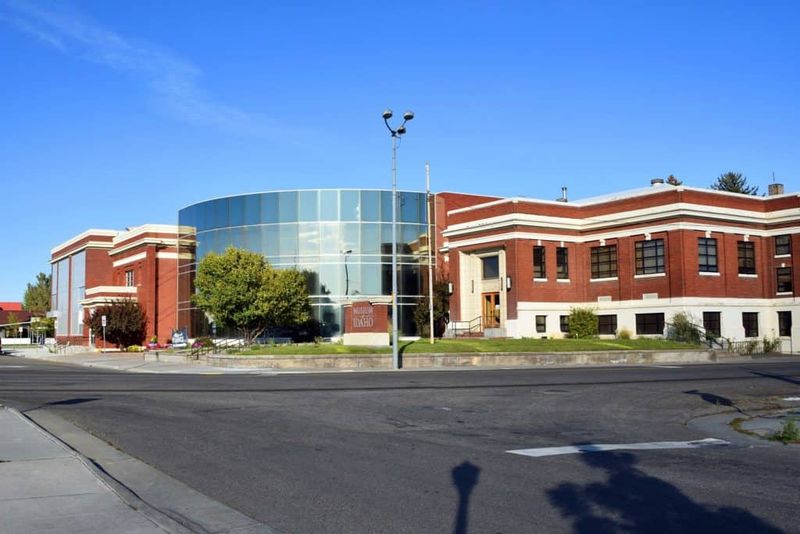
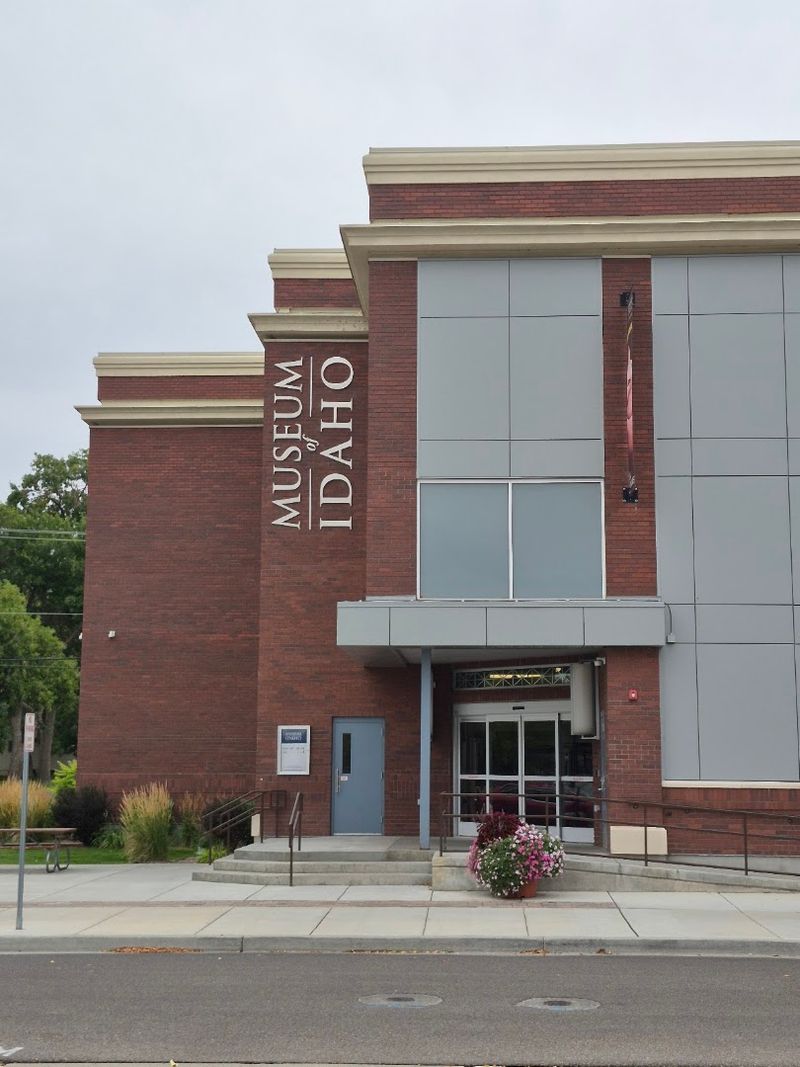
The building itself tells a story before you even walk through the door. The Museum of Idaho is located at 200 N Eastern Ave, Idaho Falls, ID 83402, right in the heart of downtown, close to the scenic Snake River Greenbelt and within easy walking distance of local restaurants and shops.
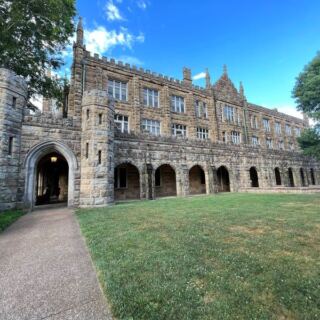
The museum’s origins trace back to 1898, when a women’s civic club called the Village Improvement Society began working to raise the cultural profile of their town. Their efforts eventually secured a $15,000 Carnegie Foundation grant, which funded the construction of a public library between 1914 and 1916.
That historic Carnegie building, now listed on the National Register of Historic Places, forms the core of what visitors see today. A two-story atrium connects it to the former Masonic Temple next door, and when the Museum of Idaho officially opened in 2003, it effectively tripled in size to become the largest museum in the state.
From Carnegie Library to Idaho’s Largest Museum
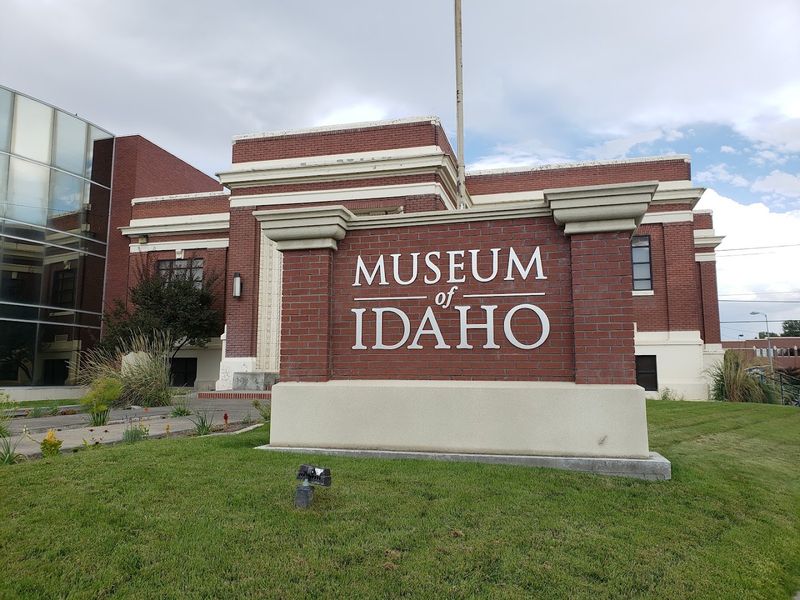
Few museums in the American West can claim a transformation as dramatic as this one. What started as a public library became a county historical society space in 1979, then a regional museum in 1985, and finally a state-leading institution when philanthropist Greg Carr donated the adjacent Masonic Temple in 2000.
That donation was the spark that changed everything. The museum’s leadership seized the opportunity, built a connecting atrium between the two historic buildings, and reopened in 2003 with a significantly expanded mission to bring world-class traveling exhibits to Idaho Falls, not just preserve local history.
A further expansion in 2019 added new galleries and a dedicated education center, with the updated spaces reopening in 2021. Today the museum runs on the energy of about 12 full-time staff members, 90 dedicated volunteers, and a 16-member board of trustees, welcoming roughly 90,000 visitors through its doors every year.
Way Out West: Seven Galleries, One Epic Idaho Story
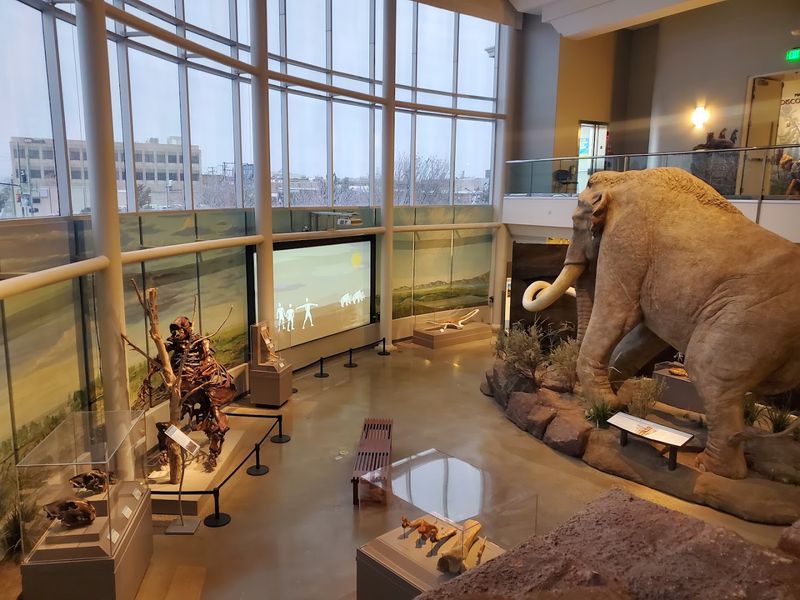
The flagship permanent exhibit, called “Way Out West,” is the kind of place where you lose track of time without even noticing. Spread across seven distinct galleries, it walks visitors through the full sweep of Idaho’s human and environmental story, from its earliest inhabitants right up to the present day.
Each gallery has its own personality. “Idaho Origins” covers early history and fossils, while “Out of the Rocks” tackles geology. “Into Nature” showcases local flora and fauna, and “People and Places” explores the Shoshone-Bannock Tribes, trappers, traders, miners, homesteaders, and the railroad era.
“A Complex State” takes an honest look at Idaho’s statehood and the difficult issues of discrimination that shaped the region, and “Idaho Impact” examines the state’s role in technology and its broader public image. It is a rare exhibit that manages to be both celebratory and thoughtfully honest about the past, and that balance is what makes it memorable.
Eagle Rock, USA: A Frontier Street You Can Actually Explore
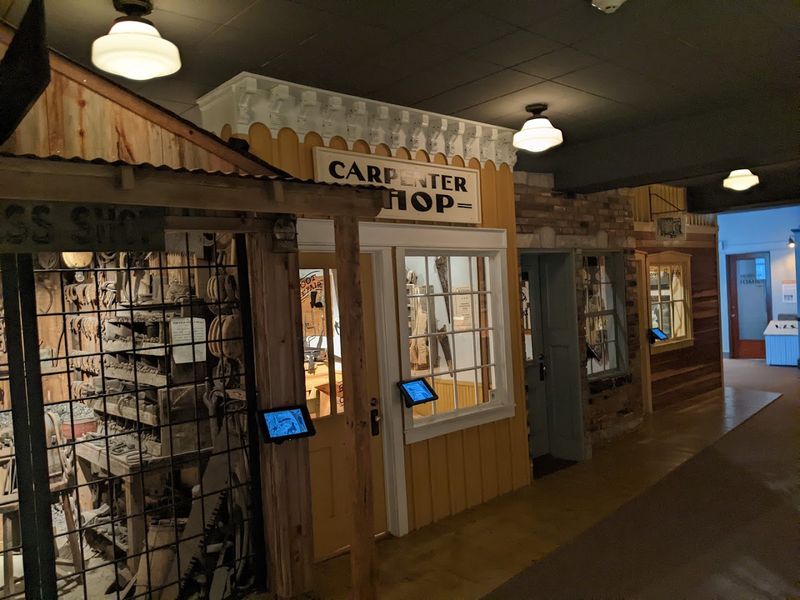
One section of the museum genuinely made me stop and say “wow” out loud. Tucked inside the Way Out West exhibit is Eagle Rock, USA, a full-scale recreation of a 19th-century frontier town street that feels like you have stepped into a time machine.
Ten different storefronts line the corridor, including a barber shop, a grocery store, and a bank, all packed with authentic period artifacts. Interactive iPads at each storefront give visitors a deeper look at the history behind every business, making the experience both visually striking and genuinely educational.
Eagle Rock was actually the original name of Idaho Falls before it was renamed in 1891, so the exhibit carries real local significance. Kids tend to love the immersive atmosphere, but adults are equally drawn in by the level of detail on display. It is the kind of exhibit that rewards slow, careful exploration rather than a quick glance, so give it the time it deserves.
Mammoths, Megafauna, and the Wasden Collection
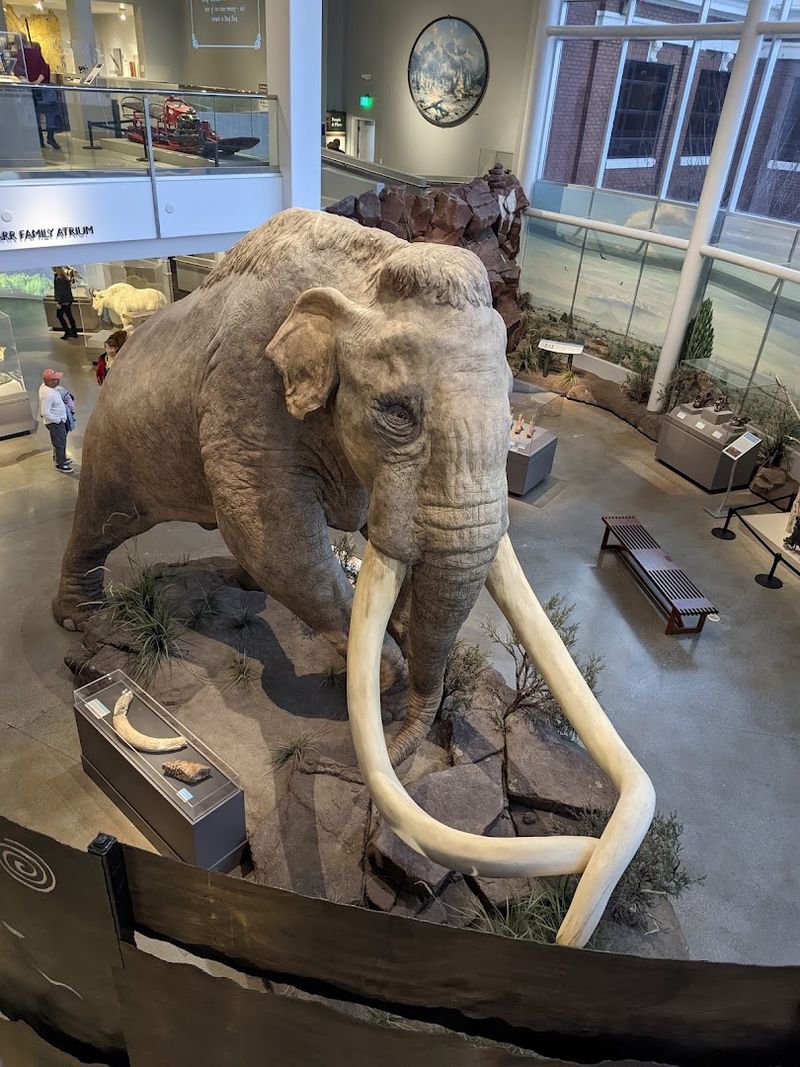
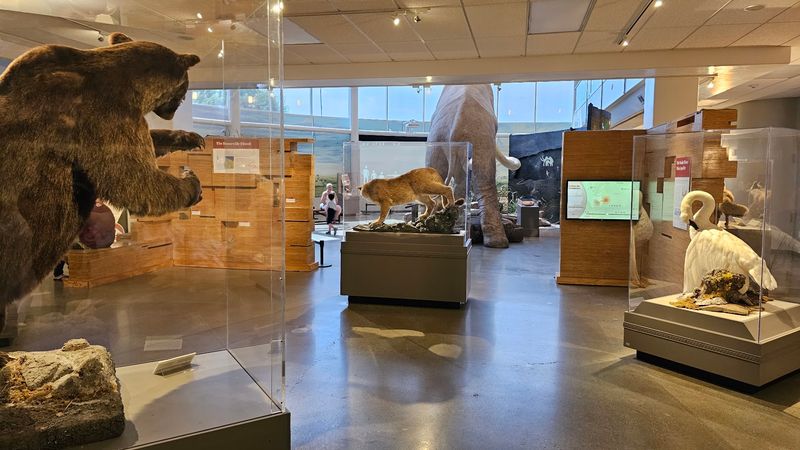
There is something undeniably thrilling about standing next to a life-size replica of a Columbian mammoth. The Museum of Idaho has one, and it commands the room with the kind of presence that makes you instinctively take a step back before leaning in for a closer look.
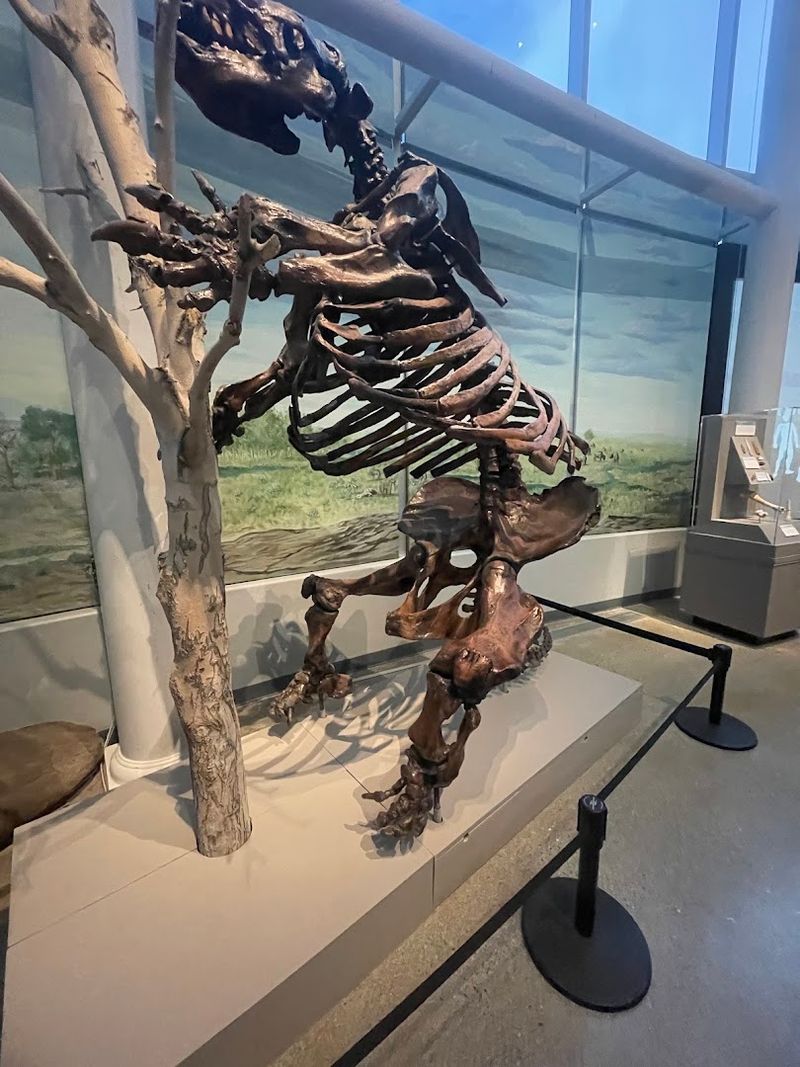
A cast of a giant ground sloth stands nearby, adding to the prehistoric atmosphere. These displays are part of a broader paleontology focus that runs throughout the museum’s permanent collections, and they are backed up by the scientifically significant Wasden Collection, which contains thousands of objects and fossils, including mammoth remains and other megafauna specimens recovered from archaeological sites in the region.
The collection represents decades of careful preservation work and gives the museum genuine academic credibility beyond its role as a public attraction. For anyone with even a passing interest in prehistoric life, this section of the museum alone is worth the price of admission, and the mammoth is a photo opportunity you will not want to skip.
Life Before Dinosaurs: The Permian Monsters Exhibit
Most people know about dinosaurs, but the creatures that ruled the earth 290 million years ago during the Permian period are far less familiar and far more fascinating. The “Life Before Dinosaurs: Meet the Permian Monsters” traveling exhibit, open through September 6, 2026, brings these ancient animals to life in a way that genuinely surprises visitors of all ages.
The exhibit features fossilized skeletons, animatronic displays, and hands-on dig pits where kids can experience what it feels like to uncover a fossil. The animatronics in particular earned enthusiastic reactions from families during my visit, with the lifelike movement making the creatures feel startlingly real.
After this exhibit closes, look for “Galileo: Scientist. Astronomer. Visionary.” opening October 3, 2026, through January 10, 2027, featuring hands-on activities tied to Galileo’s work in physics, geometry, mathematics, and astronomy. The museum’s rotating calendar of world-class traveling shows is one of its greatest strengths, ensuring repeat visits always offer something fresh.
The Marie Putnam Discovery Room: Hands-On Fun for Young Explorers
Somewhere between the fossils and the frontier exhibits, there is a room that small children claim as entirely their own. The Marie Putnam Discovery Room is a dedicated hands-on space designed specifically for younger visitors, and it is genuinely one of the most thoughtfully designed children’s areas I have seen in a regional museum.
Kids can climb a miniature mountain, crawl through a cave, explore a replica tipi, and step inside a settler’s cabin. Puzzles, books, and science experiments round out the activities, keeping curious minds busy for well over an hour. Even two-year-olds find plenty to engage with here.
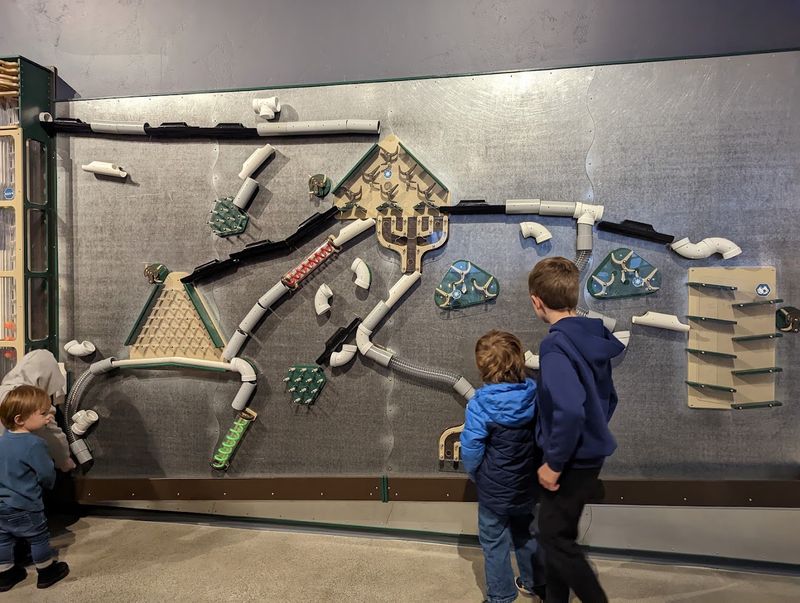
Elsewhere in the museum, a magnetic engineering wall invites both kids and adults to design chain reactions using tubes and balls, and the interactive elements woven throughout the exhibits mean that younger visitors are never just passive observers. The museum clearly understands that learning sticks better when you can touch, build, and explore rather than simply read a label.
Idaho’s Native Heritage and the Shoshone-Bannock Legacy
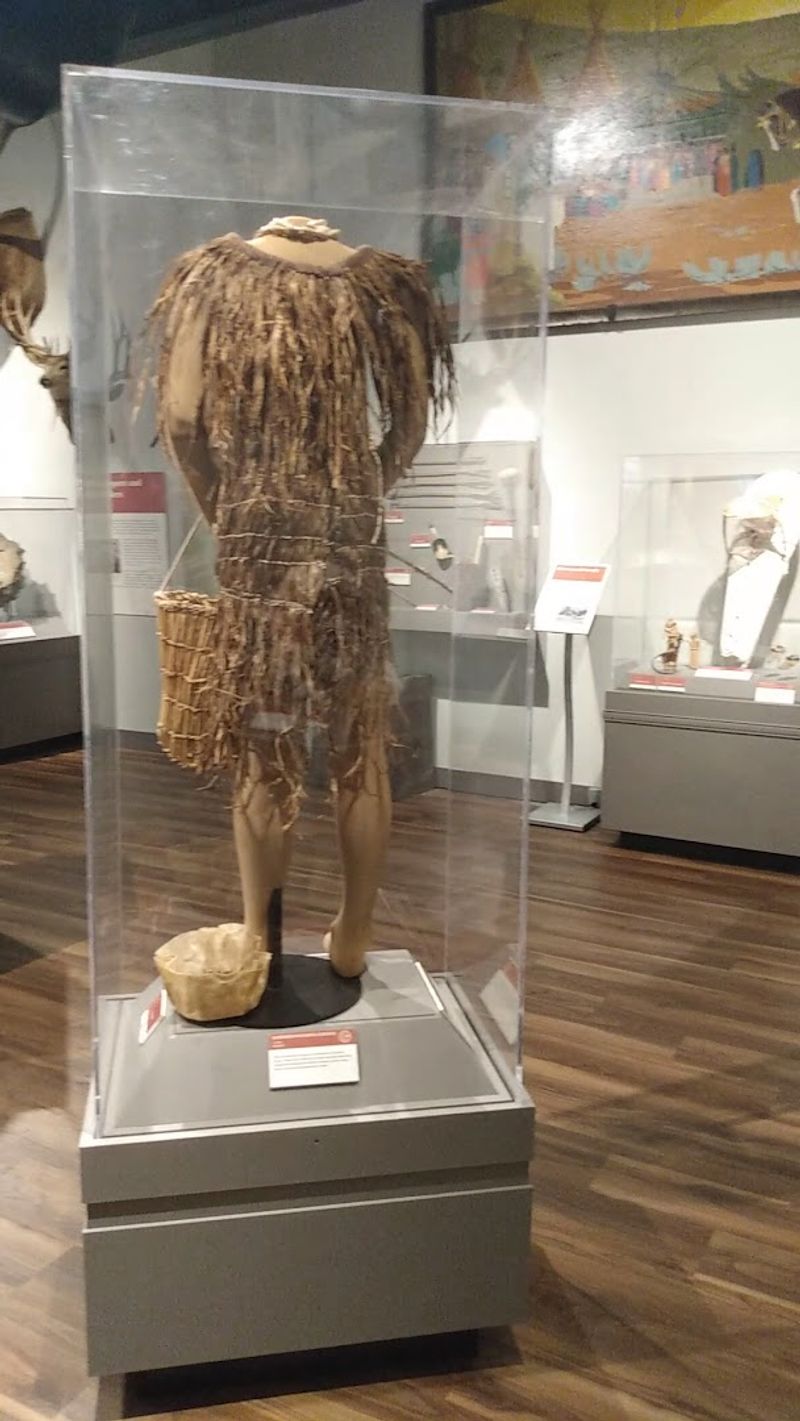
Long before trappers, traders, or homesteaders arrived in what is now Idaho, the Shoshone-Bannock peoples called this land home. The Museum of Idaho handles this history with care and respect, dedicating significant exhibit space to the enduring legacy of Idaho’s Native inhabitants within the Way Out West galleries.
Traditional clothing, tools, and cultural objects are displayed alongside historical photographs and interpretive text that places these communities in full context rather than treating them as a footnote to the pioneer narrative. The approach feels honest and grounded, and it gives visitors a more complete picture of the region’s human story.
The “People and Places” gallery also covers the complex intersections between Native communities and the waves of settlers, traders, and government forces that reshaped the region during the 19th century. These are not easy stories to tell in a museum setting, but the Museum of Idaho handles them with the seriousness and sensitivity that the subject demands, and that commitment to nuance sets it apart.
Declaration: 250 Years of American History on Display
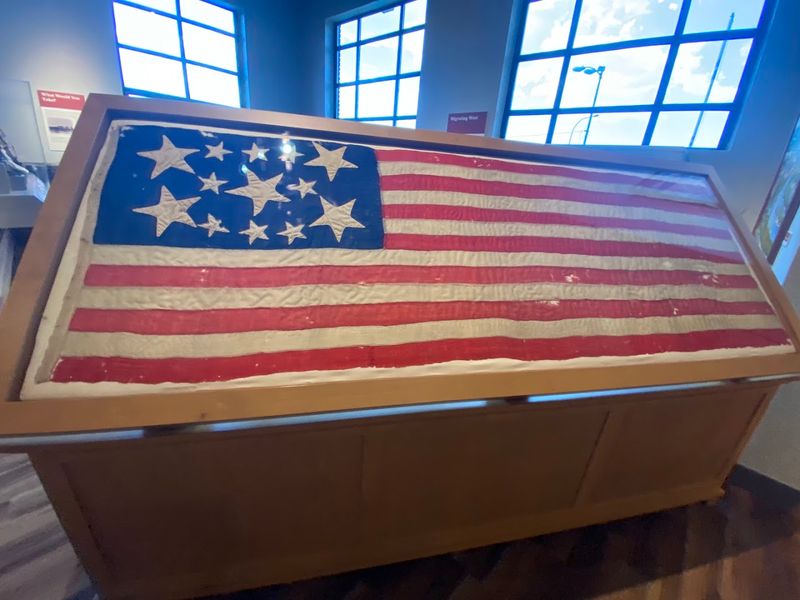
Timing a visit to coincide with a major traveling exhibit can turn a good museum trip into a great one. “Declaration: 250 Years of US” is currently on display through February 2027, exploring the story of America’s founding and the principles that shaped the nation’s identity over two and a half centuries.
The exhibit features artifacts, interpretive panels, and engaging storytelling that connects the founding era to contemporary American life. It sits naturally alongside the museum’s existing focus on Idaho’s own complex history, including the honest examination of discrimination and inequality covered in the “A Complex State” gallery.
Together, these exhibits create a layered experience where local and national history inform each other in meaningful ways. The museum’s tagline, “bringing the world to Idaho, and Idaho to the world,” feels especially apt here, because this exhibit does exactly that. It connects a small city in eastern Idaho to the sweeping narrative of American history in a way that feels both personal and significant.
Evening Events and Educational Programs Beyond the Exhibits
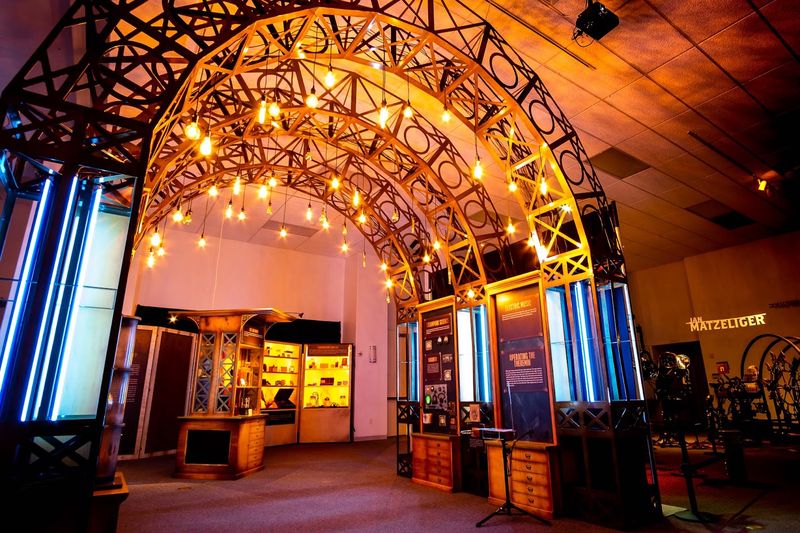
A museum that closes at 6 PM on weekdays and shuts its doors after Sunday afternoons might sound like a strictly daytime destination, but the Museum of Idaho has a surprisingly active after-hours calendar. Monthly “Museum After Dark” events bring adults aged 21 and older into the galleries for evenings that combine education with entertainment in a genuinely fun format.
Haunted History Tours, public lectures on science and humanities topics, and annual galas round out the adult programming calendar. On the educational side, the museum runs school field trips, summer camps, and STEM- and history-based programs for students throughout the year.
Continuing education courses for teachers occasionally include excursions into the Greater Yellowstone area, which adds a hands-on dimension that goes well beyond the museum walls. Online resources and adventure guides are also available to extend learning before, during, or after a visit. For a regional institution, the depth and variety of its programming is genuinely impressive.
Practical Tips to Get the Most From Your Visit
A little planning goes a long way at the Museum of Idaho. The museum is open Monday through Saturday from 10:00 AM to 6:00 PM, and on Sundays from 1:00 PM to 5:00 PM. Weekday mornings tend to be the least crowded, so if a quieter experience appeals to you, that is the sweet spot.
General adult admission is $20, with seniors and students paying $16 and youth aged 4 to 12 paying $14. Idaho residents receive a 25% discount, bringing adult tickets down to $15. Military personnel pay $10, and SNAP and WIC cardholders can enter for just $2 per covered adult or youth, which reflects the museum’s genuine commitment to accessibility.
Food and drinks are not allowed inside the galleries, so plan your snack break before or after your visit. Comfortable shoes are a smart choice given the amount of walking involved. The on-site gift shop stocks books, educational toys, local potato soap, and huckleberry jam, making it a worthy final stop before heading out to explore downtown Idaho Falls.
Why This Museum Keeps Drawing Visitors Back
A 4.6-star rating across more than 2,100 reviews is not an accident. The Museum of Idaho earns its reputation through a combination of well-curated permanent exhibits, a steady rotation of high-quality traveling shows, and a staff that visitors consistently describe as passionate, knowledgeable, and welcoming.
The costumed docents who bring frontier history to life in the galleries are a particular highlight, offering the kind of personal, enthusiastic storytelling that no exhibit label can fully replicate. The museum’s commitment to diversity, equity, and inclusion also runs through its programming and exhibits in ways that feel genuine rather than performative.
Most visitors recommend setting aside at least two to three hours, though a full day is easy to fill given the breadth of what is on offer. The downtown location means that a post-visit walk to a nearby restaurant or along the River Walk rounds out the experience perfectly. Once you visit, you will understand why so many people come back for every new exhibit that rolls through.
Share this story