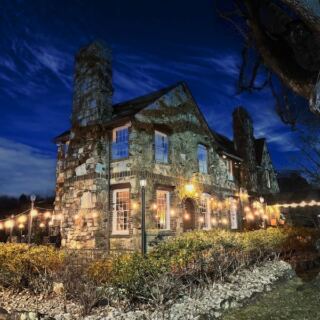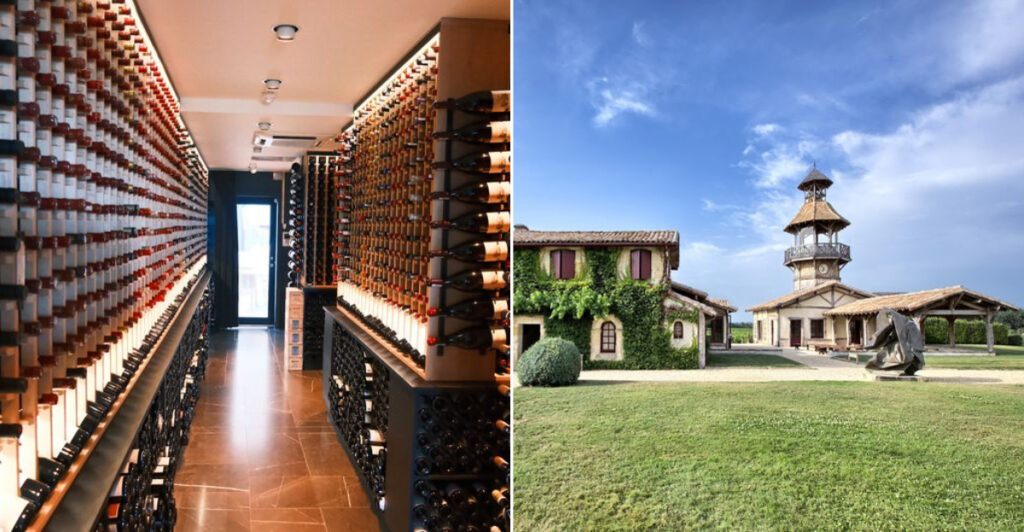
Europe has always been one of the best places in the world to eat and drink well. From tiny villages in the English countryside to dramatic volcanic islands in Greece, the continent offers food and wine experiences that go far beyond a standard restaurant meal.
Whether you are drawn to world-class tasting menus, historic wine estates, or breathtaking vineyard landscapes, this list covers places that genuinely earn a spot on your travel itinerary. Some of these destinations are famous, others are surprisingly under the radar, and a few might completely change how you think about European food culture.
If you have ever wanted to build a trip around great meals and memorable bottles, these 14 stops are a strong place to start planning.
Osteria Francescana, Modena, Italy
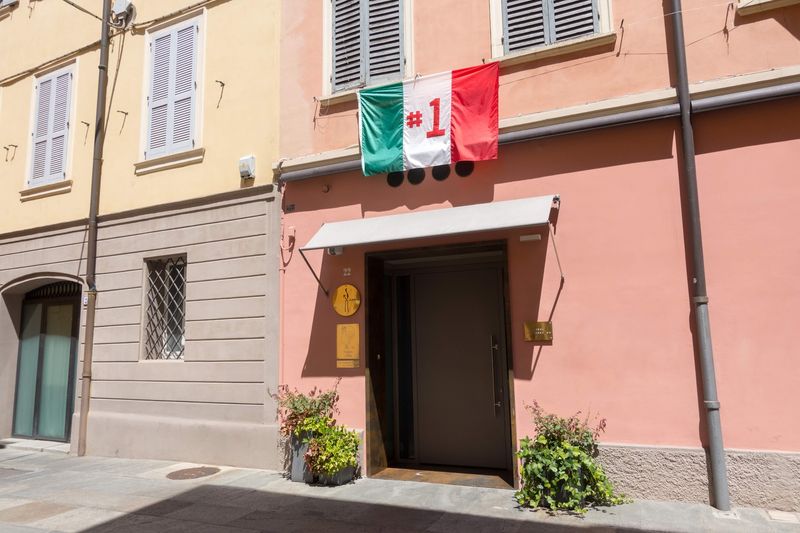
Modena is the kind of Italian city that food lovers tend to circle on a map before they book anything else. It sits in the heart of Emilia-Romagna, one of Italy’s most celebrated food regions, and Osteria Francescana has become one of its most recognizable culinary landmarks.
Chef Massimo Bottura approaches traditional Italian cooking as something worth examining and pushing forward rather than simply repeating. The restaurant’s philosophy, described as “Tradition in Evolution,” draws deeply from regional ingredients including Parmigiano Reggiano, tortellini, tagliatelle, and balsamic vinegar from Modena, but presents them in ways that feel genuinely unexpected.
Osteria Francescana remains open at Via Stella 22 in Modena, with an active reservation system listed on its official site covering Monday through Sunday service. For travelers who want to experience modern Italian gastronomy while staying rooted in one of Europe’s great food regions, this is a destination worth planning carefully around.
El Celler de Can Roca, Girona, Spain
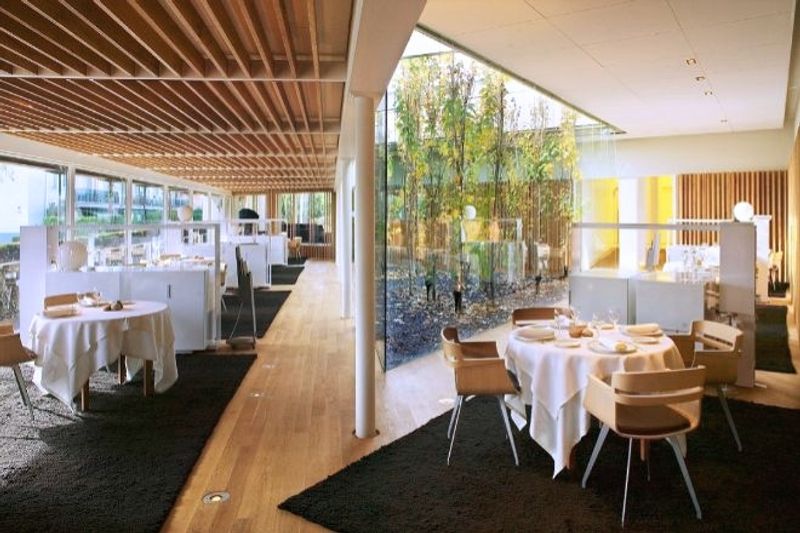
Girona does not get as much attention as Barcelona, but for food travelers, that is part of its appeal. The city is quieter, easier to navigate, and home to El Celler de Can Roca, one of the most ambitious restaurant projects in all of Catalonia.
Run by the three Roca brothers for more than 35 years, the restaurant combines food, desserts, and serious wine culture into a single complete experience. That focus on wine sets it apart from other tasting menu destinations and makes it particularly rewarding for travelers who care as much about what is in the glass as what is on the plate.
Reservations require real advance planning. The restaurant currently accepts bookings as far as 11 months ahead, with a waiting list option when preferred dates are full.
Girona’s historic streets, Catalan food traditions, and easy access to northeastern Spain make the surrounding area worth spending extra time in beyond the meal itself.
Disfrutar, Barcelona, Spain
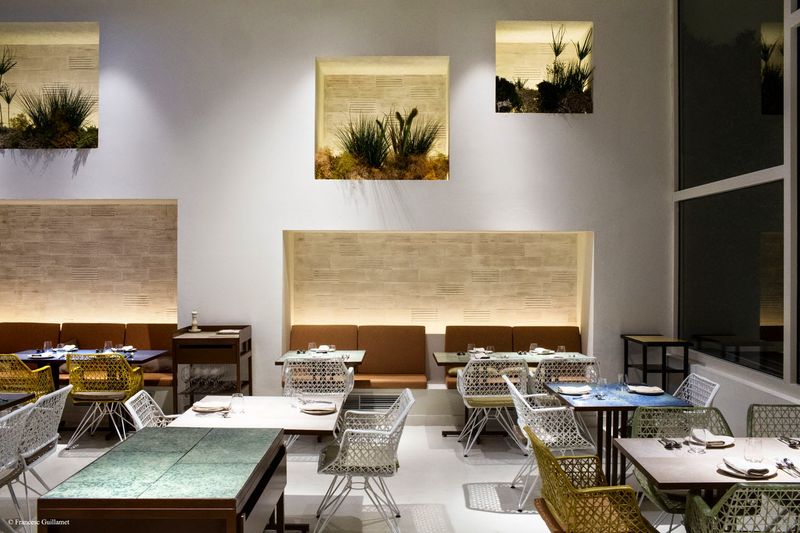
Barcelona already has enough to fill an entire food-focused trip on its own, between its markets, tapas bars, seafood restaurants, and neighborhood bakeries. Disfrutar gives serious food travelers one more compelling reason to put the city near the top of their European itinerary.
Located in the Eixample district near Mercat del Ninot, Disfrutar specializes in highly creative tasting menus built around a strong Mediterranean identity. The kitchen describes its approach as avant-garde while maintaining genuine connections to Mediterranean ingredients and traditions.
Rather than letting guests order individually, the experience unfolds as a designed sequence from start to finish.
The restaurant remains very much in operation, with its official 2026 calendar listing both lunch and dinner service. Reservations open as far as 12 months in advance, and a waiting list is available when specific dates are full.
For anyone spending time in Barcelona, this is the kind of meal that reshapes how you remember the whole trip.
Geranium, Copenhagen, Denmark
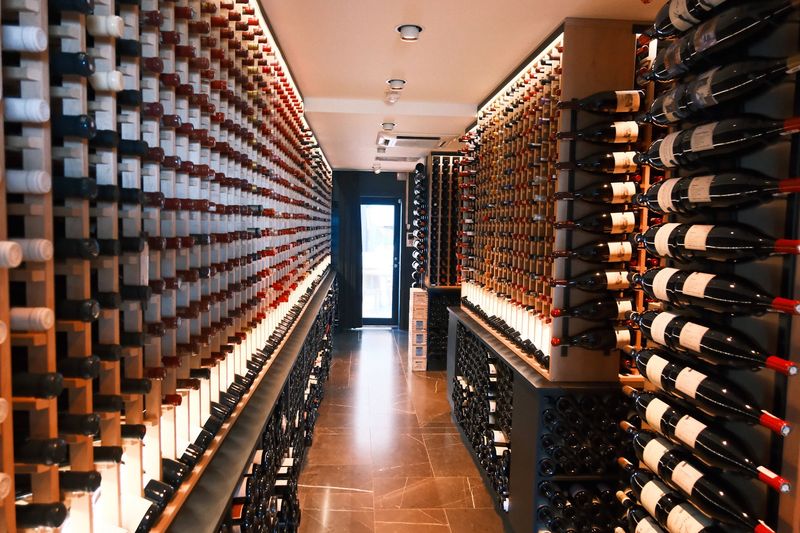
Copenhagen’s rise as a serious culinary destination has been one of the more remarkable food stories in Europe over the past two decades. Geranium sits at the center of that reputation, occupying the eighth floor of a building overlooking Faelledparken with views across the park and parts of the city below.
The restaurant describes its food as light, dynamic, and closely tied to nature and the changing seasons. That relationship between the urban setting and the natural world is not just a talking point here; it shapes what appears on the plate throughout the year.
Geranium continues operating with an active booking system covering its restaurant, private dining, and additional experiences. The real advantage for travelers is that a meal here fits naturally into a broader Copenhagen food trip that can include Nordic bakeries, natural wine bars, excellent coffee, and some of the most creative restaurant cooking found anywhere in northern Europe.
Steirereck, Vienna, Austria
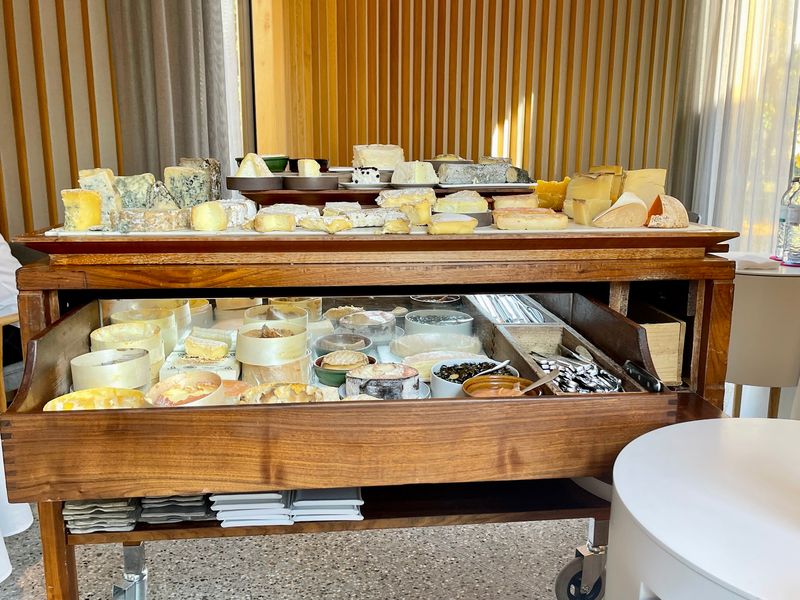
Vienna is easy to love for its schnitzel, coffeehouses, and layers of pastry tradition, but Steirereck shows what Austrian cuisine looks like when those foundations are used as a starting point rather than the final destination.
Situated in Vienna’s Stadtpark, the restaurant focuses on Austrian ingredients and pairs traditional culinary ideas with modern techniques. Its kitchen works with an unusually wide range of produce, including herbs grown in a rooftop garden, regional fruits and vegetables, and ingredients connected to the restaurant’s own agricultural operations.
That level of sourcing gives the menu a distinctly local character that changes with the seasons.
Current service runs Monday through Friday for both lunch and dinner, with reservation times published on the official website. Steirereck is particularly appealing for visitors who want to move beyond the classic side of Viennese food without completely stepping away from Austria’s culinary identity.
The Stadtpark location also makes it a pleasant destination even before you sit down to eat.
DiverXO, Madrid, Spain
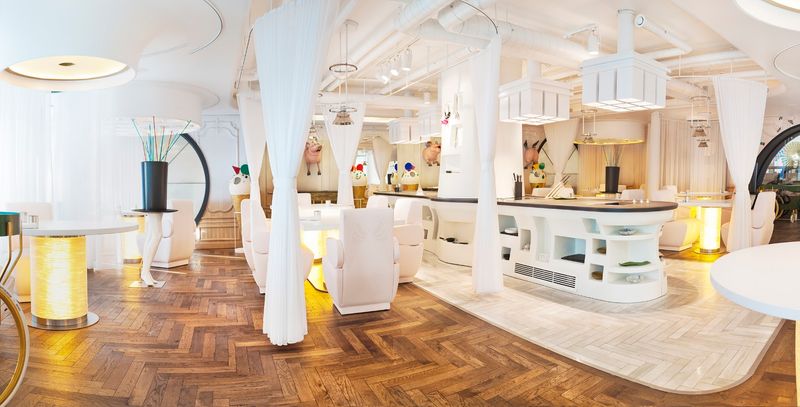
Not every great restaurant in Europe is trying to make you feel comfortable. DiverXO in Madrid is deliberately designed to do something different, presenting dinner as an immersive culinary journey rather than a straightforward progression of courses.
Chef Dabiz Munoz describes the restaurant’s cooking as creative, hedonistic, and avant-garde in a way that is meant to surprise rather than simply satisfy. Combinations, presentations, and flavors are constructed to push guests outside their expectations, making this one of the more genuinely unconventional dining experiences on this list.
Advance planning is essential. DiverXO’s 2026 reservation system shows the restaurant operating Tuesday through Friday for both lunch and dinner, with new reservation dates released 90 days in advance.
The Madrid location works in the traveler’s favor, since the city’s traditional tapas bars, markets, jamón culture, and classic Spanish restaurants offer a very different kind of eating experience to balance against this one.
L’Enclume, Cartmel, England
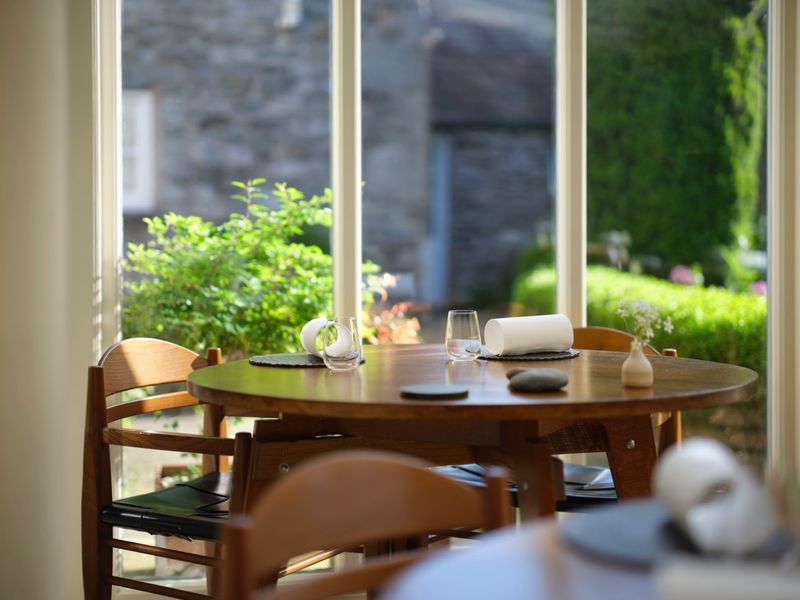
Cartmel is a village in the Lake District area of northern England that most people would not immediately associate with serious food travel. That quiet reputation is exactly what makes it such an interesting destination for travelers who prefer countryside experiences over major city restaurants.
L’Enclume operates inside a former 13th-century blacksmith workshop and has spent more than two decades building a food philosophy centered on seasonal produce from the surrounding landscape. A significant portion of what appears on the menu comes from the restaurant’s own 12-acre farm in the Cartmel Valley, which operates on biointensive, biodiverse, and organic principles throughout the year.
Current reservations are available through the restaurant’s official website, which also lists its present tasting experiences and accommodation options for guests who want to stay nearby. For travelers drawn to the idea of a food destination where the farm, the landscape, and the kitchen are genuinely connected, Cartmel offers something that feels rare even by European standards.
Antinori nel Chianti Classico, Bargino, Tuscany, Italy
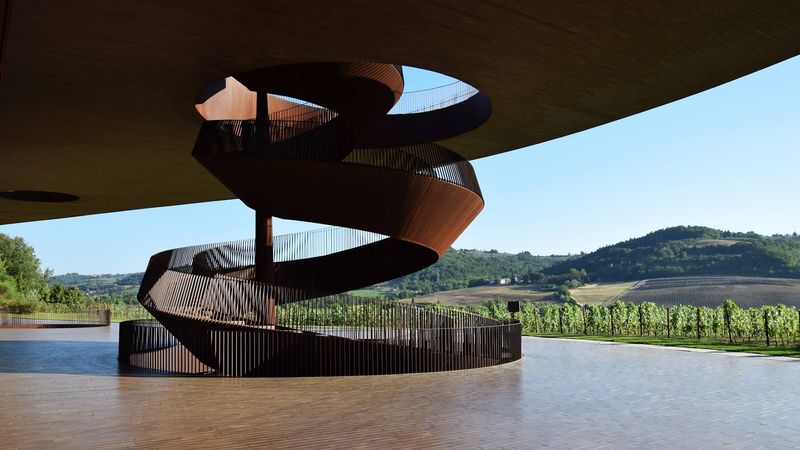
Tuscany has a way of delivering exactly what people imagine before they arrive, rolling hills, cypress trees, and vineyards stretching in every direction. Antinori nel Chianti Classico gives visitors a way to anchor all of that scenery to something with genuine historical depth.
The Antinori family’s connection to winemaking dates back to 1385, making it one of the longest-running family wine operations in Italy. The modern winery at Bargino opened in 2012 and was designed to reflect that historic relationship with the surrounding region while creating a contemporary home for current winemaking.
Several visitor experiences are currently available, including the Tinaia Tour, which explores the winery and ends with a tasting.
Food travelers can also visit Rinuccio 1180, the winery’s rooftop restaurant positioned above the Chianti Classico hills. That combination of wine history, architecture, vineyard views, and a proper meal makes Antinori one of the most complete single stops for anyone building a Tuscany food and wine itinerary.
Marques de Riscal City of Wine, Elciego, Rioja Alavesa, Spain
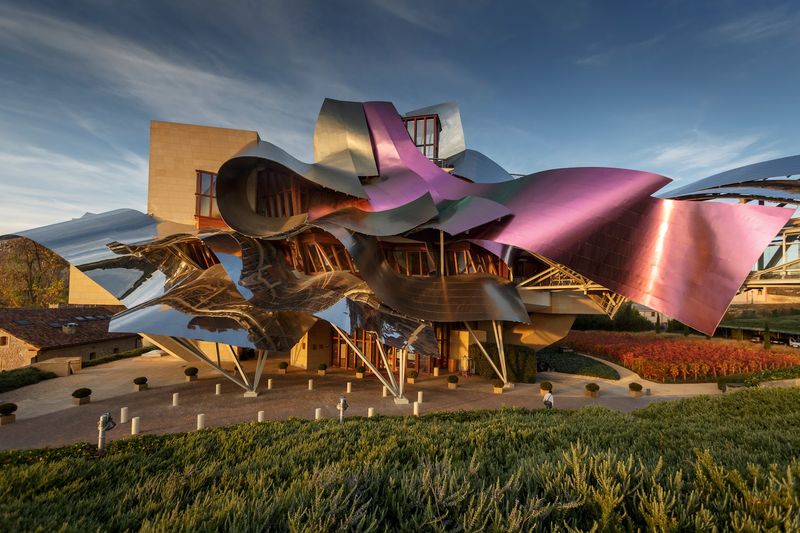
Some wineries give you a room with a few bottles and a view. Marques de Riscal has built something considerably more ambitious in the small town of Elciego in Rioja Alavesa.
The City of Wine concept combines the estate’s historic winemaking operation with restaurants, wine tourism programming, and accommodation, creating a destination where visitors can spend a full day or longer without running out of reasons to stay. Its restaurant program ranges from regional cooking to more contemporary gastronomy, so pairing a winery visit with a proper meal is a straightforward option rather than an afterthought.
The winery is currently open Monday through Sunday for visits, with advance booking available for winery experiences according to its official visitor information. For travelers exploring northern Spain, Rioja Alavesa offers considerably more than wine alone.
Small towns, vineyard landscapes, traditional tapas culture, and regional cuisine make it easy to build a multi-day trip around this corner of the country.
Quinta do Crasto, Sabrosa, Douro Valley, Portugal
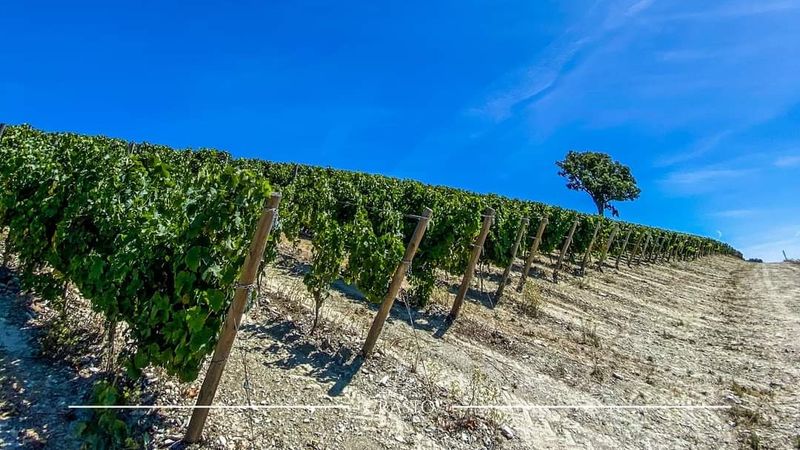
The Douro Valley is one of those places where the landscape itself becomes part of the wine experience. Steep terraced vineyards drop down toward the river in a way that makes it clear why this region has been producing wine for centuries.
Quinta do Crasto sits near Sabrosa in the heart of the Douro and produces both Douro wines and Port while welcoming visitors through an organized wine tourism program. The estate offers winery experiences and tastings that can be reserved in advance, and its wine tourism reception and shop are currently listed as open daily from 10 a.m. to 6 p.m. according to visitor information updated in June 2026.
That level of current detail makes this one of the more straightforward stops to plan on this list. For wine lovers visiting Portugal, the combination of dramatic Douro scenery, Port winemaking history, and a working estate setting creates an experience that is genuinely difficult to replicate anywhere else in Europe.
Chateau Smith Haut Lafitte, Martillac, Bordeaux, France
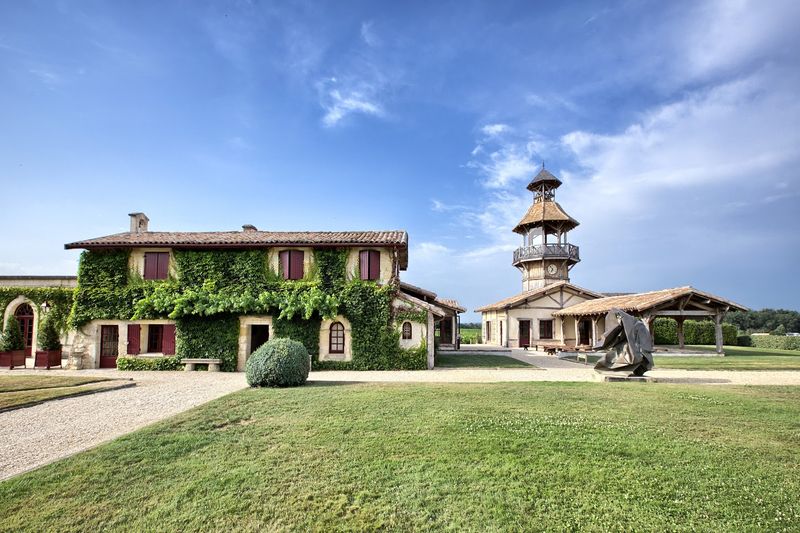
Bordeaux shows up on almost every European wine list for good reason, and Chateau Smith Haut Lafitte offers one of the more accessible ways to experience the region without limiting yourself to a single tasting room visit.
Located in Martillac in the Graves appellation, the estate is surrounded by vineyards growing on the gravel soils that define this part of Bordeaux. Forests, hedges, and natural areas frame the property, giving it a setting that feels removed from the city even though Bordeaux itself is not far away.
Visitors can currently book winery experiences seven days a week by appointment.
The surrounding area expands the options considerably. Les Sources de Caudalie nearby connects the estate to accommodation, restaurants, and spa experiences, making it possible to turn a winery visit into a complete food and wine getaway.
For travelers who want Bordeaux wine paired with a broader experience of the region, Martillac is worth the detour from the city center.
Domane Wachau, Durnstein, Wachau, Austria
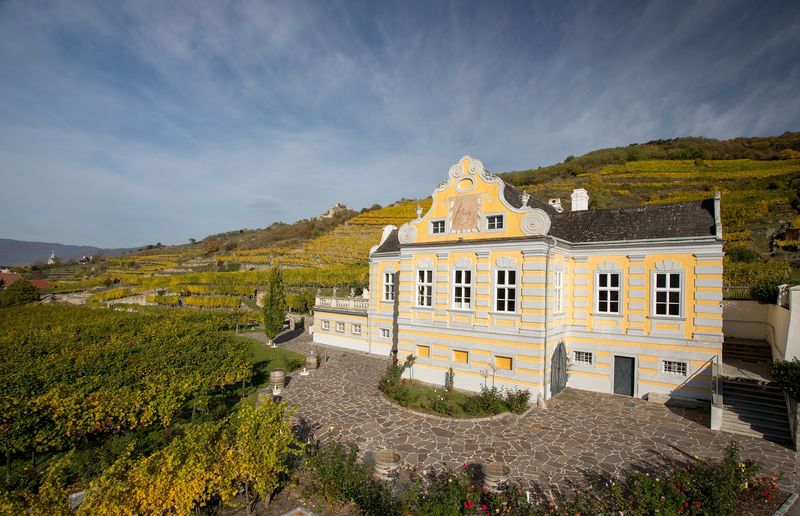
In the Wachau, wine and landscape are so closely linked that it is hard to think about one without the other. Vineyards climb steep terraces above the Danube, with small towns and villages sitting along the river below, and the whole region has a visual quality that makes it one of Austria’s most striking areas to visit.
Domane Wachau is one of the region’s major wine estates, working with approximately 200 growers who cultivate the area’s demanding steep terraces. More than 160 hectares of its vineyards are organically cultivated, and the winery places strong emphasis on terroir and precision in its approach to winemaking.
Visitors can choose from several current experiences including tastings, vineyard activities, and estate tours. The 2026 Estate Tour and Wine Tasting program runs from April through October, covering the estate, vineyards, wine cellar, and a guided tasting.
This is an excellent stop for travelers who want the surrounding scenery to feel as significant as the wine itself.
GAIA Wines, Santorini, Greece
Santorini already has a long list of reasons to visit, but the island’s wine culture deserves more attention than it usually gets from travelers who arrive focused entirely on sunsets and clifftop views.
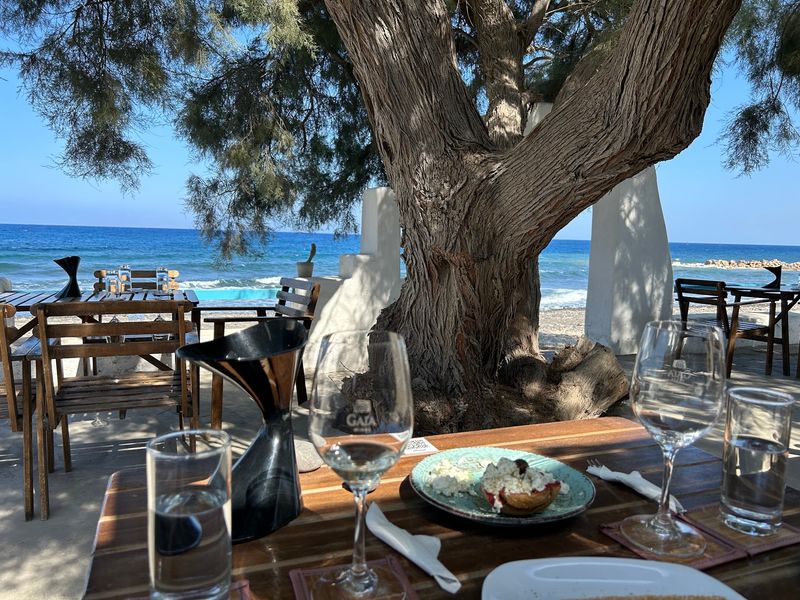
GAIA Wines operates a winery on Santorini where the volcanic soil plays a central role in shaping the character of local Assyrtiko wines. The winery describes the island’s porous volcanic soil and the native Assyrtiko grape as fundamental to the identity of its Santorini wines, and that combination produces a style of white wine that tastes quite different from anything grown on standard European soils.
The setting adds another layer of interest. GAIA’s Santorini winery sits near the beach rather than in an inland vineyard, giving visitors an atmosphere that feels distinct from most other European wine estate visits.
The 2026 visitor season runs from April 29 through October 31, with daily hours from noon to 8 p.m. and online reservations available for planning ahead.
Champagne Taittinger, Reims, France
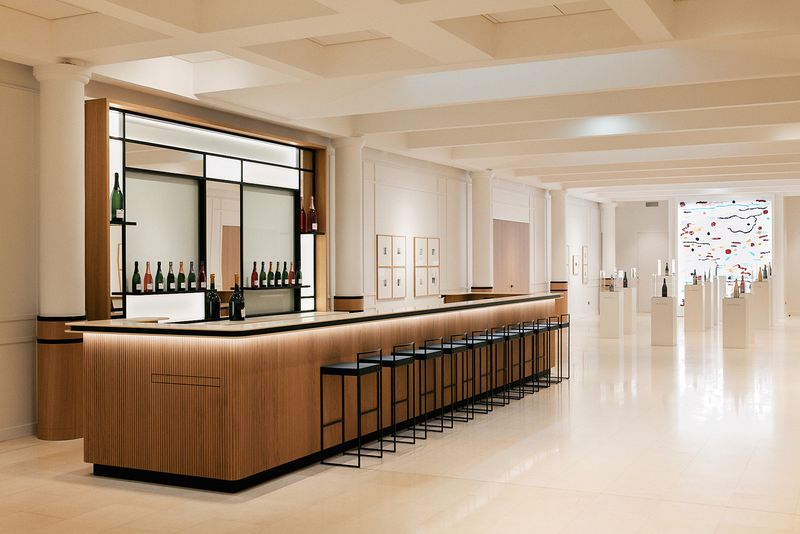
No European food and wine list feels quite complete without a stop in Champagne, and Reims makes a particularly strong base for exploring the region. Taittinger welcomes visitors to its historic cellars throughout the year, making it one of the more accessible major Champagne houses to work into a regional itinerary.
The experience goes considerably deeper than a standard tasting room visit. Taittinger’s cellars descend approximately 18 meters underground into galleries and Gallo-Roman chalk quarries that were once connected to the former Saint-Nicaise Abbey.
Those cellars are part of the Champagne Hillsides, Houses and Cellars UNESCO World Heritage designation, which gives the visit a historical layer that goes well beyond the bottles themselves.
Visitors can currently choose between several tasting experiences while exploring the house’s winemaking history. Reims also works well as a food destination in its own right, with French restaurants, bakeries, markets, and additional Champagne houses scattered throughout the surrounding region for travelers who want to spend more than a single afternoon there.
Share this story