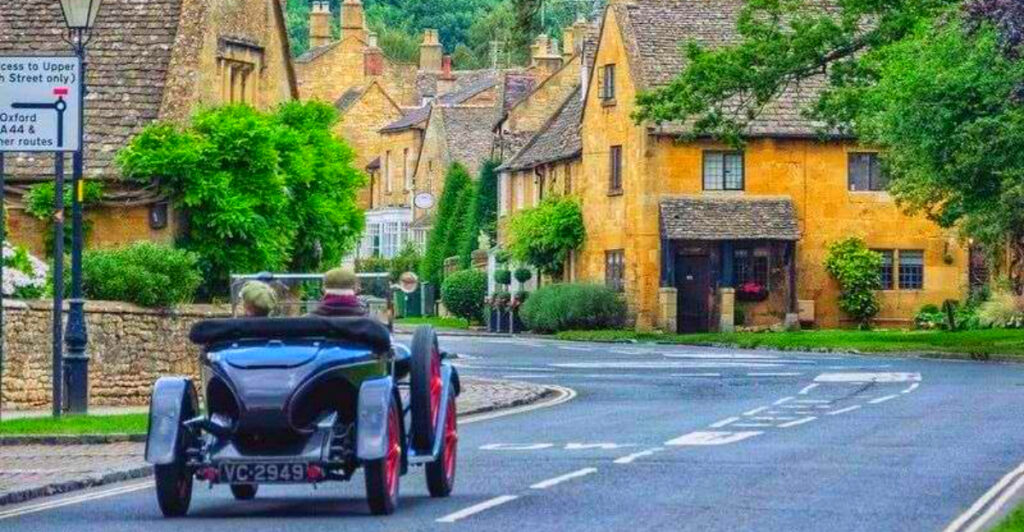
Picture a village where the church clock stopped working decades ago, the local inn has the same five regulars every evening, and nobody quite knows what happened to the old squire. England has dozens of places that fit this description almost perfectly. These are real villages with real histories, but they carry the kind of quiet, layered atmosphere that made Agatha Christie set her stories in exactly these sorts of places. Thatched roofs, ancient churchyards, stone bridges, and lanes that go nowhere obvious are the common threads.
Some of these villages have actually appeared on film sets. Others are simply so well-preserved that the 20th century seems to have politely walked around them. A few have names that sound like they were invented for a plot twist. All fourteen are worth a visit, and all fourteen will have you glancing over your shoulder just a little more than usual.
1. Castle Combe, Wiltshire, England
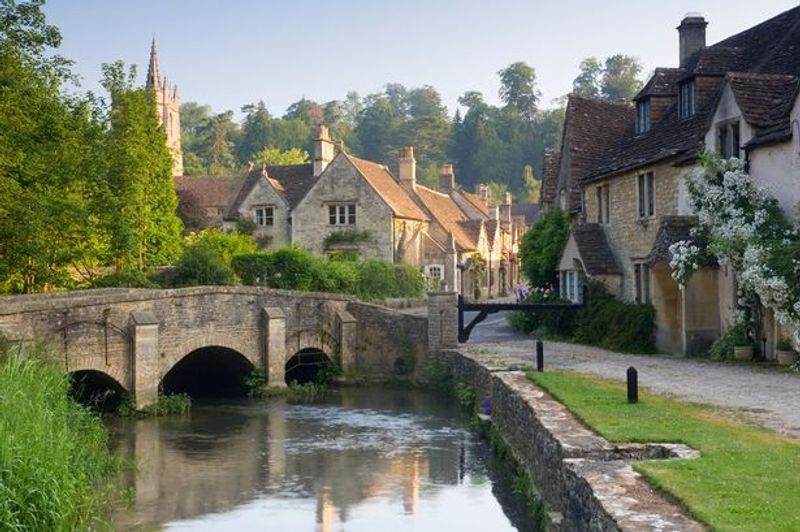
Historians often call Castle Combe the prettiest village in England, and after one look at its honey-colored stone cottages and medieval Market Cross, it is hard to argue the point.
The village’s history stretches back to Roman times, and a Norman castle gave it its name in the 12th century, though only earthworks remain today. By the 15th century, Castle Combe had become a thriving center of the wool trade, with mills powered by the By Brook that still flows beneath its famous stone bridge.
Remarkably, no new homes have been built in the historic core since around 1600. St. Andrew’s Church houses one of England’s few surviving medieval faceless clocks, and the 14th-century Market Cross still stands at the village center. The village has appeared in films including War Horse and an episode of Agatha Christie’s Poirot, which feels entirely appropriate.
2. Bibury, Gloucestershire, England
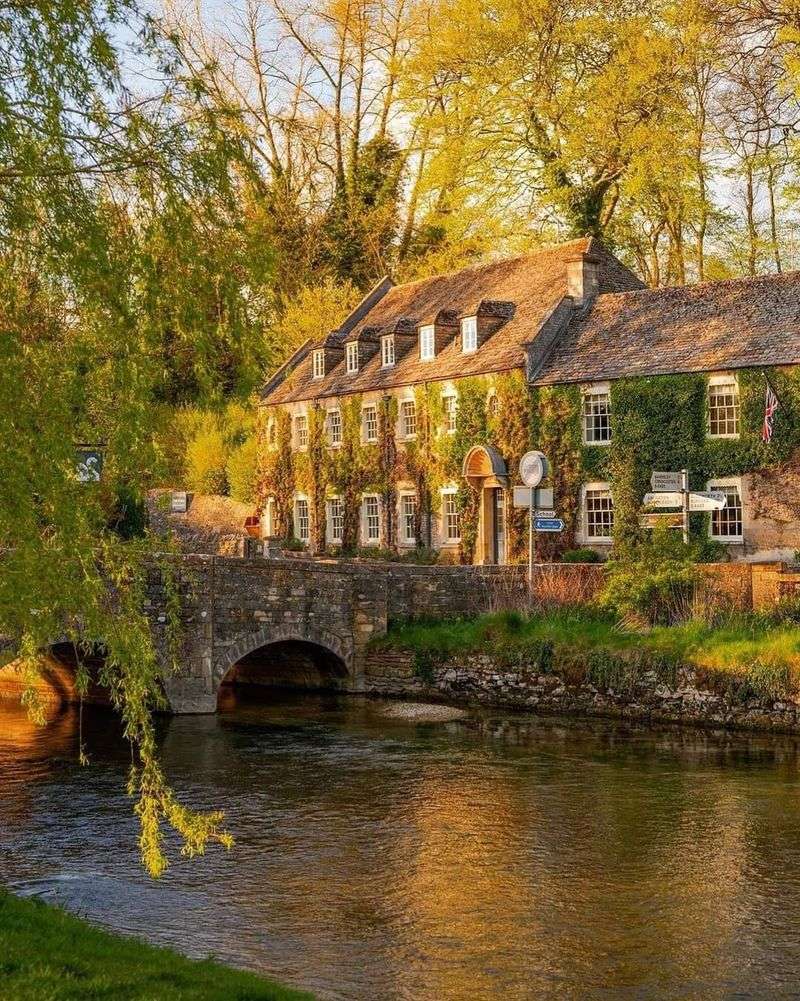
Arlington Row is the kind of street that makes people stop mid-sentence and reach for their camera. This row of historic stone weavers’ cottages beside the River Coln has been photographed so many times that it actually appeared on the old British passport.
Bibury itself is a classic Cotswold village, with narrow lanes, old stone buildings, and the gentle River Coln threading through the scene. The cottages in Arlington Row date back to the 14th century and were converted into weavers’ homes in the 17th century, adding another chapter to an already layered history.
Bibury Court, a Jacobean manor house now operating as a hotel, adds further period character to the village. For a Christie-style mystery, Bibury offers the perfect combination of deceptive calm and centuries of complicated local history tucked behind every garden wall.
3. Lacock, Wiltshire, England
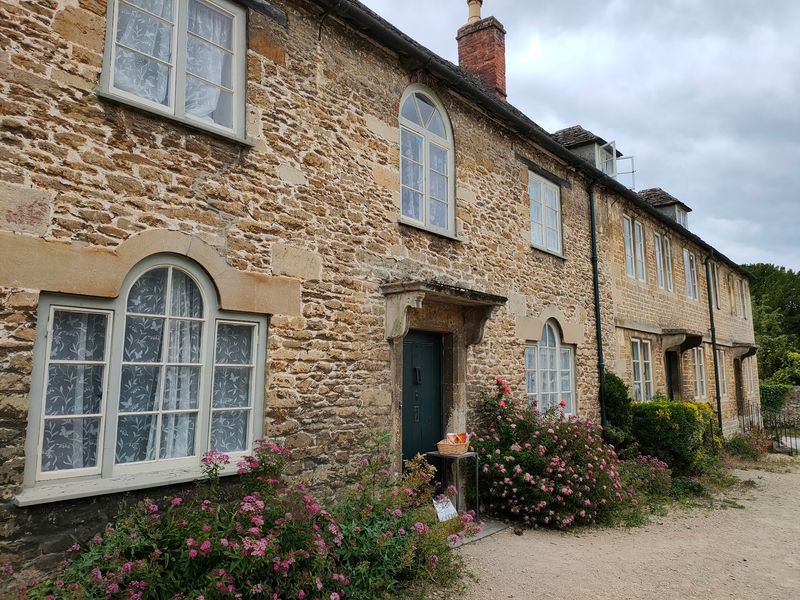
Almost every street in Lacock looks like a film set because, at various points, it basically has been one. The village has stood in for locations in Pride and Prejudice, Downton Abbey, Wolf Hall, and Harry Potter, among others, thanks to its remarkably intact medieval and Tudor streetscape.
Lacock Abbey, founded in the 13th century and later converted into a country house, adds considerable weight to the village’s historical atmosphere. The abbey’s cloisters and grounds are managed by the National Trust and are open to visitors.
The Fox Talbot Museum within the abbey grounds connects Lacock to the early history of photography, since William Henry Fox Talbot conducted some of his pioneering experiments here in the 1830s and 1840s. In 2026, the museum is hosting Martin Parr’s final photographic project, centered on life in Lacock, making this a particularly timely village to visit.
4. Shere, Surrey, England
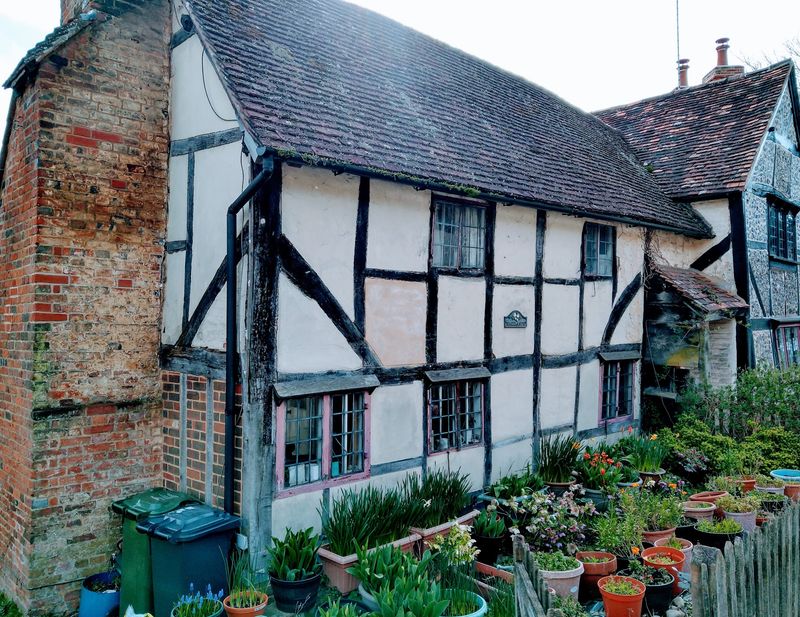
Tucked into the Surrey Hills Area of Outstanding Natural Beauty, Shere is the kind of village that makes you wonder how it has stayed so quiet given how close it sits to London.
The River Tillingbourne runs through the center of the village, crossed by small bridges that give the main street a distinctly picturesque character. St James’s Church dates back to Norman times and contains a remarkable 13th-century anchorite’s cell, where a woman named Christine Carpenter was reportedly bricked in voluntarily during the 14th century. That detail alone could fuel an entire mystery novel.
Shere has appeared in several films, including The Holiday, where it stood in for a quintessential English village. Its mix of old cottages, independent shops, and ancient church architecture makes it an easy favorite among visitors looking for a genuinely historic English village experience without a long drive from the capital.
5. Lower Slaughter, Gloucestershire, England
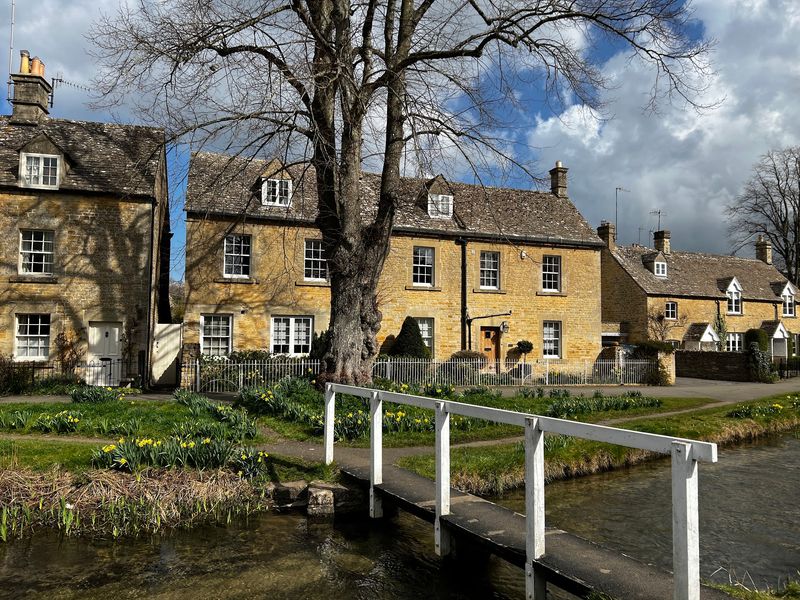
Any village bold enough to have the word “Slaughter” in its name deserves a place on this list, even if the reality is about as peaceful as a Sunday afternoon can get.
Lower Slaughter sits in the Cotswolds with the River Eye flowing quietly past rows of mellow stone cottages. The Old Mill, now home to a museum and tea room, provides a focal point along the riverbank that has changed very little in appearance over the centuries.
A footpath connects Lower Slaughter with its neighbor, Upper Slaughter, making a combined walk between the two villages a popular and rewarding way to spend an afternoon. Upper Slaughter, for the record, also has a name that sounds like it belongs in a mystery novel. Both villages are largely owned by a single estate, which helps explain their unusually well-preserved, cohesive character and their conspicuous absence of modern intrusions.
6. Broadway, Worcestershire, England
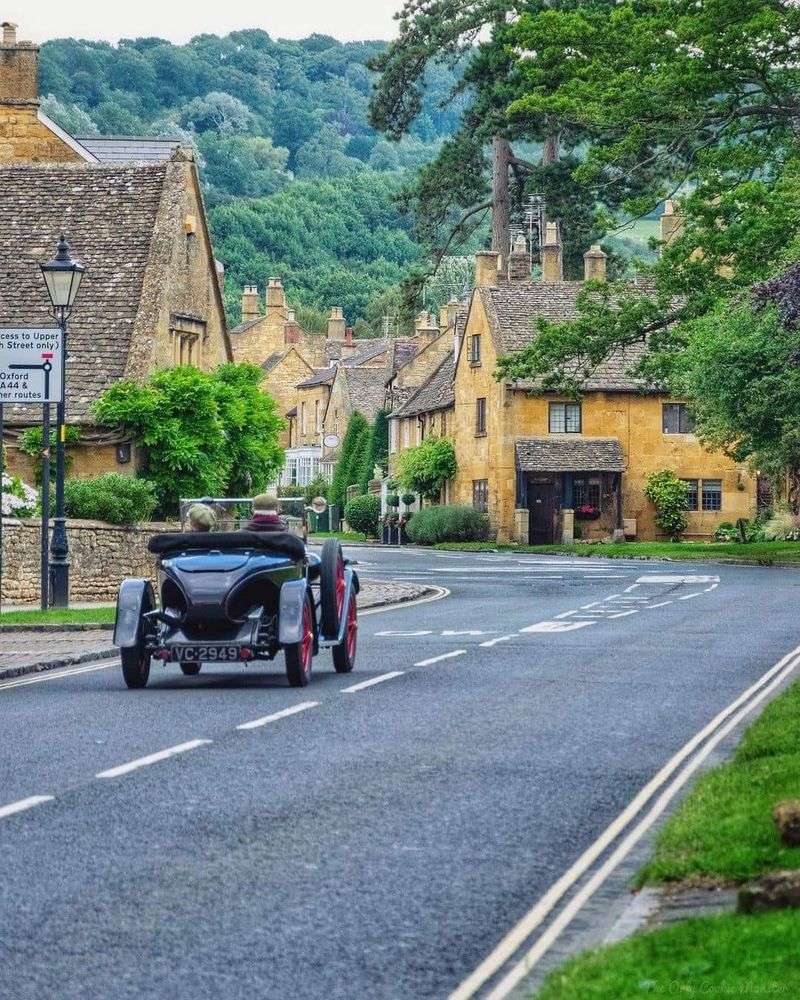
Broadway earns its name honestly. The main street is genuinely wide by English village standards, which gives it a slightly grander, more theatrical quality than many of its Cotswold neighbors.
The buildings lining Broadway High Street are built from the local golden limestone, and the mix of old inns, independent shops, and manor houses gives the village a sense of having quietly accumulated importance over several centuries. The Lygon Arms, a hotel on the main street with roots going back to the 16th century, has reportedly hosted both Oliver Cromwell and King Charles I at different points in history, which says something about the village’s central position in English life.
Above the village, Broadway Tower stands on one of the highest points in the Cotswolds. Built as a folly in 1799, it now offers views across up to thirteen counties on a clear day, and its isolated hilltop position gives it exactly the right air of brooding watchfulness.
7. Alfriston, East Sussex, England
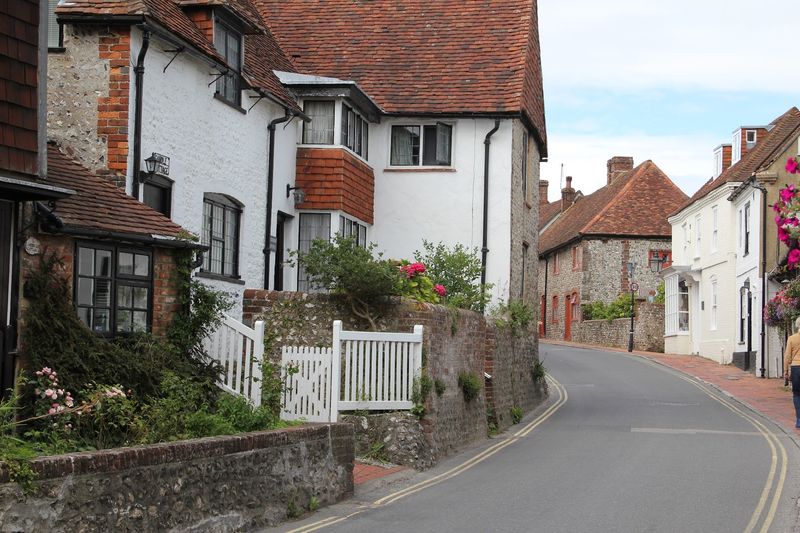
Alfriston has a legitimate claim to a small piece of English heritage history: the Alfriston Clergy House, a 15th-century Wealden hall house, became the very first building acquired by the National Trust back in 1896, purchased for the now-unbelievable sum of ten pounds.
The Clergy House’s timber-framed construction, thatched roof, and cottage garden make it one of the most photographed medieval buildings in the South of England. The village itself sits in the Cuckmere Valley within the South Downs National Park, with the chalk cliffs of the Seven Sisters a short walk away.
St Andrew’s Church, known locally as the Cathedral of the Downs due to its impressive size, anchors the village green with considerable authority. Alfriston also has a documented history as a smugglers’ haunt during the 18th century, when a gang called the Alfriston Gang operated from the village with remarkable boldness for several decades.
8. Hawkshead, Cumbria, England
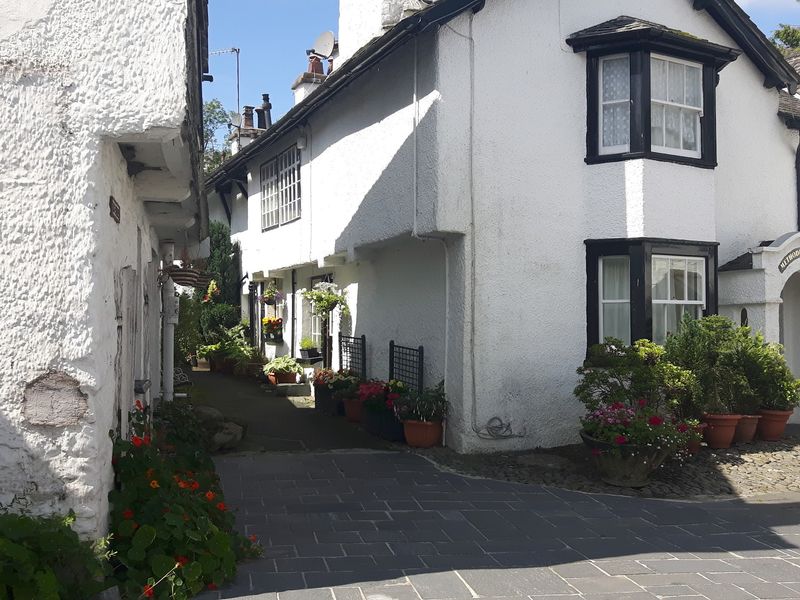
Most Cotswold villages have the stone-and-honey formula down to a fine art, but Hawkshead takes a different approach entirely, with whitewashed walls, irregular rooflines, and a tangle of lanes that seem to have been planned by someone who actively disliked straight lines.
The village sits in the Lake District National Park, and its compact, car-free center makes it one of the most walkable historic settlements in the north of England. Hawkshead Grammar School, where William Wordsworth studied from 1779 to 1787, still stands and is open as a museum. His desk, with his name carved into it, is still there.
Beatrix Potter also had strong connections to the area, and the Beatrix Potter Gallery in the village displays original illustrations from her books. Between Wordsworth and Potter, Hawkshead has accumulated more literary heritage per square meter than almost anywhere else in England, which gives its quiet lanes an extra layer of quiet significance.
9. Staithes, North Yorkshire, England
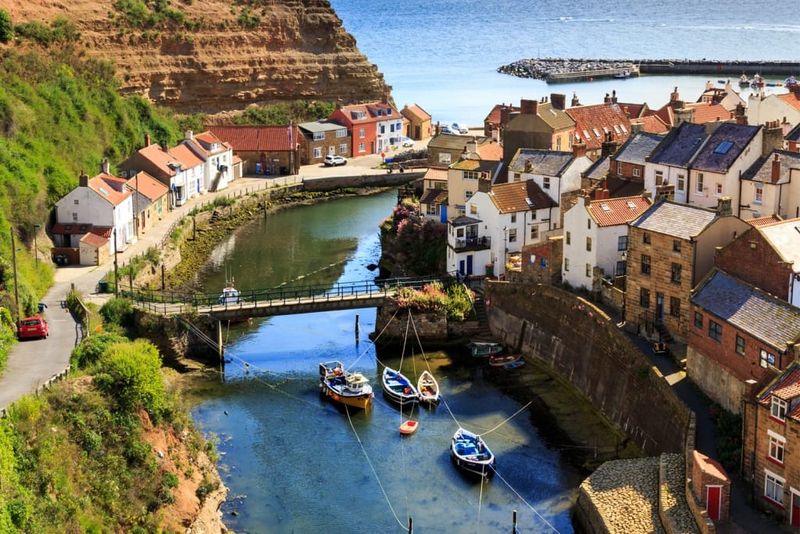
Staithes is the kind of coastal village that geography seems to have hidden on purpose, tucked into a narrow cleft in the North Yorkshire cliffs in a way that makes it invisible until you are almost on top of it.
The village was once one of the most important fishing ports on the northeast coast of England, and the tightly packed cottages, narrow lanes, and working harbor reflect that heritage directly. Captain James Cook lived and worked in Staithes as a young apprentice before moving to Whitby and eventually setting out to map the Pacific Ocean.
Staithes has also developed a strong artistic tradition, with a group of painters known as the Staithes Group working in and around the village during the late 19th and early 20th centuries. The Staithes Museum provides a focused look at the village’s maritime and artistic history, and the surrounding cliffs are excellent territory for fossil hunting.
10. Robin Hood’s Bay, North Yorkshire, England
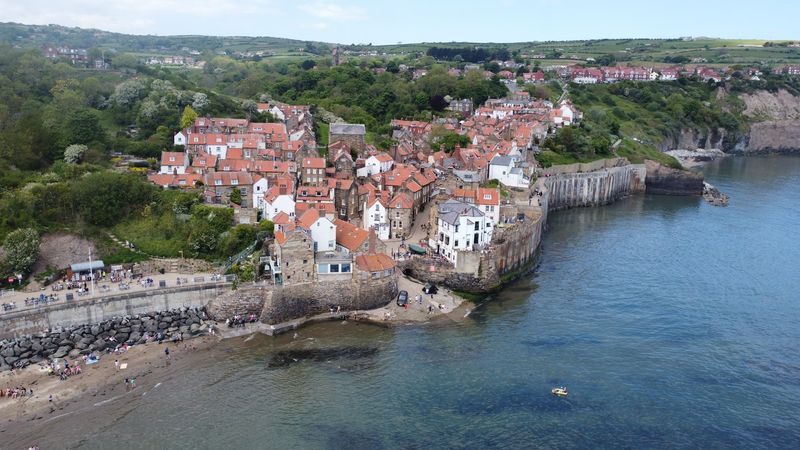
Robin Hood’s Bay has almost nothing to do with Robin Hood, which is itself rather suspicious and exactly the sort of detail a mystery writer would plant in the opening chapter.
The village is built on an extraordinarily steep hillside, with cobbled lanes dropping sharply toward the sea between rows of tightly packed stone cottages. Hidden passages, unexpected stairways, and sudden coastal views make every walk through the village feel like a small discovery. The village was historically a significant center for smuggling, and stories of hidden tunnels connecting the houses have circulated for centuries, though historians tend to be cautious about how many of those tunnels actually exist.
Near the shoreline, the National Trust Old Coastguard Station provides visitor information and marks the eastern end of the famous Coast to Coast walking route. The rocky beach below the village is also well regarded for fossil hunting, adding a practical reason to venture all the way down those steep lanes.
11. Great Tew, Oxfordshire, England
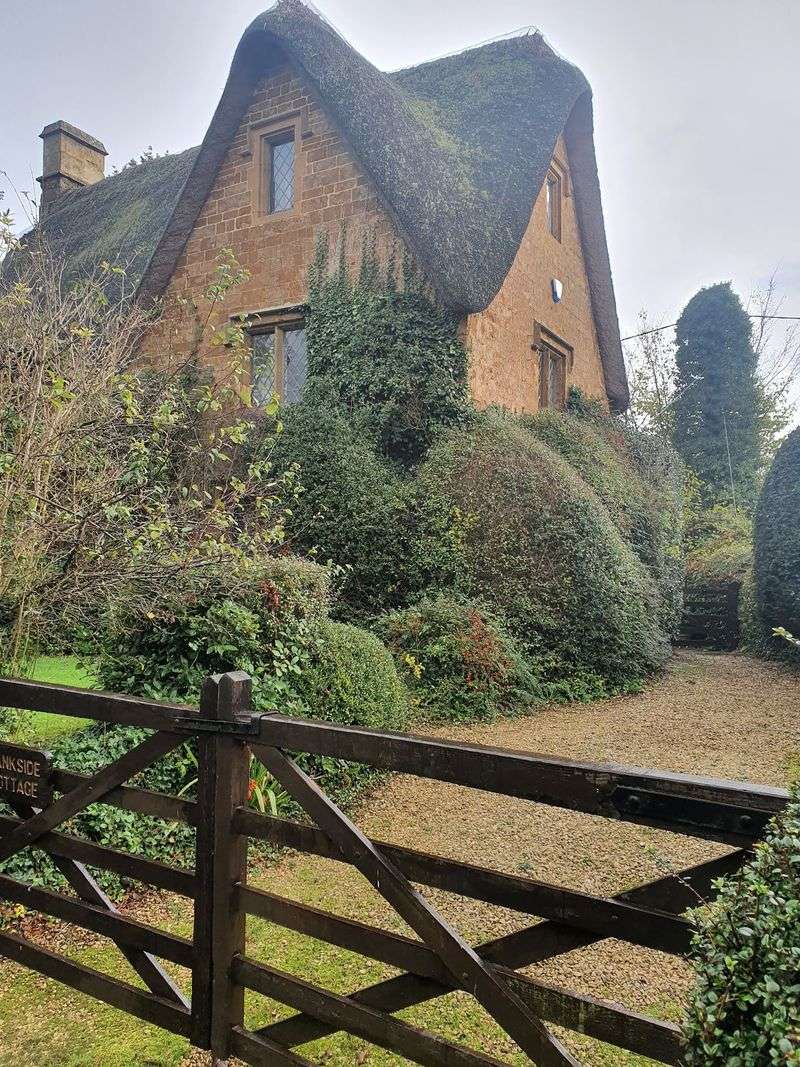
Great Tew is the sort of village that makes visitors instinctively lower their voices, as if speaking at normal volume might disturb something that has been very carefully left undisturbed for centuries.
The village is built from the local ironstone, which gives the cottages a warm, russet-brown color quite different from the paler limestone of the Cotswolds. Thatched roofs, mature trees, and the absence of modern development combine to create a scene that has changed remarkably little since the early 19th century, when the estate was redesigned as a planned village by the landscape designer J.C. Loudon.
St Michael’s Church sits at the heart of the village and contains several historic monuments connected to the Falkland family, who were prominent landowners in the area. Great Tew Estate still manages much of the surrounding land today. The village’s deliberate, unhurried character makes it one of the most convincing settings for an imaginary country-house mystery in all of Oxfordshire.
12. Cerne Abbas, Dorset, England
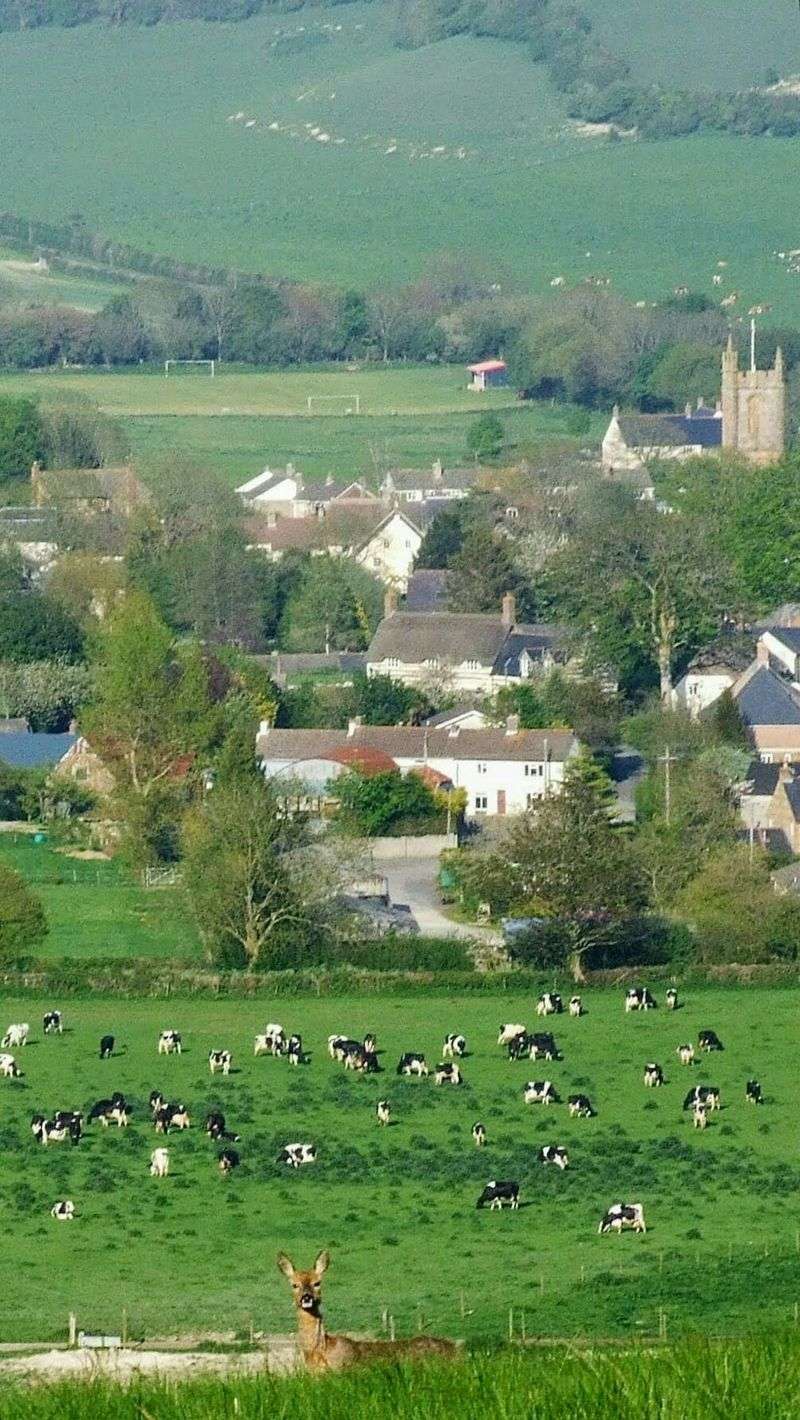
Most English villages have a church, a pub, and a duck pond. Cerne Abbas has all of those things plus an enormous chalk figure cut into the hillside above the village whose origins have been debated by historians, archaeologists, and enthusiastic amateurs for centuries.
The Cerne Abbas Giant, a 180-foot figure carved into the chalk, has no confirmed historical record before the 17th century, though theories about its age range from Roman to Saxon to much later. The village itself grew around a Benedictine abbey founded in the 10th century, and the ruins of that abbey, including a fine gatehouse and tithe barn, are still visible today.
The main street of Cerne Abbas is lined with attractive historic buildings, and the overall character of the village is that of a genuinely lived-in, working community rather than a preserved showcase. The combination of credible history and genuinely unresolved mystery makes Cerne Abbas one of the more intellectually interesting villages on this list.
13. Finchingfield, Essex, England
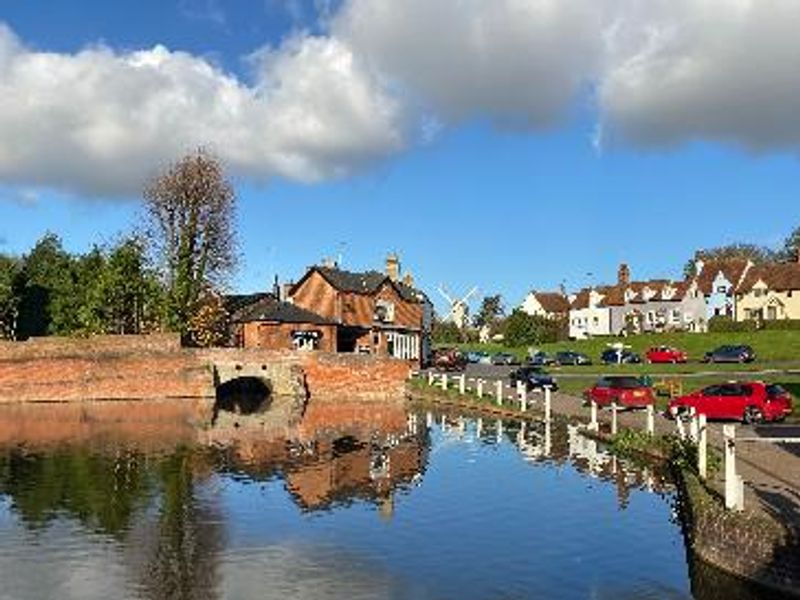
Finchingfield has been called the most photographed village in Essex so many times that the claim has practically become part of the village’s official description.
The layout is almost suspiciously picturesque: a duck pond at the bottom, a sloping green rising above it, thatched cottages on either side, a hilltop church at the top, and a windmill visible above the roofline. St John the Baptist Church dates back to Norman times and dominates the village from its elevated position with considerable authority. The windmill, built in the early 19th century, is one of several historic landmarks that give Finchingfield an unusually dense concentration of period character for a village of its size.
Unlike some heavily visited English villages, Finchingfield retains a working community feel, with local residents going about their business in the same streets that tourists photograph from every angle. That combination of genuine village life and postcard scenery is harder to find than it might seem.
14. Port Isaac, Cornwall, England
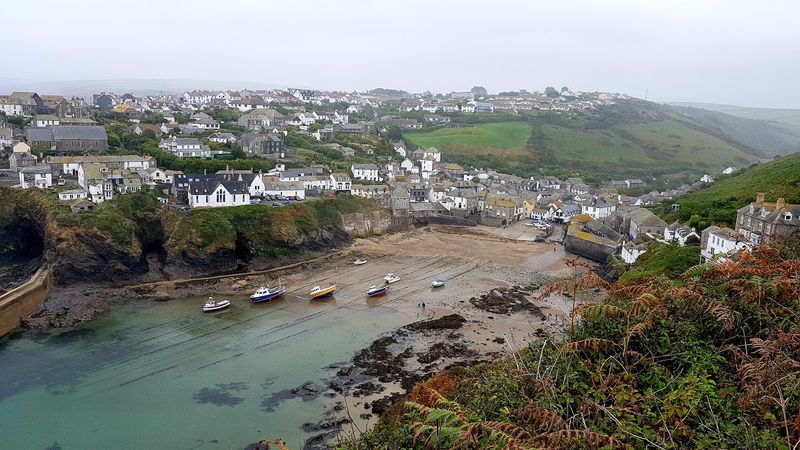
Port Isaac swaps the village green for a working harbor, which immediately puts it in a different category from the landlocked contenders on this list, and arguably a more dangerous one, plot-wise.
The village is built on a dramatic Cornish hillside, with narrow lanes called “drangs” connecting the main streets to the waterfront in ways that make a map almost useless. The harbor remains active, with local fishing boats still operating from the small quay. Port Isaac’s most famous screen role is as the fictional village of Portwenn in the long-running television series Doc Martin, which ran for ten series and brought considerable visitor attention to the village.
The Platt, the small open area beside the harbor, floods at high tide, which is the kind of practical detail that a mystery writer would find irresistible. Port Isaac also has a noted local sea shanty group called Fisherman’s Friends, whose story was turned into a feature film in 2019, adding yet another layer to an already well-documented village history.
Share this story