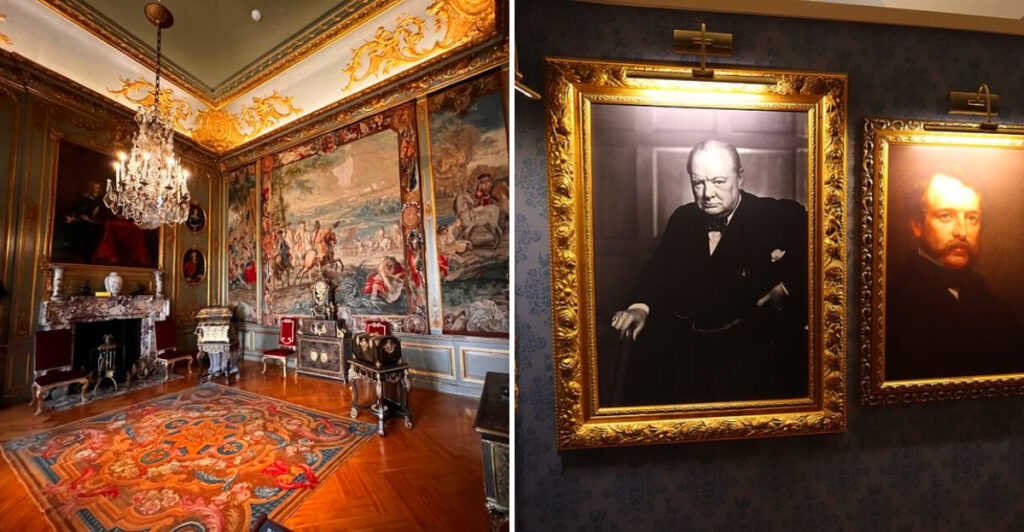
Blenheim Palace in Oxfordshire is one of Britain’s most historically loaded buildings, and most visitors only scratch the surface of what it contains. Built between 1705 and 1722 as a gift from Queen Anne to a victorious military general, the palace has been the backdrop for royal politics, family feuds, financial crises, and one very unexpected birth. Winston Churchill arrived here on November 30, 1874, while his parents were simply attending a party, and that single event turned a grand aristocratic home into a place of national significance. Beyond the birth room, the palace holds concealed chambers, a symbolic annual ceremony, a landscape reshaped by one of history’s greatest garden designers, and collections of art and artifacts that tell a story far bigger than any one family.
Read on to discover fourteen things that most visitors walk right past without ever knowing they existed.
1. The Room Where Churchill Was Unexpectedly Born
Nobody planned for Winston Churchill to be born at Blenheim Palace. His mother, Lady Randolph Churchill, had traveled there with her husband to attend a St. Andrew’s Day ball when she went into labor prematurely, several weeks ahead of schedule.
The room where he arrived had previously served as part of the apartments belonging to Dean Jones, chaplain to the 1st Duke of Marlborough. It was a modest space by palace standards, which made the circumstances even more unexpected.
Today the room is carefully preserved as one of the palace’s most visited attractions, fitted with period furnishings that reflect late Victorian aristocratic style. A glass cabinet displays Churchill’s first robe, borrowed at the time from a servant’s infant due to the unplanned nature of his arrival.
Personal photographs and family mementos line the room, offering visitors a grounded look at Churchill’s earliest connection to this remarkable building.
2. The Secret Rooms Hidden Inside the Grand Bridge
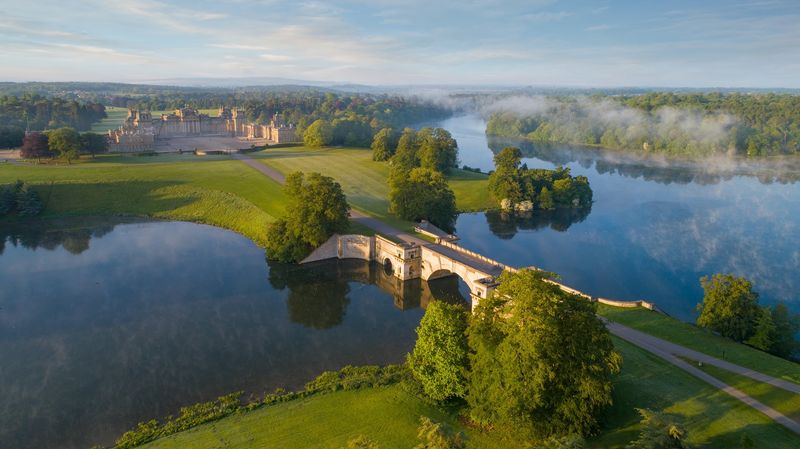
Sir John Vanbrugh designed the Grand Bridge at Blenheim as a bold architectural statement, but when landscape architect Lancelot ‘Capability’ Brown arrived in 1763, he made a decision that permanently changed what the bridge actually was.
Brown dammed the River Glyme to create the Great Lake, and in doing so submerged the lower storeys of Vanbrugh’s bridge entirely. What had previously spanned a marshy, unimpressive brook became a dramatic feature of a much grander water landscape.
Inside those submerged lower sections sit approximately 30 concealed rooms. Most visitors crossing the bridge have no idea the structure contains anything other than stone and mortar.
Relics from before the flooding remain sealed inside those chambers to this day, preserved by the very water that hid them. It is one of the most quietly remarkable architectural secrets anywhere in England, sitting in plain sight beneath one of the estate’s most photographed features.
3. The Annual Rent Still Paid to the Crown
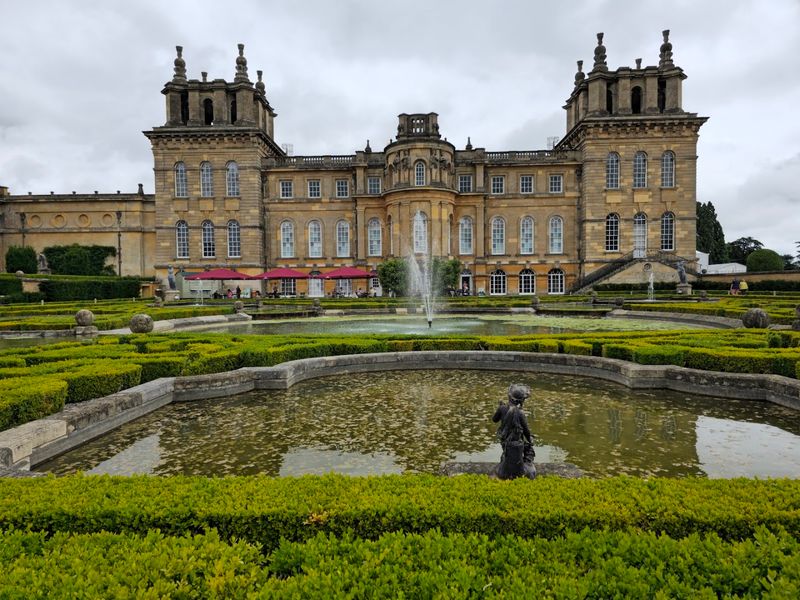
Blenheim Palace was never truly given away. When Queen Anne granted the royal manor of Woodstock to John Churchill, 1st Duke of Marlborough, following his victory at the Battle of Blenheim in 1704, the land technically remained Crown property.
The arrangement came with a condition that has been honored every year since: the Duke of Marlborough must present a replica French royal standard to the reigning monarch on the anniversary of the battle. This symbolic gesture functions as a peppercorn rent, a ceremonial acknowledgment that the estate is held in gratitude rather than outright ownership.
The original victory at Blenheim in Bavaria was a decisive moment in the War of the Spanish Succession, protecting Vienna from French and Bavarian forces. The annual ceremony keeps that 1704 military triumph alive in a very practical, if unusual, way.
Few estates in Britain carry a rental obligation quite this specific or this historically loaded.
4. The Palace That Replaced an Even Older Royal Residence
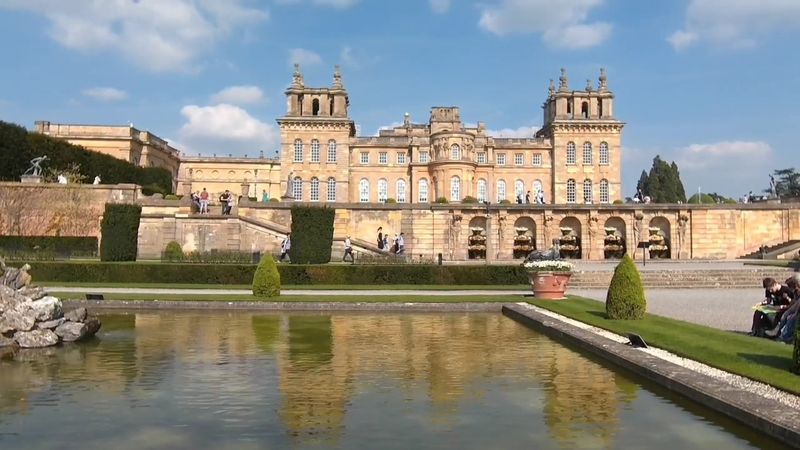
Long before Vanbrugh’s Baroque masterpiece dominated the Oxfordshire skyline, the same land held Woodstock Manor, a royal hunting lodge with origins dating to 1129. King Henry I established it and enclosed a vast park with a seven-mile wall, reportedly keeping exotic animals including lions and leopards within its boundaries.
The manor accumulated royal history over centuries. King Henry II is said to have housed his mistress, Rosamund de Clifford, within a secluded bower and labyrinth on the estate, a story that became one of medieval England’s most repeated romantic legends.
The medieval structure met its end in 1709, when Sarah, the 1st Duchess of Marlborough, ordered its demolition to clear the way for the new palace’s construction. The rubble was not wasted: it was used to fill the foundations of Vanbrugh’s Grand Bridge, physically incorporating the old residence into the new one.
The site essentially buried one era of royal history beneath another.
5. The Long Library’s Remarkable Collection
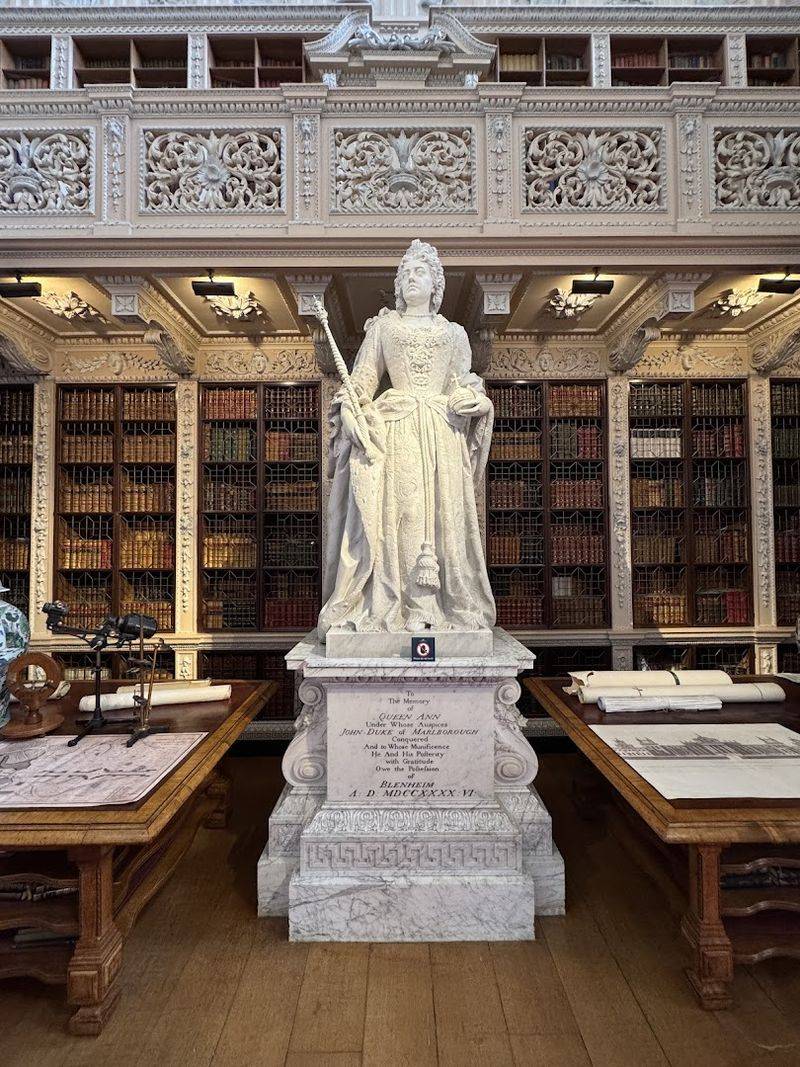
Stretching 55 meters from end to end, the Long Library at Blenheim is one of the largest private libraries in Britain. Its walls carry full-length portraits of Queen Anne, King William III, and John Churchill, the 1st Duke of Marlborough, and a Willis organ dominates the north end flanked by marble sculptures.
The room’s history, however, includes a chapter of significant loss. The 5th Duke of Marlborough inherited the title in the early 19th century and proceeded to spend at a rate the estate could not sustain. His personal library was eventually sold in over 4,000 separate lots, and the family’s rare Boccaccio manuscript went for just £875.
By the 1870s, financial pressures forced further sales, including the Marlborough gems and major artworks. What visitors see today is an impressive space that also carries the quiet history of a collection that was once far larger and then substantially dispersed across auction houses.
6. The Great Hall’s Massive Painted Ceiling
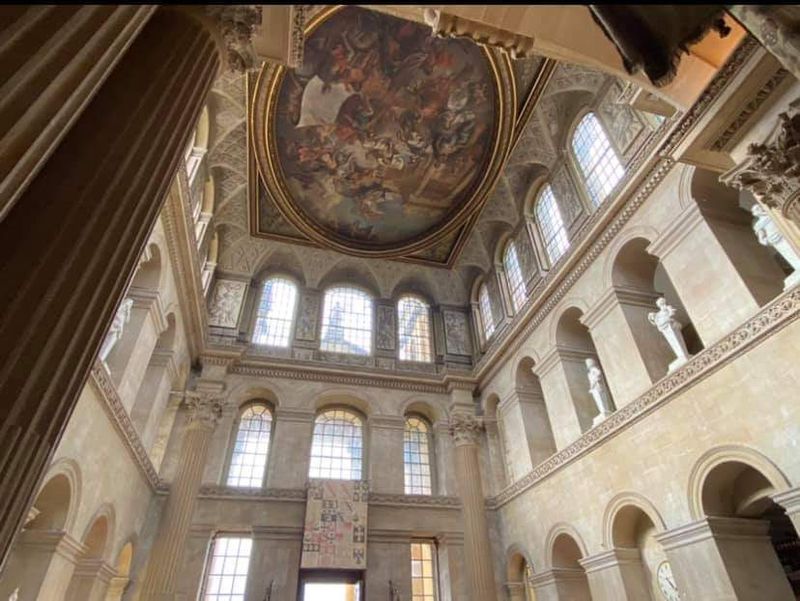
Sir James Thornhill completed the painted ceiling of Blenheim’s Great Hall in 1716, working in the Italian Baroque tradition he had applied to other major English commissions. The fresco shows John Churchill, 1st Duke of Marlborough, kneeling before the figure of Britannia while presenting a plan of his victory at the Battle of Blenheim.
Thornhill was one of the most prominent English painters of large-scale historical and allegorical murals of his era, and this ceiling ranks among his most ambitious works. It was designed to be read as a national statement, not simply a decorative feature.
Over the centuries, structural movement within the palace caused hairline cracks to develop across the surface. More recently, rainwater infiltration and mould growth required urgent conservation work. During the restoration, a full-scale upside-down replica of the fresco was installed beneath the scaffolding, giving visitors an unusually close view of Thornhill’s brushwork and compositional detail.
7. The Chapel Where Dukes of Marlborough Are Buried
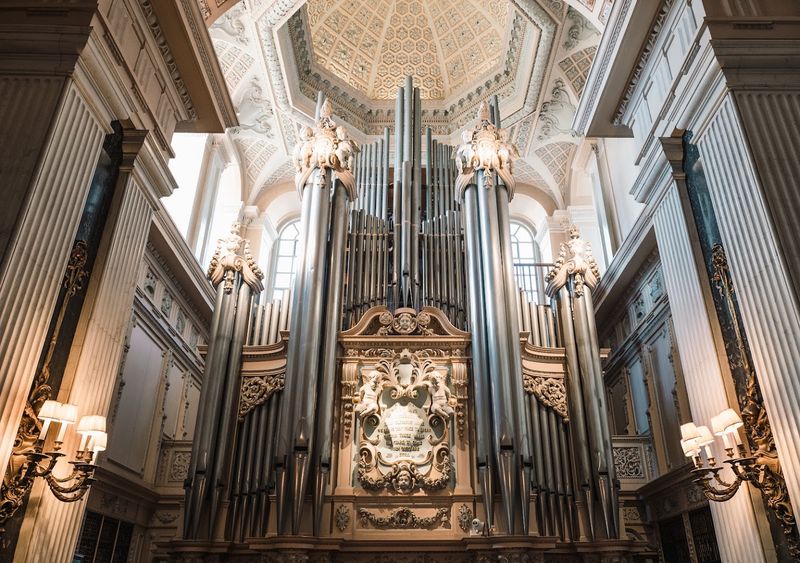
Tucked into the west wing of Blenheim Palace, the chapel serves as the primary burial site for most of the Dukes and Duchesses of Marlborough. Sarah, the 1st Duchess, oversaw much of its design and intended it as a permanent tribute to her husband, John Churchill.
The dominant feature inside is an elaborate memorial monument designed by William Kent, incorporating marble figures of the 1st Duke and Duchess alongside their sons. The scale and craftsmanship reflect the Baroque ambitions that shaped the entire palace.
Not every member of the family rests here. The 10th Duke and his first wife are exceptions, and Sir Winston Churchill, along with his wife Clementine, is buried in the nearby St. Martin’s parish churchyard in Bladon. A direct visual axis runs from the palace itself, past the Column of Victory, toward Bladon, creating a symbolic line connecting Churchill’s birthplace to his final resting place.
8. Churchill’s Lifelong Connection to the Estate
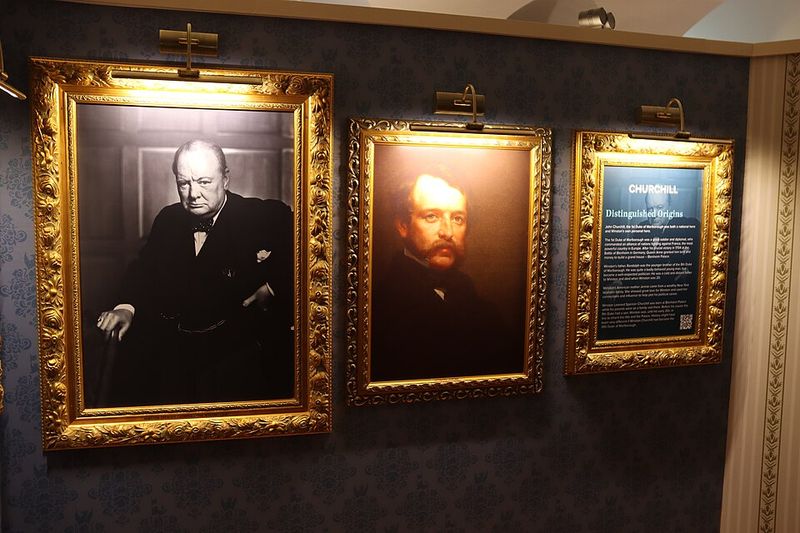
Churchill did not grow up at Blenheim, but the palace was a constant presence throughout his life. As the grandson of the 7th Duke of Marlborough, he visited regularly during school holidays and returned as an adult for social gatherings, painting sessions, and time with relatives.
The estate was also the setting for one of the most significant personal decisions of his life. In 1908, he proposed to Clementine Hozier at the Temple of Diana within the palace grounds. Churchill later remarked that at Blenheim he made two very important decisions: to be born, and to marry.
His affection for the estate ran deep. He described Blenheim as one of the precious links connecting Britain to its famous past, a sentiment that reflected both family pride and genuine historical appreciation.
When he died in 1965, Churchill was buried in St. Martin’s churchyard at Bladon, within clear sight of the palace where his life had begun.
9. The Hidden Story Behind Queen Anne’s Gift
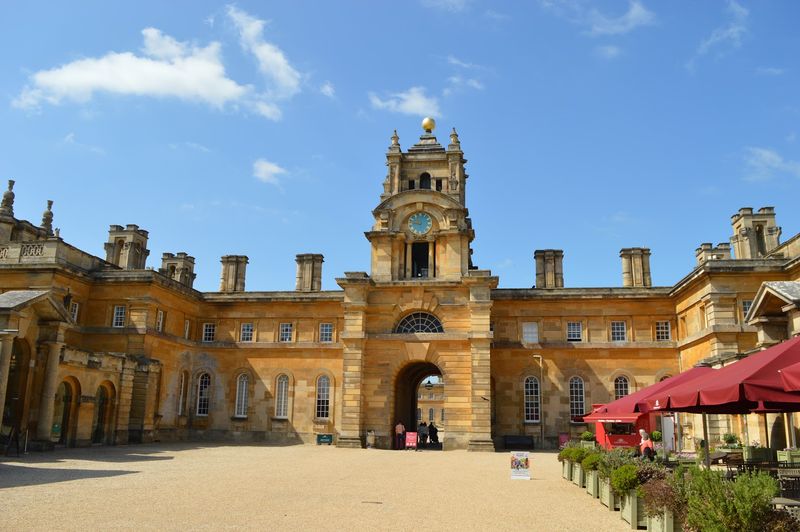
Blenheim Palace exists because of a battle fought in Bavaria in 1704. John Churchill’s victory at the Battle of Blenheim was a turning point in the War of the Spanish Succession, preventing French and Bavarian forces from advancing on Vienna and altering the balance of European power.
Queen Anne responded by granting Churchill the royal manor of Woodstock and authorizing Parliament to fund the construction of a grand palace in his honor. Parliament approved £240,000 for the project, an enormous sum reflecting the scale of national gratitude.
The queen’s close personal friendship with Sarah, Duchess of Marlborough, also shaped the generosity of the gift. Blenheim was conceived from the start as a national monument, not simply a private home, designed to physically embody a military triumph in stone and architecture.
That original intention explains why the palace’s scale, symbolism, and relationship to the Crown have remained so layered and politically significant across three centuries.
10. The State Rooms Filled With Political History
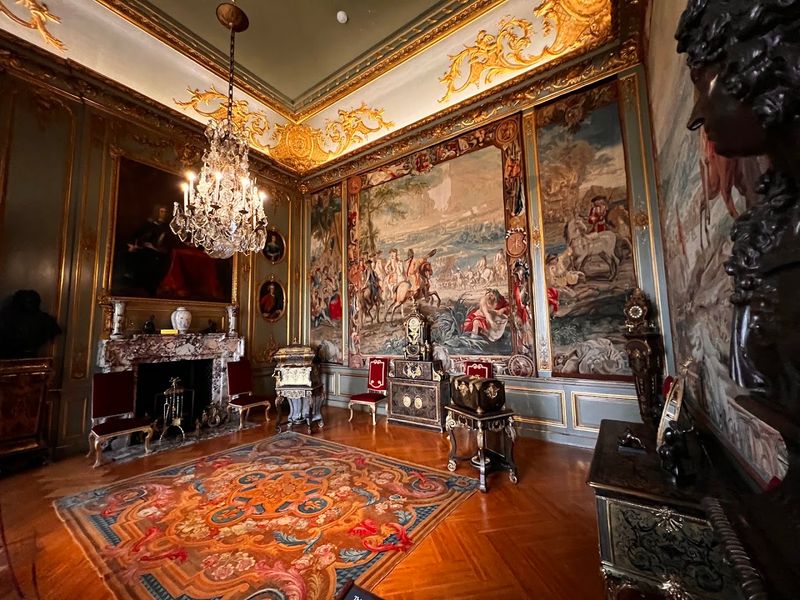
Blenheim Palace holds a distinction shared by no other non-royal, non-episcopal country house in England: it is officially designated a palace. The title was not honorary. The State Apartments were built to receive visiting monarchs and the most senior political figures of the era.
Sir John Vanbrugh designed the structure with Nicholas Hawksmoor as a deliberate statement of English Baroque power. Every architectural element carried symbolic weight. The exterior features roughly 15 references to British victories over France, including an archway depicting a British lion standing over a French cockerel.
Inside, Sir James Thornhill’s ceiling in the Great Hall reinforces the theme, placing the 1st Duke’s military triumph at the visual center of the building’s most public space. Even the funding disputes and construction controversies that plagued the project were rooted in the political rivalries of Queen Anne’s court.
The palace was always as much a political document as a residence.
11. The Churchill Exhibition’s Personal Artifacts
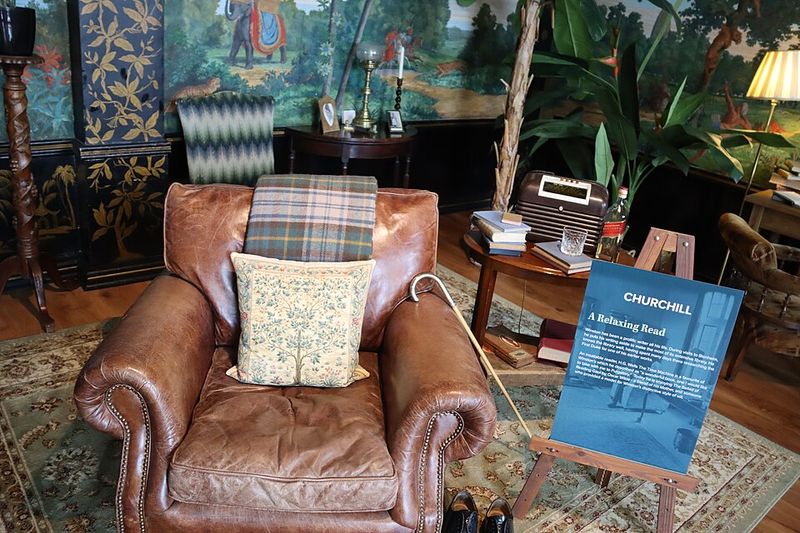
Opened in 2015 to mark the 50th anniversary of Churchill’s passing, the Churchill Exhibition at Blenheim sits close to his birth room and offers a focused look at the man behind the reputation. The collection is personal rather than broadly political, built around objects tied directly to his life.
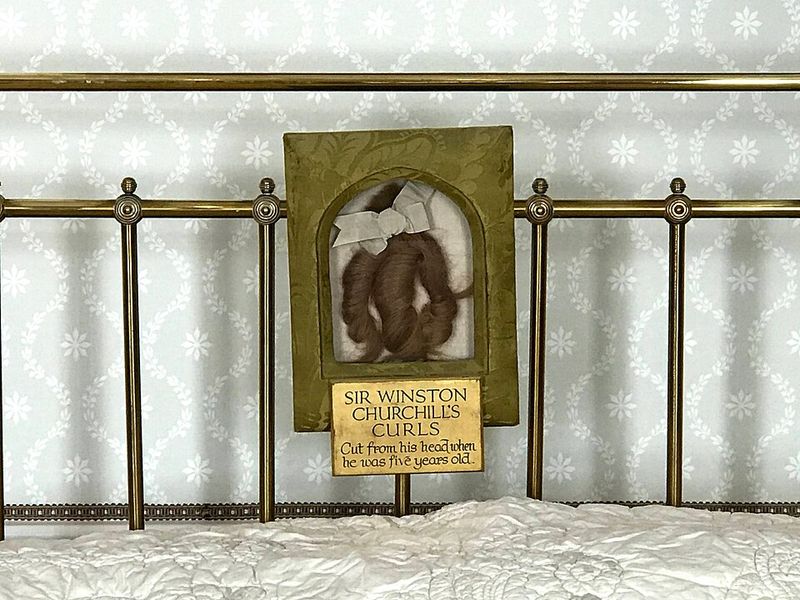
Handwritten letters, historical photographs, and a small lock of hair cut from his head at age five are among the items on display. His maroon siren suit, a practical garment he wore during wartime, is presented in a glass case and has become one of the exhibition’s most recognized pieces.
A painting Churchill made of the Great Hall at Blenheim is also included, showing how he viewed the space that shaped his family identity. The exhibition covers his visits to the palace during the Second World War, when parts of the estate were used for MI5 operations, adding an unexpected wartime dimension to the birthplace story.
12. The Landscape Designed by Capability Brown
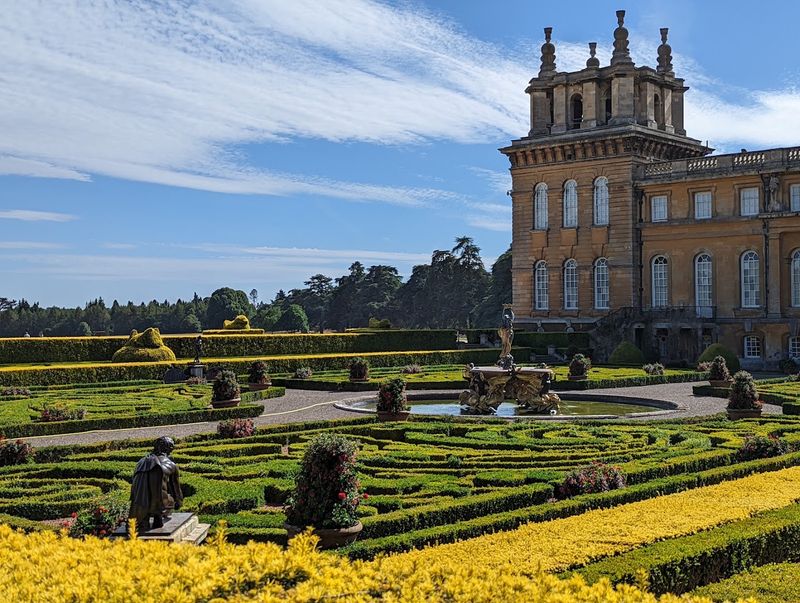
Lancelot ‘Capability’ Brown began reshaping the 2,000 acres surrounding Blenheim Palace in 1763, and the work he completed over the following decade is now considered one of the finest examples of the English landscape garden tradition. His approach prioritized naturalistic form over geometric formality.
His most consequential intervention was the creation of the Great Lake, formed by damming the River Glyme. The flooding submerged the lower sections of Vanbrugh’s Grand Bridge, which had previously been mocked for spanning what critics called an unimpressive trickle of water. Brown’s lake transformed it into a genuine focal point of the landscape.
Beyond the lake, Brown planted extensive tree belts, redesigned carriage drives, and reconfigured the palace entrance and Great Court. He shaped the terrain into gently undulating hills with strategically placed woodland clusters, producing views that appear entirely natural despite being meticulously planned. The landscape became as celebrated as the palace itself and was inscribed as a UNESCO World Heritage Site in 1987.
13. The Family Treasures Rarely Seen by the Public
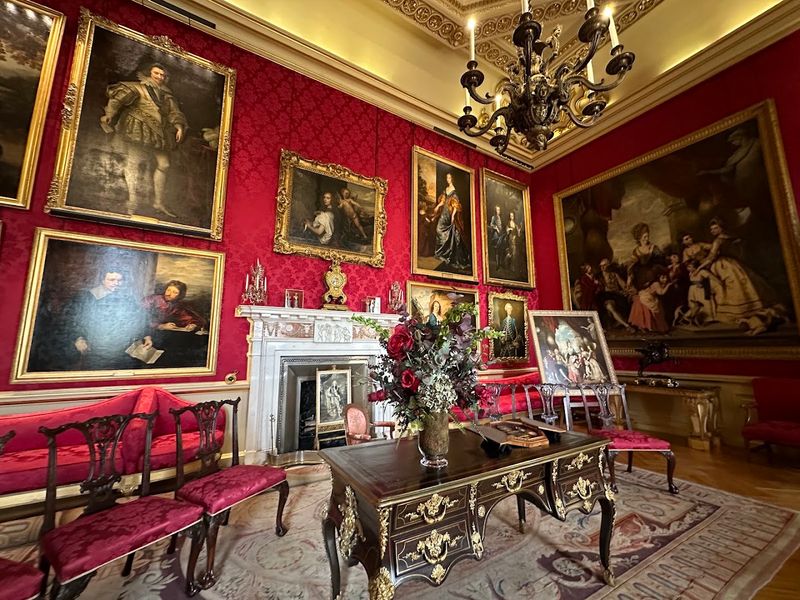
By the 1870s, the financial pressures on the Marlborough family had become severe enough to force the sale of objects that had been part of the estate for generations. The Marlborough gems and Raphael’s painting known as ‘The Marriage of Cupid and Psyche’ were sold in 1875, with the Raphael fetching £10,000.
Works by Van Dyck and Rubens followed in subsequent sales. A Rubens painting originally presented to the family by the city of Brussels after the Battle of Blenheim now resides in a New York museum, permanently separated from its original context.
The legal entail protecting the palace from sale created a financial trap: the family could not sell the building but struggled to fund its upkeep. The marriage of the 9th Duke to American heiress Consuelo Vanderbilt in 1895 brought a dowry of $2.5 million in railroad stock, which funded major restoration work and stabilized the estate. Much of what was sold in the 19th century has never returned.
14. The Palace That Nearly Never Existed
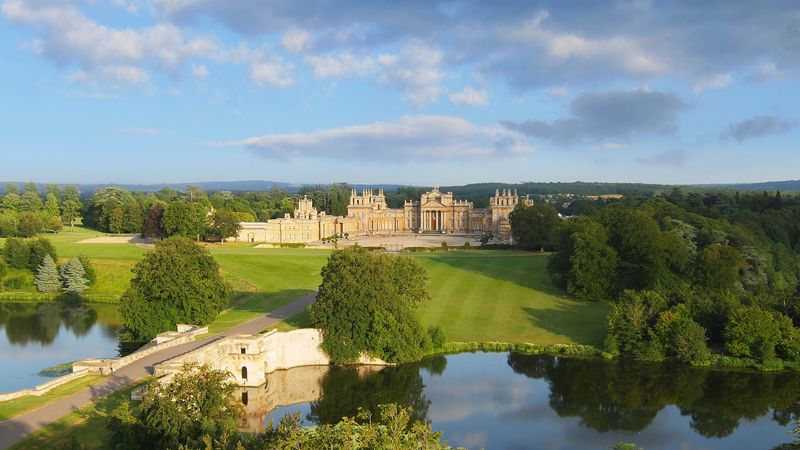
Construction of Blenheim Palace began in 1705 and was immediately contentious. Queen Anne’s financial support for the project became irregular as her relationship with Sarah, Duchess of Marlborough, deteriorated from close friendship into open conflict. By 1712, all state funding stopped entirely.
At that point, an estimated £220,000 had already been spent, and approximately £45,000 was still owed to the construction workers. The Marlboroughs were forced into exile and did not return until after Queen Anne’s passing in 1714, after which they had to fund the remaining work themselves.
Architect Sir John Vanbrugh, who had been Sarah’s reluctant choice from the start, found himself locked in bitter disputes with the Duchess over design decisions and financial accountability. She eventually barred him from the palace grounds entirely, and the ongoing conflict caused lasting damage to his professional standing.
Stone originally planned to come from local sources had to be transported from distant quarries, adding substantially to a project that nearly collapsed under the weight of its own ambitions before it was ever completed.
Share this story