Food is more than just fuel. The way different cultures eat can have a huge impact on how long and how well people live.
Some countries have developed food traditions over thousands of years that happen to be incredibly good for the human body. From the shores of the Mediterranean to the mountains of East Asia, these 15 countries offer some of the most nutritious and balanced diets on the planet.
1. Greece
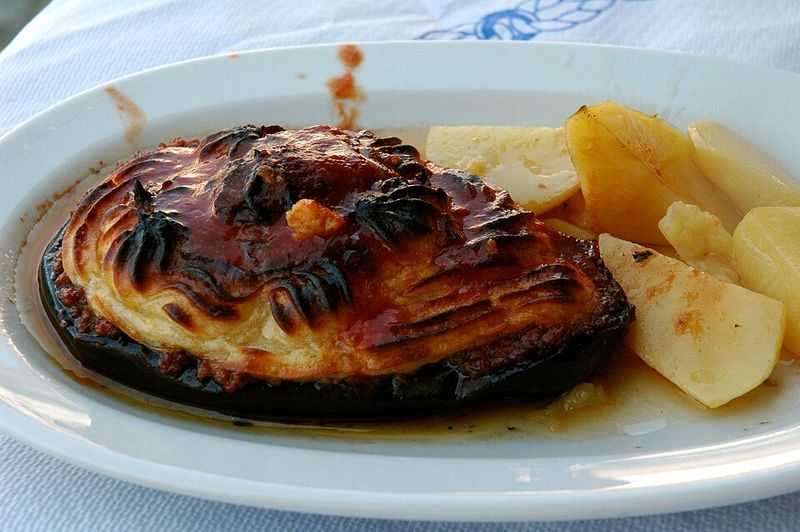
Few food cultures in the world have earned as much praise from nutrition scientists as Greece. The traditional Greek diet sits at the heart of what researchers call the Mediterranean diet, widely regarded as one of the most health-promoting ways of eating ever studied.
Every meal tends to center on extra-virgin olive oil, fresh vegetables, legumes like chickpeas and lentils, whole grains, nuts, and seasonal fruit. Fish and seafood appear regularly, while red meat is eaten sparingly.
Fresh herbs such as oregano, thyme, and rosemary add flavor without relying on heavy sauces or excess salt.
Studies consistently link this style of eating to lower rates of heart disease, type 2 diabetes, and certain cancers. Greek grandmothers have known this for generations, even without the clinical trials to back them up.
2. Japan

Japan consistently ranks among the countries with the longest life expectancy on Earth, and diet plays a major role in that achievement. Traditional Japanese eating is built around fish, vegetables, seaweed, soy-based foods like tofu and miso, steamed rice, and fermented staples such as natto and pickled vegetables.
Portion sizes tend to be smaller than in many Western countries. Meals are often served in multiple small dishes rather than one large plate, which naturally encourages mindful eating and prevents overconsumption.
There is even a cultural concept called “hara hachi bu,” which means eating until you are about 80 percent full.
The island of Okinawa, where residents frequently live past 100, has been studied extensively for its food habits. Low-calorie, plant-rich, and nutrient-dense meals appear to be a key factor in those remarkable longevity numbers.
3. Spain

Spain shares much of the same Mediterranean food philosophy as Greece and Italy, but it brings its own distinct character to the table. Olive oil is the cooking fat of choice across most of the country, and vegetables, legumes, nuts, seafood, whole grains, and fresh fruit form the backbone of daily eating.
Dishes like gazpacho, a chilled tomato-based soup loaded with vegetables, and cocido, a hearty chickpea stew, show how Spanish cooking manages to be both deeply satisfying and genuinely nutritious. Seafood is abundant along Spain’s extensive coastline, and fish consumption remains high compared to many other European nations.
Spain also has one of the highest life expectancy rates in Europe. Researchers point to diet, along with a relaxed meal culture that encourages sitting down and eating slowly with others, as contributing factors to those impressive health outcomes.
4. Italy

When most people think of Italian food, pizza and pasta come to mind. While those dishes certainly exist, traditional Italian cuisine is far more diverse and far more nutritious than the takeout version many people know.
Vegetables, legumes, olive oil, tomatoes, whole grains, fruit, nuts, and seafood are the real foundations of how Italians have eaten for centuries. Meals are built around seasonal, locally grown ingredients.
Processed foods and heavy sauces are far less common in traditional home cooking than in restaurant versions served abroad.
The Mediterranean coastal regions of southern Italy, particularly Calabria and Sardinia, have produced some of the longest-lived populations in the world. Sardinia is actually one of the original “Blue Zones,” regions where researchers have documented unusually high concentrations of people living past 100.
Food, community, and physical activity all appear to contribute to that longevity.
5. Portugal

Portugal may not always get the same attention as its Mediterranean neighbors, but its traditional food culture deserves serious recognition. Seafood is central to Portuguese cooking, with sardines, cod, and other fish consumed in impressive quantities throughout the country.
Olive oil, beans, vegetables, leafy greens, fruit, and hearty soups called “caldos” are everyday staples. The famous caldo verde, a simple soup made with kale, potatoes, and olive oil, is both humble and nutritionally impressive.
Legumes appear in many traditional dishes, providing plant-based protein and fiber that support digestive and heart health.
Portugal’s food culture also values slow cooking and fresh, local ingredients over convenience foods. While modern eating habits have shifted in urban areas, rural communities still maintain traditional patterns that closely resemble the broader Mediterranean dietary model.
Those traditional habits are linked to strong cardiovascular health outcomes across the population.
6. South Korea
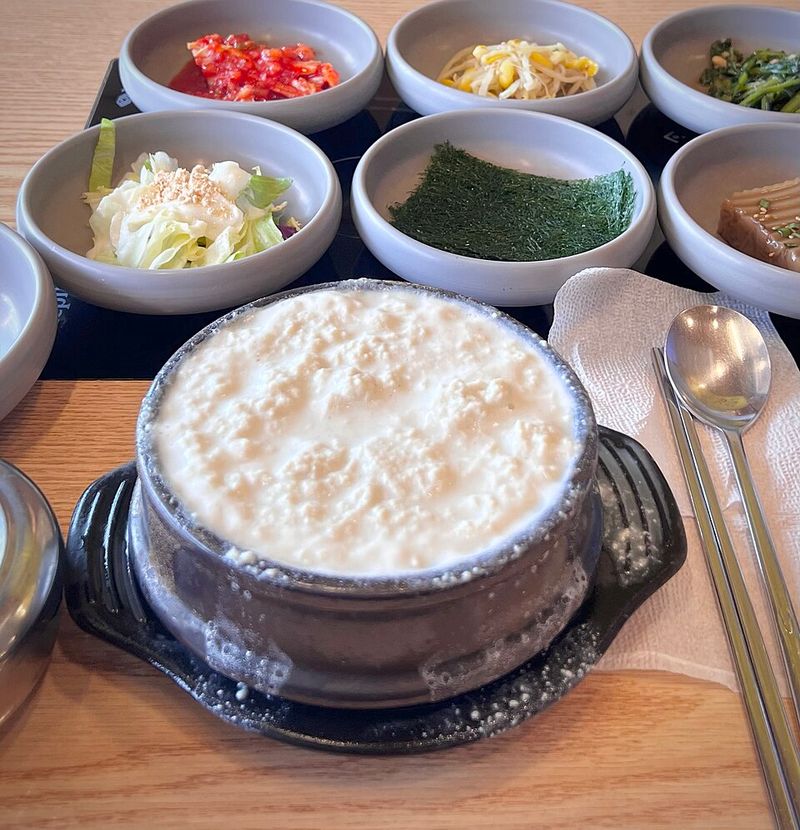
Korean food culture has a lot going for it from a nutrition standpoint. Traditional Korean meals are built around vegetables, fermented foods, seafood, tofu, broths, and rice, with a remarkable variety of flavors and textures packed into a single sitting.
Kimchi, the famous fermented cabbage dish, is eaten at almost every meal and is loaded with probiotics that support gut health. Alongside kimchi, a traditional Korean table typically includes multiple small side dishes called “banchan,” many of which are vegetable-based.
This variety means people naturally consume a wide range of nutrients throughout the day.
One honest caveat worth mentioning is sodium. Some traditional Korean dishes, including certain soups and fermented preparations, can be quite high in salt.
Researchers studying Korean dietary health note that sodium intake is an area of ongoing concern. Still, the overall plant-rich, fermented-food-forward pattern remains nutritionally strong.
7. Israel

Israeli cuisine draws heavily from Mediterranean and Middle Eastern food traditions, resulting in a diet that nutrition researchers tend to admire. Vegetables, chickpeas, lentils, tahini, olive oil, nuts, fresh herbs, and whole grains appear throughout daily cooking in ways that are both delicious and genuinely good for the body.
Hummus, made from chickpeas and tahini, is far more than a dip. It is a protein and fiber-rich staple that appears at breakfast, lunch, and dinner tables across the country.
Dishes like shakshuka, eggs poached in a spiced tomato and pepper sauce, pack multiple nutrients into a single, affordable meal.
Fresh salads are eaten at breakfast in Israel, which is a habit that would impress most nutritionists. The combination of Mediterranean eating patterns with a culture that values fresh, whole ingredients makes Israeli food an excellent example of how flavor and nutrition can genuinely go hand in hand.
8. Lebanon

Lebanese cuisine is one of the most celebrated food traditions in the Middle East, and for good reason. It is also one of the healthiest.
Traditional Lebanese cooking relies on lentils, chickpeas, bulgur wheat, fresh parsley, tomatoes, yogurt, olive oil, vegetables, and nuts as its primary building blocks.
Tabbouleh, a refreshing salad made mostly of finely chopped parsley with bulgur, tomatoes, and lemon juice, is a nutritional standout. It is high in vitamins C and K and delivers a good amount of fiber.
Mujaddara, a simple dish of lentils and rice topped with caramelized onions, is inexpensive, filling, and packed with plant-based protein.
Lebanese meals are typically shared and communal, with many small dishes placed at the center of the table for everyone to enjoy together. That social dimension of eating, taking time and sharing food, may itself contribute to better overall health and wellbeing.
9. Vietnam
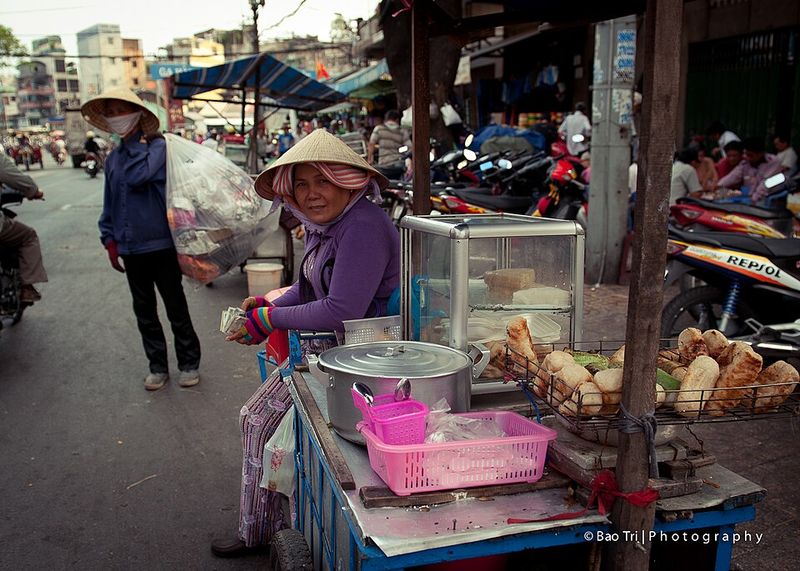
Vietnamese food has a lightness and freshness to it that sets it apart from many other Asian cuisines. Fresh herbs, crisp vegetables, seafood, rice, and clear broths are the foundation of traditional Vietnamese cooking, and the preparation methods tend to be simple, preserving nutrients rather than cooking them away.
Pho, the iconic Vietnamese noodle soup, is a good example. A well-made bowl contains a deeply flavored bone broth, rice noodles, lean protein, and a generous pile of fresh herbs and bean sprouts added at the table.
It is satisfying without being heavy. Fresh spring rolls, wrapped in rice paper with herbs, shrimp, and vegetables, are another nutritional highlight.
Compared to many other national cuisines, traditional Vietnamese food tends to be lower in saturated fat and higher in vegetables and fresh ingredients. That combination supports healthy weight, good digestion, and strong cardiovascular health over time.
10. India
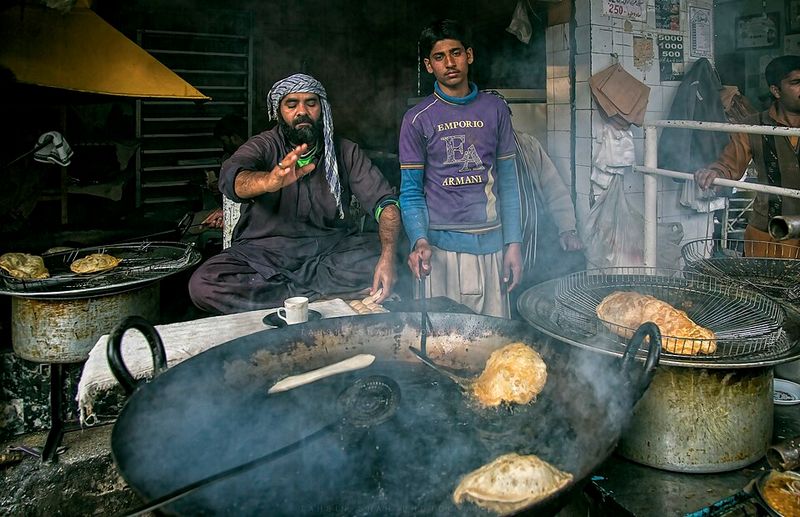
India is one of the most culinarily diverse countries on Earth, and that diversity makes it difficult to speak about a single Indian diet. Still, many traditional Indian eating patterns share a set of nutritional strengths that are worth highlighting.
Lentils, beans, vegetables, whole grains, spices, nuts, seeds, and fermented dairy products like yogurt appear across countless regional cuisines. Turmeric, used widely in Indian cooking, contains curcumin, a compound that has been studied for its anti-inflammatory properties.
The heavy use of legumes in dishes like dal means that many Indians get substantial plant-based protein and fiber daily.
A large portion of the Indian population follows vegetarian diets for cultural or religious reasons, which has naturally produced a rich tradition of plant-based cooking. Regional variation is enormous, so diets in coastal Kerala look very different from those in Punjab.
But the plant-forward foundation remains a consistent nutritional strength.
11. Ethiopia
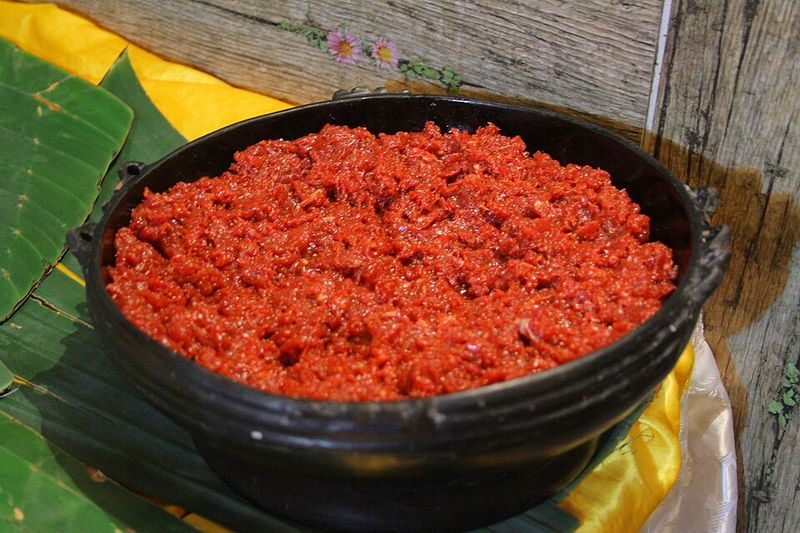
Ethiopian cuisine does not always get the international spotlight it deserves, but from a nutritional standpoint, it is genuinely impressive. The foundation of most traditional Ethiopian meals is injera, a spongy flatbread made from teff, an ancient grain that is high in protein, fiber, iron, and calcium compared to many other grains.
Teff is naturally gluten-free and has a lower glycemic index than refined wheat, making it a particularly strong choice for blood sugar management. On top of the injera, meals typically feature lentils, chickpeas, split peas, leafy vegetables, and other plant-based stews called “wots.” Meat is eaten in some households, but plant foods dominate traditional Ethiopian cooking, especially during religious fasting periods.
Ethiopia’s Orthodox Christian population observes numerous fasting days each year during which animal products are avoided entirely. This cultural practice has reinforced a deeply plant-based food tradition that delivers strong nutritional benefits across the population.
12. Norway

Norway might not be the first country that comes to mind when thinking about healthy food cultures, but its traditional diet has some serious nutritional credentials. The cold waters surrounding Norway produce some of the world’s finest fatty fish, including salmon, mackerel, and herring, all of which are rich in omega-3 fatty acids.
Omega-3 fats are well-documented for their role in supporting heart health, reducing inflammation, and promoting healthy brain function. Norwegians have historically consumed these fish in large quantities, both fresh and preserved through pickling or smoking.
Whole grain rye bread, root vegetables, berries, and dairy products round out the traditional Norwegian food pattern.
Cloudberries, lingonberries, and blueberries grow wild across Norway and have been part of the traditional diet for centuries. These small fruits are packed with antioxidants and vitamins.
The combination of fatty fish and antioxidant-rich berries makes Norway’s traditional food culture a nutritional standout in northern Europe.
13. Iceland

Iceland is a small island nation with a food culture shaped almost entirely by its environment. Surrounded by cold, clean ocean waters, Iceland has long relied on fish and seafood as a primary food source.
Cod, haddock, Arctic char, and salmon feature heavily in traditional Icelandic cooking, providing abundant lean protein and omega-3 fatty acids.
Skyr, a thick fermented dairy product similar to Greek yogurt but with even higher protein content, has been eaten in Iceland for over a thousand years. It is low in fat, high in protein, and contains beneficial probiotics.
Rye bread, slowly baked using geothermal heat in some traditional methods, is dense, fiber-rich, and nutritionally solid.
Traditional Icelandic eating is refreshingly simple. There are few heavy sauces or complicated preparations.
Lamb raised on open Icelandic pastures is also a common protein source. That simplicity, combined with high-quality ingredients, makes Iceland’s traditional diet cleaner and more nutrient-dense than many modern food cultures.
14. Costa Rica

Costa Rica punches well above its weight when it comes to food and longevity research. The Nicoya Peninsula, located on Costa Rica’s Pacific coast, is one of only a handful of places in the world designated as a Blue Zone, where residents regularly live healthy, active lives well past the age of 90 and even 100.
Traditional Costa Rican eating centers on beans, corn, rice, squash, vegetables, and tropical fruit. The classic dish gallo pinto, a simple combination of rice and black beans, is eaten at breakfast across the country and delivers a solid combination of plant-based protein, fiber, and complex carbohydrates.
Tropical fruits like papaya, mango, and pineapple provide vitamins and natural sugars.
Researchers studying Nicoya residents point to their diet, strong social connections, sense of purpose, and physical activity as key factors in their remarkable longevity. The food itself is modest and affordable, proving that a healthy diet does not need to be expensive or complicated.
15. Singapore

Singapore is a small city-state with a remarkably diverse food culture shaped by Chinese, Malay, Indian, and other culinary traditions. That diversity means residents have access to an unusually wide range of ingredients and cooking styles, many of which are built around fish, vegetables, tofu, rice, broths, and tropical fruit.
Hawker centers, Singapore’s famous open-air food courts, serve affordable meals that often include steamed fish, vegetable dishes, tofu-based soups, and fresh fruit. These meals can be genuinely nutritious and are a regular part of daily life for many Singaporeans.
The variety of cuisines also means that eating a wide range of nutrients throughout the week is practically built into the culture.
An honest note here is that nutritional quality varies considerably between individual dishes. Some hawker favorites are high in sodium or refined carbohydrates.
Still, the overall food environment gives Singaporeans access to healthy, balanced meals in a way that many other countries would envy.
Share this story