Europe is home to some of the most breathtaking public gardens on the planet, and many of them are surprisingly easy to visit. From the grand geometric landscapes of French royalty to quiet botanical corners in Nordic cities, these green spaces offer far more than just pretty flowers.
They carry centuries of history, clever design, and a genuine sense of place that no museum can fully replicate. Whether you are planning a big European trip or looking for one more reason to visit a city you already love, this list gives you 15 gardens worth putting at the top of your itinerary.
Gardens of Versailles, Versailles, France
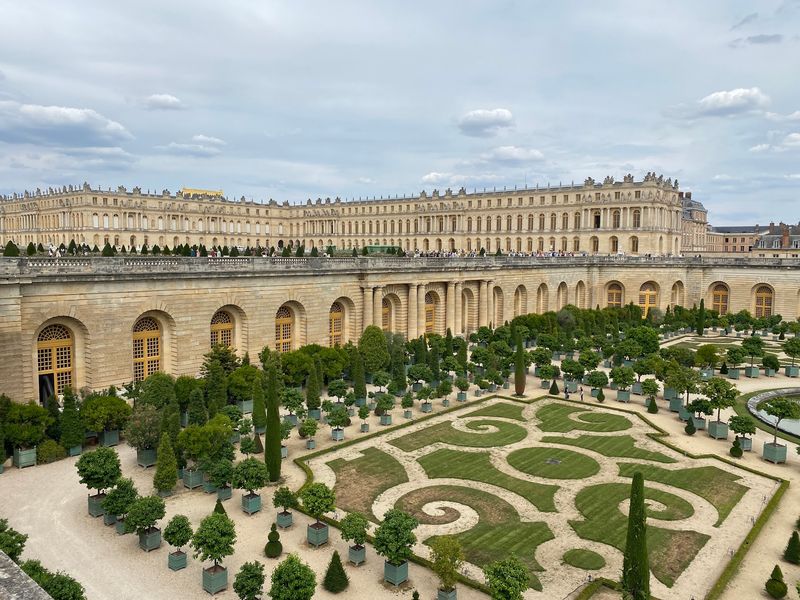
The Gardens of Versailles are so large that some visitors spend an entire day exploring them and still do not reach every corner. Created for Louis XIV, these grounds were designed to project power and precision through geometry, symmetry, and sheer scale.
The controlled flowerbeds, sculpted hedges, and long stone avenues feel like a ruler was taken to the entire landscape.
Walking farther from the palace reveals a gradual shift in atmosphere. The formal sections near the chateau give way to wider paths, wooded groves, and the enormous Grand Canal stretching toward the horizon.
The variety keeps the walk interesting even across several hours.
The gardens are open daily, with summer hours running from 7 a.m. to 8:30 p.m. Fountain show days bring extra crowds and sometimes adjusted admission, so checking the official Versailles website before your visit is a practical step worth taking.
Kew Gardens, London, United Kingdom
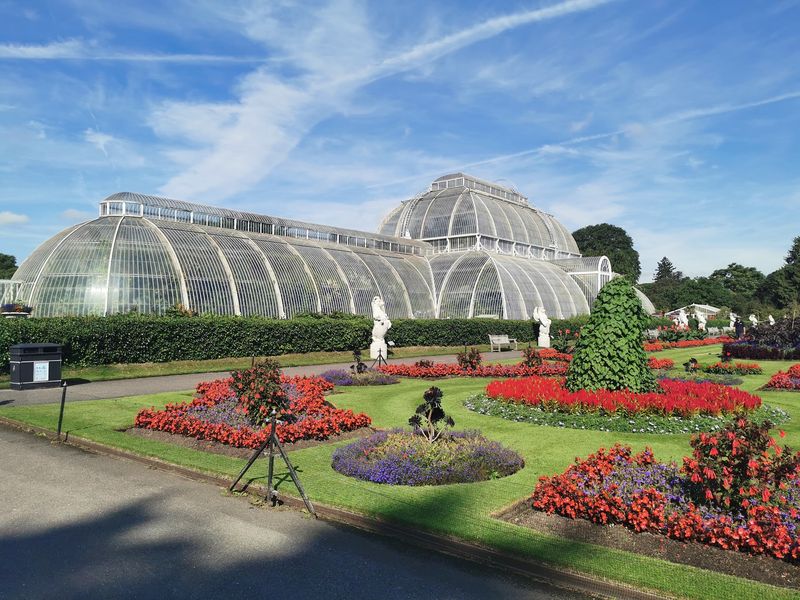
Royal Botanic Gardens Kew manages to be both a working scientific institution and one of the most enjoyable green spaces in London, which is a genuinely rare combination. The plant research happening here has global significance, yet for most visitors, the experience feels more like a long, pleasant wander than a science lesson.
The glasshouses are a particular highlight. Historic Victorian structures sit alongside newer architectural additions, and stepping inside any one of them transports you into a completely different climate zone.
Tropical plants, desert species, and temperate collections each get their own environment.
Tree-lined paths, formal garden sections, and open lawns fill the outdoor spaces between these structures. Kew is open year-round, with summer weekday hours extending into the evening.
Because the grounds cover a significant area, comfortable footwear and a rough plan of which sections to prioritize will make your visit much more satisfying.
Schonbrunn Palace Park, Vienna, Austria
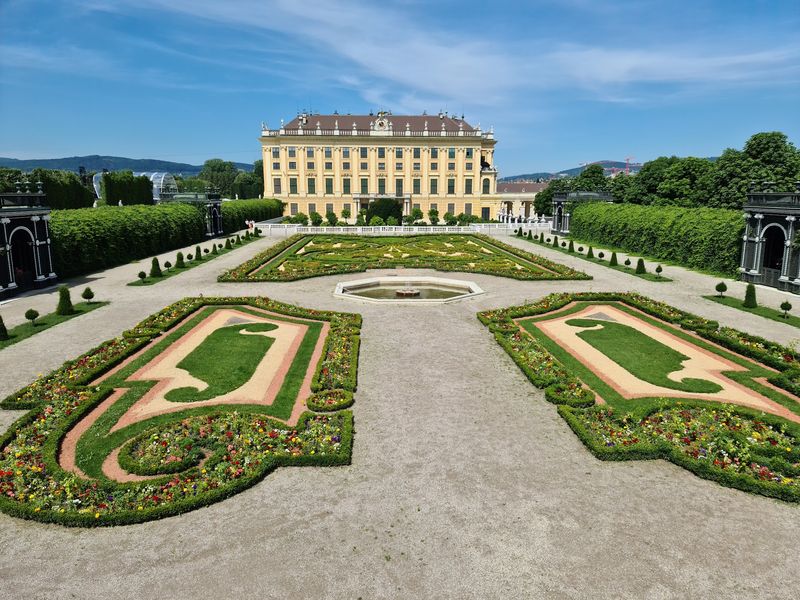
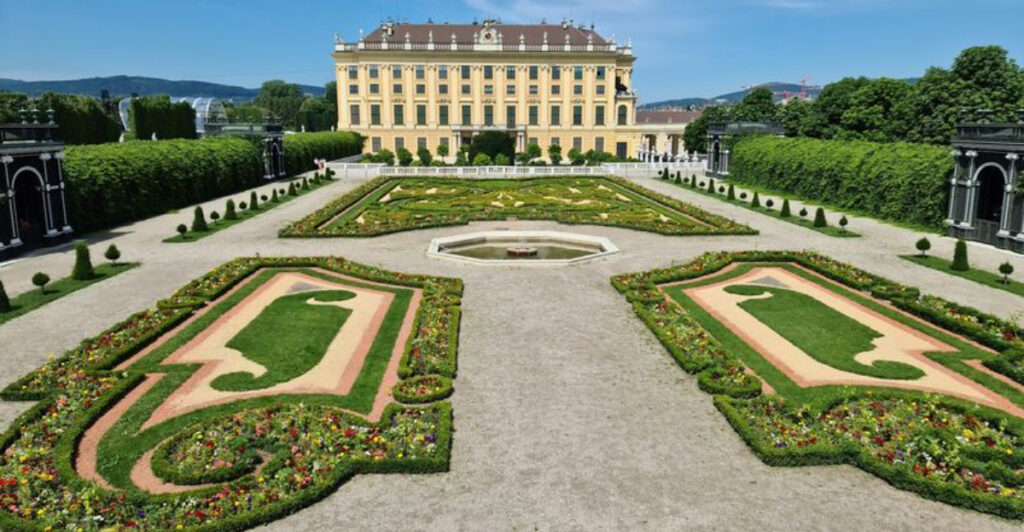
Most visitors come to Schonbrunn for the palace itself, but the park behind it deserves equal billing. The formal imperial landscaping immediately behind the building transitions into wooded sections and long uphill paths that eventually reach the Gloriette, a hilltop structure offering a sweeping view across Vienna.
That contrast between the ornate and the open is what makes this park genuinely worth your time. One section feels like a carefully choreographed imperial stage set, while another section feels like a quiet city forest walk.
Both are part of the same estate.
General entry to the park itself is free, which is a rarity among Europe’s major palace grounds. Special areas including the Privy Garden, the maze, the Orangery Garden, and the Gloriette viewing terrace each carry their own separate admission fees.
The park is open daily, making it an easy addition to any Vienna itinerary regardless of how much time you have available.
Boboli Gardens, Florence, Italy
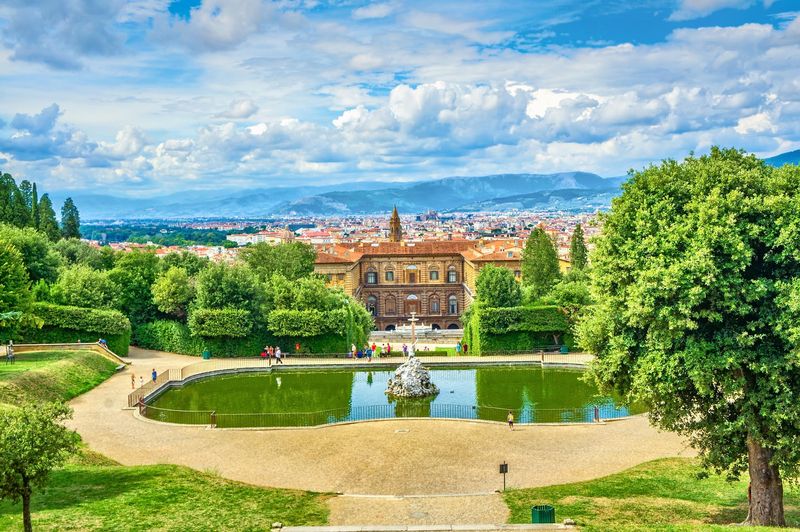
Behind the massive Pitti Palace in Florence, the Boboli Gardens unfold across a hillside in a way that feels more like an open-air museum than a conventional park. Developed for the Medici family in the 16th century, Boboli became one of the defining examples of the formal Italian garden style, influencing garden design across Europe for generations.
The design does not rely on colorful flower displays to hold your attention. Instead, avenues of cypress trees, terraces, classical sculptures, grottos, fountains, and carefully positioned viewpoints do most of the work.
Each turn in the path reveals something architecturally interesting rather than just another flowerbed.
The gardens are currently operating, with hours varying by season. During June, July, and August, they generally stay open until early evening.
Scheduled closures do occur, and weather-related restrictions are possible, so confirming hours on the official Uffizi Galleries website before your visit is a smart move.
Generalife Gardens, Granada, Spain
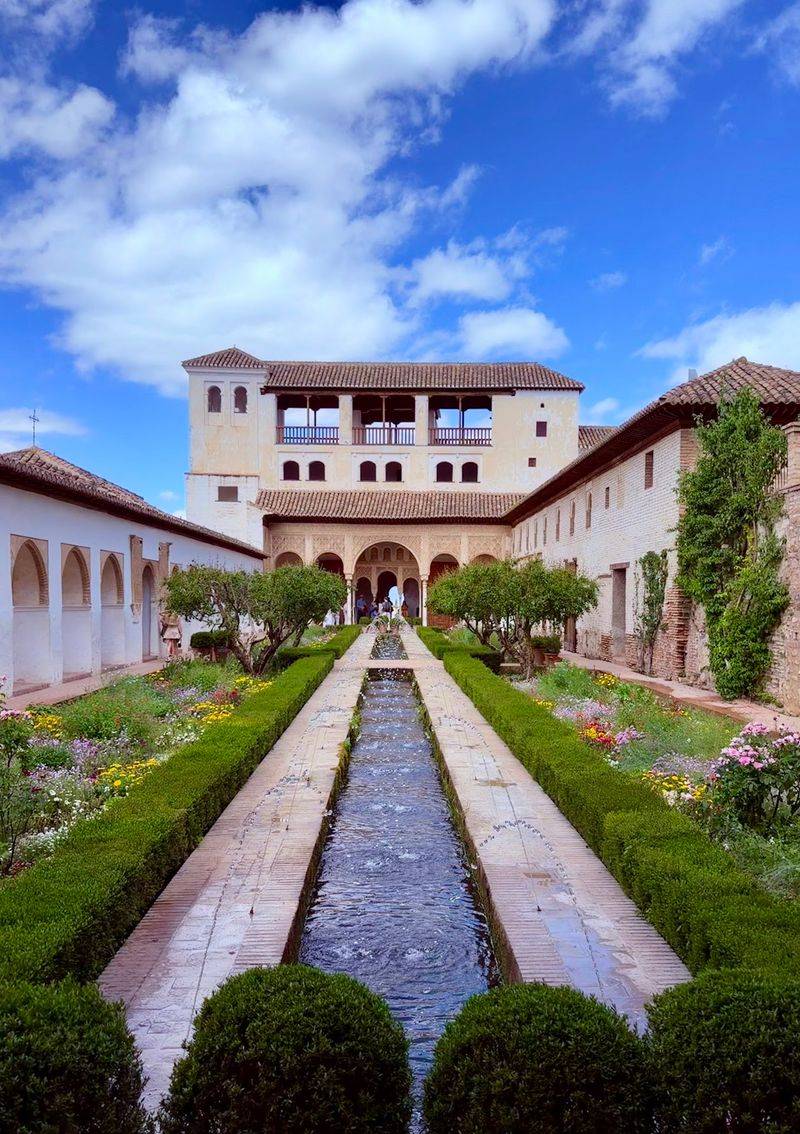
Water is the organizing principle of the Generalife Gardens, and that focus makes them unlike almost any other garden in Europe. Built as a retreat for the Nasrid rulers of Granada, the Generalife demonstrates how Islamic garden design uses channels, pools, and fountains not just as decoration but as the actual structure of the space.
The famous Court of the Water Channel is the most photographed spot, but the experience extends well beyond it. Terraces, cultivated plots, shaded walkways, and views across to the main Alhambra complex fill out the rest of the visit.
The boundary between garden and architecture blurs constantly as you move through the complex.
The Generalife is part of the broader Alhambra monument complex, which is open daily. From April 1 through October 14, daytime visiting hours run from 8:30 a.m. to 8 p.m.
Booking tickets in advance is strongly recommended, as the Alhambra reaches its daily visitor capacity quickly throughout the peak season.
Jardin du Luxembourg, Paris, France
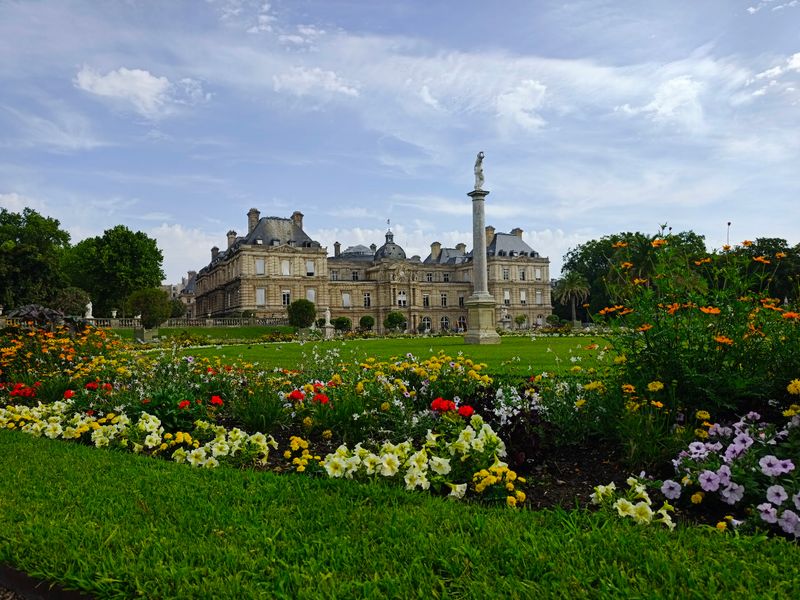
Paris has no shortage of parks, but the Jardin du Luxembourg occupies a special category. Managed by the French Senate, it combines the elegance of formal French garden design with the relaxed energy of a genuinely active public space.
Parisians come here to read, exercise, play chess, and simply sit in the famous movable metal chairs arranged around the central basin.
The garden layout includes tree-lined promenades, seasonal flowerbeds, statues of French queens and notable figures, a working orchard, a puppet theater, and the romantic Medici Fountain tucked into a quieter corner. The variety of spaces means different sections attract different crowds and moods throughout the day.
Opening hours change with the seasons and shift with the length of daylight, so checking current times before your visit is useful. The garden remains open to visitors throughout summer 2026.
Its central location near Saint-Germain-des-Pres makes it easy to combine with other Left Bank destinations.
Royal Botanic Garden Edinburgh, Edinburgh, Scotland
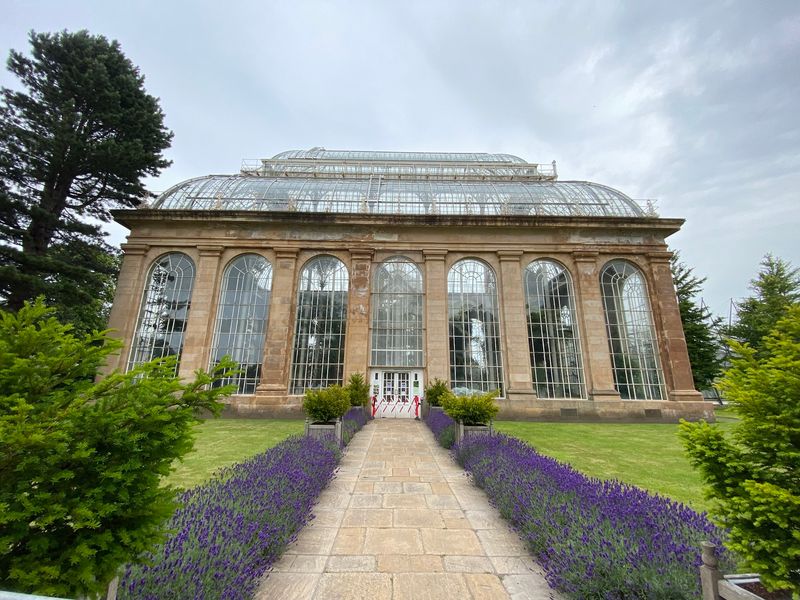
Edinburgh attracts visitors for its castle, Old Town architecture, and dramatic hillside scenery, but the Royal Botanic Garden offers something the city center cannot: genuine quiet and botanical depth. The outdoor collections here span mature trees, specialized plant groupings, woodland sections, and gardens showcasing species from around the world.
What makes a visit particularly satisfying is the dual appeal. You can approach it as a scientific exploration of plant diversity or simply use it as a long, peaceful walk away from the crowded Royal Mile.
Both approaches work equally well, and the garden accommodates both without any sense of conflict.
The outdoor garden remains open during the ongoing restoration of the historic Palm Houses, which is a significant infrastructure project. Those Palm Houses are scheduled to reopen to visitors on October 2, 2026, following several years of careful work.
Entry to the outdoor garden is free, making this one of Edinburgh’s most accessible and underrated attractions.
Botanischer Garten Berlin, Berlin, Germany
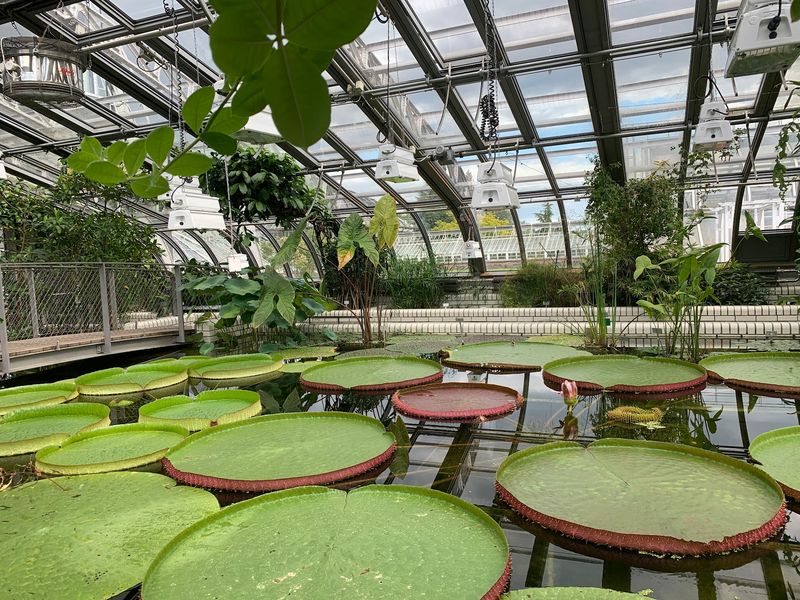
Berlin’s Botanical Garden covers roughly 43 hectares and holds one of the most extensive plant collections in Europe, yet it remains less visited than the city’s famous museums and monuments. That relative quietness is actually one of its best qualities.
Moving through the outdoor sections feels unhurried in a way that central Berlin rarely allows.
The greenhouses are the other major draw. Large glasshouse structures shelter tropical plants, desert species, and other collections that could not survive a German winter outdoors.
Stepping from the outdoor botanical paths into those warm interior environments gives the visit an interesting rhythm of contrast and discovery.
The garden is open during spring and summer from April through September, with outdoor areas accessible into the evening and greenhouses operating on their own schedule. One practical note: the Botanical Museum is currently closed for modernization and is not expected to reopen until approximately 2027.
The rest of the site remains fully accessible and well worth an afternoon visit.
Prague Botanical Garden, Prague, Czech Republic
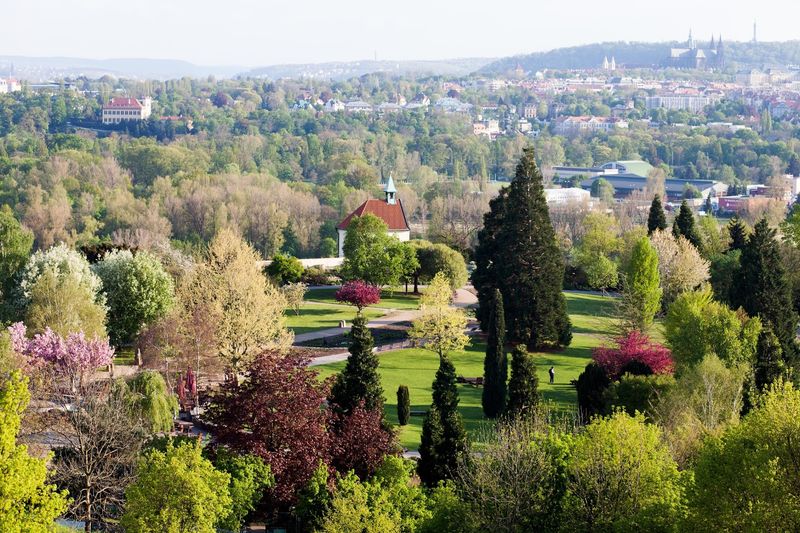
Most travelers visiting Prague stick to the medieval center, which means the Prague Botanical Garden stays genuinely uncrowded even during peak tourist season. That alone makes it worth seeking out.
Located in the Troja district, the garden spreads across terraced hillside land with a character quite different from a flat city park.
The outdoor exhibitions mix ornamental displays with scientifically organized botanical collections, and the Fata Morgana greenhouse provides a dramatic indoor contrast. Inside Fata Morgana, plants from tropical and subtropical climates fill a climate-controlled space that feels worlds away from the Czech landscape outside.
There is even a vineyard within the wider estate, which gives the whole attraction an unexpectedly rustic dimension.
Outdoor exhibitions are open from 9 a.m. to 7 p.m. during the March-to-October season. The Fata Morgana greenhouse keeps similar seasonal hours but is normally closed on Mondays.
Checking the garden’s official website before visiting is the best way to confirm current schedules and any temporary exhibition changes.
Jardin Exotique de Monaco, Monaco, Monaco
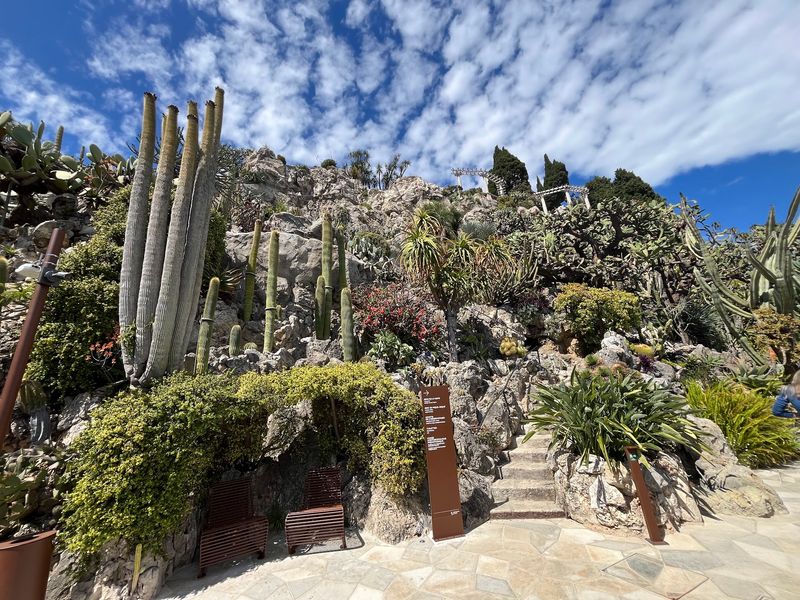
Clinging to a steep cliff face above Monaco, the Jardin Exotique is the kind of garden where the setting competes with the plants for your attention, and both win. The collection focuses on succulents, cacti, agaves, and aloes gathered from arid regions around the world, making it one of the most specialized public gardens in Europe.
Paths descend through the hillside planting, and at multiple points, viewpoints open up to reveal Monaco’s dense urban landscape and the blue Mediterranean far below. The combination of dramatic botanical specimens and equally dramatic scenery gives the visit a character that larger, flatter gardens simply cannot replicate.
After almost six years of renovation and modernization, the Jardin Exotique officially reopened to the public on March 30, 2026. It now welcomes visitors again throughout most of the year, alongside the botanical center and the Observatory Cave experience located beneath the garden.
Admission includes access to all three elements of the site.
Powerscourt Gardens, Enniskerry, Ireland
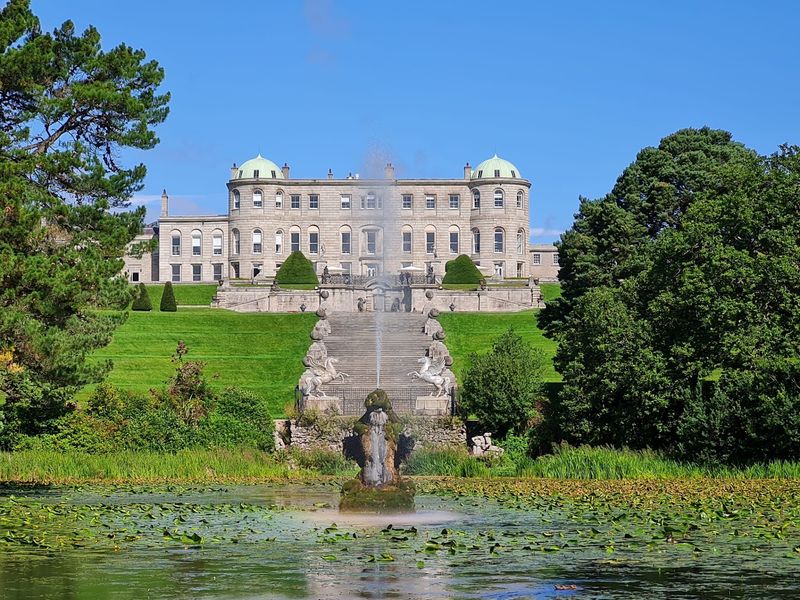
Located about 20 kilometers south of Dublin in County Wicklow, Powerscourt Gardens spread across roughly 47 acres of land that manages to feel both carefully designed and naturally dramatic at the same time. The Wicklow Mountains provide a backdrop that no amount of formal planting could improve upon, and the garden design is smart enough not to compete with it.
Within the estate, visitors encounter Italian-style terraces, ornamental lakes, sculpted statues, a Japanese garden, walled garden sections, and mature trees that have been growing here for generations. Each section has a noticeably different atmosphere, which rewards visitors who take their time rather than rushing through.
Powerscourt Gardens are open seven days a week for most of the year, closing only on December 25 and 26. From March through October, garden hours run from 9:30 a.m. to 5:30 p.m.
The on-site garden center and cafe make it easy to extend your visit without needing to leave the property.
Mirabell Gardens, Salzburg, Austria
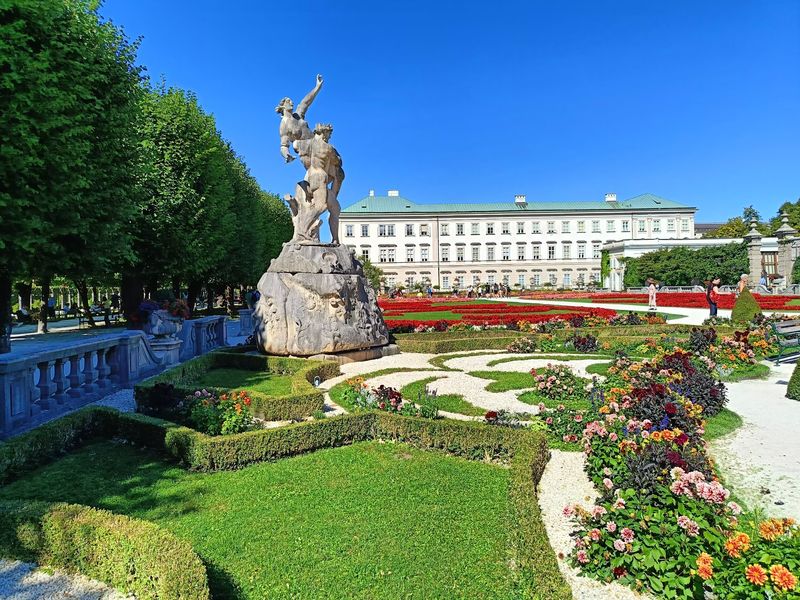
Compact and precisely designed, Mirabell Gardens sit in the heart of Salzburg and deliver one of the most satisfying garden-to-cityscape combinations anywhere in Europe. The formal grounds feature sculpted hedges, seasonal flowerbeds, classical statues, and a central fountain, all framed by views toward the old town and the Hohensalzburg Fortress rising above the rooftops.
Their size is actually an advantage. Unlike the vast palace parks that require serious planning and comfortable shoes, Mirabell works perfectly as part of a casual afternoon walk through central Salzburg.
You can enjoy the full garden experience without dedicating your entire day to it.
The gardens are open daily from around 6 a.m. until dusk, with free admission to the main grounds. Salzburg’s official tourism information confirms active programming in the garden during summer 2026, including open-air events that take advantage of the formal layout and scenic backdrop.
The nearby Mirabell Palace adds architectural interest to the surrounding area.
Jardim Botanico da Ajuda, Lisbon, Portugal
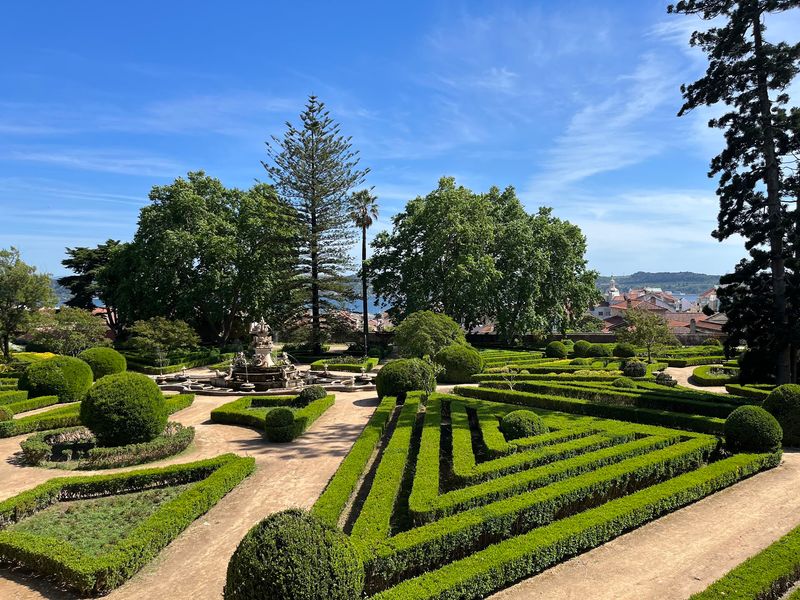
Established in 1768, the Jardim Botanico da Ajuda holds the distinction of being the oldest botanical garden in Portugal, though you would never know it was struggling for visitors if you judged by quality alone. Situated in Lisbon’s Ajuda district, it sits above the city with a terraced layout that gives it a distinctly Mediterranean character quite different from the flat city parks found elsewhere in the capital.
For travelers who enjoy places where science, landscape design, and history occupy the same space, this garden offers genuine depth. Botanical specimens, structured paths, and historical significance combine in a way that rewards curiosity without overwhelming casual visitors.
The garden is open throughout the year except on January 1 and December 25. From May through September, weekday hours run until 6 p.m., while weekend and holiday hours extend to 8 p.m.
Its location near the Ajuda National Palace makes it easy to combine both sites into a single afternoon excursion.
Tradgardsforeningen, Gothenburg, Sweden
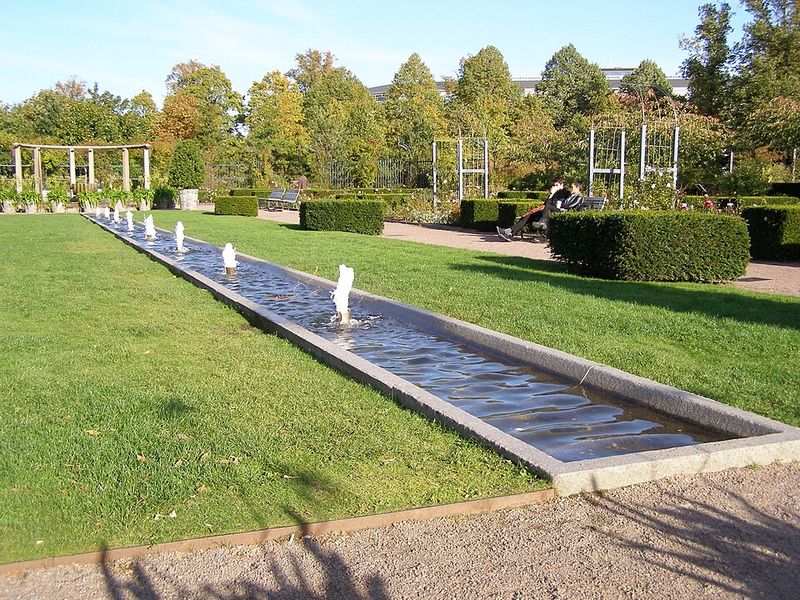
Right in the center of Gothenburg, Tradgardsforeningen, known in English as the Garden Society of Gothenburg, has been offering city residents and visitors a beautifully maintained green retreat since 1842. Its combination of manicured lawns, seasonal floral displays, mature trees, and horticultural features gives it a character that feels both historic and genuinely alive.
The Palm House is the architectural centerpiece. Its glass-and-iron construction is a fine example of 19th-century horticultural design, and it gives the garden a distinctive visual identity that sets it apart from other Scandinavian parks.
Major sections of the Palm House reopened in May 2026 following restoration work, though some areas remain affected by ongoing projects.
Both the park and the Palm House are currently open daily and free to enter, which makes this one of the most accessible garden experiences in Northern Europe. During the May-to-September period, the park stays open until 8 p.m., giving visitors plenty of time to explore without feeling rushed.
Kaisaniemi Botanic Garden, Helsinki, Finland
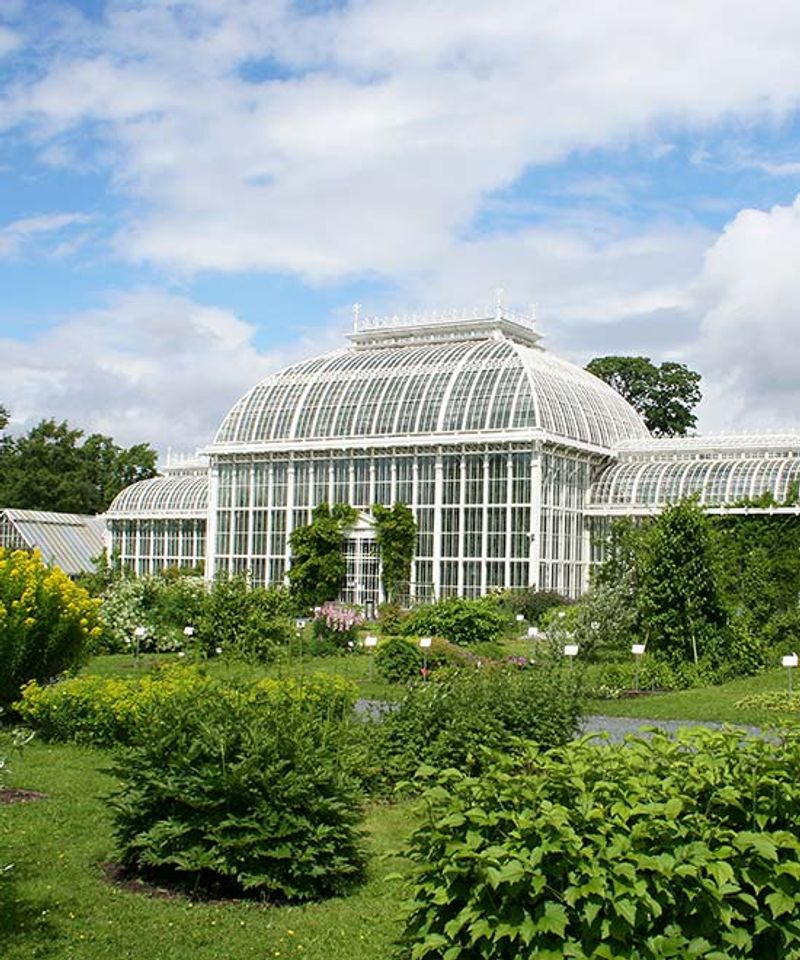
Near the center of Helsinki, just a short walk from the main railway station, Kaisaniemi Botanic Garden manages to feel like a genuine escape from the city despite its central location. The outdoor collections are organized scientifically, which gives the garden an educational quality, but the overall atmosphere remains calm and accessible rather than clinical.
The greenhouses are where the visit takes an interesting turn. Because Finland’s winters are too harsh for a wide range of plant species, the historic glasshouses shelter collections that simply could not survive outdoors.
Moving from the Nordic outdoor landscape into those warm interior environments, filled with tropical and subtropical plants, creates a noticeable contrast that makes the visit feel more varied than its compact size might suggest.
The outdoor garden is open every day of the year, normally from 9 a.m. to 8 p.m. The greenhouses operate on a separate schedule, closing on Mondays and observing special hours on certain dates.
Entry to the outdoor garden is free, making it an easy and rewarding stop on any Helsinki visit.
Share this story