Barcelona packs more into one city than most places pack into a whole region. In a single day you can stand under stone columns shaped like trees, walk past a roof covered in sculpted chimneys, and end up beside the Mediterranean.
This list gathers 14 stops that give first-time visitors a clear picture of the city, from famous Gaudí buildings to old lanes, markets, museums, and calm green spaces. Some need advance tickets, a few are free, and several fit neatly into the same walking route.
Read on to build a plan that saves time, skips the confusion, and leaves room for wandering.
Step Inside the Sagrada Família
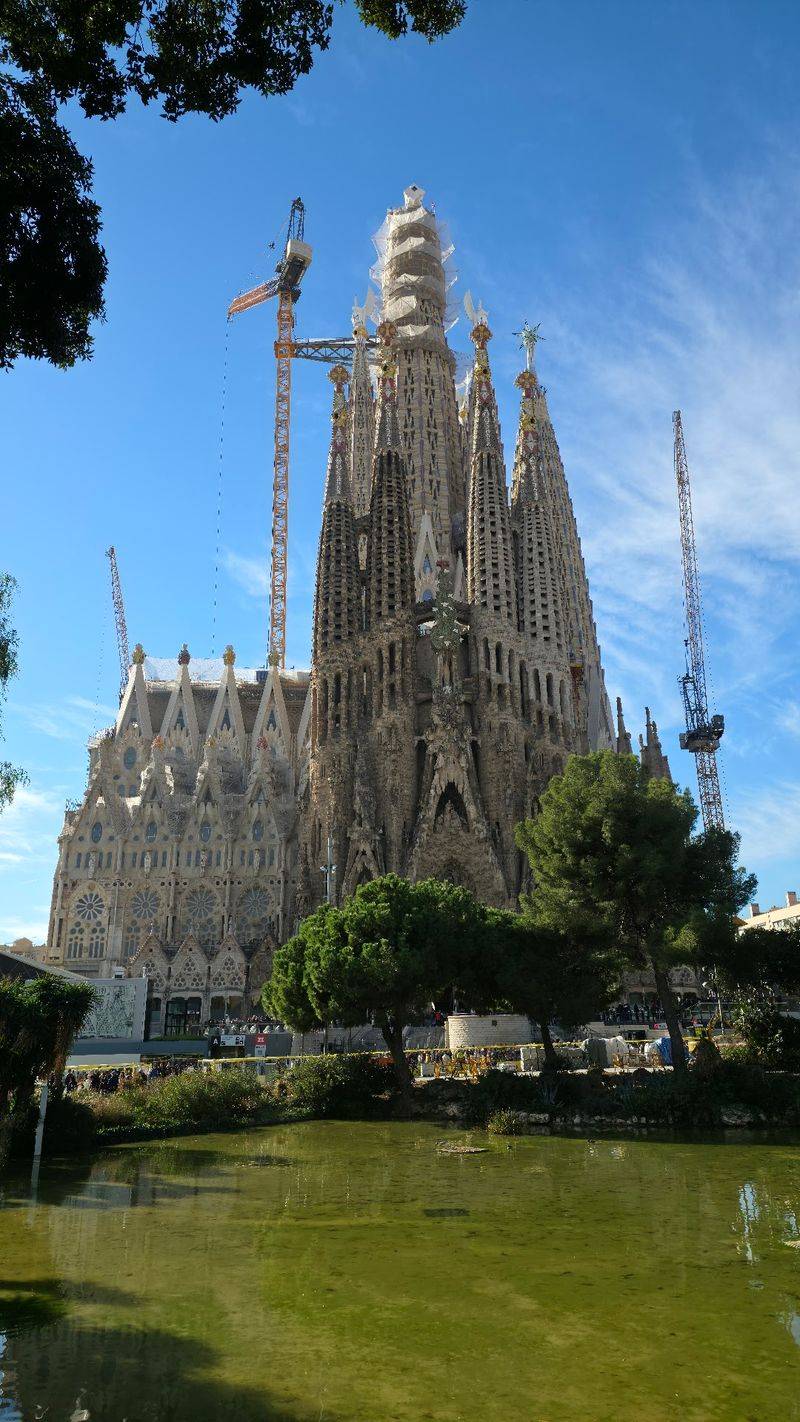
Few buildings introduce a city as boldly as the Basílica de la Sagrada Família. Antoni Gaudí designed it with soaring towers, sculpted façades, and an interior of columns that branch like a stone forest.
Stained-glass windows color the inside, and the light changes with the time of day. Seeing only the outside means missing much of what makes the basilica remarkable, so an interior visit is a smart choice.
Tower access is also offered on selected tickets.
The basilica is open to visitors in 2026 with seasonal schedules. In October, weekday hours generally run from 9 a.m. to 7 p.m., while weekends differ.
Tickets can sell out, so reserve before you arrive in Barcelona. Booking ahead also lets you plan the rest of your day around a fixed time instead of standing in a long line.
Wander Through Park Güell
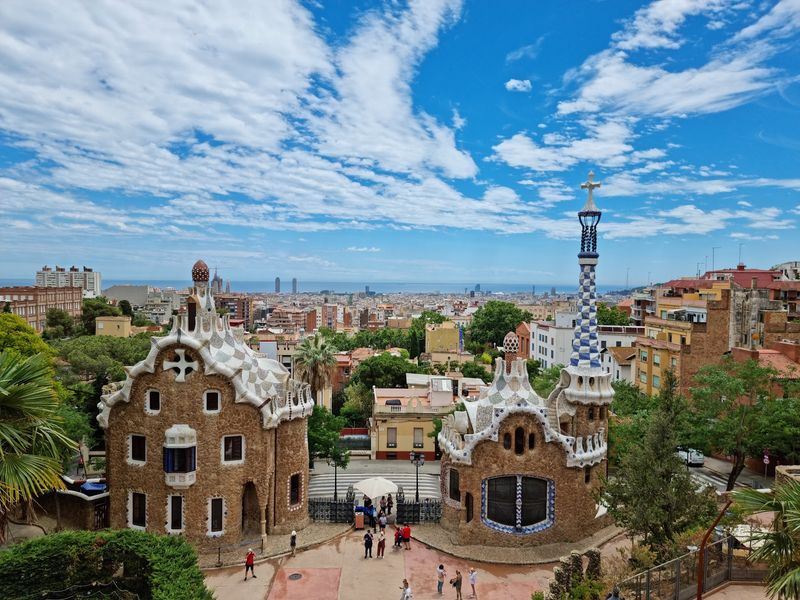
Park Güell looks like a place where a garden and a fairy tale agreed to share a hill. Gaudí blended architecture and landscaping here, and the result is one of Barcelona’s most distinctive public spaces.
The Monumental Zone holds the mosaic-covered terrace, curving benches, a grand staircase, and whimsical buildings near the entrance. Because the park sits on a hillside, it also offers wide views across the city, especially on clear days.
Access to the monumental area is controlled, so you cannot simply walk in whenever you like. For much of September and October 2026, tourist ticket slots run from 9:30 a.m. to 7:30 p.m.
Once inside, you may stay beyond your assigned entrance time. Re-entry is not allowed after you leave, so finish your photos before heading out.
Get Lost in the Gothic Quarter
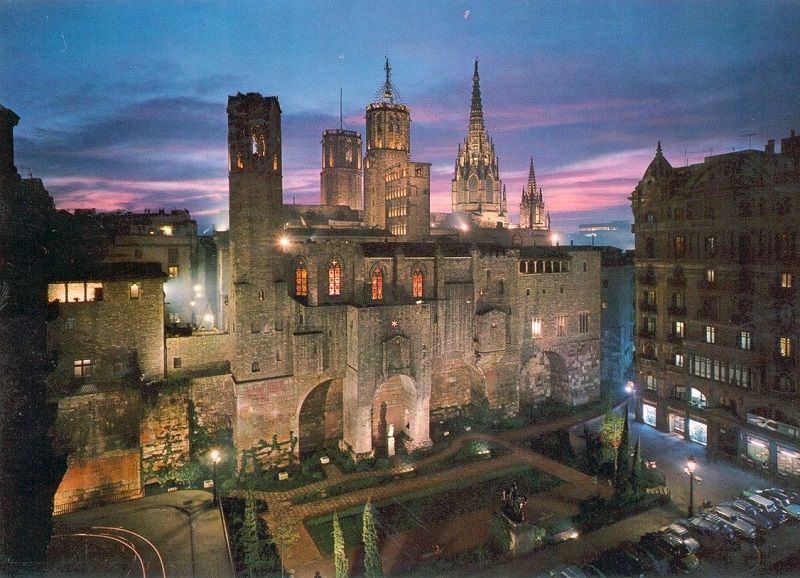
Leave the wide boulevards behind and the city suddenly shrinks into narrow lanes. The Gothic Quarter, or Barri Gòtic, is filled with hidden squares, stone façades, cafés, small shops, and buildings that span centuries of Barcelona’s history.
Skip the rigid route. Begin near Barcelona Cathedral, stroll along Carrer del Bisbe, then drift toward Plaça Sant Jaume and the alleys around it.
Midday can feel crowded, while early mornings and evenings have a noticeably different pace.
The quarter also links La Rambla, the waterfront, El Born, and Plaça de Catalunya. That means most first-time visitors will pass through more than once, so you can explore a different corner each time.
Visit Barcelona Cathedral
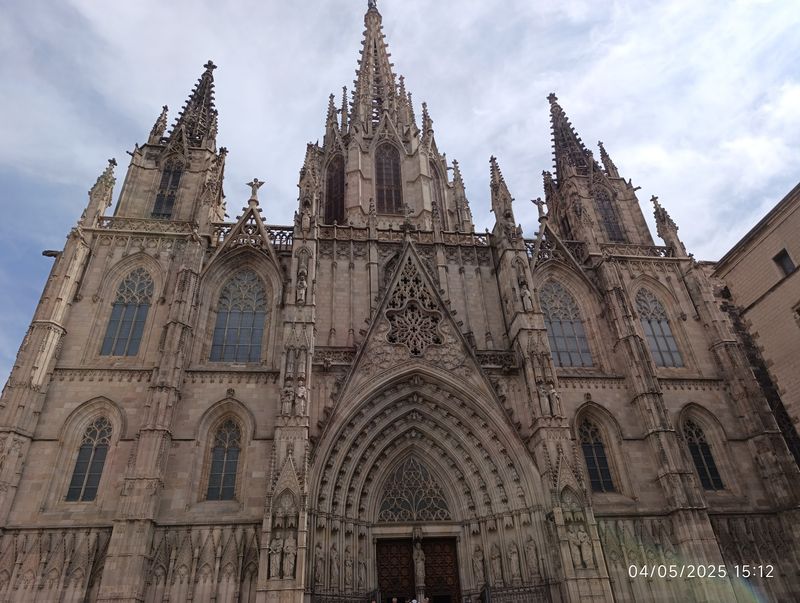
Right in the middle of the Gothic Quarter stands a church that is often mixed up with the Sagrada Família. They are entirely different buildings with very different architectural histories.
Barcelona Cathedral, officially the Cathedral of the Holy Cross and Saint Eulalia, deserves more than a glance at its façade. Inside you will find a Gothic interior, chapels, a cloister, and areas included in the cultural visit.
Tourist visiting hours are offered throughout the week, though schedules vary. Weekdays generally have the longest access, while Sunday cultural visits begin in the afternoon.
Since it remains an active place of worship, tourist hours can differ from religious access. Pair it with a Gothic Quarter walk and you have an easy way to cover central Barcelona on foot.
Walk La Rambla and Explore La Boqueria
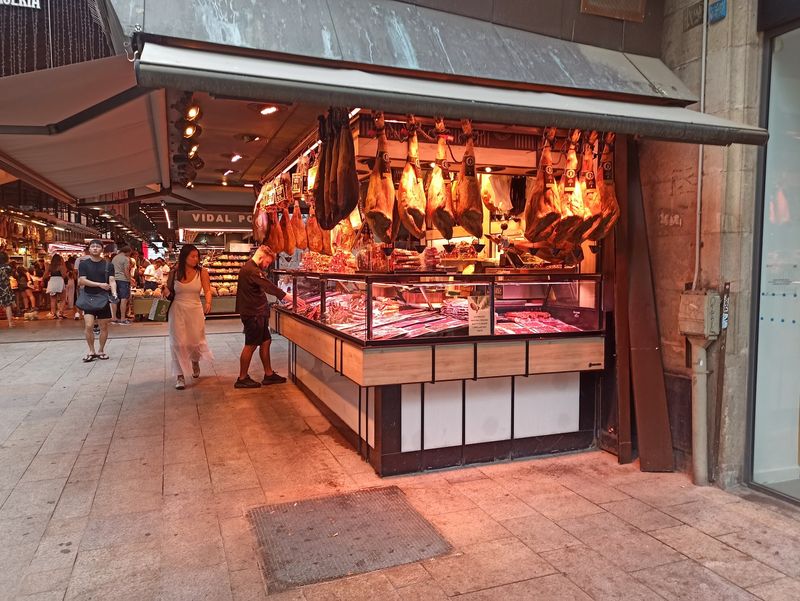
Touristy, busy, and still worth doing once. La Rambla is a broad pedestrian boulevard running from Plaça de Catalunya toward the waterfront, and it gives a quick taste of central Barcelona’s energy.
The best stop along the way is Mercat de Sant Josep de la Boqueria, usually called La Boqueria. Stalls inside sell fruit, seafood, cured meats, cheeses, sweets, spices, and prepared foods.
Treat it as a working food market rather than only a photo spot. Going earlier in the day gives a calmer look at the stalls.
From here, you can turn into the Gothic Quarter or keep walking toward the Columbus Monument and Port Vell.
See the Fantastical Interior of Casa Batlló
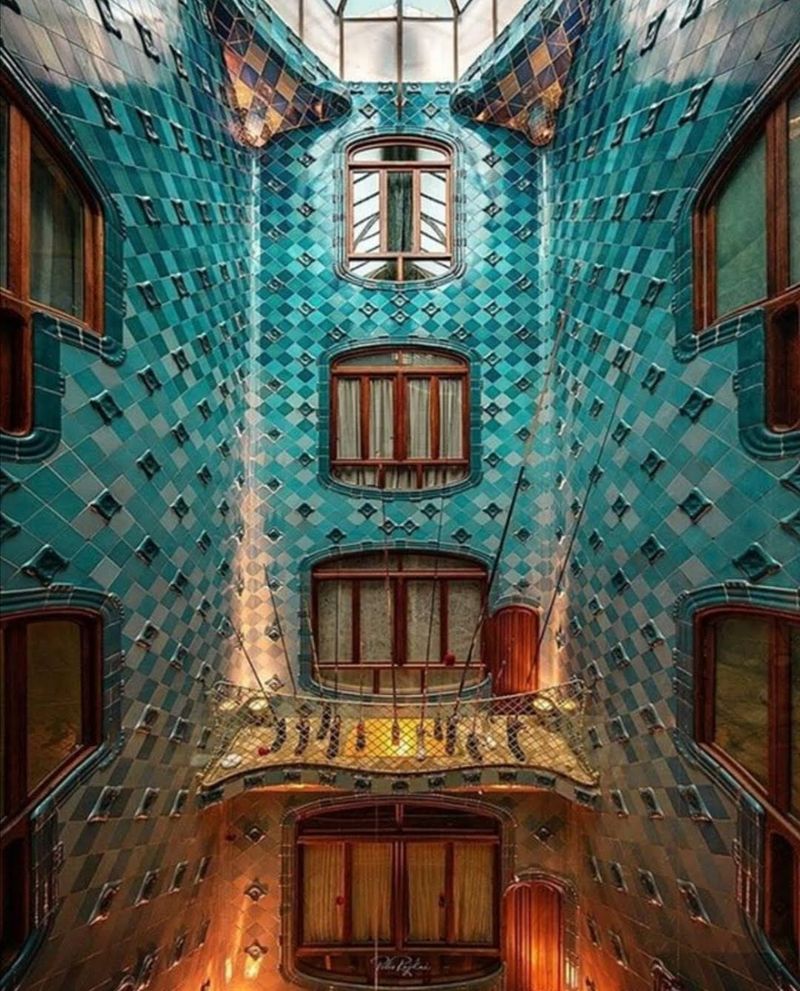
Balconies shaped like masks and a roofline often compared with a dragon’s back show how far Gaudí would push a home design. Casa Batlló stands on Passeig de Gràcia, surrounded by other major Modernisme buildings.
Inside, you will see curved walls, unusual windows, detailed woodwork, tiles, and clever ventilation systems. Together they show that the odd appearance was not purely decorative.
Multimedia elements have also been added to the visit.
Casa Batlló is open daily, and the official site lists visitor access beginning at 9 a.m.
The building is fairly compact and gets heavy tourist traffic, so timed tickets are useful, especially in the busiest travel periods.
Climb to the Rooftop of La Pedrera
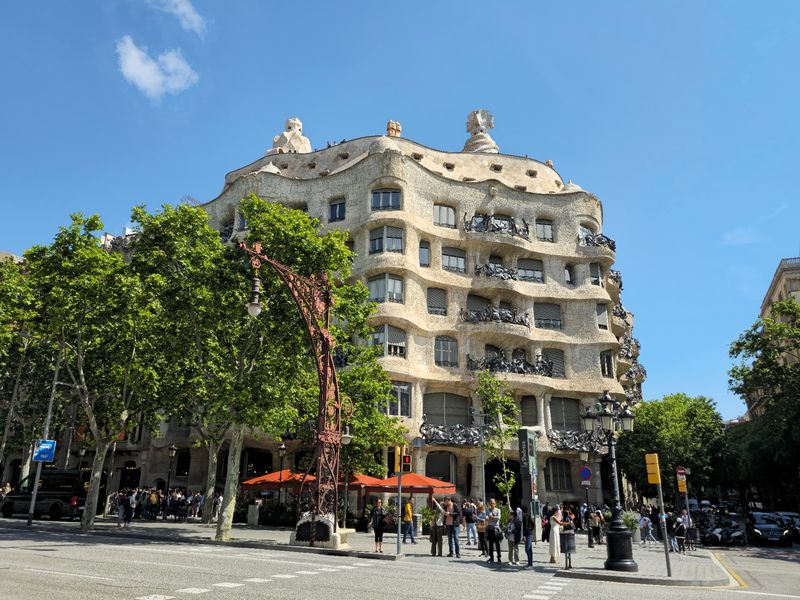
Walk a short way up Passeig de Gràcia and another Gaudí landmark appears. Casa Milà, better known as La Pedrera, has a rippling stone façade that is easy to recognize.
The rooftop is arguably the highlight. Instead of a plain flat roof, Gaudí built a surreal landscape of stairways, ventilation towers, and sculpted chimneys.
Visitors can also explore interior areas that explain the structure and design of the building.
La Pedrera is open in 2026 with daily seasonal hours. Through November 1, daytime visits are generally available from 9 a.m. until 8:30 p.m., with separate evening experiences offered later.
Tour the Palau de la Música Catalana
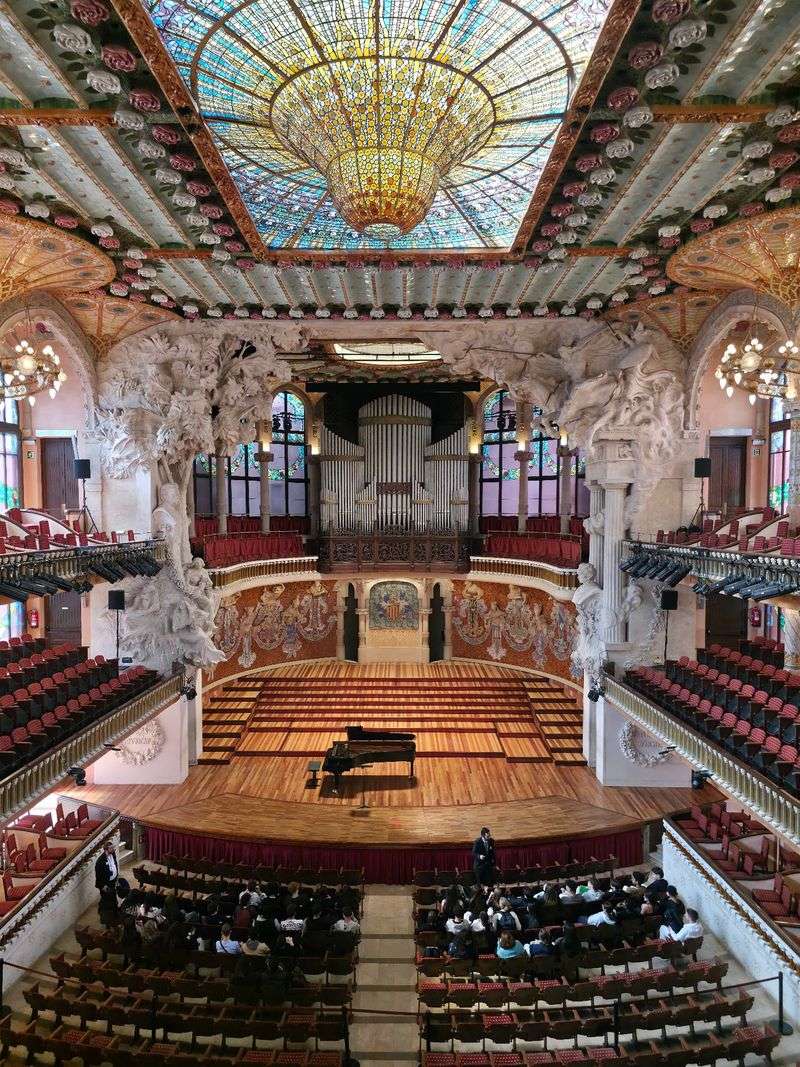
Gaudí gets so much attention that other Catalan Modernisme architects can slip out of view. Lluís Domènech i Montaner designed the Palau de la Música Catalana, and it makes one of the best alternatives.
The concert hall is packed with mosaics, stained glass, and sculpture. Its stained-glass ceiling feature fills the auditorium with natural light.
You do not need a concert ticket to see the interior, because daytime visits are offered separately. Visitor access is scheduled every day, generally between 9 a.m. and 3:30 p.m., though times can change with performances and events.
If the schedule fits your trip, seeing an actual concert here is another excellent option.
Explore the Museu Picasso
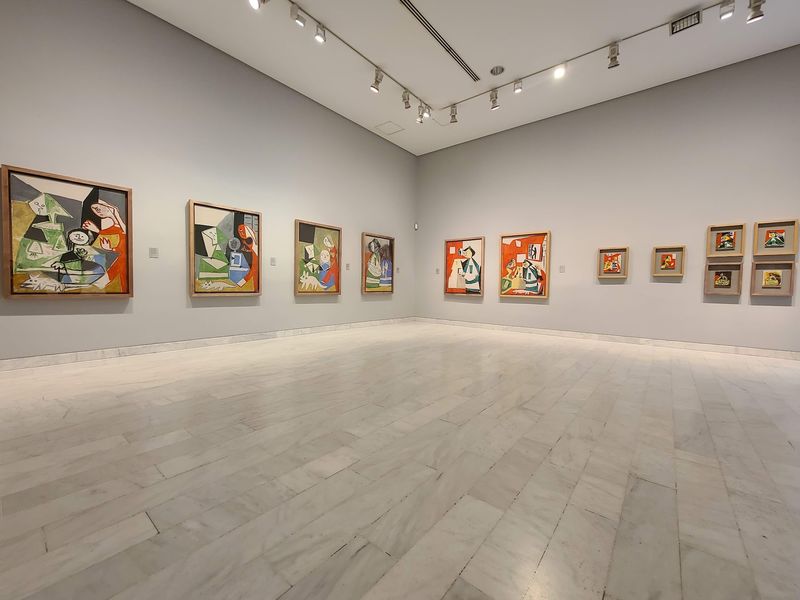
Art lovers can follow Picasso’s artistic growth in the Museu Picasso de Barcelona. The collection sits in a series of historic buildings on Carrer Montcada and highlights his long connection with the city.
Instead of focusing only on the works most people already know, the museum traces different periods of his career and includes important early pieces.
The location is handy too. It is easy to combine with El Born, Santa Maria del Mar, and the Gothic Quarter.
As of fall 2026, the museum is open Tuesday through Sunday from 10 a.m. to 7 p.m. on its September-to-March schedule, and it is closed Mondays. Capacity is limited, so advance booking helps on busy days.
Discover the Sant Pau Art Nouveau Site
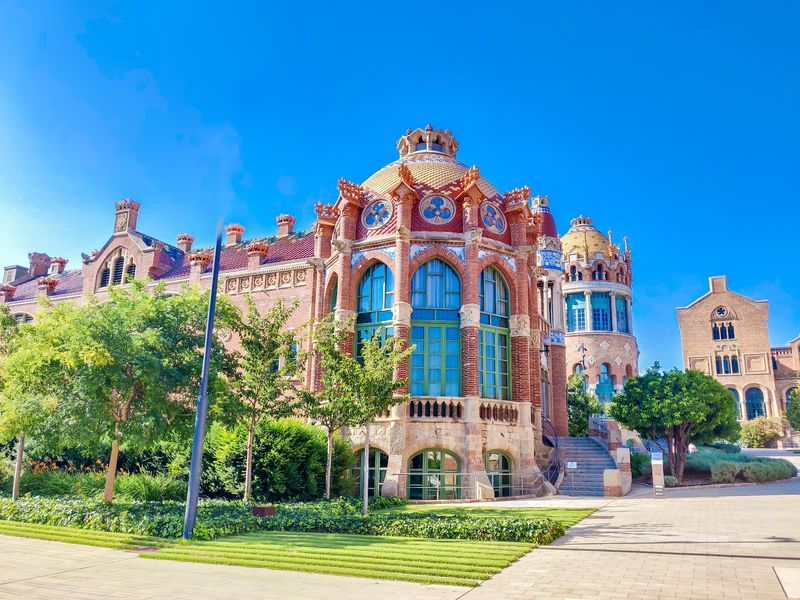
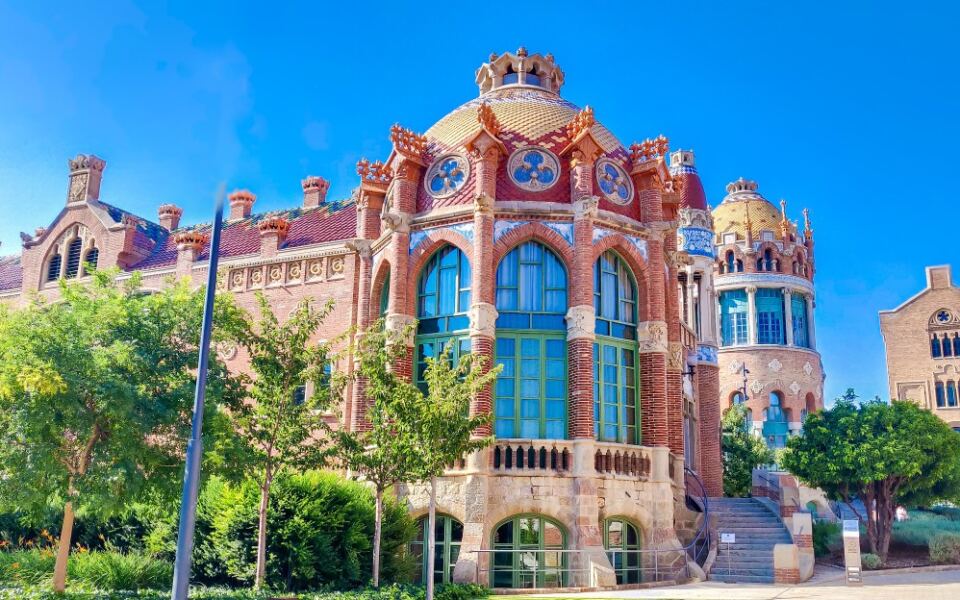
Only a short distance from the Sagrada Família sits one of Barcelona’s most impressive architectural complexes. The Recinte Modernista de Sant Pau, designed mainly by Lluís Domènech i Montaner, is a former hospital with ornate pavilions, landscaped spaces, decorative interiors, and underground passages.
It feels very different from the medieval center and offers another view of the Modernisme movement.
Many travelers hop from one Gaudí attraction to the next, so Sant Pau can be a refreshing change of pace.
The site is open for self-guided visits every day. From April through October, hours run from 9:30 a.m. to 6:30 p.m.
From November through March, it closes at 5 p.m.
Spend Time in El Born
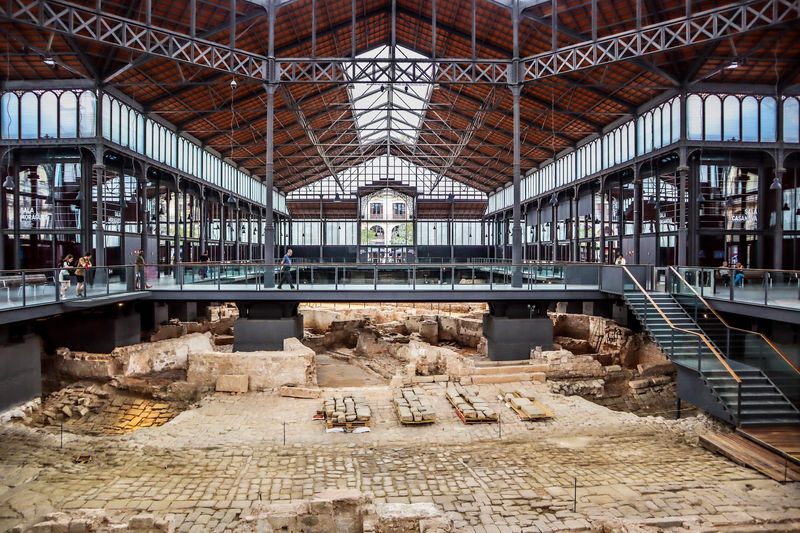
No strict plan is needed in El Born. This neighborhood blends historic Barcelona with restaurants, boutiques, galleries, and cultural attractions, which makes it ideal for wandering.
Start around Passeig del Born and explore the maze of streets around it. Santa Maria del Mar, one of the area’s defining landmarks, is close by, as are the Picasso Museum and the edge of Parc de la Ciutadella.
El Born gets livelier later in the day, so it suits an afternoon after a morning of ticketed sights.
For first-time visitors who want to see beyond the busiest monuments, an hour or two here shows how the historic center fits together.
Ride the Montjuïc Cable Car
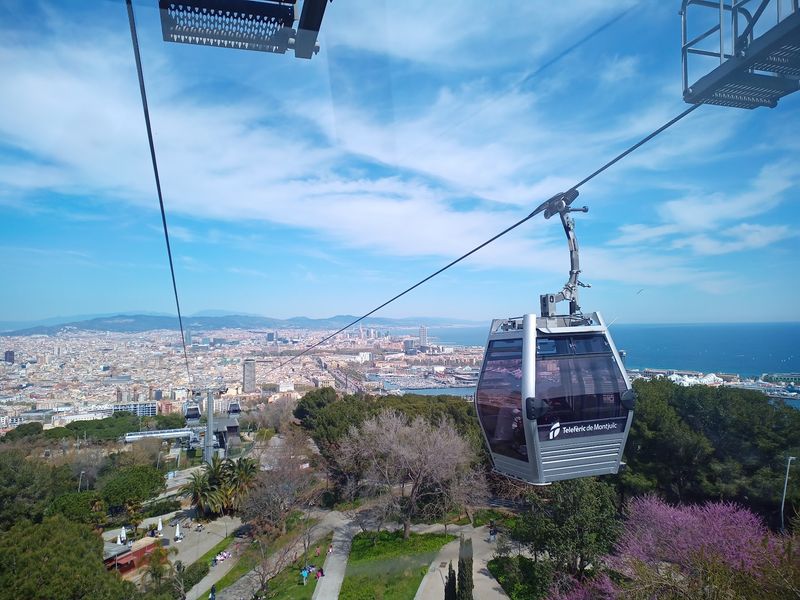
About 750 meters of aerial route make the Montjuïc cable car a quick way to see Barcelona from above. It heads toward Montjuïc Castle and shows the city, harbor, and surrounding hills.
On the return trip there is an optional stop near Mirador de l’Alcalde, so the ride pairs easily with viewpoints and other Montjuïc sights.
The cable car runs through the year on seasonal schedules. In October 2026, service is daily from 10 a.m. to 7 p.m., and winter hours are shorter.
One detail to know: it does not go to Barceloneta or across the harbor. It connects the Montjuïc area with the summit near the castle.
Walk Passeig de Gràcia
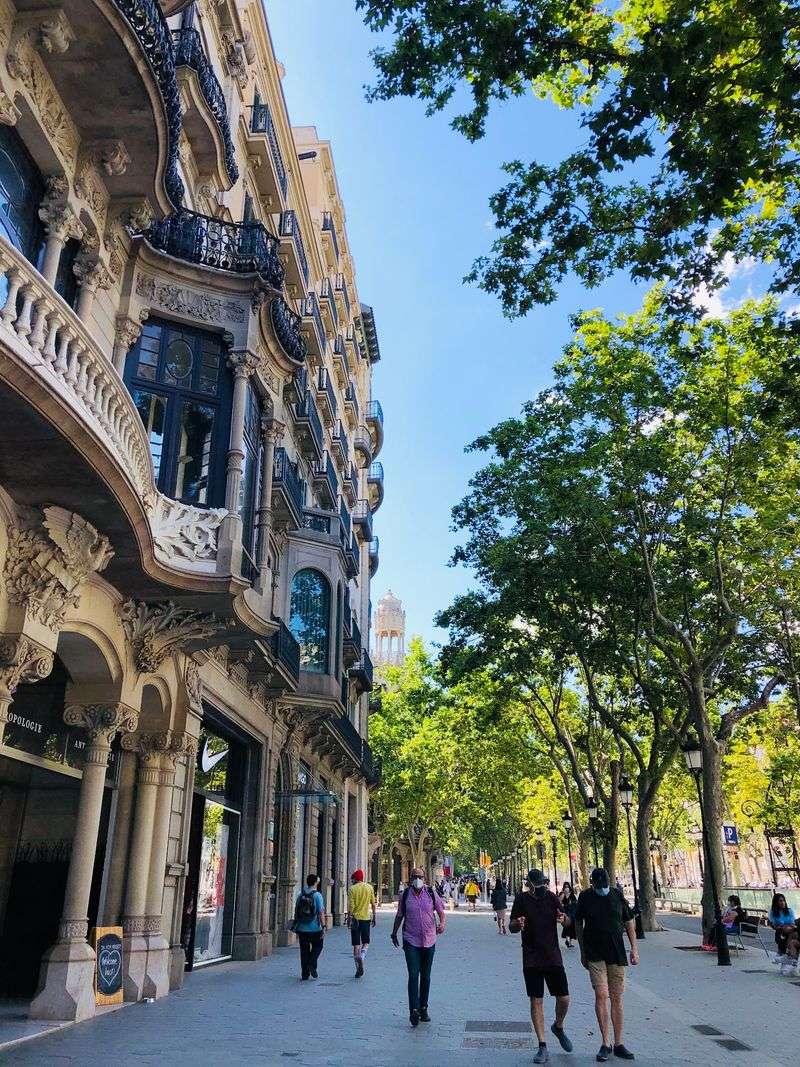
Shopping is optional here. Passeig de Gràcia earns a place on a first itinerary because it ties central Barcelona to several major Modernisme landmarks and links Plaça de Catalunya with the Gràcia area.
Casa Batlló and La Pedrera are the obvious highlights, but look at the façades around them too. The city’s architecture is often just as interesting between the famous monuments as inside them.
The avenue also helps with planning, since several attractions fit into one half-day without crossing the city again and again.
Walk it slowly, glance upward, and leave time for a few side streets instead of treating it as the road between two Gaudí buildings.
Walk Through Arc de Triomf and Parc de la Ciutadella
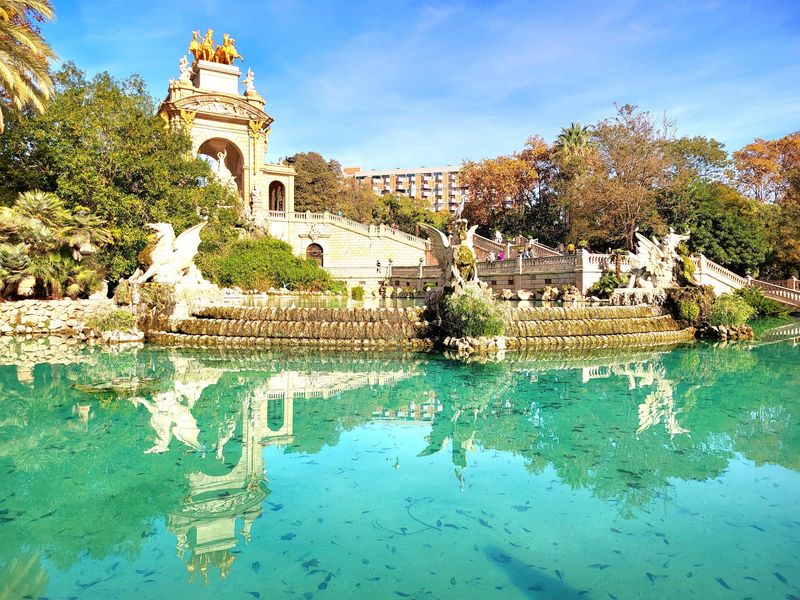
Here is one of Barcelona’s easiest free outings. Start at the Arc de Triomf, a brick triumphal arch built as the main entrance to the 1888 Barcelona Universal Exposition, and walk toward Parc de la Ciutadella.
The arch anchors a broad pedestrian promenade. Continue along Passeig de Lluís Companys and you reach Ciutadella, one of central Barcelona’s most popular green spaces.
The park is a good place to slow down after several days of scheduled sightseeing and crowded attractions. It also extends a visit to El Born or the Picasso Museum.
No tour or reservation is needed, and the walk adds something every first itinerary needs: unstructured time simply enjoying the city.
Share this story