Europe has a secret that fancy restaurants would rather you not discover: some of the best food on the continent costs just a few euros and comes wrapped in paper or stuffed into bread. From fried rice balls in Sicilian markets to sesame-crusted rings sold beside the Bosphorus, street food tells the real story of a city.
It reflects history, immigration, working-class life, and local pride in ways that sit-down menus rarely capture. If you are planning a trip and want to eat like a local, these ten cities will give you plenty of reasons to keep walking and keep eating.
Palermo, Italy
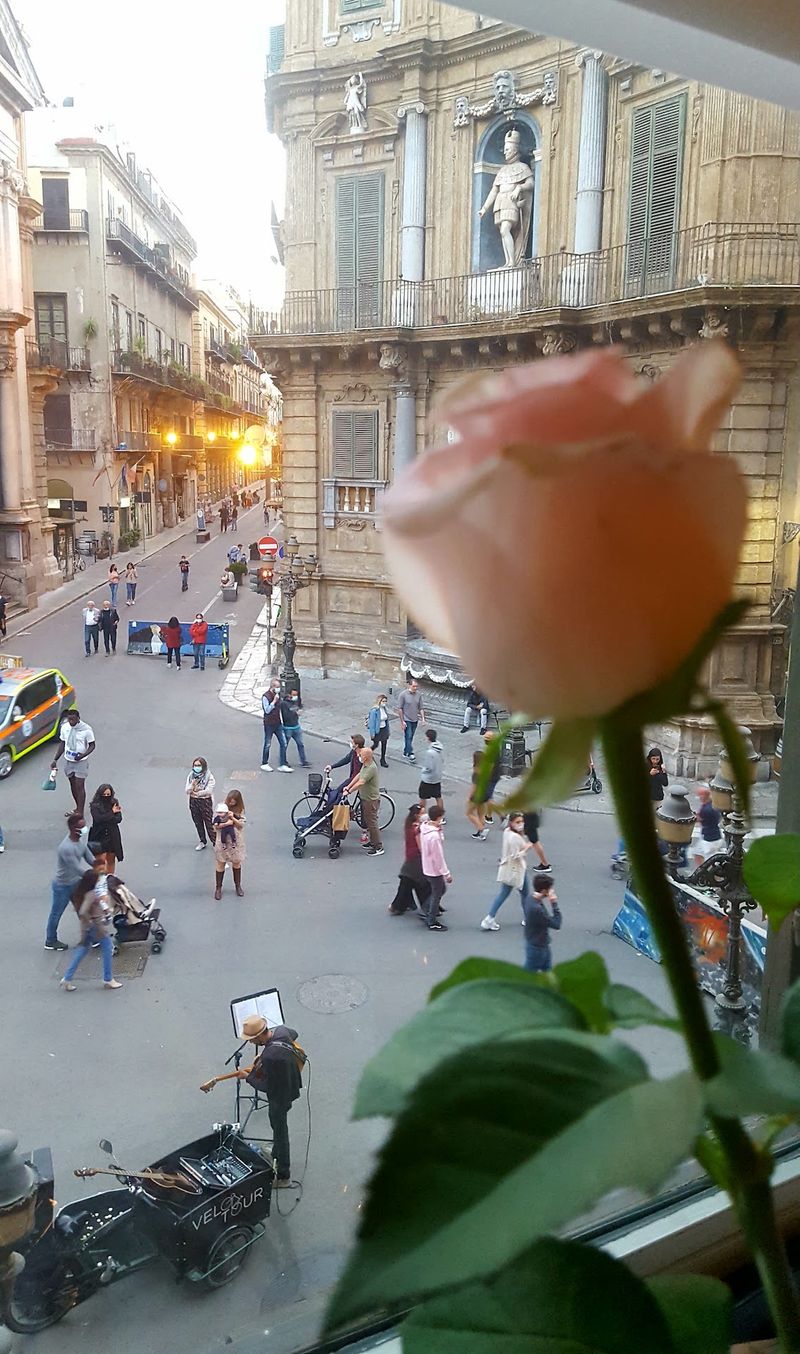
Palermo might be the only city in Europe where skipping every single restaurant is a genuinely great decision. The historic markets of Balaro, Vucciria, Capo, and Borgo Vecchio are not tourist attractions with food on the side.
They are full-on sensory experiences where centuries of Arab, Norman, and Mediterranean influence collide in a single afternoon snack.
Start with arancine, those golden fried rice balls filled with rich ragu or other savory fillings. Follow them up with panelle, crispy chickpea fritters tucked into soft bread rolls.
Sfincione, Palermo’s thick and saucy street pizza, deserves its own stop entirely.
Feeling adventurous? Pani ca meusa is a spleen sandwich that locals have been eating for generations, and vendors will hand it over without any ceremony.
Grilled stigghiola, boiled octopus, and crocche round out a menu that changes by stall and by season. Palermo’s street food does not feel like a trend or a food-tour gimmick.
It feels like the city’s actual operating rhythm, and eating your way through a market here is one of the most enjoyable afternoons you can spend in Italy.
Naples, Italy

Naples will change how you think about pizza, and it will do it without asking you to sit down. Pizza a portafoglio, which translates roughly to wallet pizza, is a smaller Neapolitan pie folded over itself so you can eat it while walking through the historic center without missing a single thing happening around you.
Pizza fritta takes a completely different approach. Instead of a wood-fired oven, the dough goes straight into hot oil until it turns golden and blistered.
Stuffed with ricotta, provola, and pork cracklings, it is rich, messy, and completely unapologetic about both of those things.
The cuoppo is another essential order: a paper cone packed with fried crocche, zucchini flowers, calamari, small fish, and whatever else the fryer has going. Taralli, sfogliatella, and other pastries fill the gaps between churches and market lanes.
Naples proves something important about food culture. Street eating here is not a cheaper alternative to the serious cuisine.
It is the serious cuisine, and anyone who tells you otherwise has probably never eaten a fried pizza on a Neapolitan sidewalk at noon.
Istanbul, Turkiye
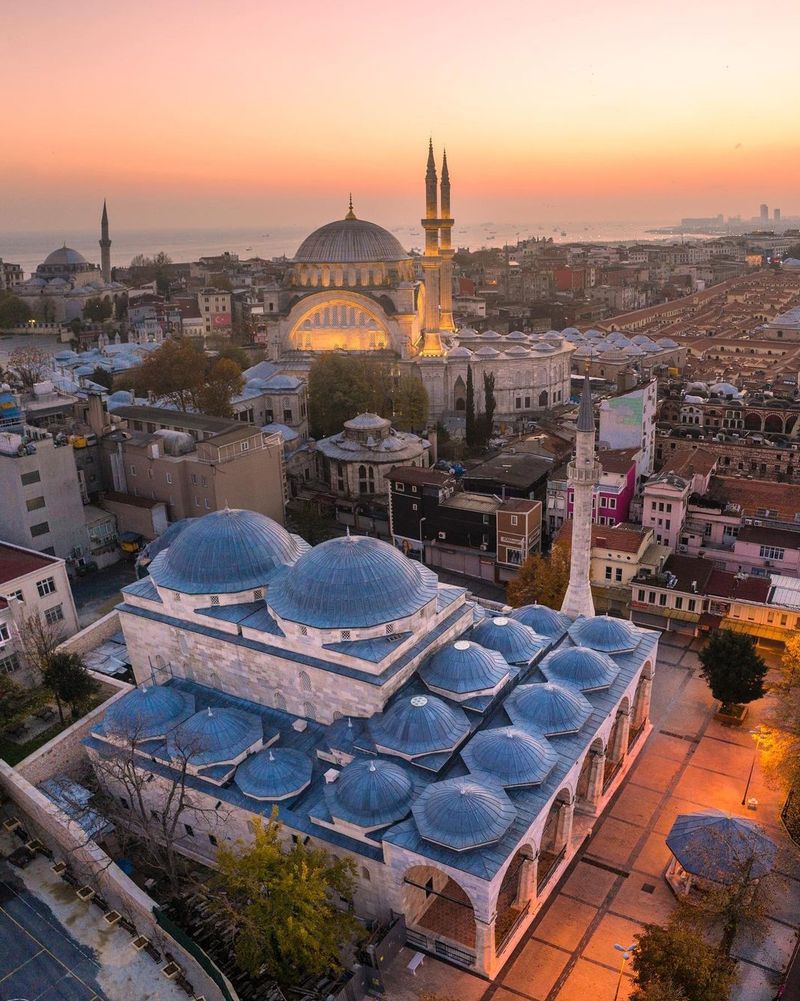
Simit carts are so common in Istanbul that you can judge how far you have walked by counting how many you have passed. The sesame-crusted bread ring is everywhere, sold alongside tea from carts near ferry terminals, mosques, markets, and busy intersections.
Istanbul’s official tourism guide calls it one of the city’s essential street-food classics, and after one bite you will understand why it has survived for centuries.
Near Eminonu and the Galata Bridge, balık ekmek vendors grill fish right on the boats bobbing in the water and serve them in bread with onion, greens, and a squeeze of lemon. Ferries cross behind you, gulls circle overhead, and lunch costs almost nothing.
The rest of the city keeps delivering. Doner, borek, lahmacun, roasted chestnuts, stuffed mussels, and rice topped with chicken and chickpeas appear across both the European and Asian sides of the city.
Kadikoy on the Asian side is particularly rewarding in the evening. Istanbul’s street food works because it is genuinely woven into daily life.
It is breakfast on the commute, a quick lunch near the water, and something warm eaten long after midnight.
Athens, Greece
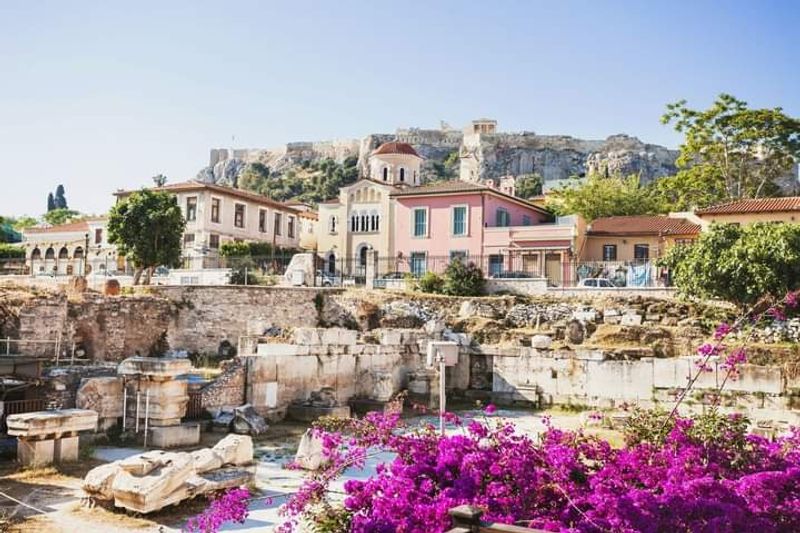
Souvlaki is not just Athens’s most popular street food. According to the city’s official tourism guide, it is the undisputed king of Greek fast food, and the capital is packed with souvlatzidika serving their own versions built around grilled meat, gyros, soft pita, tomatoes, raw onions, and generous sauces.
The price is low, the portions are filling, and the quality at a good spot is genuinely hard to beat.
Locals eat souvlaki for lunch, for dinner, and especially late at night after a long evening out. The official Athens guide specifically mentions it as a favorite post-nightlife stop, which tells you something about how seriously Greeks take their street food even at two in the morning.
Koulouri, the sesame bread ring sold by street vendors, makes an easy and satisfying breakfast while wandering the historic center. Bakeries throughout the city offer spanakopita and other savory pies that travel well in hand.
Athens layers ancient history and quick meals together without any self-consciousness about the combination. You can spend the morning at the Acropolis Museum and be holding a souvlaki wrap a few minutes after stepping back outside into the afternoon heat.
Budapest, Hungary
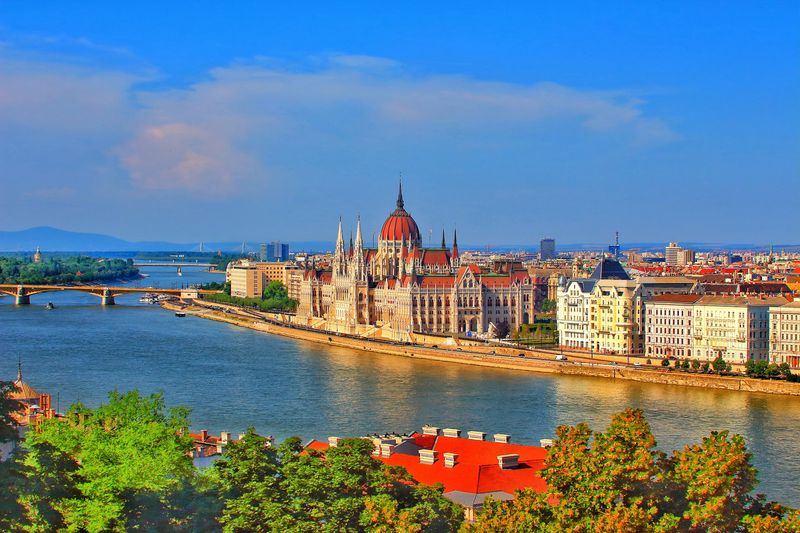
Langos is the kind of food that makes you question every salad you have ever ordered. The fried flatbread, traditionally slathered with garlic, sour cream, and a heap of grated cheese, is exactly as indulgent as it sounds and exactly as satisfying as you are hoping.
Budapest’s official tourism information points visitors toward markets and street-food spots across the city where langos remains a genuine local staple rather than a novelty for tourists.
Kürtoskalacs, commonly called chimney cake, brings a sweet counterpoint. Dough is wrapped around a cylinder, rotated over heat until the outside crisps up beautifully, and finished with sugar or cinnamon.
It smells incredible and looks even better.
Savory sausages served with mustard, horseradish, and pickles provide a more traditional Hungarian bite, while strudel handles the portable pastry category with ease. For a livelier atmosphere, the Karavan street-food area in the Jewish Quarter operates alongside Budapest’s famous ruin bars, making it easy to eat, wander, and then eat again.
Budapest rewards travelers who show up hungry and stay curious. The food is hearty almost by definition, and that is entirely the point.
Berlin, Germany
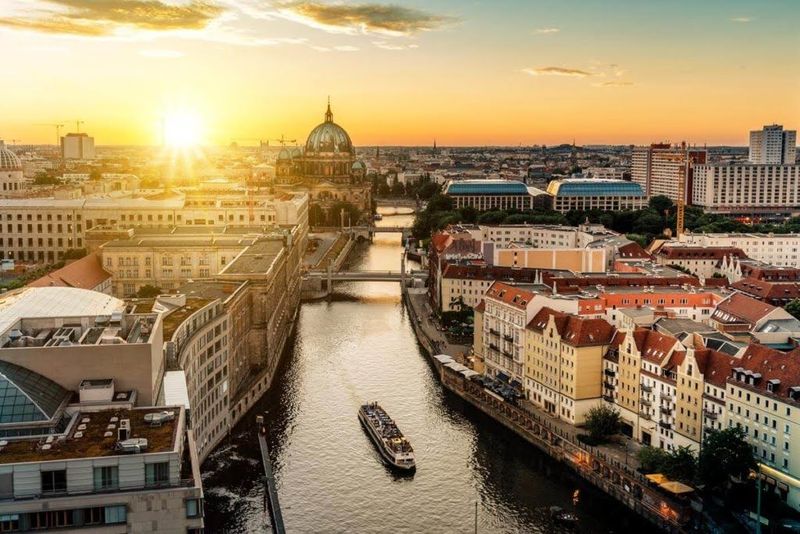
Currywurst is the kind of dish that sounds simple until you actually eat one at a good Berlin snack stand and realize there is something almost addictive about sliced sausage drenched in curried tomato sauce. Berlin’s official tourism organization calls it one of the city’s signature fast foods, and it remains available at countless stands across the capital at all hours of the day and night.
Doner kebab tells an equally important story. The bread-filled street version closely associated with Berlin developed within the city’s Turkish immigrant community and has since become completely inseparable from Berlin food culture.
VisitBerlin describes both currywurst and the Berlin-style doner as having achieved genuine cult status among locals and visitors alike.
Beyond those two icons, Berlin’s broader street-food scene is impressively international. Kreuzberg and Friedrichshain are especially strong for markets and stalls reflecting the city’s diverse immigrant communities.
Markthalle Neun hosts regular street-food events that draw serious food lovers from across the city. Berlin’s food identity is not built on old German recipes alone.
It is a living record of how migration reshapes culture, one street-food tradition at a time, and the city is better for it.
Vienna, Austria

Vienna has a reputation built on chandeliers, classical music, and elaborate pastry cases. Its most beloved late-night institution involves none of those things.
The Wurstelstand, a small sausage kiosk found on street corners across the Austrian capital, is where Vienna drops its formal act entirely and gets genuinely comfortable.
The Kasekrainer deserves special mention. It is a grilled sausage with cheese tucked inside that bubbles and crisps as it cooks, and it has developed a devoted following that crosses every social category in the city.
Frankfurters, hot dogs, and other sausage varieties round out the menu at most stands, often served with mustard and a bread roll.
Some of Vienna’s Wurstelstand have become quietly ambitious over the years, adding beef tartare, champagne, and other unexpected items to the menu alongside the traditional sausages. Vienna’s official tourism site also notes that the city’s street-food culture extends to schnitzel sandwiches and various takeaway foods beyond the sausage world.
There is something genuinely charming about finishing an evening at a concert hall and then eating a Kasekrainer outside on the pavement at midnight. The contrast is not awkward in Vienna.
It is completely expected.
Copenhagen, Denmark
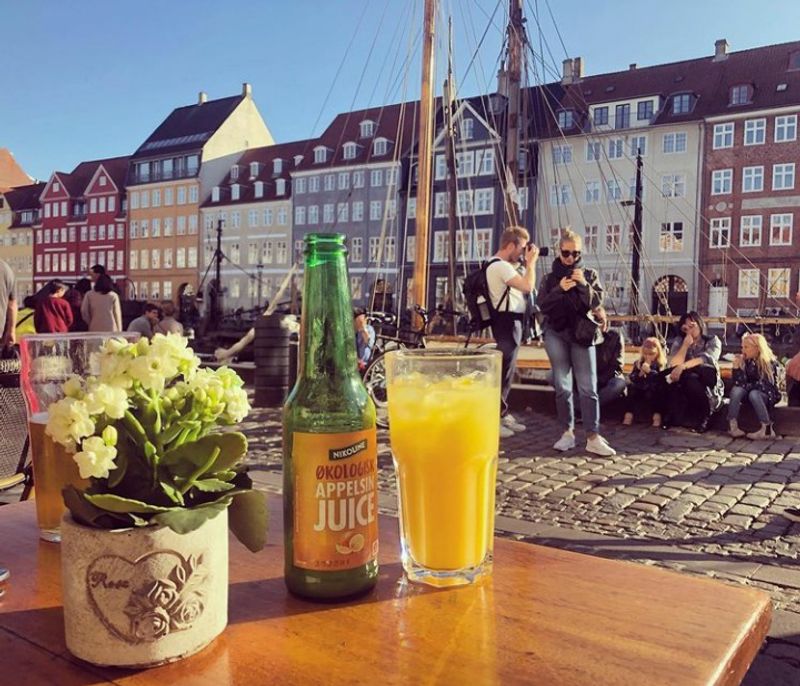
Hot dogs in Copenhagen are not an afterthought. They are a century-old institution.
VisitCopenhagen notes that Denmark’s first licensed hot-dog carts appeared in 1920, and the tradition has remained a visible and genuinely beloved part of city life ever since. The Danish version comes loaded with remoulade, raw or crispy onions, and pickled cucumber, and it is considerably more interesting than the stadium versions most people grew up eating.
DOP operates organic hot-dog stands in central Copenhagen, and the city’s tourism organization describes the local hot-dog cart as one of the most characteristically Danish food experiences available to visitors. That is a bold claim for a sausage in a bun, but Copenhagen earns it.
Beyond hot dogs, the city has developed a strong modern street-food culture. VisitCopenhagen highlights Reffen and Broens Gadekokken as markets worth seeking out, with independent stalls serving food that reflects both Danish tradition and the city’s international influences.
Smoerrebrod, Denmark’s open-faced rye-bread sandwiches, can also be found in takeaway form for eating while walking along the canals. Copenhagen may be globally famous for high-end Nordic restaurants.
But its most relaxed and enjoyable meals still happen standing up.
Porto, Portugal
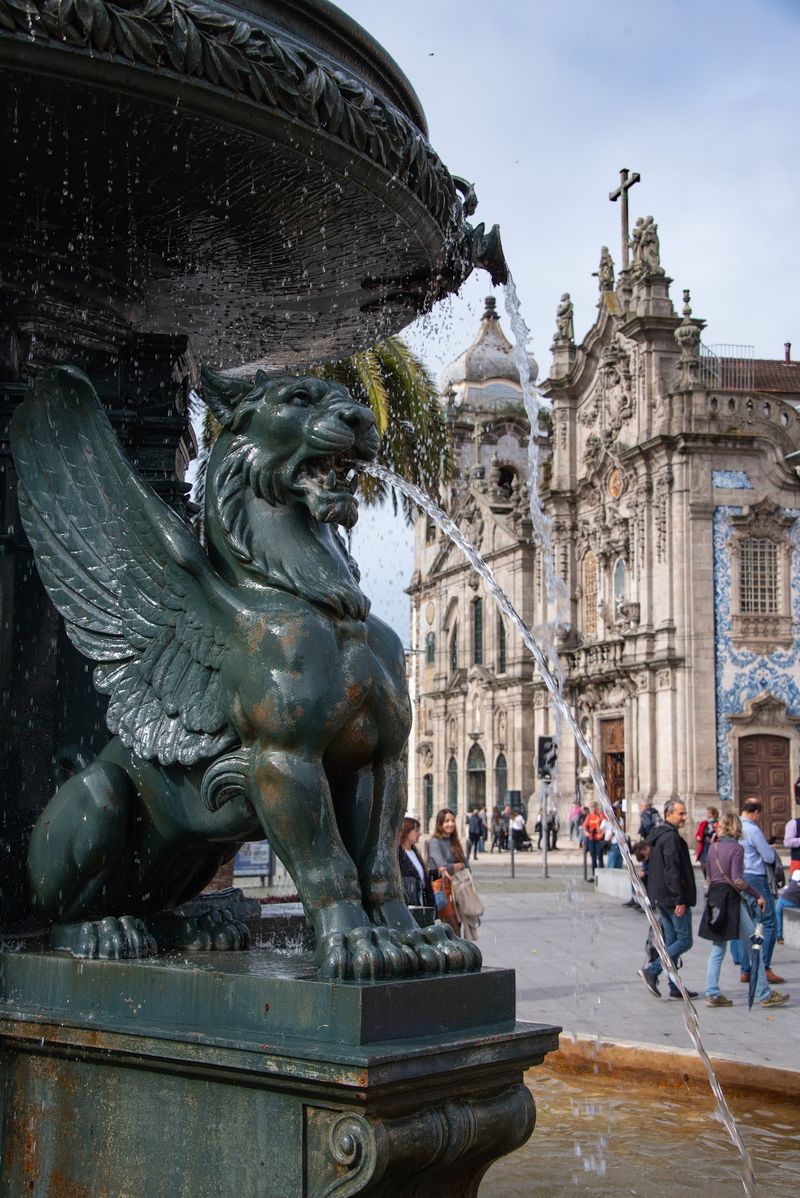
Porto’s food culture has two speeds: the casual counter and the serious sit-down. Both are worth your time, and knowing when to switch between them is most of the fun.
Porto’s tourism organization recommends traditional tascos and local counters where bifanas, pork sandwiches seasoned simply and served fast, are a staple order that locals eat without much ceremony and visitors tend to order twice.
Panado no pao, a fried pork cutlet tucked into bread, offers a slightly heartier version of the same general idea. Cod fritters, cured meats, cheeses, and small savory plates appear around the city’s markets and older neighborhood spots, filling the gaps between longer meals with exactly the right kind of snack.
And then there is the francesinha. Technically not street food, since it requires a plate, cutlery, and a certain level of emotional commitment, but Porto’s tourism board calls it one of the city’s iconic dishes and a genuine cultural marker.
Ignoring it entirely would be a mistake. The smartest approach is to alternate: eat a bifana at a counter, walk another neighborhood, then find a proper table when the time comes to face the francesinha head-on.
Krakow, Poland
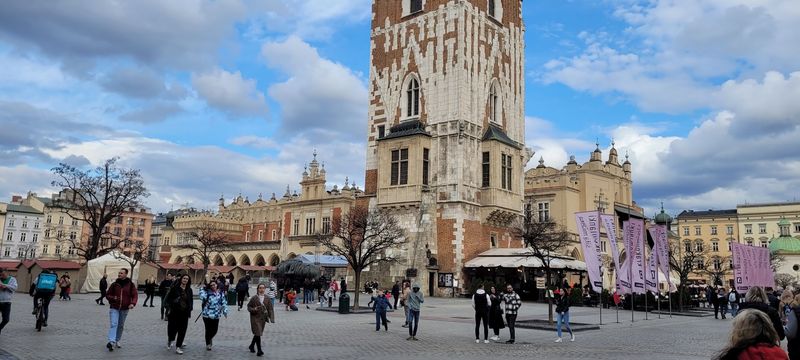
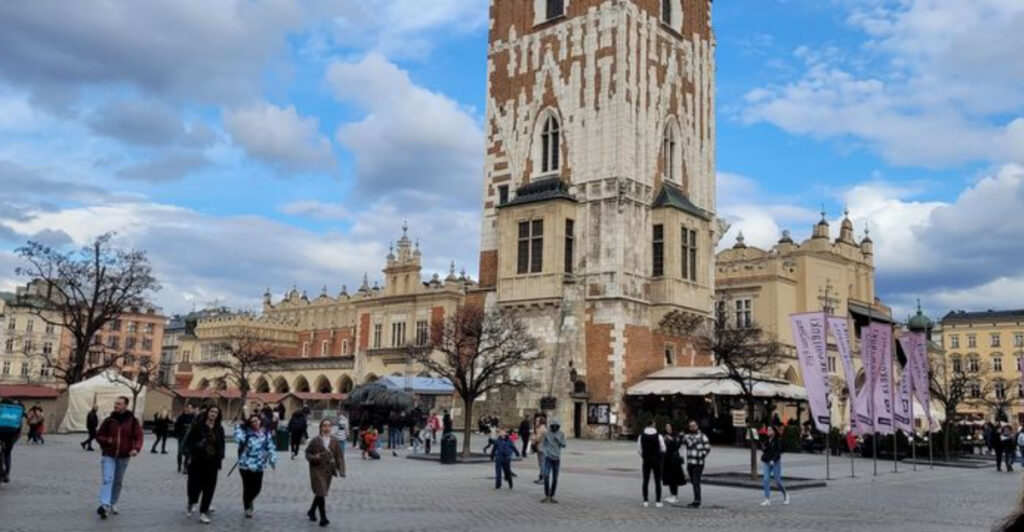
The obwarzanek krakowski has been sold on Krakow’s streets since the 14th century, which makes it one of the oldest street foods still actively eaten anywhere in Europe. The ring-shaped bread with a chewy interior and poppy or sesame seed exterior is sold from small wheeled carts throughout the city, and Krakow’s official tourism organization even runs a dedicated Obwarzanek Museum to celebrate it.
Not many snacks get their own museum.
Zapiekanka earns its own chapter in the city’s food story. The open-faced toasted baguette, traditionally topped with mushrooms, cheese, and sauce, became a Polish fast-food staple during the communist era and never really left.
Krakow’s Kazimierz district is especially known for enormous versions sold cheap and late into the night.
Pierogi, the stuffed dumplings that define Polish comfort food, are more often eaten at a table than on the go, but the city’s annual Pierogi Festival makes clear just how central they are to local culinary identity. Krakow is a particularly good city for food-focused walking because the historic center, Kazimierz, and surrounding neighborhoods are all reachable on foot.
Grab an obwarzanek from a cart, start walking, and let the next snack find you.
Share this story